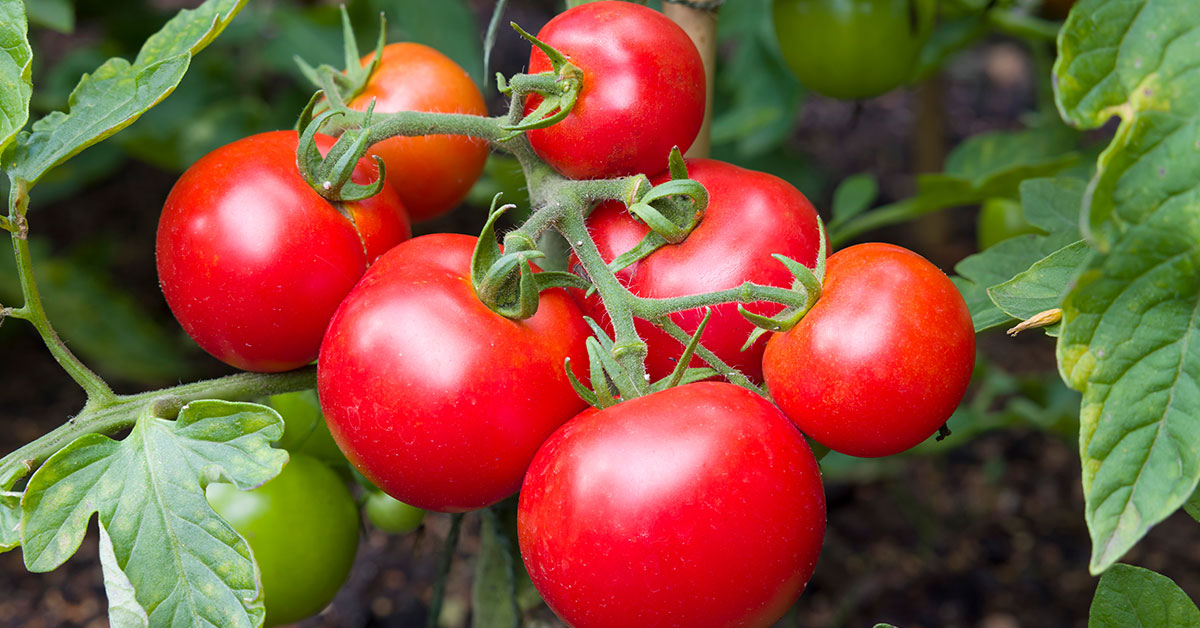

Growing tomatoes is one of the greatest joys of gardening. There’s nothing quite like plucking a ripe, juicy tomato from the vine and savoring the fruits of your labor. But it can be incredibly frustrating when, just as your tomatoes are ripening, they start to split. I’ve been there, staring at those unsightly cracks and wondering what went wrong. If you’re dealing with this issue, you’re not alone! Splitting tomatoes is a common problem, but the good news is that it’s also preventable. Let’s explore why this happens and what you can do to keep your tomatoes whole and healthy.
I know how disheartening it can be to see your beautiful tomatoes marred by splits and cracks, especially when you’ve put so much effort into growing them. But understanding the cause of the problem is the first step to solving it. Whether you’re dealing with occasional splits or it’s happening all the time, there are a few key factors at play. Let’s dive into the reasons why your tomatoes are splitting and, more importantly, how to fix it so you can enjoy a perfect harvest.
Inconsistent Watering
One of the primary reasons tomatoes split is inconsistent watering. When your tomato plants go through cycles of being too dry and then suddenly getting a lot of water, the fruits can’t handle the rapid intake of moisture. This causes the skin to stretch and eventually crack. I know it can be tough to find the right balance, especially if you’re dealing with unpredictable weather or have a busy schedule. But consistency is key!
Tomatoes, native to the Andean regions of South America, are used to a consistent moisture level in their natural environment. When they receive too much water after a dry spell, the inside of the fruit swells faster than the skin can keep up with, leading to those frustrating splits. To avoid this, make sure you’re watering your tomatoes regularly, especially during dry spells. Mulching around the base of the plants can also help retain moisture and keep the soil evenly damp, reducing the chances of splitting.
Overwatering
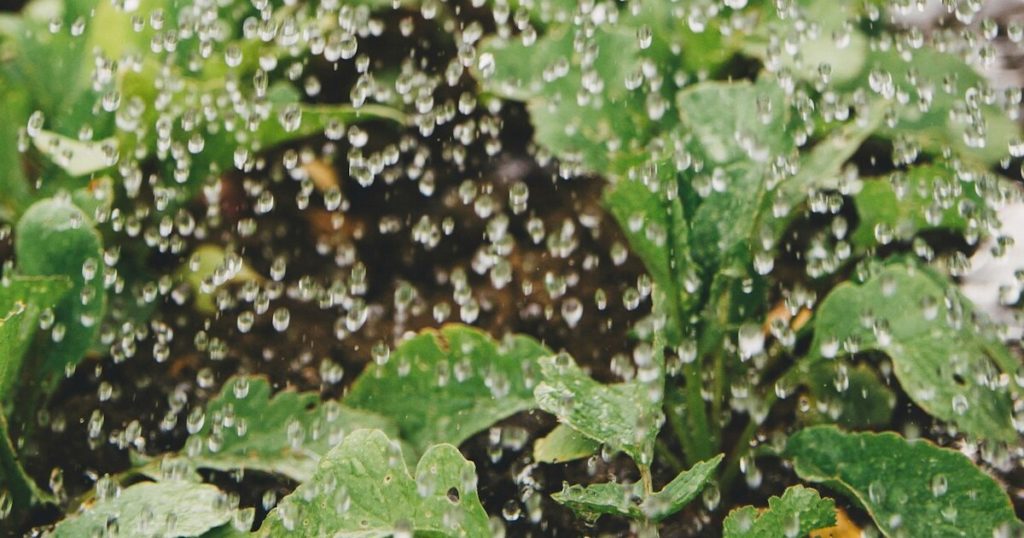
While inconsistent watering is a common cause of splitting, overwatering can also contribute to the problem. If your tomato plants are consistently sitting in soggy soil, the roots can become waterlogged, leading to a range of issues, including splitting fruit. It’s such a bummer when you think you’re doing everything right by giving your plants plenty of water, only to end up with cracked tomatoes. The key here is moderation—tomatoes need water, but they also need well-drained soil.
In regions with heavy rainfall or if you’re overzealous with the hose, your tomato plants might be getting more water than they can handle. This excess moisture can cause the fruit to swell and split, particularly if the skin isn’t strong enough to contain the growing fruit. To prevent this, ensure your garden has good drainage, and consider using raised beds or containers if your soil tends to stay wet. By managing water levels carefully, you can help your tomatoes stay intact and avoid those unsightly cracks.
Rapid Growth

Another reason your tomatoes might be splitting is due to rapid growth. When tomato plants grow too quickly, either because of sudden nutrient boosts or ideal growing conditions, the fruits can outpace the development of their skins. I know how exciting it is to see your plants thriving, but too much of a good thing can lead to problems! Rapid growth often results in the fruit expanding faster than the skin can handle, causing splits.
Tomatoes, like many fruits, need time to develop their skins properly. If the plant is suddenly getting a lot of nutrients, whether from a heavy feeding of fertilizer or because of a burst of perfect weather, the fruit can grow too quickly. To prevent this, try to provide consistent, balanced nutrition throughout the growing season rather than all at once. Slow-release fertilizers can be particularly helpful in maintaining steady growth and avoiding the pitfalls of rapid development.
Varietal Susceptibility

Believe it or not, some tomato varieties are more prone to splitting than others. Heirloom tomatoes, which are beloved for their flavor and unique shapes, often have thinner skins that are more susceptible to cracking. I’ve grown a few of these varieties myself, and while they’re absolutely delicious, they can be a bit more challenging to keep intact. If you’re noticing a lot of splitting, it might be worth looking into the specific variety you’re growing.
On the other hand, there are tomato varieties bred specifically for their resistance to splitting. These varieties tend to have thicker skins that can better withstand fluctuations in moisture and rapid growth. If splitting has been a recurring issue for you, consider switching to a more resistant variety next season. While it’s tempting to stick with your favorites, trying a new type could save you a lot of frustration and lead to a more bountiful harvest.
Temperature Fluctuations

Temperature fluctuations, particularly sudden changes, can also cause your tomatoes to split. Tomatoes thrive in warm, stable conditions, but when temperatures swing from hot to cold or vice versa, the plants can become stressed. This stress can lead to uneven growth and splitting fruit. I know how challenging it can be to control the weather, but there are ways to mitigate the effects of temperature swings on your plants.
Using row covers or moving potted plants indoors during unexpected cold snaps can help protect your tomatoes from extreme temperature changes. Additionally, planting your tomatoes in a location that gets plenty of sunlight but is sheltered from strong winds can help maintain more consistent growing conditions. By keeping your plants’ environment as stable as possible, you can reduce the chances of splitting caused by temperature stress.
Harvesting at the Right Time
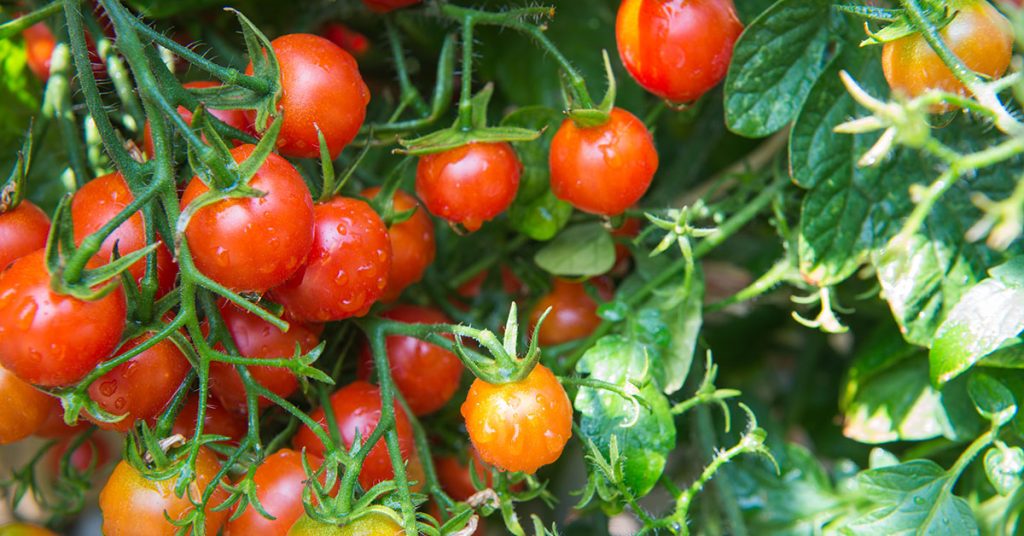
Sometimes, tomatoes split simply because they’re left on the vine too long. As tomatoes reach full maturity, their skins can become more fragile, making them more susceptible to splitting, especially if they receive a sudden influx of water or experience rapid growth. I know it’s tempting to leave tomatoes on the vine until they’re perfectly ripe, but harvesting them a little earlier can actually prevent splitting.
If you notice your tomatoes starting to crack, it’s a good idea to harvest them immediately, even if they’re not fully ripe. You can let them finish ripening indoors, which will allow them to develop their flavor without the risk of splitting. By keeping a close eye on your plants and picking the fruit at the right time, you can enjoy more whole, uncracked tomatoes throughout the season.
Nutrient Imbalance

Nutrient imbalances, particularly a lack of calcium, can also lead to splitting in tomatoes. Calcium is crucial for the development of strong cell walls in fruit, and without it, the skin of the tomato can become weak and prone to cracking. This is often exacerbated by fluctuating water levels, which can interfere with the plant’s ability to take up calcium from the soil. I’ve seen this happen in my own garden, and it can be frustrating when everything else seems to be going well.
To prevent this, make sure your soil has adequate calcium levels before planting, and consider adding a calcium supplement if needed. It’s also important to maintain consistent watering, as this helps the plant absorb the nutrients it needs. By ensuring your tomatoes are getting the right balance of nutrients, you can help prevent splitting and promote healthier, stronger fruit.
Pest Damage
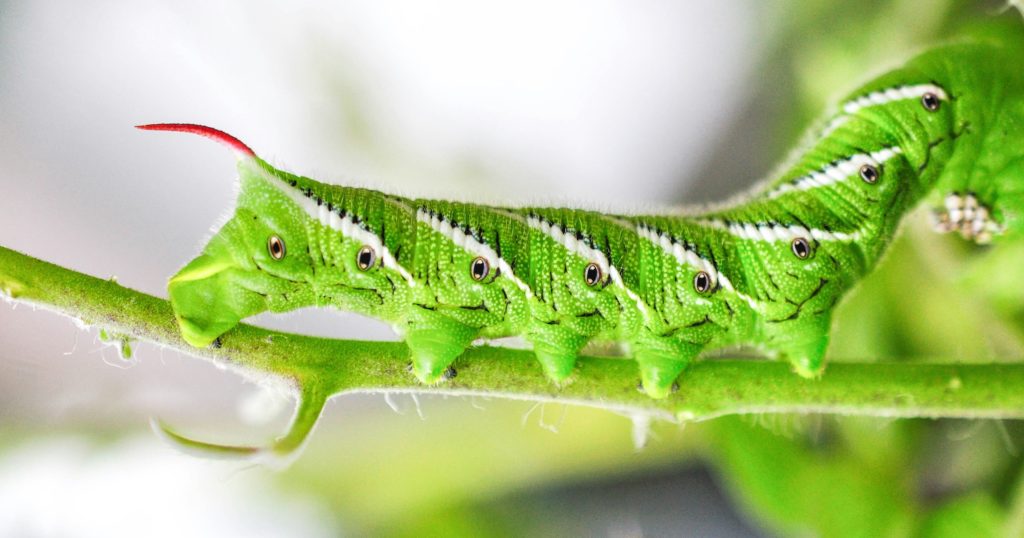
Pests can also be a hidden cause of tomato splitting. Insects like aphids or tomato hornworms can damage the skin of the fruit, creating weak spots that are more prone to splitting as the tomato grows. It’s such a bummer when you’ve done everything right, only to have pests come in and cause problems. Regularly inspecting your plants for signs of pest activity can help you catch these issues before they lead to splitting.
If you notice pest damage, it’s important to address it quickly. Natural remedies, such as neem oil or insecticidal soap, can help keep pests at bay without harming your plants. By keeping your garden free of pests, you can protect your tomatoes from the damage that leads to splitting and ensure a healthier, more robust harvest.
Soil Conditions
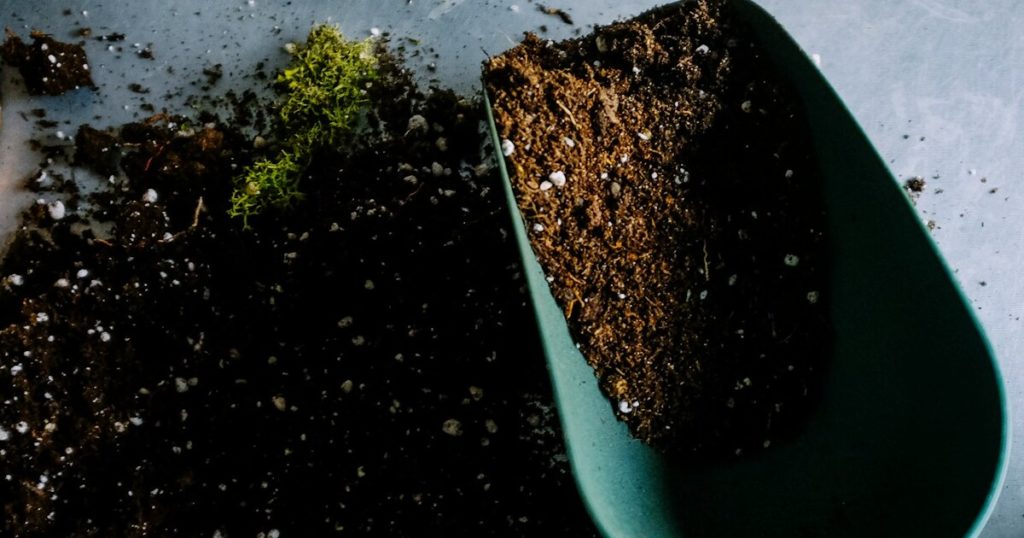
Finally, the condition of your soil can play a significant role in whether your tomatoes split. Soil that drains poorly can lead to waterlogged roots, while soil that drains too quickly can cause your plants to dry out. Both of these extremes can contribute to the water fluctuations that cause splitting. I know how tricky it can be to get your soil just right, but it’s worth the effort!
Amending your soil with organic matter, like compost, can improve its structure and help maintain the right moisture balance. Raised beds are also a great option if you’re dealing with heavy, clay soil or sandy soil that doesn’t hold water well. By paying attention to your soil conditions, you can create an environment that supports healthy tomato growth and minimizes the risk of splitting.