
Few things are more disappointing for a gardener than waiting all year for your perennials to burst into color, only to find bare stems or sparse blooms instead. While these plants are designed to return year after year, a variety of environmental, cultural, and maintenance factors can interfere with their flowering cycle. The good news is that most of these problems are fixable, and with a little understanding, you can get your perennials back on track for next season.
From pruning mistakes to poor soil conditions, there are several common reasons perennials fail to bloom. Identifying the cause is the first step to giving your plants what they need to thrive and ensuring your garden is full of vibrant flowers next year.
You Pruned at the Wrong Time
One of the most common reasons perennials fail to bloom is improper pruning. Some perennials form buds on old wood, while others bloom on new growth. If you prune at the wrong time, you may accidentally remove the flower buds before they even have a chance to open.
To prevent this, research the specific blooming habits of your plants. For example, lilacs and peonies should be pruned right after flowering, while salvias and coreopsis respond best to pruning in late winter or early spring. Knowing your plant’s growth cycle ensures you are not cutting off the next season’s blooms.
Your Plant Needs to Mature
Some perennials take several years to establish strong root systems before they produce significant blooms. Younger plants often prioritize foliage and root growth over flowers, which can leave new gardeners wondering why their plant seems “lazy” in its early seasons.
Patience is key here. Check the maturity timeline for the specific perennial you are growing. Peonies, for example, can take up to three years before showing their full flowering potential. Once your plant has settled into its environment, it is likely to bloom more reliably in subsequent years.
Overfertilizing Encouraged Foliage, Not Flowers
It is natural to think more fertilizer equals more flowers, but with perennials, too much nitrogen can backfire. High-nitrogen fertilizers encourage lush, leafy growth at the expense of blooms, leaving you with healthy-looking plants but little color in your garden.
Instead, choose a balanced fertilizer or one specifically formulated for blooming plants, which typically has a higher ratio of phosphorus to support flower development. Applying the right nutrients at the correct time gives your plants the energy they need to focus on buds rather than excessive foliage.
The Plant Is in Too Much Shade
Many perennials need at least six hours of direct sunlight per day to produce abundant flowers. If your plant is shaded by trees, fences, or nearby structures, it may have enough energy to grow leaves but not enough to form buds.
Observe your garden throughout the day and take note of how much sun your plants actually receive. If they are struggling in low-light conditions, consider transplanting them to a sunnier location or pruning back nearby vegetation. Providing adequate sunlight is one of the simplest ways to encourage blooming.
The Soil Needs Improvement
Healthy soil is the foundation for successful perennial growth and blooming. If your soil lacks nutrients, drains poorly, or has the wrong pH, it can limit your plant’s ability to produce flowers. Compacted or nutrient-poor soils make it especially difficult for roots to access the energy needed for blooms.
Perform a simple soil test to identify deficiencies or imbalances. Amending the soil with compost, organic matter, or the proper nutrients can significantly improve plant health and flowering. Taking time to build better soil will reward you with bigger, brighter, and more consistent blooms.
Drought or Irregular Watering Stressed the Plant
Perennials require consistent moisture to form buds, especially during the growing season. Extended dry spells or irregular watering schedules can stress plants, causing them to divert energy away from flowering in order to survive.
Establish a deep, regular watering routine to keep the soil evenly moist but not soggy. Adding a layer of mulch around the base of your plants helps regulate soil moisture and temperature, keeping roots healthier and blooms more reliable even during unpredictable weather.
Late Spring Frost Damaged Buds
Unexpected cold snaps in spring can wreak havoc on perennials that are preparing to bloom. Many plants set their buds early, and a sudden frost can damage or kill them before they even have the chance to open.
Protect vulnerable perennials with frost cloths or garden blankets when late-season cold weather is in the forecast. In some cases, plants may still push out a smaller second flush of blooms later in the season, but the best solution is prevention.
Overcrowding Reduced Flower Production
As perennials mature, they often spread and compete for nutrients, sunlight, and water. Overcrowding can lead to reduced blooming because plants no longer have the resources they need to thrive.
Every few years, divide clumping perennials like daylilies, irises, and hostas to give each plant more room to grow. Dividing not only improves flower production but also rejuvenates the plant overall, leading to healthier foliage and stronger blooms in future seasons.
Pests or Diseases Interrupted Bud Development
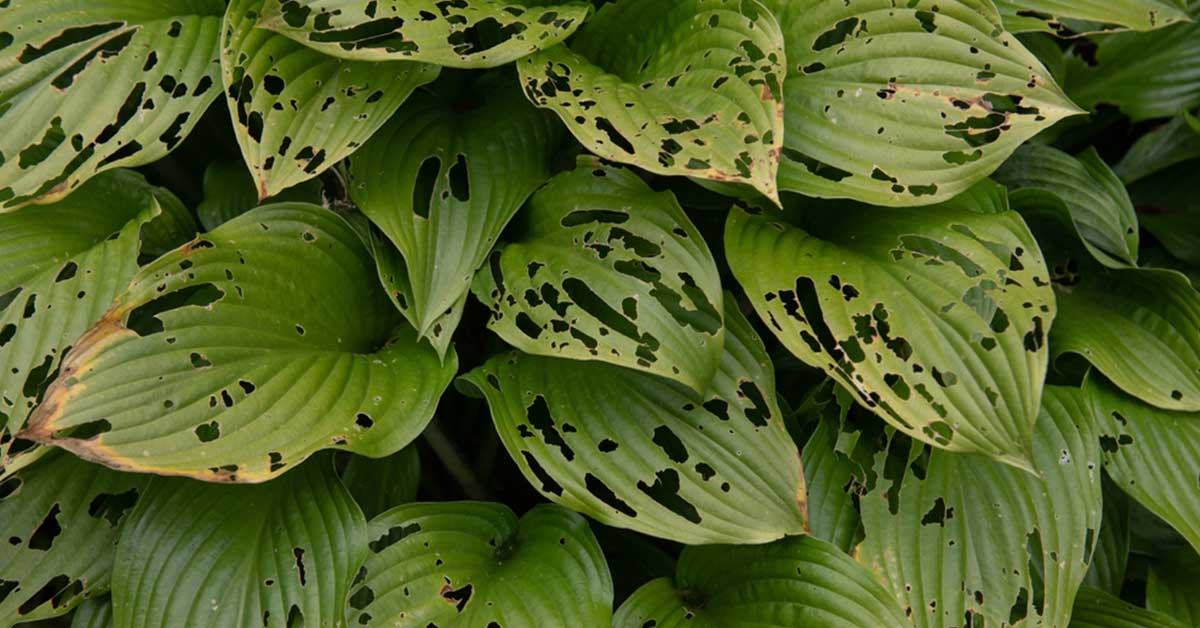
Even healthy-looking perennials can fail to bloom if pests or diseases damage developing buds. Aphids, thrips, and fungal infections are common culprits that interfere with flowering by draining energy or killing buds outright.
Inspect your plants regularly for signs of infestation, including distorted leaves, spots, or sticky residue. Treat problems early with insecticidal soap, neem oil, or other appropriate solutions. Proactive monitoring and control measures can make a significant difference in restoring healthy blooms.
The Plant Is Simply the Wrong Variety for Your Region
Not all perennials are suited for every climate, and planting a species that struggles in your growing zone can result in limited or nonexistent blooms. Plants adapted to cooler conditions may fail to thrive in extreme heat, while tropical perennials often struggle in northern gardens.
Before purchasing, always check the USDA hardiness zone recommendations and research whether the plant’s needs match your local conditions. Choosing perennials suited to your environment ensures they have the energy and stability to bloom consistently year after year.
Old Plants Need Rejuvenation
Even reliable bloomers eventually slow down after years of growth. Older perennials may produce fewer flowers simply because their root systems are overcrowded or depleted of energy.
Dividing older plants and replenishing the soil around them can give them a fresh start. Removing dead or woody stems also helps redirect energy toward producing new buds. With a little rejuvenation, aging perennials often bounce back with stronger growth and better flowering.
Temperature Extremes Interrupted the Bloom Cycle
Extreme heat or unexpected cold can both disrupt flowering cycles. If a plant experiences stress from prolonged high temperatures or sudden drops, it may conserve energy by skipping its bloom period altogether.
To help plants cope, apply mulch to regulate soil temperatures and water deeply during heatwaves. For perennials in colder regions, insulating the soil before winter can also prevent damage to roots and buds, ensuring more reliable blooms in the coming season.
Poor Pollination Reduced Flower Development
Some perennials depend on pollinators to stimulate full bloom cycles and healthy seed production. A lack of bees, butterflies, and other pollinators in your garden can sometimes result in fewer flowers or incomplete blooms.
Attract pollinators by planting a mix of native flowers, providing water sources, and avoiding pesticides. Creating a pollinator-friendly habitat supports the natural processes your perennials rely on, leading to fuller, healthier, and more consistent flowering.
If your perennials skipped blooming this year, don’t give up hope. Most of the causes are reversible with a few thoughtful changes, and many plants will bounce back stronger the following season once their needs are met. Focus on improving soil, adjusting light exposure, pruning properly, and monitoring for pests and stress.
With a bit of patience and attention, you can bring your garden back to full, colorful glory. Healthy perennials not only reward you with blooms year after year but also grow stronger and more resilient as you learn what they need to thrive.