

As the vibrant colors of summer give way to the rich hues of autumn, fall presents a perfect opportunity to prepare your garden for the colder months ahead. One of the most effective ways to ensure your plants remain healthy and thriving is by adding the right mulch. Mulching in the fall not only protects your plants from extreme temperatures and moisture loss but also enriches the soil, suppresses weeds, and enhances the overall aesthetics of your garden. Whether you’re a seasoned gardener or just starting out, understanding the best mulch options for fall can make a significant difference in the success of your garden.
I know how overwhelming it can be to choose the right mulch, especially with so many options available. It’s such a bummer when your hard work doesn’t pay off because the mulch you chose didn’t meet your garden’s needs. That’s why I’m excited to share some of the best mulch types to add to your garden this October. Each type of mulch offers unique benefits, from improving soil health to attracting beneficial insects that support your plants. Let’s dive into these fantastic mulch options and discover how they can help you create a resilient and beautiful garden this fall!
Wood Chips and Bark
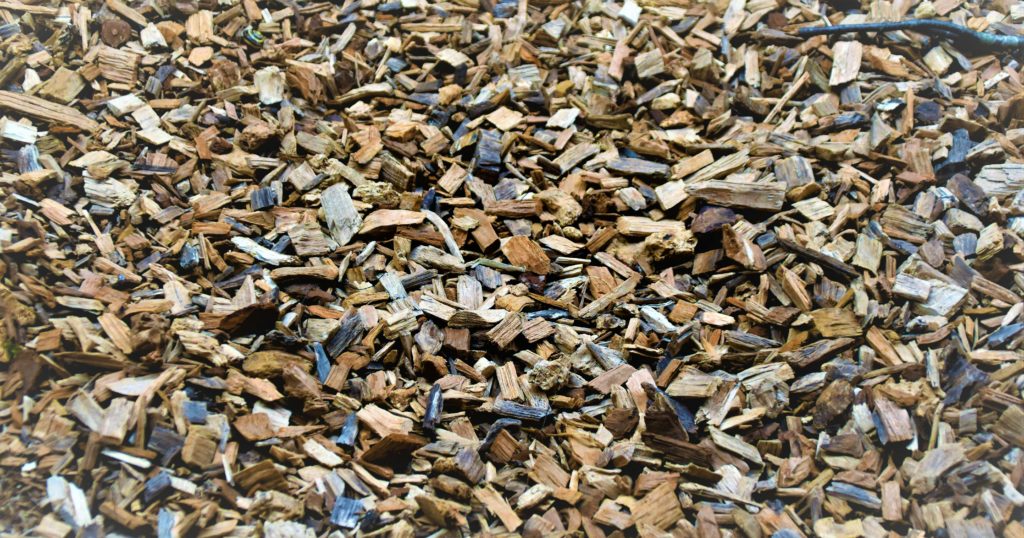
Wood chips and bark mulch are among the most popular choices for fall gardening, and for good reason! Native to various regions, depending on the tree source, wood chips and bark provide excellent moisture retention and temperature regulation for your garden beds. These mulches break down slowly, enriching the soil with organic matter over time, which improves soil structure and fertility. I love using wood chips around perennial beds and shrubs because they create a neat, uniform look while protecting plant roots from the harsh winter weather.
In addition to their soil-enhancing properties, wood chips and bark mulch help suppress weed growth, reducing competition for nutrients and water. This means less time weeding and more time enjoying your beautiful garden! They also provide a habitat for beneficial insects such as beetles and spiders, which help control pest populations naturally. While wood chips and bark are generally not considered invasive, it’s important to choose mulch from disease-free sources to prevent introducing unwanted pests or pathogens into your garden. Embrace the timeless charm of wood chips and bark this fall to create a healthy, low-maintenance garden that thrives all year round!
Straw
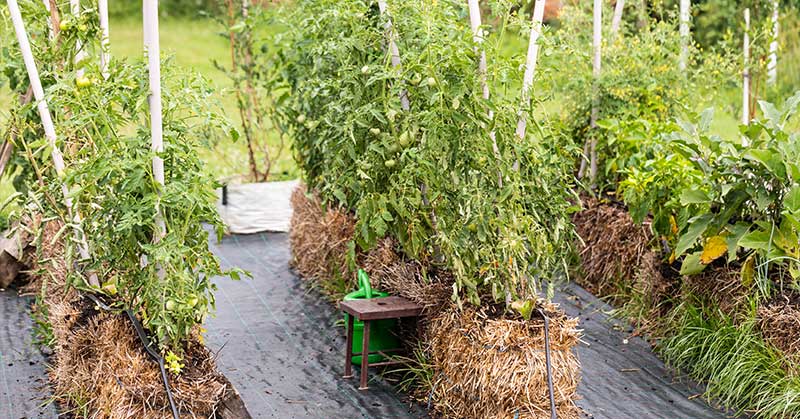
Straw mulch is a fantastic option for fall gardening, especially if you’re looking for a lightweight and affordable mulch solution. Originating from cereal crops like wheat, straw is excellent for insulating the soil, helping to maintain consistent moisture levels and protect plant roots from temperature fluctuations. One of my favorite uses for straw mulch is around vegetable gardens, where it helps retain moisture for root vegetables like carrots and radishes, ensuring a sweet and tender harvest.
Beyond moisture retention, straw mulch also suppresses weed growth, allowing your plants to thrive without the constant battle against unwanted weeds. Additionally, straw provides an ideal environment for beneficial insects such as ladybugs and lacewings, which prey on common garden pests like aphids and mites. It’s important to note that straw is not invasive, making it a safe choice for container gardens and garden beds alike. To maximize its benefits, ensure the straw is free from seeds to prevent weed issues and replenish it as needed throughout the fall season. Incorporate straw mulch into your October garden and enjoy a bountiful, healthy harvest with minimal effort!
Pine Needles
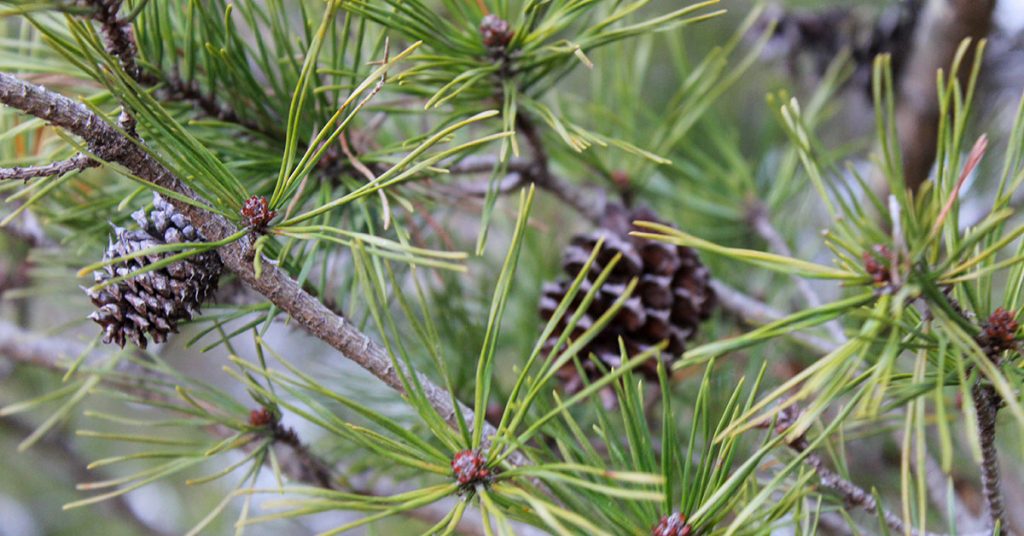
Pine needles, also known as pine straw, are an excellent mulch choice for fall gardening, particularly for acidic-loving plants such as blueberries, azaleas, and rhododendrons. Native to pine forests, pine needles provide a natural and attractive mulch that enhances the aesthetic appeal of your garden with their rich, reddish-brown color and delicate texture. One of the reasons I love pine needles is their ability to break down slowly, enriching the soil with organic matter and improving its structure over time.
In addition to their soil benefits, pine needles help retain moisture and regulate soil temperature, creating a stable environment for your plants as the weather cools. They also suppress weed growth, reducing the need for frequent weeding and allowing your plants to focus their energy on growth and flowering. Pine needles are not considered invasive, making them a safe and eco-friendly mulch option for both small and large garden spaces. By using pine needles in your fall garden, you’re not only providing essential protection for your plants but also adding a touch of natural beauty that complements the changing seasons. Embrace the versatility and charm of pine needles to create a thriving, low-maintenance garden this October!
Compost

Compost mulch is a highly beneficial option for fall gardening, offering a nutrient-rich layer that enhances soil health and supports robust plant growth. Made from decomposed organic matter such as kitchen scraps, garden waste, and manure, compost is a natural fertilizer that replenishes essential nutrients in the soil. I love using compost as mulch around vegetable gardens and fruit trees because it provides a steady supply of nutrients, ensuring your plants remain healthy and productive throughout the fall and into the spring.
Beyond its fertilizing properties, compost mulch improves soil structure by increasing aeration and water retention, which helps prevent soil compaction and erosion. It also fosters a thriving community of beneficial microorganisms that support plant health and suppress soil-borne diseases. Additionally, compost mulch acts as a natural weed suppressant, reducing the need for manual weeding and allowing your plants to flourish with less competition. Compost is not invasive, making it a safe and sustainable choice for any garden. By adding compost mulch to your October garden, you’re investing in the long-term health and vitality of your plants, creating a fertile and resilient garden that stands the test of time!
Cocoa Hulls

Cocoa hulls are a delightful and aromatic mulch option for fall gardening, adding both beauty and functionality to your garden beds. Native to tropical regions where cocoa is grown, cocoa hulls are the outer shells of cocoa beans and offer a rich, dark brown color that complements the autumn palette perfectly. One of the reasons I love cocoa hulls is their pleasant chocolate scent, which can add a sensory dimension to your garden while deterring pests such as slugs and snails, thanks to their bitter taste.
In addition to their pest-repellent properties, cocoa hulls help retain soil moisture and regulate temperature, creating a stable environment for your plants as the weather cools. They also suppress weed growth, reducing the need for frequent weeding and allowing your plants to thrive without unnecessary competition. Cocoa hulls break down slowly, enriching the soil with organic matter and improving its structure over time. It’s important to note that while cocoa hulls are generally not invasive, they can be toxic to pets if ingested, so it’s essential to use them in areas that are inaccessible to curious animals. Embrace the rich color and natural benefits of cocoa hulls this fall to create a beautiful, low-maintenance garden that delights both the eyes and the senses!
Leaf Mulch

Leaf mulch is a versatile and eco-friendly option for fall gardening, making it an excellent choice as leaves naturally fall from trees during October. Collected from your own yard or sourced locally, shredded leaves provide a cost-effective mulch that offers numerous benefits for your garden. I love using leaf mulch around annuals and perennials because it helps retain moisture, regulate soil temperature, and protect plant roots from frost and harsh winter conditions.
In addition to its moisture-retaining properties, leaf mulch suppresses weed growth, reducing the need for manual weeding and allowing your plants to focus on growth and flowering. As the leaves decompose, they enrich the soil with organic matter, improving soil structure and fertility over time. Leaf mulch also attracts beneficial organisms such as earthworms and beneficial insects, which help aerate the soil and control pest populations naturally. Leaf mulch is not invasive, making it a safe and sustainable choice for any garden. By incorporating shredded leaf mulch into your October garden, you’re recycling natural resources and creating a healthy, thriving garden environment that supports both plant health and environmental sustainability. Embrace the simplicity and effectiveness of leaf mulch to enhance your fall garden effortlessly!
Rubber Mulch

While organic mulches are often preferred for their soil-enhancing properties, rubber mulch is a valuable option for specific garden needs, particularly in high-traffic areas or for decorative purposes. Made from recycled rubber, typically from tires, rubber mulch is a long-lasting, durable mulch that provides excellent weed suppression and moisture retention without breaking down over time. I appreciate using rubber mulch in pathways, around playground equipment, or in container gardens where its stability and resilience are particularly beneficial.
In addition to its practical benefits, rubber mulch offers a unique aesthetic that can add a modern and polished look to your garden spaces. It comes in a variety of colors, allowing you to choose hues that complement your garden’s design and color scheme. Rubber mulch is non-invasive, making it a safe choice for areas where you want to prevent weed growth without introducing any organic material that could harbor pests or diseases. While rubber mulch does not provide the same soil enrichment as organic mulches, it is an excellent option for gardeners seeking low-maintenance solutions that require minimal upkeep. By incorporating rubber mulch into your October garden, you’re enhancing both the functionality and visual appeal of your outdoor spaces with a sustainable and innovative mulch option!