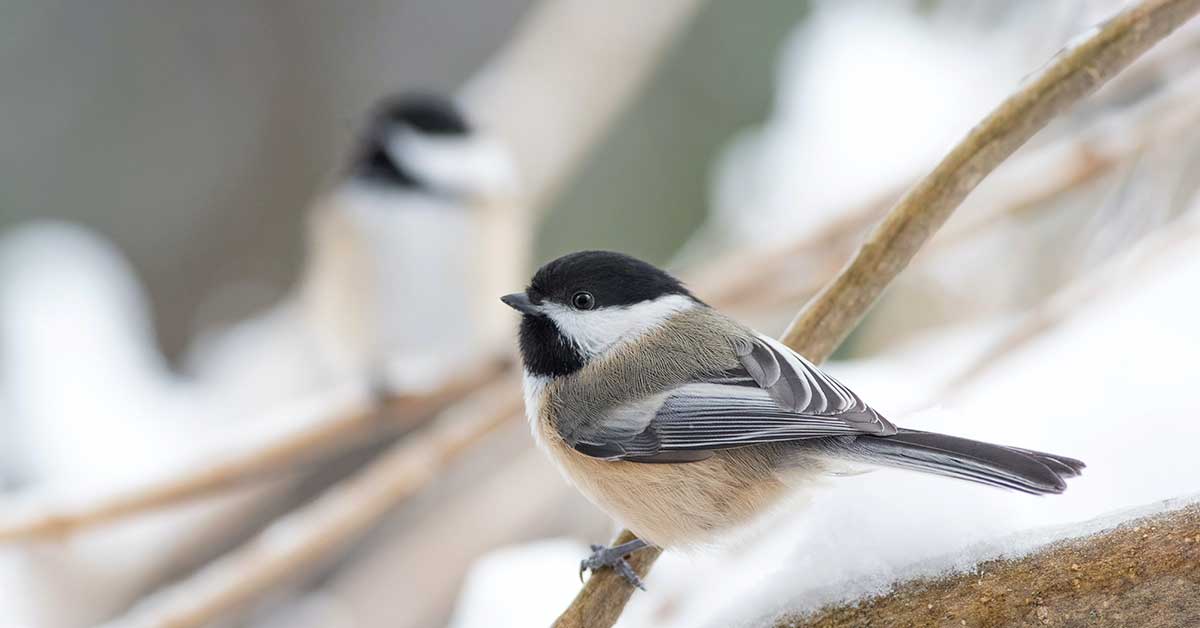

Chickadees are delightful little birds that bring joy and vibrancy to any garden. More importantly, these feathered friends are incredible at controlling garden pests. As a gardener, there’s nothing more satisfying than watching these active birds flitting about, knowing they are helping keep harmful insects in check. Attracting chickadees to your garden can lead to a more balanced ecosystem and a healthier, more productive garden.
In this article, we’ll explore several effective strategies to attract chickadees to your garden. From providing food and water to creating nesting habitats, these tips will help you create a welcoming environment for these beneficial birds. Let’s dive into the world of chickadees and discover how to make your garden their favorite spot!
All about chickadees
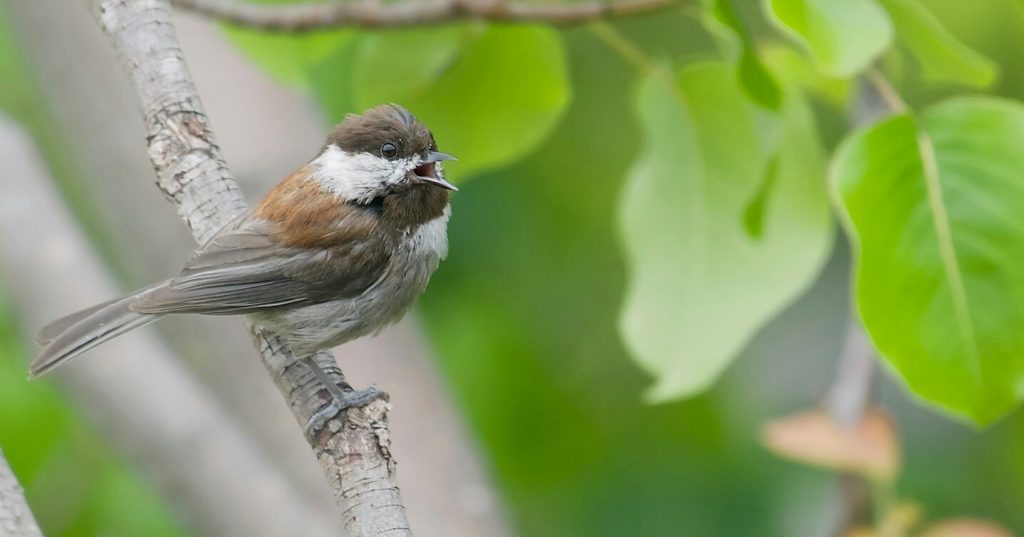
In order to attract chickadees to our yards, it helps to know a little bit about this stunning, black-capped bird. These are the basic fast facts about these birds:
- Latin name: Poecile atricapillus
- Other names: black-capped chickadee
- Appearance: black scalp and chest, white cheeks, gray and black wings and tails and a white underside.
- Native range: Northern United States and Southern Canada, ranging from Alaska to New England and as far asouth as northern New Mexico
- Temperament: Relatively tame
- Nest location: Empty cavities in trees
- Breeding period: April through June
- Number of eggs: 13
- Incubation period: 12-13 days
- Nesting period: 12-16 days
- Migration: Do not migrate
Provide a Reliable Food Source
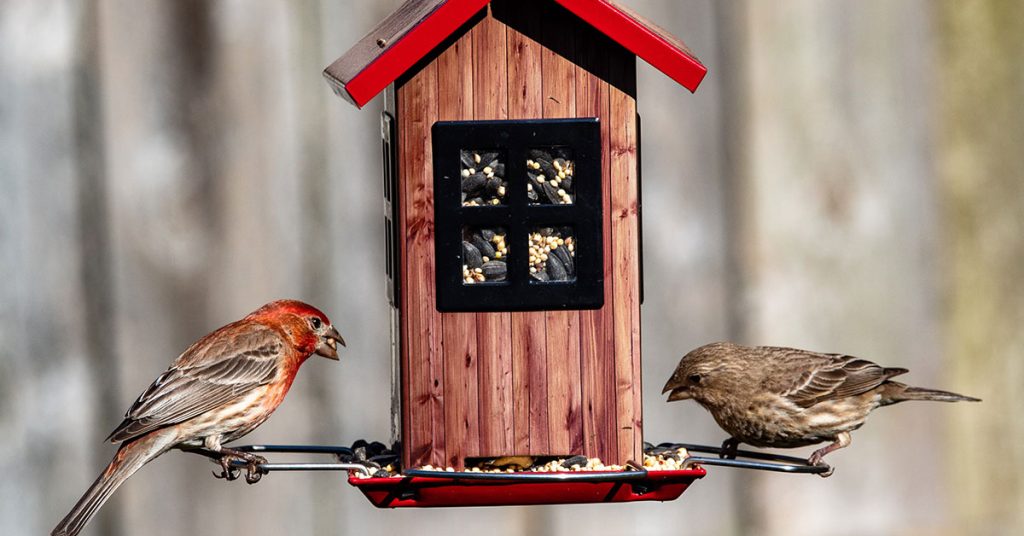
Chickadees are always on the hunt for food, and offering a reliable source of nourishment is key to attracting them. They have a diverse diet that includes insects, seeds, and berries. During the warmer months, chickadees feast on caterpillars, aphids, and other insects, making them excellent natural pest controllers. In the winter, seeds and berries become their primary food sources.
To attract chickadees, set up feeders filled with their favorite seeds, such as black oil sunflower seeds and suet. Suet is especially important during the colder months as it provides high-energy nutrients that chickadees need to survive. Place feeders in locations that are easily accessible to chickadees but safe from predators. Consistently replenishing the feeders ensures that chickadees will make your garden a regular stop.
Plant Native Berry-Producing Shrubs
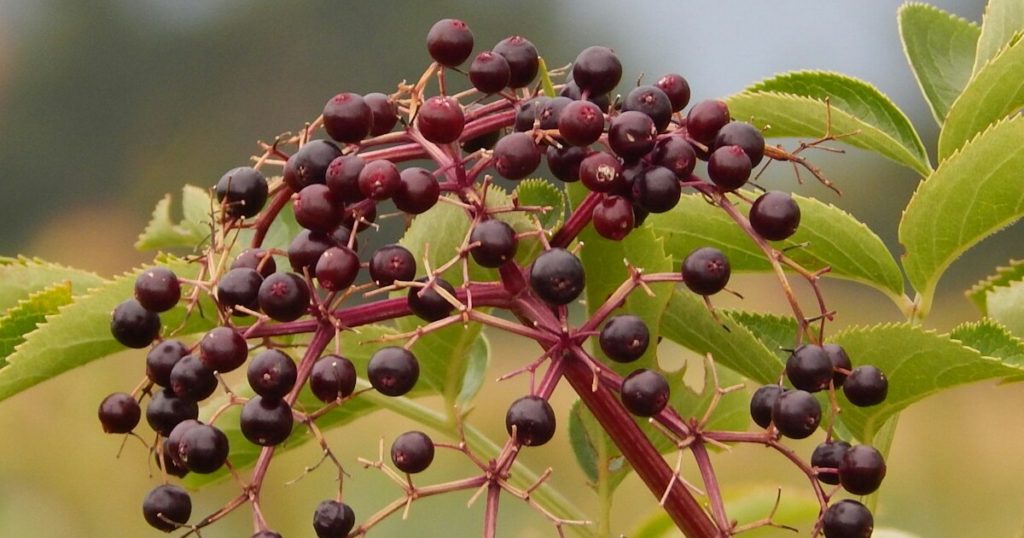
Native berry-producing shrubs are a fantastic way to attract chickadees and provide them with a natural food source. Plants like serviceberry (Amelanchier spp.), elderberry (Sambucus spp.), and dogwood (Cornus spp.) produce berries that chickadees love. These shrubs not only offer food but also provide shelter and nesting sites.
When choosing berry-producing shrubs, opt for native varieties. Native plants are well-adapted to your local climate and soil, and they support the local ecosystem. They are not considered invasive and provide the best resources for local wildlife, including chickadees. Planting these shrubs around your garden creates a habitat that is inviting and beneficial for chickadees.
Install Nesting Boxes

Chickadees are cavity nesters, meaning they prefer to nest in holes in trees or nesting boxes. Providing nesting boxes in your garden can encourage chickadees to raise their young in your yard. These boxes should have a small entrance hole, about 1.25 inches in diameter, to keep out larger birds and predators.
Place the nesting boxes about 5-15 feet above the ground in a sheltered area, such as near trees or shrubs. Make sure the boxes are securely mounted and have proper ventilation and drainage. Clean out the boxes at the end of each breeding season to prepare them for the next year. By providing safe and suitable nesting sites, you can enjoy watching chickadees raise their families while benefiting from their pest control services.
Offer Fresh Water
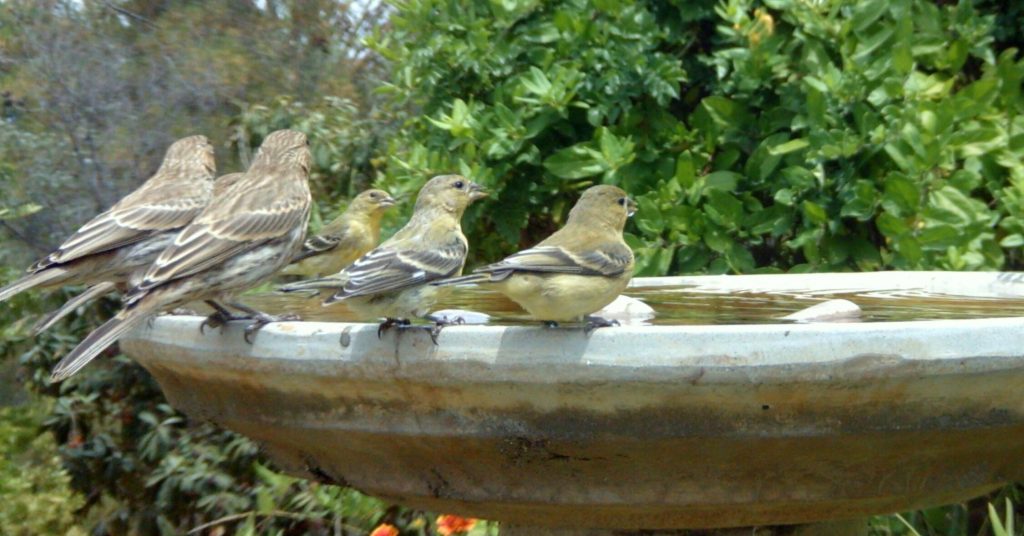
Like all birds, chickadees need a reliable source of fresh water for drinking and bathing. Setting up a birdbath or a small water feature in your garden can make it more attractive to chickadees. Ensure the birdbath has a shallow basin, as chickadees prefer shallow water for bathing and drinking.
Place the birdbath in a location that is visible and accessible to the birds, but also provides some cover nearby to protect them from predators. Keep the water clean by changing it regularly and scrubbing the basin to prevent algae buildup. In winter, consider using a heated birdbath to provide a consistent water source during freezing temperatures. Fresh water is crucial for attracting chickadees and keeping them healthy.
Create a Safe Habitat

Creating a safe and inviting habitat is essential for attracting chickadees. These birds need shelter from harsh weather and predators. Planting a variety of native trees and shrubs provides natural cover and nesting sites. Evergreens, such as pine (Pinus spp.) and spruce (Picea spp.), offer year-round protection and roosting sites for chickadees.
Avoid using pesticides and chemical fertilizers in your garden, as these can harm chickadees and reduce their food supply. Instead, embrace organic gardening practices that support a healthy ecosystem. By creating a safe and natural habitat, you encourage chickadees to visit and stay in your garden, contributing to its overall health and balance.
Maintain a Natural Landscape
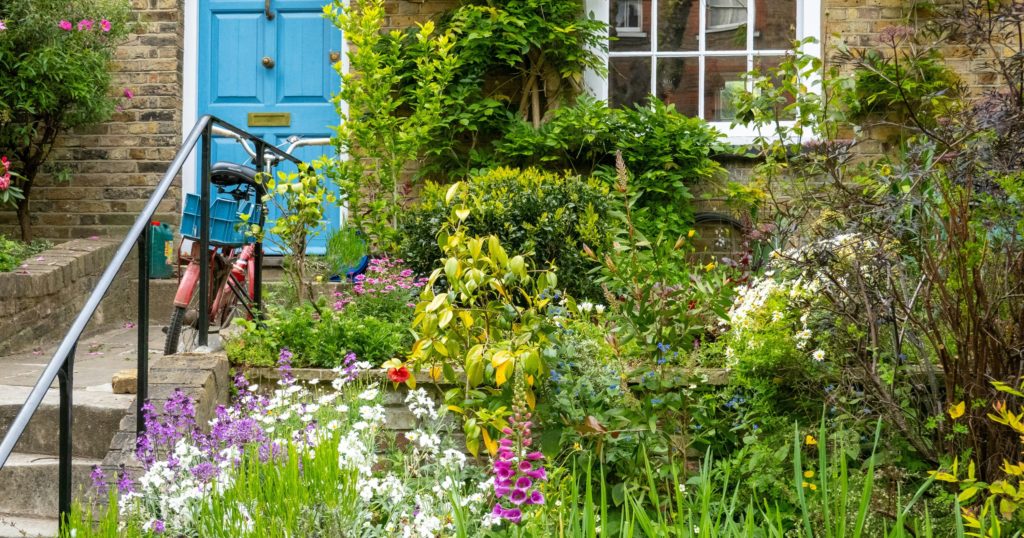
Chickadees thrive in natural, diverse landscapes that mimic their natural habitat. Maintain a variety of plant species, including trees, shrubs, and ground cover, to create a layered environment. This diversity provides ample food, shelter, and nesting sites for chickadees and other wildlife.
Leave some areas of your garden a bit wild, with leaf litter and fallen branches. These areas harbor insects and provide foraging opportunities for chickadees. Additionally, dead trees or snags can serve as natural nesting sites. A well-maintained natural landscape attracts chickadees by offering the resources they need to thrive.
Use Organic Pest Control Methods
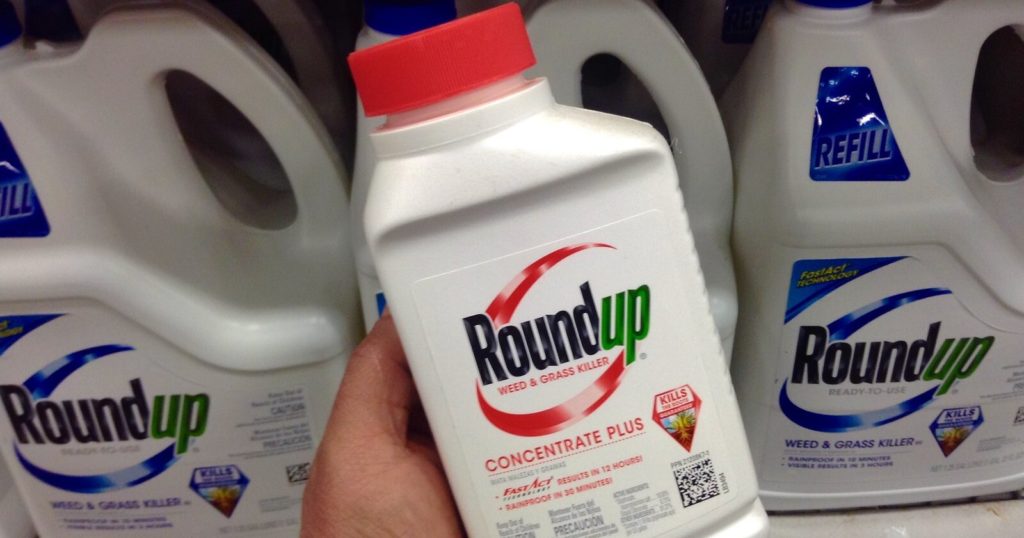
Chickadees are natural pest controllers, so using organic pest control methods can make your garden more attractive to them. Avoid using chemical pesticides, which can harm chickadees and other beneficial insects. Instead, implement integrated pest management strategies that rely on natural predators and organic solutions.
Introduce beneficial insects like ladybugs and lacewings to control pest populations naturally. Encourage biodiversity by planting a variety of native plants that attract different insects. By maintaining a healthy, balanced ecosystem, you create an environment where chickadees can thrive and help control garden pests.
Plant Sunflowers

Sunflowers (Helianthus annuus) are a favorite of chickadees, providing both seeds and insects for them to eat. These vibrant flowers attract a variety of pollinators and beneficial insects, creating a rich foraging ground for chickadees. Native to North America, sunflowers are easy to grow and make a beautiful addition to any garden.
Plant sunflowers in a sunny spot with well-draining soil. They grow quickly and can reach impressive heights, offering a steady supply of seeds in late summer and fall. Harvest some seeds for winter feeding or let the birds enjoy them directly from the flower heads. Sunflowers not only attract chickadees but also enhance the overall biodiversity of your garden.
Provide Perches and Roosting Sites
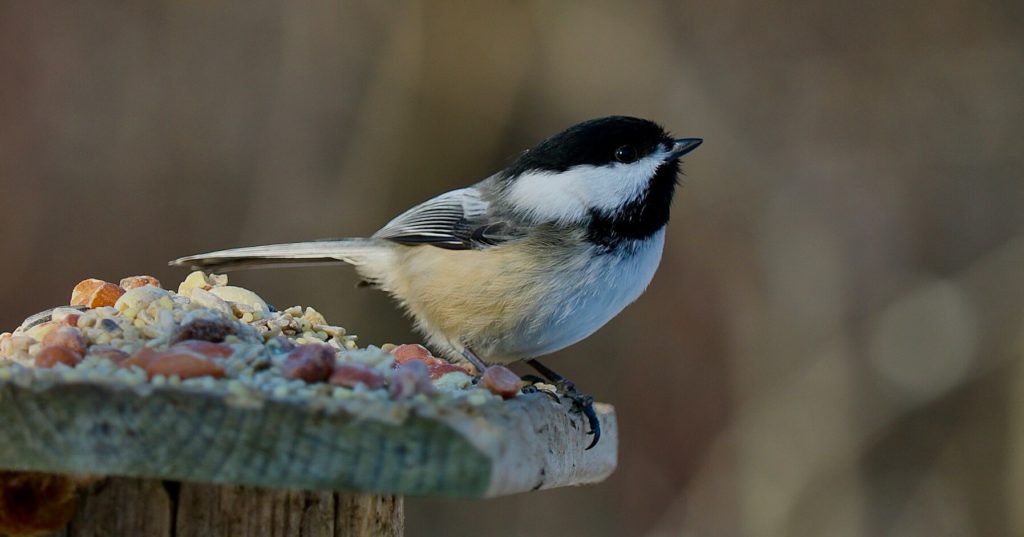
Chickadees need safe places to perch and rest between foraging. Provide a variety of perches, such as tree branches, shrubs, and even man-made structures like trellises and garden obelisks. These perches offer vantage points for chickadees to survey their surroundings and find food.
In addition to perches, ensure there are plenty of roosting sites where chickadees can take shelter, especially during the night or in bad weather. Dense shrubs and evergreens make excellent roosting spots. By offering a range of perching and roosting options, you create a more inviting environment for chickadees to stay and thrive.
Keep Your Garden Clean
Maintaining a clean and tidy garden is essential for attracting chickadees and keeping them healthy. Regularly clean bird feeders, birdbaths, and nesting boxes to prevent the spread of diseases. Remove any spoiled or moldy food from feeders and replace it with fresh supplies.
Also, keep the ground below feeders clean by raking up fallen seeds and debris. This helps prevent the growth of harmful bacteria and fungi. A clean garden ensures that chickadees have a safe and healthy environment, encouraging them to visit and stay.
Encourage Biodiversity
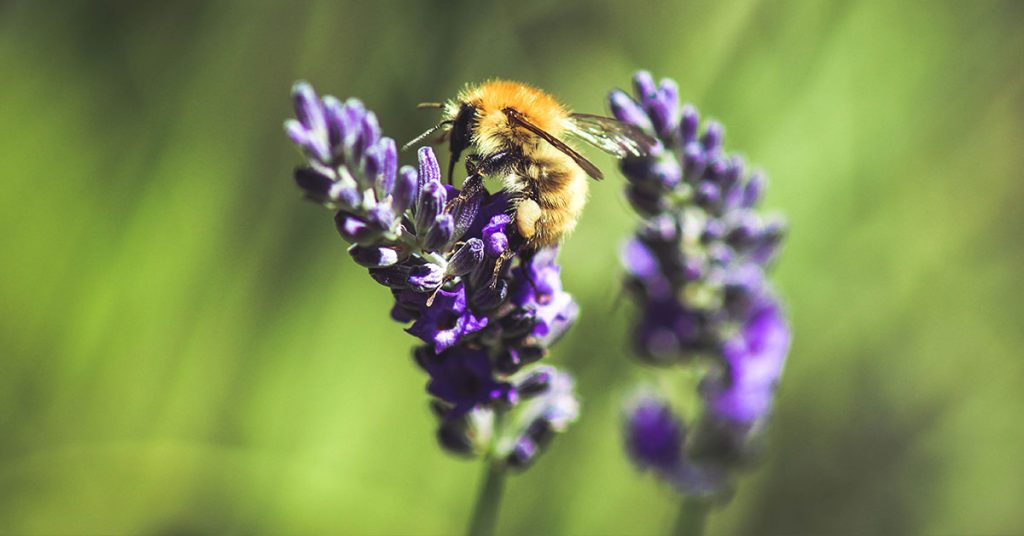
A garden rich in biodiversity is more attractive to chickadees and other wildlife. Plant a variety of native species that bloom at different times of the year, providing a continuous supply of food and shelter. Incorporate flowering plants, shrubs, and trees that support a wide range of insects and pollinators.
By fostering a biodiverse garden, you create a balanced ecosystem that supports chickadees and other beneficial creatures. This approach not only attracts chickadees but also enhances the overall health and resilience of your garden, making it a thriving and vibrant space.