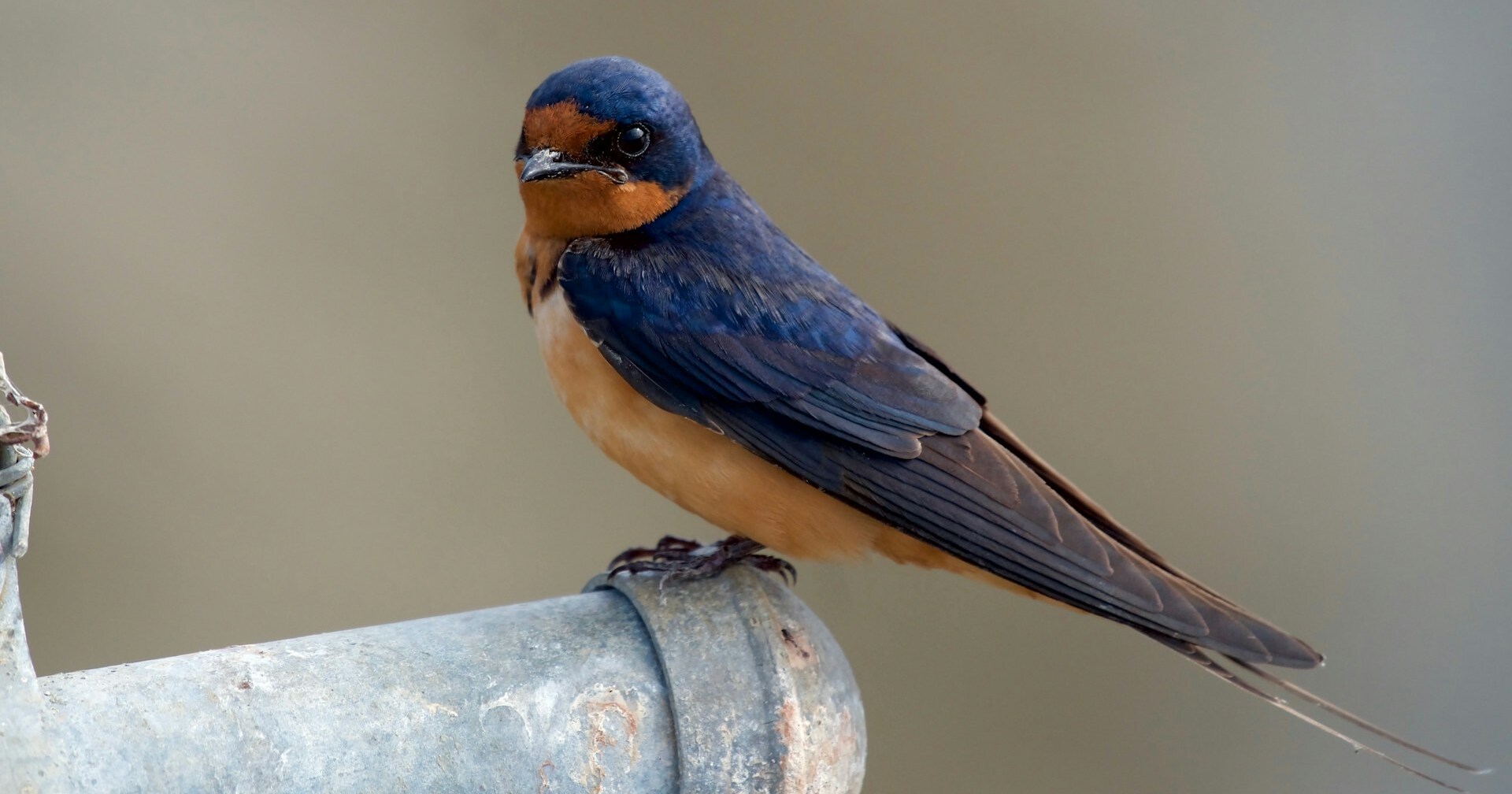

The barn swallow is truly one of nature’s most efficient mosquito hunters, and it’s a bird that can be found in all 50 states. With their striking blue and rust-colored plumage and acrobatic flying skills, barn swallows are not only a joy to watch but also an incredible asset in the battle against pesky mosquitoes. Imagine having a natural, winged ally that can consume more than 800 mosquitoes a day, keeping your yard more comfortable during the warm months!
In this article, we’ll explore the habits and behaviors of barn swallows, including how you can attract these beneficial birds to your property. Whether you’re a bird lover or simply looking for a natural way to control mosquitoes, learning more about barn swallows will make you appreciate these little creatures even more. Let’s dive into the world of barn swallows and discover why they’re so valuable to our environment!
Understanding Barn Swallow Behavior
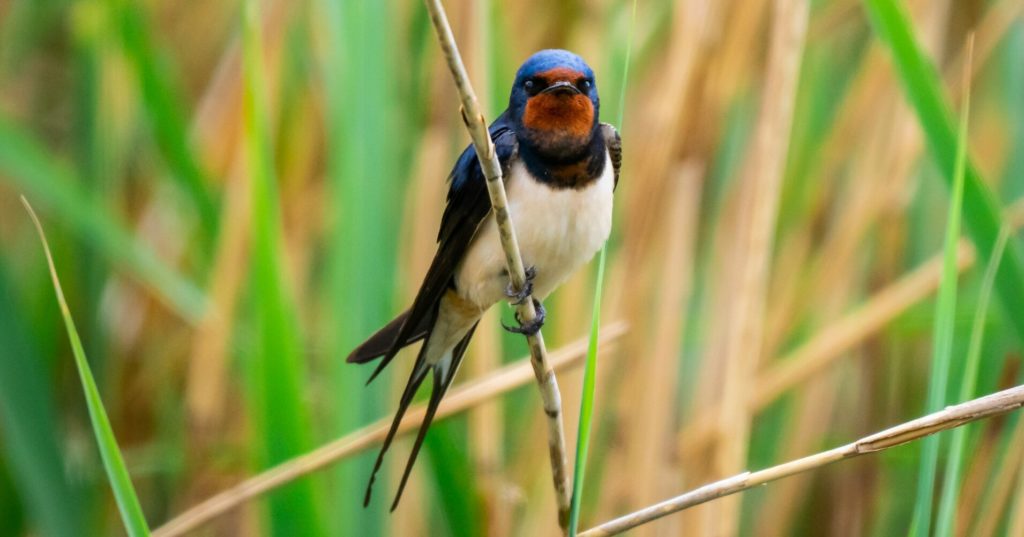
Barn swallows are known for their graceful, darting flight patterns as they catch insects on the wing. These birds are incredibly agile, and their ability to swoop and glide through the air is a key factor in their mosquito-hunting prowess. They are most active during the day, especially in the early morning and late afternoon, when mosquitoes and other flying insects are abundant. Their diet primarily consists of insects, with mosquitoes being a favorite snack, making them a natural pest control solution.
Barn swallows are also highly social birds, often seen flying in flocks and nesting in colonies. They prefer open areas like fields, meadows, and bodies of water where insects are plentiful. Their aerial acrobatics are not only mesmerizing to watch but also an essential part of their hunting strategy. By understanding these behaviors, you can appreciate just how effective barn swallows are at keeping insect populations in check, particularly mosquitoes.
Attracting Barn Swallows to Your Yard
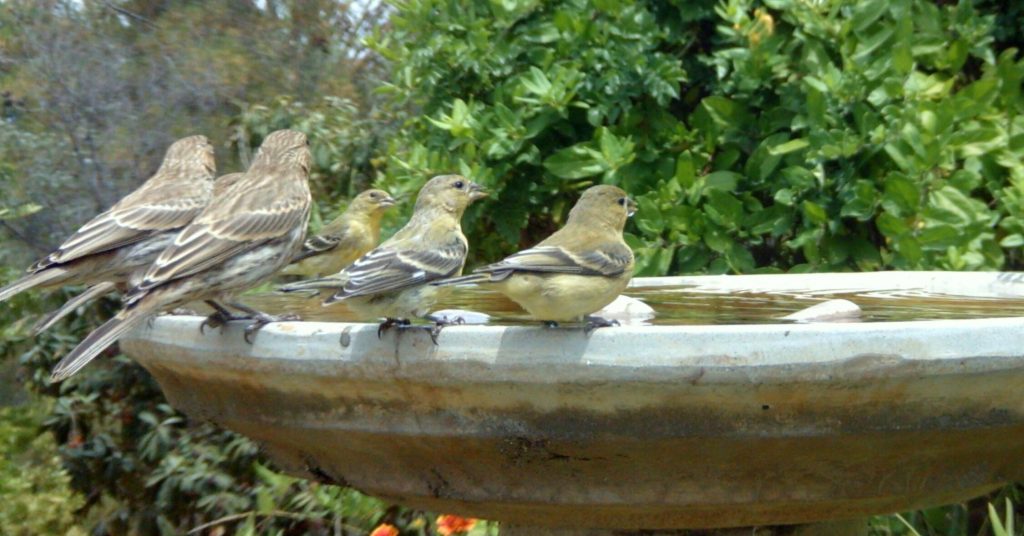
Attracting barn swallows to your yard can be a great way to naturally reduce mosquito populations. These birds are drawn to open spaces with plenty of insects, so if your property has areas of open lawn or is near water, you’re already on the right track. To further entice them, consider adding a pond or birdbath to provide a water source, which will attract not only swallows but also the insects they feed on.
One of the best ways to encourage barn swallows to take up residence is by providing suitable nesting sites. Barn swallows typically build their nests in sheltered areas like under eaves, in barns, or on ledges. You can create an inviting environment by installing a simple ledge or shelf under the eaves of a building. They construct their nests from mud and grass, so having a small patch of bare soil nearby can help them with nest-building materials. Once they’ve established a nesting site, barn swallows are likely to return year after year.
Nesting Habits and Reproduction
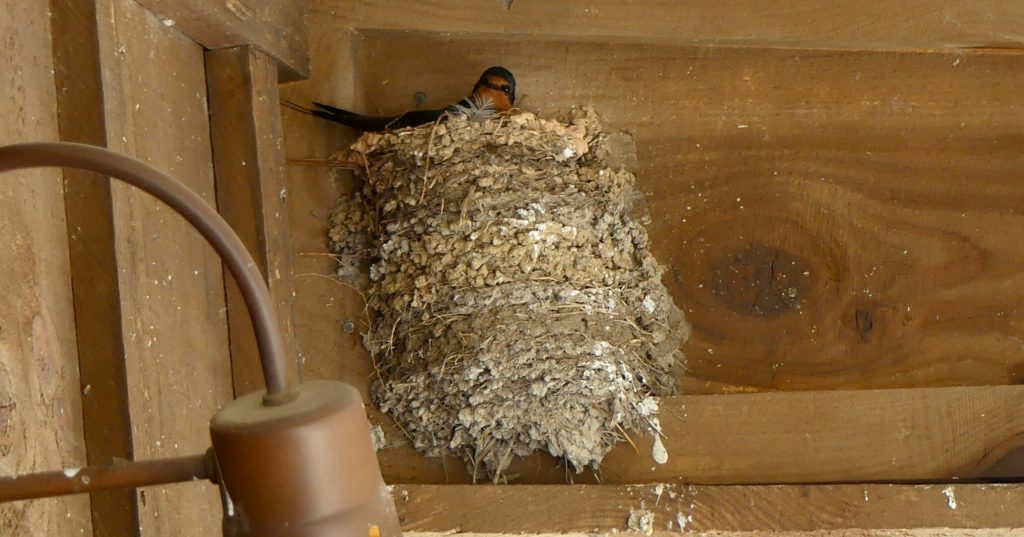
Barn swallows are known for their distinctive cup-shaped nests, which they build using mud and plant fibers. These nests are often found on man-made structures like barns, garages, and even under bridges, hence the name “barn swallow.” They prefer to nest in open, sheltered areas that provide protection from the elements while still being close to a steady supply of insects. Once the nest is built, barn swallows typically lay three to seven eggs, which both parents help to incubate.
The chicks hatch after about two weeks and are fed by both parents until they are ready to fledge, usually around three weeks later. During the breeding season, which typically runs from May to August, barn swallows may raise two or even three broods. Their strong attachment to their nesting sites means that if you successfully attract barn swallows to your property, they are likely to return each year, helping to control mosquito populations for seasons to come.
Migration Patterns
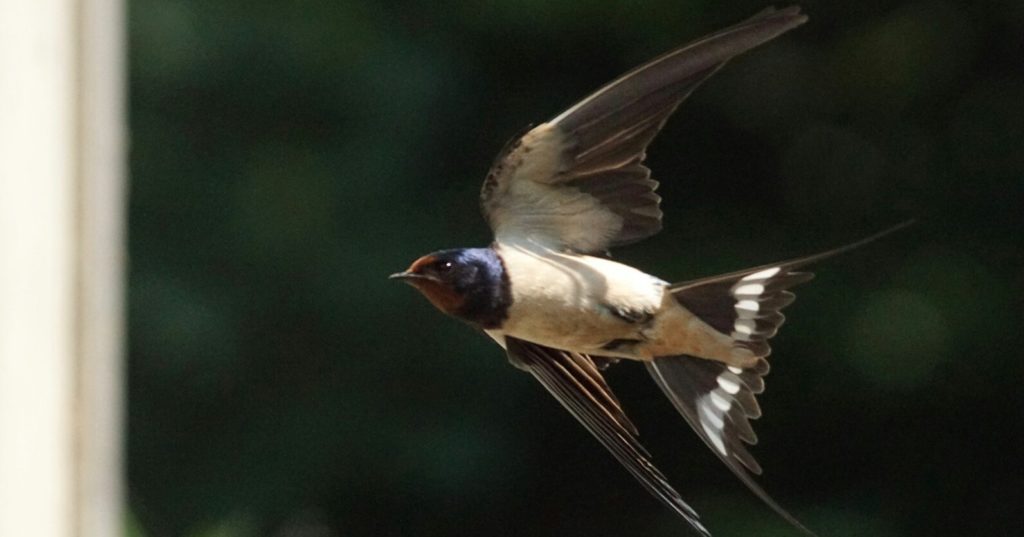
Barn swallows are migratory birds, traveling thousands of miles between their breeding grounds in North America and their wintering grounds in Central and South America. They typically arrive in the United States and Canada in the spring, around April or May, and begin their migration south in late summer or early fall. During migration, barn swallows often travel in large flocks, covering impressive distances each day.
Their migratory nature means that barn swallows are only present in the U.S. for part of the year, so it’s important to take advantage of their mosquito-eating abilities during the warmer months. If you provide a welcoming environment, these birds will likely return to your property year after year, creating a reliable natural defense against mosquitoes during their stay.
Providing Food and Shelter

While barn swallows primarily feed on flying insects, you can support their dietary needs by ensuring your garden has plenty of insect-friendly plants. Native wildflowers, shrubs, and grasses can help attract the insects that barn swallows love to eat. Avoid using pesticides in your garden, as these can reduce the insect population and harm the birds themselves.
In addition to providing food, offering shelter is crucial for attracting barn swallows. Installing nesting shelves or leaving areas of your property undisturbed can give them the safe spaces they need to raise their young. Barn swallows prefer nesting in sheltered spots that protect them from rain and predators, so placing these nesting aids under eaves or inside open sheds can make a big difference.
The Environmental Benefits of Barn Swallows
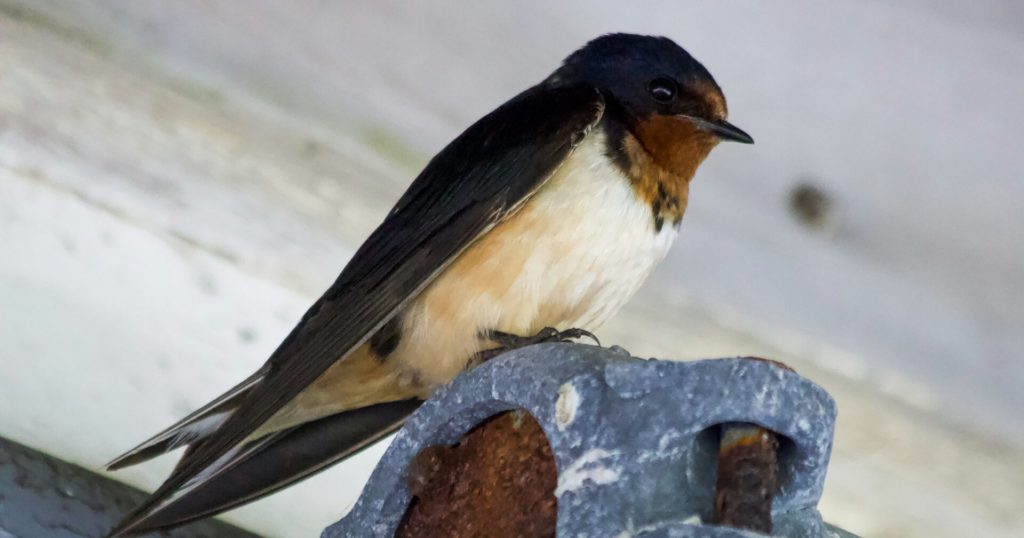
Barn swallows offer tremendous environmental benefits beyond just mosquito control. By feeding on a variety of flying insects, they help to naturally balance the ecosystem, reducing the need for chemical pest control methods. Their presence can lead to healthier gardens and outdoor spaces, making them an invaluable part of your local environment.
Furthermore, barn swallows are an indicator species, meaning their presence and health can reflect the overall health of the ecosystem. Supporting barn swallows in your garden not only helps control pests but also contributes to biodiversity, supporting a range of other wildlife that depends on a balanced environment.
The Joy of Watching Barn Swallows
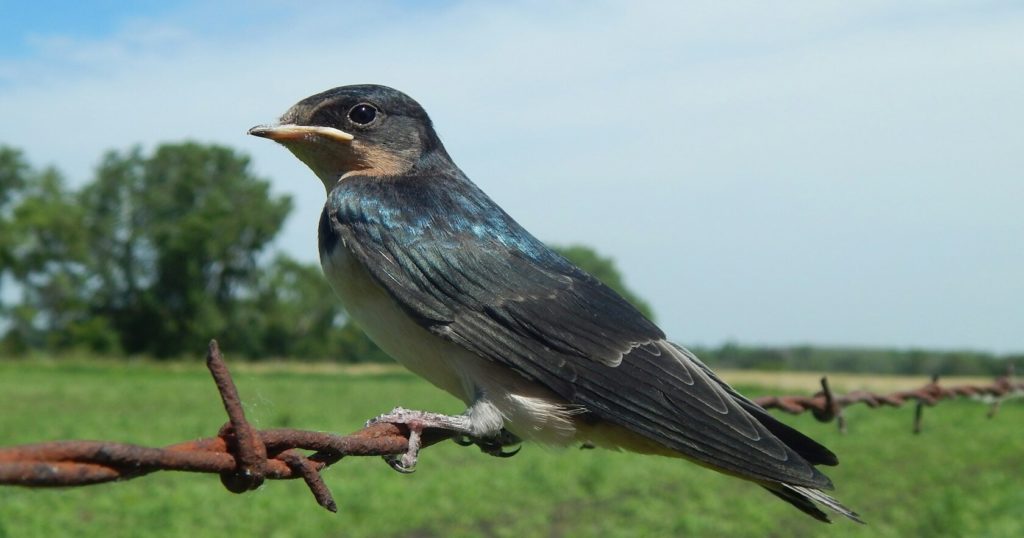
One of the great pleasures of attracting barn swallows to your yard is the opportunity to observe their behavior up close. Their aerial acrobatics are fascinating to watch, especially as they dart and swoop through the air in pursuit of insects. Watching barn swallows care for their young is another rewarding experience, as you can see firsthand how these birds contribute to the natural world.
By providing a welcoming environment for barn swallows, you’re not just controlling pests—you’re also creating an opportunity to connect with nature in a meaningful way. The presence of these birds can bring a sense of vitality and life to your garden, making it a more enjoyable space for you and your family.
Final Thoughts
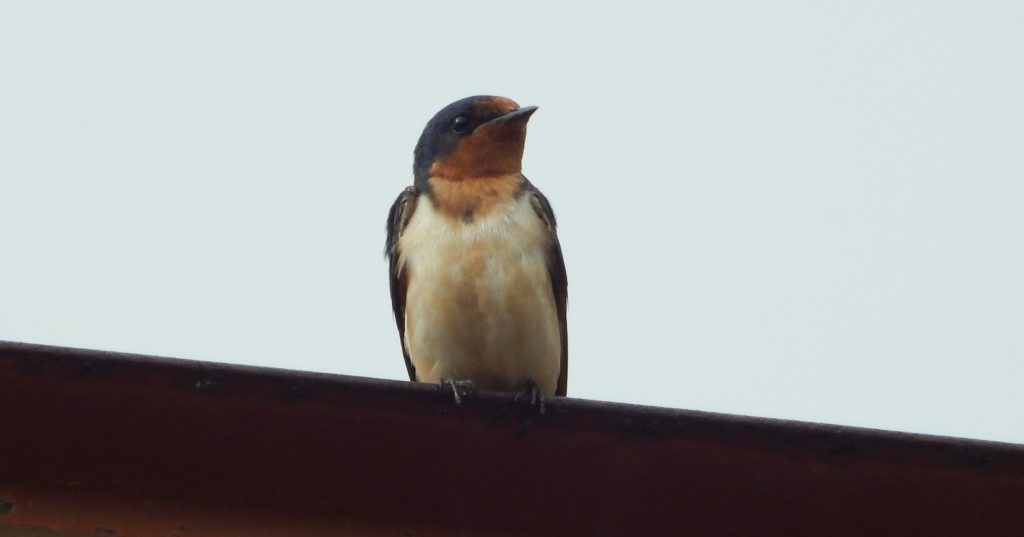
Barn swallows are a wonderful addition to any garden, offering natural pest control and bringing a lively energy to your outdoor space. By understanding their habits and providing the right environment, you can attract these beneficial birds to your yard and enjoy the many benefits they bring. Whether you’re looking to reduce mosquito populations or simply appreciate the beauty of these birds, barn swallows are sure to enhance your gardening experience.
With a little effort, you can create a habitat that supports barn swallows year after year, helping to ensure their survival while reaping the rewards of their insect-eating abilities. So why not make your garden a haven for barn swallows and enjoy a more balanced, natural environment?