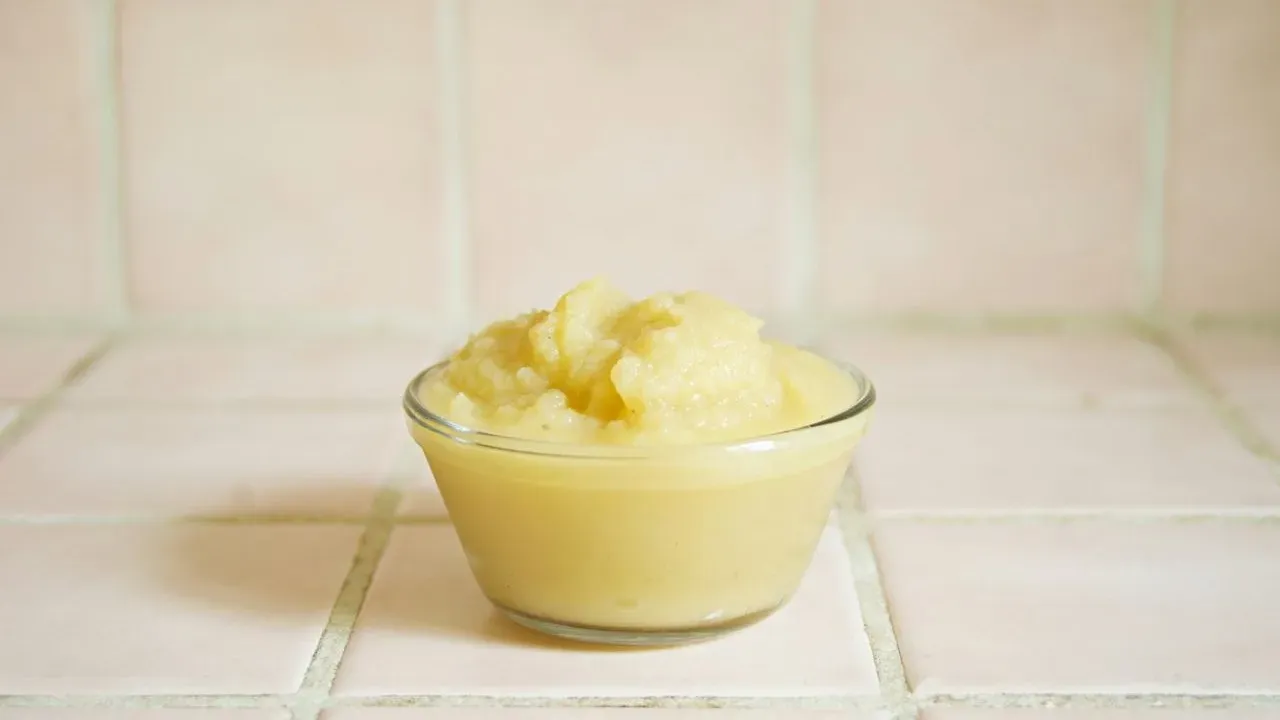

Gardeners and foragers across the country often face the same pleasant problem each autumn: trees and backyard orchards heavy with ripe apples that ripen faster than anyone can eat them fresh. Rather than letting the surplus go to waste, many turn to a straightforward kitchen project that preserves the season’s bounty in a form that lasts for weeks or months. The approach comes from The Fruit Forager’s Companion by Sara Bir, which highlights how simple techniques can transform even blemished or gleaned fruit into something far more appealing than anything from a store shelf. ([1])
A Practical Answer to Seasonal Abundance
Homemade applesauce captures the full flavor of fresh apples in a velvety texture that commercial versions rarely match. Because the recipe works with any variety and tolerates minor imperfections, it suits the realities of home harvests where not every apple looks perfect. The method requires little equipment beyond a large pot and, ideally, a food mill, though a colander and wooden spoon can substitute.
The process also scales easily. A large batch can be canned or frozen for later use, while smaller amounts disappear quickly as snacks, side dishes, or baking ingredients. Many cooks discover that once they taste the result, they return to the stove again and again throughout the season.
The Three Core Ingredients
The recipe relies on just three primary components, keeping preparation minimal and flexible:
- 5 pounds of rinsed and quartered apples (peeling and coring optional if using a food mill)
- Up to ½ cup granulated sugar or honey, added only if needed for sweetness
- Fresh lemon juice, added sparingly if the sauce tastes flat
Red-skinned apples cooked with their peels contribute a natural rosy color, while varieties such as Golden Delicious often need little or no added sweetener. The optional ingredients allow each batch to be adjusted to personal taste without complicating the core method.
Simple Steps on the Stovetop
Begin by placing the prepared apples in a large, nonreactive pot with a small amount of water along the bottom. Cover and bring to a simmer over medium heat, stirring occasionally and adding a splash more water only if the fruit begins to stick. As the apples soften and collapse, which can take anywhere from 30 minutes to more than an hour depending on the variety and moisture content, reduce the heat gradually to maintain a gentle bubble.
Once the fruit has broken down completely, pass it through a food mill or press it through a colander. Taste the resulting sauce and stir in sugar or honey in small amounts if it seems too tart. A few drops of lemon juice can brighten the flavor if it tastes dull. Allow the sauce to cool before storing it in the refrigerator, where it keeps for about a week, or proceed to freezing or canning.
For those who prefer a faster route, the same result can be achieved in a pressure cooker. Combine the apples with one cup of water, cook at high pressure for six minutes, then let the pressure release naturally. Mash or puree the softened fruit, adding a little reserved cooking liquid if a thinner consistency is desired, and adjust sweetness or acidity as before.
Preserving the Harvest and Exploring Variations
Canning extends the life of the applesauce well beyond the fresh season. Hot sauce is packed into sterilized jars with proper headspace, then processed in a boiling-water bath for 15 minutes for pints or 20 minutes for quarts. Freezing offers an even simpler option for smaller households.
The basic formula also welcomes experimentation. Pears, Asian pears, crab apples, or quince can be added alongside the apples for subtle shifts in flavor and texture. These combinations make use of whatever fruit is available from the garden or local gleaning efforts, reinforcing the recipe’s value for anyone managing a fall harvest.
Ultimately, the appeal lies in its reliability and low barrier to entry. With little more than apples and a few minutes of attention, gardeners can turn an overwhelming supply of fruit into a staple that tastes distinctly of the season and reduces waste at the same time.
AI Disclaimer: This article was created with the assistance of AI tools and reviewed by a human editor.