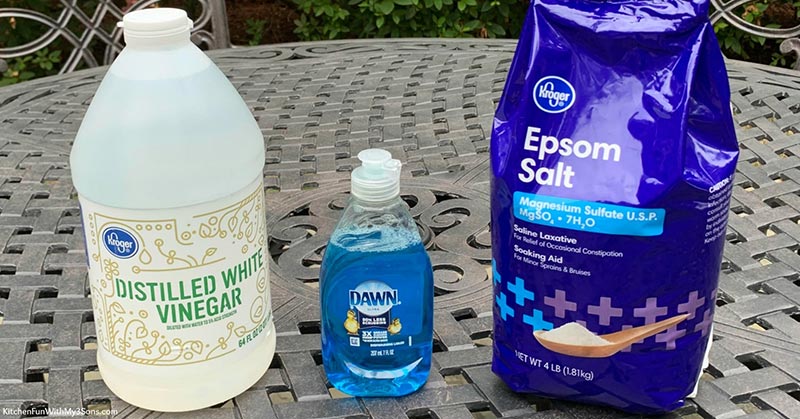

If you’ve ever scrolled through gardening tips online or chatted with other green thumbs, chances are someone has suggested vinegar as a natural weed killer. It seems so simple, right? Just grab that bottle from the kitchen, spray it on those pesky weeds, and watch them wither. But here’s where I have to wave a little caution flag. While it can work under specific conditions, using vinegar in the garden isn’t as safe or straightforward as it’s often made out to be. I’ve tried it myself in various ways, and I’ve learned that the downsides deserve a lot more attention.
I totally get the appeal—we’re all trying to avoid harsh chemical herbicides, especially when we’re growing food or encouraging pollinators. It’s such a bummer when you’re trying to do the right thing, only to accidentally damage your soil, hurt your plants, or scare away the very life you’re trying to support. So let’s dig into why vinegar might not be the miracle solution it’s made out to be. I promise, by the end of this, you’ll feel more informed and better equipped to keep those weeds under control the smart way.
It Doesn’t Kill Weeds at the Root
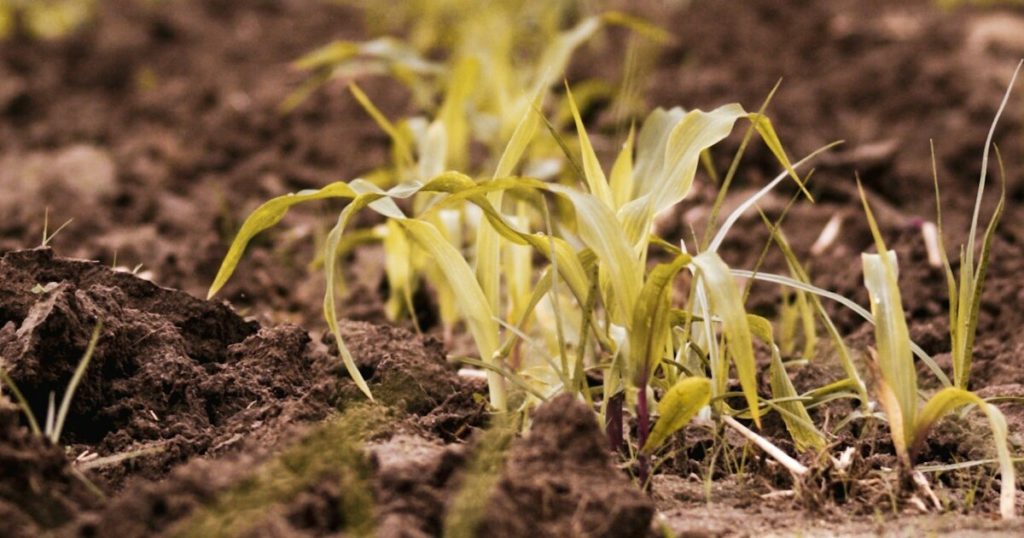
One of the biggest myths about vinegar is that it “kills” weeds. What it actually does is burn the leaves, especially in the case of household vinegar, which is usually 5% acetic acid. That top-growth damage can make the weed look dead, but the root system remains completely intact. Within days or weeks—especially after a good rain—it’ll bounce right back like nothing ever happened.
This is especially true for perennial weeds with deep taproots, like dandelions (Taraxacum officinale, native to Europe and considered invasive in some areas of North America). You might scorch the leaves, but that resilient root will just send up more. I’ve watched dandelions I sprayed with vinegar in early summer come back with a vengeance by fall. It’s disheartening and ultimately ineffective for long-term control.
It Can Damage Your Soil’s Microbial Life

Soil isn’t just dirt—it’s a living system teeming with microbes, fungi, and bacteria that help break down organic matter, release nutrients, and support plant roots. When you apply vinegar to your garden beds, even in modest amounts, it lowers the pH dramatically and can kill off beneficial organisms that your plants depend on to thrive.
I once sprayed vinegar around the edge of a raised bed where I was battling creeping Charlie (Glechoma hederacea, a Eurasian native considered invasive in much of North America). Not only did the weed come back, but the surrounding plants began to yellow and lose vigor. Turns out, I had disrupted the entire ecosystem in that soil pocket. It’s such a shame when your fix ends up harming the very environment you’re trying to heal.
It Harms Desirable Plants Too
Vinegar isn’t selective—it kills or damages whatever it touches. This means if you’re spraying it around your flower beds or near vegetables, you risk burning the leaves of your prized plants. And the damage can be fast and severe, especially on tender young foliage. I’ve seen tomatoes blister and basil shrivel from just a light mist drifting on the wind!
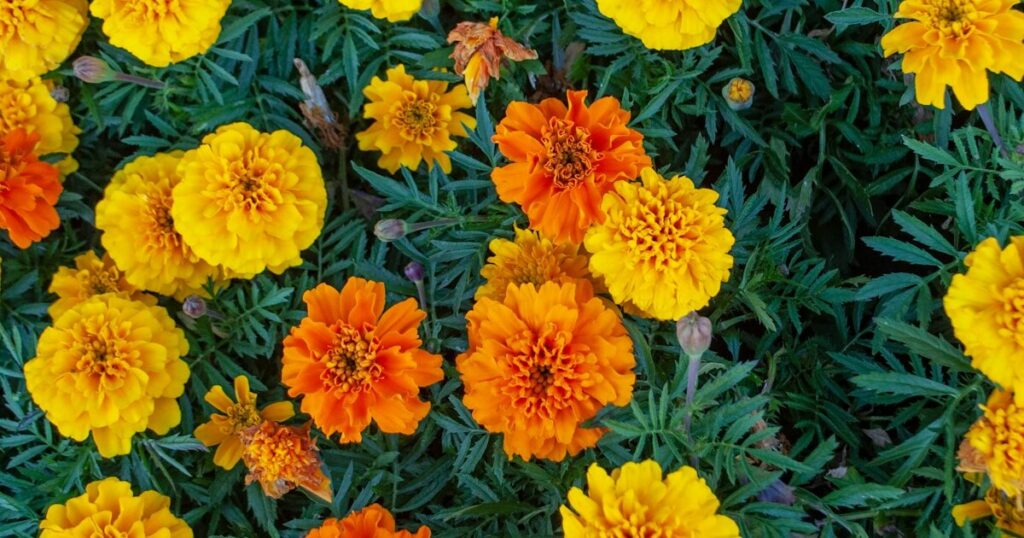
Many of our favorite garden plants—from marigolds (Tagetes spp., native to the Americas) to petunias (native to South America)—are especially sensitive to changes in pH and chemical burns. Even a bit of overspray on a breezy day can cause spots, wilting, or full-blown leaf death. It’s heartbreaking to see your blooms suffer because of a weed-control method that wasn’t supposed to harm anything else.
It Offers Only Temporary Results

One of the most frustrating things about vinegar as a weed killer is how short-lived the results are. Because it only affects the above-ground parts, most weeds regrow quickly. You might think you’ve gotten ahead, but within a week or two, those “dead” patches green up again. For gardeners trying to keep up with fast-growing invaders, this cycle can feel endless.
This becomes particularly problematic with invasive weeds like crabgrass (Digitaria spp., native to tropical and warm temperate regions worldwide). I’ve zapped it with vinegar more times than I can count, and every single time it came roaring back. It’s exhausting to keep applying something over and over that doesn’t fix the underlying problem. I know how badly we all want quick solutions—but this one just doesn’t hold up over time.
It’s Dangerous for Pollinators and Insects

We often talk about vinegar as “natural,” but that doesn’t mean it’s harmless to wildlife. Bees, butterflies, beetles, and even ground-dwelling insects can be harmed by direct contact or by the loss of nectar-rich weeds they depend on. Spraying vinegar near blooming plants can eliminate forage sources and burn visiting pollinators, especially on hot, sunny days.
I once sprayed vinegar on a patch of clover thinking I was doing the lawn a favor—only to watch as a bumblebee landed right in the aftermath. It was such a gut-punch. That clover was a vital food source, and I had destroyed it. Many pollinators nest right in the soil, so even ground application can disturb their homes. It’s not worth the collateral damage.
It Can Create Dead Zones on Hard Surfaces
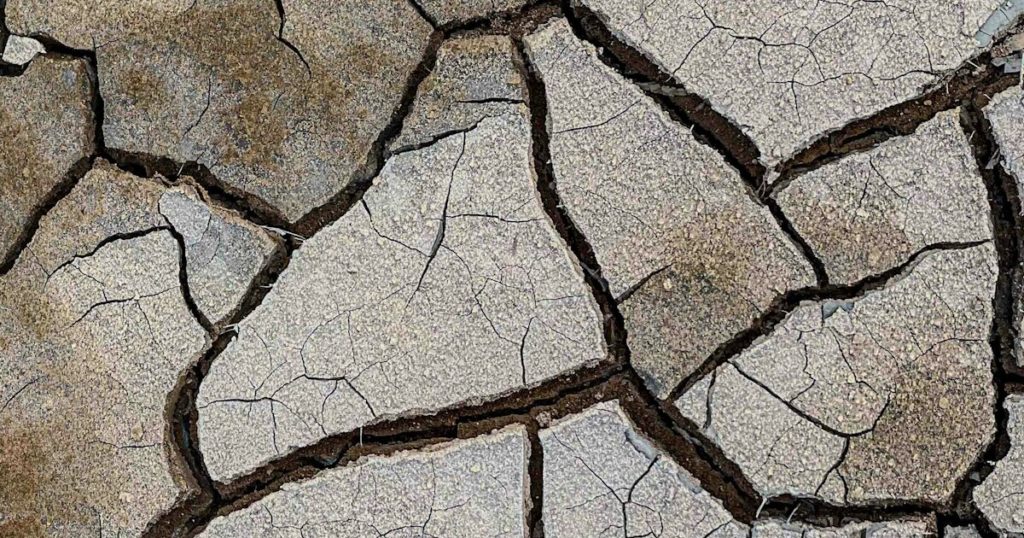
If you’ve ever sprayed vinegar on your sidewalk or driveway, you might have noticed it leaves behind a lifeless zone where nothing wants to grow for a while—not even the weeds you were trying to kill. This might seem like a win at first, but it signals that the soil biology has been altered significantly. That patch may struggle to support life for much longer than expected.
While it doesn’t have the same lasting effect as synthetic herbicides, vinegar can still leach into cracks and edges, making it hard to reclaim those areas for things like creeping groundcovers or mosses. Some of my favorite creeping plants—like thyme (Thymus vulgaris, native to Europe)—struggled to re-establish in places I had previously sprayed with vinegar, even months later. It’s a reminder that every tool we use leaves an impact behind.
It Doesn’t Work in Wet or Shady Conditions

Another drawback that surprised me is how ineffective vinegar is in anything but dry, sunny weather. It needs direct sunlight to dry out the leaves and kill cells, so if you spray it on a cloudy day, or right before rain, it barely works. And if weeds are growing in shaded areas, the lack of sun means they shrug off the treatment and keep growing.
This is especially frustrating in woodsy gardens or under trees, where many of our most stubborn weeds thrive. Garlic mustard (Alliaria petiolata, an invasive biennial native to Europe) is notorious for popping up in damp, shady spots, and vinegar won’t touch it unless conditions are perfect. It’s discouraging to try and fail over and over in these trickier areas.
It Doesn’t Replace Long-Term Weed Management
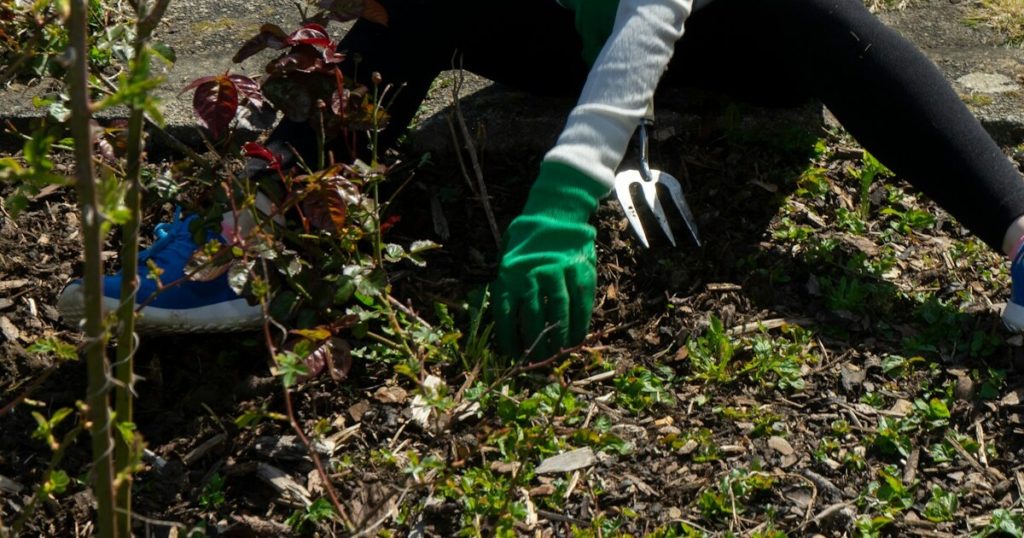
As much as I wish it were otherwise, there’s no shortcut to a healthy, weed-minimized garden. Vinegar is often promoted as a quick fix, but the reality is that long-term success comes from consistent mulching, hand-pulling, soil building, and even embracing a few “weeds” as groundcover or pollinator forage. Relying too much on vinegar just delays that important work.
It’s taken me years to shift from a “kill the weeds!” mindset to a more holistic, soil-based approach. And while I still reach for vinegar occasionally—like on a hot day when a thistle pops up in a sidewalk crack—I now see it as a last resort, not a go-to. Building up soil health and planting thickly has been far more effective at keeping the unwanted plants at bay.
High-Concentration Vinegar Can Be Hazardous
Some gardeners turn to horticultural vinegar, which contains 20% acetic acid or more. It’s much more potent than household vinegar and can be extremely dangerous if mishandled. It can cause burns on your skin and eyes, and it needs protective equipment just to apply safely. That’s a pretty big leap from “harmless pantry product.”
I used it once—just once—and regretted it immediately. Even with gloves, the fumes made me cough, and the tiny splash-back on my arm left a rash. It might be labeled as “natural,” but that doesn’t mean it’s safe. I wouldn’t recommend it in any garden where pets, kids, or pollinators are part of the equation.