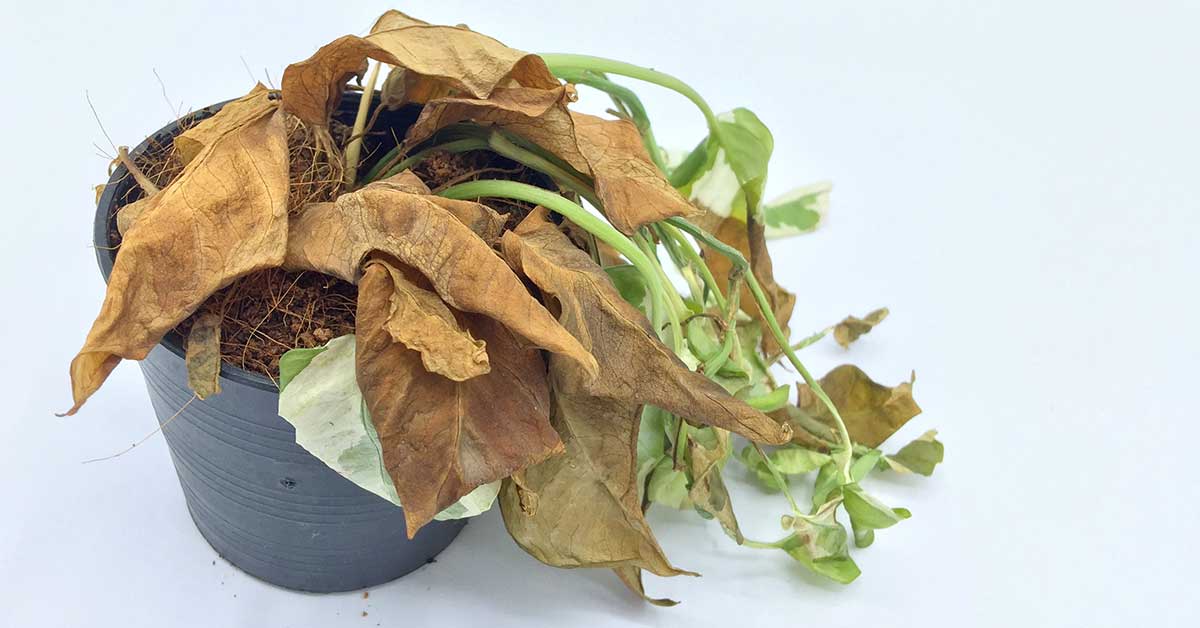

Keeping houseplants alive and thriving can be a rewarding but sometimes challenging endeavor. Despite our best intentions, it’s all too common to encounter issues that lead to sad, struggling plants. As an enthusiastic indoor gardener, I’ve learned that understanding and addressing these common mistakes can make all the difference in maintaining a vibrant indoor garden.
In this article, we’ll explore several frequent mistakes that can cause houseplants to wither and offer practical solutions to help you keep your plants healthy and flourishing. Let’s dive into these insights and ensure your houseplants live their best lives!
Overwatering
Overwatering is one of the most common reasons houseplants die. Many plants, especially those native to arid regions like succulents and cacti, are highly susceptible to root rot if their soil remains too wet. Overwatering can suffocate the roots, leading to yellowing leaves, wilting, and eventual plant death. Even plants that thrive in moist environments can suffer if their roots are consistently waterlogged.
To avoid overwatering, ensure your plants have proper drainage by using pots with drainage holes and well-draining soil. Only water when the top inch of soil feels dry to the touch. For plants that prefer drier conditions, like snake plants or ZZ plants, let the soil dry out completely between waterings. Adjust your watering schedule based on the plant species and seasonal changes, as plants typically need less water during their dormant winter months.
Insufficient Light
Light is a crucial factor for houseplant health, and insufficient light is a common mistake that leads to poor growth. Each plant has specific light requirements; some thrive in bright, direct sunlight, while others prefer low-light conditions. Placing a sun-loving plant in a dim corner can result in leggy growth, pale leaves, and a general decline in health.
To provide adequate light, research the specific needs of your plants and place them accordingly. South or west-facing windows are ideal for plants that need bright light, while north or east-facing windows suit those that thrive in indirect or low light. If natural light is limited, consider using grow lights to supplement the light your plants receive. Regularly rotate your plants to ensure even light exposure and prevent one-sided growth.
Using the Wrong Soil
Using the wrong type of soil can hinder your houseplants’ growth and health. Each plant species has unique soil requirements, and using a generic potting mix may not provide the right balance of drainage, aeration, and nutrients. For instance, succulents and cacti need a gritty, fast-draining soil mix, while ferns and tropical plants thrive in a moisture-retentive, organic-rich medium.
To match the soil to your plant’s needs, purchase or create a soil mix designed for specific plant types. You can improve the soil quality by adding perlite or sand to increase drainage or incorporating peat moss or compost to enhance moisture retention. Regularly refresh the soil in your pots to replenish nutrients and improve soil structure, ensuring your plants have the best possible growing environment.
Ignoring Humidity Needs
Many houseplants, especially those native to tropical regions, require high humidity levels to thrive. Inadequate humidity can cause brown leaf tips, curling leaves, and overall stress for plants like ferns, orchids, and calatheas. During winter months, indoor air tends to be drier due to heating, exacerbating the problem for humidity-loving plants.
To increase humidity, place a humidifier near your plants, especially during dry seasons. Grouping plants together can create a microenvironment with higher humidity levels. Additionally, using a pebble tray with water under your plants or misting the leaves regularly can help maintain the necessary moisture. Understanding and catering to your plants’ humidity requirements can prevent these common issues and keep them healthy.
Not Fertilizing Properly
Houseplants need nutrients to grow, and not fertilizing them or using the wrong type of fertilizer can lead to nutrient deficiencies. Signs of nutrient deficiency include yellowing leaves, stunted growth, and weak stems. On the other hand, over-fertilizing can cause salt buildup in the soil, leading to root burn and nutrient imbalances.
To fertilize properly, use a balanced, water-soluble fertilizer and follow the recommended dosage on the label. Fertilize during the growing season, typically spring and summer, when plants are actively growing. Reduce or stop fertilizing during the dormant period in fall and winter. For organic options, consider using compost tea or fish emulsion. Regularly flushing the soil with water can help prevent salt buildup and ensure healthy plant growth.
Incorrect Pot Size
Using the wrong pot size can adversely affect your houseplants. Pots that are too small can restrict root growth, leading to root-bound plants that struggle to absorb water and nutrients. Conversely, pots that are too large can retain excess moisture, increasing the risk of root rot. Finding the right pot size is crucial for your plants’ health and growth.
When repotting, choose a pot that is slightly larger than the current one, allowing for gradual root growth. Ensure the new pot has drainage holes to prevent waterlogging. Repot plants every one to two years, or when you notice roots growing out of the drainage holes. Proper pot size and regular repotting will help maintain a healthy root system and promote vigorous growth.
Ignoring Pests
Pests can quickly infest and damage houseplants if not addressed promptly. Common indoor plant pests include spider mites, aphids, mealybugs, and fungus gnats. These pests can weaken plants by sucking sap, causing yellowing leaves, stunted growth, and even plant death. Ignoring early signs of pest infestation can lead to a larger, more challenging problem.
Regularly inspect your plants for signs of pests, such as webbing, sticky residue, or tiny insects. Isolate infested plants to prevent the spread to other houseplants. Use natural pest control methods, such as neem oil, insecticidal soap, or introducing beneficial insects like ladybugs. Maintaining good plant hygiene by removing dead leaves and cleaning pots can also help prevent pest infestations.
Temperature Fluctuations
Houseplants can be sensitive to temperature fluctuations, which can cause stress and hinder growth. Many houseplants are tropical in origin and prefer consistent temperatures. Exposure to cold drafts, sudden temperature changes, or placing plants too close to heating or cooling vents can lead to leaf drop, wilting, and overall decline.
To protect your houseplants from temperature fluctuations, keep them away from drafty windows, doors, and heating or cooling vents. Ensure they are placed in a location with a stable temperature, ideally between 65°F and 75°F (18°C and 24°C) for most tropical plants. During winter, move plants away from cold windows and provide additional insulation if needed. Consistent temperature management is key to maintaining healthy houseplants.
Overcrowding Plants
Overcrowding plants can lead to competition for light, water, and nutrients, causing poor growth and increased susceptibility to pests and diseases. Plants need adequate space to grow and develop properly. Crowded conditions can also reduce air circulation, promoting fungal diseases like powdery mildew and root rot.
To avoid overcrowding, ensure each plant has enough space to grow by following recommended spacing guidelines for the specific species. Regularly prune and divide plants to manage growth and maintain healthy spacing. Providing sufficient room for your plants allows them to access the resources they need and promotes a healthier indoor garden environment.
Neglecting to Clean Leaves
Dust and dirt can accumulate on houseplant leaves, blocking sunlight and hindering photosynthesis. Dirty leaves can also attract pests and reduce the plant’s overall health. Neglecting to clean your plant’s leaves can result in dull, unhealthy foliage and decreased growth.
To keep your plants’ leaves clean, gently wipe them with a damp cloth or sponge every few weeks. For plants with small or delicate leaves, a gentle shower or misting can help remove dust. Regularly cleaning the leaves not only improves their appearance but also ensures they can efficiently photosynthesize and stay healthy. Clean leaves contribute to a vibrant and thriving indoor garden.