

Pickling is a fantastic way to preserve your garden’s bounty while adding delicious, tangy flavors to your meals. Whether you’re a seasoned gardener or just starting out, growing vegetables specifically for pickling can be both rewarding and fun. As a gardening enthusiast, I can tell you that having a steady supply of fresh vegetables ready for pickling ensures you can enjoy the fruits (and veggies!) of your labor all year round.
In this article, we’ll explore some of the best vegetables to grow for pickling. These plants are not only easy to cultivate but also perfect for creating tasty, crisp pickles that will enhance your culinary creations. Let’s dive into these top vegetable choices for your pickling garden!
Cucumbers
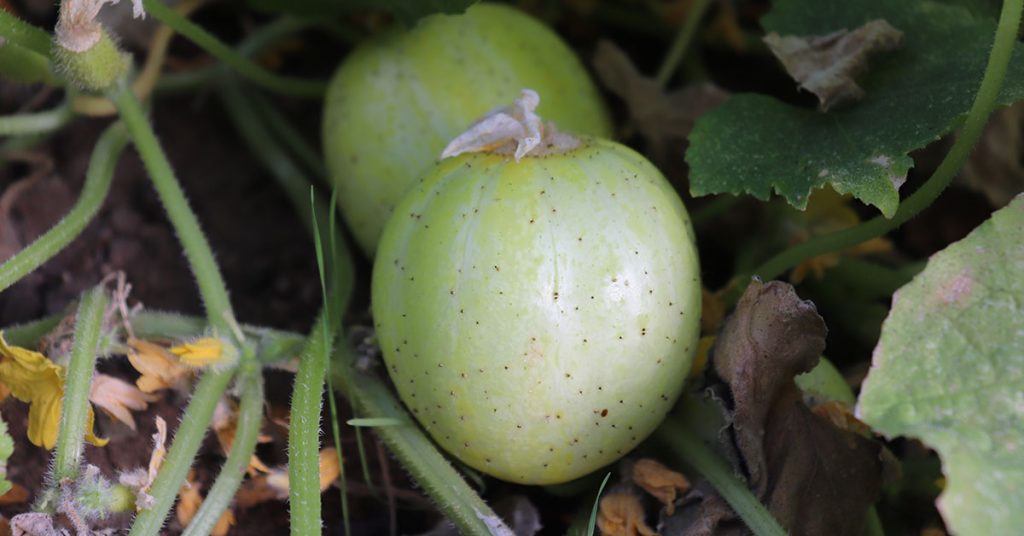
Cucumbers are the quintessential pickling vegetable. Native to South Asia, cucumbers are easy to grow and produce abundant yields. Pickling cucumbers, in particular, are smaller and have thinner skins compared to slicing cucumbers, making them ideal for brining. Varieties like ‘Boston Pickling’ and ‘National Pickling’ are perfect choices for your pickling garden.
To grow cucumbers, plant them in a sunny spot with well-drained soil. They thrive in warm weather, so be sure to wait until after the last frost to plant seeds or seedlings. Regular watering and mulching will help keep the soil moist and prevent weeds. Harvest cucumbers when they are 2-4 inches long for the best pickling results. Freshly harvested cucumbers will provide crisp, crunchy pickles every time!
Join thousands of gardeners who receive our weekly gardening tips! ????
Carrots
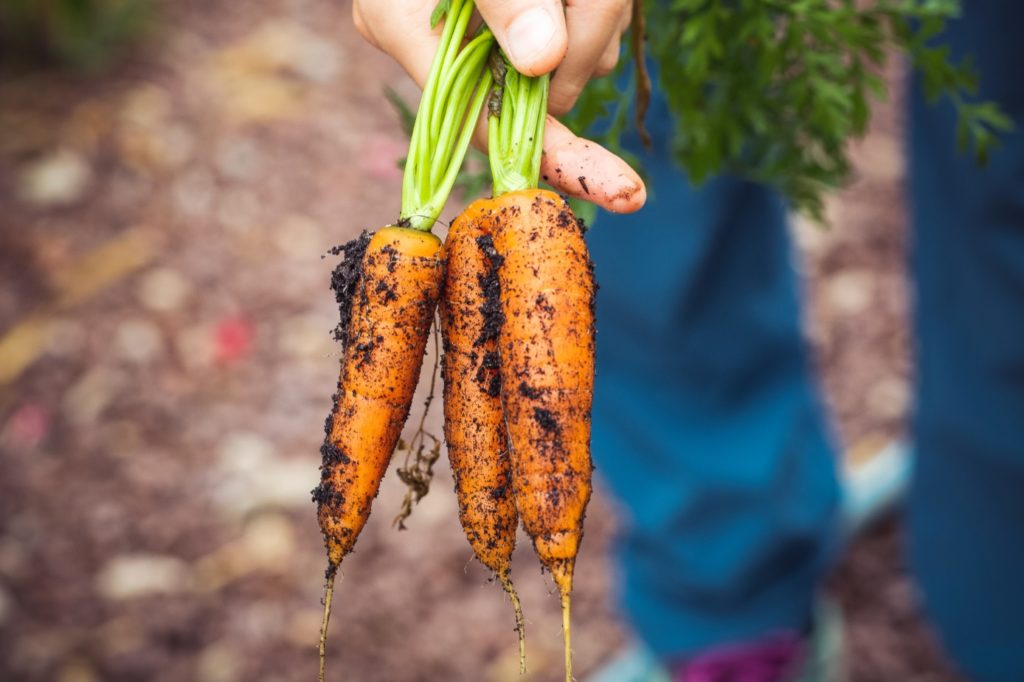
Carrots are another excellent vegetable for pickling. Native to Europe and Southwestern Asia, carrots add a delightful crunch and sweetness to pickles. Varieties like ‘Nantes’ and ‘Danvers’ are particularly well-suited for pickling due to their uniform shape and crisp texture.
Carrots grow best in loose, well-drained soil and require full sun to thrive. To ensure straight roots, make sure the soil is free of rocks and other obstructions. Sow seeds directly into the garden and thin the seedlings to allow enough space for growth. Carrots can be harvested once they reach a desirable size, typically around 1-2 inches in diameter. Pickled carrots are a versatile addition to salads, sandwiches, and snack trays.
Beets
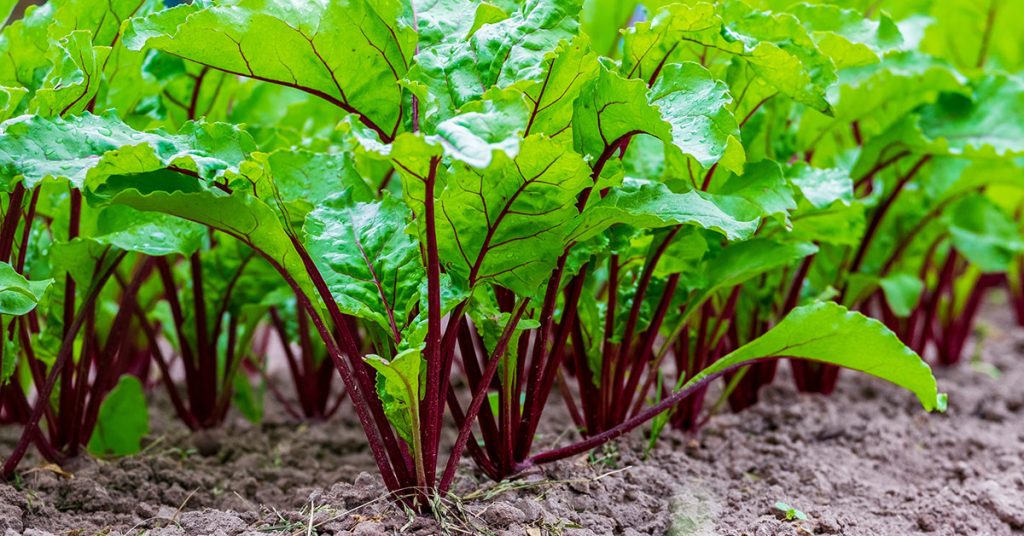
Beets are a fantastic vegetable to grow for pickling, offering a rich, earthy flavor and vibrant color. Native to the Mediterranean region, beets are easy to grow and thrive in a variety of soil conditions. Varieties like ‘Detroit Dark Red’ and ‘Chioggia’ are popular choices for their sweet taste and striking appearance.
To grow beets, plant seeds directly into the garden in early spring or fall. Beets prefer full sun and well-drained soil. Thin the seedlings to ensure proper spacing, which will help the roots develop fully. Harvest beets when they are about the size of a golf ball for the best pickling results. Pickled beets are delicious on their own or added to salads and sandwiches for a burst of color and flavor.
Green Beans

Green beans, also known as snap beans, are a versatile vegetable that pickles beautifully. Native to Central and South America, green beans are easy to grow and produce prolific yields. Varieties like ‘Blue Lake’ and ‘Kentucky Wonder’ are excellent choices for pickling due to their tender pods and crisp texture.
Green beans thrive in full sun and well-drained soil. Plant seeds directly in the garden after the last frost and provide support for climbing varieties. Regular harvesting encourages continuous production, so pick beans when they are young and tender. Pickled green beans, often called dilly beans, make a delicious, tangy snack and are a great addition to charcuterie boards and Bloody Marys.
Radishes
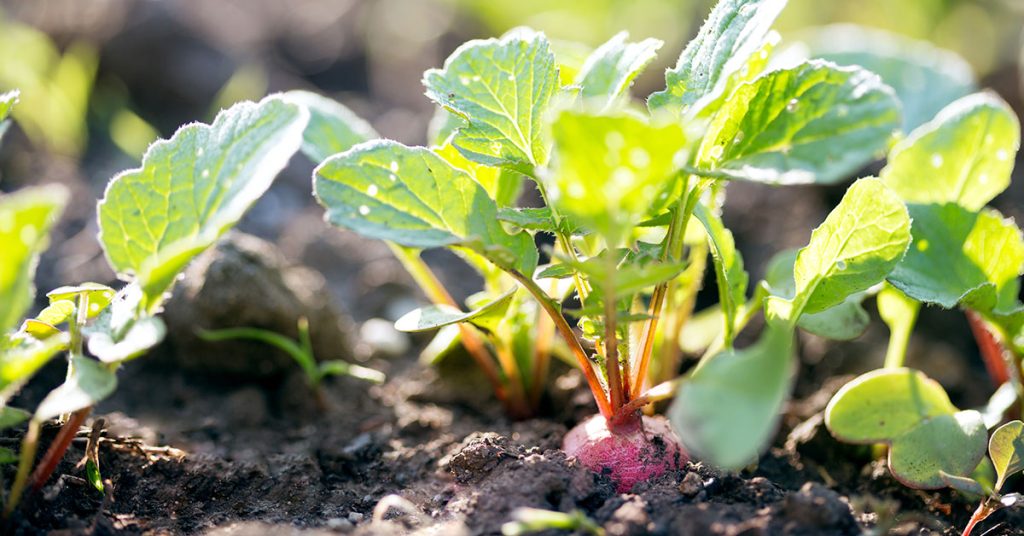
Radishes are a quick-growing vegetable that adds a spicy kick to pickles. Native to Southeast Asia, radishes are easy to grow and mature rapidly, making them perfect for successive planting throughout the growing season. Varieties like ‘Cherry Belle’ and ‘French Breakfast’ are popular choices for their crisp texture and mild flavor.
Plant radish seeds directly in the garden in early spring or fall. They prefer full sun and well-drained soil. Thin seedlings to ensure proper spacing and harvest radishes when they are about the size of a marble. Pickled radishes are a vibrant and zesty addition to tacos, salads, and sandwiches, offering a delightful crunch and peppery flavor.
Cauliflower
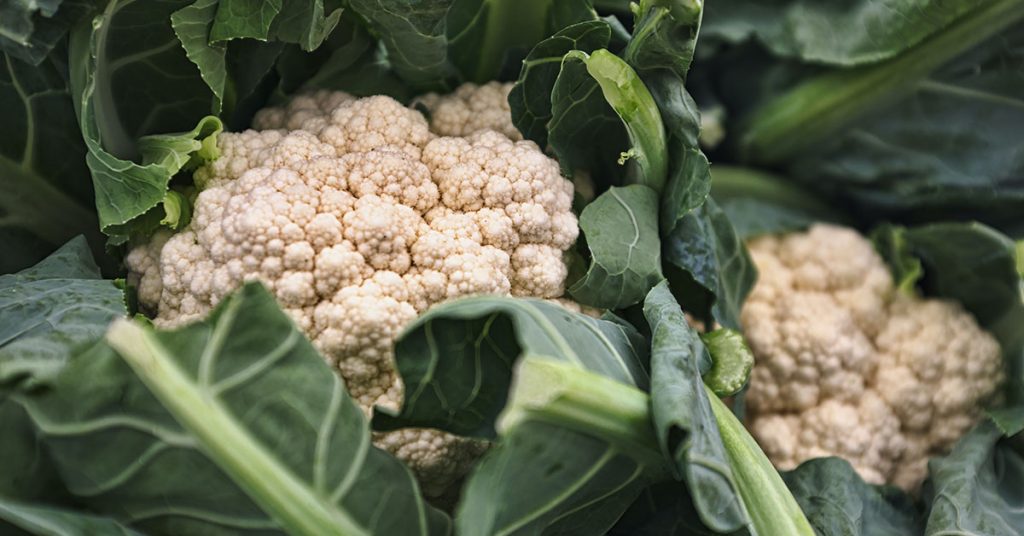
Cauliflower is a versatile vegetable that pickles wonderfully, adding a satisfying crunch to your pickling repertoire. Native to the Mediterranean region, cauliflower is easy to grow and thrives in cool weather. Varieties like ‘Snowball’ and ‘Cheddar’ are excellent choices for their dense heads and sweet flavor.
To grow cauliflower, plant seeds or transplants in the garden in early spring or fall. Cauliflower prefers full sun and rich, well-drained soil. Keep the soil consistently moist and provide regular feeding to support growth. Harvest cauliflower heads when they are compact and fully developed. Pickled cauliflower is a delicious addition to antipasto platters and salads, offering a tangy and crunchy bite.
Peppers
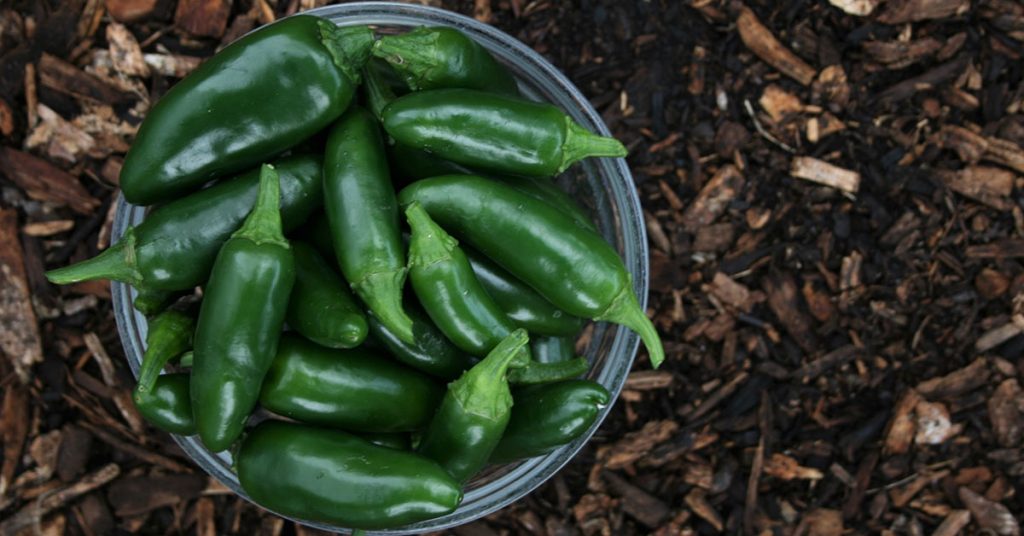
Peppers, both sweet and hot varieties, are excellent for pickling. Native to Central and South America, peppers add a burst of flavor and color to pickles. Varieties like ‘Banana Pepper,’ ‘Jalapeno,’ and ‘Bell Pepper’ are particularly popular for pickling due to their firm texture and vibrant taste.
Peppers thrive in warm weather and prefer full sun and well-drained soil. Plant seeds or transplants in the garden after the last frost and provide regular watering and fertilization. Harvest peppers when they reach their desired size and color. Pickled peppers are a versatile addition to sandwiches, pizzas, and salads, adding a zesty and flavorful kick.
Onions
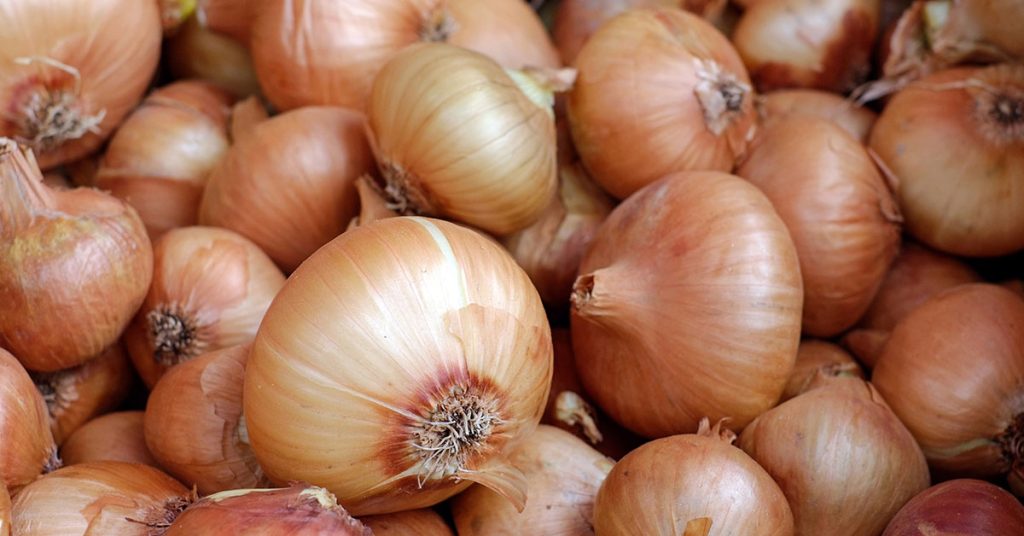
Onions are a classic vegetable for pickling, offering a sweet and tangy flavor that complements a variety of dishes. Native to central Asia, onions are easy to grow and store well for long periods. Varieties like ‘Red Onion,’ ‘White Onion,’ and ‘Shallots’ are popular choices for pickling due to their mild flavor and firm texture.
Plant onion sets or transplants in the garden in early spring or fall. Onions prefer full sun and well-drained soil. Keep the soil consistently moist and weed-free to support growth. Harvest onions when the tops begin to fall over and the bulbs are fully developed. Pickled onions are a delicious topping for burgers, hot dogs, and tacos, offering a crisp and tangy flavor.
Cabbage
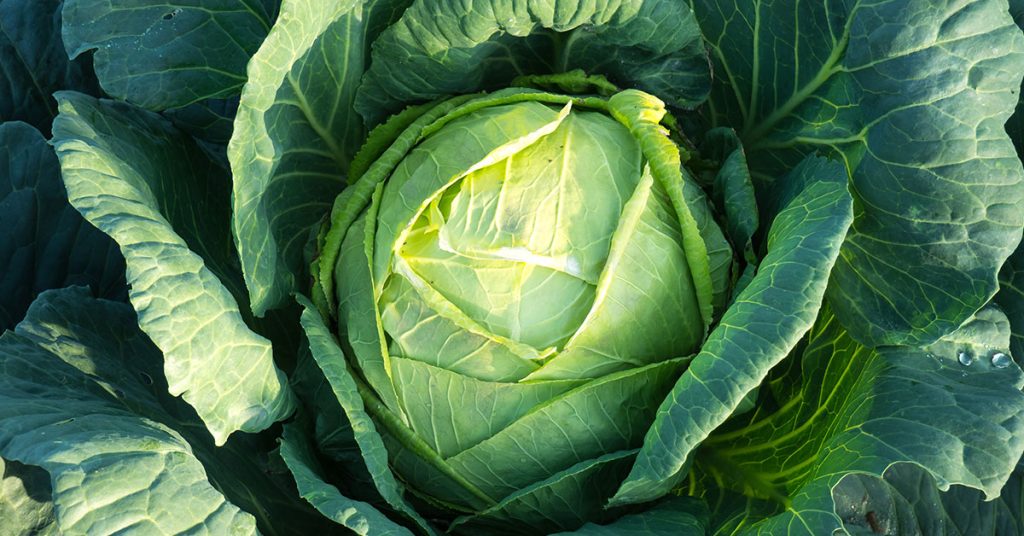
Cabbage is a nutritious vegetable that pickles well, especially for making sauerkraut and kimchi. Native to Europe, cabbage is easy to grow and thrives in cool weather. Varieties like ‘Green Cabbage’ and ‘Red Cabbage’ are excellent choices for their firm heads and sweet flavor.
To grow cabbage, plant seeds or transplants in the garden in early spring or fall. Cabbage prefers full sun and rich, well-drained soil. Keep the soil consistently moist and provide regular feeding to support growth. Harvest cabbage heads when they are firm and fully developed. Pickled cabbage is a delicious addition to sandwiches, salads, and tacos, offering a tangy and crunchy bite.
Join thousands of gardeners who receive our weekly gardening tips! ????
Garlic
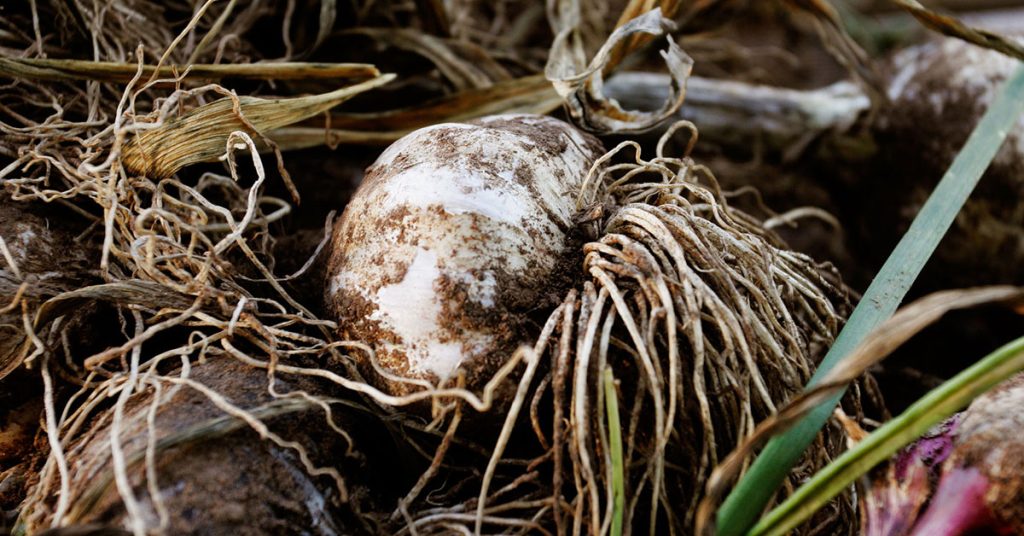
Garlic is a flavorful vegetable that pickles beautifully, adding a pungent and savory taste to pickles. Native to central Asia, garlic is easy to grow and stores well for long periods. Varieties like ‘Hardneck Garlic’ and ‘Softneck Garlic’ are popular choices for pickling due to their firm texture and robust flavor.
Plant garlic cloves in the garden in fall, allowing them to overwinter and develop roots. Garlic prefers full sun and well-drained soil. Harvest garlic bulbs when the tops begin to yellow and dry out. Pickled garlic is a delicious addition to antipasto platters, salads, and sandwiches, offering a tangy and savory bite.