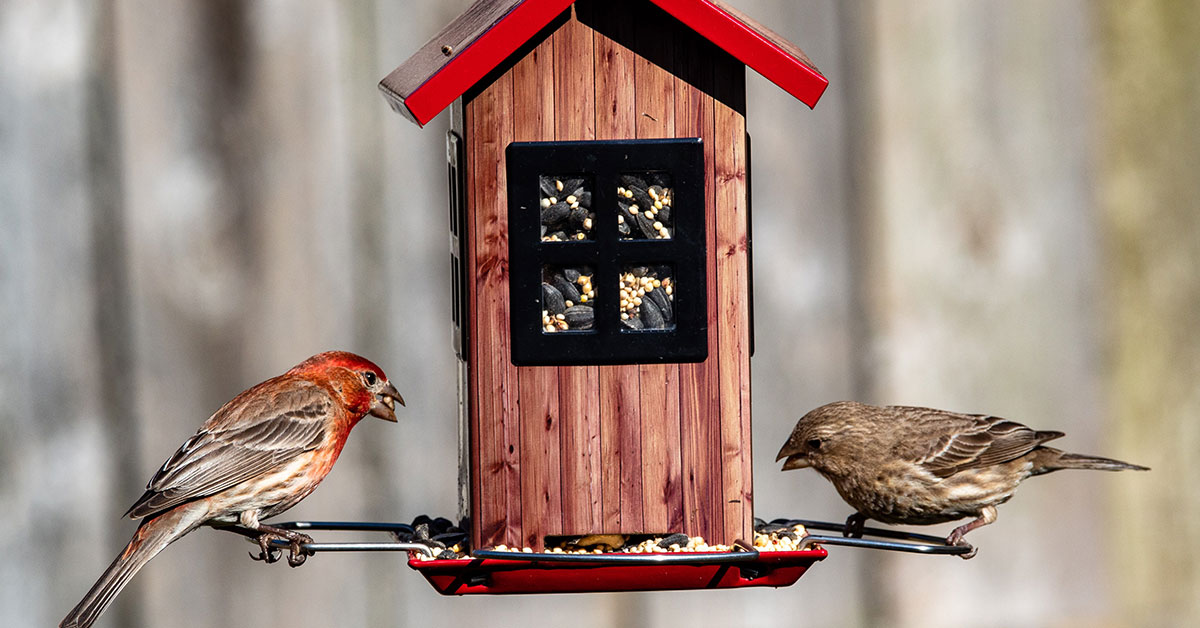

Watching chickadees flit to my feeder is one of the simple joys of gardening—but it’s such a bummer when our well-meaning habits end up harming these same feathered friends. I know how exciting it is to attract a vibrant mix of birds, only to realize later that something I’ve been doing might actually spread disease, favor invasive species, or even send them crashing into windows.
In this article, we’ll explore nine mistakes that even experienced bird enthusiasts make and offer practical fixes to keep your feeder a safe haven. Drawing from my own experiments (and a few embarrassing missteps!), you’ll learn how to clean, place, and stock feeders in ways that truly support native songbirds and discourage pests and predators. Let’s dive in and turn your backyard into a thriving, bird-friendly oasis!
Ignoring Feeder Hygiene
It’s easy to forget that feeders need regular scrubbing—especially when you’re busy enjoying the show! Leftover seeds, husks, and droppings build up quickly, creating a breeding ground for bacteria, fungi, and parasites. I once neglected my tube feeder for months and ended up watching sickly sparrows pecking at moldy seed—definitely not the vibrant flock I was hoping to support.
Cleaning your feeders at least once every two weeks (more often in rainy weather) with a mild bleach solution and a thorough rinse prevents the spread of salmonella and avian pox. Proper hygiene not only protects visiting birds but also helps attract healthy nesting behaviors, as species like nuthatches feel more comfortable foraging in a clean, disease-free environment!
Offering Only One Type of Seed

Black-oil sunflower seed is a classic favorite—rich in oil and easy to crack—but relying solely on it limits the diversity of species you attract. I used to fill my hopper with nothing but sunflower seeds and marveled at the flurry of house finches and sparrows, only to realize I’d never seen a tufted titmouse or white-breasted nuthatch in my yard!
By mixing in safflower, nyjer, millet, and suet, you invite a broader spectrum of native birds whose natural diets include a variety of seeds and insects. Plus, certain seeds deter invasive starlings and grackles—safflower, for instance, is less palatable to them but beloved by cardinals and chickadees. A balanced seed blend mirrors the foraging behaviors these birds evolved with, supporting healthier populations!
Placing Feeders Too Close to Windows

There’s nothing more heartbreaking than an unconscious thud against a window when a startled bird doesn’t see the glass. My catbird met this fate last spring after I positioned my platform feeder right beside a sliding glass door—it was such a tough lesson in feeder placement.
Moving feeders at least 3–5 feet away from windows, or adding decals to break up reflections, drastically reduces collisions. Creating feeding stations near natural cover—like a shrub or small tree—gives birds an escape route before and after landing, preventing the frantic mid-air collisions that often prove fatal.
Overlooking Predator Safety
A feeder hung in full view might delight you but can spell danger for unwary birds. Hawks and cats use these open perches to ambush flocks as they feed. I learned this the hard way when a Cooper’s hawk zeroed in on a flock of sparrows at my tray feeder, thinning their numbers in an afternoon!
To protect your birds, position feeders within 10–12 feet of dense shrubbery or a thicket of native plants like serviceberry (Amelanchier alnifolia) or elderberry (Sambucus canadensis). These native species provide quick cover and nesting sites, allowing small songbirds to dart to safety and resume feeding in confidence.
Neglecting Seasonal Adjustments

Bird feeding needs shift dramatically between winter and summer. In colder months, high-fat suet cakes and sunflower seeds help birds fuel up; in spring and summer, mealworms and fruit can support nesting pairs raising hungry chicks. I once kept offering suet throughout June, only to attract more wasps than warblers!
By matching your offerings to seasonal diets—adding mealworms in early spring for insectivores like bluebirds, switching to sliced oranges or berries in summer for orioles, and returning to seed mixes in fall—you foster natural feeding behaviors. This mindful rotation prevents dependency and ensures birds get the nutrients they need when they need them most.
Failing to Provide Clean Water
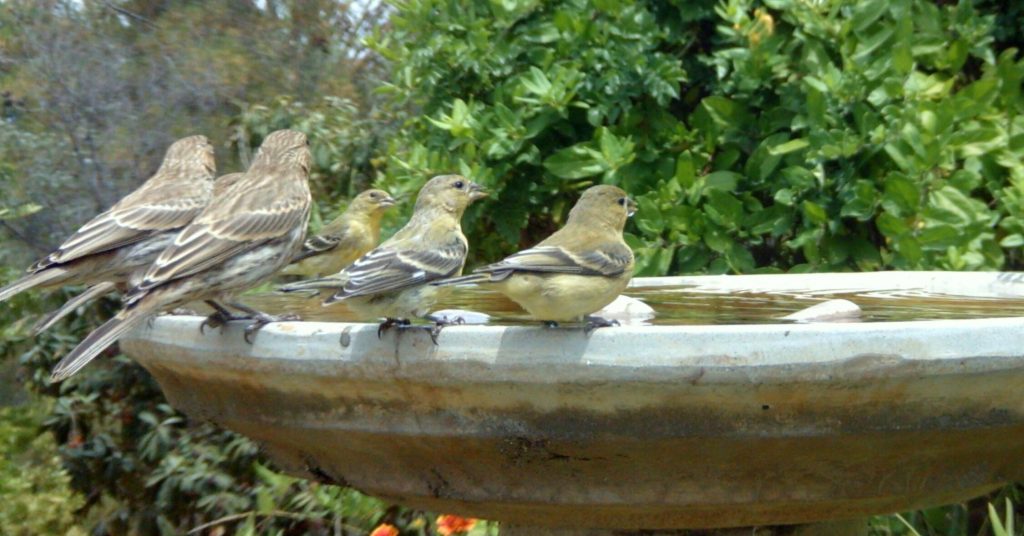
Water is just as crucial as seed, yet many of us forget to include a birdbath. I added a decorative fountain last year and was amazed at how quickly cardinals and warblers discovered it—splashing, preening, and drinking daily! A shallow basin with a gentle dripper mimics natural streams where many species bathe and hydrate.
Changing the water every 2–3 days and scrubbing the basin prevents algae and mosquito larvae. Native birds like cedar waxwings and robins rely on accessible water sources during nesting season. By pairing your feeder with a well-maintained birdbath, you support both drinking and bathing behaviors essential for preening and parasite control.
Ignoring Squirrel-Proofing

Squirrels may be cute, but they can empty a feeder in minutes and create a seed-strewn mess that molds on the ground. My first wire-mesh feeder was stripped bare daily until I invested in a weight-sensitive feeder that closes under a squirrel’s heft—game changer!
Keeping seed off the ground also prevents fungal growth that can harm ground-foraging birds like juncos and towhees. Attaching baffles above or below your feeder and choosing feeder styles that close when heavy animals land preserves seed for your target species and keeps the area clean and safe.
Feeding Invasive or Overabundant Species
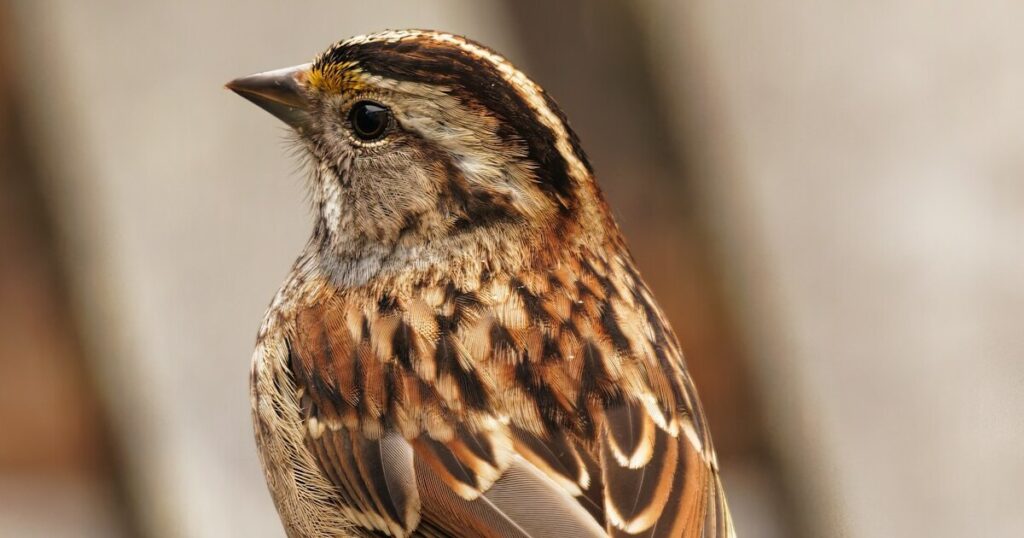
Some feeder setups inadvertently favor aggressive or invasive birds—like European starlings and house sparrows—that dominate resources, excluding native songbirds. After planting ornamental pyracantha near my feeders, I ended up with flocks of starlings who chased away every wren and finch in sight!
To discourage these bullies, opt for feeders with small perches or nyjer-only ports that favor goldfinches and siskins. Removing ornamental berries that attract invasive species and planting native substitutes—like chokeberry (Aronia melanocarpa)—helps restore balance, giving local wild birds their fair share of food and nesting sites.
Forgetting to Rotate Feeder Locations
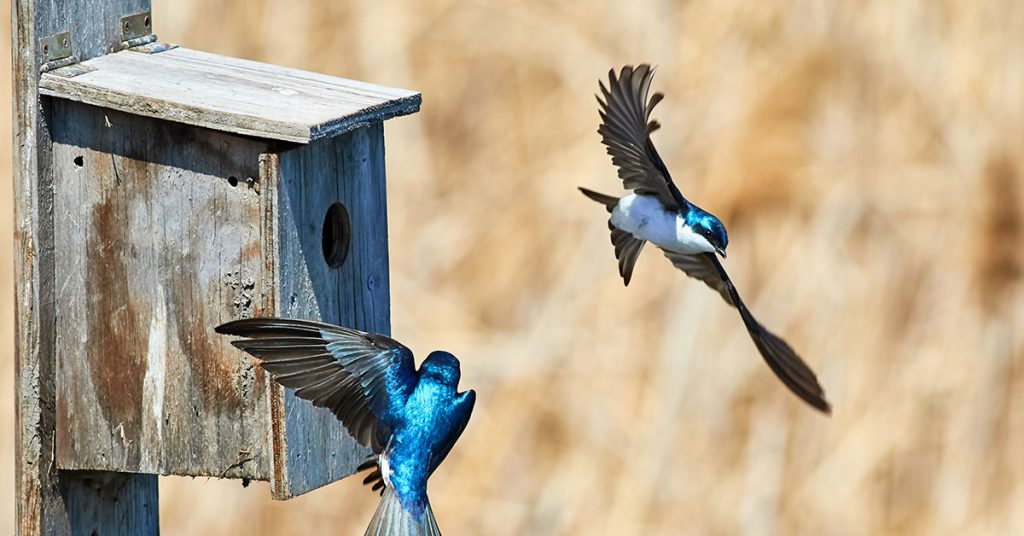
Birds quickly learn feeder routines—and so do predators and pests. I kept my hopper feeder in the same spot for years, only to notice a sharp decline in visits as squirrels and rats moved in. Moving feeders every few weeks to fresh locations—or even just rotating between different yardside trees—keeps birds curious and reduces localized contamination.
Rotation also prevents ground buildup of seed hulls and droppings, which can harbor mold and bacterial spores. By creating multiple feeding “zones” amidst a variety of native shrubs and perennials, you support a dynamic feeding environment that mimics natural foraging patterns and keeps your backyard visitors healthy and engaged!