

Most people think of hair care as something that happens in the bathroom. Shampoos, serums, scalp treatments. The truth is that what you eat plays a genuinely meaningful role in how your hair grows, how strong it becomes, and whether your follicles stay healthy over time.
Deficiencies in key nutrients can affect hair health, and vitamins and minerals from food play an important role in the hair follicle growth cycle and cellular turnover. That connection between diet and hair is well-documented, even if the full picture is still being researched. What follows is a look at seven real, evidence-backed foods that from the inside out.
1. Eggs: Protein and Biotin in One Convenient Package
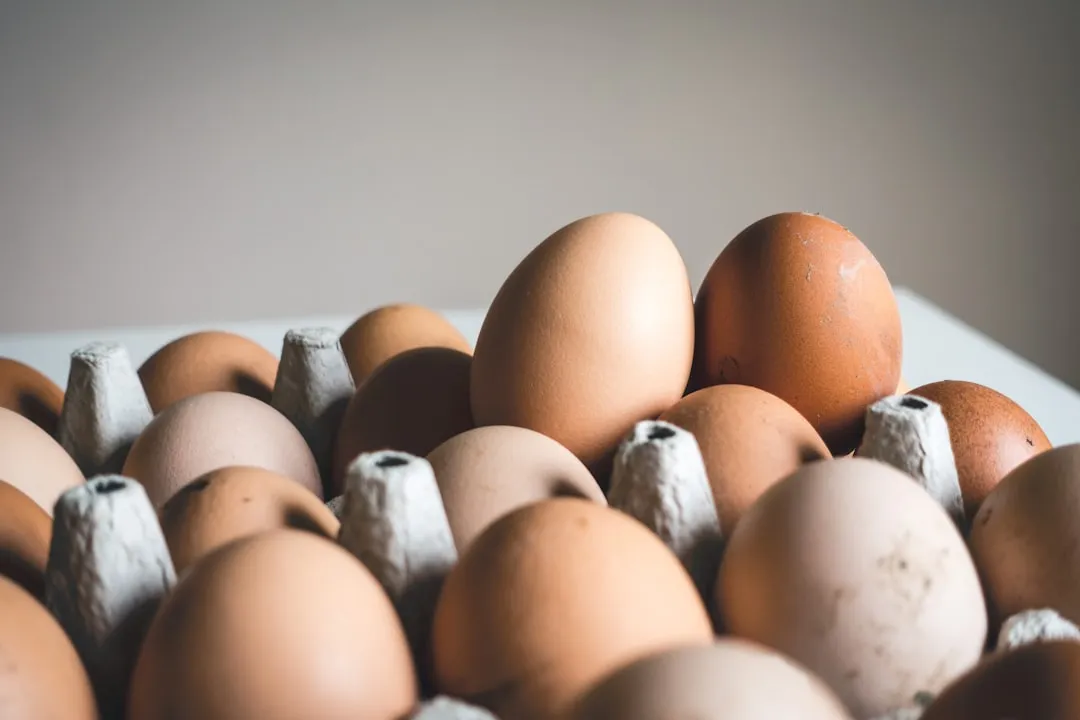
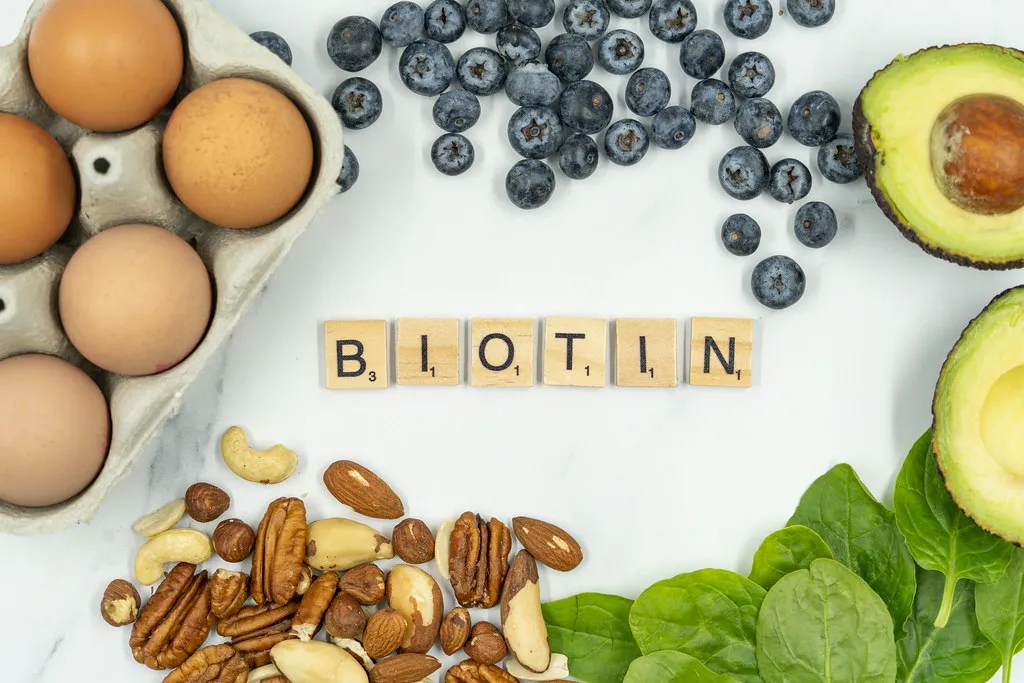
Eggs are a great source of protein and biotin, two essential nutrients for hair growth. Eating enough protein supports hair growth because hair follicles are mostly made of protein. That’s worth keeping in mind the next time you skip breakfast.
Biotin is essential for the production of a hair protein called keratin, which is why biotin supplements are often marketed for hair growth. The evidence around supplemental biotin in healthy people is mixed, but getting it through whole food like eggs is a sound nutritional strategy.
Eggs also contain selenium, iron, and zinc, minerals that support healthy hair growth. Research on biotin supplementation for hair growth shows mixed results, with most benefits seen in people who have actual biotin deficiency, so food-based sources remain the smarter, more balanced approach.
2. Fatty Fish: Omega-3s That Feed Your Follicles
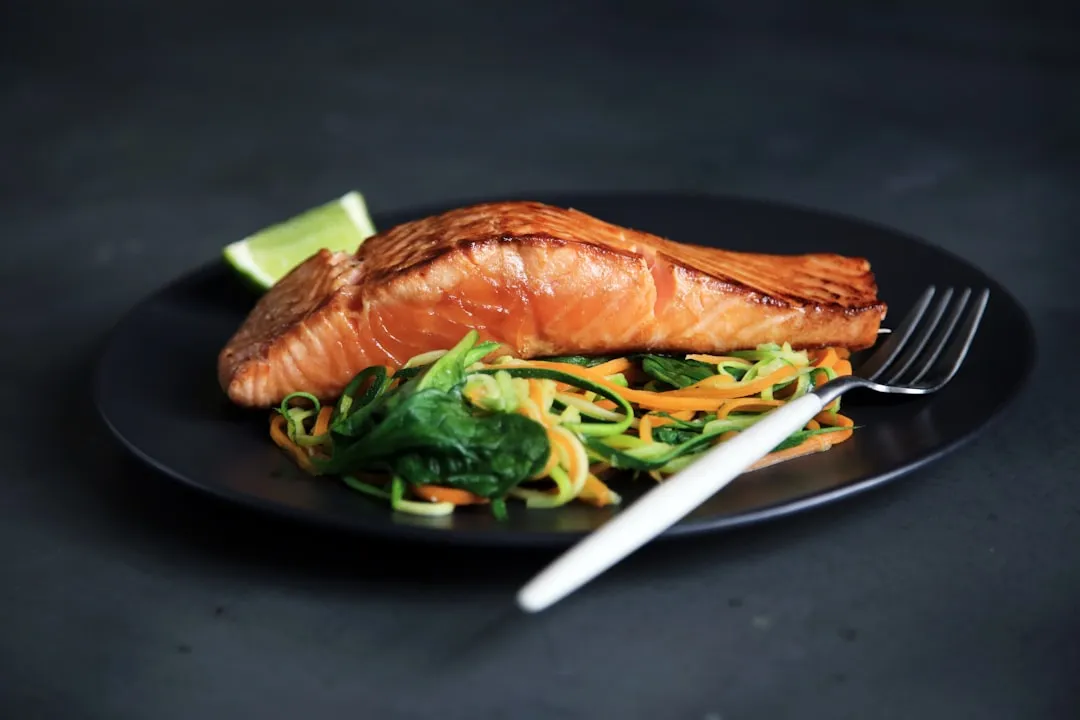
Salmon, herring, mackerel, and other fatty fish are high in omega-3 fatty acids. These healthy fats have anti-inflammatory properties that minimize oxidative stress. Inflammation at the scalp level can quietly interfere with the hair growth cycle, so reducing it matters.
Fatty fish are excellent sources of omega-3 fatty acids, which may support hair growth. An older study of 120 females found that a supplement containing omega-3 and omega-6 fatty acids and antioxidants reduced hair loss and increased hair density.
Fatty fish is also a great source of protein, selenium, vitamin D3, and B vitamins, which may help promote strong and healthy hair. While it is still unclear if low vitamin D leads to hair loss, it’s a good idea to include fatty fish and other sources of vitamin D regularly in your diet. Aiming for two to three servings per week is a practical target.
3. Spinach: The Iron-Rich Leafy Green Your Hair Craves
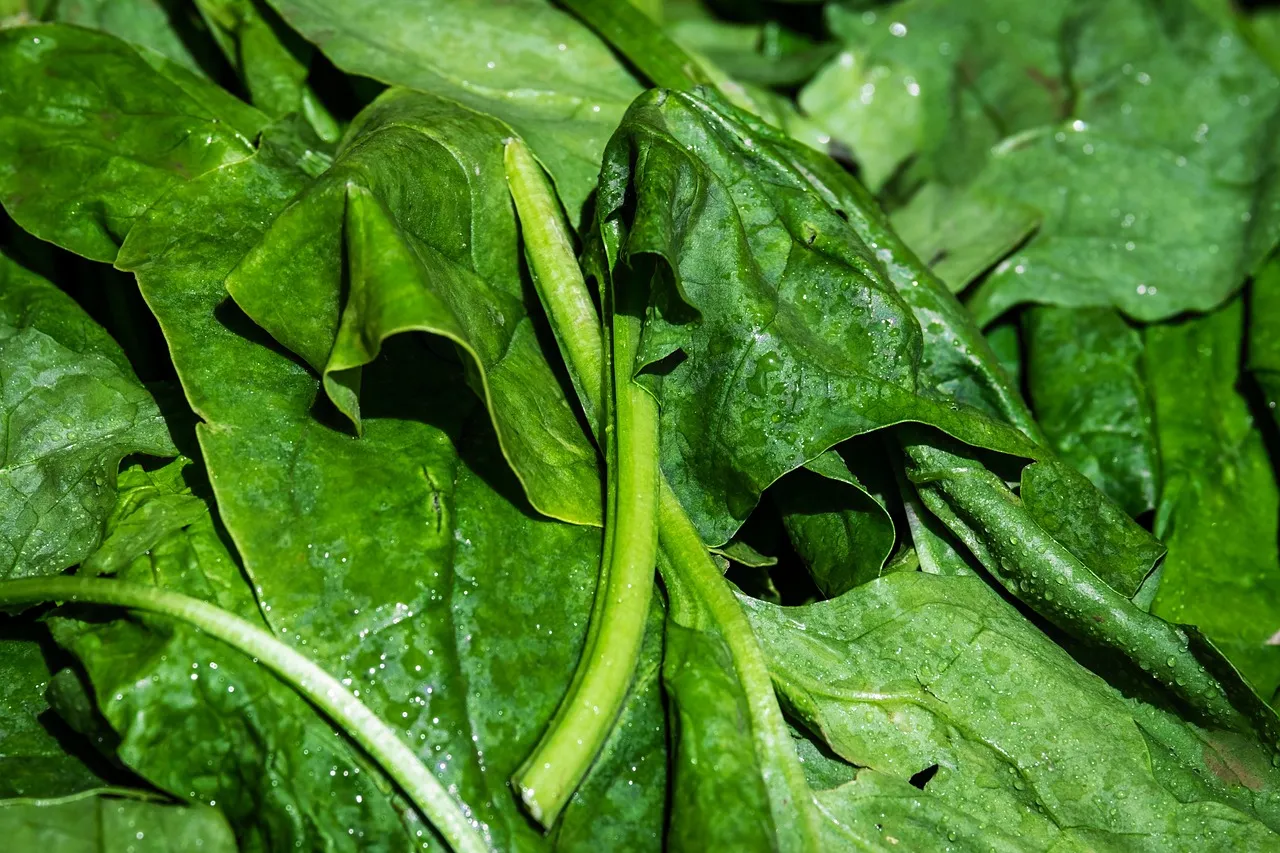
Spinach is loaded with iron, vitamin A, vitamin C, and folate, all of which you need to nourish your hair follicles and maintain a healthy scalp. Iron deficiency is one of the most common nutritional causes of hair loss, particularly in premenopausal women.
Iron helps your blood carry oxygen throughout your body, including to the cells that are responsible for hair growth. One cup of spinach provides up to roughly a fifth of daily vitamin A needs. This vitamin helps produce sebum, the natural oil that keeps hair moisturized and healthy.
Eating more spinach can help replenish your body’s iron stores and provide vitamin C, which improves iron absorption and supports collagen production for stronger strands. That dual benefit, iron plus vitamin C in the same food, makes spinach particularly efficient from a hair health standpoint.
4. Sweet Potatoes: Beta-Carotene for Scalp and Strand Health
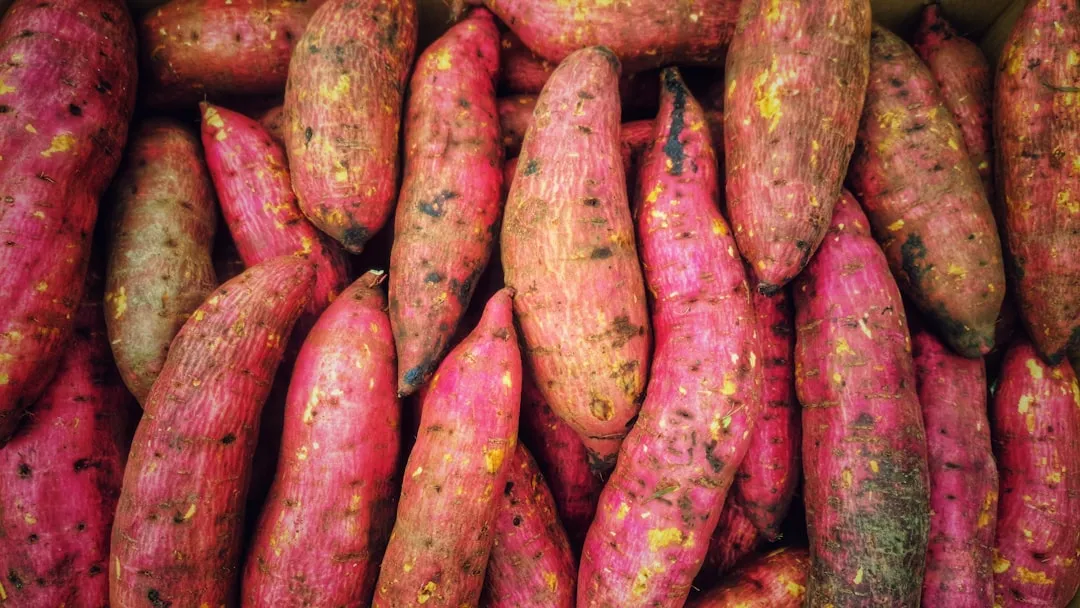
Sweet potatoes are loaded with beta-carotene, which your body converts to vitamin A. This vitamin is essential for cell growth, including hair cells, and helps produce sebum to keep hair healthy and moisturised.
Unlike some sources of vitamin A, sweet potatoes provide it in a form that’s less likely to cause toxicity, making them a safe and delicious way to support hair health. That’s a meaningful distinction, since excessive vitamin A from supplements can actually trigger hair loss.
You can eat as much beta-carotene as you want, because your body will only turn beta-carotene into vitamin A if it needs it. That built-in regulatory mechanism makes sweet potatoes a reliably safe food for supporting scalp health without the risks that come with high-dose vitamin A supplementation.
5. Nuts and Seeds: A Dense Mix of Hair-Healthy Nutrients
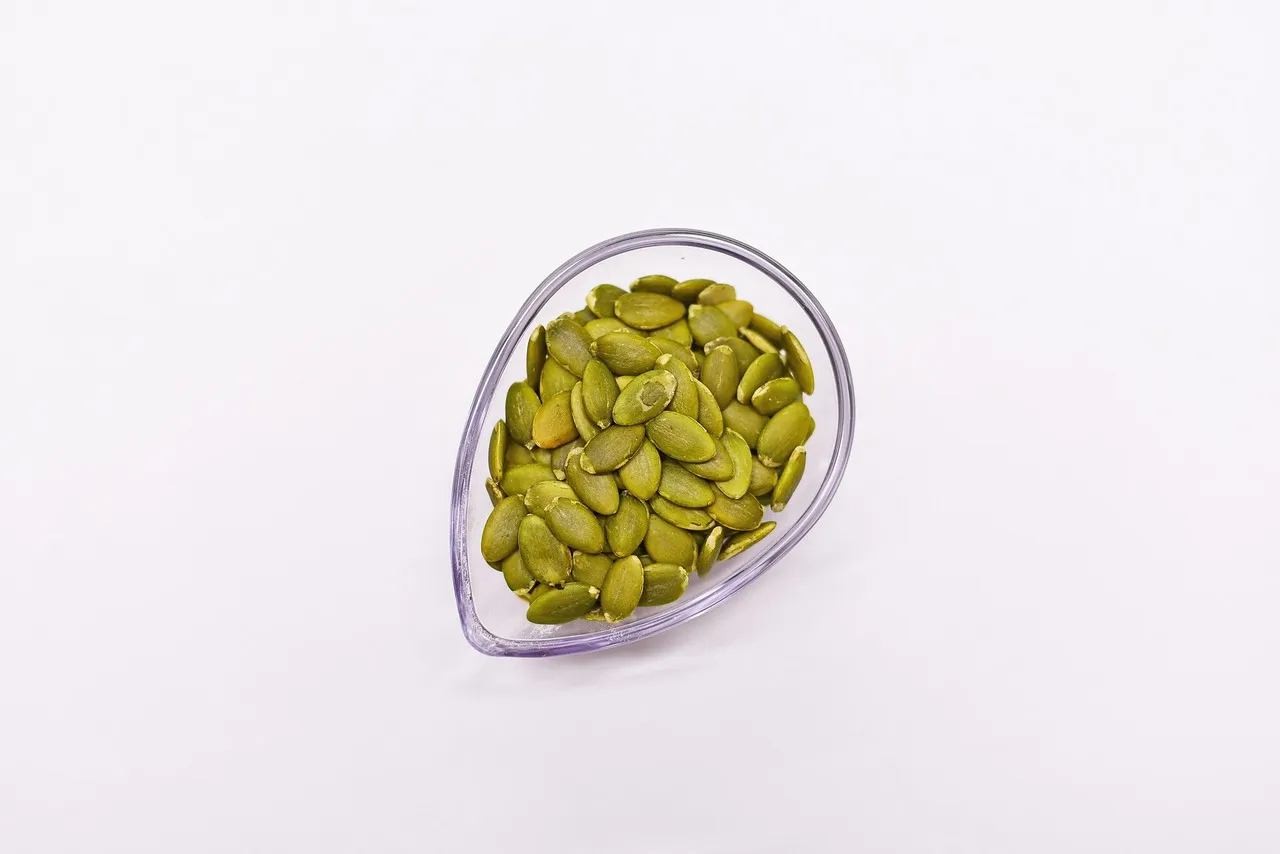
Seeds are rich in nutrients with relatively few calories. Many of these nutrients also support hair growth. These include vitamin E, zinc, and selenium. A small handful goes a long way nutritionally.
Almonds, walnuts, flaxseeds, and chia seeds provide essential fatty acids, vitamin E, and zinc. Walnuts are particularly beneficial as they contain alpha-linolenic acid, a type of omega-3 fatty acid that may help condition hair naturally. Seeds like pumpkin seeds are rich in zinc, which plays a crucial role in hair tissue growth and repair.
An ounce of sunflower seeds provides nearly half of your daily vitamin E needs, with a wide variety of hair-healthy B vitamins. Rotating between different nuts and seeds throughout the week is a sensible way to cover the full spectrum of nutrients your follicles need.
6. Berries: Antioxidant Protection for Hair Follicles
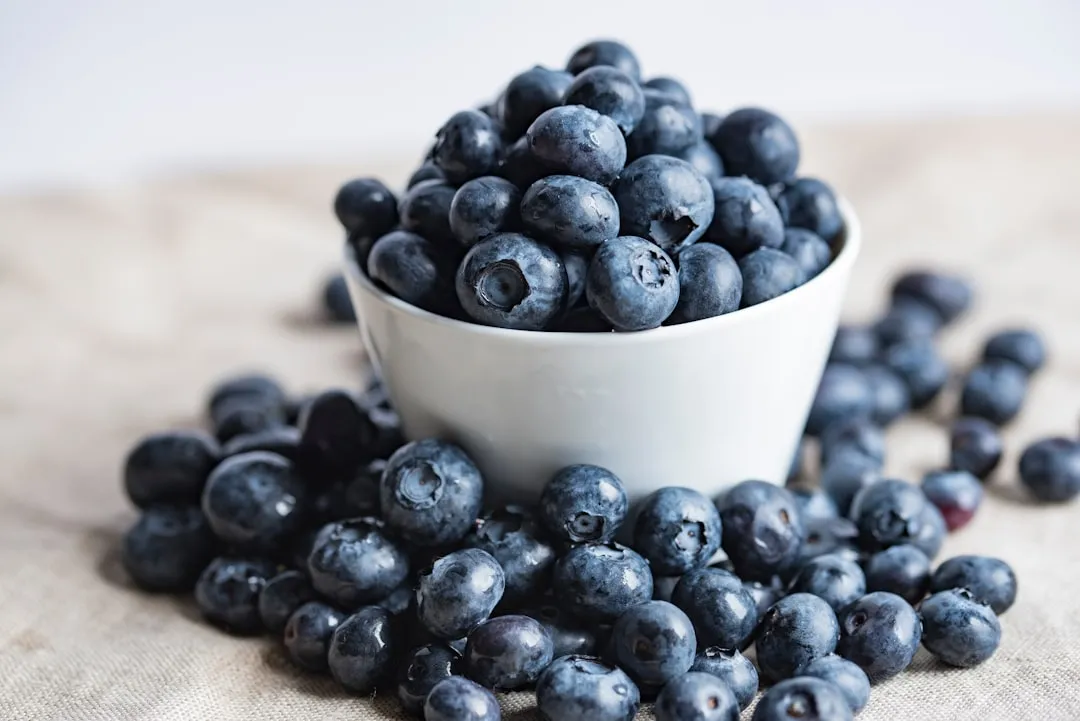
Berries like strawberries and blueberries are packed with vitamin C and other antioxidants that can help keep your scalp and hair follicles healthy. This is partly because vitamin C helps the body absorb iron, an important nutrient for hair growth.
Berries provide key antioxidants such as vitamin C. Antioxidants can help prevent damage to follicles from free radicals. Vitamin C also helps your body absorb iron, which is necessary for hair growth. The antioxidant angle is worth taking seriously, especially since oxidative stress is a documented factor in follicle damage.
Vitamins C and E, which both work as antioxidants, may also be helpful for promoting hair growth. Berries are among the most accessible and enjoyable ways to get vitamin C consistently, without any supplements required.
7. Pumpkin Seeds: A Zinc-Rich Option with Clinical Backing
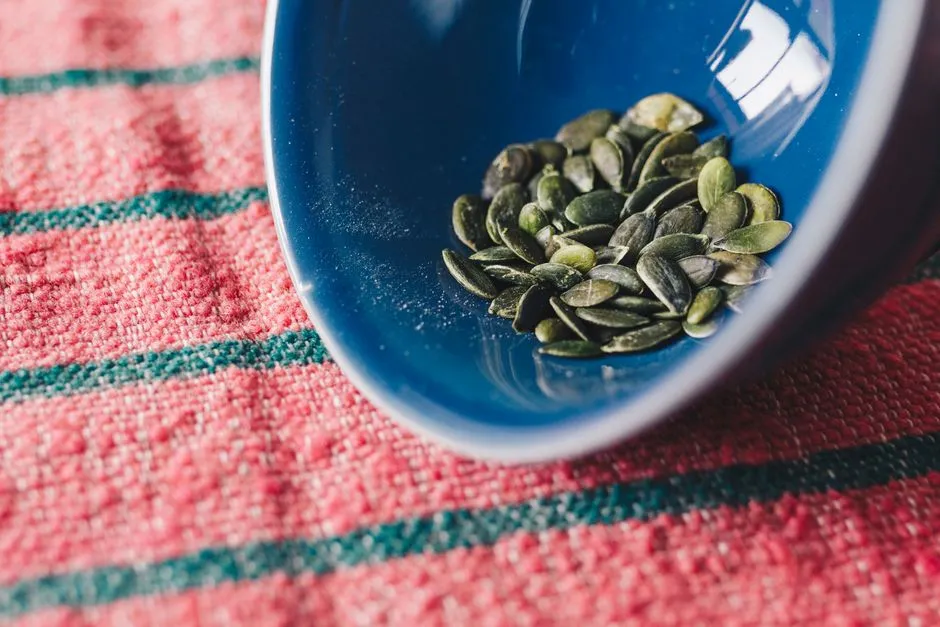
Research published in the journal Evidence-Based Complementary and Alternative Medicine showed that pumpkin seed oil could help the effects of a form of alopecia in men. In the study, some of the 76 male participants took pumpkin seed oil capsules, while others received placebos. Following 24 weeks of treatment, the men who were treated with pumpkin seed oil experienced a roughly forty percent increase in their average hair count without any adverse effects.
Pumpkin seeds are a great source of zinc and iron, both essential for hair growth. Iron helps to supply oxygen to the hair follicles, while zinc is essential for maintaining healthy hair and preventing hair loss. Together, that’s a meaningful nutrient combination in one small seed.
Pumpkin seed oil, zinc, and other nutritional supplements may help with hair loss, according to research published in JAMA Dermatology. While the clinical research focused on the oil form, eating whole pumpkin seeds provides similar zinc and phytosterol content alongside beneficial fats and protein, making them a practical addition to any hair-supportive diet.
How Diet and Hair Health Are Really Connected
The connection between diet and hair health is clear. Hair follicles have a high metabolic rate and need constant nutrition to function properly. A deficiency in key nutrients can slow down growth or even lead to hair loss.
A lack of proper nutrients, including vitamins A, C, D, and E, zinc, B vitamins, iron, biotin, protein, and essential fatty acids, may slow hair growth or cause hair loss. The good news is that most of these nutrients are found in everyday foods, not in expensive supplements.
The right foods can be really good for your hair, but hair loss has many causes. Sometimes, genetic factors like male or female pattern baldness can play a role. Thyroid disease, anemia, autoimmune diseases, and hormone issues may also cause changes or loss of hair. Diet is one powerful lever to pull, but it works best as part of a broader picture of health.
What the Research Actually Says (and What It Doesn’t)
While more research is needed to understand the connection between micronutrients and hair loss, ensuring you’re getting enough foods rich in nutrients that support hair growth is a good idea. The science is solid on preventing deficiencies. It’s less clear whether eating more of any one nutrient beyond normal levels produces extra growth in people who are already healthy.
Research does not support routine biotin supplementation for hair growth in healthy people. Most high-quality evidence shows benefit only when an actual biotin deficiency or specific medical condition is present. That distinction matters when evaluating any supplement claim you see on social media or a product label.
There are only a handful of studies on omega-3 fatty acids and hair growth. More studies are needed before health experts can make any recommendations. Honest science acknowledges its own limits, and the broader takeaway remains the same: consistent, balanced nutrition is more reliable than any single miracle food.
How Long Before You See Results?
Results won’t appear overnight. It often takes three to six months to notice meaningful improvements in hair growth and texture. That’s roughly aligned with the natural hair growth cycle, which moves slowly regardless of what you eat.
Your hair needs specific nutrients to grow strong and healthy. When your diet lacks certain vitamins and minerals, your hair can become thin, brittle, or stop growing as fast as it should. Foods high in protein, omega-3 fatty acids, iron, and B-complex vitamins support the hair growth cycle and help create stronger strands.
Patience is a genuine requirement here. Dietary changes take weeks to register in the body and months to show up visibly in hair. Sticking with a nutrient-rich eating pattern consistently is more effective than any short-term dietary experiment.
Simple Ways to Add These Foods to Your Routine
Including leafy greens like spinach in salads, omelets, or smoothies at least a few times a week is easy. Swapping out refined carbs for nutrient-dense options like roasted sweet potatoes or whole-grain avocado toast works well. Making fatty fish like salmon a main course once or twice per week is a practical goal.
Snacking on nuts and seeds, or sprinkling them over oatmeal and salads, adds a crunchy nutrient boost. Adding a side of berries to your meals or using them in low-sugar desserts provides a solid antioxidant punch.
None of these changes require a complete dietary overhaul. Adding one or two of these foods more consistently each week builds a foundation that your follicles can actually work with over time.
The Takeaway
Hair growth is influenced by genetics, hormones, age, and stress, but nutrition is one of the few factors genuinely within your control. The seven foods covered here, eggs, fatty fish, spinach, sweet potatoes, nuts and seeds, berries, and pumpkin seeds, are backed by credible evidence and easy enough to include in an ordinary diet.
No single food is going to reverse hair loss or produce miraculous growth on its own. A nutritious diet with the recommended essential nutrients, including protein, antioxidants, iron, and fatty acids, can help support healthy hair growth. Avoiding deficiencies can help prevent hair loss due to a lack of nutrients.
The most honest summary is also the most practical one: feed your body well, consistently, and your hair is more likely to reflect that effort over time. There’s no shortcut, but there is a clear direction.
AI Disclaimer: This article was created with the assistance of AI tools and reviewed by a human editor.