

Anyone who has pushed through a tough workout knows what happens the next morning. Stiff legs, tender shoulders, stairs that suddenly feel like a mountain. That familiar ache is called delayed onset muscle soreness, or DOMS, and it’s one of the most common experiences in the world of exercise.
Putting your body through a tough training session causes small microtears in your muscle fibers, and those tears repair on their own within a few days, but in the meantime, your muscles may be sore and achy. The interesting part is that what you eat during that recovery window genuinely matters. Certain foods have now been studied closely enough that we can point to real mechanisms behind their effects, not just anecdote.
1. Tart Cherry Juice: The Most Studied Recovery Drink
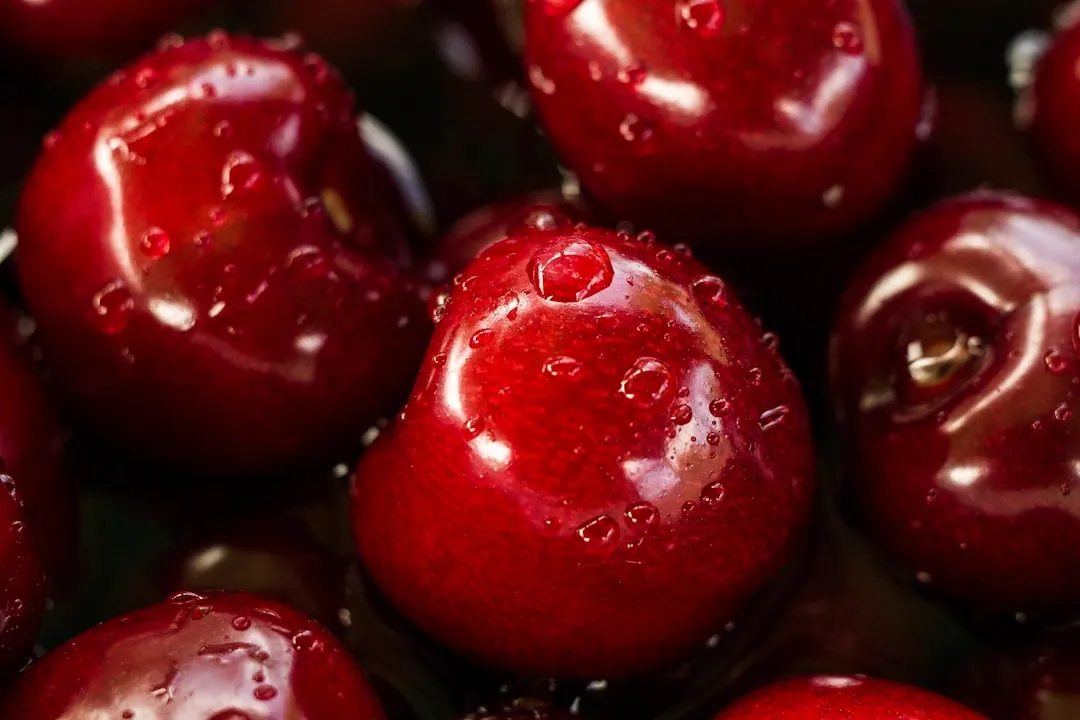
Tart cherry juice supplementation has been explored for its anti-inflammatory and antioxidant effects, and a systematic review and meta-analysis found evidence supporting its beneficial effects on muscular function and inflammatory biomarkers including interleukin-6 and interleukin-8. That is a meaningful finding, because those two markers are directly tied to the inflammatory cascade that makes muscles feel sore and sluggish.
One 2021 review of 25 studies, 15 of which focused on tart cherry juice, found that drinking tart cherry juice accelerated muscle recovery, reduced DOMS, and lowered markers of inflammation after exercise. Still, recent meta-analyses have added some nuance worth knowing.
A 2026 meta-analysis concluded that tart cherry juice supplementation may support recovery of selected functional and inflammatory markers following exercise-induced muscle damage in trained athletes, though findings are heterogeneous and supported by low-to-moderate certainty of evidence, warranting cautious interpretation. In short, it shows real promise, but individual results can vary.
Tart cherry juice is likely most effective when you start supplementing several days before you exercise and continue for days after, using it for a total of 8 to 10 days. A small, consistent commitment rather than a one-off glass the night before a run.
2. Fatty Fish: Omega-3s That Work Inside Your Muscle Cells
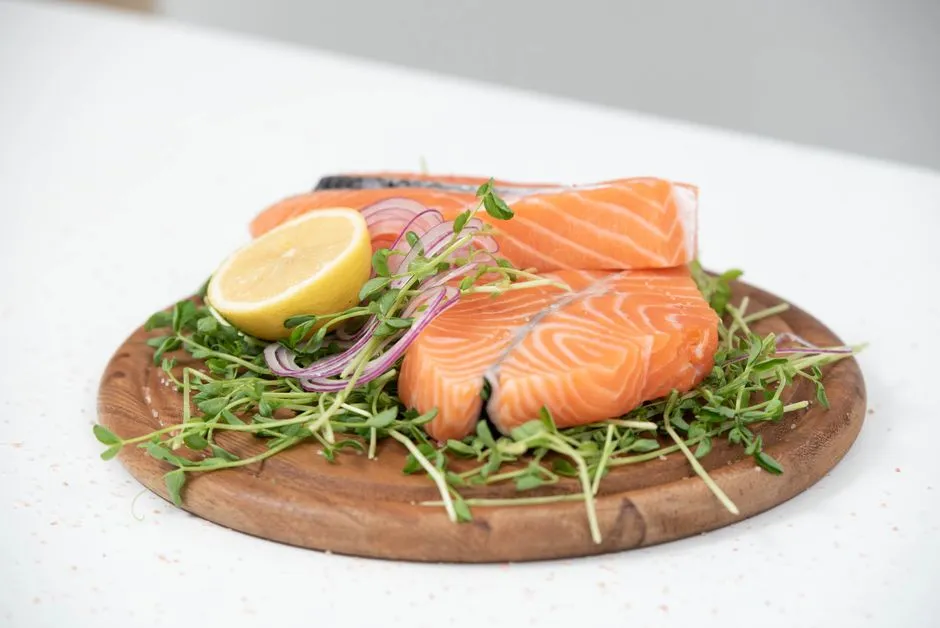
Fatty fish are excellent sources of nutrients your body needs for muscle recovery, and they are a highly bioavailable source of protein, meaning your body can extract the protein from them easily. Fatty fish also contains omega-3 fats, which may help reduce delayed-onset muscle soreness.
According to a 2019 review in the journal Sports Medicine, consuming more omega-3 fats can help reduce muscle pain and soreness. Adequate omega-3 fats are important for healthy inflammatory responses, and these fats work their way into muscle cells, where they have anti-inflammatory powers that may help reduce uncomfortable inflammation.
The best whole food sources of omega-3s are fatty fish and shellfish like salmon, mackerel, anchovies, sardines, oysters, clams, and shrimp, and aiming to eat high omega-3 foods at least twice a week is a practical starting point. For people who don’t eat fish regularly, algae-based omega-3 supplements are a well-established alternative.
3. Turmeric: The Spice Behind Real Anti-Inflammatory Science
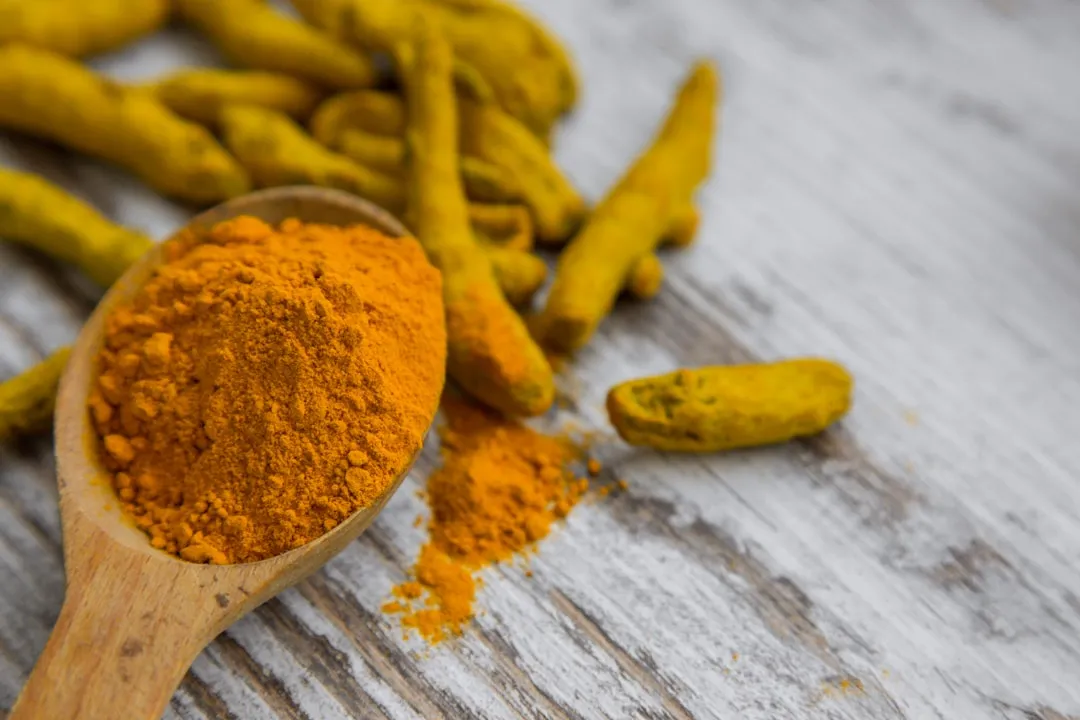
Turmeric may alleviate exercise-induced muscle soreness and muscular function loss due to the strong anti-inflammatory and antioxidant activities of its active compounds, the curcuminoids. That active compound, curcumin, has now been the subject of multiple systematic reviews.
A 2024 meta-analysis compiled 14 randomized controlled trials with a total of 349 subjects, evaluating curcumin’s effects on muscle soreness, creatine kinase, interleukin-6, and range of motion, and found that curcumin supplementation significantly mitigated muscle damage and promoted recovery across these outcomes. The numbers behind this are specific enough to be useful.
On average, curcumin-treated groups reported lower DOMS ratings, and blood creatine kinase levels, a marker of muscle fiber damage, were markedly reduced in curcumin groups compared to placebo, indicating less muscle membrane disruption or quicker healing.
A 2025 randomized, placebo-controlled crossover clinical trial found that 500 mg per day of a bioavailable full spectrum turmeric formulation over four days following downhill running reduced DOMS, slightly lowered creatine kinase, and slightly increased VO2 max. Bioavailability remains an important consideration, since plain turmeric powder absorbs poorly without something to boost uptake, like black pepper or a formulated supplement.
4. Watermelon: More Than Just Hydration
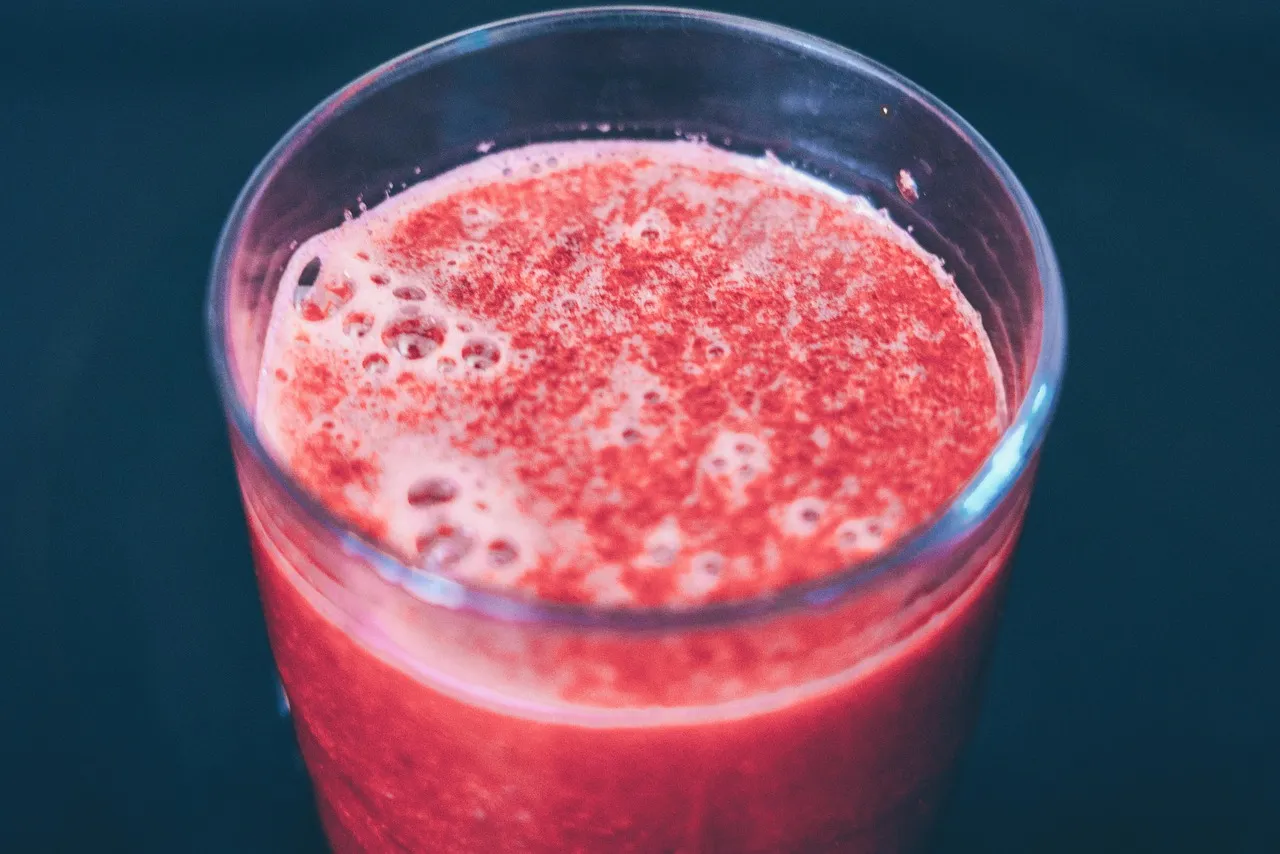
Watermelon is rich in the amino acid L-citrulline, which, besides being a building block for proteins, may have antioxidant effects and increase the production of nitric oxide, which enhances blood circulation to muscles and improves cellular energy. Better blood flow during recovery means faster delivery of nutrients to stressed tissue.
The citrulline in watermelon is a key amino acid, and it reduces pain and produces nitric oxide, which dilates blood vessels and increases blood flow. Combine that with watermelon’s naturally high water content and electrolyte profile, and you have a recovery food that works on more than one front at once.
A randomized controlled trial published in 2025 in Food Science and Nutrition aimed to assess the impact of watermelon juice as a functional drink on muscle soreness, exercise performance, and muscle hypertrophy, conducted on 42 non-athlete men over eight weeks. The growing body of research around watermelon juice places it firmly on the list of credible, food-first recovery strategies.
5. Ginger: A Natural Pain Reliever Backed by Clinical Trials
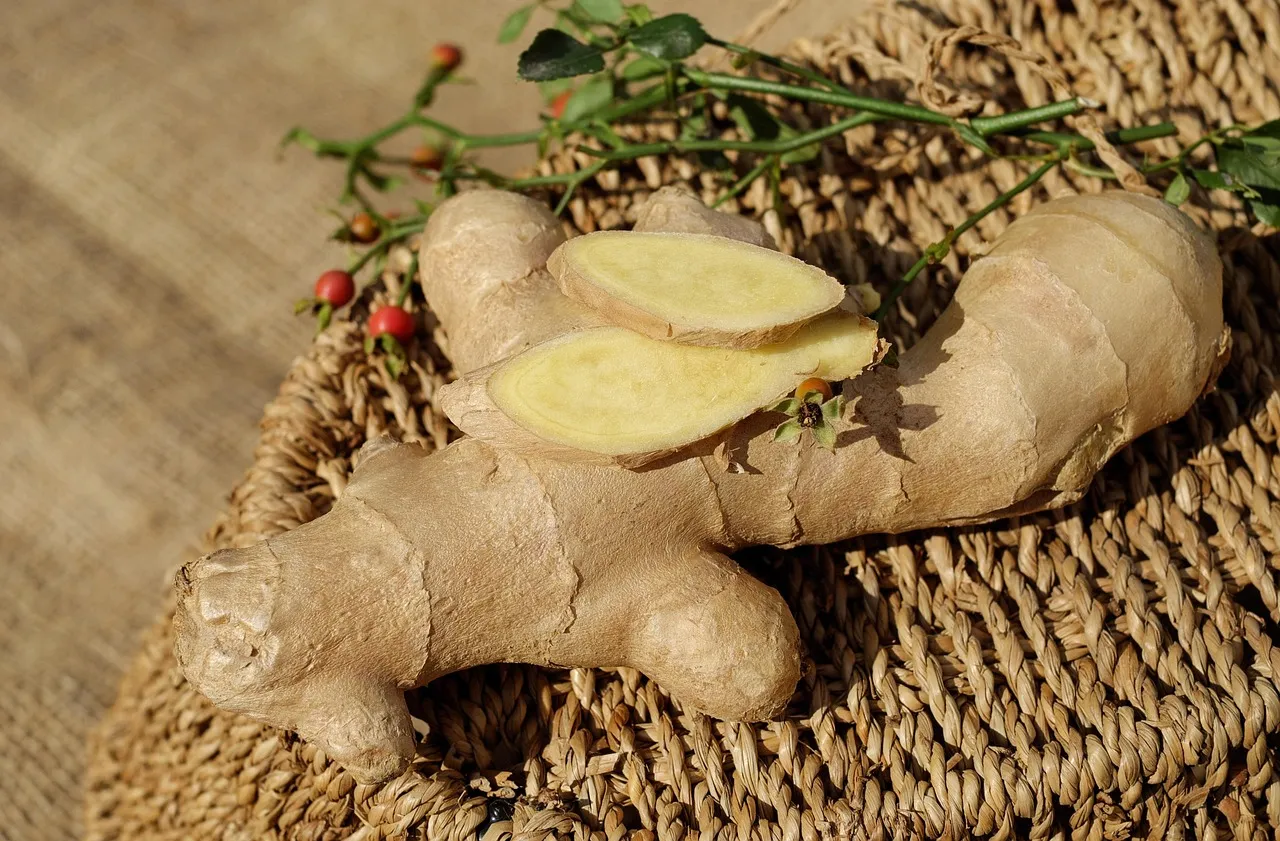
Ginger is a powerful natural anti-inflammatory and pain reliever, and the main component responsible for ginger’s effects is gingerol, which also gives it its distinctive spicy flavor. Over 40 other antioxidants like shogaols and diarylheptanoids further contribute to its anti-inflammatory function.
A review compiled results from four clinical trials involving a total of 194 subjects, and those studies suggest that consuming 2 grams of raw or cooked ginger daily is effective in reducing inflammation caused by muscle damage after exercise. Two grams is roughly one teaspoon of fresh grated ginger, a realistic daily amount for most people.
Human studies have demonstrated that ginger may help promote healthy inflammatory and pain responses, potentially helping to mitigate the effects of DOMS. It’s also one of the few recovery foods that works well in either food or supplement form, making it flexible enough to fit into almost any diet.
Why DOMS Happens in the First Place

Muscle soreness is usually the result of inflammation in the body, and the most common type in active people is DOMS, which sometimes sets in within one to two days following exercise or manual labor. DOMS can be debilitating, but it’s mostly harmless, unlike sprains, tears, and other injuries.
Effective post-exercise recovery is vital for optimizing athletic performance, and it focuses on muscle repair, glycogen replenishment, rehydration, and inflammation management. Understanding that DOMS is fundamentally an inflammatory and oxidative stress response helps explain why foods with antioxidant and anti-inflammatory properties keep appearing in the research.
The Role of Antioxidants in Recovery
Evidence highlights the benefits of functional foods like tart cherry juice with its anthocyanins, turmeric-seasoned foods, and sources of omega-3 fatty acids including fish, flaxseeds, chia seeds, and walnuts, for mitigating oxidative stress and muscle damage. The common thread is not a single molecule but a broad class of plant-based compounds working together.
A 2024 study in the International Journal of Sports Medicine found that vegans experienced less delayed-onset muscle soreness than omnivores after the same workout, which researchers partly attributed to a higher antioxidant intake from plant-based diets. That finding doesn’t mean everyone needs to go vegan, but it does suggest that total dietary antioxidant load matters more than most people realize.
Pomegranate Juice: A Supporting Player Worth Mentioning
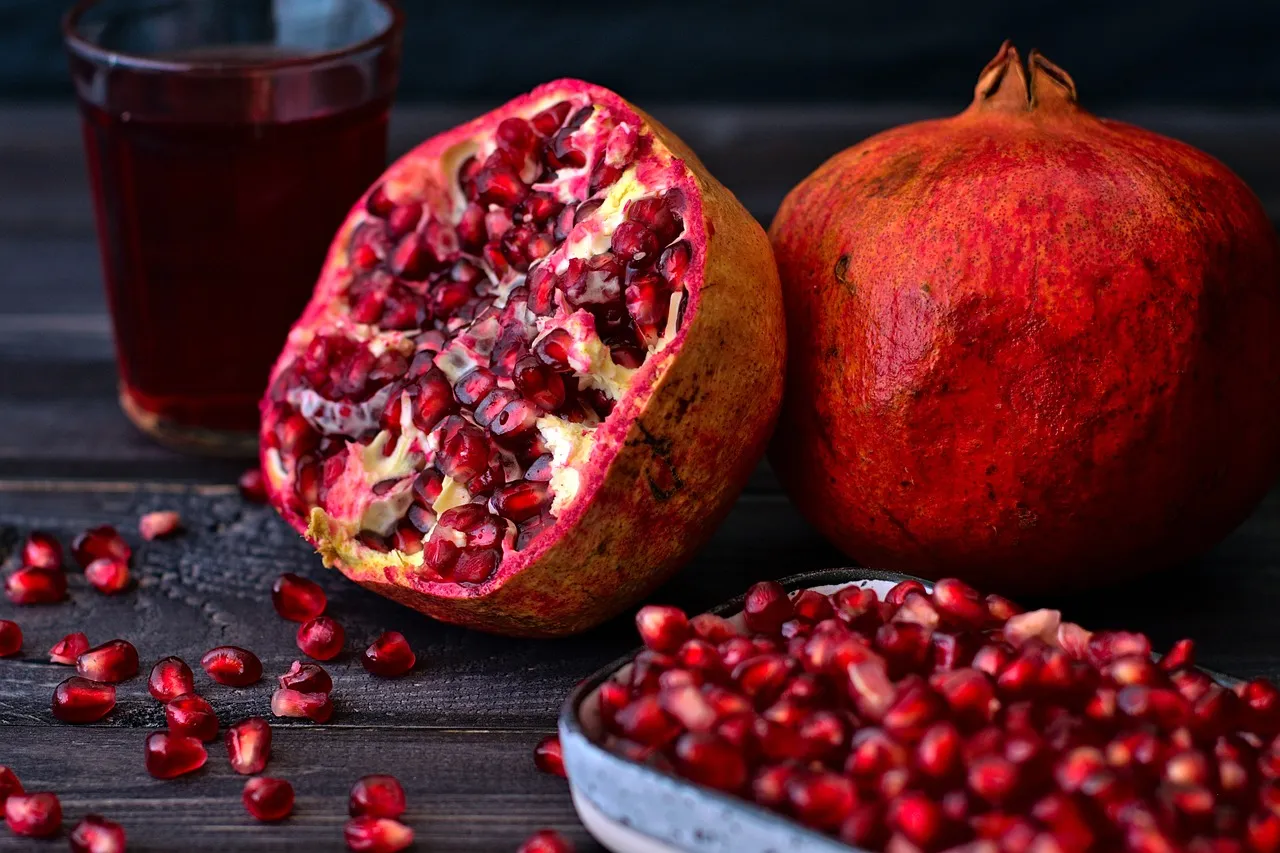
A 2024 review suggests pomegranate juice may have benefits for recovery, noting that it seems to promote the action of antioxidants and reduce oxidative stress, though larger and higher quality studies are still needed to confirm its effects.
Studies vary, but most used around 250 ml of pomegranate juice each day for at least a week to get measurable benefits, and choosing one without added sugar makes it a healthier option. It sits just outside the main five foods in terms of volume of evidence, but it’s a credible addition to a recovery-focused diet for those who enjoy it.
Eggs: Whole Food Protein for Muscle Repair

Eggs are known as nutrient-dense foods and are favored by athletes for their high content of bioavailable protein. Eating them after a workout helps stimulate muscle recovery, and while many people opt to eat only egg whites, studies show that whole eggs may be a better choice after workouts, because the nutrient-dense yolk provides vitamins, minerals, and fatty acids that support muscle repair.
A 2022 study looked at muscle repair during the five hours post-exercise when participants consumed five eggs providing 30 grams of protein, and found that amino acid levels and muscle protein synthesis increased. For practical purposes, two whole eggs per day is a well-established, safe intake for most healthy adults. The yolk is where a meaningful portion of the recovery benefit lives.
How to Actually Use These Foods in Practice

The application of natural foods and juices in sports nutrition is attracting growing interest due to their potential antioxidant, anti-inflammatory, and ergogenic properties, because exercise, especially when prolonged or intense, increases oxidative stress and muscle damage, leading athletes to explore dietary strategies that support recovery.
The pattern across the research is consistent. None of these foods work like a pill you take once. Tart cherry juice works best over eight to ten days. Ginger benefits appeared with two grams taken daily. Turmeric’s effects were measured over multi-day supplementation windows. Your nutrition choices directly fuel the recovery process after exercise, and eating the right things gives your system the raw materials it needs to rebuild and get ready for your next session faster.
Protein provides the building blocks called amino acids that your body uses to fix damaged tissues, and without enough protein, effective repair simply cannot happen, with roughly 20 to 40 grams recommended after a session. Pairing these five foods with adequate total protein and hydration gives the body its best environment to recover quickly and fully.
The Takeaway

The five foods covered here, tart cherry juice, fatty fish, turmeric, watermelon, and ginger, are not miracle cures. They are well-researched dietary tools with plausible, studied mechanisms. Their effects are modest in isolation, but meaningful when combined with good overall nutrition and consistent training habits.
What the science from 2024 through 2026 reinforces is that recovery isn’t just about rest. It is also about what you eat in the hours and days that follow a hard effort. The kitchen, it turns out, is part of the training plan too.
AI Disclaimer: This article was created with the assistance of AI tools and reviewed by a human editor.