
No-till gardening is a wonderful way to nurture your soil’s natural structure while enjoying an abundant harvest with less disturbance. As a devoted gardener, I know the frustration of battling compacted, eroded soil or struggling with pests when you disturb the earth too much. That’s why I’m excited to share 16 vegetables that truly flourish in a no-till garden. These plants thrive on the natural fertility of undisturbed soil, creating a living tapestry that’s both bountiful and eco-friendly!
Over the years, I’ve learned that a successful no-till garden not only supports healthy crops but also fosters a vibrant ecosystem—attracting beneficial insects and even offering cozy microhabitats for nesting critters! In this article, I’ll walk you through each vegetable, discussing where it’s native, whether it’s invasive, and its unique behaviors in a no-till setting. Let’s dive into these botanical treasures that promise ease, productivity, and a little extra joy for every gardener!
Tomatoes

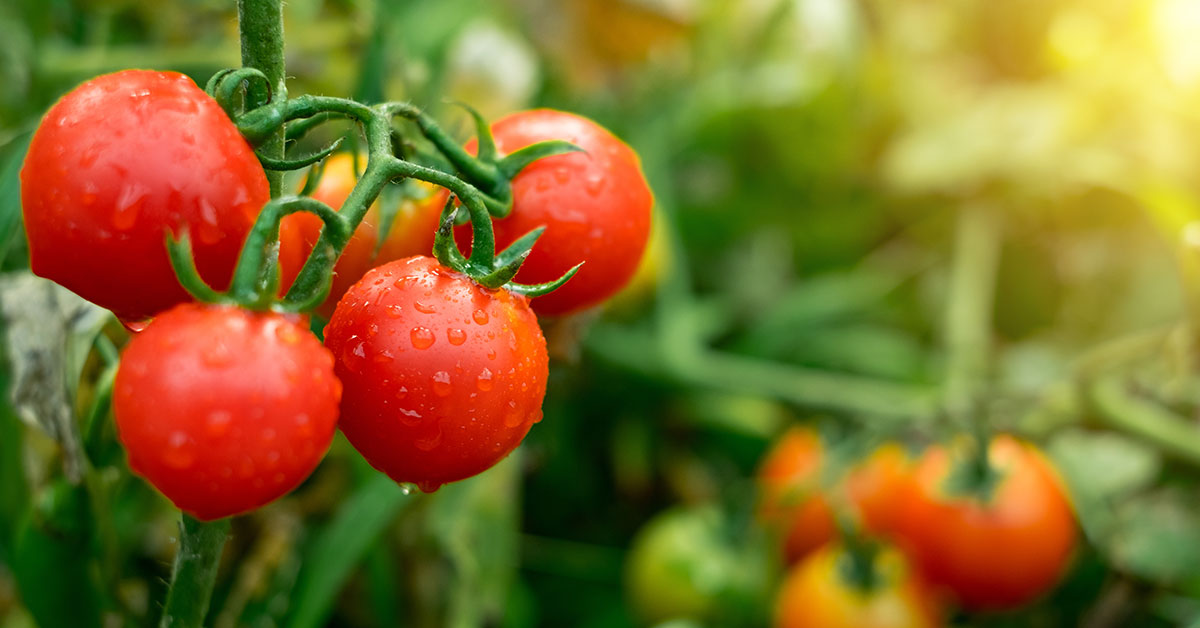
Tomatoes are a classic choice for any garden, and they truly excel in a no-till environment. Native to the Andean region of South America, tomatoes benefit from undisturbed soil that allows their extensive root systems to develop naturally, leading to plump, juicy fruits. They’re widely cultivated around the world and are non-invasive, making them an excellent addition to a no-till garden where minimal soil disruption supports robust growth.
In my own garden, tomatoes are a constant delight—not only do they produce an abundance of flavorful fruit, but their early blossoms attract bees and other beneficial insects that help with pollination. I’ve noticed that the undisturbed soil also encourages the development of a rich, microbial community that supports plant health and resilience. Every time I harvest a sun-ripened tomato, I’m reminded of the beauty and efficiency of working with nature rather than against it!
Green Beans

Green Beans are a versatile and productive vegetable that thrive in no-till systems where their climbing vines and sprawling growth patterns can extend without disruption. Native to Central and South America, green beans flourish in naturally rich, undisturbed soil and are non-invasive, making them perfect for incorporating into a sustainable garden design. Their vines need little more than a sturdy trellis or support, and once established, they enrich the soil with nitrogen-fixing bacteria.
In my garden, green beans have become a vibrant fixture, drawing in bees and other pollinators that help ensure robust flowering and pod production. I appreciate how their delicate blossoms and lush vines create a natural, intertwined canopy that sometimes even offers a nesting spot for tiny beneficial insects. Their ease of growth and abundant yield make green beans an ideal choice for gardeners seeking a low-maintenance yet productive vegetable in a no-till setup!
Carrots

Carrots are renowned for their crisp, sweet roots, and they can thrive in a no-till garden provided the soil is deep and loose enough for proper root development. Native to regions of Europe and Asia, carrots require minimal disturbance to maintain their straight, uniform shape and robust flavor. In a no-till environment, the natural soil structure supports their growth without the need for constant tilling, which can often lead to compacted layers that stunt their development.
In my experience, carrots in a no-till garden tend to attract beneficial insects, such as ground beetles and small pollinators, that appreciate the undisturbed soil ecosystem. I find it fascinating how the gentle movement of the soil fosters a thriving micro-community that not only nourishes the carrots but also contributes to overall plant health. For those craving that perfect crunch and sweet flavor, no-till gardening offers an ideal solution to growing delicious carrots with minimal intervention!
Lettuce
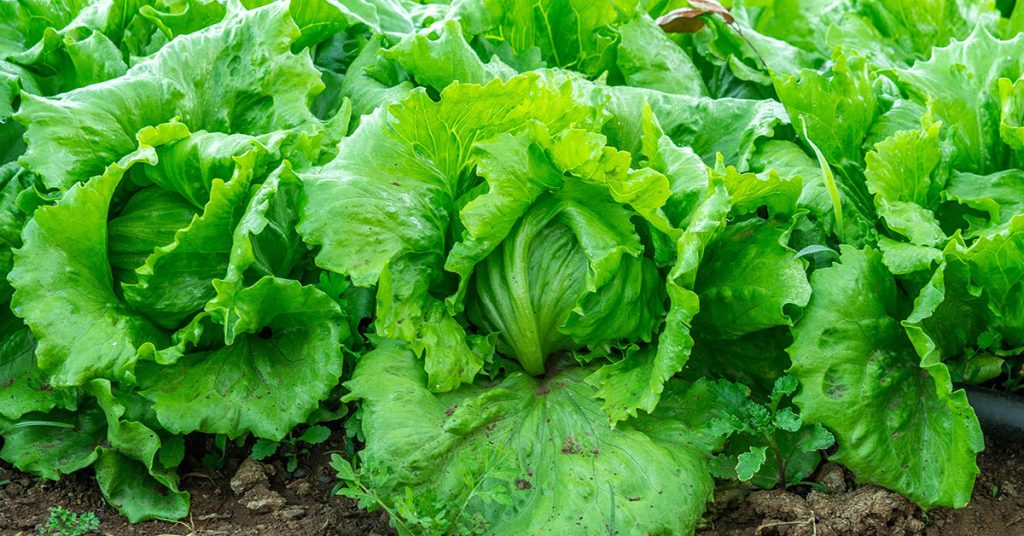
Lettuce is a cool-weather crop that benefits immensely from the gentle environment of a no-till garden. Native to the Mediterranean region, lettuce thrives in loosely structured, undisturbed soil that maintains its moisture and natural fertility. In a no-till setting, lettuce develops tender, crisp leaves that are less prone to stress and bolting—ensuring a bountiful harvest throughout the spring and early summer.
In my own garden, lettuce provides a refreshing burst of green that not only pleases the palate but also attracts tiny beneficial insects like aphid predators and small pollinators. I love how the undisturbed soil helps maintain a stable temperature and consistent moisture, resulting in lettuce that is both flavorful and vibrant. Its quick growth and gentle nature make lettuce an essential crop for gardeners who appreciate the subtleties of a no-till system!
Spinach
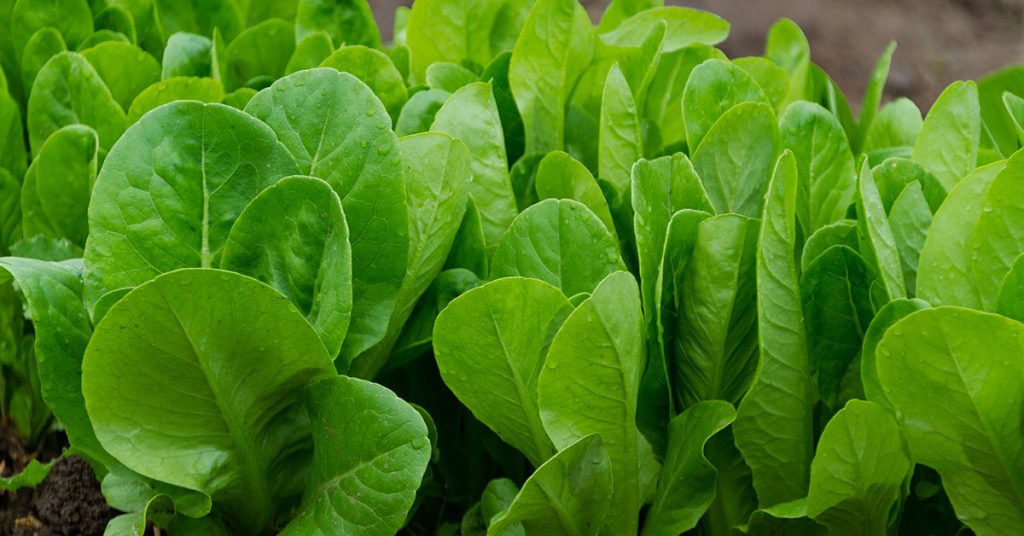
Spinach is another fast-growing vegetable that thrives in the rich, undisturbed soil of a no-till garden. Native to central and southwestern Asia, spinach prefers cool, moist conditions that are often maintained naturally in a no-till environment. Its tender, nutrient-dense leaves develop beautifully when the soil structure is left intact, reducing stress and water loss.
In my garden, spinach has become a favorite for its lush, dark leaves and its ability to attract small pollinators and beneficial insects. I enjoy watching the little bees and flies flitting among the foliage, contributing to the overall health of the garden ecosystem. Spinach’s rapid growth and vibrant color make it an ideal candidate for gardeners looking to enjoy fresh, healthy greens without the hassle of frequent tilling!
Radishes

Radishes are a delightfully quick-growing vegetable that finds a perfect home in no-till gardens, where the soil’s natural structure allows for rapid root development. Native to regions of Southeast Asia and the Mediterranean, radishes are non-invasive and flourish in minimally disturbed soil, yielding crisp, peppery roots in just a few weeks. Their shallow root systems benefit from the undisturbed earth, resulting in uniform, flavorful produce.
In my own raised beds that follow no-till principles, radishes add a burst of color and texture that attracts beneficial insects like small bees and predatory beetles. I’ve noticed that their rapid lifecycle means they not only deliver a quick harvest but also contribute to the ongoing fertility of the soil by continuously returning organic matter to the earth. Radishes are a perfect example of how embracing nature’s pace can lead to a productive and harmonious garden!
Cucumbers
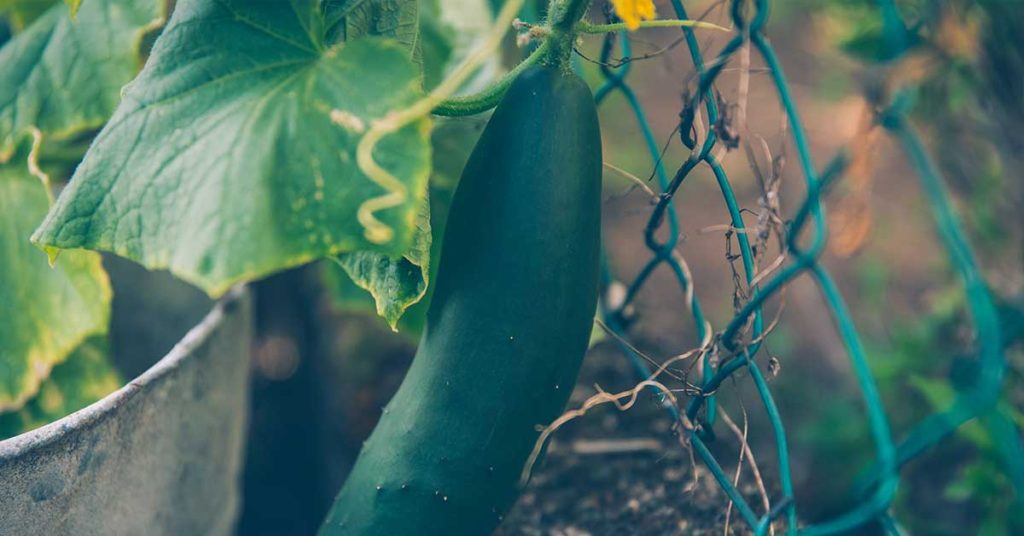
Cucumbers are known for their sprawling vines and refreshing, crisp fruits, and they can thrive in a no-till garden with the right support and care. Native to South Asia, cucumbers prefer loose, organically rich soil that remains undisturbed, allowing their extensive root systems to develop fully. In a no-till setup, the natural soil structure promotes moisture retention and nutrient availability, essential for healthy cucumber growth.
In my garden, cucumbers delight me with their cascading vines that attract bees and small butterflies to their fragrant blossoms. I love watching how these vines gently spread over supportive trellises without being disrupted by tilling, creating a natural, elegant display. Their ability to produce bountiful, juicy fruits in a no-till environment is a testament to the strength and resilience of working with nature’s rhythms!
Zucchini
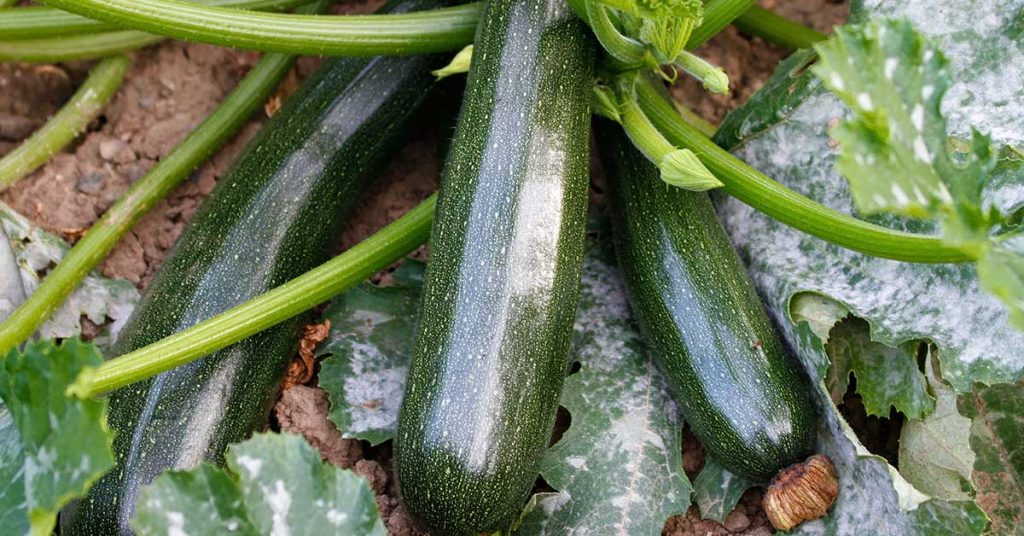
Zucchini, a summer squash celebrated for its prolific yield and tender texture, is a fantastic choice for no-till gardens where soil structure is preserved. Native to Central and South America, zucchini thrives in nutrient-rich, undisturbed soil that supports its vigorous growth and sprawling vines. These plants are non-invasive in a well-planned no-till system, where the deep, moist earth promotes steady fruit production without the shock of soil disturbance.
In my own no-till garden, zucchini is a showstopper—their large, vibrant fruits are complemented by blossoms that attract bees and butterflies. I’ve observed that the natural, undisturbed soil creates an ideal microclimate where beneficial insects and even small earthworms contribute to the plant’s health. The result is a flourishing vegetable that not only provides culinary delights but also adds a touch of rustic charm to the garden!
Kale
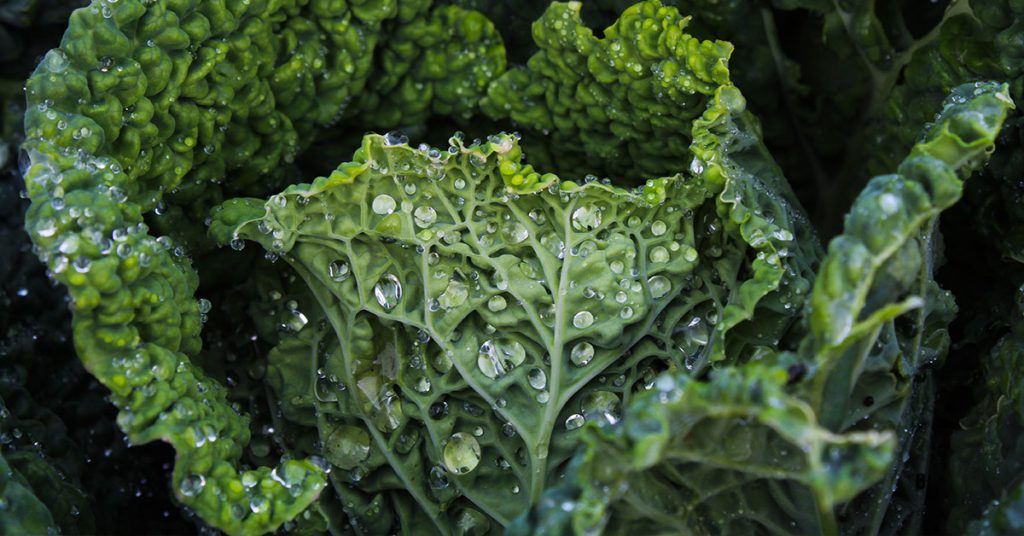
Kale is a hearty, nutrient-rich vegetable that thrives in the steady, undisturbed conditions of a no-till garden. Native to the eastern Mediterranean and Asia Minor, kale flourishes in cool, moist soils where its deeply lobed leaves can develop without the shock of repeated tilling. This non-invasive crop benefits from the natural layering of organic matter that a no-till system encourages, resulting in tender, flavorful greens.
In my garden, kale has become a reliable and vibrant crop, its frilly leaves attracting small pollinators such as bees and even tiny, beneficial insects that take shelter in its robust foliage. I appreciate how its resilience and adaptability allow it to flourish even during fluctuating spring temperatures. Kale’s rich color and hearty texture make it a wonderful addition to salads and soups, proving that sometimes less disturbance truly leads to greater abundance!
Peppers
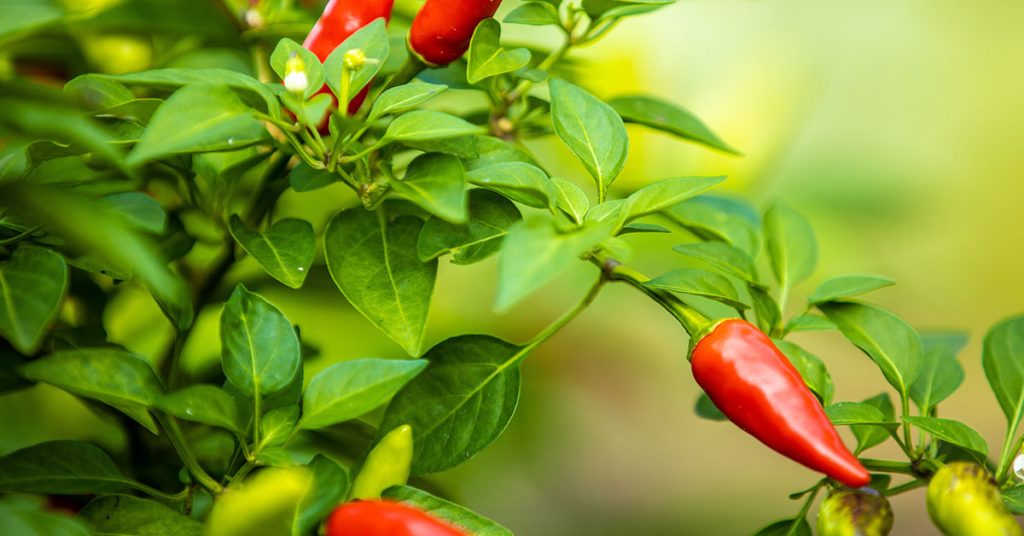
Peppers are a versatile and flavorful addition to any garden, and they often perform beautifully in a no-till system where the soil’s natural structure is preserved. Native to Central and South America, peppers—whether sweet or hot—benefit from the steady moisture and nutrient availability found in undisturbed soil. Their growth is generally non-invasive, making them a perfect crop for gardeners looking to enjoy a continuous harvest without constant soil turnover.
In my own no-till garden, peppers bring a splash of color and a burst of flavor, attracting beneficial insects such as bees to their small, tubular blossoms. I’ve found that the undisturbed soil helps maintain consistent temperatures and moisture levels, which is crucial for producing those plump, juicy fruits. The vibrant display of peppers not only delights the senses but also contributes to a thriving garden ecosystem where nature and nurture work in perfect harmony!
Beets
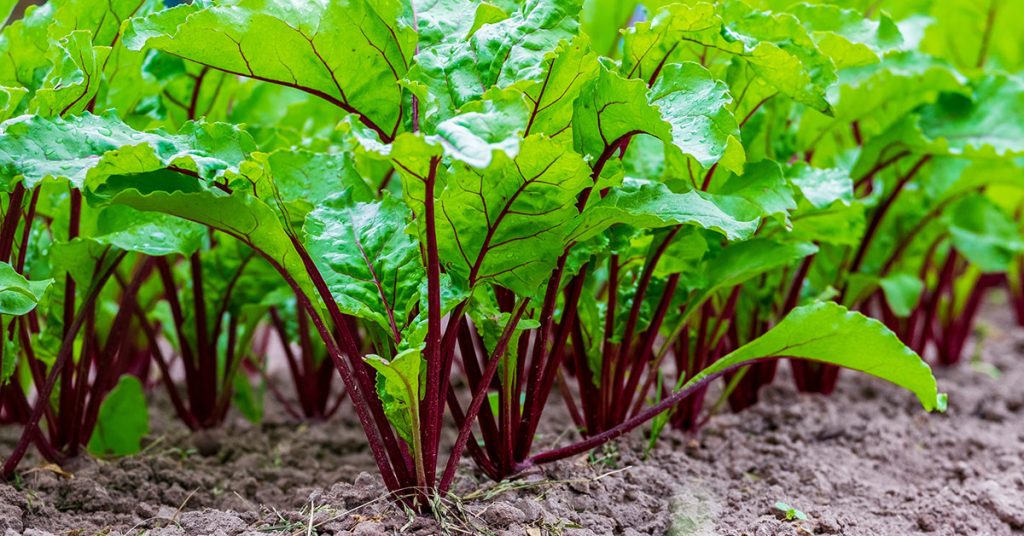
Beets are a nutritious and versatile root vegetable that can thrive in a no-till garden when given the right conditions. Native to the Mediterranean region, beets develop best in deep, undisturbed soils that allow their bulbous roots to expand without obstruction. They are non-invasive and benefit greatly from the organic-rich, undisturbed layers found in a no-till system, resulting in sweeter, more flavorful roots.
In my garden, beets offer a delightful burst of color—both above and below ground—attracting a variety of beneficial insects that help pollinate their small blossoms. I’ve observed that the no-till approach preserves the natural soil structure, which in turn supports a rich microbial community essential for beets’ growth. Their earthy taste and vivid appearance make beets an indispensable part of a healthy, sustainable garden that works with nature rather than against it!
Onions
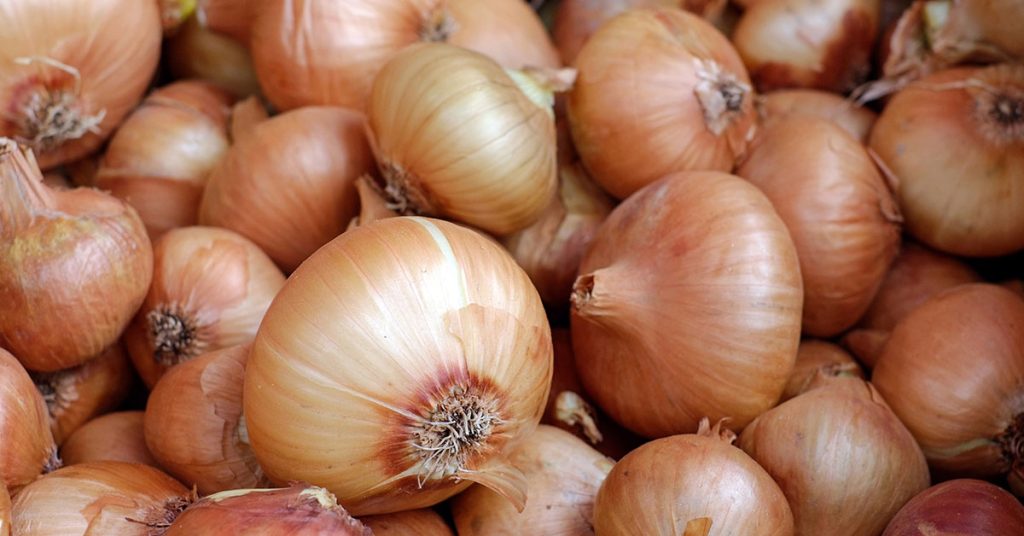
Onions, the indispensable kitchen staple, are another vegetable that flourishes in a no-till garden by benefiting from naturally preserved soil structure. Native to Central Asia and widely cultivated around the world, onions prefer deep, well-drained soils that retain moisture and organic matter without frequent disturbance. In a no-till setting, their bulb development is supported by the stable environment, leading to more consistent and flavorful harvests.
In my garden, onions contribute not only to culinary creations but also to a vibrant ecosystem by attracting small pollinators and beneficial insects that visit their delicate white or yellow blooms. I’ve found that the undisturbed soil nurtures a robust root system that makes onions resilient even in cooler weather. Their classic flavor and versatile uses in cooking make onions a timeless favorite in a sustainable, no-till garden!
Garlic
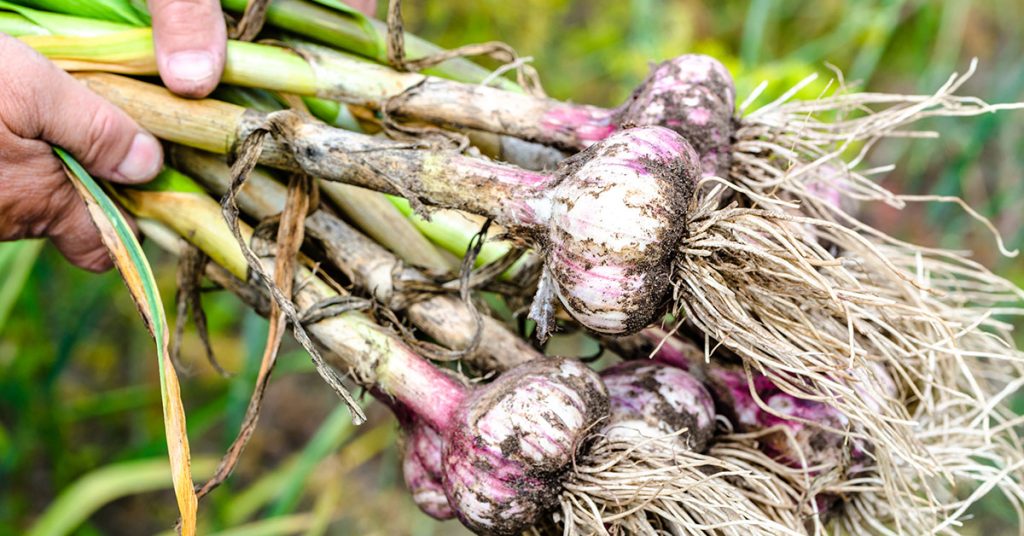
Garlic is a powerful and aromatic vegetable that thrives in the undisturbed soils of a no-till garden, where its cloves can develop fully without disruption. Native to Central Asia, garlic has been cultivated for centuries for its robust flavor and medicinal properties. In a no-till environment, the soil’s natural layering provides the ideal conditions for garlic to form large, potent bulbs, all while remaining non-invasive and easy to manage.
In my garden, garlic not only enriches my cooking but also adds a pungent, earthy aroma that enhances the overall sensory experience. I love watching how its subtle blossoms attract bees and other beneficial insects, which in turn support the health of the surrounding plants. Garlic’s resilience in a no-till system is a reminder that sometimes the best harvest comes from working gently with nature’s rhythms!
Peas
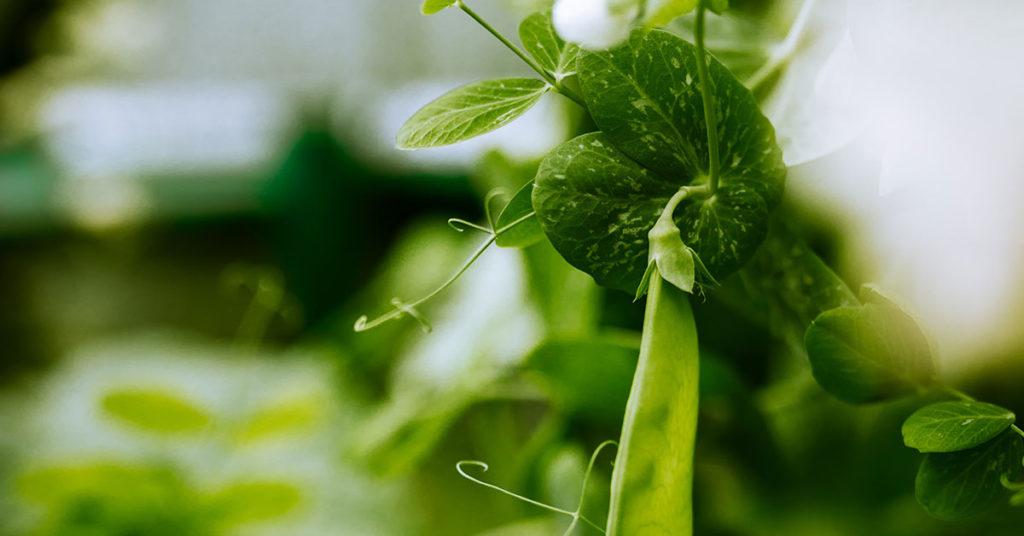
Peas are a delightful, cool-season vegetable that perform exceptionally well in a no-till garden where the soil remains undisturbed. Native to regions in the Mediterranean and parts of Asia, peas benefit from the stable, moist environment provided by no-till practices, which encourages a robust root system and lush foliage. They are non-invasive and, with the support of trellises, can climb gracefully without the need for constant soil turning.
In my garden, peas not only yield sweet, tender pods but also attract a host of beneficial insects such as small bees and ladybugs, which help control pests and support pollination. I enjoy the sight of these vibrant climbers weaving through natural supports, creating a living, vertical tapestry of green and white blossoms. Their delightful flavor and charming growth habit make peas a joy to cultivate in a no-till setting!
Swiss Chard
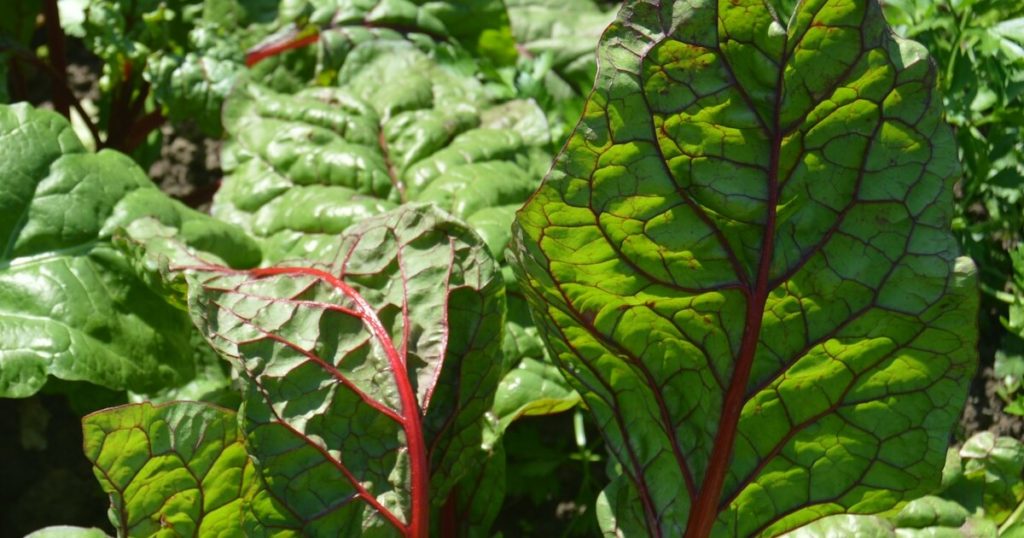
Swiss Chard is a vibrant, leafy vegetable that flourishes in the nutrient-rich, undisturbed soils of a no-till garden. Native to the Mediterranean region, Swiss Chard thrives in well-drained conditions and is celebrated for its colorful stems and tender leaves that come in an array of hues from deep red to bright yellow. Its non-invasive nature means that it remains compact and manageable, even as it produces a continuous harvest throughout the growing season.
In my own garden, Swiss Chard adds a splash of color and texture that delights both the eyes and the palate. The broad leaves attract a variety of beneficial insects, such as bees and small butterflies, that contribute to a balanced ecosystem. I appreciate how its undisturbed growth in a no-till setting helps preserve the plant’s natural vigor, resulting in a hearty and nutritious crop that is as beautiful as it is beneficial for a sustainable garden!
Broccoli
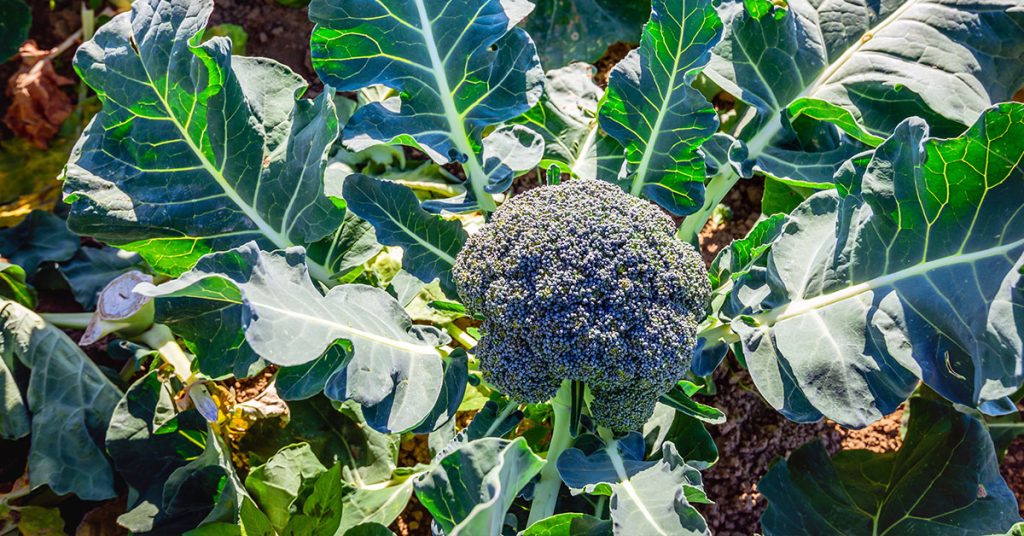
Broccoli, a nutritional powerhouse, can benefit from the steady, undisturbed soil conditions of a no-till garden that encourages strong root development. Native to the Mediterranean region, broccoli thrives in rich, organically layered soil, and its growth is enhanced when the natural structure of the earth is preserved. This non-invasive vegetable develops dense heads that are supported by a robust system of roots—an environment that no-till gardening readily provides.
In my garden, broccoli stands out as both a culinary gem and a natural magnet for beneficial insects. I’ve noticed that its flowering heads attract bees and other pollinators, contributing to a vibrant ecosystem that supports the health of surrounding plants. The undisturbed soil not only allows broccoli to reach its full potential but also ensures that every harvest is as nutrient-dense and flavorful as nature intended. For anyone seeking a sustainable and productive vegetable garden, broccoli in a no-till setting is an absolute win!