
Early September can be one of the most satisfying times in the garden. The air begins to cool ever so slightly, the light shifts into a softer hue, and your vegetable beds are heavy with crops that have been building flavor and texture all summer long. This is the moment where patience pays off, and you finally get to enjoy the fruits—and vegetables—of your labor. If you’ve been tending to your plants through heatwaves, pests, and the occasional dry spell, you know just how rewarding it feels to gather baskets full of fresh produce right at the cusp of fall.
The best part about a September harvest is that it often bridges the seasons. You can pick vegetables that thrive in summer heat right alongside those that love the cooler days ahead. Many of these plants also bring a little extra to the table—literally and figuratively—by attracting pollinators, offering habitat for beneficial insects, or even reseeding themselves for next year. Knowing which crops are ready now and understanding their background can help you harvest at peak flavor while keeping your garden healthy and productive.
Bush Beans
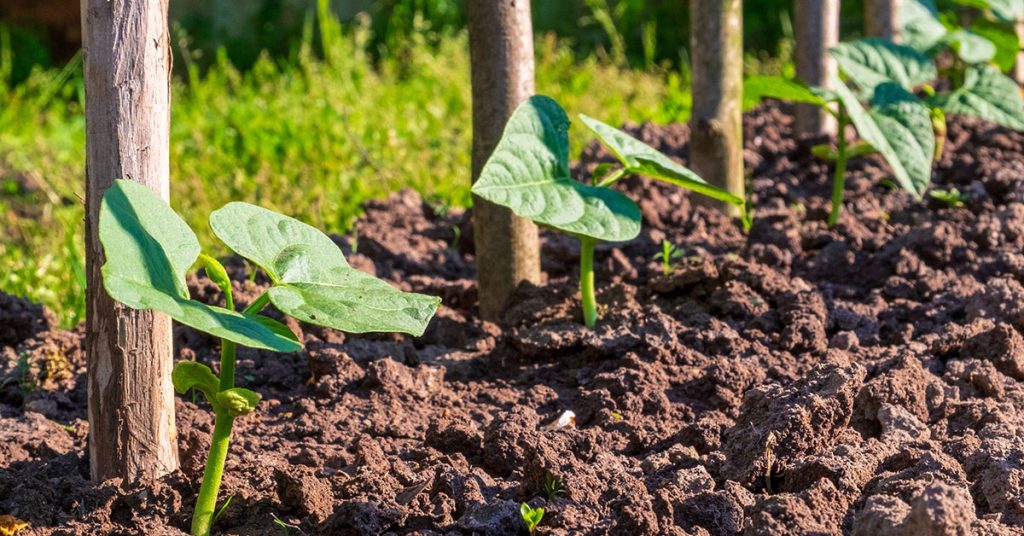
Bush beans are a treat this time of year, producing tender pods in abundance if you’ve kept them watered through August. Native to Central and South America, they’ve been grown for thousands of years and have adapted to a range of climates. While they’re not invasive, they can reseed in some mild regions if pods are left to dry and drop. Harvesting regularly at the start of September keeps the plants productive and ensures you enjoy them while the pods are crisp and full of flavor.
One thing I love about bush beans is how they draw in pollinators during flowering. The blooms attract bees, which in turn help your other crops by increasing pollination rates. The plants also provide a bit of groundcover, creating a micro-habitat for predatory insects that keep pests in check. That means a steady supply of beans and fewer aphids or beetles on your more delicate crops.
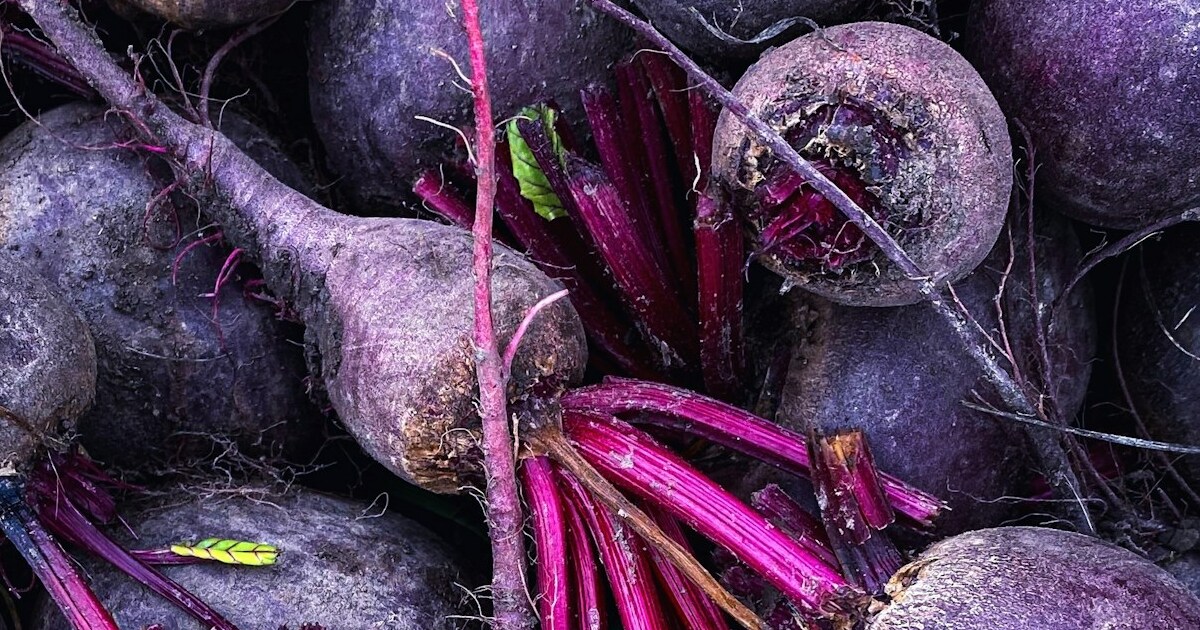
Beets
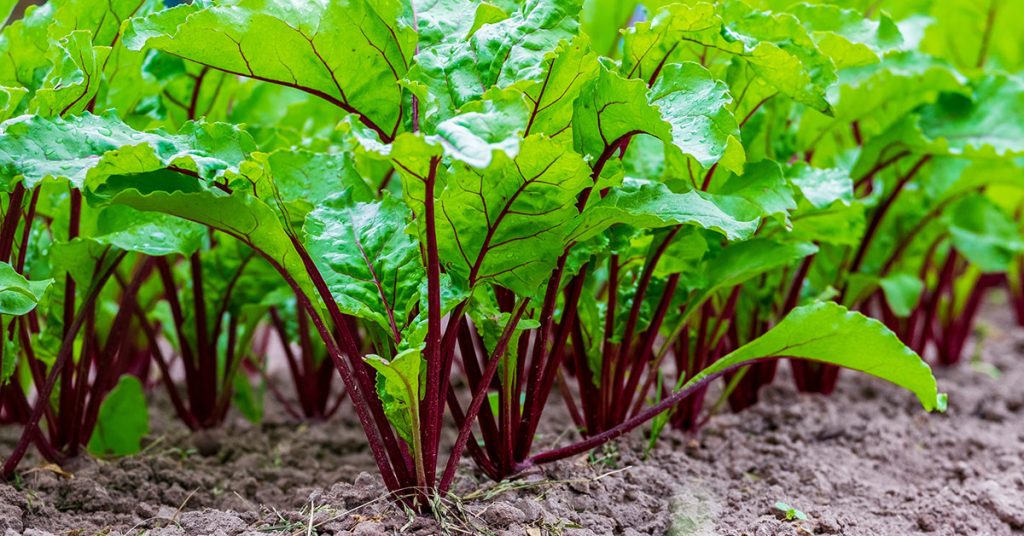
By early September, beets planted in midsummer are plump, sweet, and ready to pull. Native to the Mediterranean coast, they’re not invasive, but they will happily drop seeds if allowed to flower in a second year. The roots are at their best when harvested before they get too large, while the greens are still tender enough for salads or sautés.
Beets offer more than just their edible parts—they also help aerate the soil as they grow. The leafy tops provide shade for the soil, reducing moisture loss, and they can attract pollinators if allowed to flower. While most gardeners pull them before they bolt, letting a few go to seed can help feed beneficial insects and ensure you have seed for next season.
Zucchini
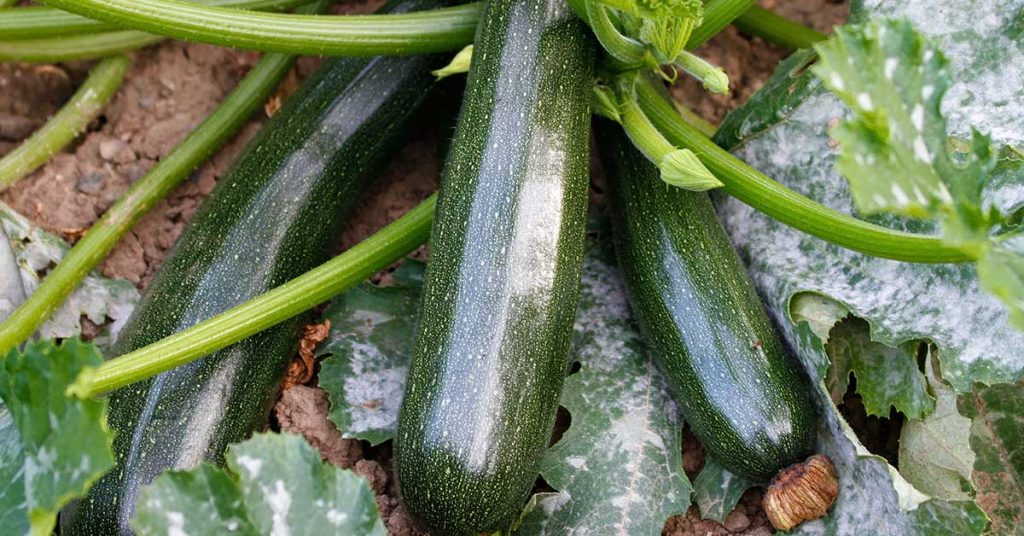
Zucchini plants often hit peak production in late summer, and early September can bring an absolute glut. Originally from Central America, zucchini isn’t considered invasive in most climates, though any gardener knows it can certainly take over a patch of soil if left unchecked! Picking them while they’re small to medium in size keeps the plants producing longer.
The flowers are a magnet for bees, especially squash bees, which specialize in pollinating plants in the Cucurbita family. Leaving a few blooms untouched can support these important pollinators. The broad leaves also offer shady hiding spots for frogs and beneficial insects that help control pests in your garden.
Carrots

Carrots planted in midsummer will be ready to harvest in September with sweet, crisp roots. Originating from Persia (modern-day Iran and Afghanistan), they have been bred into many colorful varieties. They’re not invasive, but if left to flower in their second year, they can self-seed. The key to harvesting now is to pull them before the soil cools too much, which can slow their growth.
When carrots do flower, their umbels are irresistible to pollinators like hoverflies and beneficial wasps. These insects help keep aphid populations down, which benefits your entire vegetable patch. Even if you harvest most of your carrots now, leaving a few to bloom next year can be a smart ecological move.
Swiss Chard
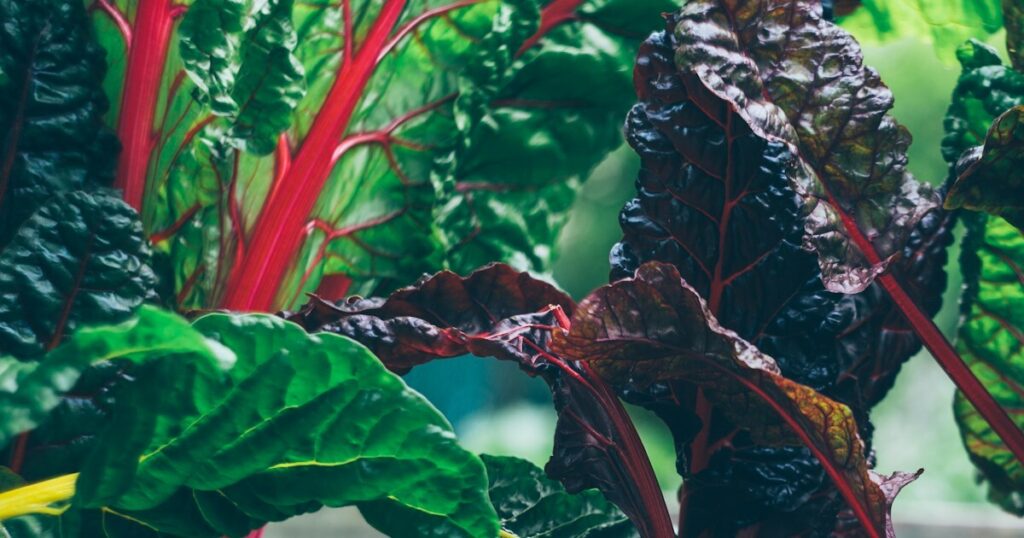
Swiss chard is a steady performer, and plants sown in late spring or early summer are often at their prime in September. Native to the Mediterranean, it’s not invasive but will reseed in some climates if allowed to bolt. The colorful stems add beauty to your harvest basket and to your meals.
Chard’s broad leaves provide shade to the soil, which helps conserve moisture and suppress weeds. In bloom, it attracts small pollinators and beneficial insects. If you’ve been cutting leaves throughout the summer, now’s the time to give the plant a light feed so it can continue producing into the cooler fall months.
Kale
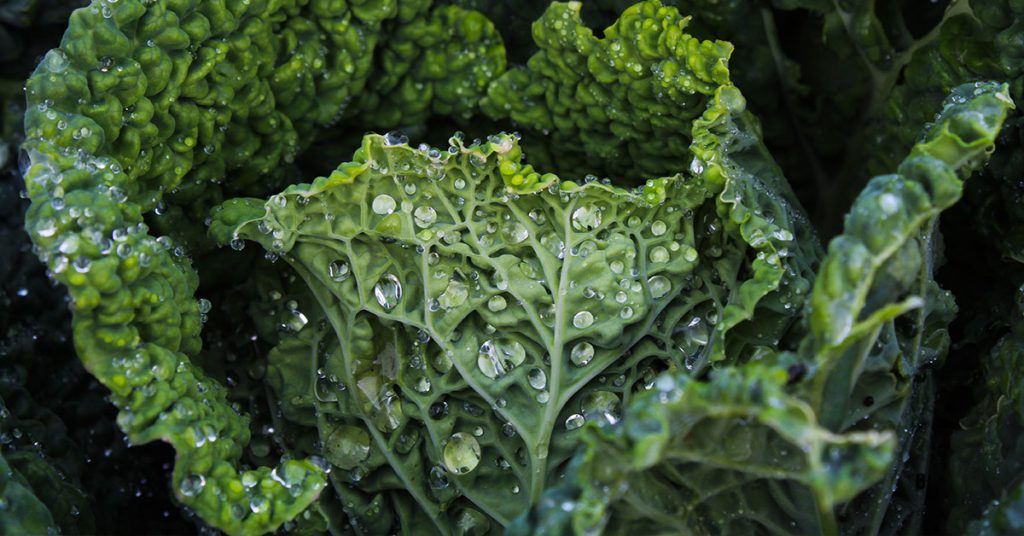
Kale thrives when temperatures start to drop, so September is when it begins tasting its best. Originating in the eastern Mediterranean and Asia Minor, it’s not invasive, but it can reseed if left unattended. Leaves are sweeter after cool nights, and the plants become more robust as the season transitions.
Kale also serves as a host plant for certain butterflies, which can be both a joy and a challenge. While you might find caterpillars munching on the leaves, those same butterflies contribute to pollination in the broader garden. Keeping kale in your beds through fall also provides overwintering shelter for beneficial insects.
Cucumbers
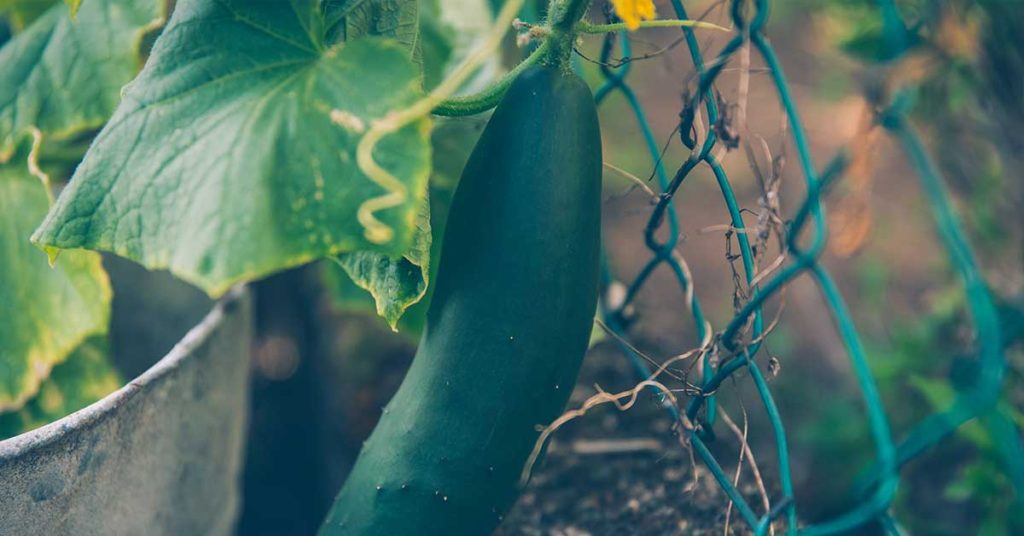
Early September often yields the last and sweetest cucumbers of the season, especially if you planted successively through the summer. Native to South Asia, cucumbers aren’t invasive in most regions, but they can reseed if fallen fruits are left in place. Pick them young for the best flavor and crunch.
Cucumber flowers are beloved by bees, and the sprawling vines can act as a living mulch, suppressing weeds and shading the soil. This ground cover also creates shelter for garden allies like ground beetles, which prey on pests such as slugs and cutworms.
Bell Peppers
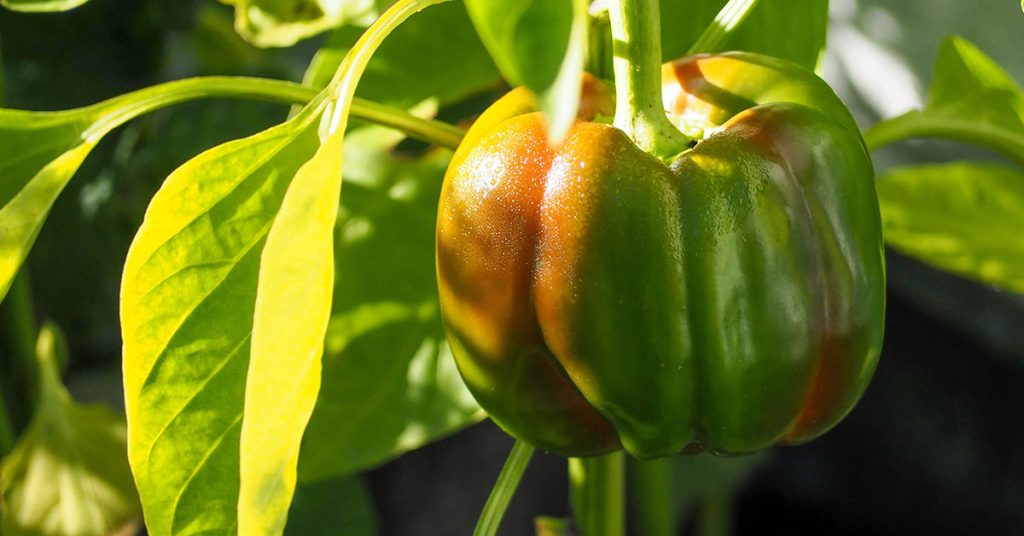
Bell peppers planted in late spring often ripen fully in early September, bringing bright reds, oranges, and yellows to your garden. Native to Central and South America, peppers are perennials in warm climates but grown as annuals elsewhere. They’re not invasive, though fallen fruit can occasionally sprout the following year.
Peppers’ flowers attract pollinators, and the plants themselves can provide shelter for beneficial predatory insects. Their bushy habit also makes them a good companion crop, as they can shade tender herbs or lettuces from harsh late-summer sun.
Radishes

Quick-growing radishes planted in August are ready to pull by early September. Native to Southeast Asia, radishes are not invasive but can reseed easily if allowed to flower. Harvesting them promptly ensures a crisp, peppery bite rather than a woody texture.
Radish flowers are a valuable nectar source for bees and hoverflies, especially late in the season when fewer blooms are available. If you allow a few to flower, they’ll not only feed pollinators but also give you pods that can be eaten fresh or pickled.
Spinach
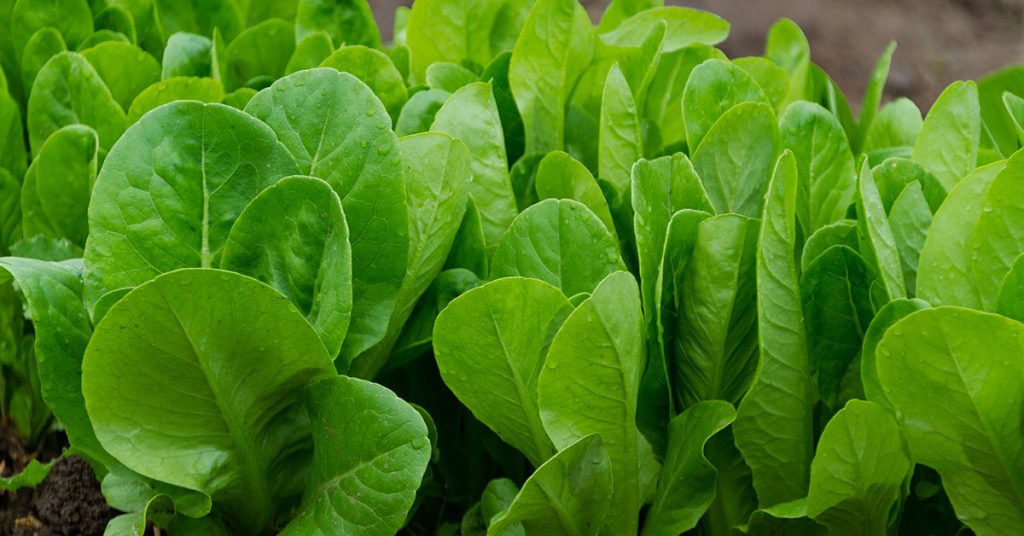
Spinach sown in late summer grows quickly as nights cool, and September brings the first tender harvests. Native to Persia, spinach is not invasive but can self-seed in favorable conditions. Leaves are at their sweetest when harvested young.
In bloom, spinach can provide nectar for smaller pollinators, though most gardeners harvest before flowering. Its low, dense growth habit also acts as a living mulch, helping to protect soil and reduce weed pressure.
Eggplant
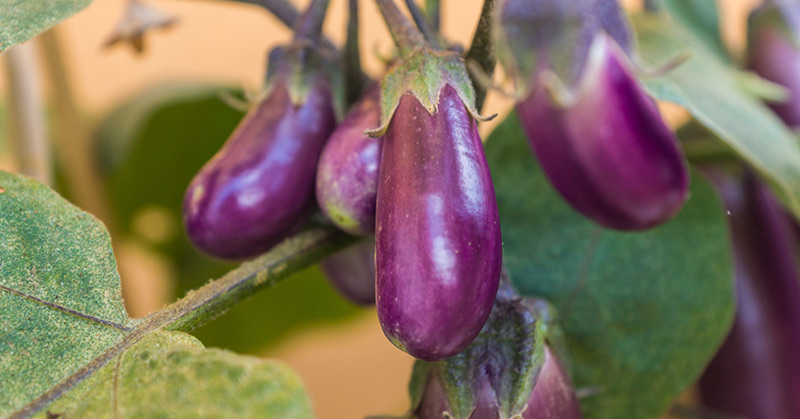
Eggplants ripen steadily through late summer, and early September is often the time when the largest fruits are ready. Native to South and Southeast Asia, eggplants are perennial in warm regions but grown as annuals in most climates. They aren’t invasive, but their seeds can survive in compost if not fully broken down.
Eggplant flowers are attractive to bees, especially bumblebees, which perform a special “buzz pollination” that improves fruit set. The large leaves also offer shelter to beneficial insects and even small amphibians in the garden.
Turnips
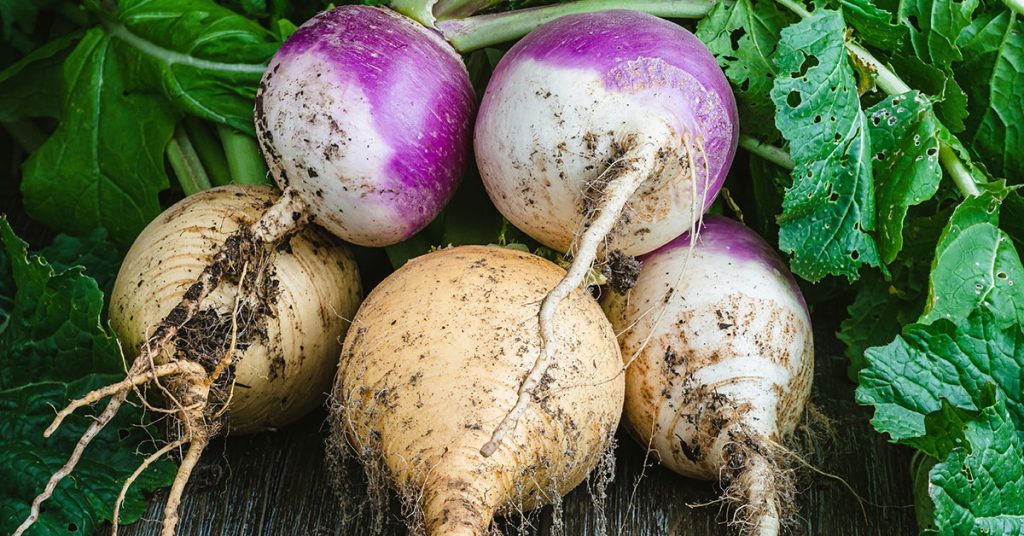
Turnips sown in midsummer will be at their sweetest in September. Native to Europe and parts of Asia, they’re not invasive but can reseed if left to flower. Young roots are tender and mild, while older ones develop more earthy flavors.
If you allow turnips to bloom, their flowers attract bees and butterflies. The foliage also adds organic matter to the soil when cut and used as mulch or compost.
Green Onions
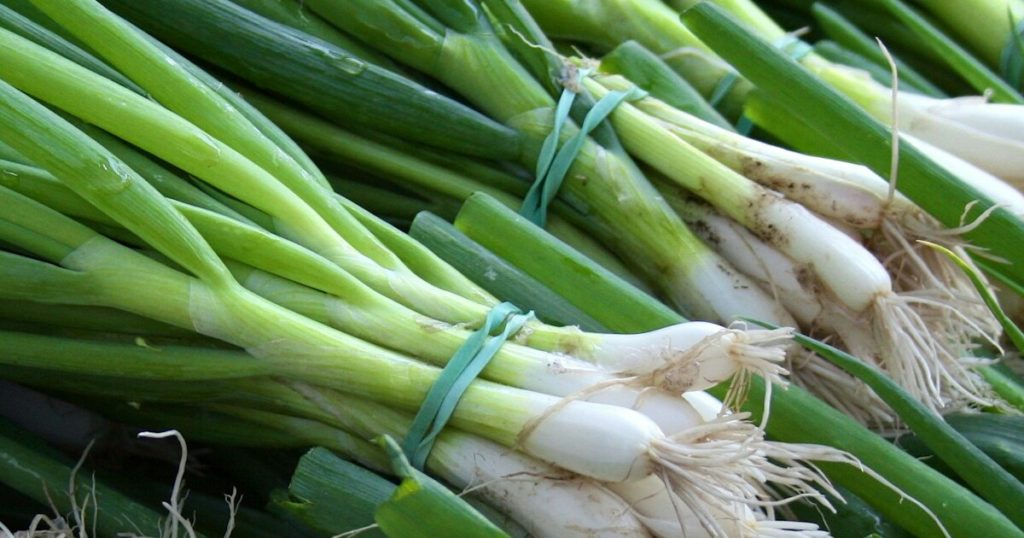
Green onions, or scallions, grow quickly and can be ready for harvest in early September if planted in late summer. Native to Asia, they’re not invasive but will reseed if left to mature and drop seed. Harvest them young for a mild flavor or let them grow for a sharper bite.
Flowering onions are a magnet for pollinators, and their spherical blooms are particularly attractive to beneficial wasps and bees. Leaving a few to flower can help support pollinator populations while still giving you plenty for the kitchen.
Lettuce
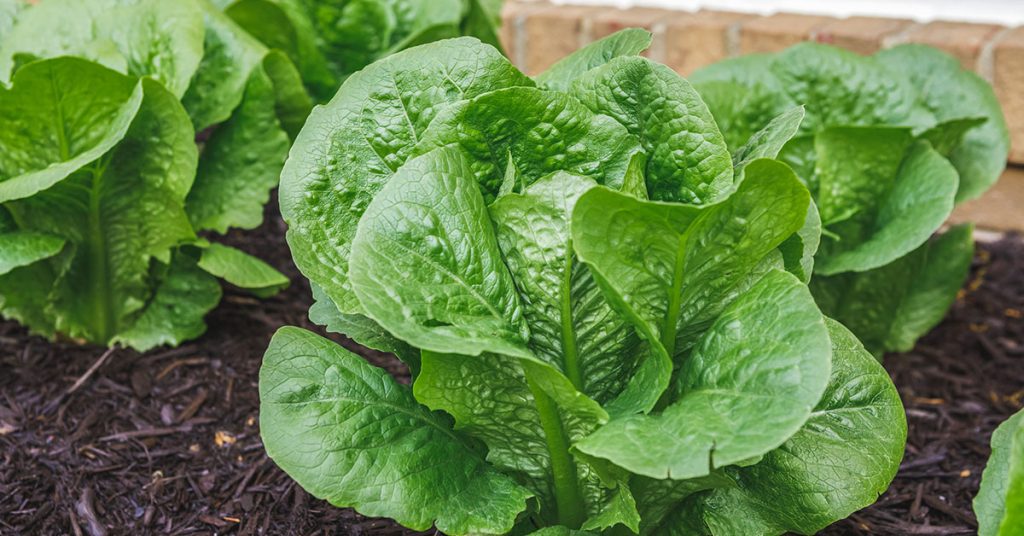
Cooler nights in late August and early September make lettuce sweeter and crisper. Native to the Mediterranean, lettuce is not invasive but can self-seed in the right conditions. It’s best to harvest in the morning when leaves are at their crispest.
Lettuce flowers attract pollinators, though many gardeners harvest before bolting to preserve flavor. The shallow roots help improve soil structure when plants are rotated out and replaced with cover crops or fall vegetables.
Okra

Okra loves heat but can still be producing into September, especially in warmer zones. Native to Africa, it’s not invasive, though in frost-free areas it can reseed. Pods should be picked young for the best tenderness and flavor.
Okra’s hibiscus-like flowers are stunning and attract a wide range of pollinators, including bees and butterflies. The tall plants can also act as a natural windbreak or partial shade for more delicate crops in your garden.