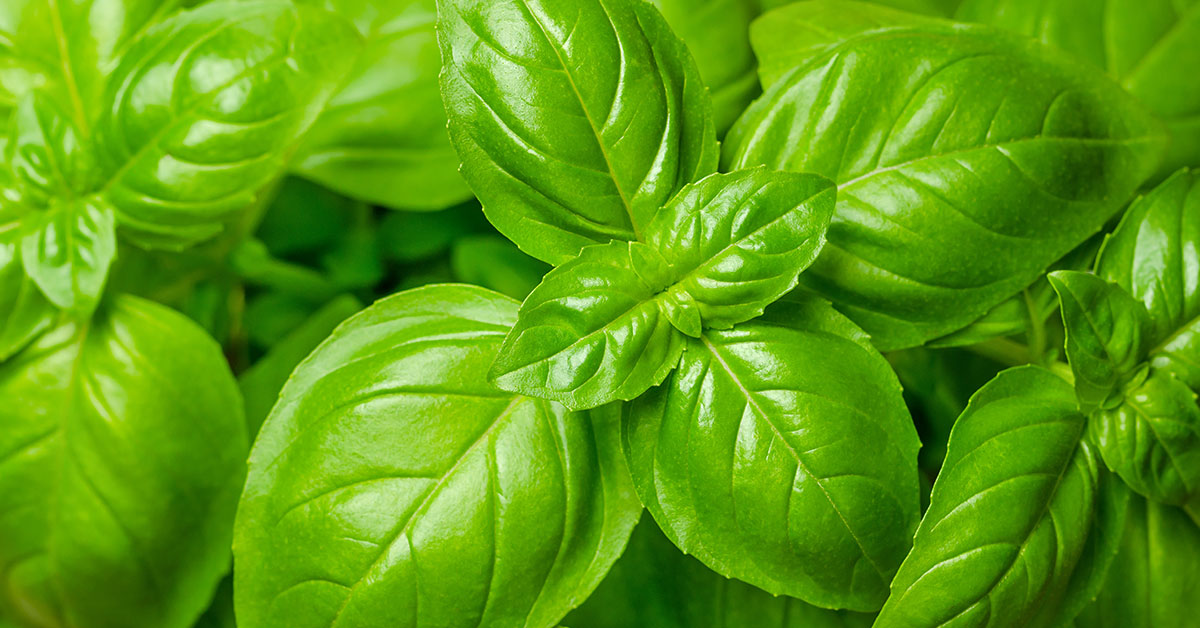

Welcome, fellow garden enthusiasts! I’m absolutely buzzing with excitement to share my latest discoveries with you—15 remarkable herbs that are not only ripe for harvest this June but will continue to delight you with ongoing production. As an avid gardener, I understand the struggles of battling pesky invaders and unpredictable weather, and discovering these resilient herbs has been a true revelation. Each plant brings its own charm, whether it’s attracting beneficial pollinators, providing secret nesting spots for small critters, or simply filling your garden with irresistible aromas!
I’ve spent countless hours nurturing my garden, and I know how gratifying it feels when nature rewards your efforts with bountiful, aromatic harvests. In this article, we’ll journey through the fascinating world of herbs, exploring their native origins, growth behaviors, and even the occasional invasive tendencies! So, grab your gardening gloves and join me in uncovering the magic of these living treasures that promise to transform your garden into a vibrant, buzzing haven.
Rosemary
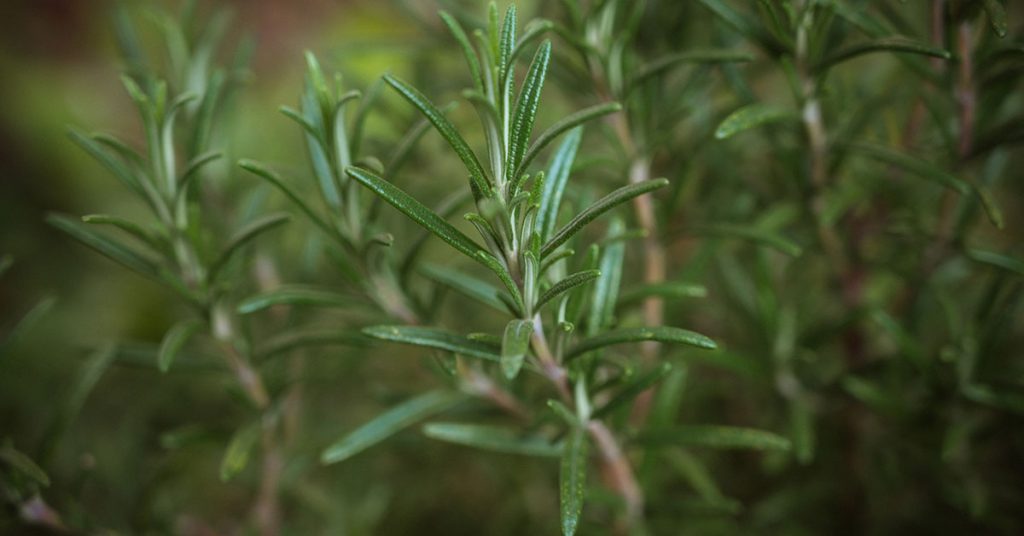
Rosemary stands tall as a symbol of robust flavor and enduring charm in my garden. Hailing from the sun-drenched Mediterranean, this hardy herb thrives in warm, dry climates, and while it isn’t invasive, it does spread persistently to create a striking evergreen presence. I love how its needle-like leaves release a delightful, pine-like aroma that not only enhances my culinary creations but also invites bees and butterflies to linger around its fragrant blooms!
Every time I prune my rosemary, I marvel at its resilience and rapid regrowth, ensuring that I always have fresh sprigs to enjoy. This dynamic herb naturally attracts pollinators who use its sturdy branches as resting and even nesting spots, making it a win-win for both flavor and garden vitality! Its robust nature and timeless beauty truly make rosemary a cornerstone of any herb garden.
Oregano
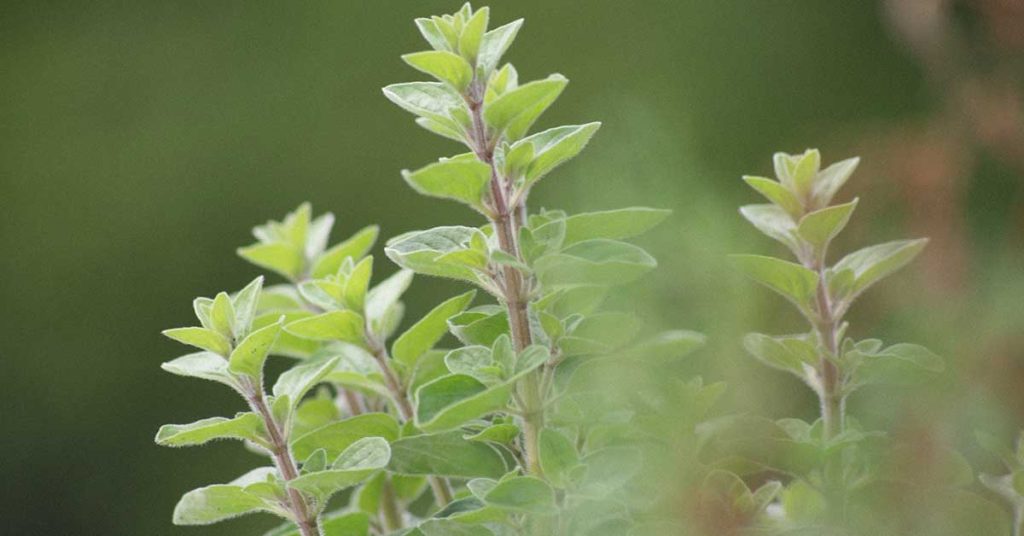
Oregano is a versatile marvel that has become one of my go-to plants for both its culinary zest and its ecological benefits. Native to the Mediterranean, oregano thrives in full sun and well-drained soil, and although it has a tendency to spread quickly if left unchecked, I find that its vigorous growth is a true blessing. The small, star-like flowers it produces are irresistible to bees and other beneficial insects, which help maintain a balanced garden ecosystem.
Whenever I harvest oregano, I’m delighted by its rapid regrowth, which means a continuous supply of this aromatic herb all season long. Its dense, bushy habit not only enhances the garden’s aesthetic appeal but also offers a safe haven for tiny insects and even small birds seeking nesting sites. I relish how this herb transforms my garden into a lively, buzzing sanctuary of natural flavor and harmony!
Mint
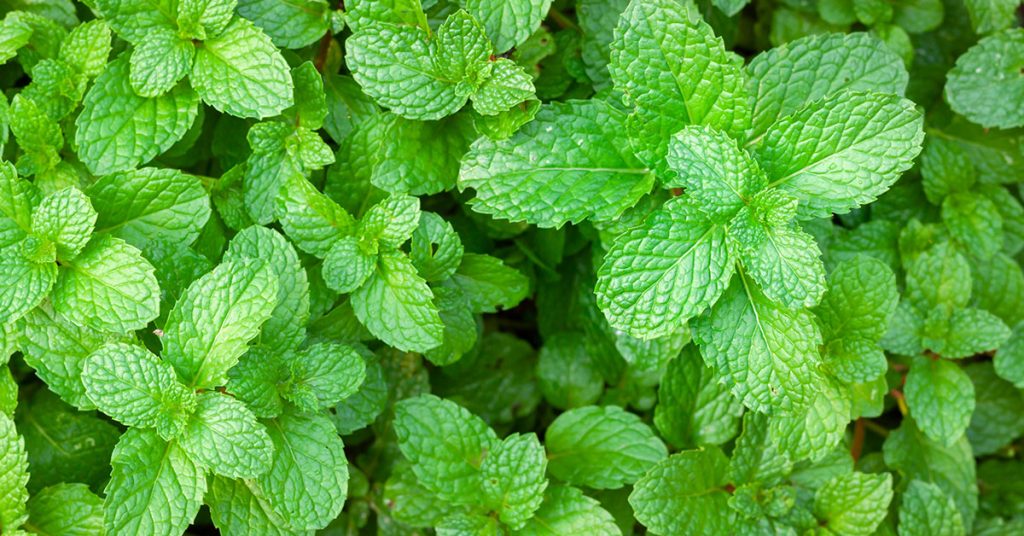
Mint bursts onto the scene with its exuberant fragrance and unstoppable growth, earning its spot as one of my garden’s most spirited inhabitants. Originally from Europe and Asia, mint is renowned for its vigorous spread, and while this can sometimes be a challenge, I’ve learned to tame its energy by confining it to containers. Despite its reputation as invasive in certain regions, mint’s lush, sprawling habit brings a refreshing aroma that attracts an array of pollinators and beneficial critters!
I vividly recall the thrill of discovering mint’s ability to transform even a modest patch of soil into a vibrant, living mosaic of green. Its dense foliage creates cozy microhabitats where bees and butterflies can pause, and sometimes even nest, making it a veritable magnet for garden life. Enjoying its fresh, invigorating leaves in teas and salads is a constant reminder of how nature’s little surprises can brighten even the busiest of days!
Parsley
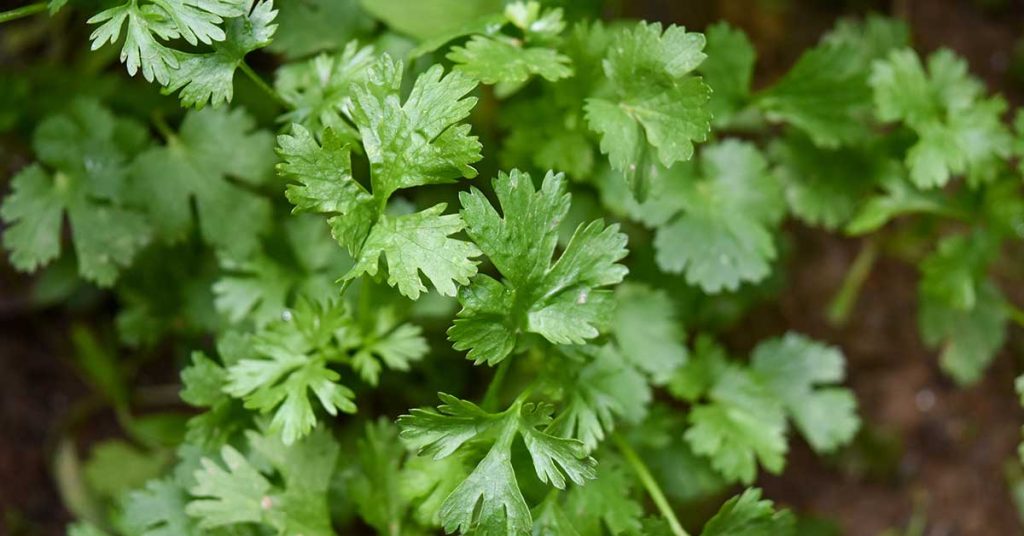
Parsley, with its lush and curly leaves, is much more than just a garnish—it’s a robust herb that continually surprises me with its prolific nature. Native to the Mediterranean, parsley flourishes in cool, moist, and fertile soil, and it rarely becomes invasive despite its vigorous growth. Its vibrant green leaves naturally draw in small pollinators and beneficial insects, transforming my garden into a dynamic hub of life!
Every time I snip a handful of parsley, I feel an immense sense of satisfaction knowing that it will soon regrow, offering a fresh burst of flavor for my culinary experiments. I adore the way its presence not only enhances my dishes but also serves as a natural habitat for nesting birds and buzzing bees. For me, parsley represents the perfect blend of practicality and natural beauty—a testament to nature’s generosity and resilience!
Lemon Balm
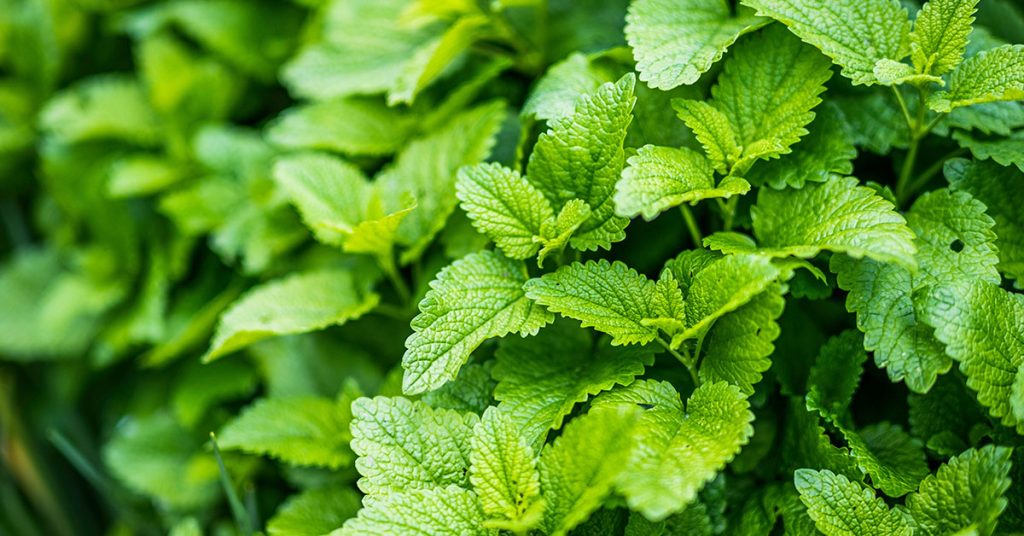
Lemon Balm fills my garden with a cheerful, citrusy aroma that instantly lifts my spirits. Native to Europe, particularly thriving in Mediterranean climates, this herb grows rapidly without becoming invasive, offering a gentle, sprawling presence that’s hard to miss. Its soft, lemon-scented leaves and delicate blossoms attract bees and butterflies, some of which even seek out the cozy spaces between its fronds for nesting!
I’m always delighted when I catch a whiff of lemon balm during a warm morning in the garden—it’s as if nature herself is giving a little hug! Its refreshing fragrance and lively growth not only enhance the aesthetics of my garden but also provide a natural deterrent to pests. Whether used in teas, desserts, or as a fresh garnish, lemon balm’s vibrant character makes every moment spent tending to it feel like a celebration of summer’s bounty!
Lavender
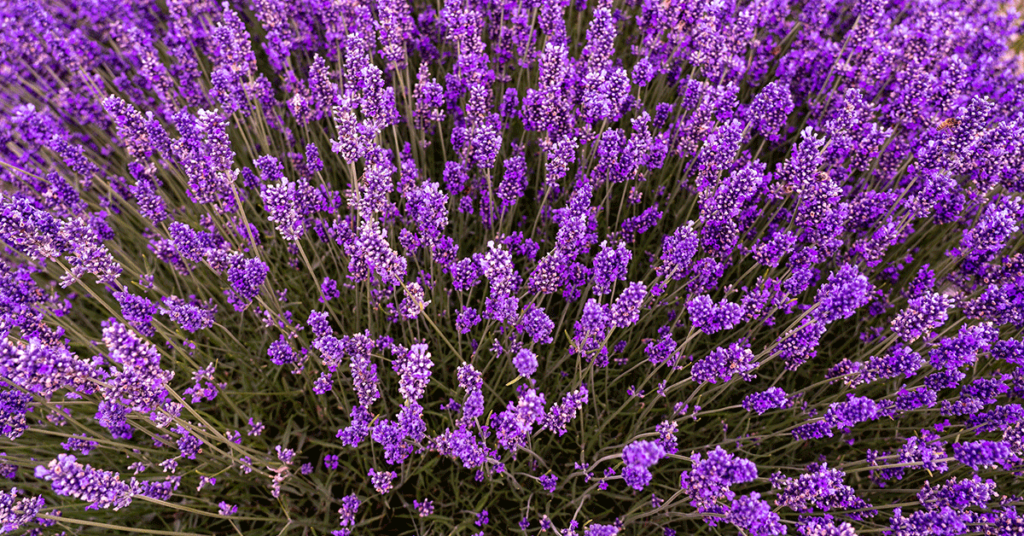
Lavender is the epitome of garden elegance, captivating me with its striking purple spikes and heavenly scent. Native to the Mediterranean, lavender thrives in sunny, well-drained locations and, while it may sometimes exhibit invasive traits in warmer climates, its beauty is always well worth the extra care. I love watching as its blooms attract a diverse range of pollinators—from buzzing bees to delicate hummingbirds—each adding a splash of life to my garden!
Tending to my lavender is a truly soothing experience; every snip releases a burst of fragrance that lifts my mood and reinvigorates my passion for gardening. Its essential oils have long been celebrated for their soothing and pest-repelling properties, making lavender a multi-talented star in my herb collection. Each harvest feels like a small victory, a reminder that nature’s beauty and bounty are gifts meant to be shared with joy and gratitude!
Tarragon
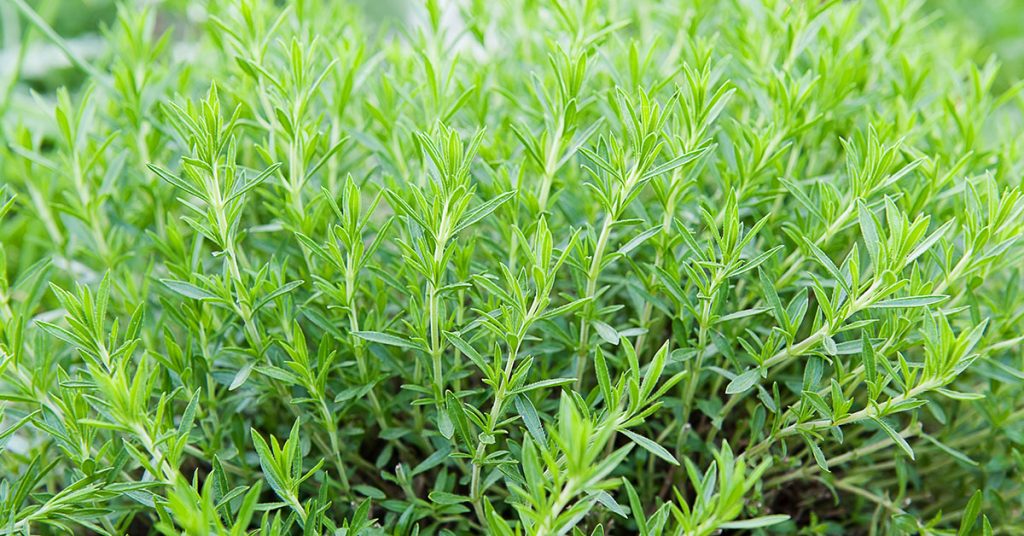
Tarragon is a uniquely captivating herb that adds both flair and flavor to my garden. Native to temperate regions of Eurasia and North America, tarragon is known for its subtle, licorice-like aroma that truly stands out. Although it isn’t invasive, its clumping growth habit makes it a breeze to manage, and its petite, delicate flowers attract an array of beneficial insects that sometimes find refuge among its leaves!
Every time I trim my tarragon, I’m reminded of how nature rewards persistence with robust flavor and vibrant growth. I relish using its aromatic leaves to elevate my culinary creations, knowing that each snip not only refreshes the plant but also sustains a miniature ecosystem in my garden. For me, tarragon embodies the joy of gardening—combining beauty, function, and a delightful sense of surprise in every harvest!
Cilantro
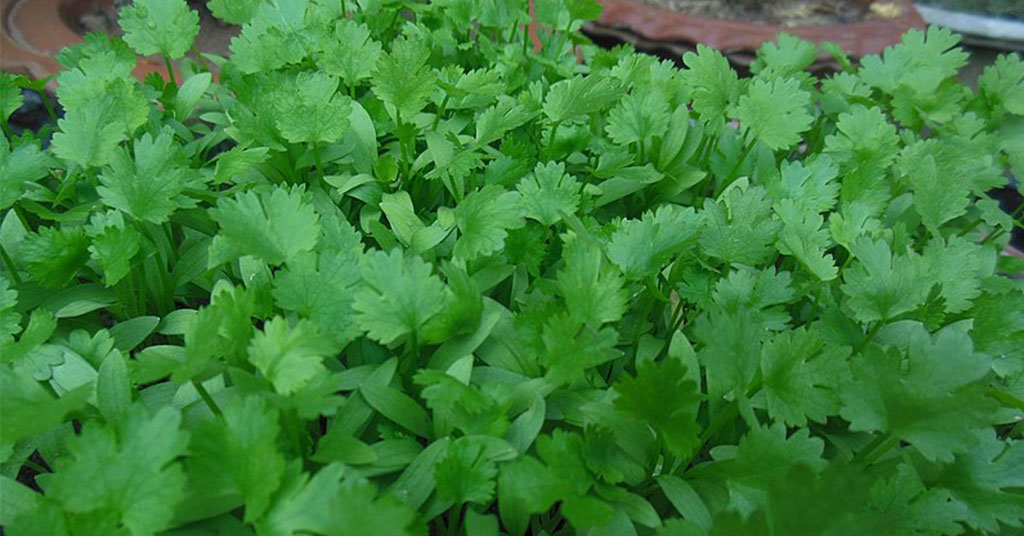
Cilantro, also known as coriander, brings an invigorating burst of flavor and life to my herb garden. With origins spanning from Southern Europe to Central Asia, this herb grows with an energetic verve that is as delightful as it is unpredictable. Although it doesn’t tend to be invasive, cilantro self-seeds enthusiastically, creating a natural carpet that invites a variety of beneficial insects, including ladybugs and lacewings, to visit and even nest!
I still remember the joy of my first cilantro harvest—each leaf felt like a fresh, aromatic surprise straight from nature’s bounty. Its feathery foliage not only enlivens my culinary dishes but also serves as a welcoming haven for small critters, ensuring that my garden remains a lively and balanced ecosystem. For anyone who’s ever struggled with erratic growth or pest issues, cilantro is a heartening reminder of nature’s resilient beauty and endless potential!
Sage
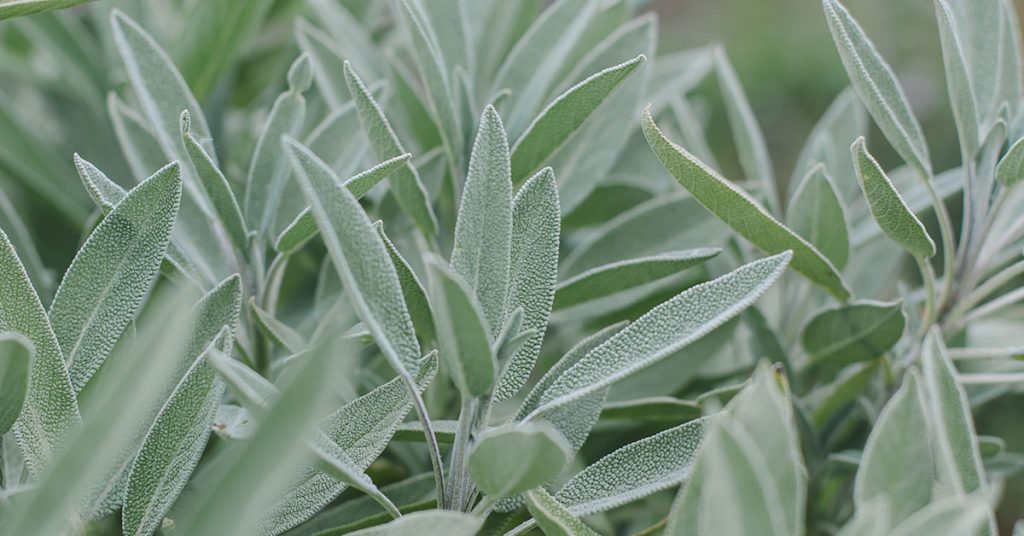
Sage carries with it a rich history and a distinctive, earthy flavor that has captivated me from the moment I planted it. Native to the sunlit regions of the Mediterranean, sage thrives in well-drained, full-sun environments, and while it isn’t invasive, its bushy form creates a wonderful microhabitat for beneficial insects. I’ve always been drawn to sage not only for its culinary versatility but also for its ability to attract pollinators and even provide nesting spaces for small birds seeking a cozy retreat!
Every harvest of sage fills me with nostalgia and excitement, as I recall the ancient traditions that celebrated this herb’s healing and culinary properties. Its velvety leaves and robust aroma transform every meal into a fragrant adventure, and the way it harmoniously integrates into my garden makes it a perennial favorite. In tending to sage, I find solace and a renewed sense of wonder at the intricate balance of nature!
Thyme
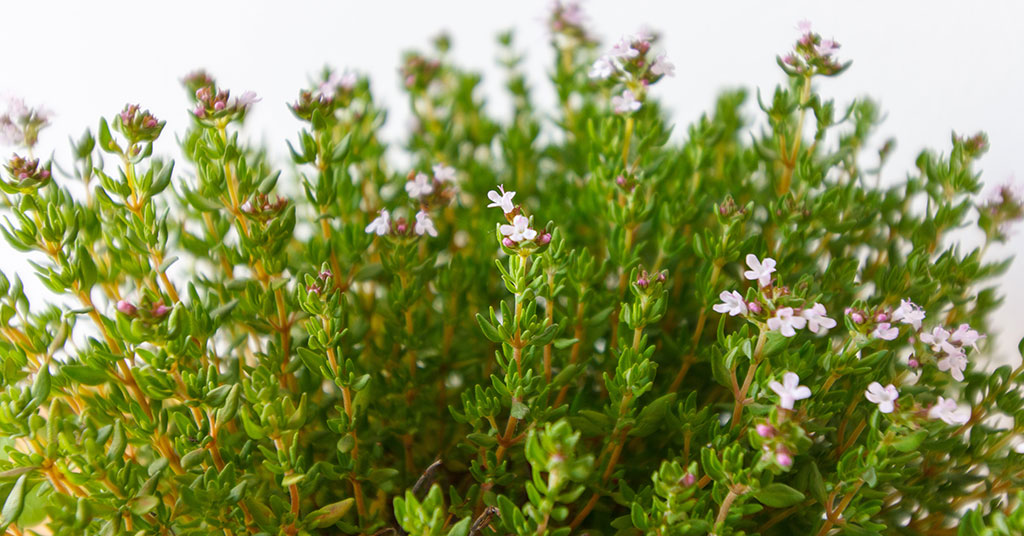
Thyme is a humble yet extraordinarily versatile herb that has won a permanent place in my heart and garden. Native to the Mediterranean, thyme thrives in dry, rocky soils and is cherished for its ability to withstand harsh conditions without becoming overly invasive. Its tiny, subtle flowers are a magnet for bees and butterflies, and I love how these little visitors turn my herb bed into a bustling, miniature ecosystem of activity!
Every time I trim my thyme, I marvel at its incredible resilience and the burst of aroma that fills the air—a delightful reminder of nature’s enduring spirit. Not only does it enhance my culinary endeavors with its distinctive flavor, but thyme also plays a critical role in supporting local pollinators. It’s a modest herb with a mighty impact, providing both beauty and practicality in every harvest!
Fennel
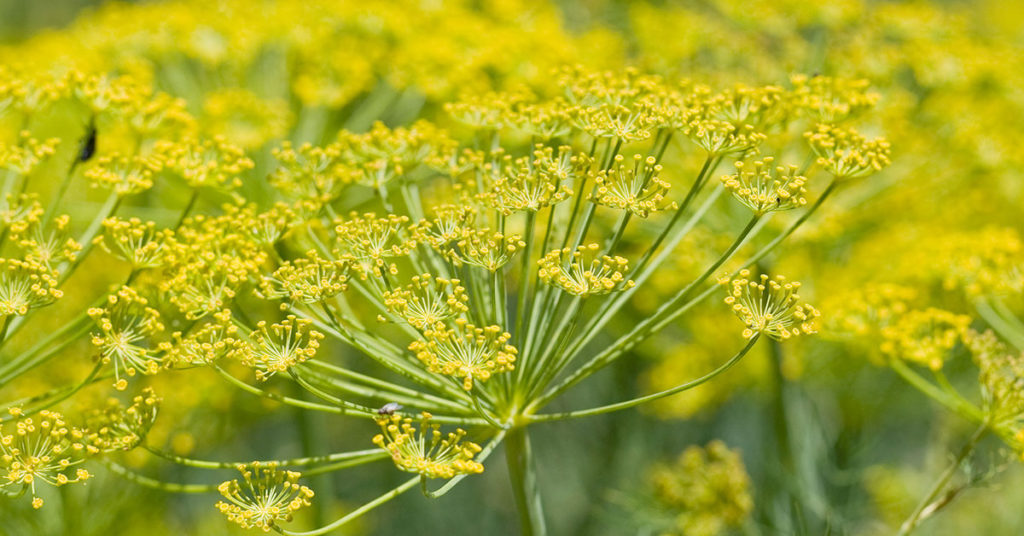
Fennel is a striking herb that adds a touch of elegance and complexity to my garden with its feathery fronds and delicate anise scent. Native to the Mediterranean, fennel thrives under warm, sunny conditions and boasts an upright, statuesque form that makes it an instant focal point. Although it occasionally self-seeds, fennel is generally well-behaved and rarely becomes invasive, while its airy structure draws in a variety of beneficial insects and even offers perch-like spots for nesting birds!
I’m continually fascinated by fennel’s dual role as both a culinary treasure and an ecological asset. Each harvest delivers crisp, aromatic ingredients for salads and savory dishes, all while contributing to a vibrant, balanced ecosystem in my garden. Fennel’s graceful presence and dynamic interaction with nature truly underscore the joy and wonder of nurturing a thriving, diverse herb garden!
Dill
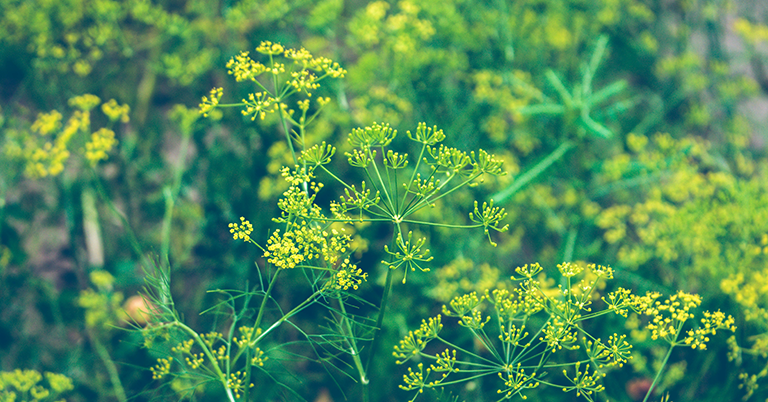
Dill adds a whimsical, almost ethereal quality to my herb garden, with its feathery foliage and delicate yellow flowers. Originally hailing from the Eastern Mediterranean and Southwest Asia, dill thrives in well-drained soils and sunny spots, and while it isn’t considered invasive, its airy growth naturally attracts hoverflies, parasitic wasps, and other beneficial insects. I find it absolutely enchanting how dill transforms a corner of my garden into a haven of light, fluttering activity!
Every harvest of dill is a celebration of summer’s exuberance—the fresh, tangy flavor it provides in salads and pickles is matched only by the joyful buzz of pollinators it attracts. Its intricate fronds create natural nooks that serve as temporary nesting sites for beneficial bugs, helping to maintain a healthy balance in my garden. For me, dill is a delightful reminder that sometimes, the most unassuming plants can offer the richest rewards!
Basil
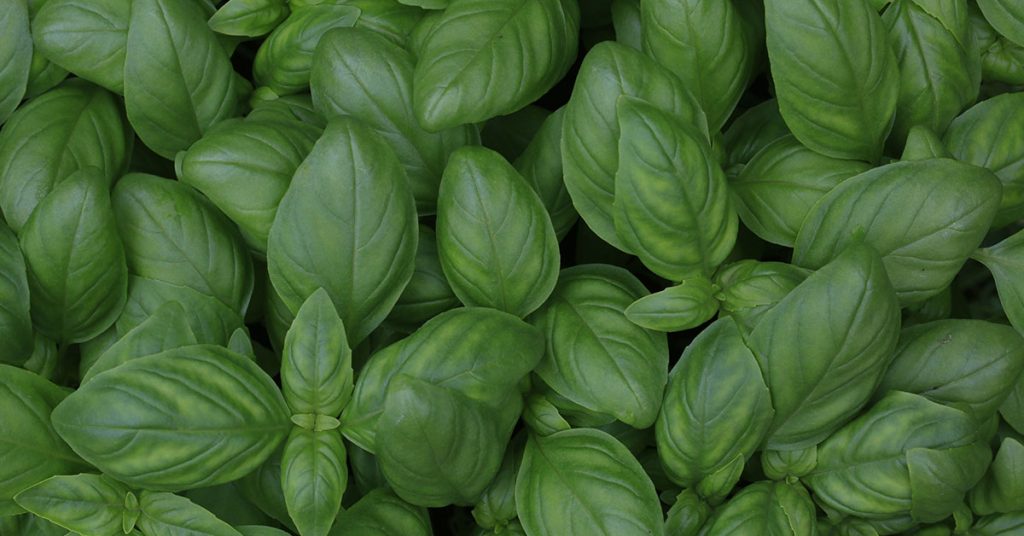
Basil is a true garden classic that never ceases to brighten my day with its vibrant presence and unmistakable aroma. Native to tropical regions from Central Africa to Southeast Asia, basil thrives in warm, sun-drenched environments and, while its growth is vigorous, it typically remains well-behaved without being invasive. Its bright green leaves and charming little flowers invite bees and butterflies to come and explore, turning every corner of my garden into a lively, aromatic celebration!
Every time I harvest basil, I’m filled with excitement over its endless ability to produce new growth, ensuring that my kitchen always has fresh, flavorful leaves for a myriad of dishes. I love how this herb not only enhances the taste of my recipes but also supports a thriving ecosystem by attracting beneficial insects. For me, basil is more than just an ingredient—it’s a symbol of summer’s abundance and the endless joy of gardening!
Chives
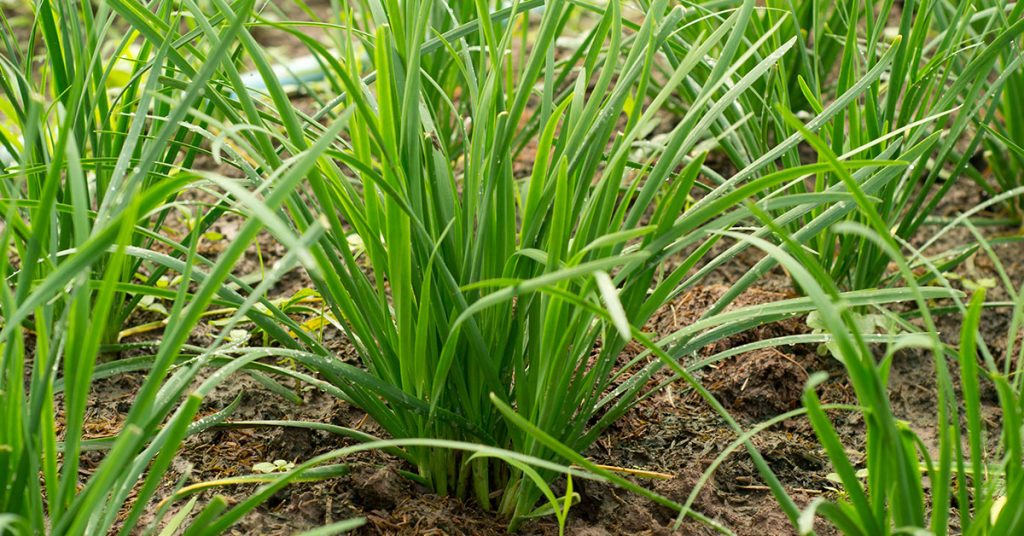
Chives bring a subtle yet enchanting note to my herb garden with their delicate, onion-like flavor and striking purple blossoms. Native to the temperate regions of Europe, Asia, and North America, chives are a non-invasive delight that grows in neat clumps, making them a charming addition to any garden bed. Their graceful, grassy blades and vibrant blooms attract pollinators, and I love how even the smallest creatures find refuge among their slender leaves!
Harvesting chives is a ritual that never fails to lift my spirits; each snip releases a fresh burst of aroma that revitalizes my entire garden space. Their understated beauty and culinary versatility have made them a staple in my gardening routine, contributing not only to delicious dishes but also to a balanced, nature-friendly environment. I truly appreciate how chives embody the gentle yet persistent spirit of a well-tended garden!
Marjoram
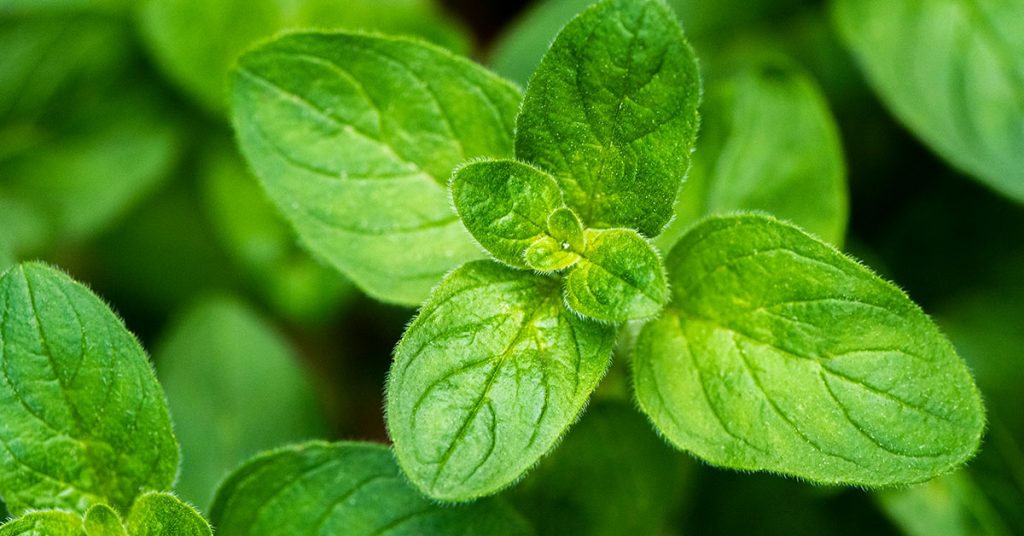
Marjoram is a warm, subtly sweet herb that has truly won my heart with its delightful character and abundant production. Native to the sun-drenched regions of the Mediterranean, marjoram thrives in well-drained, breezy gardens and, although it spreads with a gentle touch, it remains non-invasive. I adore how its tiny, delicate flowers attract bees and butterflies, creating a natural, bustling scene that makes every gardening moment feel magical!
Every harvest of marjoram fills me with joy as I collect its tender leaves for my culinary adventures. Its nuanced flavor adds an extra layer of depth to dishes, and its persistent, graceful growth serves as a reminder of the beauty of nature’s rhythm. For me, marjoram isn’t just an herb—it’s a cherished friend that enriches both my table and my garden, offering a blend of flavor, beauty, and a touch of whimsy!