
There’s something undeniably soothing about surrounding yourself with fresh blossoms—whether it’s the gentle sway of lavender in a windowsill vase or the glossy leaves of an orchid perched on a shelf. I know how hectic life can get, and it’s such a relief to pause and inhale the calming scents or admire a burst of color after a long day. In this article, I’m excited to share fifteen of my favorite flowers that not only brighten your decor but also bring that stress‑melting magic right into your living space!
From cool‑season bloomers like African violets to tropical showstoppers like hibiscus, each plant here has its own origin story—from the forests of Southeast Asia to Mediterranean hillsides—and none are invasive indoors. You’ll learn about their native habitats, how they interact with beneficial wildlife (yes, even indoor plants can support tiny pollinators on a sunny balcony!), and practical tips for keeping them thriving in pots or vases. Ready to cultivate some calm? Let’s dive in!
African Violet
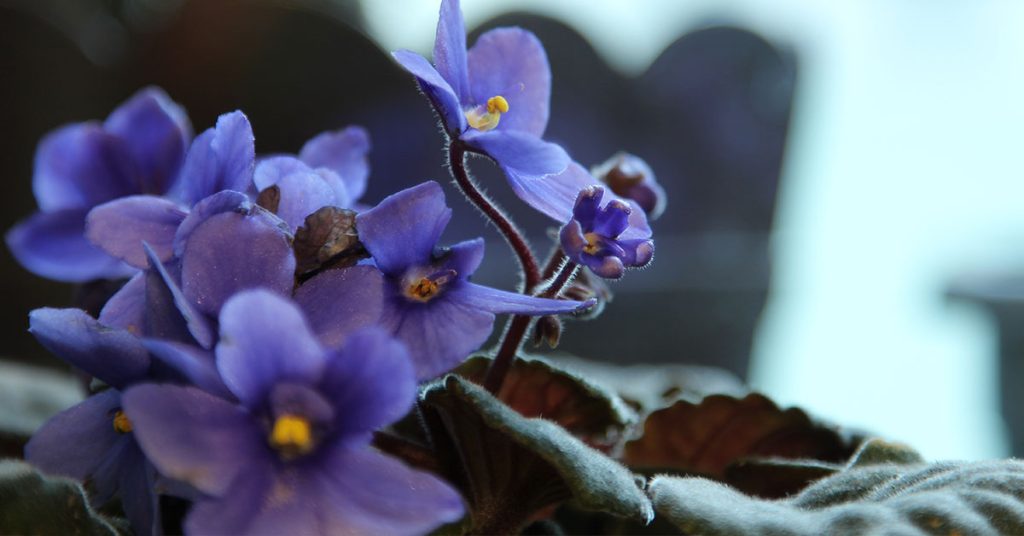
Native to the cloud forests of Tanzania and Kenya, African violets (Saintpaulia ionantha) are beloved for their velvety leaves and clusters of delicate flowers in shades of purple, pink, and white. These compact perennials rarely become invasive in home settings, making them ideal for tabletops or bright shelves. They prefer bright, indirect light and evenly moist soil, where gentle misting can mimic their native humid habitats!
One of my favorite plants for nurturing mindfulness, African violets attract tiny springtails and beneficial microfauna in the soil, creating a miniature ecosystem in each pot. As you water and care for them, you’ll notice their blooms respond to consistent environments—encouraging a soothing, meditative routine that’s perfect for unwinding after a busy day.
Kalanchoe
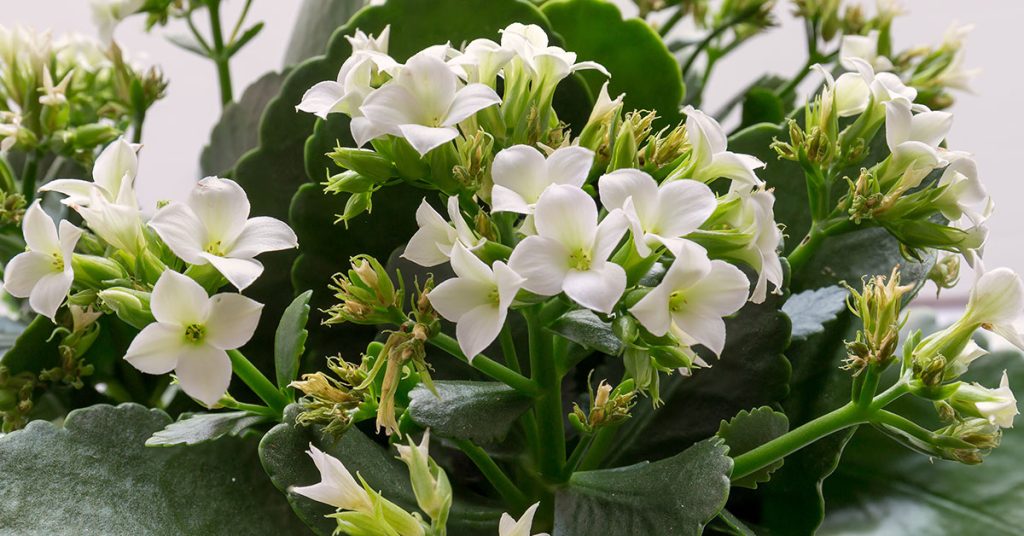
Hailing from Madagascar’s arid landscapes, Kalanchoe blossfeldiana is a hardy succulent that sports vibrant clusters of long‑lasting flowers in reds, pinks, yellows, and whites. Because it stores water in its leaves, it’s forgiving of occasional neglect and certainly not invasive indoors! A sunny windowsill is all it needs to trigger repeat blooming.
These succulents can attract small predatory insects like ladybugs if grown outdoors in summer, helping to control any stray aphids. Indoors, they offer a low‑stress way to engage with plant care—simply let the soil dry between waterings and watch new flower buds unfurl week after week!
Lavender

Lavandula angustifolia is native to the Mediterranean’s rocky hillsides, where bees and butterflies nest among its fragrant stalks. While lavender isn’t invasive, it does thrive in full sun and well‑drained soil—so a bright, sunny windowsill or a balcony planter is perfect! The soothing scent of its blooms is renowned for reducing anxiety and promoting restful sleep.
When placed on a sunny patio or balcony, lavender draws native bees and solitary wasps that nest in nearby pots or bare soil patches, supporting local ecosystems. Indoors, simply snip a few flower spikes to inhale their calming oils or create a sachet, turning every breath into a mini‑aromatherapy session!
Gerbera Daisy
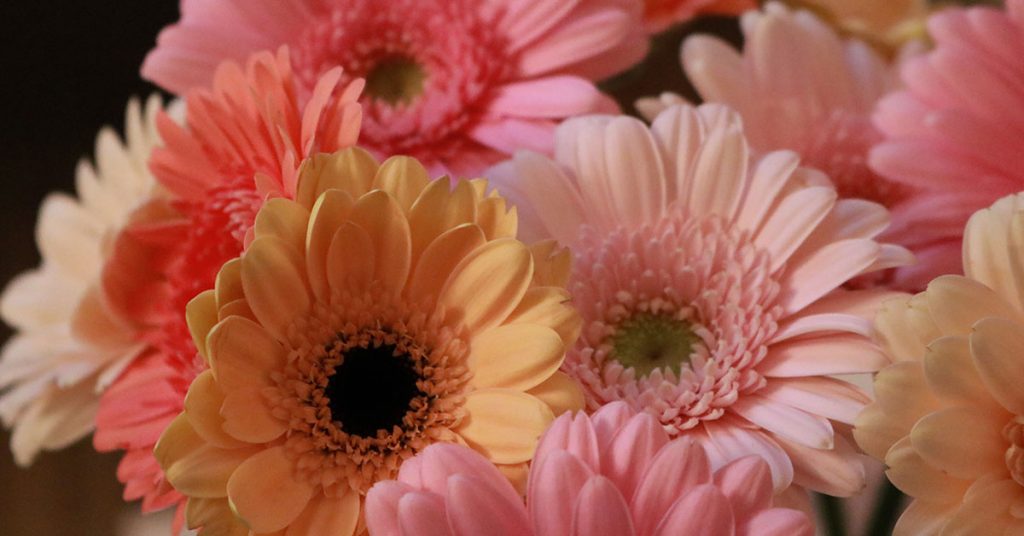
Gerbera daisies (Gerbera jamesonii) hail from South Africa’s grasslands and deliver bold, daisy‑like flowers in every hue imaginable. They prefer bright light and well‑draining potting mix and aren’t known to spread beyond their container confines. Their cheerful faces can instantly lift your mood!
Outdoors, gerberas attract hoverflies and small solitary bees that nest in compact soil pockets. Bringing a potted gerbera indoors during cooler months extends your flower display and offers a daily dose of joy. I love how arranging a single bloom in a bud vase can turn an ordinary corner into a stress‑busting focal point!
Peace Lily
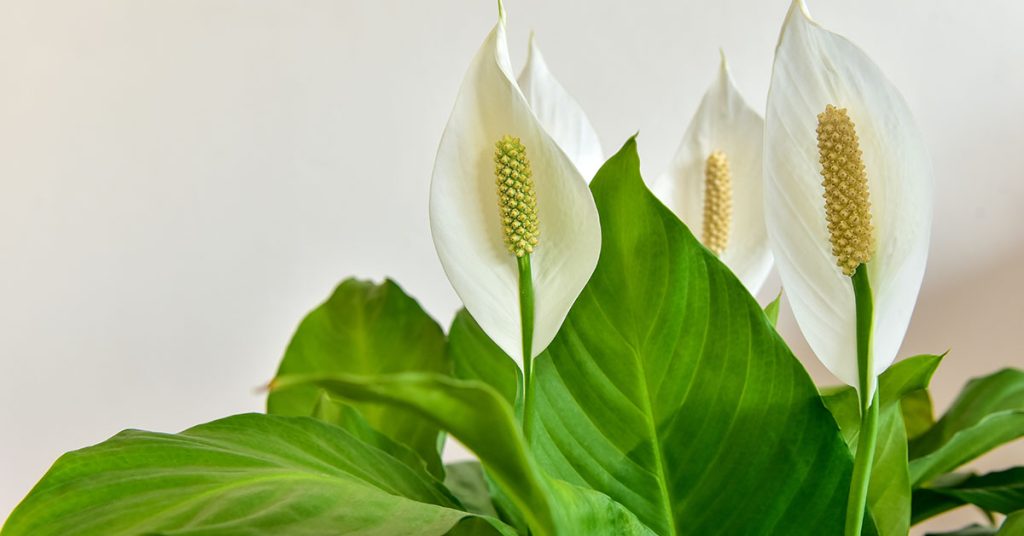
Native to tropical rainforests of Central and South America, the peace lily (Spathiphyllum wallisii) isn’t prized for its showy blooms alone—its lush, arching leaves purify indoor air by removing toxins like formaldehyde. This plant isn’t invasive; it flourishes in low‑light corners with consistent moisture.
Although peace lilies don’t attract pollinators indoors, their fragrant white spathes delight the senses and encourage you to maintain a regular watering ritual. That mindful practice—checking soil moisture, adjusting light—becomes its own calming ritual, inviting moments of quiet reflection each day.
Chamomile
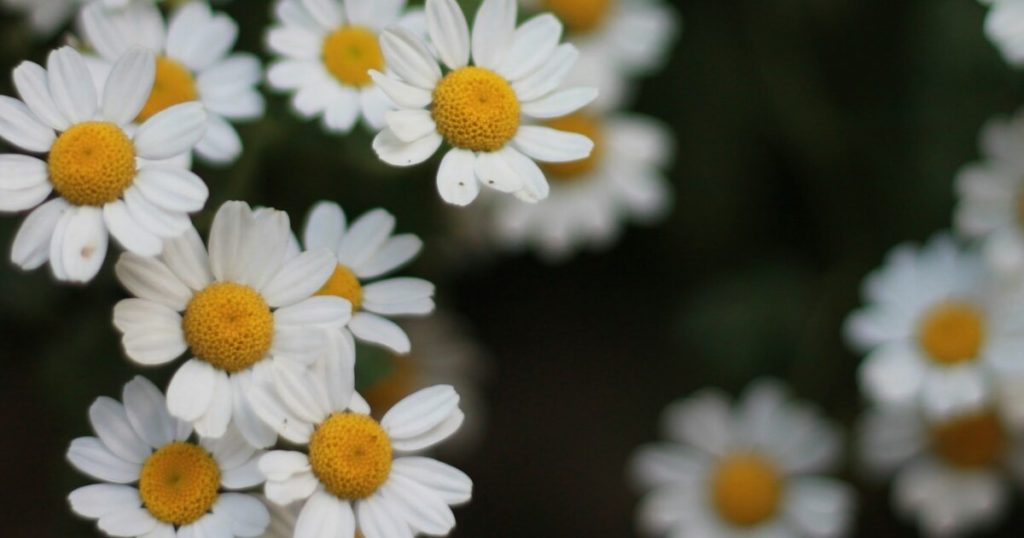
Chamomile (Chamaemelum nobile), native to Western Europe, is prized both as a dainty white‑petaled flower and a soothing herbal tea ingredient. It grows well in pots on sunny windowsills and isn’t prone to invasiveness indoors. A pot of chamomile fills the air with apple‑like aromas that calm frazzled nerves!
When grown in a balcony garden, chamomile attracts beneficial hoverflies whose larvae feast on aphids, but indoors it simply invites you to gently harvest flowers for tea. Steeping fresh blooms in hot water becomes a self‑care ceremony, helping you unwind with every sip.
Rose

Cultivated from wild species across Europe, Asia, and North America, miniature rose varieties thrive in containers and bring classic romance into your home. Regular deadheading keeps them blooming, and they won’t overrun your space if pruned properly. A single rose in a small vase can transform a room!
On a sunny terrace, roses attract honeybees and predatory insects that nest in nearby shrubs. Indoors, they offer fragrant moments—snipping a bloom for your bedside table releases comforting scents that ease stress as you drift to sleep.
Scented Geranium
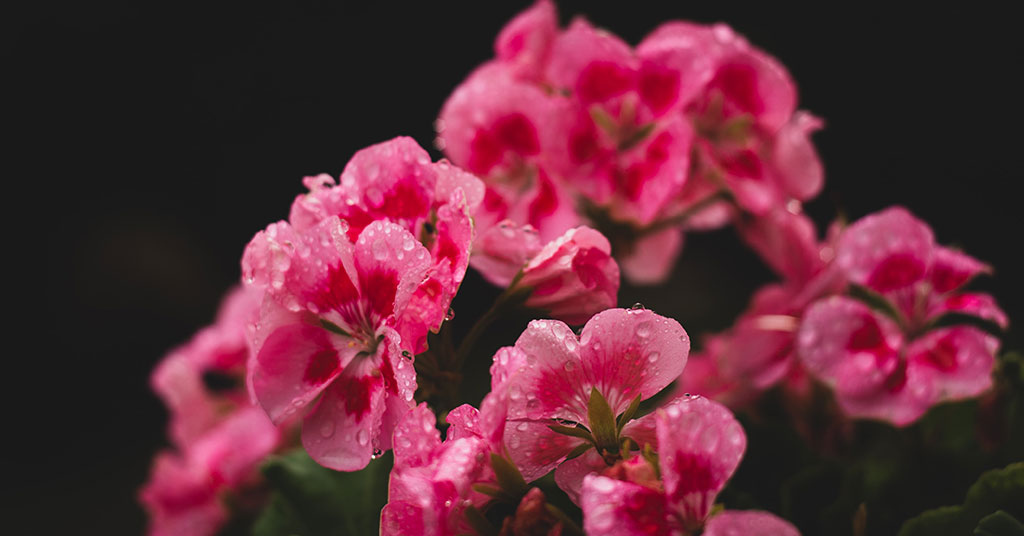
Pelargonium graveolens originates from South Africa and is celebrated for its fragrant leaves—notes of rose, lemon, and mint abound. When grown in pots, they remain contained and deliver both blooms and aromatic foliage. Their leaf‑rubbing habit releases essential oils that instantly uplift your mood!
These geraniums also entice small beneficial insects like lacewings if placed on a porch. Bringing one inside means you can break off a leaf to inhale its zesty scent whenever you need a quick refresher—an engaging, hands‑on stress relief tool right at your fingertips!
Gardenia
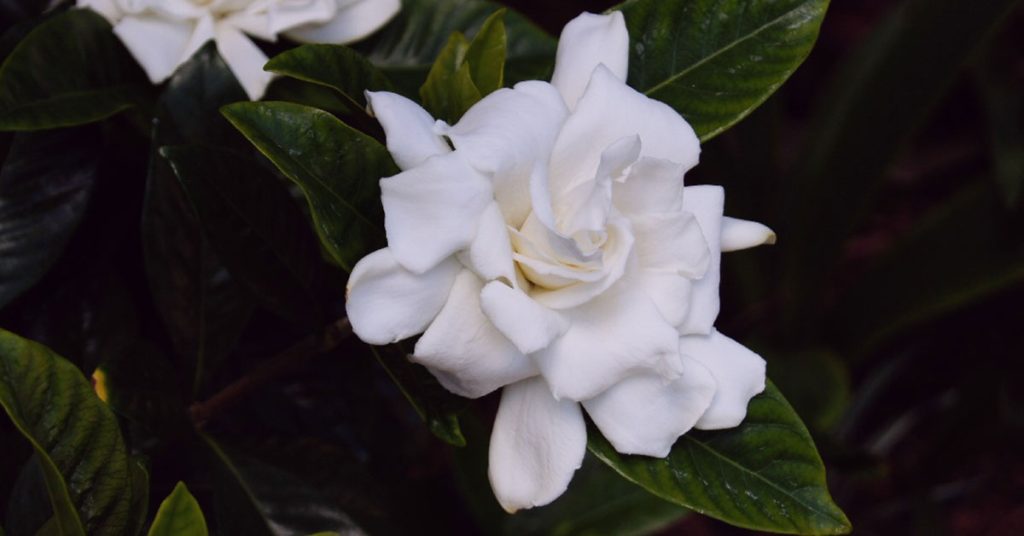
Gardenia jasminoides hails from Asia’s subtropical forests, offering glossy leaves and intensely perfumed white blooms that symbolize purity. Though sensitive to root rot, in a well‑drained pot they rarely escape or become invasive indoors. Their heady scent is a natural mood‑booster!
When grown outdoors in summer, gardenias attract nocturnal moths that nest in nearby vegetation, creating a magical evening display. Indoors, simply placing a flowering branch in a vase sends waves of calming perfume through your home—pure sensory bliss!
Chrysanthemum
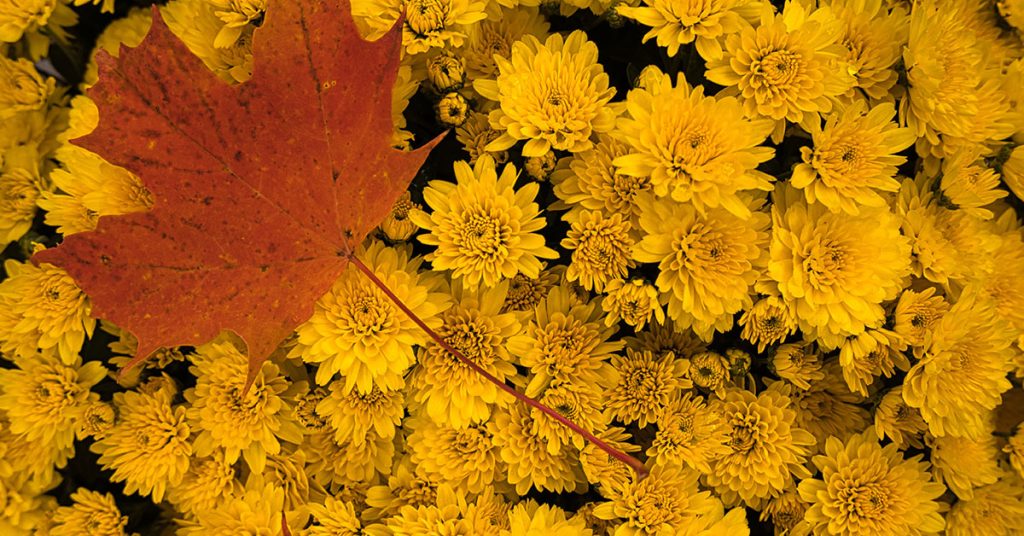
Native to East Asia, chrysanthemums (Chrysanthemum morifolium) thrive in pots and aren’t invasive indoors. Their varied bloom shapes—from pom‑pom to daisy—bring autumnal cheer just when cooler days set in. They prefer bright light and consistent moisture, rewarding you with waves of blooms!
Outdoors, chrysanthemums attract lady beetles and lacewings that nest under leaf litter, helping control pests. Inviting them inside for a vase lets you admire their layered petals up close, a visually meditative experience that calms a busy mind.
Tulip
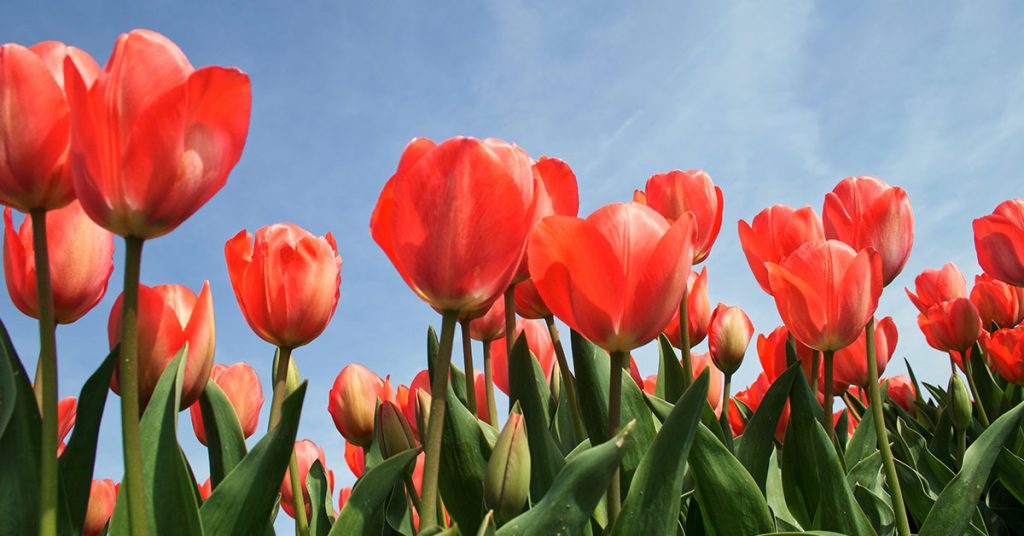
Originating in Central Asia’s steppes, tulips (Tulipa spp.) are classic harbingers of spring. In containers, they behave politely and won’t naturalize indoors. Chilled bulbs planted in pots deliver colorful blooms just when you need early‑season optimism!
Though tulips don’t attract pollinators inside, their bold, cup‑shaped flowers and crisp foliage bring a sense of renewal. Arranging a mixed bouquet of tulips in your living room can feel like hitting a reset button on stress, making every glance a moment of joy.
Hibiscus

Tropical hibiscus (Hibiscus rosa‑sinensis) comes from East Asia and flourishes in bright, humid conditions—perfect for sunlit rooms or greenhouses. They’re non‑invasive in containers and produce large, striking flowers in reds, pinks, and yellows that scream “vacation mode!”
When moved outdoors in summer, hibiscus blooms draw hummingbirds and butterflies that nest nearby. Indoors, their dramatic blooms command attention, inviting you to slow down and admire nature’s artistry—a simple, effective stress reliever!
Orchid

Phalaenopsis orchids are native to Southeast Asian rainforests, where they perch on tree branches. In home settings, they’re harmless to other plants and thrive in bright, indirect light with regular misting. Their long‑lasting, elegant blooms lend an air of tranquility to any room!
Orchids can attract tiny native bees when set on a sheltered patio, but indoors they offer hours of contemplative pleasure: observing flower spikes, counting blooms, and timing watering cycles becomes a calming ritual that centers the mind and reduces anxiety.
Jasmine

Jasminum polyanthum originates from the Himalayas and western China, producing fragrant pink buds that open to white, star‑shaped flowers. In a pot, it remains well‑mannered and fills your home with a sweet, heady aroma at dusk—a natural relaxant!
Outdoors, jasmine vines attract night‑flying moths that nest in vine tangles, creating a secret nocturnal spectacle. Bringing a few stems indoors transforms your bedroom into a serene retreat, the scent lulling you into restful sleep and easing daily stresses.
Zinnia
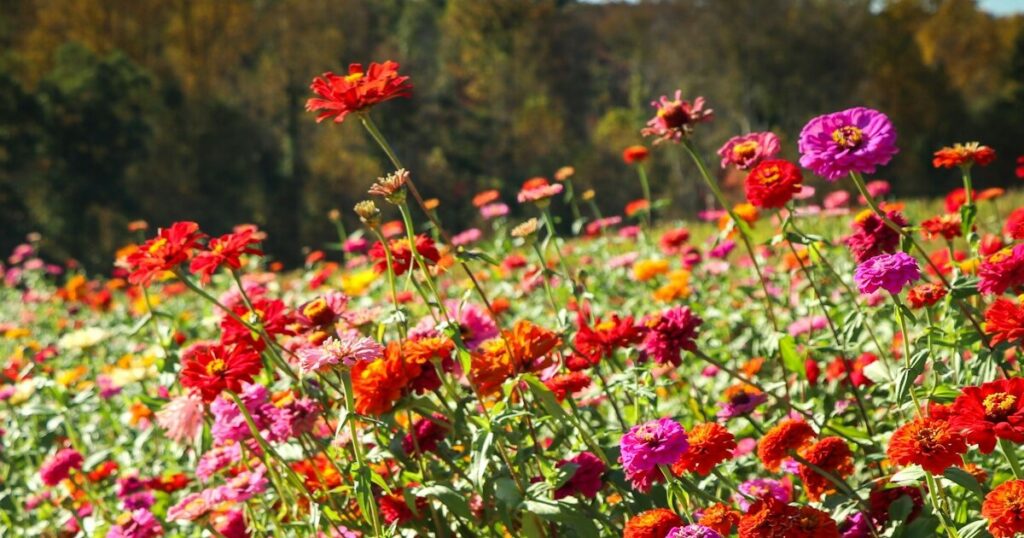
Native to Mexico and Central America, zinnias (Zinnia elegans) aren’t invasive in pots and offer bright, daisy‑like blooms in every color of the rainbow. They thrive in sunny windowsills or balcony planters with regular deadheading—easy maintenance for maximum cheer!
When grown outside, zinnias attract butterflies and tiny solitary bees that nest in nearby bare ground. Indoors, arranging a handful of freshly cut zinnias in a vase brings that pollinator‑friendly vibrancy inside, reminding you of summer days and lifting your spirits with every glance!