

Gardening has a way of surprising us with nature’s hidden treasures, and one of my absolute favorites is discovering that some of the “weeds” in your garden are actually edible vegetables in disguise! I know how frustrating it can be when unwanted plants seem to crowd your carefully planned beds, only to later realize that many of these hardy survivors are packed with flavor, nutrients, and even medicinal properties. Over the years, I’ve learned to embrace these wild greens and incorporate them into my cooking and organic garden strategy. They not only enrich the soil but also attract beneficial insects and sometimes offer unexpected nesting spots for tiny critters!
In this article, I’m excited to share 13 edible weeds that might just change the way you view your garden forever. Each plant on this list has a fascinating native origin and unique growth behavior—some are known for their rapid self-seeding while others form a lush ground cover that naturally suppresses more harmful invaders. Whether you’re battling pests or simply looking to diversify your culinary palette, these “vegetables” offer a sustainable, flavorful alternative that proves nature’s ingenuity has no limits! Let’s dive into these remarkable plants, each a hidden gem waiting to be discovered in your own backyard!
Dandelion
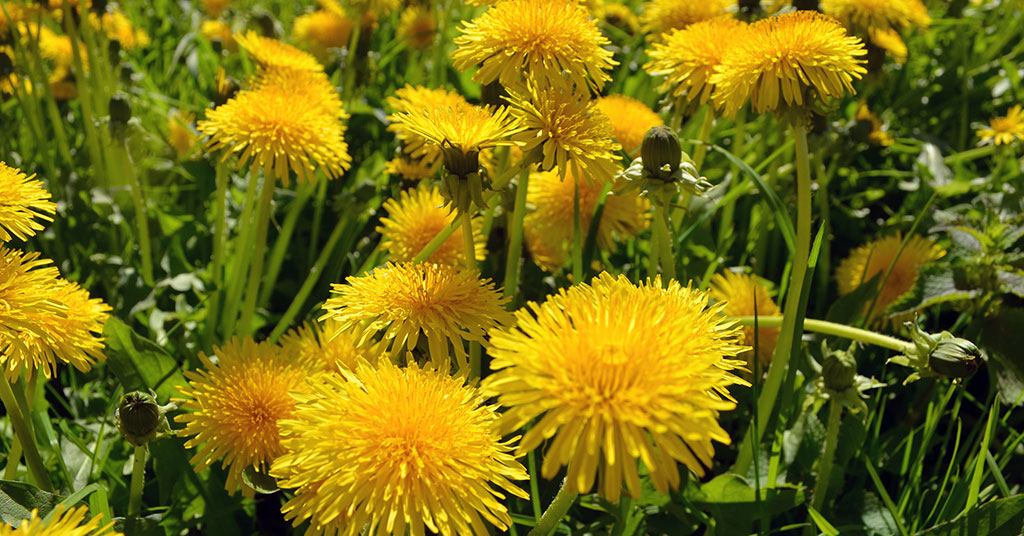
Dandelions are a common sight in any garden, yet they’re much more than an annoyance—they’re a nutritious, edible powerhouse! Native to Eurasia, dandelions thrive in nearly any soil condition and quickly establish themselves, often forming vibrant yellow flower clusters that attract bees and butterflies. I’ve discovered that the entire plant is edible: the bitter leaves make a great addition to salads, the roots can be roasted for a coffee substitute, and the flowers even add a delicate sweetness to syrups. Their deep taproots help break up compacted soil, inadvertently benefiting surrounding plants!
Despite their reputation for being pesky, dandelions are non-invasive when managed properly and can actually improve soil structure by accumulating organic matter as they decay. They also create a natural habitat for beneficial insects and sometimes even provide a nesting spot for small critters in their thick, basal rosettes. Embracing dandelions in your garden is like discovering a secret, edible gem that not only nourishes you but also supports a thriving ecosystem!
Purslane

Purslane is a succulent weed that might look unassuming, but it’s one of the most nutrient-dense greens you can harvest from your garden! Native to regions in Asia and the Mediterranean, purslane thrives in sunny areas with well-drained soils, but it’s also surprisingly tolerant of poor conditions. Its fleshy, slightly sour leaves are excellent in salads or stir-fries, and I’ve often been amazed by how it attracts pollinators such as bees, which visit its small yellow flowers and contribute to the overall garden biodiversity.
This versatile plant is typically non-invasive and can form a dense ground cover that helps suppress more troublesome weeds. Purslane’s rapid spread not only improves soil moisture retention but also creates a natural mulch as its leaves dry out and break down. For me, incorporating purslane into my garden is a rewarding way to enjoy a wild, edible green that’s as beneficial for the soil as it is for my kitchen!
Lamb’s Quarters

Lamb’s Quarters, often called wild spinach, is a nutrient-rich weed that can easily be mistaken for an unwanted intruder—but it’s actually a delicious, edible green! Native to North America, Lamb’s Quarters thrives in disturbed soils and full sun, forming lush, leafy rosettes that are packed with vitamins and minerals. I’ve enjoyed adding its tender leaves to salads and sautés, where they lend a mild, earthy flavor similar to spinach. Plus, its powdery coating gives it a unique texture that’s fun to experiment with in the kitchen.
Beyond its culinary uses, Lamb’s Quarters plays a beneficial role in the garden. It attracts a variety of beneficial insects such as ladybugs and lacewings, which help control pest populations. Its fast-growing nature makes it a natural ground cover that suppresses other invasive weeds while improving soil organic matter as it decomposes. Embracing Lamb’s Quarters in your garden can turn an overlooked weed into a valuable, nutrient-dense resource!
Chickweed
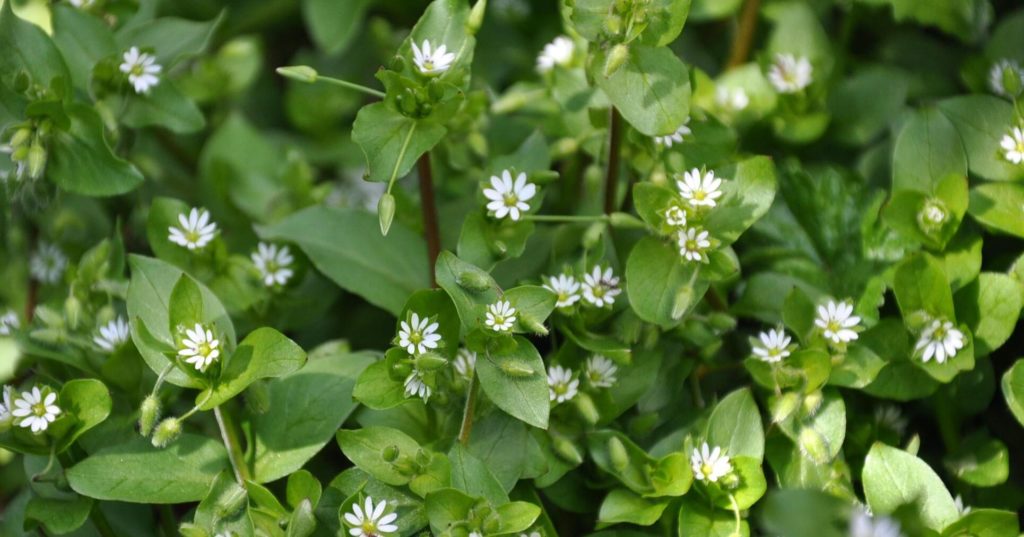
Chickweed is a delicate, low-growing herb that many gardeners see as a weed, but I’ve learned it’s a versatile, edible treat with a mild, slightly sweet flavor. Native to Europe and now widespread in temperate regions, chickweed thrives in cool, moist conditions and forms a dense mat of tiny, star-like white flowers. I enjoy tossing its tender leaves into salads or using them as a garnish—the subtle taste pairs wonderfully with more robust flavors. Its rapid, natural spread also creates a soft carpet that can help prevent soil erosion in garden beds.
In addition to its culinary charm, chickweed attracts beneficial insects that contribute to a healthy garden ecosystem. The small flowers are a magnet for tiny bees and other pollinators, and its ground-covering habit offers microhabitats for various small creatures. While it’s easy to overlook, chickweed is a fantastic example of how a so-called “weed” can transform into a delightful and functional edible plant in an organic garden.
Wild Garlic
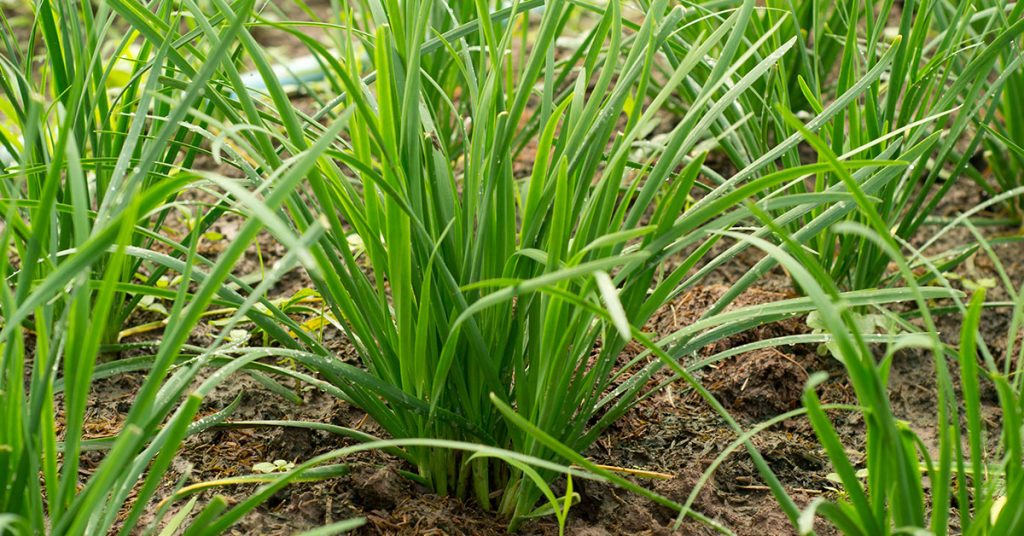
Wild Garlic is a pungent and flavorful plant that stands out as one of the most exciting edible weeds you can grow. Native to Europe and widely naturalized in many parts of the world, wild garlic thrives in damp, shady areas and produces clumps of narrow, bright green leaves with a distinct garlic aroma. I’ve found that its strong scent not only enhances the flavor of a variety of dishes—from pestos to soups—but also repels some common garden pests, providing a natural defense mechanism for nearby plants.
The delicate white flowers of wild garlic are a visual treat and attract pollinators such as bees and butterflies, which help maintain a balanced garden ecosystem. Although wild garlic can self-seed if conditions are optimal, it remains generally non-invasive and can be easily managed through regular harvesting. Adding wild garlic to your garden is like unlocking a secret ingredient that enriches both your culinary creations and your garden’s natural harmony!
Sorrel
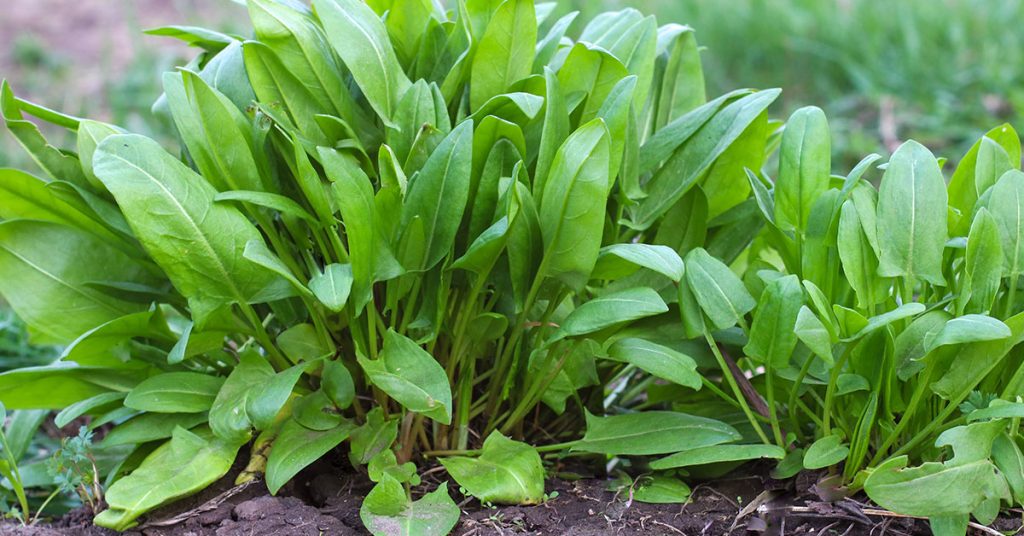
Sorrel is a tangy, lemony green that adds a burst of zing to your salads and sauces, yet it’s often mistaken for a common weed. Native to Eurasia, sorrel grows abundantly in sunny spots with moist, well-drained soil, producing arrow-shaped leaves that have a distinctive, tart flavor. I’m always delighted by its ability to brighten up a dish with its vibrant acidity, making it a favorite among gardeners who enjoy a bit of culinary creativity. Its subtle taste and nutritional benefits make it a versatile addition to any organic kitchen garden.
In addition to its gastronomic appeal, sorrel attracts beneficial insects such as bees and small flies that aid in pollination. Its sprawling habit forms a natural mat that helps retain soil moisture and suppresses more aggressive weeds. Though sorrel can spread if left unchecked, it is generally non-invasive and easily maintained with regular harvesting. Embracing sorrel in your garden is like adding a touch of lemony sunshine that not only enhances your meals but also supports a healthy, sustainable ecosystem!
Plantain

Plantain is a resilient weed that many people consider a nuisance, yet it’s a highly nutritious edible plant with both culinary and medicinal uses! Native to Europe, plantain thrives in a variety of conditions—from compact urban gardens to wild, open fields—and features broad, oval leaves that can be used fresh in salads or cooked as a vegetable. I’ve been pleasantly surprised by how its mild flavor and tender texture make a great addition to soups and stir-fries, while its high nutrient content supports overall wellness.
Its low-growing habit and dense foliage provide an excellent ground cover that can attract beneficial insects and even offer shelter to small garden critters. Plantain is typically non-invasive when properly managed and can help suppress more aggressive weeds by forming a natural, protective mat. Embracing plantain in your garden turns what many dismiss as a weed into a versatile, nutritious resource that pays dividends in both health and ecological balance!
Curly Dock
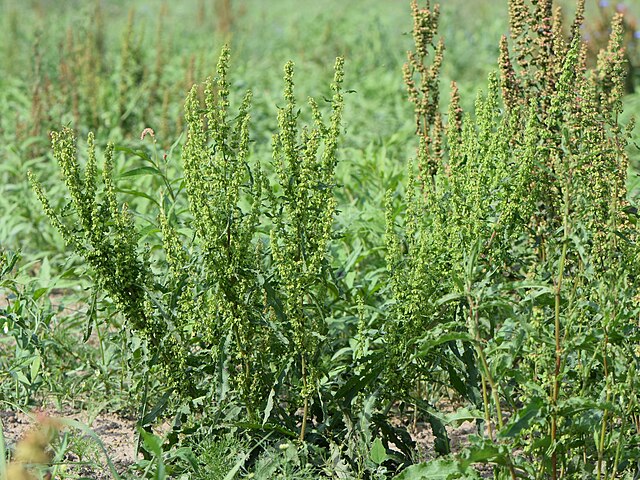
Curly Dock is often viewed as an unsightly weed, but beneath its rough exterior lies an edible green with a unique, earthy flavor. Native to Europe, curly dock thrives in disturbed soils and along the edges of gardens, where its long, curly leaves add texture and interest. I’ve discovered that the young leaves can be cooked like spinach, providing a nutrient-rich addition to various dishes. Their slightly tangy taste is both intriguing and versatile in the kitchen, making them a hidden gem for adventurous cooks.
Beyond its culinary potential, curly dock serves an important role in the garden ecosystem. Its deep taproot helps break up compacted soils and draws nutrients from deeper layers, while the plant’s foliage can attract beneficial insects that appreciate its rough texture. Though it has a reputation for self-seeding, curly dock is generally manageable and non-invasive when regularly harvested. It’s a prime example of how a so-called weed can be transformed into a valuable, sustainable vegetable in your organic garden!
Stinging Nettle

Stinging Nettle is notorious for its painful sting, yet it’s one of the most nutritious wild greens you can forage from your garden! Native to Europe and Asia, nettles thrive in nitrogen-rich soils and damp, shaded areas, forming lush clumps that are a magnet for pollinators like bees and butterflies. When properly handled—gloves are a must—nettle leaves can be cooked down into a savory green, or used to make nutrient-packed teas and soups. I find its rich, earthy flavor a delightful surprise, turning what seems like an irritating weed into a gourmet ingredient!
Beyond its culinary uses, stinging nettle plays a vital role in supporting garden biodiversity. Its dense foliage provides a microhabitat for small insects and beneficial critters, and as the plant decomposes, it returns essential nutrients to the soil. Although nettles can spread quickly under ideal conditions, they are generally non-invasive when harvested regularly. Embracing stinging nettle is a testament to the idea that nature often hides its best gifts in the most unexpected packages – even if you have to handle them with care!
Amaranth

Amaranth is a striking plant often dismissed as a weed but is, in fact, a highly nutritious and edible green that has been cultivated for centuries. Native to Central and South America, amaranth thrives in full sun and well-drained soils, producing vibrant red, purple, or green foliage alongside delicate, edible seeds. I’ve been captivated by its dual purpose: not only do its leaves serve as a nutritious leafy vegetable, but its seeds can be ground into a healthy flour or cooked as a grain. Its brilliant colors attract bees and butterflies, enhancing the beauty of your garden while also supporting pollination.
Although amaranth is known for its vigorous self-seeding, it is generally manageable with regular harvesting and is not considered invasive in most garden settings. Its rapid growth and resilience make it a superb choice for organic gardeners looking for versatile, edible greens. Adding amaranth to your garden is like inviting a burst of tropical sunshine that nourishes both the body and the landscape – a true vegetable in disguise that transforms a common weed into a gourmet delight!
Miner’s Lettuce
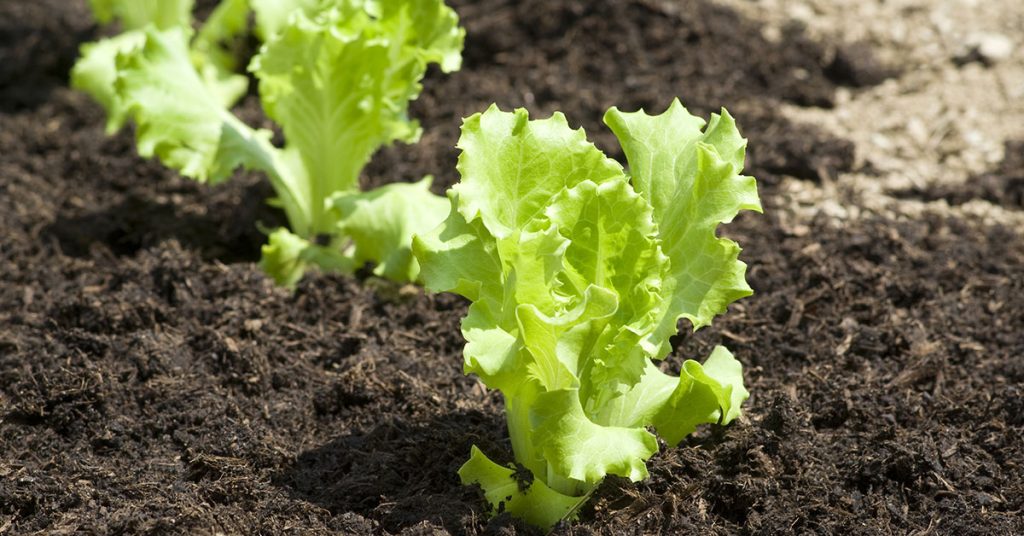
Miner’s Lettuce is a delicate, nutrient-rich green that has a surprising history as a wild edible weed, prized by early prospectors for its high vitamin content. Native to North America, Miner’s Lettuce thrives in cool, moist conditions and produces small, succulent leaves that are tender and mildly tangy. I enjoy incorporating its fresh leaves into salads or lightly sautéing them with garlic, where their crisp texture and subtle flavor offer a refreshing contrast to heartier greens. Its delicate white flowers, which attract tiny pollinators, add a touch of natural elegance to your garden.
While Miner’s Lettuce is generally non-invasive and easy to manage, its ability to spread in moist, shaded areas means it can fill in garden spaces beautifully if left to its own devices. Its soft, leafy nature not only enriches the soil as it decomposes but also creates a microhabitat for beneficial soil organisms. For gardeners seeking a wild, nutritious green that’s as adaptable as it is delicious, Miner’s Lettuce is a delightful surprise that proves edible weeds truly are vegetables in disguise!
Black Salsify
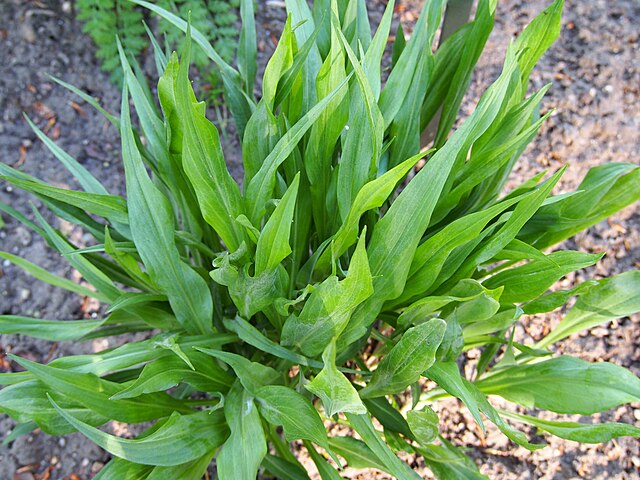
Black Salsify, often dubbed the “oyster plant” for its unique, savory flavor, is a fascinating edible weed that transforms a humble garden spot into a culinary haven! Native to Europe, Black Salsify thrives in sunny, well-drained soils and produces long, slender taproots that can be harvested and cooked similarly to other root vegetables. I’ve been intrigued by how its creamy, slightly nutty taste and tender texture can elevate soups and stews, turning an unassuming plant into a gourmet delight. Its tall, feathery blooms attract a variety of pollinators, adding beauty and ecological balance to your garden.
Although Black Salsify has a tendency to self-seed if conditions are optimal, it is generally non-invasive when managed with regular thinning and harvesting. Its deep roots help break up compacted soil and recycle nutrients, supporting a healthier growing environment for neighboring plants. Embracing Black Salsify in your garden is like uncovering a hidden gem—a vegetable in disguise that not only nourishes the body but also contributes to the garden’s natural diversity and resilience!