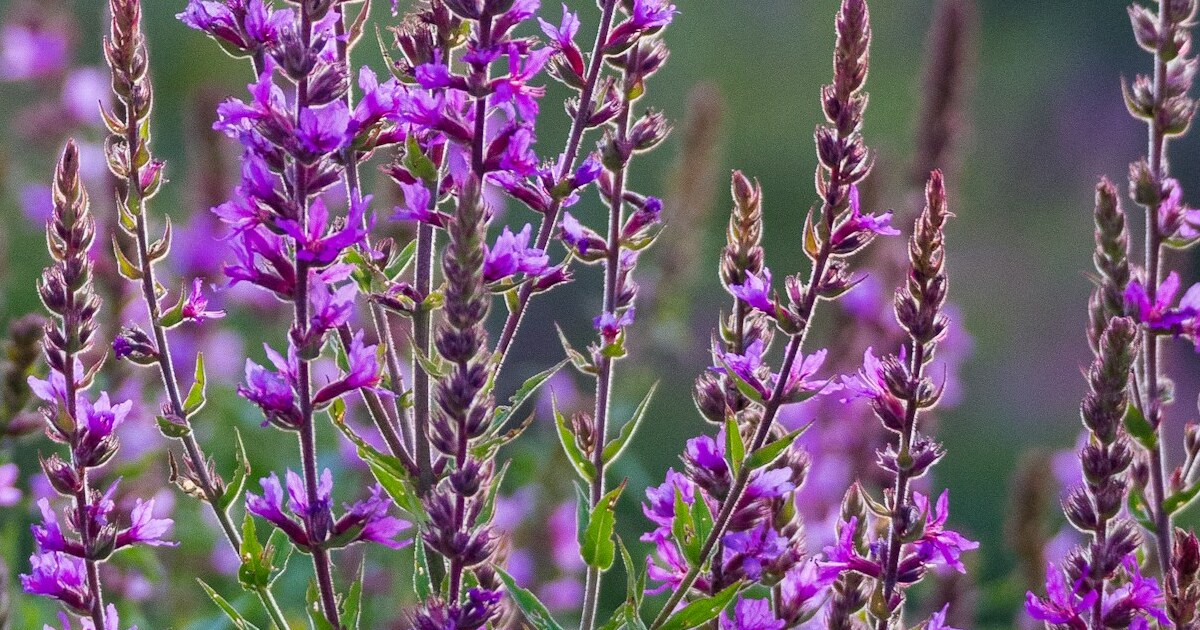

Many gardeners have fallen victim to the silent takeover of invasive plants, those sneaky interlopers that spread like wildfire, choke out your treasured ornamentals, and leave you cursing the day you let one stray seedling take root! I know the sinking feeling when you spot a promising wildflower in your yard, only to discover months later it’s turned into an unstoppable thicket. Invasive species aren’t just a nuisance—they can undermine local ecosystems, sap your soil’s health, and demand endless labor to control.
Over years of trial and error (and a fair share of swearing at stubborn roots), I’ve learned to recognize the usual suspects. Below are 12 of the worst offenders—plants whose vigor, prolific seeding, and tenacious root systems will have you pulling, digging, and treating with herbicide for seasons to come. Let’s dive into the botanical rogues’ gallery so you can identify and eliminate these invaders before they overrun your yard!
Bamboo (Running Varieties)
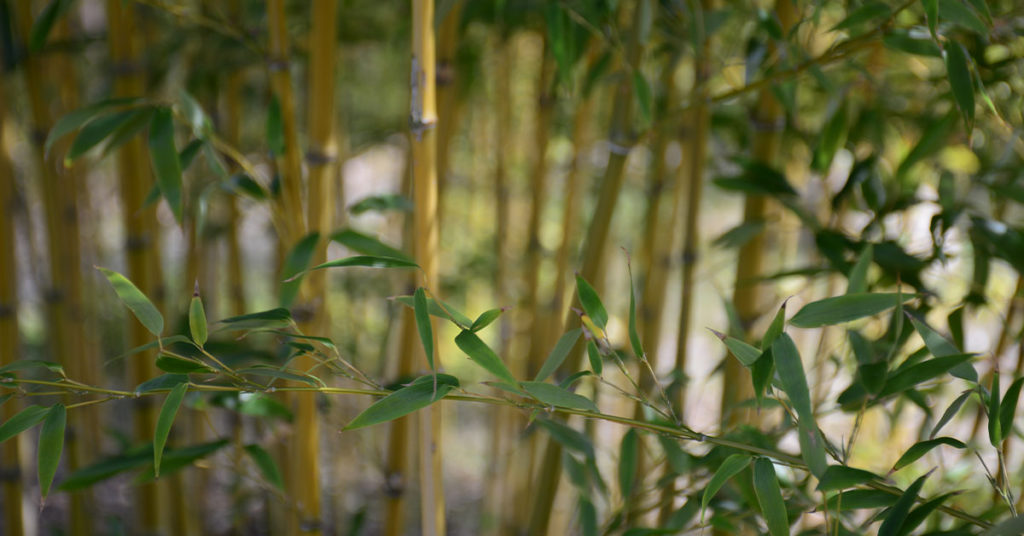
Originally from East Asia, running bamboos like Phyllostachys aurea spread via underground rhizomes that can travel 20+ feet in a season. What begins as an attractive clump quickly explodes into a dense grove, sending up dozens of 2–3 inch diameter canes. Once established, those rhizomes form an impenetrable barrier underground, making eradication by digging nearly impossible without removing every fragment—a feat few gardeners dare to attempt!
Bamboo thickets also create habitat for rats and snakes seeking cover, while shading out native wildflowers and grasses. I’ve seen yards turned into dark tunnels of green so thick that grass won’t grow beneath them—an eerie transformation! Chemical controls like repeated glyphosate applications work, but require patience and persistence over multiple growing seasons.
Japanese Knotweed (Fallopia japonica)

Native to East Asia, Japanese knotweed arrived in Europe and North America in the 19th century as an ornamental curiosity. Today, its hollow, bamboo-like canes and heart-shaped leaves tower six to ten feet high, forming dense stands that outcompete everything beneath them. Every fragment of its aggressive root system—some of which can grow up to 10 feet deep—can sprout a new plant, so even a tiny root piece left behind dooms your eradication efforts!
Knotweed thickets repel beneficial pollinators by casting deep shade, and their rigid roots can buckle sidewalks and undermine foundations. I once spent weeks digging out a small patch, only to find fresh sprouts the following spring. Professional treatments combining root excavation with systemic herbicides are often the only way to truly win this battle.
English Ivy (Hedera helix)

Hailing from Europe and Western Asia, English ivy is beloved for its glossy evergreen leaves—and despised for its smothering habits. As a groundcover, it blankets lawns and wild areas; as a climber, it scales trees and walls, eventually girdling trunks and causing rot. Birds nest in its tangled masses, which might seem charming until you realize those nests protect vole and rodent populations that feast on bulbs and seedlings!
Once ivy gets a foothold, pulling vines by hand often leaves rootlets behind that re-sprout within weeks. Its waxy leaves repel many foliar sprays, requiring repeat herbicide applications to weaken the underground runners. I’ve found that rigorous hand-pulling combined with solarization—covering infested patches with black plastic for months—can reduce regrowth, but you must stay vigilant.
Kudzu (Pueraria montana)
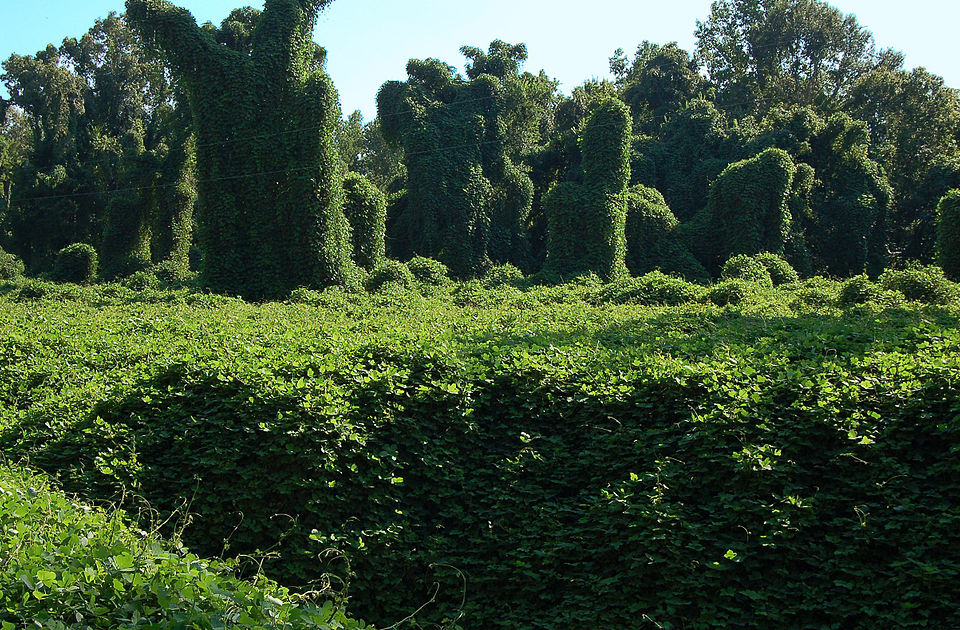
Introduced from Asia to the American South in the 1800s for erosion control, kudzu earned the nickname “the vine that ate the South.” This perennial legume can grow up to a foot per day in summertime, forming dense mats that smother trees, shrubs, and even houses. Its deep, hardy roots regenerate vigorously from any disturbance, so mowing or pulling only spreads it further via broken root crowns.
Kudzu’s purple flowers attract pollinators like honeybees, but its rampant vines deprive native wildflowers of sunlight, collapsing entire ecosystems. I once watched a small roadside patch overtake a thicket of native oaks in less than two seasons! Effective control demands repeated herbicide injections into the root crowns, coupled with mechanical removal of cut vines to prevent re-rooting.
Purple Loosestrife (Lythrum salicaria)
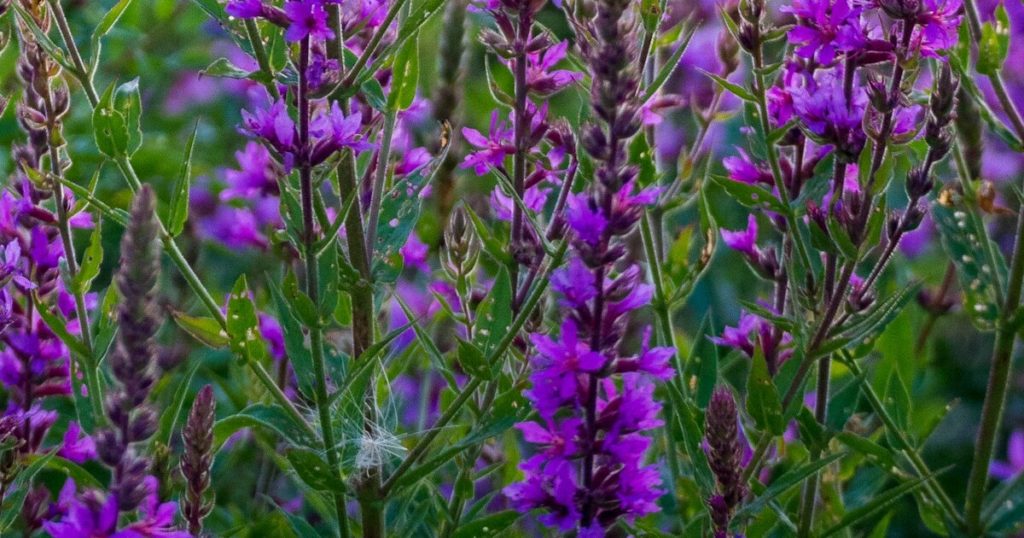
Introduced from Europe and Asia as a garden ornamental, purple loosestrife produces thousands of tiny seeds per plant, which disperse on water and wind. In wetlands and along streambanks, it forms monotypic stands up to eight feet tall, cutting out cattails and sedges that provide critical habitat for amphibians and birds. Its showy magenta blooms may attract butterflies, but they offer little nectar compared to native wildflowers.
Loosestrife’s deep rootstocks also resist pulling; you’ll invariably leave chunks that regrow. Biological controls using beetles (Galerucella species) have helped in some regions, but chemical treatments—spraying before seed set—remain the most reliable method. I learned this the hard way after letting a single plant flower; by autumn, my backyard pond margins looked like a purple fortress!
Garlic Mustard (Alliaria petiolata)

A European import that escaped cultivation in the 1800s, garlic mustard exudes a garlicky scent when crushed—deceptively benign for a plant that disrupts forest floors. Its two-year lifecycle allows rosettes to overwinter, making hand-pulling in spring essential before it bolts. Mature plants release allelopathic chemicals that suppress mycorrhizal fungi, starving native tree seedlings of nutrients!
These chemicals linger in the soil, giving garlic mustard a long-term competitive edge. Even a few overlooked plants can reseed prolifically—each plant can produce up to 3,000 seeds! I once cleaned up a patch only to find new seedlings popping up every year for half a dozen seasons. Vigilant annual removal and bagging of seed heads before dispersal are the only ways to contain it.
Oriental Bittersweet (Celastrus orbiculatus)

Imported for its decorative seed pods, oriental bittersweet from East Asia has become one of North America’s worst woody invasives. Its twining vines girdle trees and shrubs, strangling their vascular systems and causing eventual collapse. The vine’s bright berries attract birds, which spread seeds far and wide, establishing new infestations in woodlands and disturbed areas.
Cutting vines near their base isn’t enough—each fragment left on the ground can root. I recall felling a large bittersweet-infested tree, only to see fresh vines sprout from scattered vine pieces the next spring! Systemic herbicide treatments on cut stumps, combined with careful removal of all vine material, are critical to prevent resurgence.
Multiflora Rose (Rosa multiflora)

Originally introduced from East Asia for erosion control and as a “living fence,” multiflora rose now forms impenetrable thickets across fields and roadsides. Its arching canes, covered in hooked thorns, spread via root suckers and prolific seed production. Birds relish its red hips, distributing seeds to every corner of the landscape, where they germinate in sunlit gaps.
Pulling cane by hand is a painful ordeal—those thorns snag clothing and skin—while mowing or cutting often stimulates basal sprouting, creating an even denser thicket. I’ve learned that consistent applications of brush-killer herbicides, applied directly to fresh cuts, offer the best chance of eradication, though you’ll need follow-up treatments for several seasons.
Autumn Olive (Elaeagnus umbellata)

Brought from Asia for wildlife cover and erosion control, autumn olive produces abundant, silvery-leafed shrubs that ripen into red berries beloved by birds. Unfortunately, those same birds distribute seeds widely, leading to dense thickets that crowd out native shrubs. Its nitrogen-fixing roots alter soil chemistry, enabling further spread at the expense of less aggressive plants.
Removing mature shrubs requires heavy machinery to pull entire root systems; otherwise, resprouting from leftover roots is inevitable. I once cut down a hedgerow only to find dozens of suckers re-sprouting the next year. Integrated management—mechanical removal followed by targeted herbicide application to resurrecting shoots—is the only reliable approach.
Tree-of-Heaven (Ailanthus altissima)
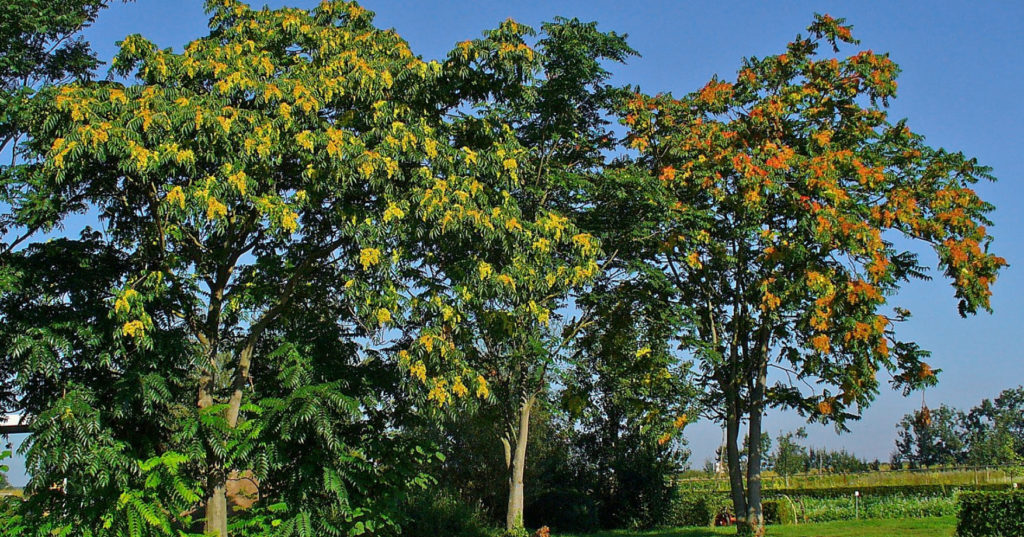
From China and Taiwan, tree-of-heaven rapidly colonizes disturbed urban and rural sites. Its prolific seed production and vigorous root sprouting allow single cut stumps to generate dozens of suckers, forming impenetrable thickets. Young saplings grow so fast—up to 6 feet in a year—that they overshadow native saplings before those can establish.
Tree-of-heaven’s leaves produce allelopathic chemicals that inhibit neighboring plants, furthering its competitive edge. I’ve watched seedlings sprout spontaneously in gravel driveways, only to wrestle them back with herbicide injections into the root collar. Persistence is key: repeated cut-and-treat methods over successive years are necessary to exhaust its reserves.
Russian Olive (Elaeagnus angustifolia)

Introduced from Eurasia as a windbreak and ornamental, Russian olive thrives in riparian zones and roadsides, often forming dense thickets. Its silvery foliage and fragrant flowers might seem attractive, but its aggressive spread—via berry-eating birds—and drought tolerance allow it to monopolize water resources, outcompeting native willows and cottonwoods.
Cutting trees without removing the root systems leads to rapid resprouting, creating even more dense clusters. I found that only a combination of stump grinding and systemic herbicide application provided lasting control. Even then, vigilant monitoring for suckers or seedlings is essential to keep this tenacious tree at bay.
Water Hyacinth (Eichhornia crassipes)
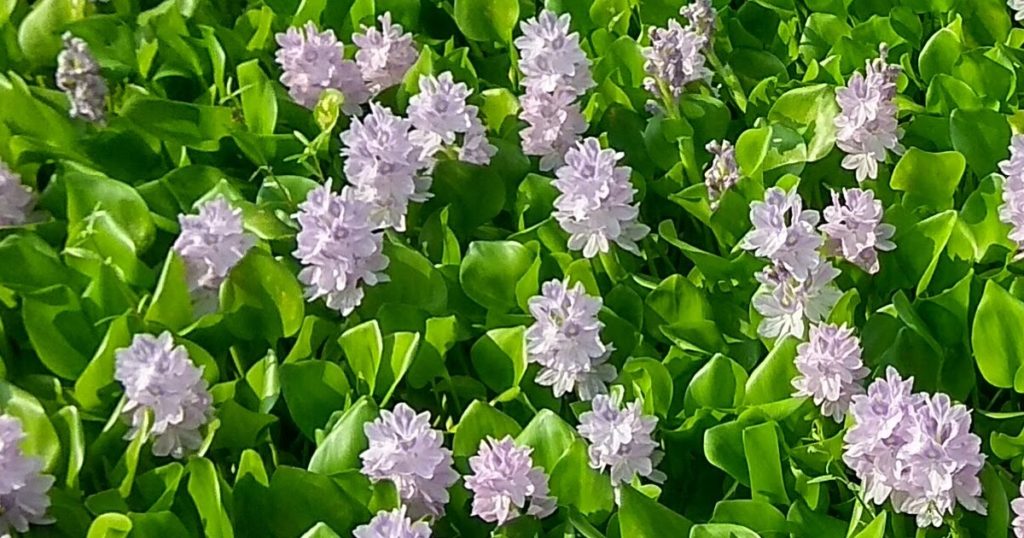
A floating invader from the Amazon Basin, water hyacinth’s glossy leaves and purple blooms belie its destructive potential. In ponds and slow-moving waterways, its rapid vegetative reproduction can double cover in under two weeks, blocking sunlight, depleting oxygen, and killing fish and native aquatic plants.
Mechanical removal often leaves behind stolon fragments that regrow, while chemical treatments can harm non-target species. I recall spending an entire summer scooping mats by hand, only to see new rafts return within days. Integrated management—mechanical harvesting followed by targeted aquatic herbicides—offers the best chance of keeping water hyacinth at bay.