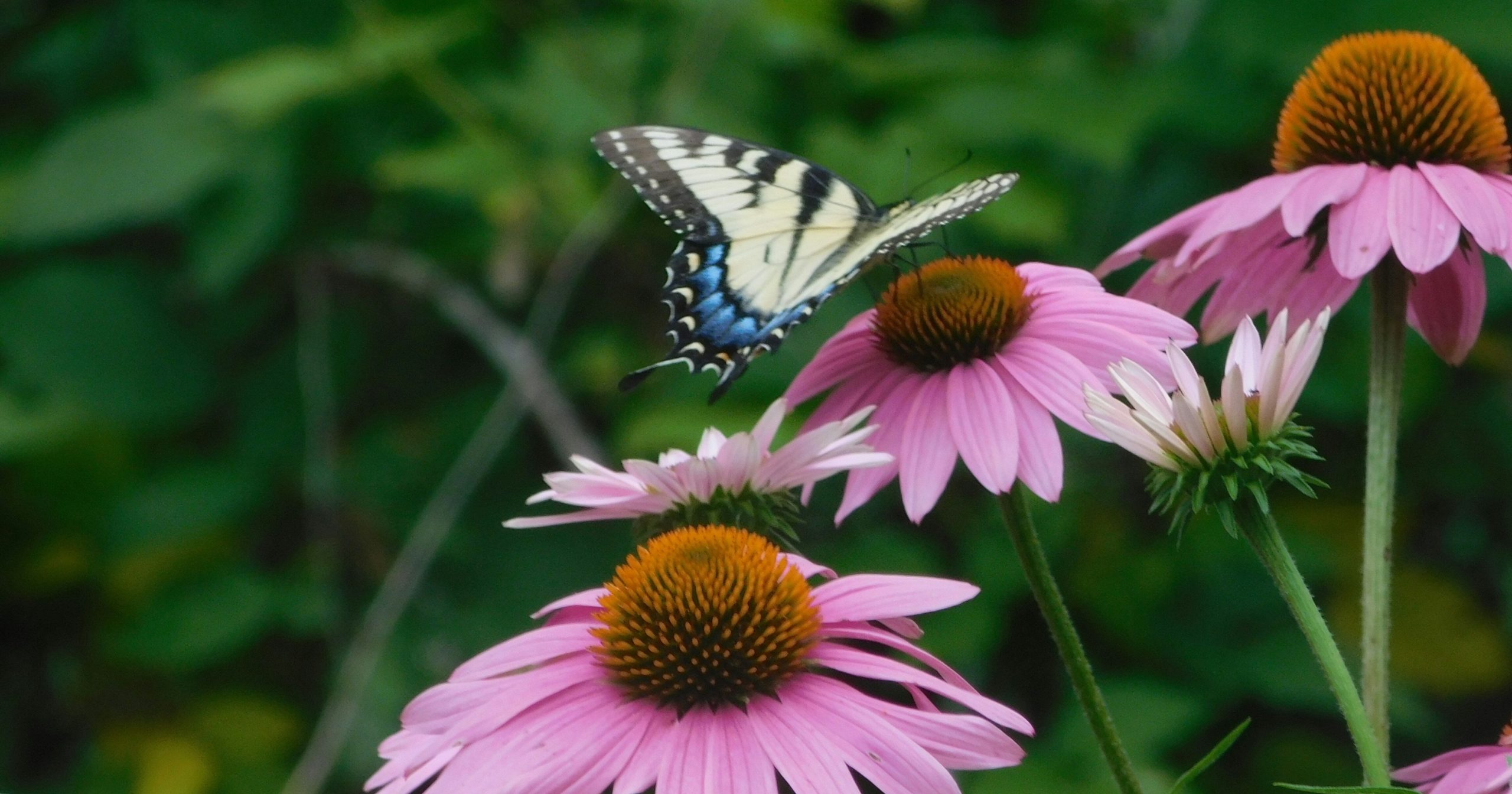

Creating a butterfly garden feels like crafting a stage for nature’s most delicate performers, but even small missteps can send your fluttery visitors packing. From planting the wrong species to over-tidying your beds, there are plenty of pitfalls that can leave your garden humming with crickets instead of buzzing with wings. In this article, we’ll explore the eleven most common blunders gardeners make—and how to avoid them—to ensure your patch remains a butterfly magnet all season long.
I know how heartbreaking it can be to spot empty flower clusters where monarchs once paused or to see egg-laden leaves eaten by pests you didn’t even notice. As a gardener who’s watched both successful migrations and total butterfly droughts in my own backyard, I’m excited to share these lessons. Let’s dive into the mistakes you’ll want to sidestep so your garden can become the vibrant sanctuary it’s meant to be!
Ignoring Host Plants

A butterfly garden without caterpillar host plants is like a theater without a backstage—there’s nowhere for eggs to hatch or larvae to feed! Many gardeners fill beds with nectar sources like coneflower or salvia (Echinacea and Salvia spp., native to North America and Europe respectively, neither invasive) but forget that species such as monarchs need milkweed (Asclepias spp., native across North America) to complete their life cycle.
It’s such a bummer when you finally attract butterflies only to watch them flutter away looking for egg-laying sites! Include a mix of host plants—milkweed for monarchs, parsley or dill for swallowtails, violets for fritillaries—to ensure each generation has a place to grow from caterpillar to chrysalis.
Planting Only Non-Native Species

Non-native ornamentals can look gorgeous, but they often fail to provide the specific nutrients or structure butterflies require. Some exotic species, like certain lantanas (e.g., Lantana camara, invasive in frost-free areas), may even crowd out native plants that local butterfly species depend on.
One of my favorite lessons came after I replaced a stand of swamp milkweed with tropical milkweed—my monarchs returned, but so did disease-carrying protozoa! Favor native, non-invasive plants that evolved alongside your regional butterflies to create a balanced, disease-resistant ecosystem.
Overusing Mulch and Ground Covers

A tidy garden bed might look neat, but thick layers of mulch or aggressive ground covers can bury low-growing host or nectar plants, preventing caterpillars from emerging or butterflies from perching. Organic mulches like straw or shredded leaves are excellent in moderation, but more than two inches can smother seedlings and hide insects from view.
When I piled on mulch to suppress weeds, I inadvertently hid my parsley host plants and starved swallowtails of their favorite snack! Keep mulch thin around host plants, and leave small bare patches of soil for ground-nesting bees and emerging larvae.
Neglecting Sunlight Requirements

Most butterfly favorites—black-eyed Susans (Rudbeckia, native to North America), bee balm (Monarda, native to North America)—need full sun to bloom prolifically. Planting in too-shady spots leads to sparse blooms and fewer visitors. Butterflies rely on warmth from direct sunlight to regulate their body temperature and feed actively.
I remember my impatience waiting to see painted ladies in my oak-shaded yard—only to realize they preferred sunbaked perennials down the slope! Map your garden’s sunlight patterns and place sun-loving plants in the brightest areas for nonstop butterfly activity.
Skipping Seasonal Succession Planting
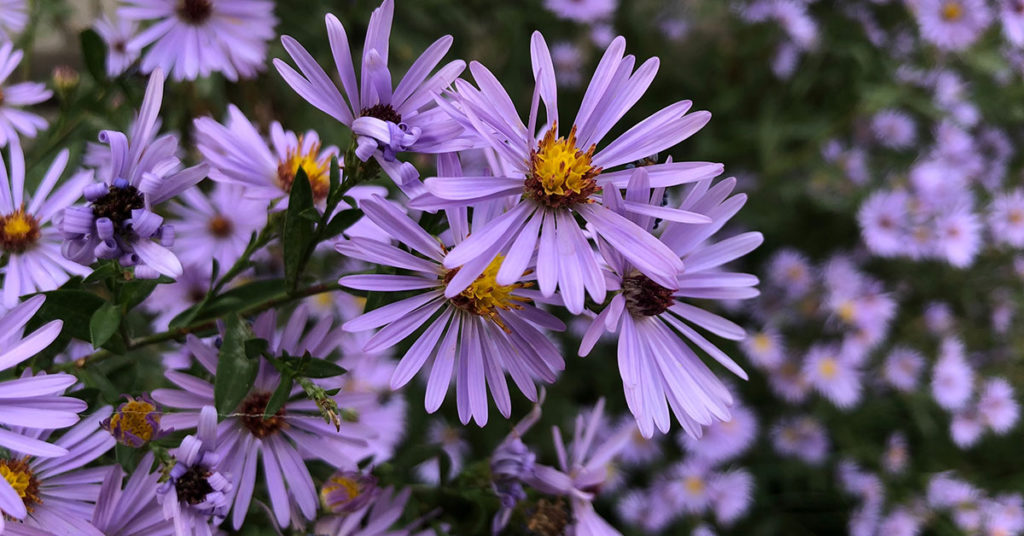
Butterflies emerge at different times, and if your garden blooms only in mid-summer, you’ll miss early migrants and late-season species. Relying on a single bloom time leaves windows of emptiness. Instead, sow or plant a variety of early, mid, and late-season bloomers—like spring violets, summer coneflowers, and fall asters (Symphyotrichum, native to North America, non-invasive).
Nothing stings like seeing an empty patch in September when migrating monarchs pass through! Plan overlapping bloom periods so nectar is always available, and butterflies won’t wander elsewhere.
Ignoring Soil Health
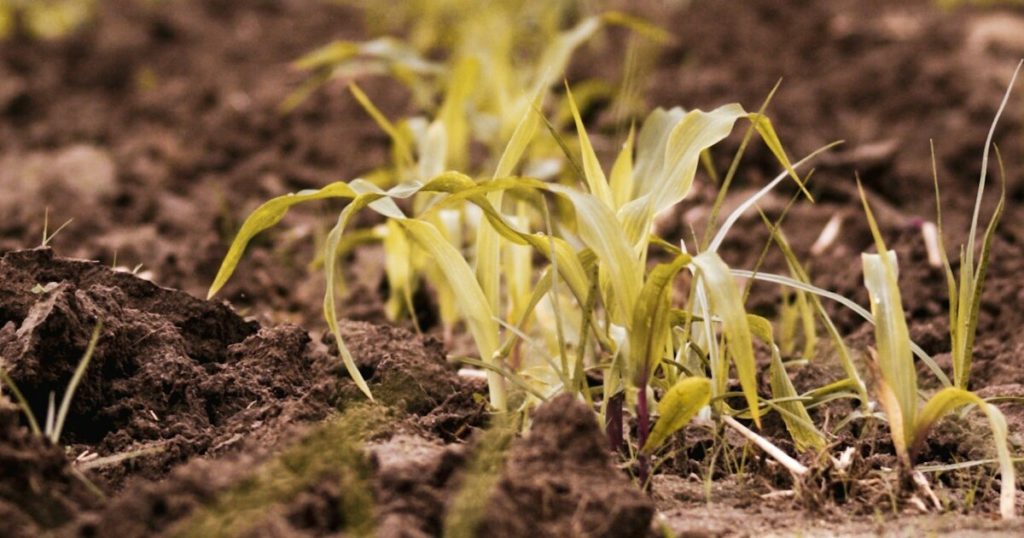
Compacted, nutrient-poor soil leads to weak plants with fewer flowers and nectar. Butterflies may pass by if blooms are small or scarce. Conduct a soil test, amend with compost, and loosen heavy clay beds to ensure perennials and annuals alike flourish.
I once watched my blazing star (Liatris, native to North America) wilt in poor soil despite regular watering—only to see it rebound spectacularly after enriching the bed with compost! Healthy soil equals robust blooms and happier butterflies.
Over-Tidying the Garden
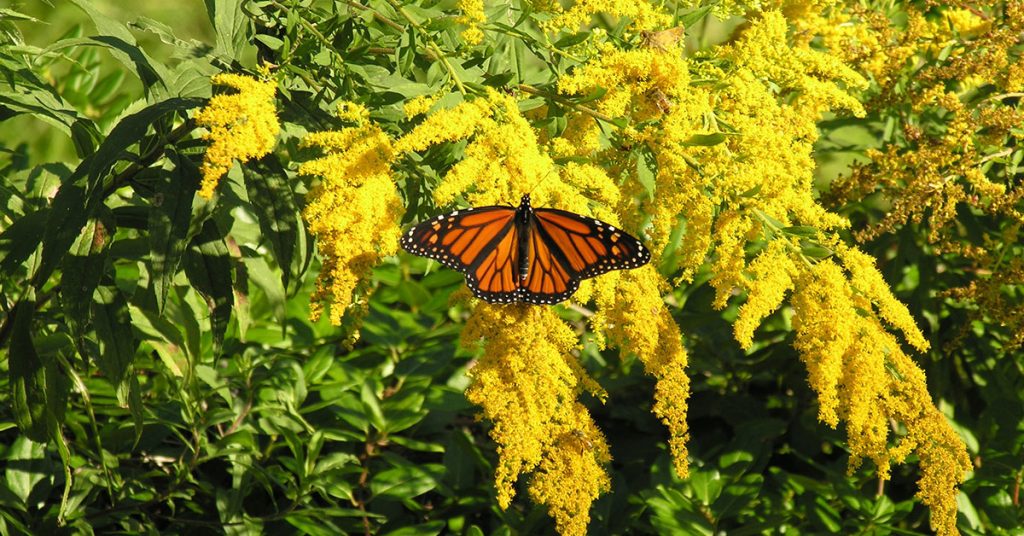
While removing spent blooms is important, excessively deadheading or removing “messy” seedheads can strip away food sources for late-season butterflies and birds. Some seedheads, like those of goldenrod (Solidago, native to North America) and Joe-Pye weed (Eutrochium, native to North America), provide vital nectar and perching spots well into fall.
One year, I cleaned up my beds too soon and missed out on frost-tolerant silver-spotted skippers—lesson learned! Leave some dead stems and seedheads standing to support late-season wildlife and add textural interest.
Relying on Pesticides
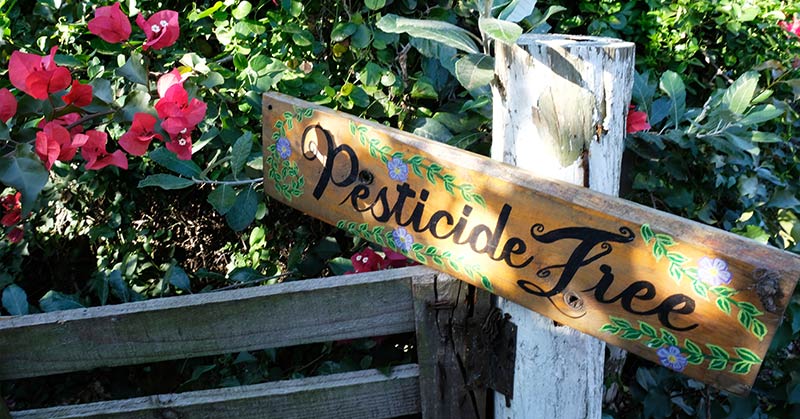
Spraying broad-spectrum insecticides, even organic ones, can harm butterflies at every life stage. Caterpillars, chrysalises, and adults are all vulnerable. Chemical drift can also damage neighboring plants you’re trying to protect.
It’s heartbreaking to see caterpillars wilt after a nearby spray! Instead, use targeted methods—hand-picking pests, encouraging ladybugs and lacewings with alyssum or dill (Petroselinum), and applying insecticidal soaps only to affected areas.
Forgetting Water Sources
Butterflies need shallow puddling areas where they can sip moisture and minerals. Without damp sand or a shallow dish with pebbles and water, many species skip your garden entirely. Mineral salts are crucial for reproduction and overall vitality.
I once watched a cluster of swallowtails congregate at a tiny puddle I left near my flowerbeds—it was like hosting a butterfly spa! Create simple puddling stations with wet sand or gravel and keep them moist.
Providing No Shelter or Overwintering Spots

Butterflies need safe retreats during storms and places to overwinter. Removing all debris and cutting back perennials to bare soil may leave them exposed. Leaving patches of tall grasses, evergreen shrubs, or brush piles offers crucial shelter.
I’ve spotted mourning cloaks tucked beneath shrubs on chilly mornings—what a gift to know they survived the winter in my own yard! Reserve a corner of the garden as a “messy haven” for these hardy survivors.
Planting in Isolated Pockets
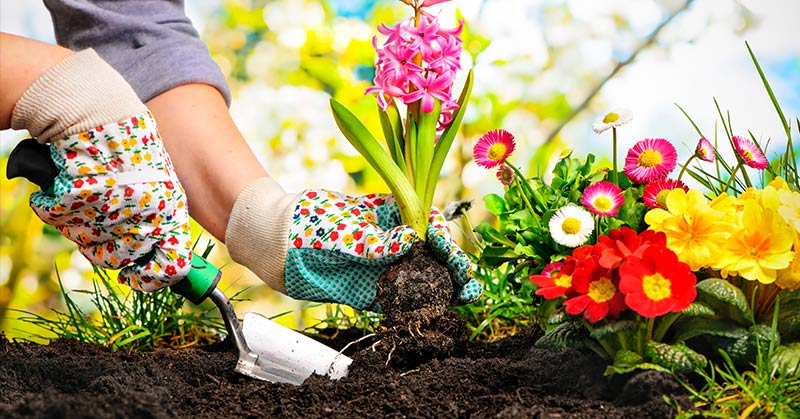
A tiny butterfly “island” surrounded by turf or pavement often goes unnoticed by foraging butterflies. Connectivity matters: group host and nectar plants in clusters of at least five square feet to form visible targets.
After I merged my scattered pots into a continuous border, butterflies found the patch immediately, buzzing from bloom to bloom without hesitation! Larger, denser plantings mimic natural meadows and draw more visitors.