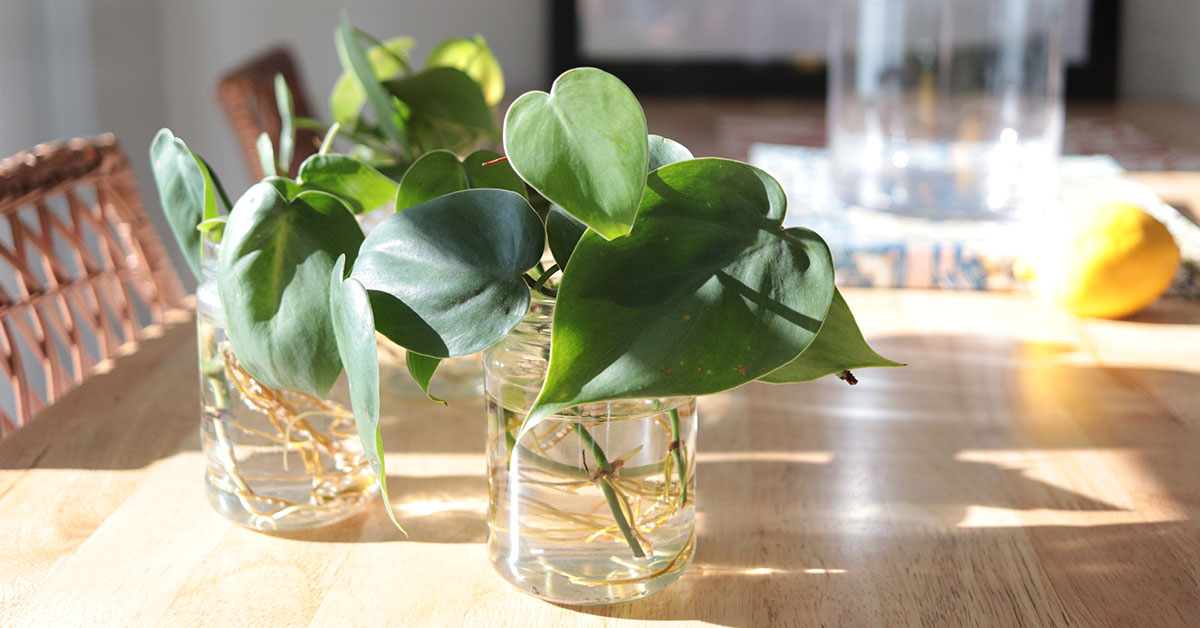

Caring for houseplants can be intimidating, especially if you have a busy schedule or tend to forget about watering. The good news is that some houseplants not only tolerate neglect but actually thrive on it. These low-maintenance beauties are perfect for beginner gardeners, frequent travelers, or anyone who wants greenery without constant attention.
Many of these plants evolved in environments where they had to adapt to periods of drought, low light, or nutrient-poor conditions. As a result, they are resilient, forgiving, and can flourish even when care is minimal. If you want a thriving indoor jungle without the stress of constant upkeep, here are 10 houseplants that practically take care of themselves.
Snake Plant (Sansevieria trifasciata)
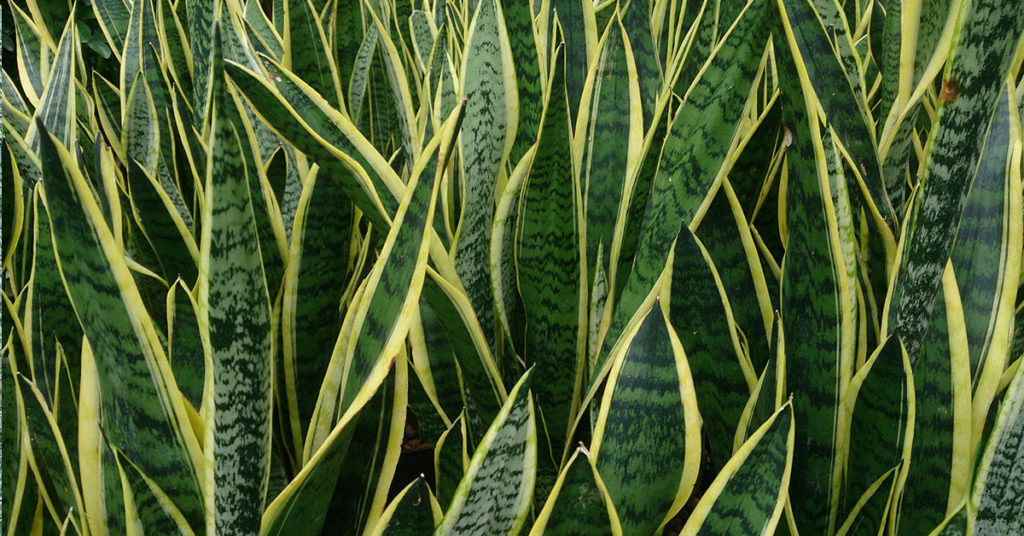
Snake plants are famous for their toughness, making them one of the most popular low-maintenance houseplants. Native to arid regions of West Africa, they have evolved to survive with minimal water and adapt to a wide range of lighting conditions, from bright indirect light to low-light corners. Their thick, upright leaves store moisture, which means they can go weeks without watering.
In addition to their resilience, snake plants are excellent air purifiers. Studies have shown that they can filter toxins like formaldehyde and benzene from indoor air, making them both beautiful and functional. Overwatering is the only real way to harm them, so simply let the soil dry completely between waterings, and they will reward you with years of trouble-free growth.
ZZ Plant (Zamioculcas zamiifolia)
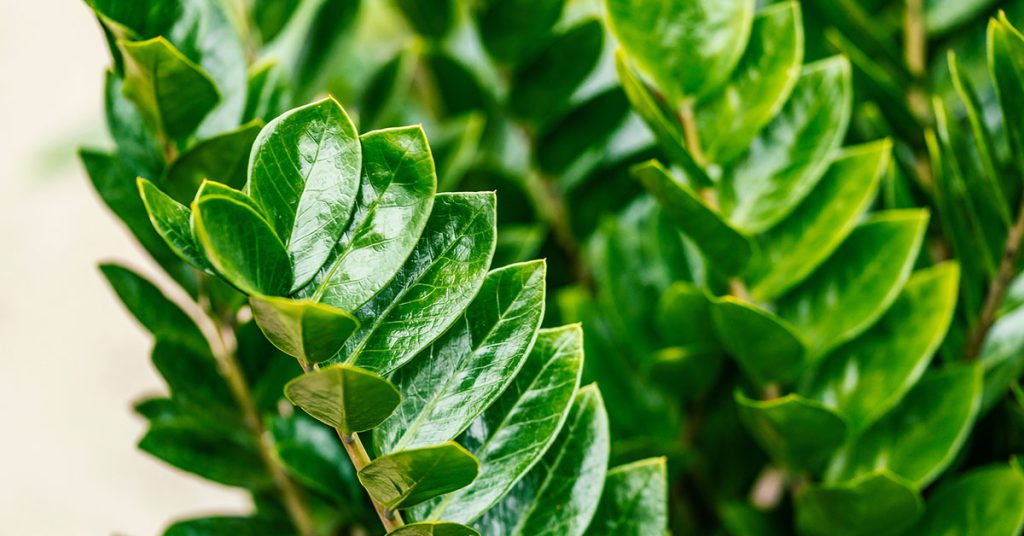
The ZZ plant is nearly indestructible, making it perfect for anyone who forgets to water or has limited natural light. Its thick, waxy leaves store water, allowing it to tolerate weeks or even months of neglect without showing signs of stress. It thrives in low to medium light and adapts easily to a variety of home environments, from bright living rooms to dim offices.
This plant also helps improve indoor air quality while requiring almost no maintenance. It rarely needs repotting and can handle occasional missed waterings without complaint. Just make sure to plant it in well-draining soil and avoid soggy conditions, as standing water can cause root rot. Aside from that, the ZZ plant is a reliable, easygoing addition to any space.
Cast Iron Plant (Aspidistra elatior)
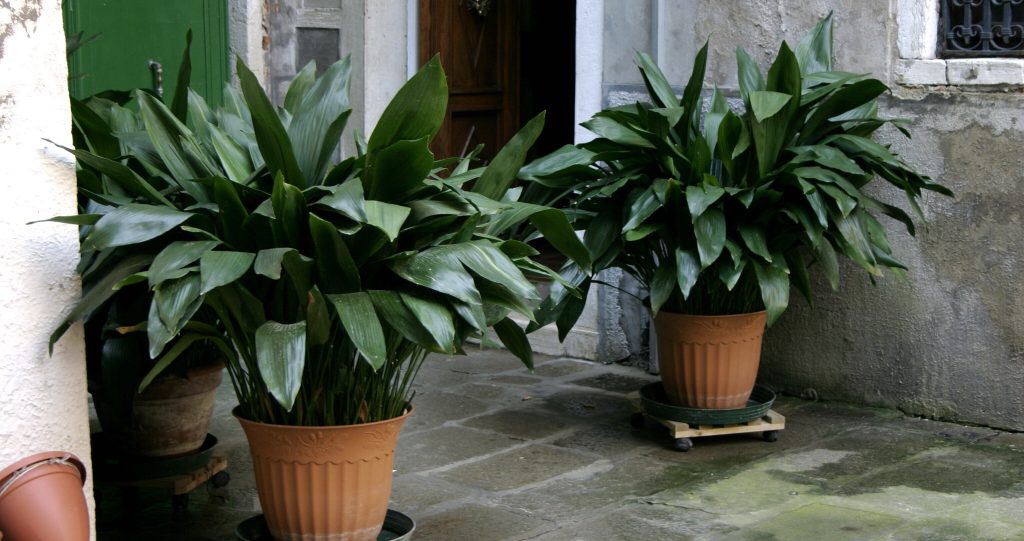
True to its name, the cast iron plant is nearly impossible to kill. This hardy perennial tolerates neglect, low light, inconsistent watering, and even fluctuations in temperature. It was a staple in Victorian homes, thriving in dim, drafty rooms where other plants struggled to survive. Its broad, glossy leaves add a lush, tropical vibe to any corner without demanding constant care.
The cast iron plant grows slowly but steadily, which means less frequent repotting and fewer maintenance chores. It prefers evenly moist soil but can survive prolonged dry periods if you forget to water. It is also resistant to many common pests, making it an excellent choice for gardeners who want a plant that requires little intervention but still offers year-round greenery.
Pothos (Epipremnum aureum)
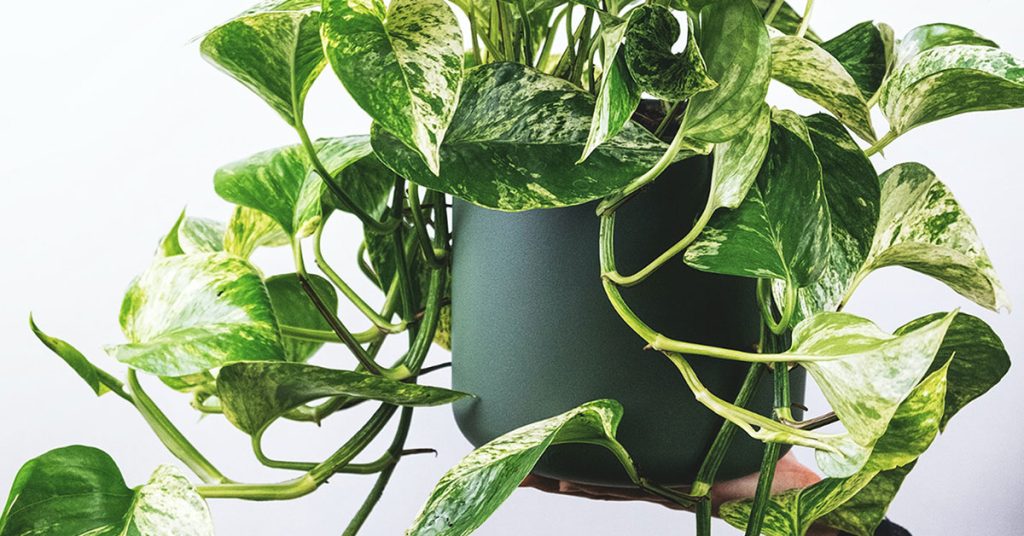
Pothos is one of the most forgiving houseplants you can grow, and it is beloved for its cascading vines and heart-shaped leaves. It thrives in a wide range of conditions, from bright indirect light to low-light areas, and it is highly tolerant of inconsistent watering schedules. Even if you forget about it for a while, pothos will bounce back with just a little attention.
Beyond being low-maintenance, pothos is also easy to propagate. Simply snip a vine, place it in water, and watch it root within weeks. This makes it a fantastic option for expanding your indoor plant collection or sharing with friends. As long as you avoid overwatering, pothos will reward you with vibrant growth and lush, trailing foliage.
Aloe Vera (Aloe barbadensis miller)
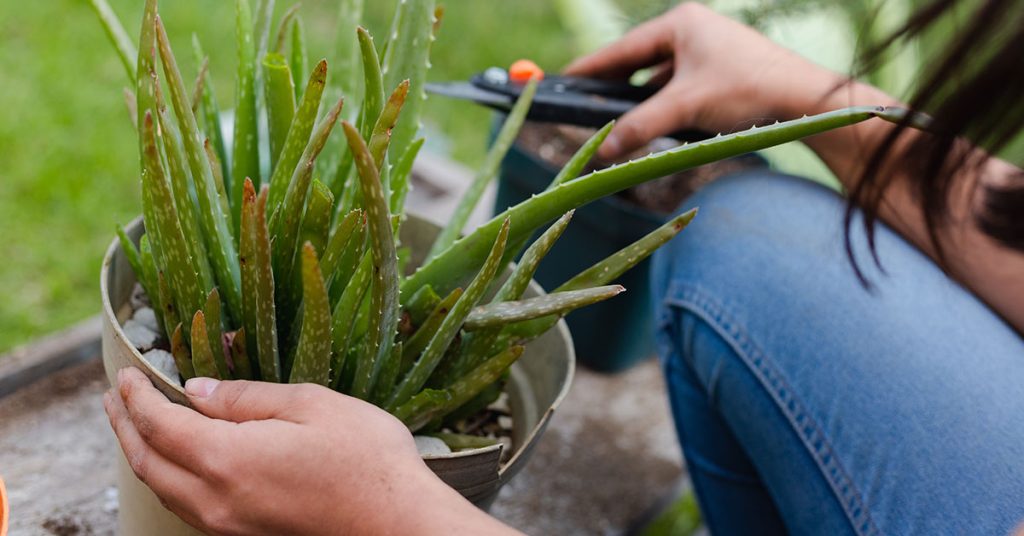
Aloe vera is as practical as it is beautiful, and it thrives on neglect. Native to arid environments, it stores water in its thick, fleshy leaves, allowing it to survive extended periods without watering. In fact, overwatering is the fastest way to harm an aloe plant, so letting the soil dry out between waterings is essential.
Not only is aloe a stunning succulent, but it also has soothing medicinal properties. The gel inside its leaves can be used to treat minor burns, cuts, and skin irritation, making it a functional plant as well as an ornamental one. Place aloe near a sunny window and water sparingly, and it will thrive for years with minimal effort.
Spider Plant (Chlorophytum comosum)

Spider plants are beloved for their arching leaves and cascading baby “spiderettes,” and they are among the easiest houseplants to grow. They tolerate a wide range of conditions, including varying light levels, inconsistent watering, and occasional neglect. Even if you forget to water them for a while, they bounce back quickly once they receive moisture again.
One of the spider plant’s best qualities is its ability to propagate effortlessly. The baby offshoots can be clipped and rooted in water or soil, making it easy to expand your indoor plant collection. These plants also act as natural air purifiers, improving indoor air quality while adding a lively, decorative touch to shelves and hanging baskets.
Ponytail Palm (Beaucarnea recurvata)
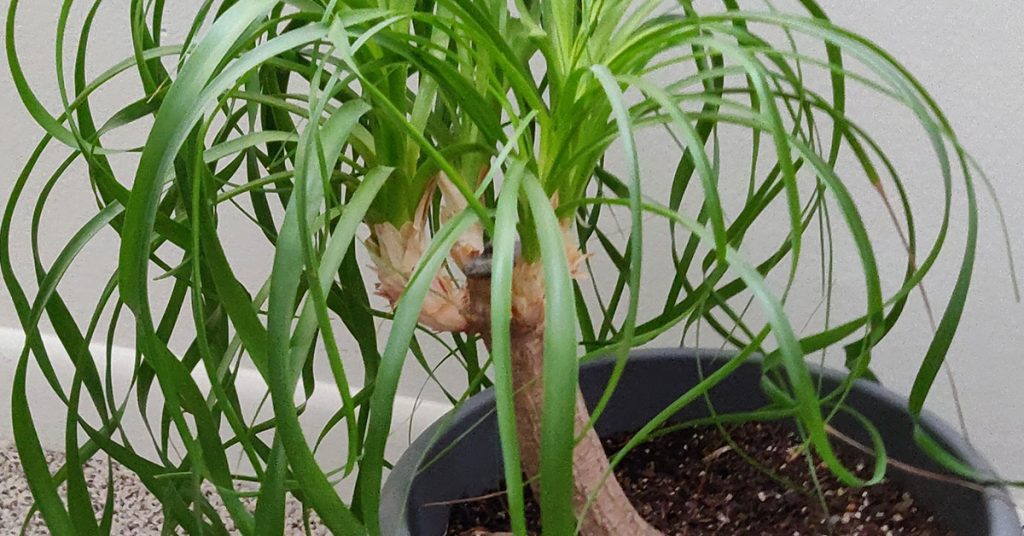
Despite its name, the ponytail palm is actually a succulent, not a true palm. Its thick, bulbous base stores water, which means it can go weeks without irrigation and still remain healthy. Native to semi-desert regions of Mexico, this plant thrives in bright light but tolerates lower levels as well, making it an adaptable choice for various indoor spaces.
The ponytail palm’s elegant, fountain-like foliage adds a sculptural element to your home while requiring very little attention. Occasional watering and well-draining soil are all it needs to thrive. This slow-growing plant is ideal for busy gardeners who want something striking and unique without the constant care that more delicate houseplants demand.
Chinese Evergreen (Aglaonema)
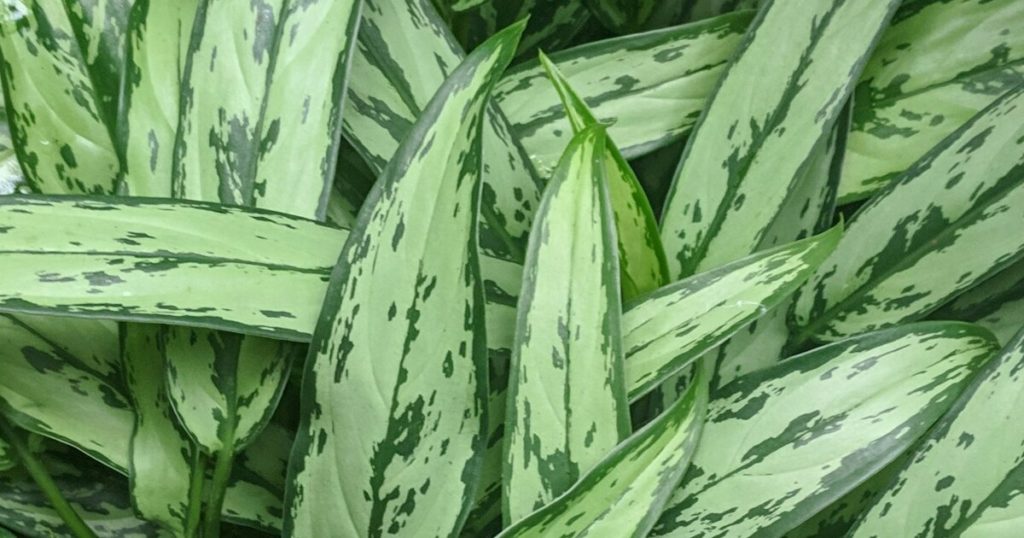
Chinese evergreens are widely considered one of the easiest houseplants for beginners. They are extremely tolerant of low-light environments, making them perfect for offices, apartments, or shaded living spaces. Their patterned, colorful leaves add a vibrant splash of green, silver, or red to any room while demanding very little in return.
Chinese evergreens can go weeks between waterings and adapt well to varying humidity levels. They are also relatively pest-resistant, further reducing the need for frequent maintenance. As long as you avoid overwatering and keep them away from cold drafts, these versatile plants can brighten up any space with minimal effort.
Rubber Plant (Ficus elastica)
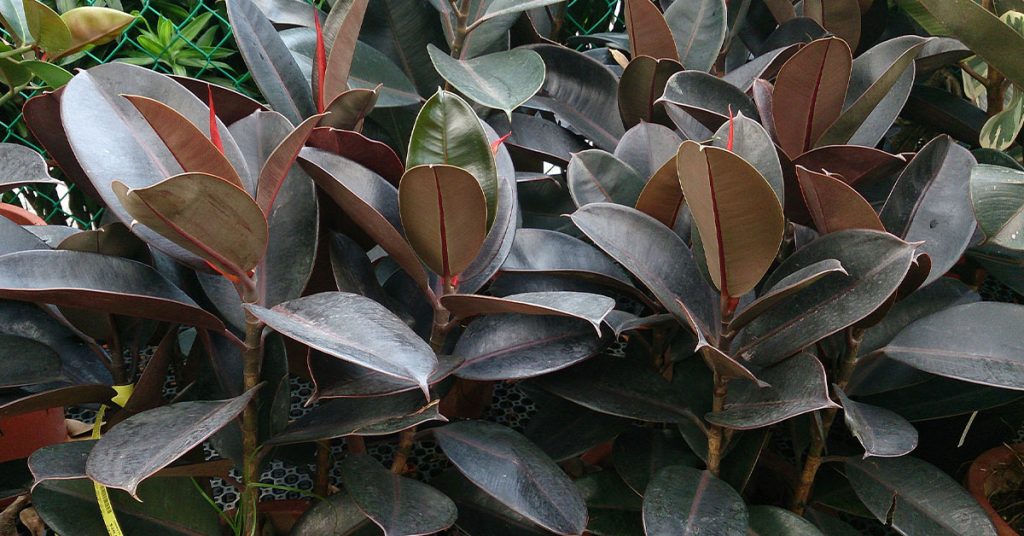
The rubber plant is a bold, attractive houseplant with large, glossy leaves that make a statement in any room. Best of all, it is incredibly easy to care for, thriving on neglect and requiring little more than bright, indirect light and occasional watering. Its natural resilience makes it a great choice for new plant owners who want something striking but low-maintenance.
This plant can grow several feet tall over time, but it remains easy to manage with occasional pruning. Rubber plants are also excellent air purifiers, helping remove toxins from indoor environments. By keeping its care simple and avoiding soggy soil, you can enjoy a stunning, sculptural plant that rewards you with years of effortless beauty.
Jade Plant (Crassula ovata)

The jade plant is a slow-growing succulent that can live for decades with minimal care. Its thick, fleshy leaves store water, meaning you only need to water it occasionally—sometimes just once or twice a month. Jade plants thrive in bright light but tolerate moderate conditions as well, making them versatile additions to windowsills and sunny corners.
In addition to being low-maintenance, jade plants are symbols of good luck and prosperity in many cultures, making them a meaningful choice for home décor. Their durability, combined with their sculptural beauty, makes them a favorite for gardeners who want a plant that practically takes care of itself. With a little neglect and lots of patience, your jade plant can become a stunning, long-lasting centerpiece in your home.