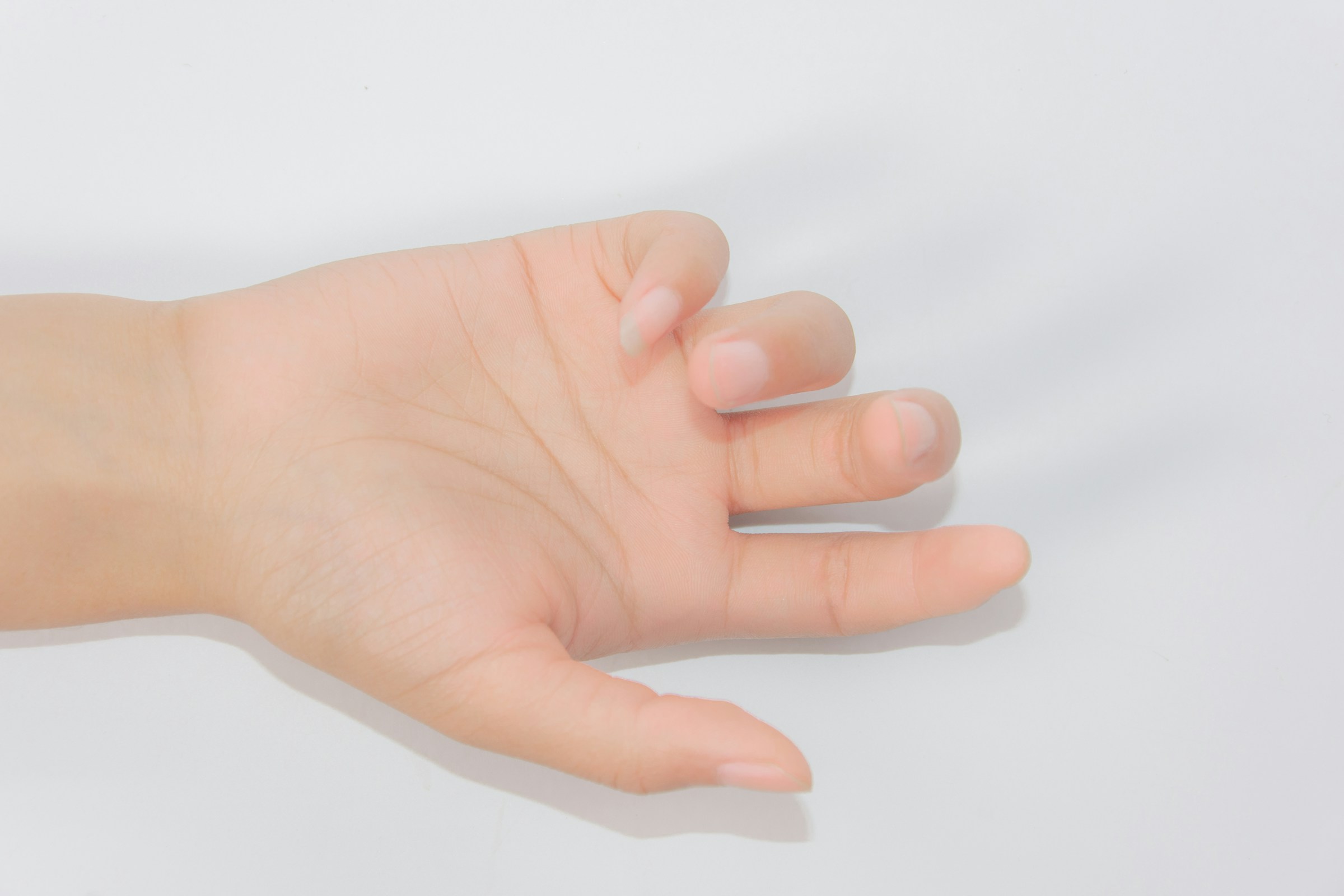

Why the Wrist Is So Often the First Place Bones Break

An easily broken bone is often the first sign that your bones have lost strength, and one of the most common broken bones caused by osteoporosis is the wrist, often the result of putting an arm out to break a stumble or fall. It’s a completely natural reflex, one almost everyone has, but it places tremendous force directly on the lower forearm.
A wrist fracture often occurs when an individual falls onto an outstretched hand while trying to break a fall. When bones are healthy and dense, this impact is typically absorbed without damage. When bone density has already declined, the same low-energy fall can cause a clean break.
The Specific Fracture Doctors Watch Most Closely
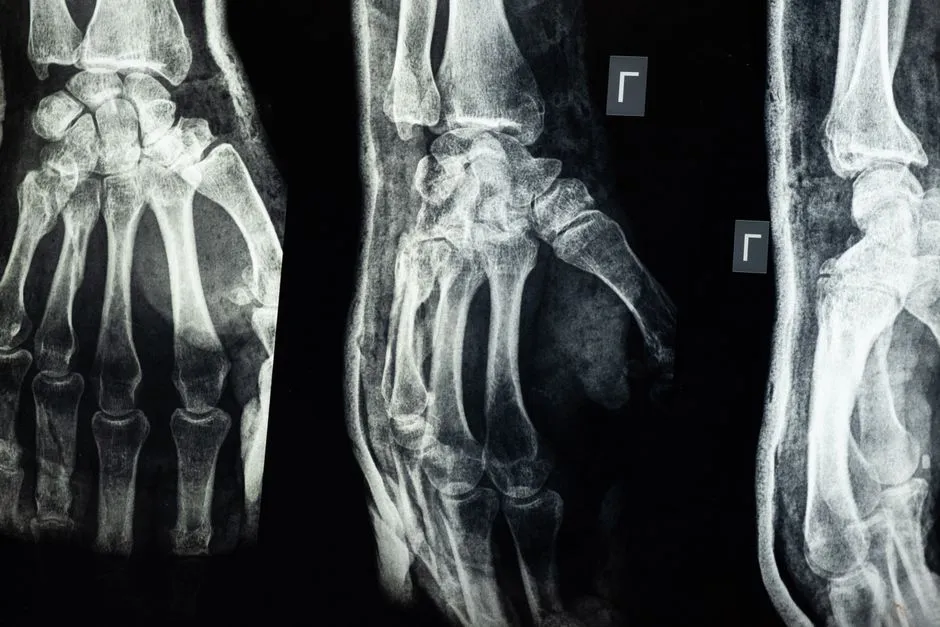
Distal radius fractures in older adults are frequently “fragility fractures,” meaning an indication of weakened bone. The distal radius is the larger of the two forearm bones, and it sits right at the base of the wrist, making it structurally vulnerable when bone quality drops.
Wrist fractures, specifically distal radius or Colles fractures, are one of the most common osteoporotic fractures, accounting for up to roughly one in five of all fractures in individuals older than 65 years. That is a remarkable proportion, and it speaks to how predictable this pattern really is.
Osteoporosis Often Goes Undetected Until a Fracture Happens

Osteoporosis is called a “silent disease” because there are usually no symptoms in the early stages. There isn’t really a pain mechanism in the bones unless you break one. This is what makes the wrist fracture so medically significant. It may be the only outward sign patients ever get before something far more serious occurs.
Many people have no noticeable symptoms until a fracture occurs, and bone density can decline quietly for years, with the first sign being a fracture from a minor incident. By the time that fracture happens, significant bone loss has often already taken place.
The Numbers Behind the Connection
A study involving 16,000 patients found that approximately 60 percent of distal radius fractures were osteoporotic, and the percentage was as high as 70 percent in female patients. Those are not marginal figures. They reflect a very strong, well-documented relationship between this specific fracture and underlying bone disease.
In a study of 856 surgical patients aged 50 or older, nearly two thirds were diagnosed with osteoporosis after a wrist fracture. Even more striking, among those osteoporosis patients, over four in five had not received prior treatment for the condition. The fracture, in many cases, was the event that finally brought it to light.
Women in Their 50s Face a Particularly Important Window
A wrist fracture is a marker of poor bone density and is a predictor of future hip fractures. Women start to get wrist fractures in their early 50s. This timing matters, because it places the event squarely in the perimenopausal or early postmenopausal years, when bone loss tends to accelerate fastest.
In this age group, a wrist fracture is usually the first sign of osteoporosis. Some studies have looked at interventions for osteoporosis in women over the age of 65, but by this age they have likely already had a spine fracture. Acting earlier, right at the time of the wrist fracture, is exactly the opportunity that doctors want to seize.
The Risk of a Second Fracture Is Surprisingly High
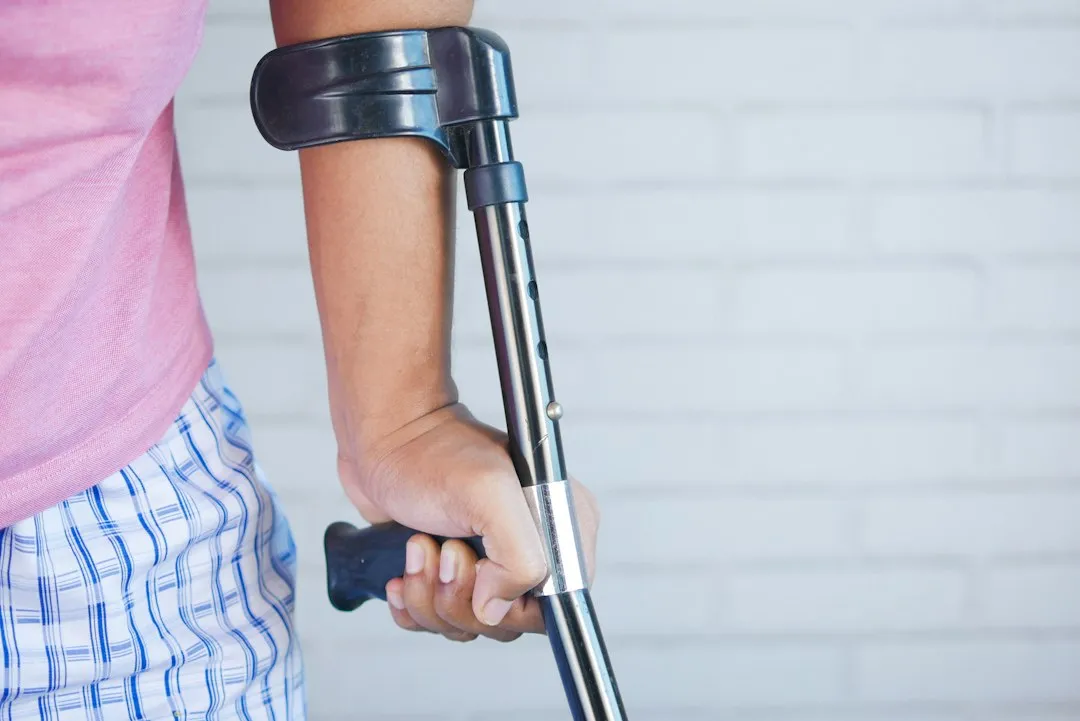
Having one fragility fracture almost doubles your risk of having another fracture, and the risk is highest within the first year or two after the first fracture. This is not a minor footnote. It means that the period immediately following a wrist break is one of the most critical windows for intervention.
The risk of distal radius fracture in postmenopausal women with osteoporosis is three times higher than in the normal bone density population, and up to five times higher in those with combined severe osteoporosis. These elevated risk levels underscore why treating the fracture alone, without addressing the underlying bone health, is considered medically insufficient.
How Doctors Now Use the Wrist Fracture as a Diagnostic Gateway
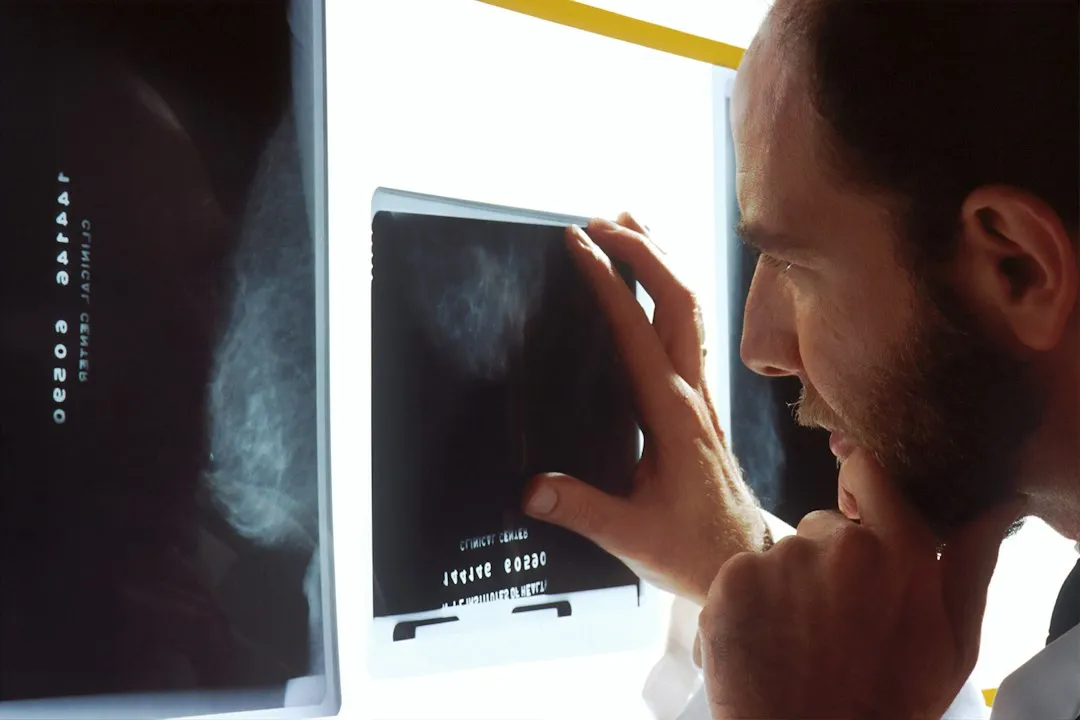
Distal radius fractures in older adults serve as a critical opportunity to intervene beyond the wrist, to help the patient strengthen their bones and avoid future fractures. Leading orthopedic programs now build bone health screenings directly into the fracture care process, rather than leaving it as an optional follow-up.
After a distal radius fracture, your doctor may recommend testing your bones for weakness, especially if you have other risk factors for osteoporosis. It is very important to diagnose and treat osteoporosis as early as possible to avoid future fractures that could affect your independence.
The Role of the Bone Density Scan After a Wrist Fracture
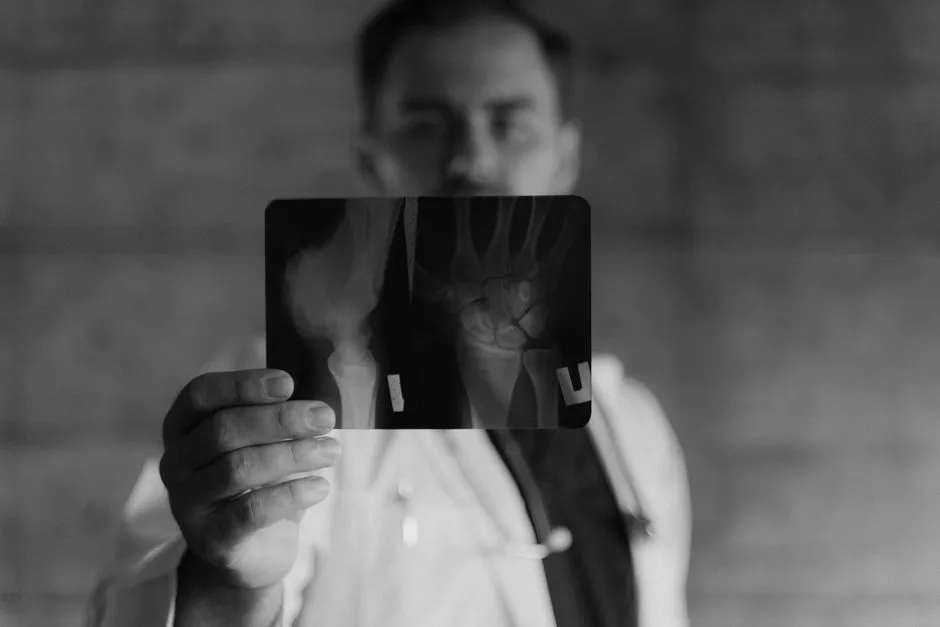
The U.S. Preventive Services Task Force has noted that screening includes dual-energy X-ray absorptiometry bone mineral density measurement, with or without fracture risk assessment, and recommends that women with one or more risk factors be assessed and, if at increased risk, screened with DXA.
Routine DXA screening for all wrist fracture patients aged 50 and older, including men, may enable early treatment and secondary fracture prevention. Currently, however, rates of evaluation and treatment for osteoporosis after wrist fractures are low in women and even lower in men, and nearly four out of five adult male wrist fracture patients in one prospective study did not receive a bone density test following fracture repair.
Treatments Available Once Weak Bones Are Confirmed

If results show low bone density, a provider will recommend steps to prevent further bone loss, which may include getting more weight-bearing exercise, adding calcium and vitamin D to the diet, and taking prescription medicines to increase bone density.
First-line pharmacological agents for most high-fracture-risk patients include alendronate, risedronate, zoledronate, and denosumab. These medications have strong evidence behind them and can meaningfully slow further bone loss when started at the right time. The wrist fracture, properly acted on, creates exactly that opportunity.
What Patients Should Do After a Wrist Fracture
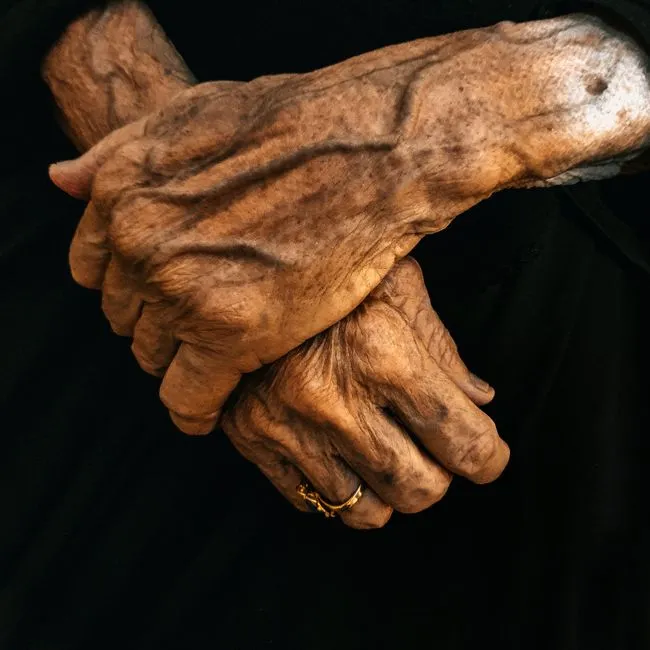
Fractures caused by osteoporosis can lead to long-term mobility issues, loss of independence, and complications if not treated early. Recognizing early symptoms and seeking medical attention can significantly improve outcomes. If you’ve had a wrist fracture from a low-energy fall, that conversation with your doctor needs to go beyond just the healing timeline.
DXA is recommended in women and men with prior fragility fractures. Ask your orthopedic surgeon or primary care physician about a bone density referral, especially if you’re over 50, postmenopausal, or have a family history of osteoporosis. The fracture that brought you to the doctor may turn out to be the most useful health check you never planned on having.
The Takeaway

A wrist fracture is easy to treat in isolation, and many people do exactly that: they get it set, wear a cast, do some physical therapy, and move on. The harder, more valuable step is treating it as the warning it may actually be.
Bone loss doesn’t announce itself with pain or obvious symptoms. It waits quietly until something breaks. When that something is a wrist after a simple stumble, medicine now recognizes it as a potential sentinel event, one that deserves a full investigation rather than a cast and a follow-up. Catching osteoporosis at this stage, before a hip or spinal fracture, could be the difference between maintaining independence and losing it.
AI Disclaimer: This article was created with the assistance of AI tools and reviewed by a human editor.