

1. Vintage Pyrex: The Kitchen Staple That Became a Collector’s Obsession
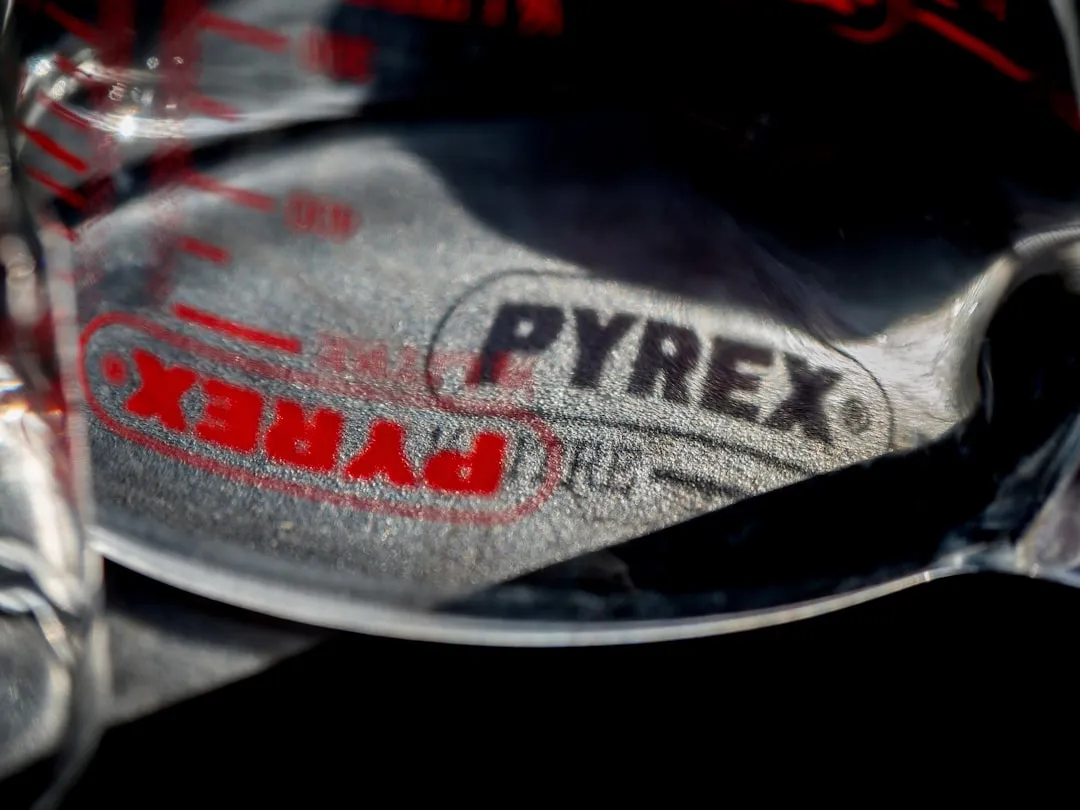
Few things feel more ordinary than a mixing bowl you’ve used for pancake batter since the 1960s. Yet vintage Pyrex has quietly become one of the most actively traded collectibles in the country. The market for vintage kitchenware has exploded over the past decade, driven by a combination of nostalgia, social media communities, and a growing appreciation for mid-century design.
Pyrex collecting groups on Facebook have hundreds of thousands of members, and estate sales routinely see their kitchen sections picked clean within the first hour. The price range is wider than most people expect. A commonly found pattern or piece in bad wear can be worth nothing to collectors, while a pristine, rare, promotional piece can fetch over five thousand dollars.
Early opal ware mixing bowls in primary colors from the 1940s sell for eighty to two hundred dollars as a set, while solid pink, turquoise, and flamingo pink Cinderella bowls are especially desirable, with individual bowls reaching fifty to one hundred fifty dollars. If the color is unusual or you’ve never seen it before, it’s almost certainly worth a closer look before you donate it.
2. Depression Glass: Colorful, Fragile, and Suddenly Very Wanted
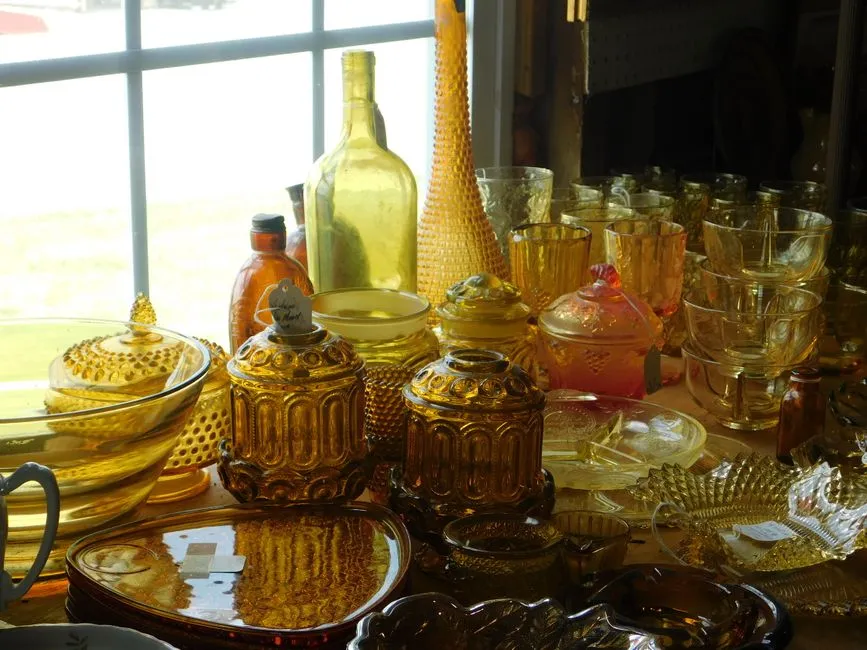
Depression glass, the sparkling mass-produced glassware of the 1920s to 1940s, has become wildly popular among young collectors who appreciate its affordability as well as its eco-friendliness. The pieces came in shades of pink, green, amber, and blue, and for decades most people treated them as disposable tableware rather than keepsakes worth protecting.
The value of a piece depends on its color, condition, and pattern. Pink or green glass are usually easier to find and consequently less valuable, ranging from one dollar to six hundred dollars, while rarer colors like amethyst, ultramarine, black, or delphite can sell from two dollars to over thirteen hundred dollars.
The tiny imperfections and bubbles in the glass convey authenticity and lend a personality that machine-perfect modern glassware simply cannot, while keeping functional items out of landfills. That combination of beauty, history, and sustainability is exactly what younger buyers are responding to right now.
3. Mid-Century Modern Furniture: No Longer Just for Design Snobs
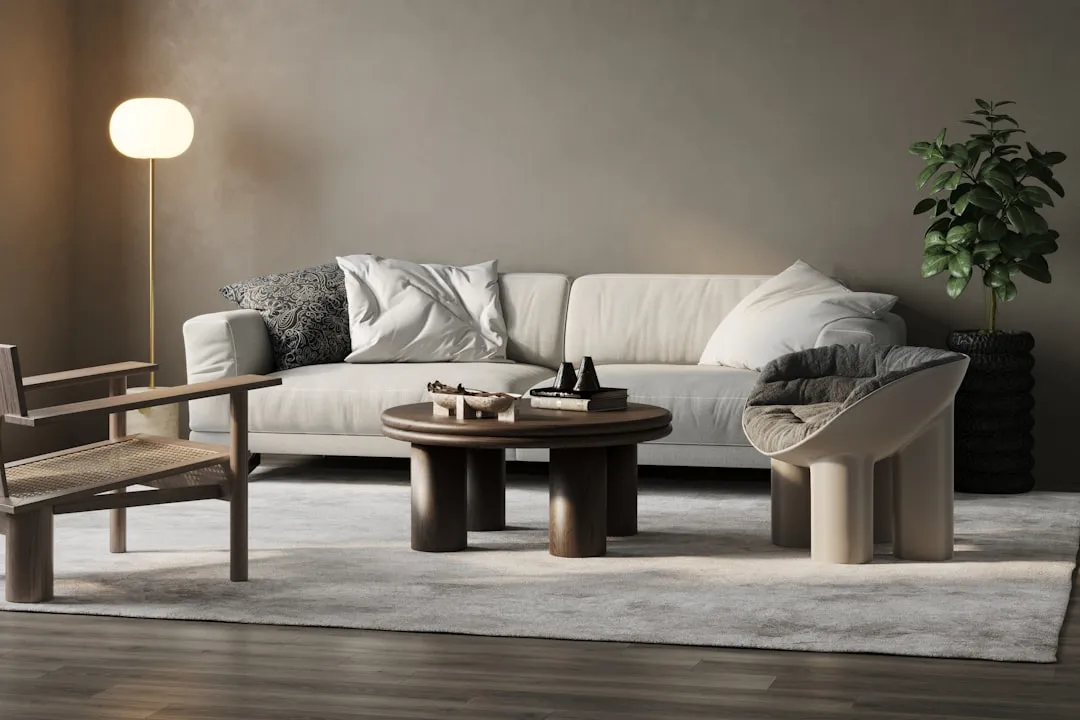
Mid-century modern furniture remains a top choice for homeowners and collectors due to its timeless appeal and functional design. Originating from the 1950s to 1970s, these pieces emphasize clean lines, natural materials, and minimalism, qualities that resonate strongly with today’s interior design trends.
Mid-century modern furniture has become a favorite style of younger collectors, proving that what goes around comes back around, especially in design. The demand isn’t limited to high-end showrooms either. Iconic designs like Eames chairs and Noguchi tables are dominating auctions, and a set of Eames DAW chairs sold for over eighteen thousand dollars in September 2024.
According to the annual survey by the Asheford Institute of Antiques, 2025 marked a turning point where mid-century modern continued to sell, but only well-designed pieces by names like Eames or Knoll commanded premium prices. Condition and authenticity matter more than ever in this category.
4. Vintage Advertising Tins: The Garage Shelf Find Worth Real Money
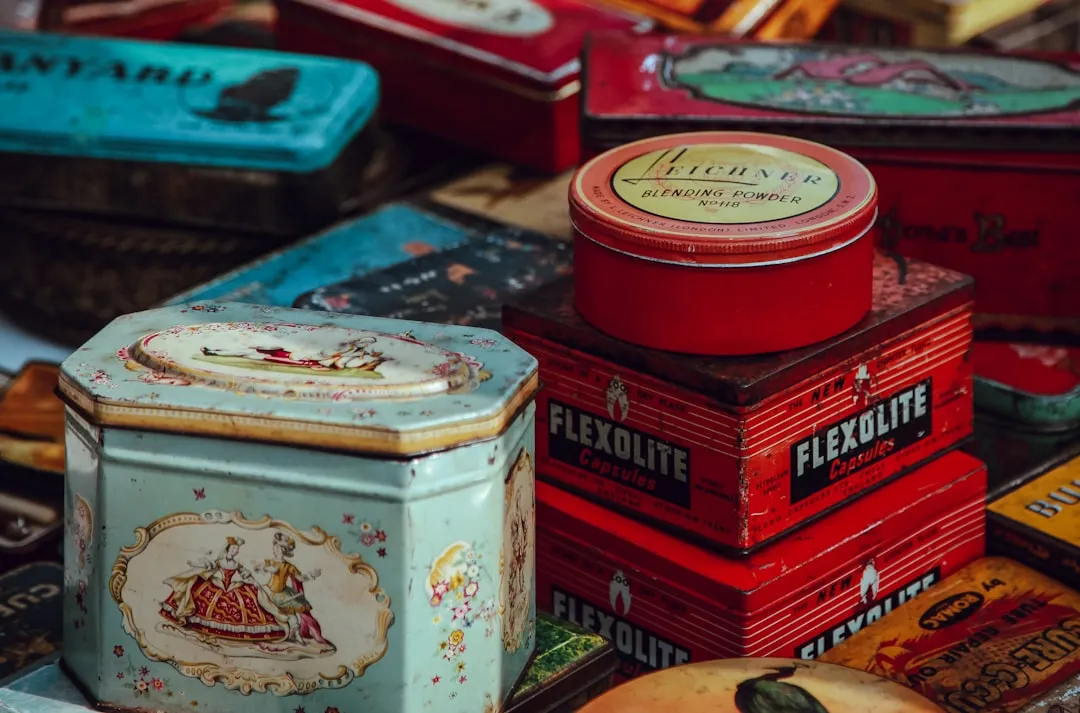
High-quality advertising pieces, including porcelain signs, neon, early tin, and unique regional examples, are where serious attention is now focused. The supply isn’t growing, but interest is. Those old tins sitting on shelves and being used as bolt holders at estate sales have attracted an entirely new class of buyer.
One of the biggest antique advertising market trends is the broader buyer base. Serious collectors still anchor the market, but design-driven buyers are affecting values in visible ways. Coffee tins in particular have seen notable price increases. Coffee tins, particularly the one-pound size, remain strong sellers, and their prices have gone up significantly over the past decade of active reselling.
Advertising clocks, dealership signs, country store displays, and folk art trade signs continue to attract collectors who want form as much as brand power, and some of these categories have benefited from interior design demand when a piece works as well in a den or bar as it does in a collection.
5. Vintage Handwoven Rugs: From Dusty Floors to Sought-After Finds
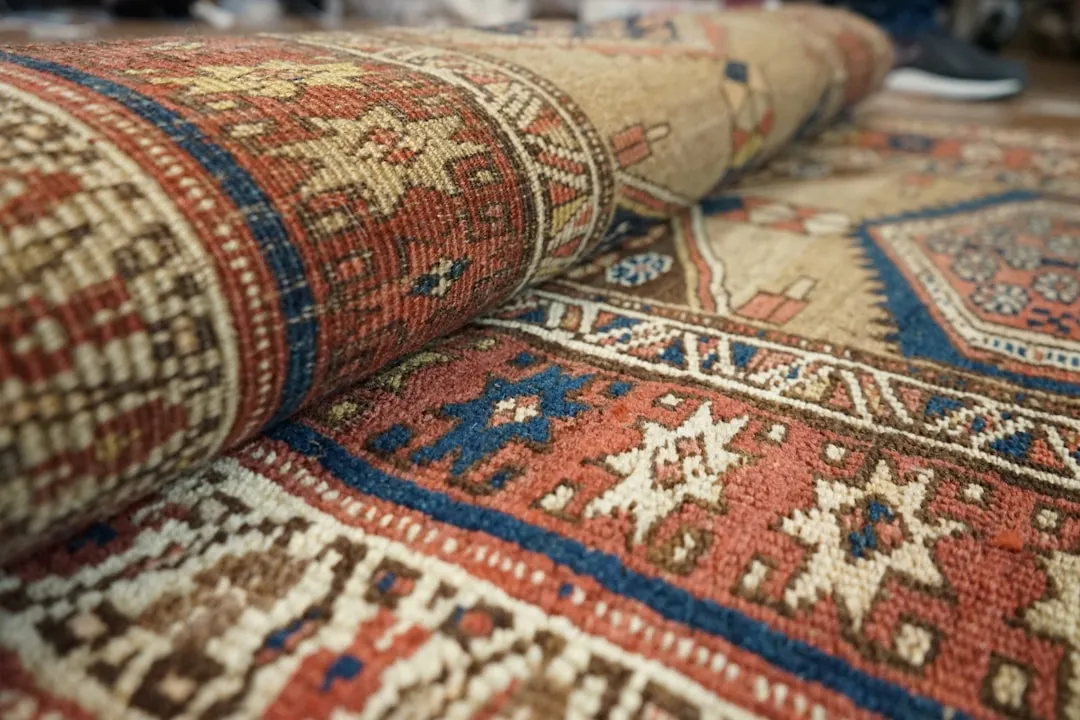
Antique rugs, tapestries, and textiles are a category experiencing growing demand. Handwoven Persian and Oriental rugs, in particular, are highly valued for their intricate designs and vibrant colors. For years, these rugs were overlooked at estate sales, considered too worn or too old-fashioned for modern homes.
The worn and lived-in look of vintage rugs continues to be popular, and even rugs that are not true antiques but simply good, used vintage pieces can sell well. The aesthetic shift toward warmer, more layered interiors has driven this resurgence in a meaningful way.
Art Deco rugs from the 1920s are expected to be very popular, and as has been seen for several years, Art Deco in general will remain in demand for years to come. Collectors are advised to look for natural dyes, traditional patterns, and minimal structural damage when evaluating a piece.
6. Antique Handwritten Journals and Occupational Records

A 1950s medical journal kept by a working doctor sounds like the kind of thing you’d toss during a house clear-out. It turns out there’s a real market for exactly that kind of ephemera. Antique handwritten recipe journals have proven surprisingly sought-after, with a 1940s example selling on Etsy in 2024 for forty-three dollars.
A 1950s era journal kept by an obstetrician, after sitting unsold for eight months on one platform, eventually sold on eBay for fifty-four dollars in 2024. The appeal isn’t just historical curiosity. These objects carry a deeply personal record of daily life that simply can’t be reproduced.
Occupational journals, household account books, and handwritten recipe collections all fall into the broader category of paper ephemera. Historical significance, maker’s marks, and the condition of a piece can drastically impact its price, and handwritten documents are no different. Rarity, legibility, and the significance of the author all factor into what someone will pay.
7. Vintage Quilts and Antique Textiles: Cottage Core Drives Real Demand
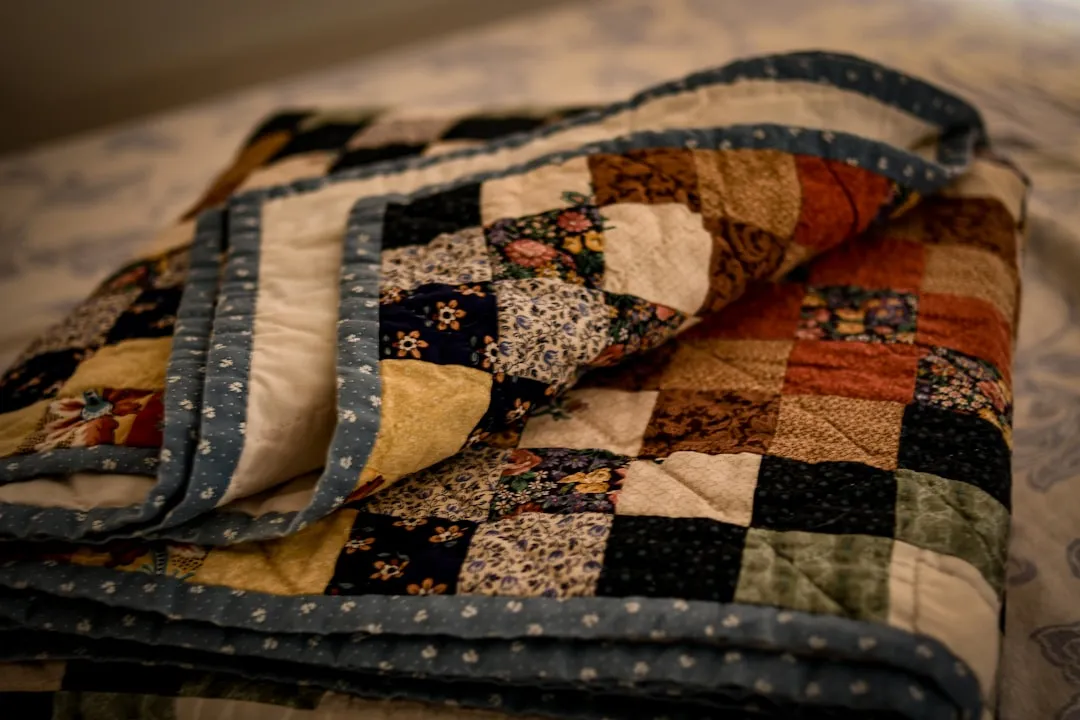
A renewed interest in vintage textiles, specifically quilts, has emerged as a byproduct of the cottage core movement. Old quilts that have been bought and sold for years in antique booths have recently become more sought-after, with sellers able to ask higher prices than before, even for quilts with some wear on them.
Vintage quilts and embroidered textiles are becoming popular for use as wall art or throws, and the rise of sustainable living has further fueled interest in these timeless, handcrafted items. This isn’t just decor trend talk. The prices are moving.
Vintage quilts, lithography prints, and primitive kitchenware have been selling briskly in certain regions, and dealers who previously had trouble moving these items report a noticeable shift in buyer enthusiasm since 2024. Hand-quilted examples with identifiable patterns from before the 1970s tend to generate the strongest interest.
8. Vintage Costume Jewelry: Small, Plentiful, and Quietly Profitable
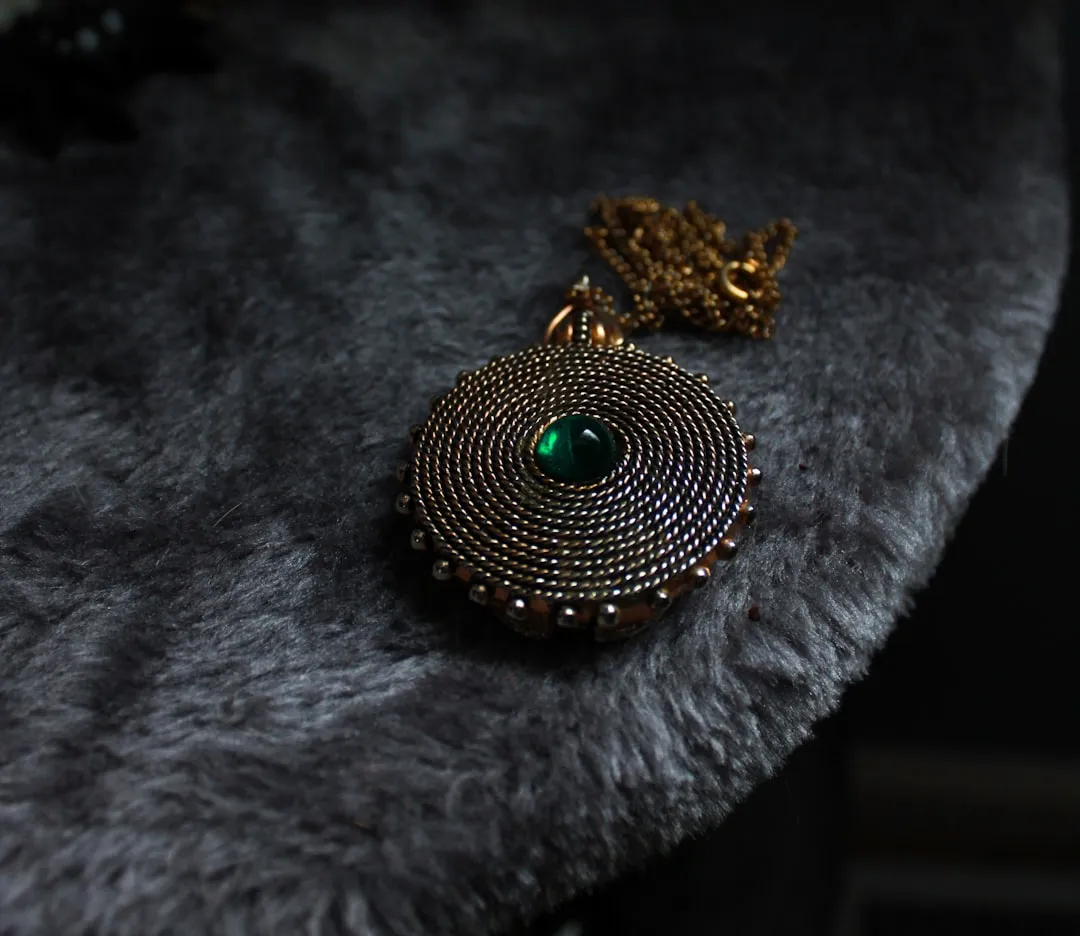
In the small-item category, demand for vintage jewelry, 1980s toys, folk art, and quality glassware is expected to grow, and vintage costume jewelry sits at the accessible end of that trend. These are pieces that most people have stuffed into drawers or left behind at estate sales without a second thought.
Success with vintage costume jewelry, including all inexpensive pieces found at estate sales, has been reported consistently, with cuff bracelets and brooches selling well, and the market for vintage jewelry expected to continue doing well. The appeal is partly the craftsmanship, partly the sustainability angle, and partly the simple fact that these pieces photograph well and move quickly online.
Many pieces from the Victorian, Edwardian, and Art Deco eras are highly coveted due to their intricate designs, high-quality materials, and superior craftsmanship. Victorian jewelry features sentimental motifs like lockets, cameos, and mourning rings, while Edwardian pieces are known for their delicate filigree work, and Art Deco jewelry appeals for its bold geometric patterns and vibrant colored gemstones.
9. Vintage Artwork and Lithography Prints: The Overlooked Wall Filler

Vintage artwork has emerged as a top seller among antique resellers in 2025, with prices increasing significantly. Vintage paint-by-numbers continue to sell well, and lithography prints from the 1930s through 1950s have been popular pieces at local booths. These are the prints and paintings that families once stored in basements and garages without any idea they might be worth revisiting.
Collectors are gravitating toward vintage folk art, Scandinavian modern artwork, and mid-century pieces with organic forms. Painterly works, lithography prints, and Scandinavian textiles are appreciated because they infuse spaces with personality and history.
Vintage art has become more scarce in thrift stores, which is one clear reason prices are going up. Scarcity in any collectibles market tends to push values upward over time, and that dynamic is very much at work here. Estate sales remain the most reliable source for finding underpriced pieces.
10. “Brown Furniture” and Classic Wooden Case Pieces: The Quiet Comeback
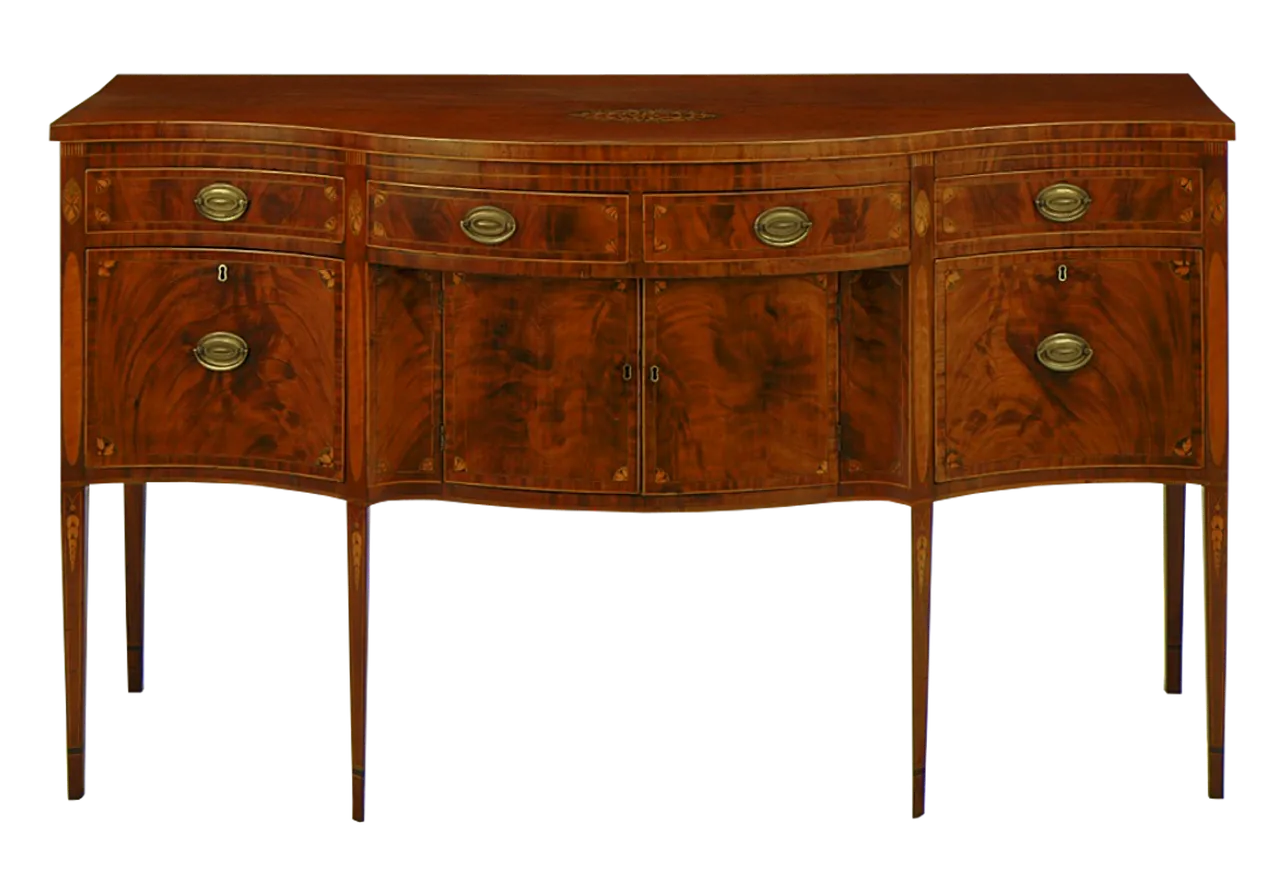
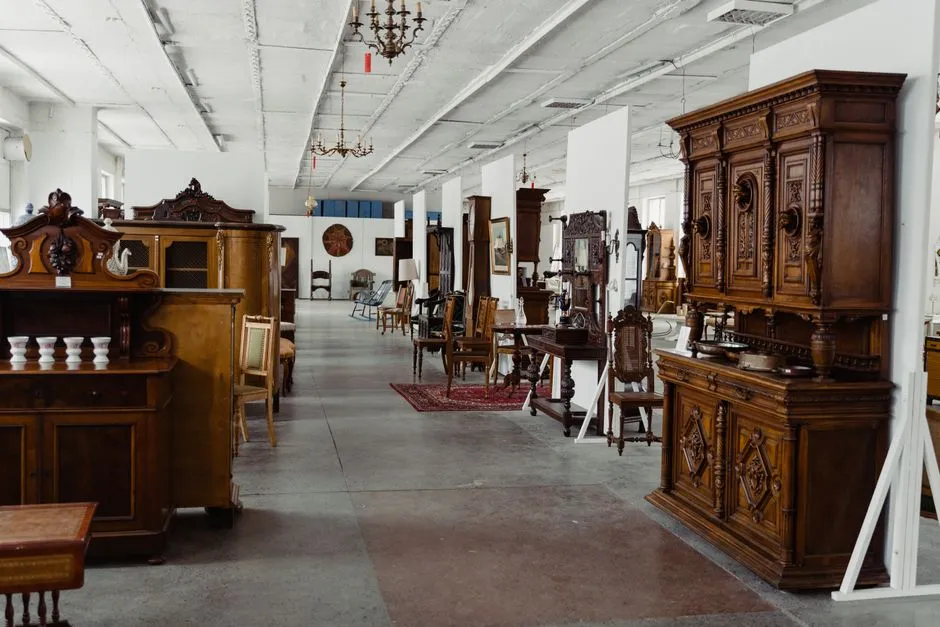
For years, traditional dark wood furniture was considered the category nobody wanted. Heavy, old-fashioned, hard to move. Dealers quietly watched it pile up at estate sales while mid-century pieces flew off the floor. That tide is turning. Classic wood furniture, often dismissed as “brown furniture,” is mounting a comeback, with the resurgence of dark woods like mahogany, walnut, and teak reflecting a broader move away from minimalist interiors toward warmth and authenticity.
Minimalism and mid-century restraint are fading, replaced by rich textures, romantic motifs, and objects with stories. That shift has created real opportunity for pieces that were genuinely well-made but simply out of fashion. Georgian sideboards and dressers rank high on 2026 wish lists because their sleek, timeless design fits seamlessly with modern or traditional interiors.
French marble-topped commodes from the Louis Philippe to Charles X eras are considered undervalued and likely to rebound, with experts believing these versatile pieces are near the bottom of their price cycle and that designers will soon rediscover them and drive prices upward. The opportunity window on this category may still be wide open for careful buyers.
The Bigger Picture: Why This Market Shift Is Real
The antiques market is fueled by a passion for history and craftsmanship, and in 2024 alone it generated roughly fifty-eight billion dollars in revenue. That kind of scale makes it clear this isn’t a niche hobby. It’s a functioning, maturing market with real price discovery.
Perhaps the most significant development reshaping the antiques industry in 2025 is the rise of millennial and Gen Z buyers. According to Pinterest’s Fall 2025 Trend Report, Gen Z is moving away from mass-produced “fast furniture” and embracing pieces with character and story, with platforms reporting surging demand from younger shoppers who view antique items as both sustainable choices and expressions of individual style.
The market for second-hand luxury goods is projected to nearly double, growing from forty-four point seven billion dollars in 2023 to ninety-eight point three billion by 2031, at an average annual growth rate of about nine and a half percent. The attic, it turns out, might be one of the better storage units you’ve got.
Final Thoughts
General antiques are hotter than they’ve been in a decade. The categories grabbing attention aren’t always the obvious ones. Sometimes it’s a stack of faded linens. Sometimes it’s a tin that used to hold coffee. Sometimes it’s a bowl that survived decades of pancake Sunday mornings.
The shift happening right now isn’t about one magical item. It’s about a broader revaluation of craftsmanship, material quality, and history, driven by younger buyers who’ve grown skeptical of disposable goods. Market analysts attribute this surge in collectibles to global collector communities, social media trading platforms, and increased interest in tangible assets over stocks.
Before the next estate sale clear-out, it’s worth pausing. The item that looks worthless to one generation often turns out to be exactly what another generation has been searching for all along.
AI Disclaimer: This article was created with the assistance of AI tools and reviewed by a human editor.