
Why Hard Rind Means Long Life
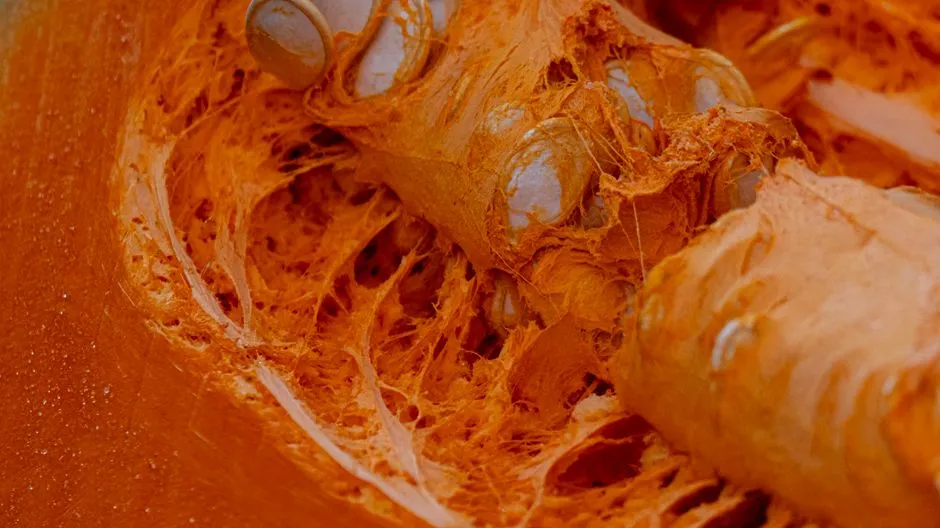
Winter squash varieties develop hard rinds that allow them to be stored for extended periods after harvest. This is the essential trait separating them from summer squash, which has tender skin and must be eaten relatively quickly. The rind acts as a sealed barrier, protecting the dense flesh from moisture loss and microbial intrusion.
The hard rind is what protects the squash in long-term storage, and once it’s broken, the squash needs to move to the fridge. Even a small nick or bruise can invite rot much faster than you’d expect. Selecting and storing only unblemished fruit is one of the most reliable ways to guarantee a long shelf life.
Butternut Squash: The Most Reliable Long-Keeper
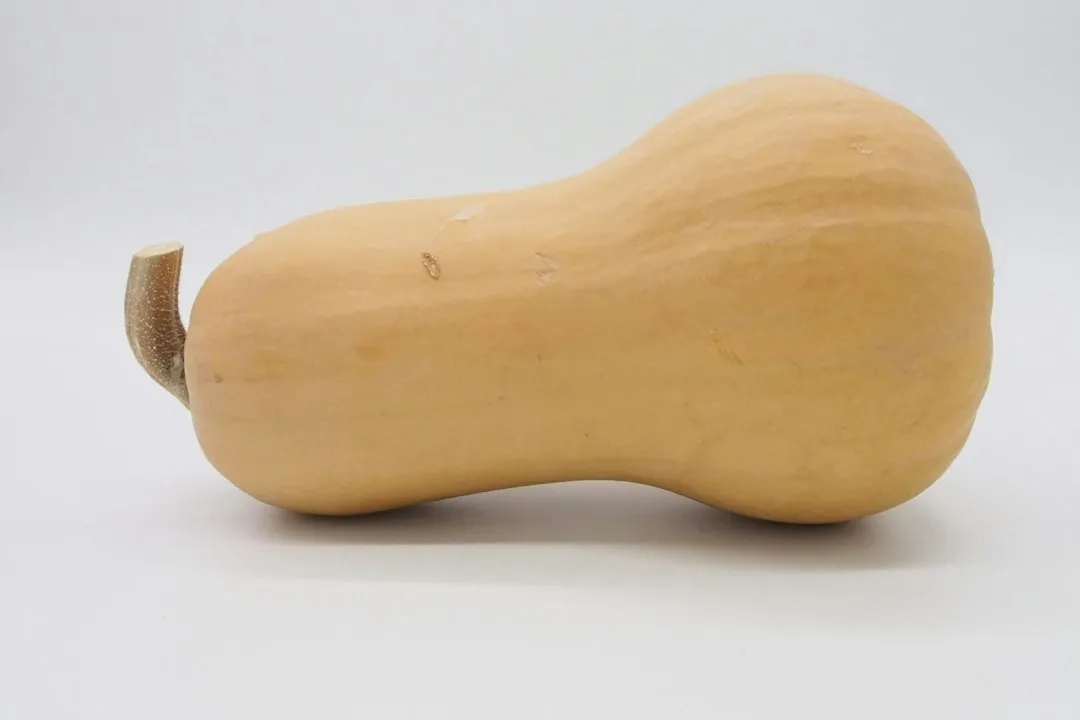
Butternut squash is the sweetest type of winter squash, and lasts the longest in storage, up to six months. That claim is well supported across multiple agricultural sources. Butternuts are one of the standout winter squash to eat, but where they really shine is in storage. Butternut squash can easily keep for months in a cool, dry place without spoiling.
One advantage of butternut squash is that its flavor often improves during storage, making it ideal for roasting and warm salads. Butternut squash generally reaches optimal quality after two months in storage, meaning patience actually rewards you here. There are plenty of butternut squash varieties to choose from, all with excellent shelf life, such as Burpee’s Betterbush, Orange Butternut, Waltham, Waldo, and Butterscotch.
Hubbard Squash: The Long-Haul Champion
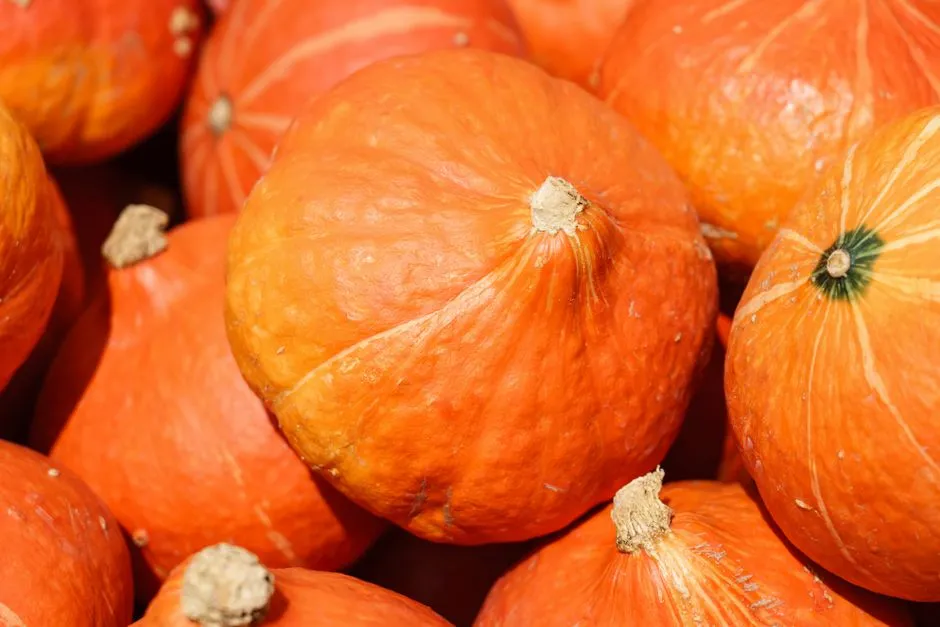
The shelf life of Hubbard winter squash is the stuff of legends. Realistically, expect four to six months of storage. Some growers report even longer with ideal conditions. Hubbard squash has the longest storage life, lasting up to six months.
Hubbard-type squash can last up to six months in storage. Their sheer size also works in their favor. The dense, thick flesh dries out much more slowly than smaller, thin-skinned types. Hubbard-type squash stores best with the stems completely removed, which is a small but meaningful detail that many gardeners overlook.
Kabocha: A Japanese Classic with Serious Staying Power
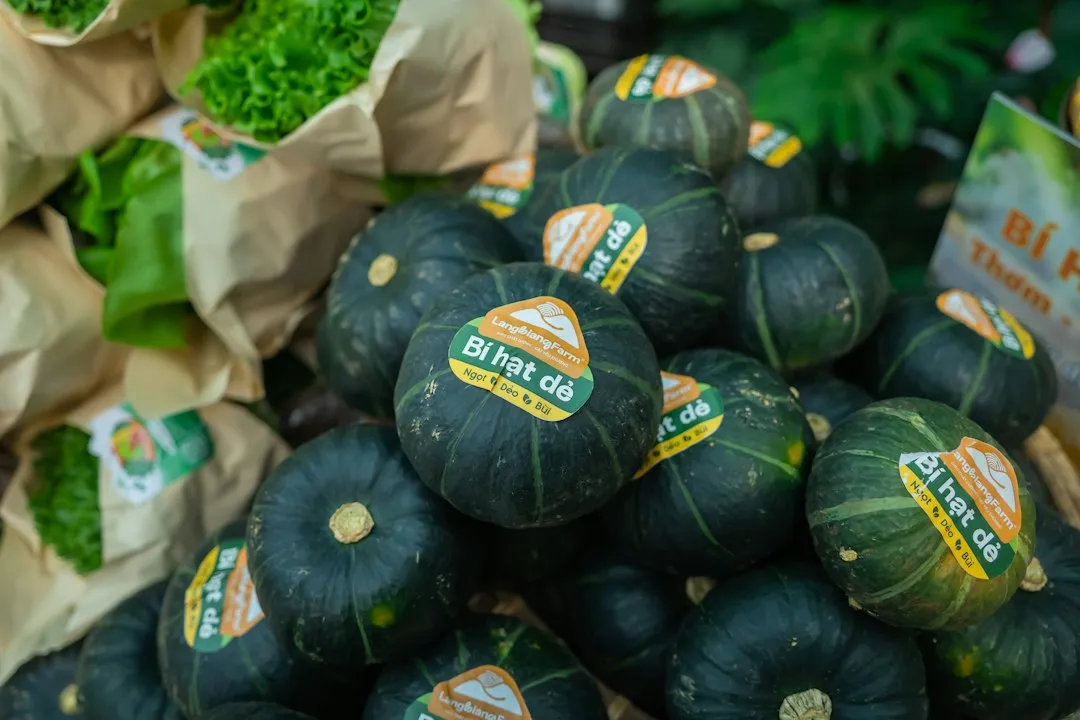
Kabocha is a family of Japanese winter squash. The flesh of the kabocha squash isn’t as moist as other varieties, but that could be the reason why they store so well. Lower moisture content means slower breakdown, plain and simple. After curing, kabocha can last until eight months later under good conditions.
The two best-storing kabocha winter squash varieties are Cha-Cha and Winter Sweet. In Johnny’s Seeds storage tests, both of them lasted at least five months, with Winter Sweet keeping for six months. Kabocha and buttercup varieties are intermediate, with sugar and carotenoid levels increasing with storage time, which means they actually get sweeter the longer they sit.
Jarrahdale: Australia’s Best-Kept Storage Secret
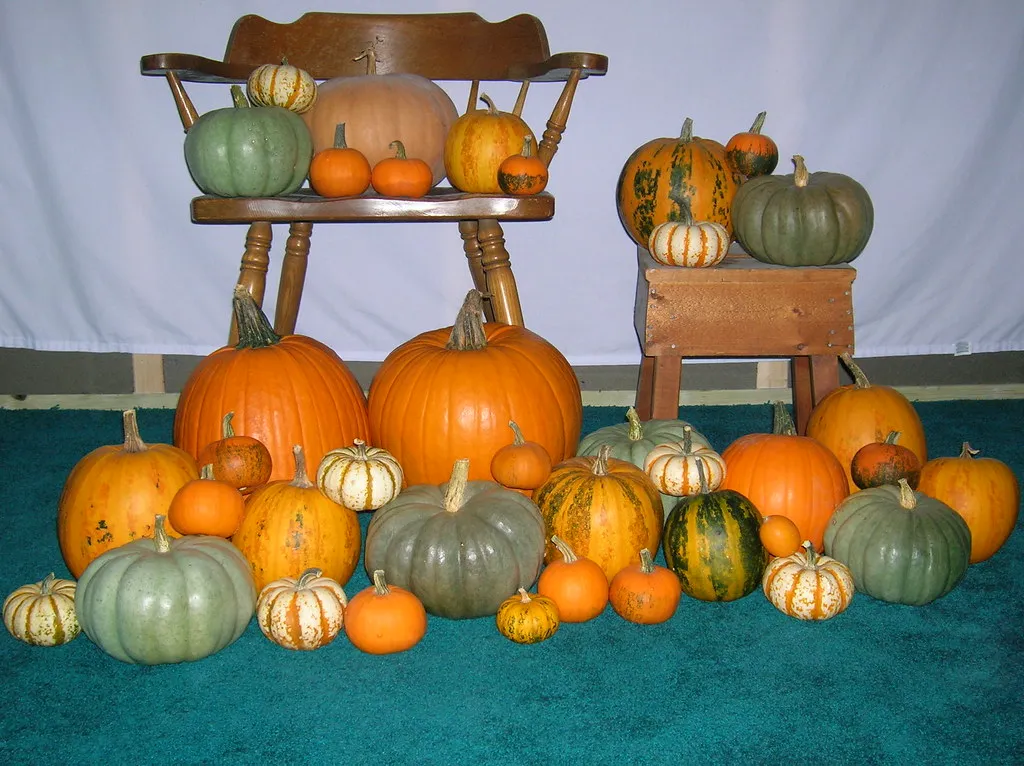
This Australian squash is the king of winter storage. The Jarrahdale is a blue-grey pumpkin of the Cucurbita maxima species, closely related to Hubbard and buttercup. Jarrahdale, Marina di Chioggia, Triamble, and Musque de Provence are known for their long shelf life when properly cured and stored.
At storage temperatures of 50 to 60 degrees Fahrenheit, Cucurbita maxima varieties including Hubbards, Jarrahdale, buttercup, and kabocha store for four to six months. The Jarrahdale’s thick, ribbed skin plays a key role in that durability. It’s still relatively uncommon in grocery stores, but home gardeners who grow it tend to become devoted to it quickly.
Buttercup Squash: Sweet, Dense, and a Solid Medium Keeper
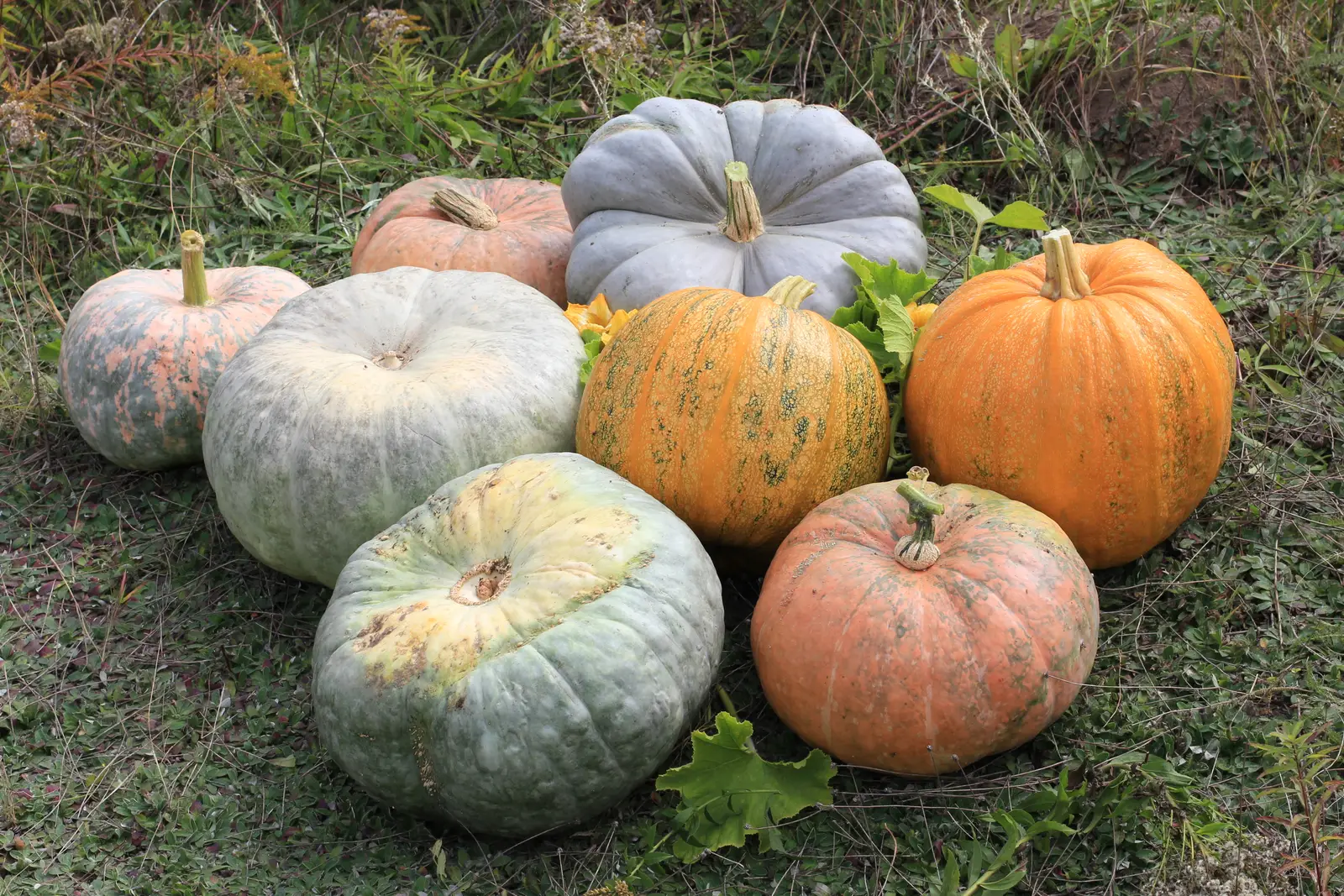
Buttercup squash is sweeter than most other winter squash with a very hard and inedible rind. They are medium keepers and can last one to two months in dry storage, though with proper curing that window extends noticeably. Buttercup squash can store for three to six months under good conditions.
Buttercup, hubbard, and kabocha belong to Cucurbita maxima and have high starch content, benefiting from being stored for a month or two after curing so they can reach peak eating quality. Buttercup is a reliable workhorse variety for home storage, particularly in cooler climates where a root cellar or cool garage stays consistently cold through winter.
Acorn Squash: Eat It Early, Not Last
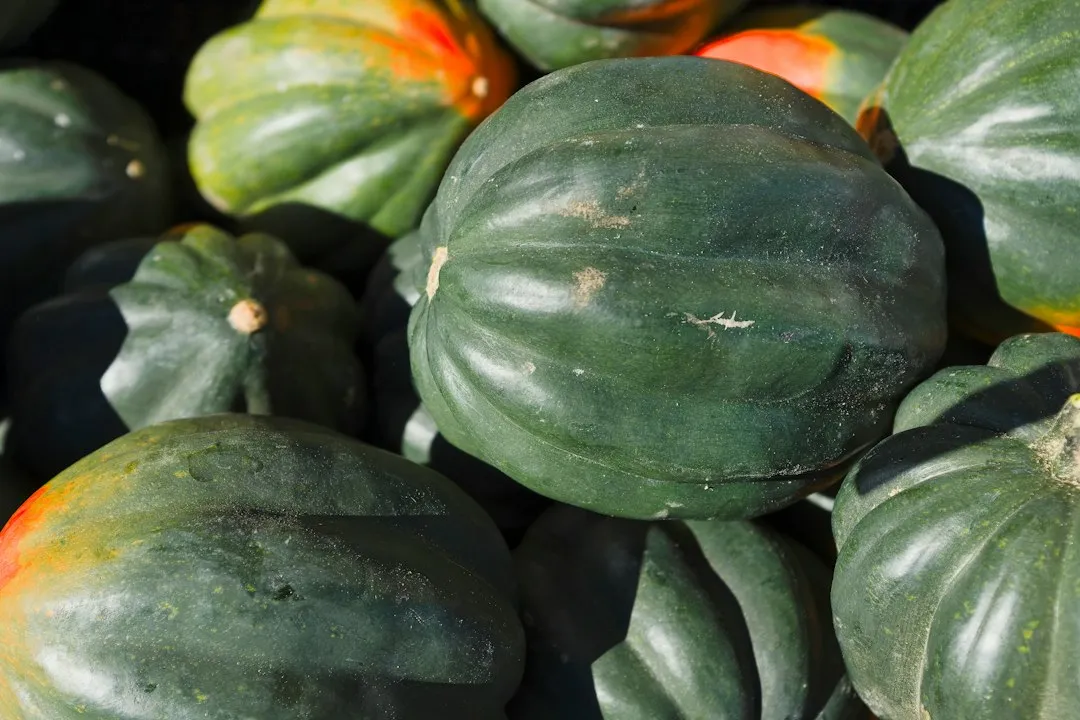
Since acorn squash has a shorter shelf life than most winter squash varieties, it’s best enjoyed earlier in the season. Under ideal storage conditions, acorn squash can last up to two months. It doesn’t belong in the same long-storage conversation as Hubbards or butternuts, but it earns its place as a fall staple.
Acorn types have a relatively short shelf life, and if harvested with the dark-orange ground spot, need no further ripening. That’s actually useful information for timing your meals. Use acorn squash to get through October and November, and save the longer-keepers for the deep winter months when garden-fresh produce is nowhere in sight.
Delicata Squash: Short but Worth Growing
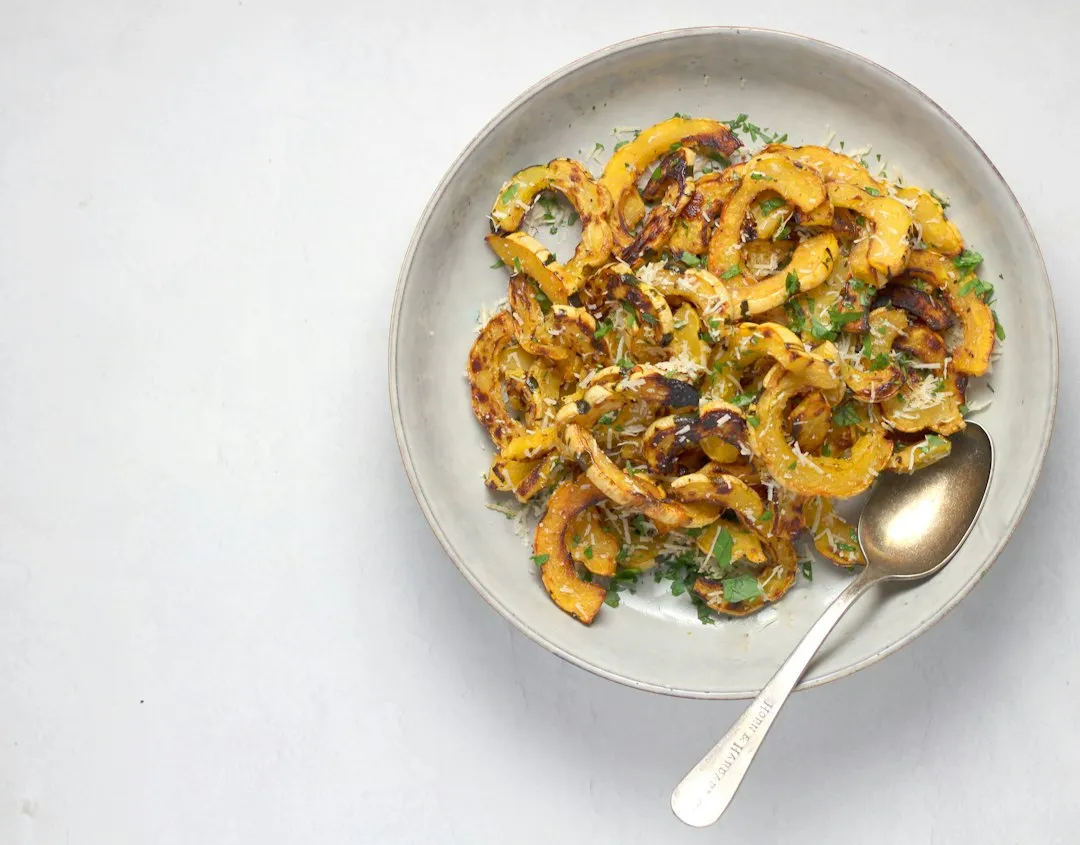
Delicata squash is small and tube-shaped, and it lasts around three months. It lacks the thick rind of Hubbard or butternut, which limits how long it can sit safely on a shelf. Spaghetti, delicata, acorn, and dumpling should be used within one to two months.
Despite its shorter storage window, delicata has a devoted following because of its thin, edible skin and rich, sweet flavor. For some squash types like acorn and delicata, the mature fruit can be eaten immediately after harvest without any curing period, which is a genuine convenience. It’s a good variety to plant alongside longer-keeping types so you have something ready to eat while the butternuts cure and rest.
The Curing Step You Cannot Skip
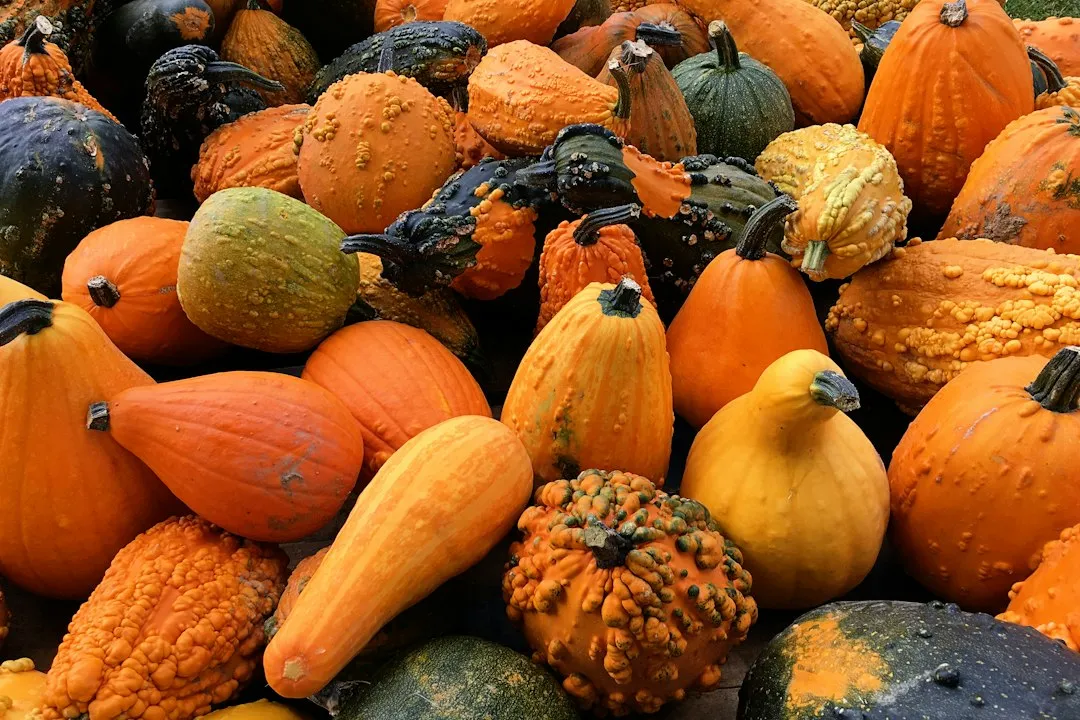
When harvested, the skin of the squash is too soft to protect the flesh within. By undergoing a process known as curing, the outer shell hardens, creating a proper barrier between the outside and the fruit within. To cure squash, store it for a short period of five to ten days at a high temperature of 80 to 85 degrees Fahrenheit and 80 to 85 percent relative humidity immediately after harvest.
It is during the curing time that the skins of winter squash will continue to harden, and natural sugars will be concentrated. Proper curing gives squash a hardened protective layer of skin that keeps out mold and rot, and it also reduces the fruit’s respiration rate, which makes long-term shelf life easier. Hubbards require a curing period of around four weeks, while large kabocha varieties need four to six weeks depending on the cultivar.
Ideal Storage Conditions and What to Avoid
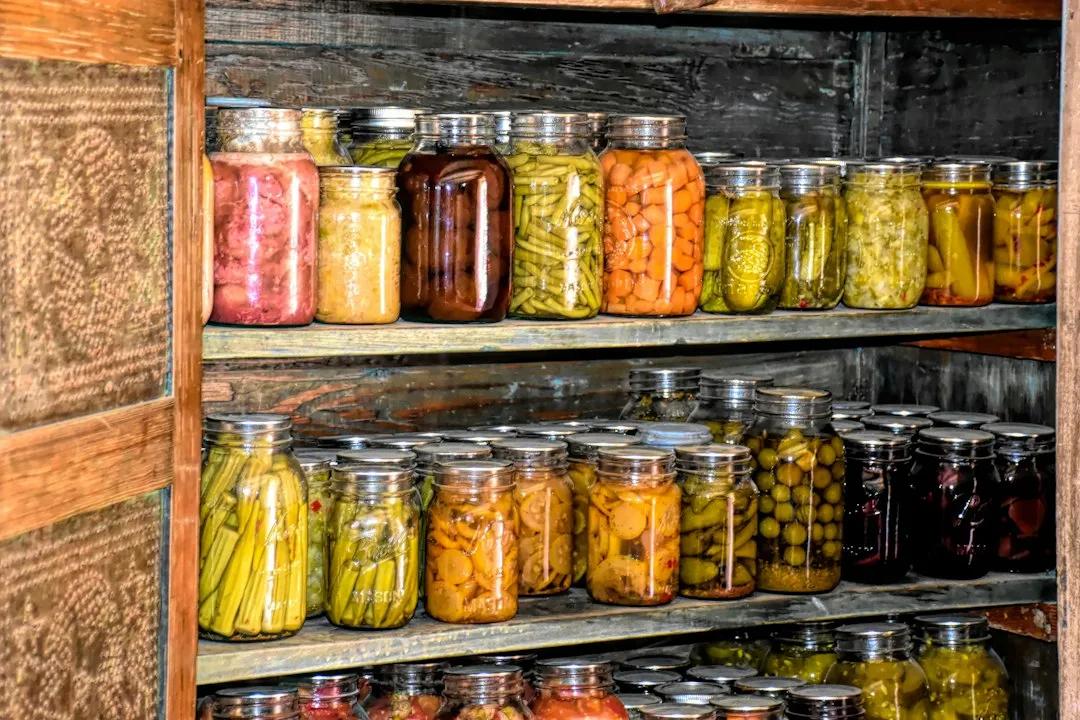
Store the squash on a shelf in a cool, dry place with a temperature ranging from 50 to 55 degrees Fahrenheit. Store them in a single layer with a bit of space between each one for air circulation. A cool basement, insulated garage, or root cellar are all practical options for most households.
Squash should not be stored near apples, ripe pears, or tomatoes, as these produce ethylene, the ripening hormone, that will shorten shelf life. Having a dry storage area will cause fruit to shrivel and lose flavor, while having too much humidity will promote spoilage, so finding that middle ground matters. Check occasionally for dark spots that could indicate rot.
The Takeaway
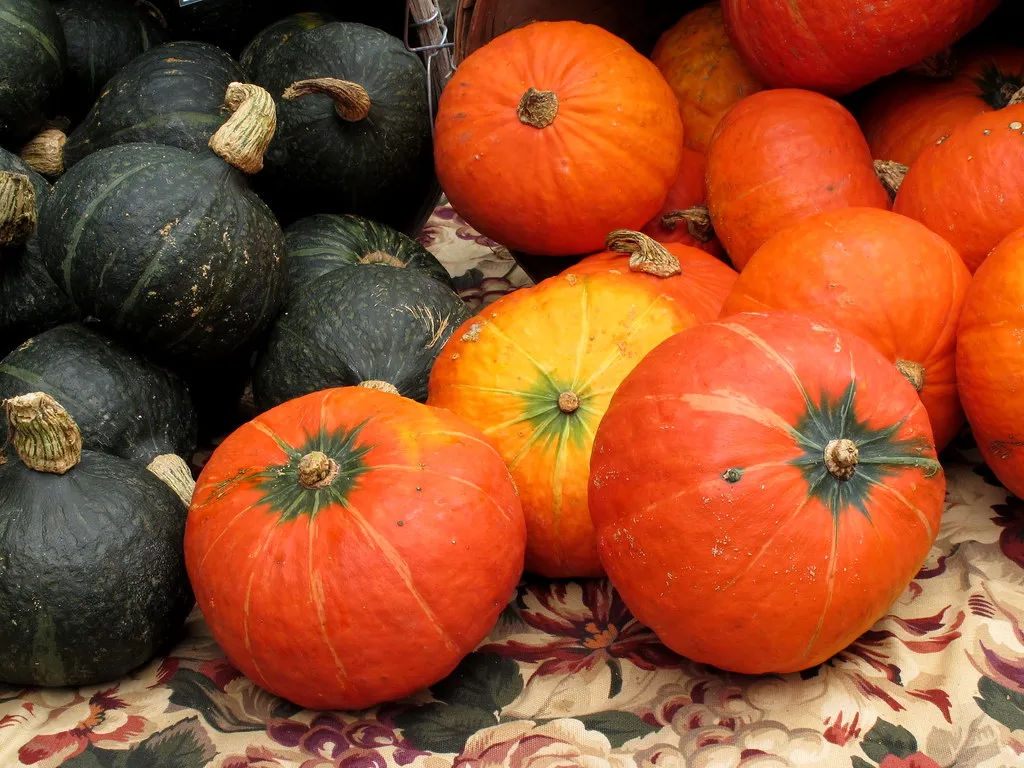
The varieties you choose matter just as much as how you store them. Best keepers lasting up to six to twelve months include Hubbard squash, sweet meat, butternut squash, and kabocha types. Medium keepers lasting two to four months include spaghetti squash, buttercup, and acorn squash.
Winter squash and pumpkins are among the few foods you can harvest in July or August and eat in January. Unlike most vegetables, which must be canned, dried, or frozen, properly storing winter squash and pumpkin is a fairly simple, low-effort process. A cool shelf, an undamaged rind, and a bit of patience are often all it takes to carry summer’s harvest deep into winter.
AI Disclaimer: This article was created with the assistance of AI tools and reviewed by a human editor.