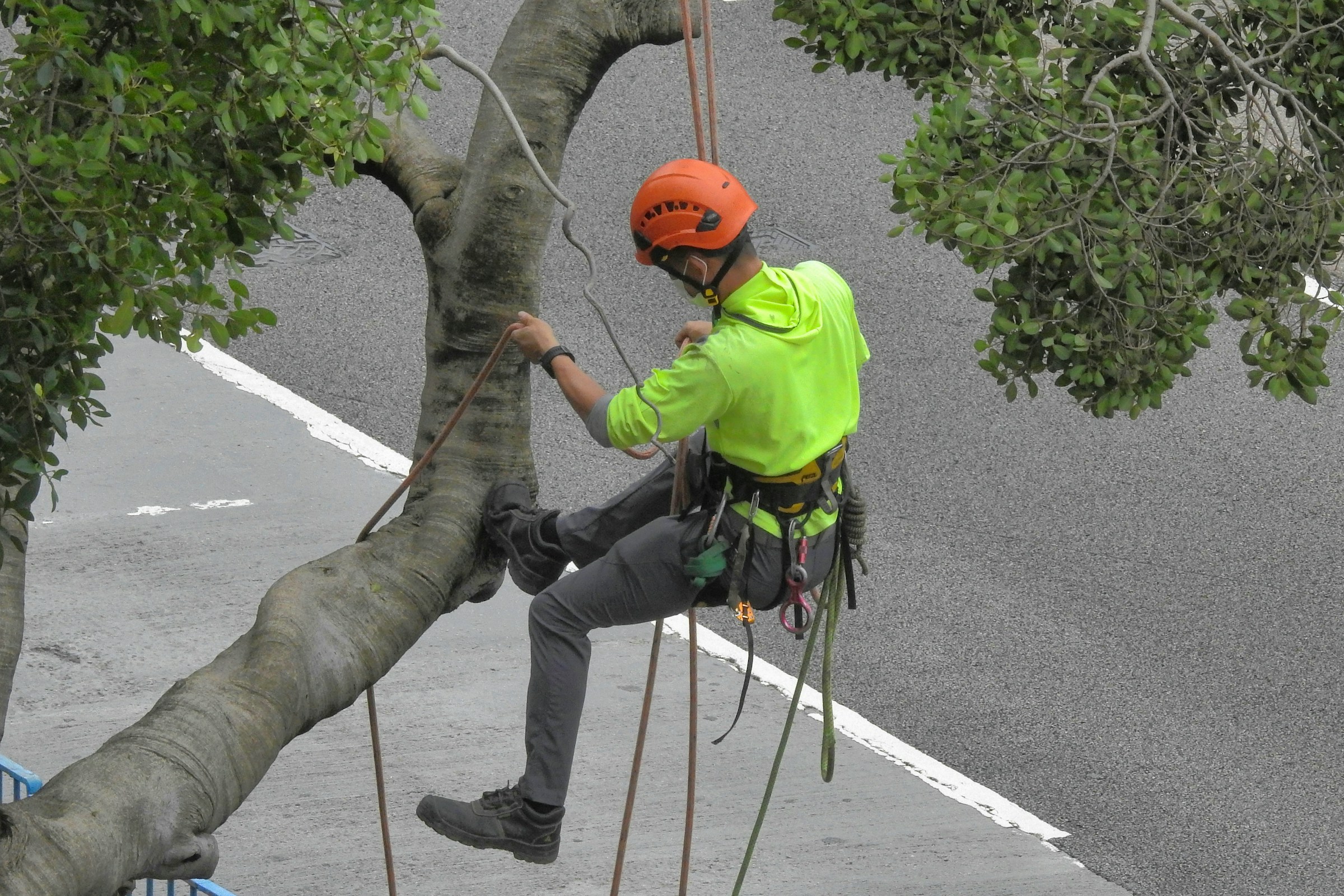

Walk through most neighborhoods in February and you’ll notice something: the trees look bare, almost forgotten, while gardeners have put their tools away for the season. That’s exactly when certified arborists are quietly doing some of their most important work. Late winter pruning is not a workaround or a convenience. It’s the method that tree science keeps coming back to.
The reasoning is surprisingly straightforward once you understand a little tree biology. Dormant trees are not just sleeping. They’re in a physiological state that makes them far more forgiving of cuts, far less vulnerable to disease, and far better positioned to bounce back when spring finally arrives.
Why Late Winter Is the Sweet Spot
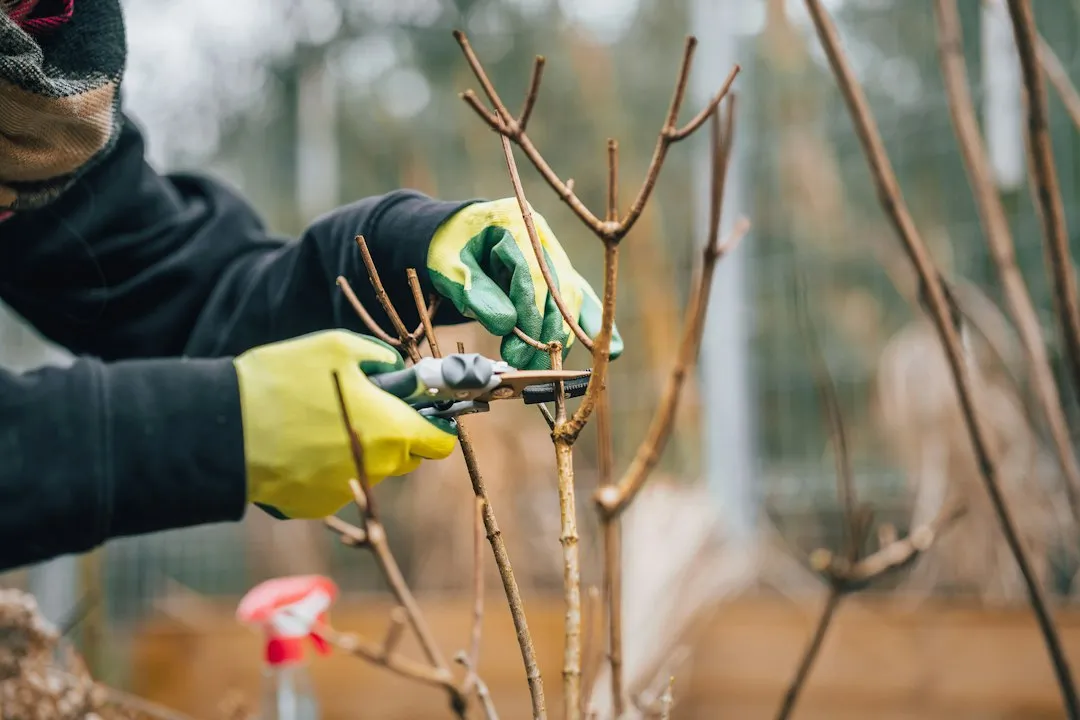
The best time to trim most trees is late winter, roughly February to early March, when trees are dormant but before spring growth kicks in. This narrow window matters more than many homeowners realize. Pruning in late winter, just before spring growth starts, leaves fresh wounds exposed for only a short length of time before new growth begins the wound sealing process. The tree wastes almost no energy coping with the cut before it redirects its resources into new growth.
Trees are still dormant at this time of year and, unlike in early winter, wound closure will happen sooner if pruning occurs just prior to the time new growth emerges. That distinction between early and late winter is real, and it’s worth paying attention to.
Dormancy Reduces the Risk of Pest and Disease Entry
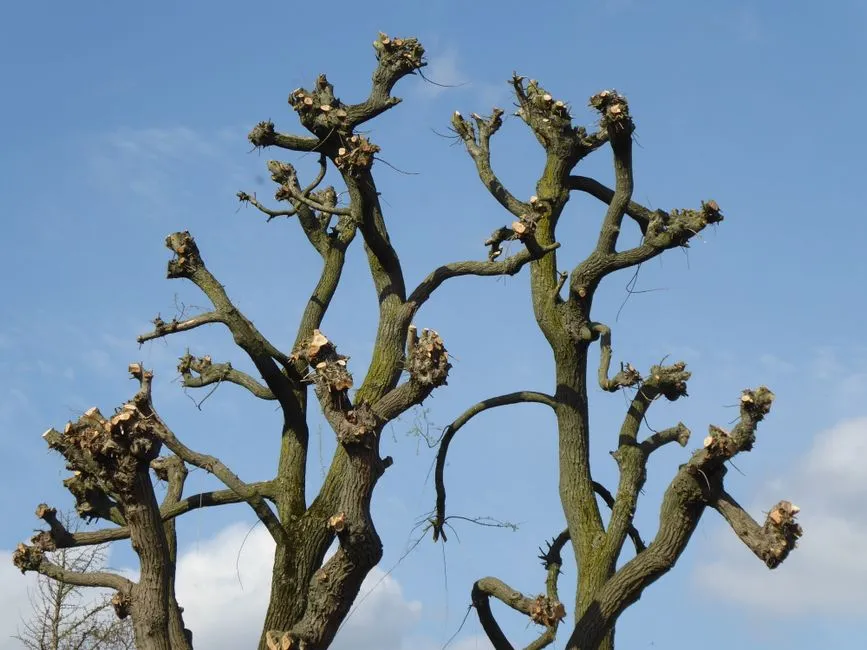
Dormant-season pruning is beneficial because it reduces the risk of pest and disease issues affecting the pruning cuts, which are wounds that can allow entry of disease-causing organisms. A pruning cut is essentially an open wound. In warmer months, insects are actively searching for host trees, and fungal spores travel freely in the air.
Many fungal spores and bacterial pathogens are also dormant or inactive in freezing temperatures, drastically reducing the risk of infection. Insects like the emerald ash borer or oak wilt beetles are not actively flying or seeking host trees in late winter. Timing the cut to match pest dormancy is one of the simplest ways to protect a tree’s long-term health.
Bare Branches Make the Whole Job Clearer
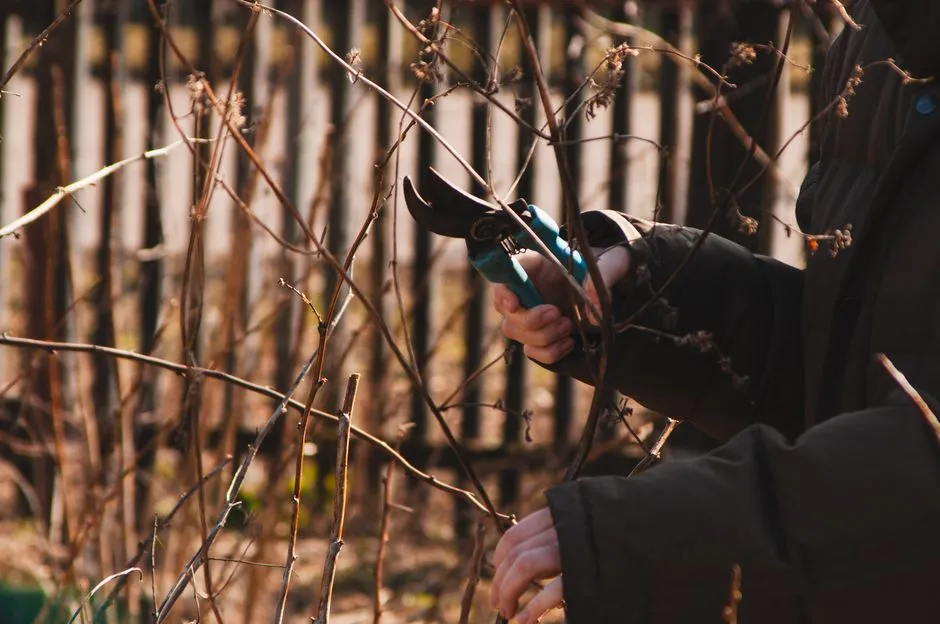
Dormant-season pruning makes it easier to see the structure and shape of deciduous trees without leaves obscuring the view, which allows better visualization of the desired outcome. Structural problems that get hidden all summer long suddenly become obvious in winter. Crossed limbs, co-dominant leaders, and weak branch attachments are all much easier to spot when the canopy is stripped bare.
It is easier to spot potential hazards such as cracks, defects and deadwood in leafless trees and apply corrective pruning when necessary. For an arborist doing a thorough structural assessment, that visibility alone is worth working in the cold.
How Trees Actually Heal: The CODIT Model
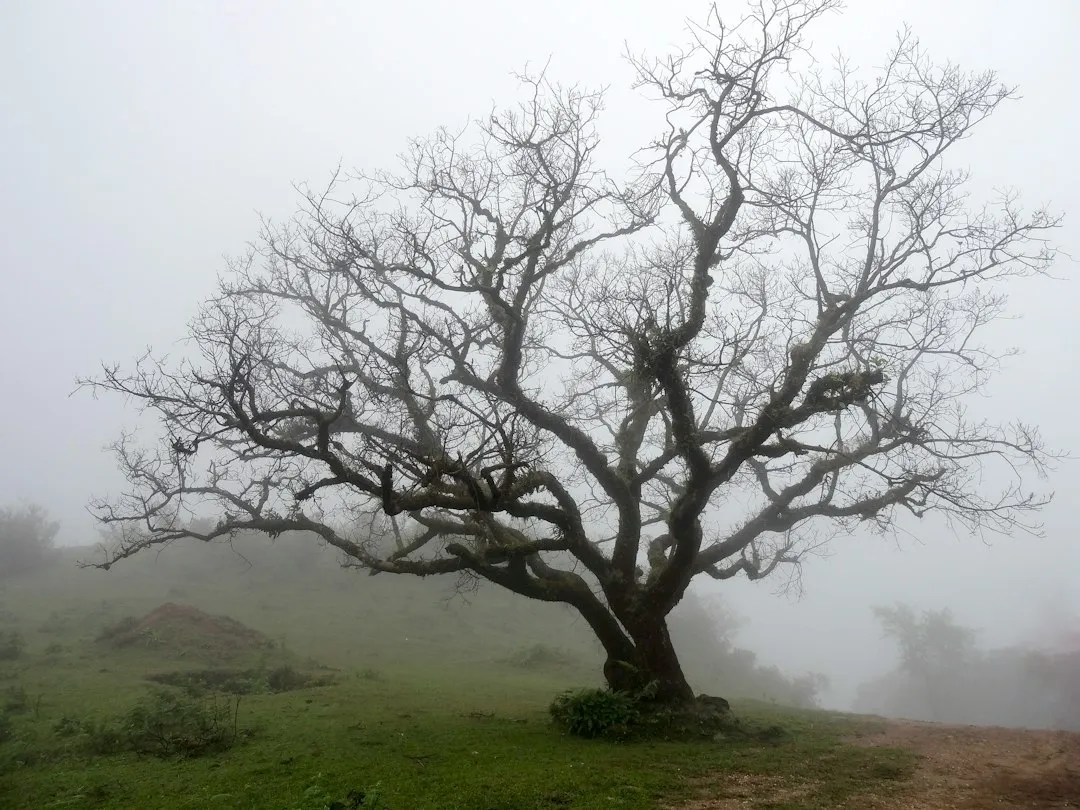
The scientific framework behind this process was developed by researcher Alex Shigo and is known by the acronym CODIT, which stands for Compartmentalization of Decay in Trees. When a tree is wounded, whether by a broken branch, storm damage, or a pruning cut, it doesn’t attempt to regenerate the damaged wood the way an animal regenerates tissue. Instead, the tree produces chemical and physical barriers around the injury site, isolating it from the healthy wood around it.
When pruned in late winter, the walling-off or compartmentalization of wounds can begin immediately with the onset of growth in spring. That immediacy is the whole point. The tree doesn’t have to sit with an exposed wound for weeks before its biology can respond. Spring arrives, and the healing process kicks in almost right away.
Oaks and Elms: Species That Depend on Winter Pruning
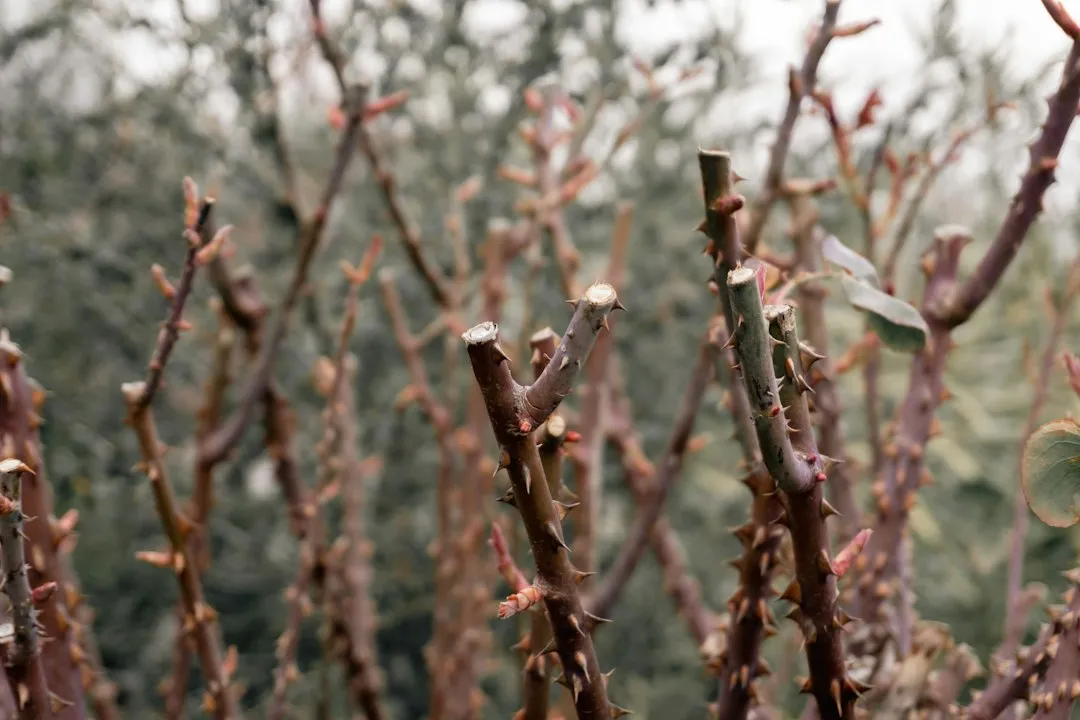
Oaks should only be pruned from December to February to prevent oak wilt. Elms should only be pruned between October and April when leafless to avoid Dutch elm disease. For these two species, winter pruning isn’t just a preference. It’s a hard rule backed by decades of observation.
Pruning at the proper time can avoid certain disease and physiological problems. To avoid oak wilt disease, do not prune oaks from April to October. Oak wilt has devastated trees across the Midwest and beyond, and the disease spreads through sap beetles that are only active when temperatures climb. Winter removes that risk entirely.
Fruit Trees and the Fireblight Problem
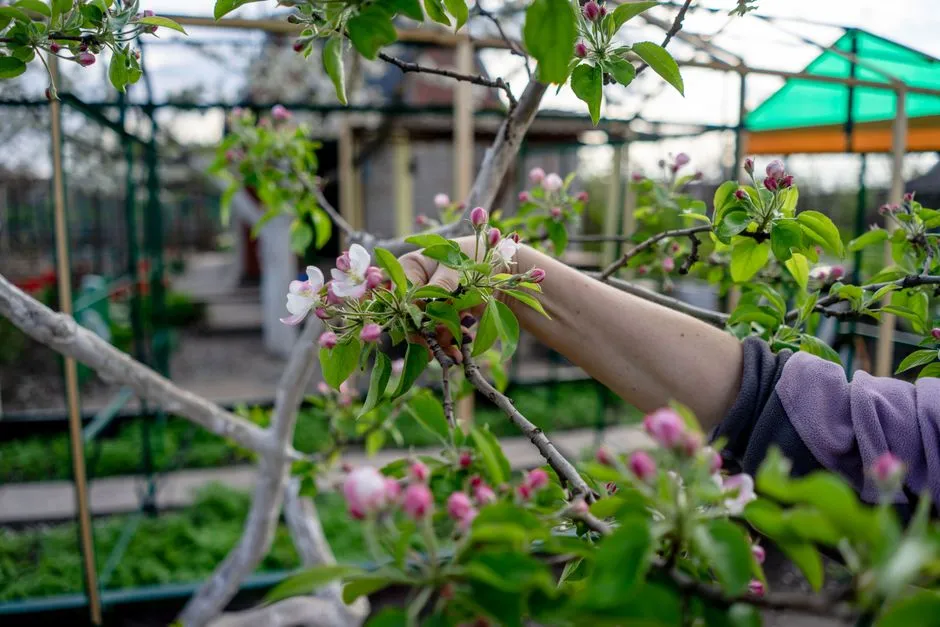
Prune apple trees, including flowering crabapples, mountain ash, hawthorns, and shrub cotoneasters in late winter, from February to early April. Spring or summer pruning increases the chances for infection and spread of the bacterial disease fireblight. Fireblight can move through an apple or pear tree with alarming speed, and summer pruning creates a direct entry point when the pathogen is most aggressive.
Apple and pear trees are best pruned in late winter to prevent fire blight. Homeowners with small orchards often underestimate how seasonal timing affects disease pressure on these species specifically. Late winter cuts are simply the safer bet.
The Sap Question: Maples, Birch, and Walnut
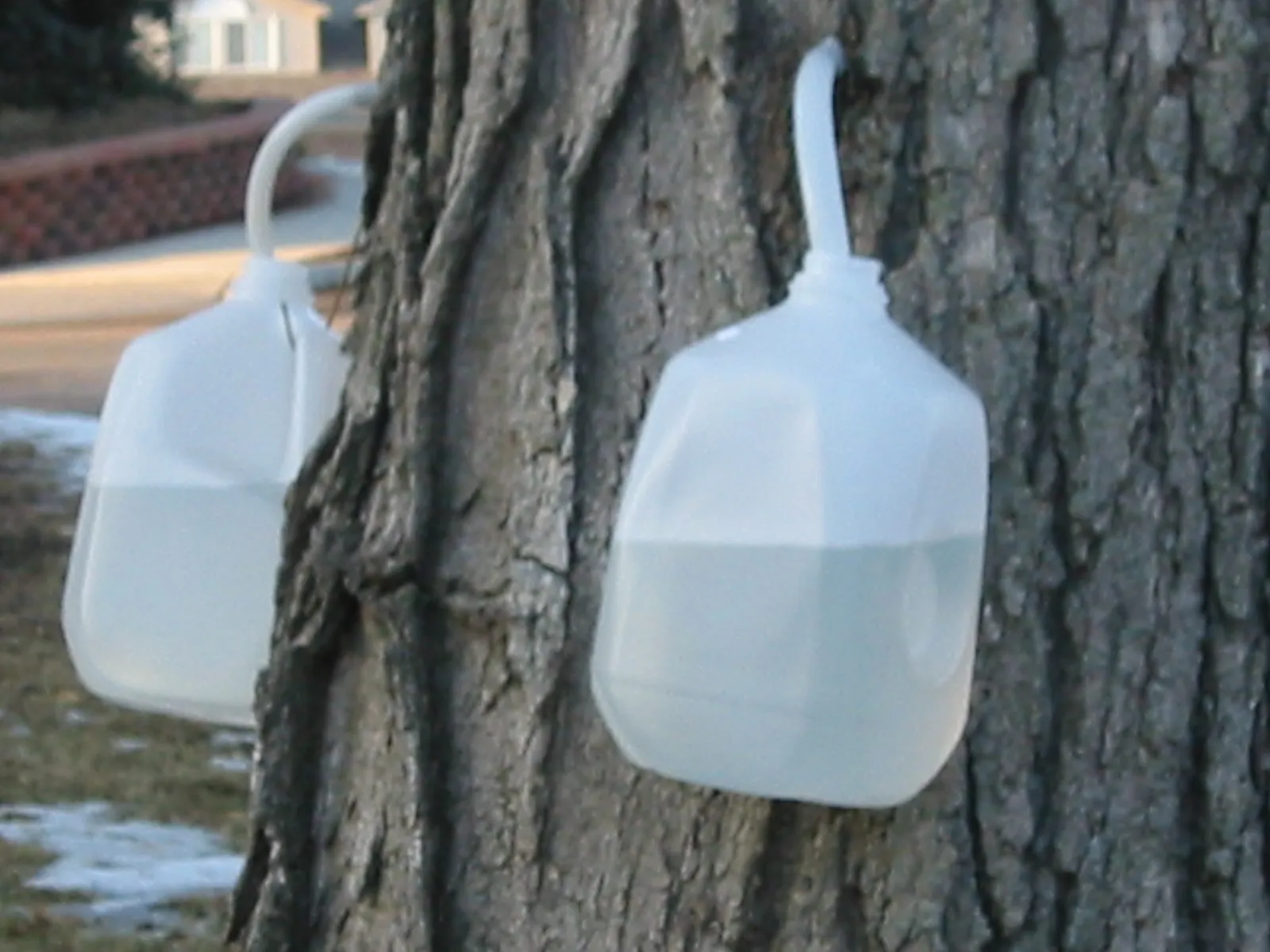
Although some elms, maples, birch, and walnut trees may visibly exude sap if pruned in the late winter or early spring, this should not harm the tree. That sap flow is one of the most common concerns homeowners raise when considering winter pruning of these species. The sight of sap dripping from a fresh cut is alarming but largely harmless.
If this is a concern, pruning can be done in the summer to avoid sap flow, especially with maple trees. For most purposes, though, the sap flow resolves on its own once temperatures stabilize. The structural and disease-prevention benefits of dormant pruning generally outweigh the cosmetic concern.
What Arborists Actually Avoid Doing in Winter
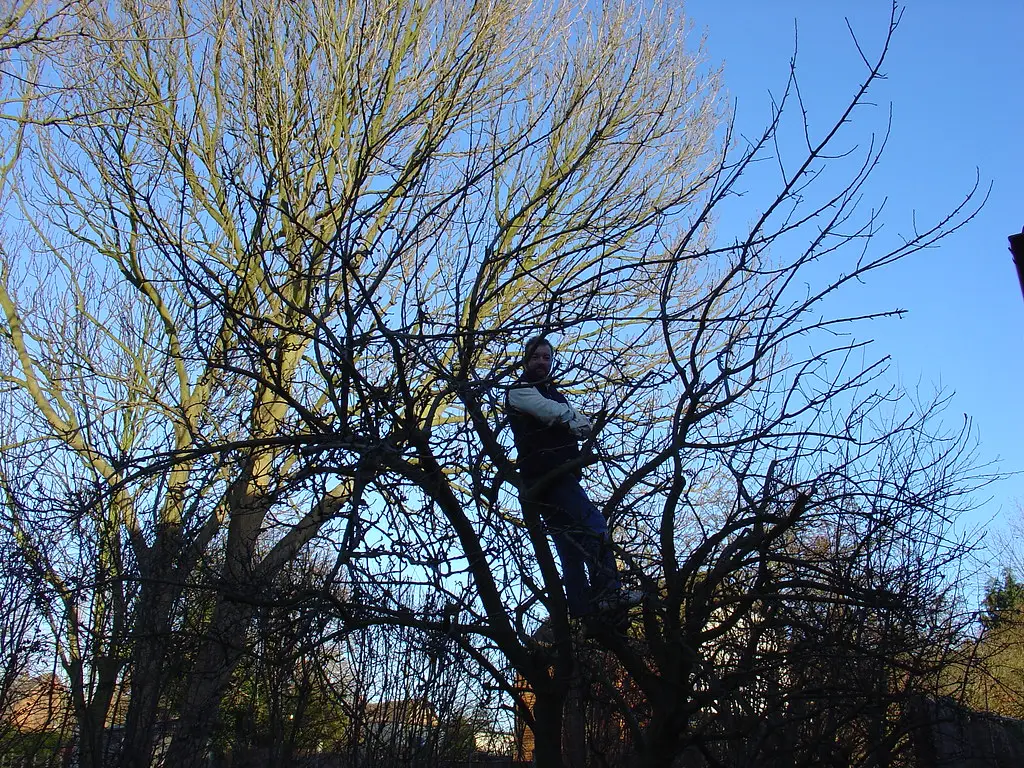
Do not top your tree. Topped trees will quickly regrow new branches which are weakly attached and more likely to break during storms. Topping, the practice of cutting a tree’s canopy back to stubs, is one of the most damaging things that can be done to a tree at any time of year. In winter, when the results aren’t immediately obvious, it’s especially easy to underestimate the damage.
Late summer and fall pruning are not recommended because it encourages new growth, which is tender and susceptible to cold damage as the winter months approach. That’s the other side of the seasonal equation. Pruning too late in the growing season pushes new, vulnerable growth that gets hit by frost. Late winter avoids that problem entirely by leaving no time for tender growth to emerge before cold snaps.
The Proper Cut: Where You Prune Matters as Much as When
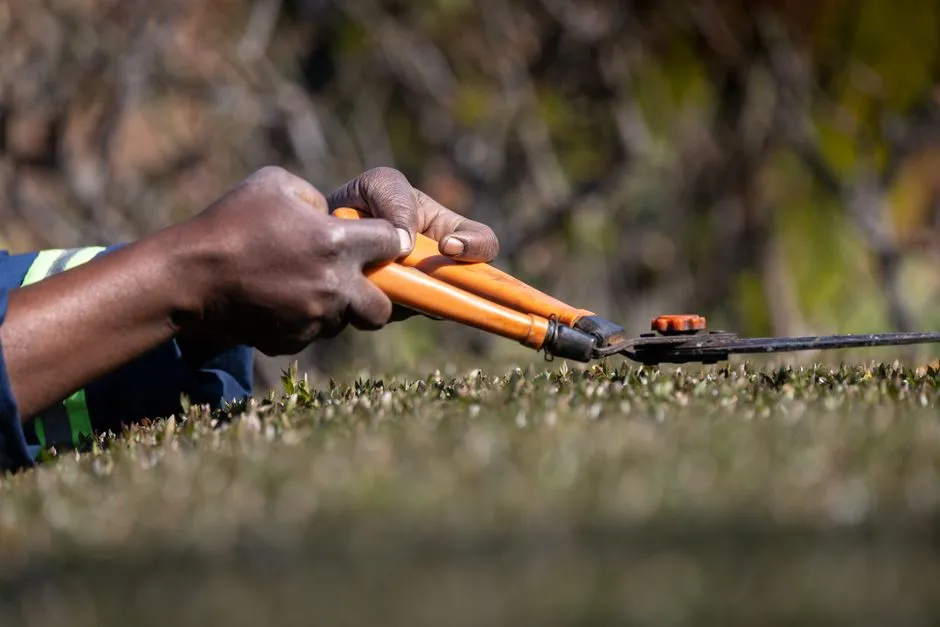
A properly placed pruning cut, at the branch collar, allows a tree to wall off damage efficiently. Poor cuts, including flush cuts and stub cuts, interfere with a tree’s natural defense system. Timing gets most of the attention in pruning conversations, but cut placement is equally important. The branch collar, that slightly swollen ring of tissue at the base of a branch, contains the specialized cells the tree uses to close a wound.
Improper pruning by cutting a branch flush with the stem removes some or all of this protection wood, makes a larger wound overall, and injures the stem as well as the branch. A clean cut just outside the collar, at the right angle, gives the tree the best possible chance of compartmentalizing the wound cleanly and quickly.
Preparing Your Trees Before Ice and Storm Season
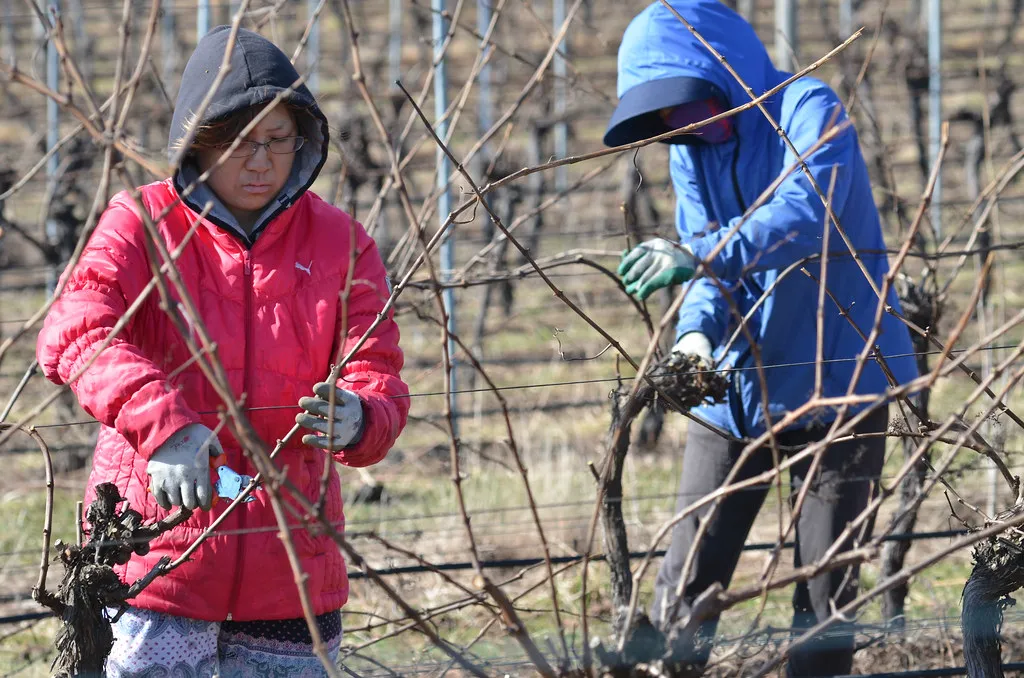
Properly pruned trees with strong branch attachments will hold up better in an ice storm. Prune branches with weak attachments, co-dominant trunks and other defects. The North Carolina Forest Service, updated in January 2026, reinforces that winter pruning is also a form of storm-damage prevention, not just a health practice. Removing structurally weak limbs before ice loads arrive is basic risk management.
Dormant season pruning removes weak, damaged, and hazardous branches before ice and snow loads can cause dangerous breakage. It’s worth thinking of winter pruning this way. Done correctly, it’s both a health investment and a safety measure rolled into one cold-weather afternoon.
Final Thoughts
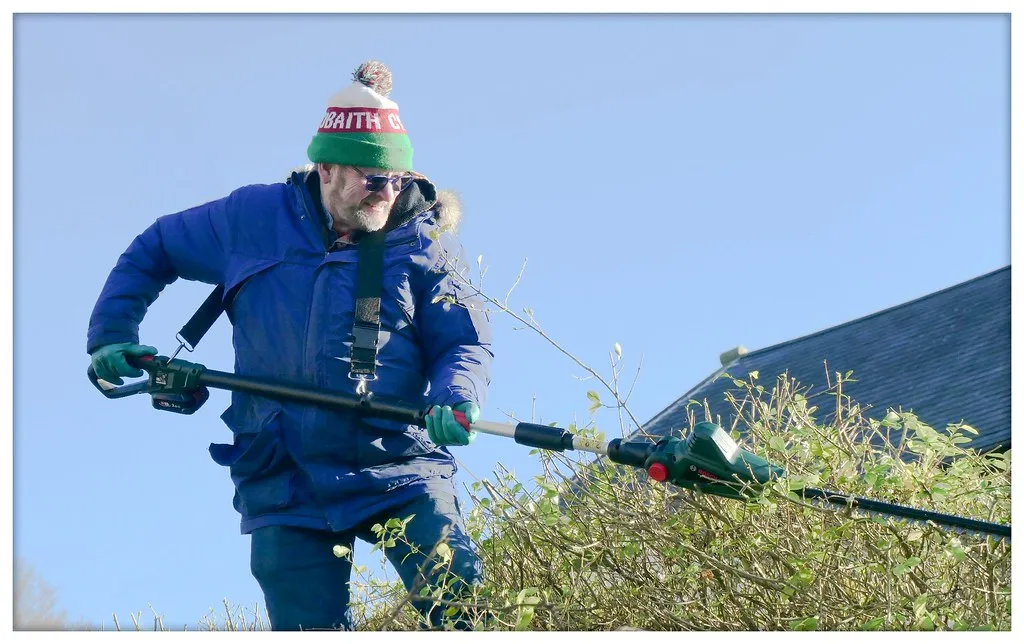
Late winter pruning works for most trees not because of any single dramatic benefit, but because several smaller advantages stack neatly on top of each other. Pests are inactive. Diseases move slowly. Wounds heal fast. Branch structure is visible. The tree barely notices the cut before spring arrives and the recovery process begins.
The consensus across the Tree Care Industry Association, the International Society of Arboriculture, university extension programs, and state forestry services all points the same direction: for the vast majority of trees, the absolute best time to prune is during the dormant season, specifically late winter to early spring, in late February through early March in most temperate zones.
It’s a window that’s easy to miss if you’re waiting for the weather to feel more inviting. The trees, of course, don’t care about comfort. They care about timing. And right now, late winter is exactly when they’re most ready to receive the cut and move on.
AI Disclaimer: This article was created with the assistance of AI tools and reviewed by a human editor.