

Winter Really Is Nosebleed Season
A 2024 study tracking more than 1,600 patients found that nosebleeds are most common in winter, with December recording the highest incidence, driven by dry indoor air and cold weather conditions. That’s not just anecdote. There’s measurable, tracked data behind what many people already feel in their own homes every January.
A study examining emergency department data collected over nearly a decade found that “a strong seasonality of epistaxis was observed, with a peak during winter,” with a weaker but still present correlation also noted between air humidity and nosebleed frequency.
Research shows roughly six in ten people experience at least one nosebleed in their lifetime, with winter consistently representing the peak season. The sheer commonality of it is part of why people dismiss it. But frequency doesn’t equal harmlessness in all cases.
Cold Air Breaks Down Your Nasal Lining

Cold air holds far less moisture than warm air, which causes the nasal mucous membranes to dry out and sustain damage. That damage causes normally moist membranes to crack. The nose carries many blood vessels, and cracked membranes can lead to small ruptures – which are the direct cause of frequent nosebleeds in winter.
The problem is compounded by home heating, which further strips humidity from indoor air even as it keeps temperatures comfortable. It’s a double hit: harsh cold outside and bone-dry heat inside.
Indoor Heating Makes It Worse, Not Better
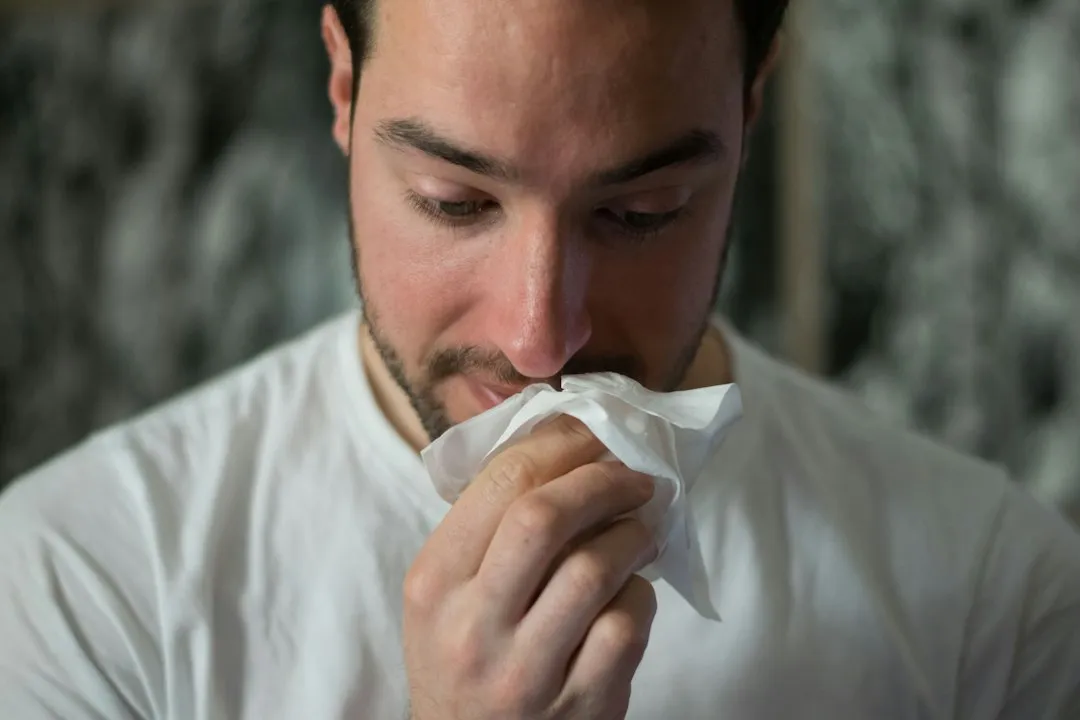
In winter, air tends to be drier due to lower outdoor humidity levels combined with indoor heating systems. When this happens, the blood vessels lining the inside of the nose are more likely to rupture and bleed.
Cold, dry air irritates and dries out the nasal lining. When that delicate tissue becomes cracked, small blood vessels near the surface can rupture easily, especially if you blow your nose too hard or disturb dry nasal crusts. Indoor heating systems and low humidity make this worse by stripping moisture from both the air and the nasal passages.
Anterior vs. Posterior: The Type of Bleed Matters

Anterior nosebleeds are the most common type, originating from the front part of the nose and often caused by dry air, nose-picking, or minor trauma. These are the ones most people experience and manage at home without ever needing to visit a doctor.
Posterior nosebleeds, by contrast, occur deeper within the nasal passage, near the back of the nose and throat. Research confirms that the vast majority of nosebleed cases involve anterior bleeding, around nine in ten, while a notable minority experience the more severe posterior variety. Posterior bleeds are harder to stop and more likely to need professional treatment.
Certain Age Groups Are Hit Harder

Nosebleeds most commonly affect those younger than ten and older than fifty. That’s a wide swing across the age spectrum, and the reasons at each end are quite different.
Heated indoor spaces create particularly dry conditions, and children between the ages of two and ten are especially prone because of dry air, colds, allergies, and a tendency to put fingers or objects into their noses. Meanwhile, adults over fifty tend to have medical conditions such as high blood pressure or rely on anti-clotting medications, both of which increase the tendency toward bleeding.
Blood Thinners Are a Major Hidden Factor

Aspirin, warfarin, clopidogrel, apixaban, rivaroxaban, and other blood-thinning drugs can make nosebleeds heavier or harder to stop because they interfere with the normal clotting process. Many people taking these medications don’t immediately connect them to recurring winter bleeds.
Seniors on blood thinners should take recurrent or hard-to-stop bleeding more seriously. If nosebleeds are becoming frequent while on a blood thinner, that’s worth discussing with a healthcare provider. It may simply require a medication dosage review, but leaving it unchecked isn’t wise.
The Blood Pressure Question Is More Complicated Than People Think
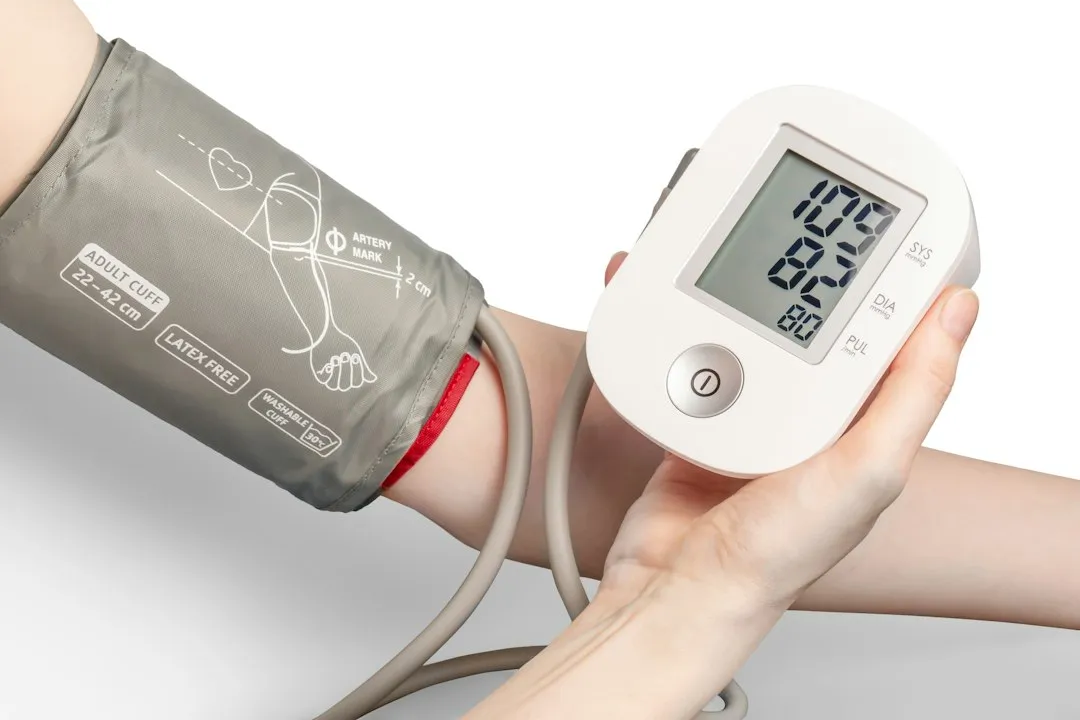
High blood pressure rarely directly causes nosebleeds unless it reaches dangerously high levels of 180/120 mmHg or higher. Blood pressure medications, especially blood thinners, are actually more likely to trigger nosebleeds than hypertension itself.
Doctors say the connection between nosebleeds and hypertension is complex. While nosebleeds can have multiple causes, their occurrence in people with high blood pressure may still point to more serious underlying problems that deserve evaluation rather than assumption. Although high blood pressure does not necessarily cause nosebleeds, it may make bleeding more difficult to control.
When Frequent Nosebleeds Signal Something Deeper
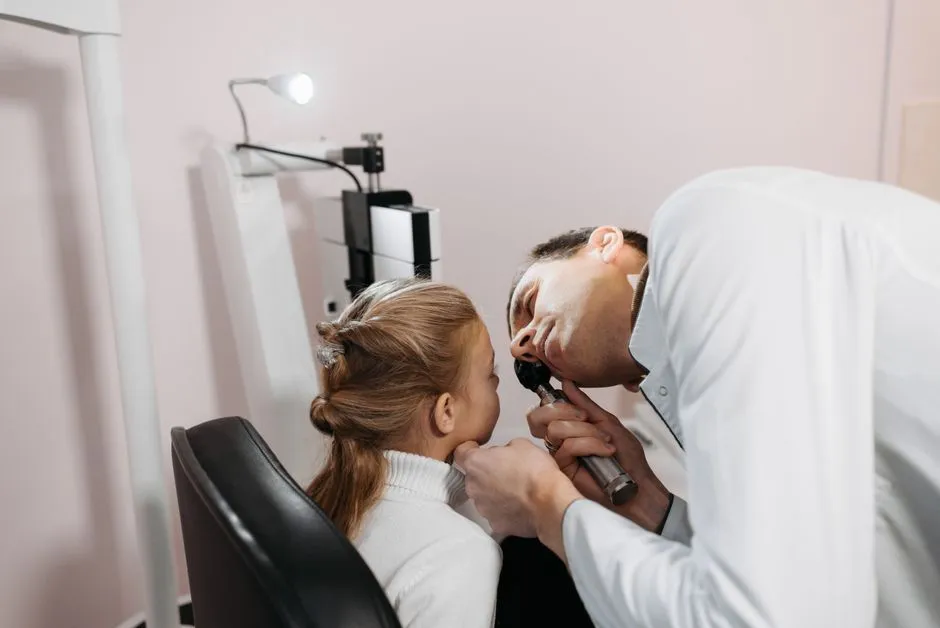
Nosebleeds are generally considered frequent if they happen more than once a week. That threshold is a useful guideline, and crossing it regularly is one of the clearest signs that a doctor’s visit is overdue.
Repeated nosebleeds may be a symptom of another disease such as high blood pressure, a bleeding disorder, or a tumor of the nose or sinuses. Though rare, frequent nosebleeds can also be a sign of an underlying bleeding disorder or vascular abnormality. People with conditions like hemophilia or blood vessel malformations may be more susceptible to nosebleeds.
Warning Signs That Send You Straight to the ER

You should seek urgent medical care if you fell or hit your nose on something, if you get nosebleeds often, if the bleed lasts longer than 20 minutes despite applying pressure, or if there is so much bleeding that it becomes difficult to breathe.
Research also shows that nearly half of nosebleed episodes occur overnight, possibly connected to blood pressure fluctuations during sleep. A nosebleed that wakes you from sleep, or that you notice upon waking with blood-stained pillowcases regularly, is worth mentioning to a doctor. More than two or three nosebleeds per week is considered a sign of serious nasal membrane damage.
Simple Prevention Goes a Long Way
If nosebleeds become frequent, occur on one side only, or happen without clear cause, scheduling a visit with an ENT specialist is the right step. Persistent bleeding may point to chronic sinus problems, a deviated septum, or inflamed nasal passages that require medical care.
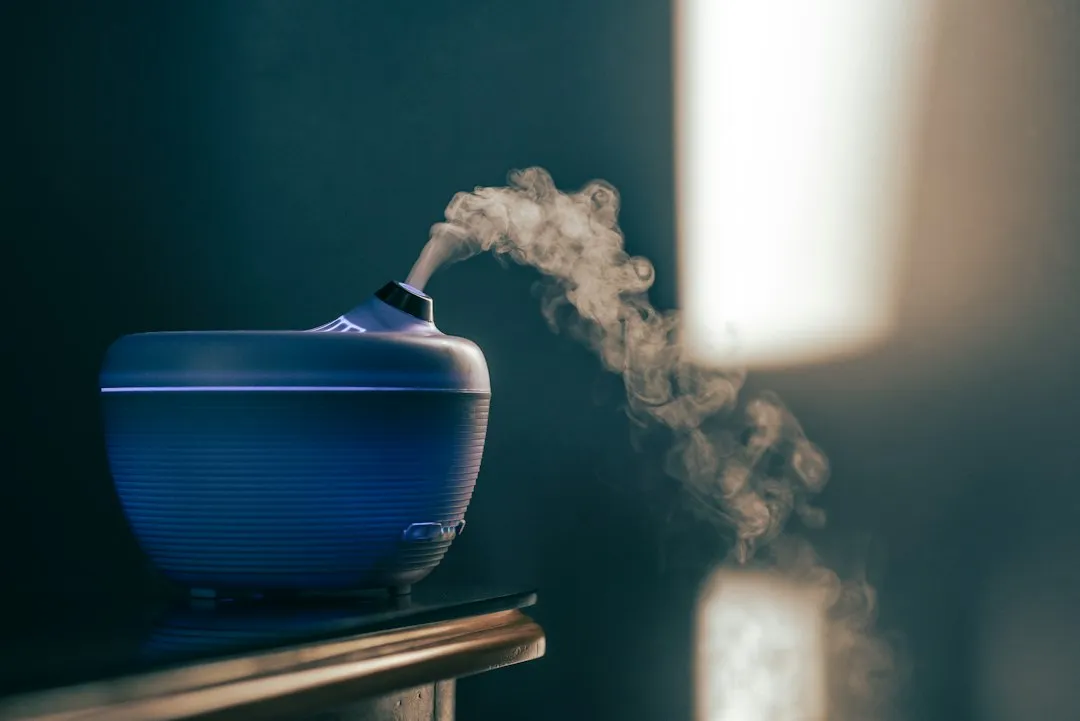
On the prevention side, the practical measures are straightforward and genuinely effective. Using a humidifier can help because dry indoor air is a primary driver of nasal dryness and vulnerability. Avoiding overuse of cold and allergy medications is also helpful, since these can dry out nasal passages, and in some cases, certain medications can cause nosebleeds or make them worse.
The Takeaway

Winter nosebleeds are common enough that it’s easy to normalize them entirely. Most of the time, that’s fine. Dry air, cracked nasal tissue, a warm house with low humidity – these are all real and fixable triggers that explain the majority of cases without any alarm required.
The ones that deserve a closer look are those that keep coming back, last longer than 20 minutes, appear alongside other symptoms, or arrive with no obvious explanation. While nosebleeds affect roughly six in ten people at some point, only about six percent of cases ever require medical attention – which means the window for action is clear and the threshold isn’t low. Trust what your body repeats.
AI Disclaimer: This article was created with the assistance of AI tools and reviewed by a human editor.