
Most drivers think about their windshield wipers only when rain is already pouring down. By then, it’s often too late to avoid the damage that’s been building quietly for months. A handful of common, very preventable habits can turn a twenty-dollar blade swap into a windshield replacement bill that runs into the hundreds or even thousands of dollars.
The gap between what wipers cost and what a full windshield costs is enormous, and the path from one to the other is shorter than most people realize. Understanding where that damage actually starts is the first step to stopping it.
Running Wipers on a Dry Windshield
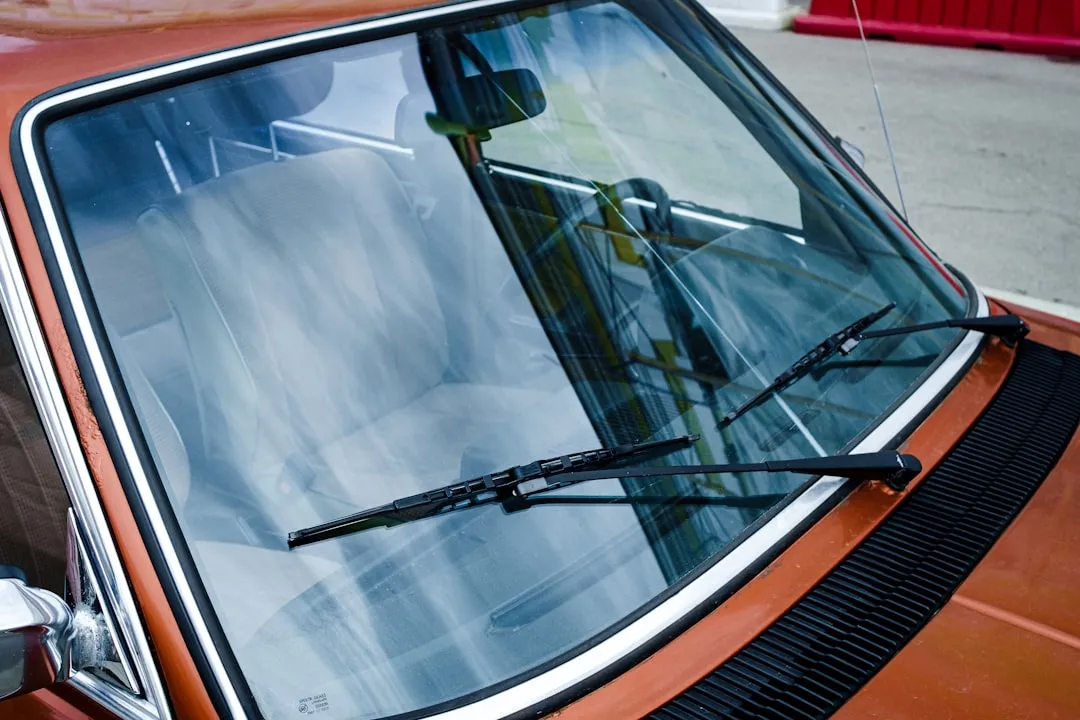
Running the wipers on a dry windshield is widely considered the number one cause of wiper scratches. It’s a habit most drivers have done accidentally at least once, but repeat offenders pay for it eventually. Running wipers across a windshield that is dry or only lightly misted dramatically increases friction between trapped debris and the glass. Water and washer fluid are meant to act as a lubricant, suspending abrasive particles so they can be carried away. Without adequate lubrication, solid contaminants are held firmly against the glass, and the repeated motion of the wiper blade acts like a piece of fine sandpaper.
Running wipers on a dry windshield forces the rubber to drag across the surface without lubrication, dramatically increasing friction and grinding any particles on the glass directly into the surface. Always use washer fluid or wet the glass before activating wipers, as this one habit alone prevents the majority of wiper scratches.
Waiting Too Long to Replace Worn Blades
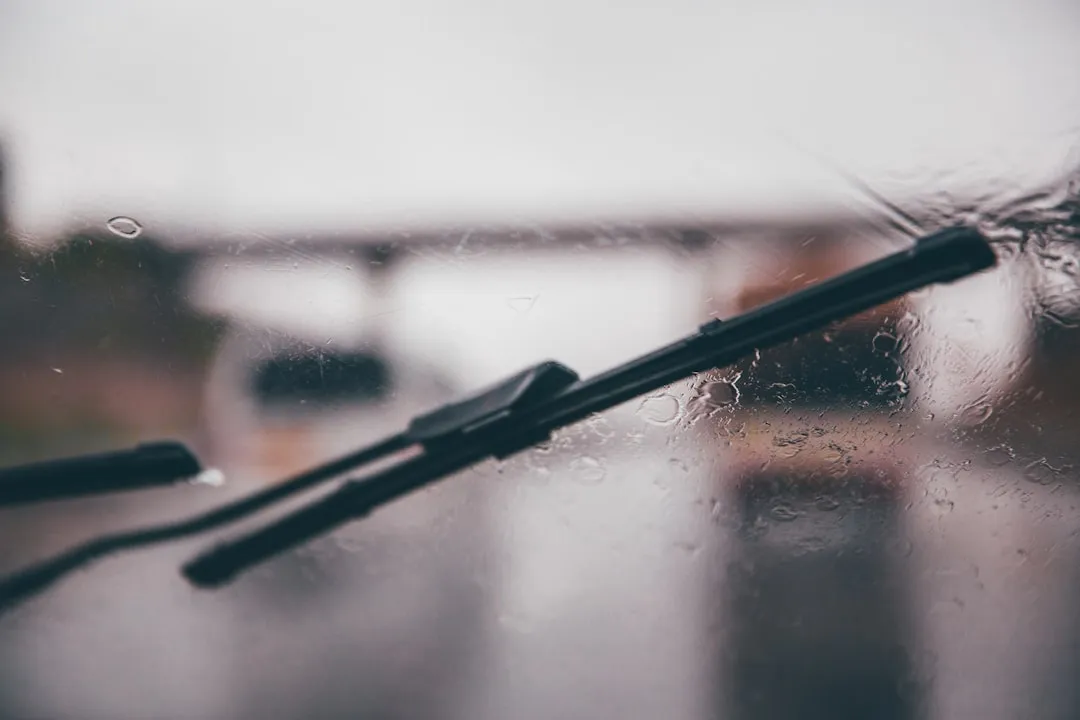
On average, windshield wiper blades last six to twelve months. Even if they look fine, the rubber slowly degrades due to sun exposure, temperature changes, dirt, and regular use. The problem is that most drivers don’t notice until the blades are already well past their useful life.
If this wear is left unchecked, problems can go from merely annoying to very costly. As the rubber wears away, the springy internal metal bar may begin to peek through, and if allowed to come into contact with your windshield, this exposed metal can quickly result in deep scratches across the glass. Depending on how long you allow bad windshield wipers to remain in use, you may need windshield repair services or even an entire windshield replacement.
The most common cause of windshield scratches is the sustained use of badly worn windshield wipers. As wiper blades age, their rubber inserts begin to wear, and they can eventually wear to the point of causing metal-to-glass contact. When this occurs, scratching comes as an immediate byproduct, and due to the repetitive motion of a wiper arm, these scratches only deepen with time.
Using Wipers to Scrape Ice and Snow
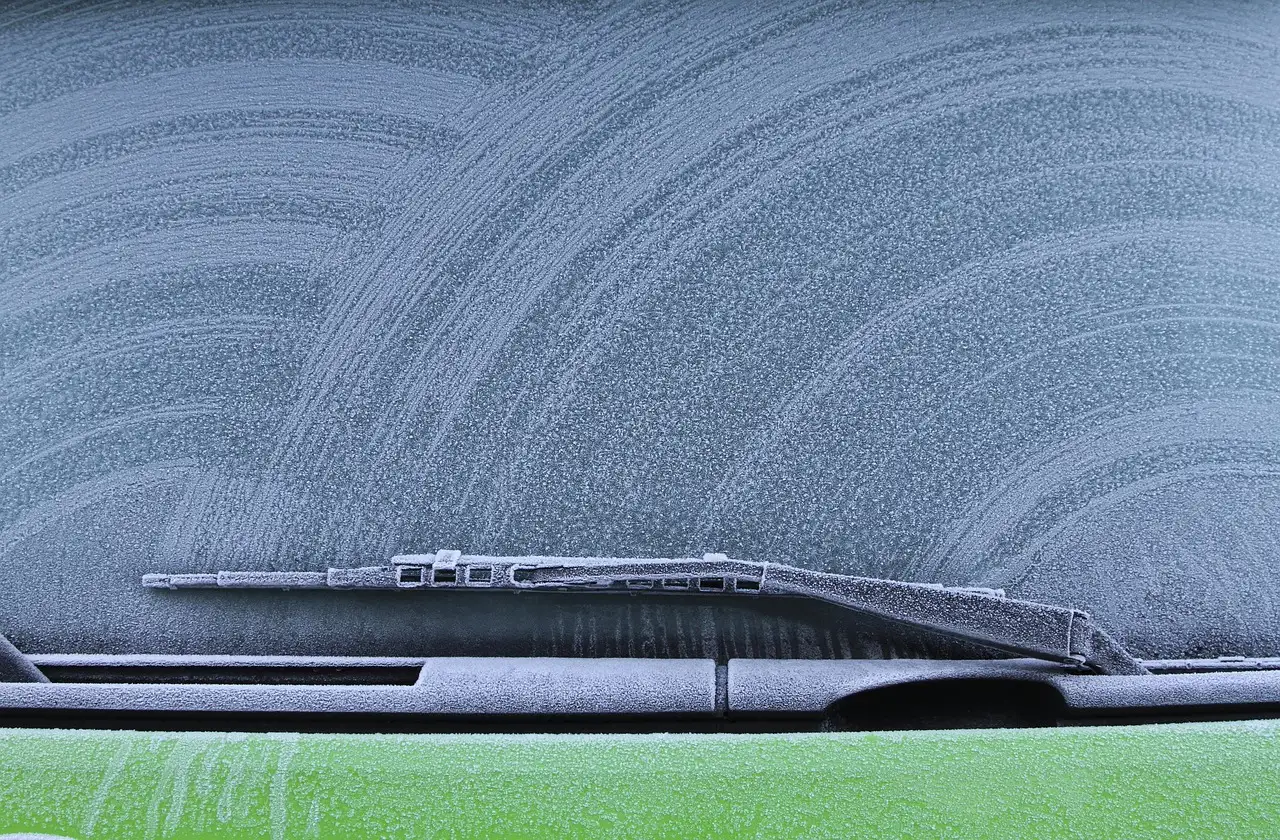
Using wipers when the windshield is dry or icy damages both the glass and the blades. Wipers are simply not designed to scrape off snow and ice or to remove heavy debris. Forcing them to do so puts enormous stress on the rubber and the motor.
When you use wipers before the ice and snow have melted completely, the blades start moving with difficulty and put too much pressure on the glass, which can lead to cracks and chips. Another problem that arises when using wipers before letting the ice melt is damage to their motor or linkage system. That kind of motor damage pushes repair costs into a far more serious range.
In winter, always scrape away ice and snow buildup around your wiper blades before turning them on. If your car ends up with snow and ice on it, take a minute to scrape away the build-up around your blades, since forcing them to move through frozen buildup can bend or dull the rubber, shortening how long your wipers last.
Ignoring Streaks and Skipping Sounds
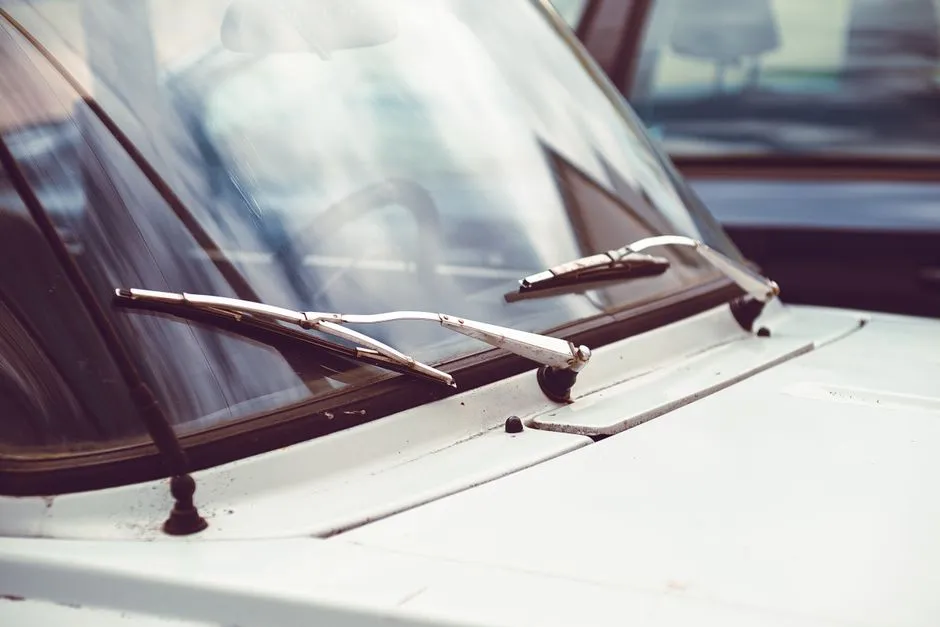
Recognizing when your wiper blades need replacing is key to maintaining clear visibility. Common signs of wear include streaking on the windshield, skipping across the windshield surface, squeaking sounds, and the blade not making full contact with the windshield glass. Each of these symptoms indicates that the effectiveness of your wipers is compromised and they may need to be replaced.
When wipers skip instead of gliding smoothly, they’re no longer flexible enough to conform to the windshield’s curve, which often happens as blades age or dry out. If you can see cracks, tears, or missing pieces in the rubber, it’s definitely time for a replacement. Not only can these damaged blades not clear water, but they can even potentially scratch the windshield glass. These are cheap fixes. Ignoring them is not.
Letting Dirt and Debris Build Up on the Glass
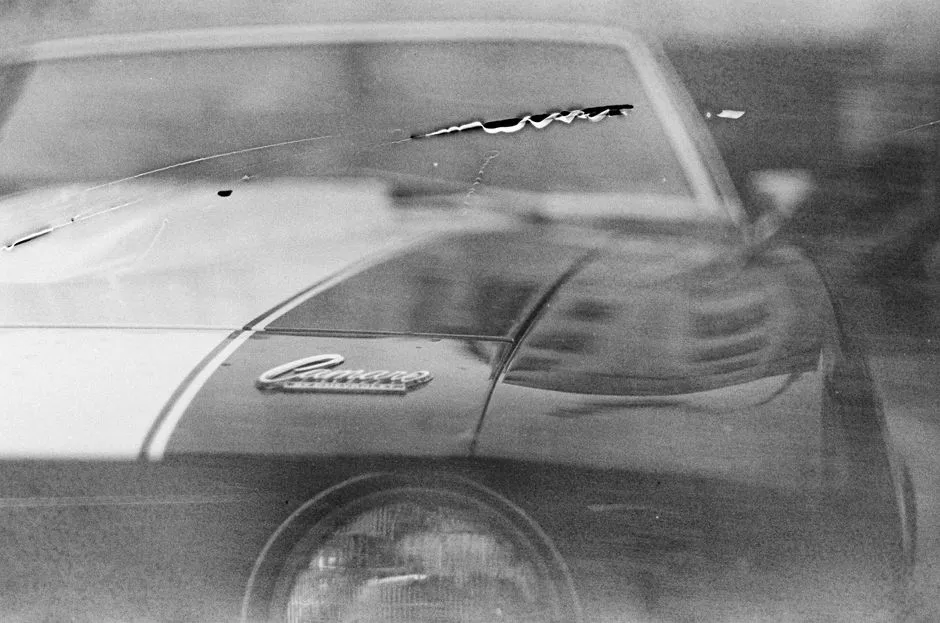
Wipers are designed to clear water, not grind debris across glass. In dusty environments, tiny particles collect on the windshield and on the rubber blade. When the wipers run, especially on a dry windshield, those particles can drag across the surface like sandpaper, creating fine scratches over time that catch sunlight and headlights, producing glare.
If the windshield isn’t clean and dust, dirt, sand, and other debris accumulate on it, they lead to friction and abrasion of the glass when using wipers, causing windshield scratches. A quick rinse before turning the wipers on is genuinely protective, not just cosmetic. Dirt, dust, and road grime usually build up on the rubber edge of the wipers, causing streaks and faster wear.
Parking Without Protecting Wipers from the Elements
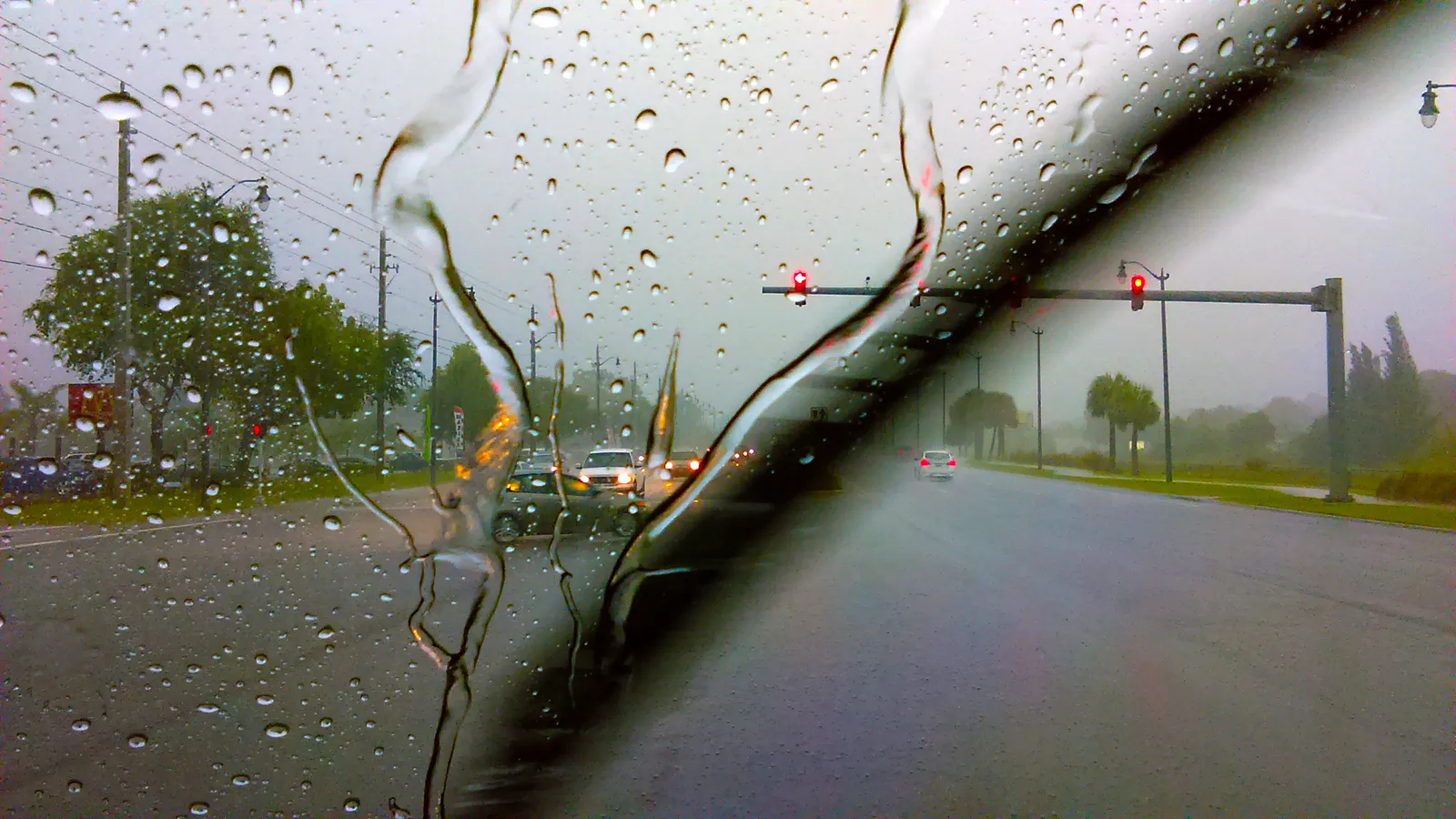
When parking your car in winter, lift the wipers off the windshield so they don’t freeze to the glass. In hot climates, try to park in the shade to reduce sun damage. These are two-second habits that genuinely extend blade life.
If you live in an area with extreme heat, cold, or frequent rainfall, your wipers may need replacement sooner. Vehicles parked outside year-round also experience faster rubber deterioration due to constant exposure to sunlight and temperature fluctuations. UV light alone is enough to crack rubber that still looks intact from a distance. Ultraviolet light, heat, cold, engine exhaust, smog, dust, dirt, road salts, and grime can all make wiper squeegees deteriorate.
Choosing the Wrong Blade Type for Your Climate
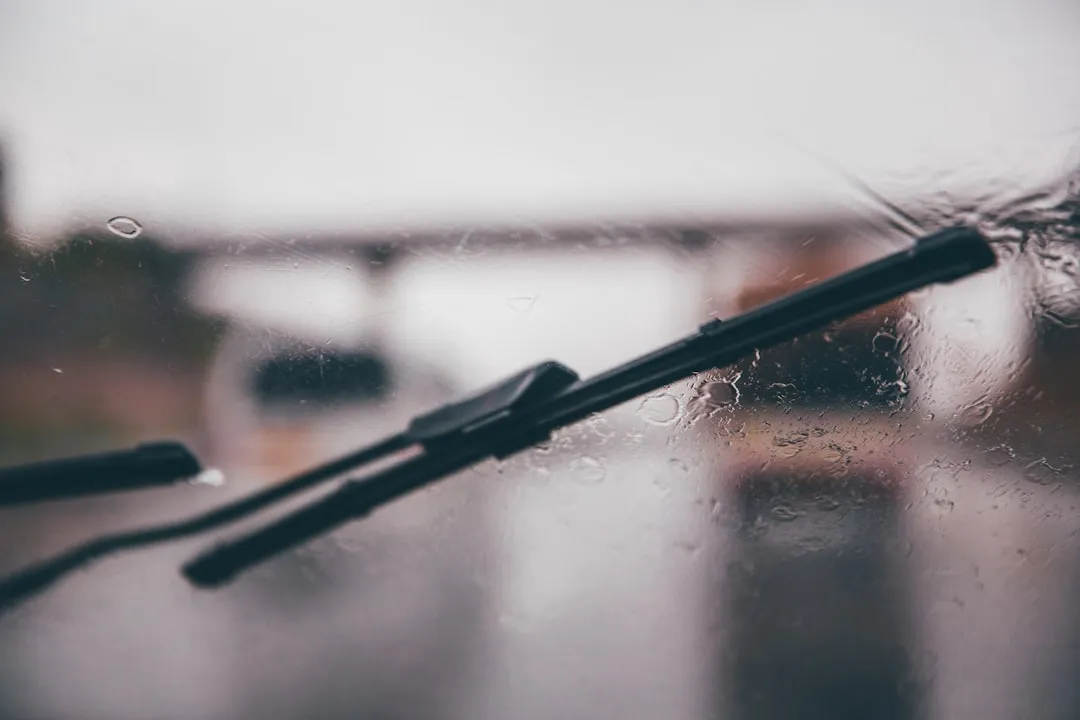
Using the proper windshield wipers can help them last longer. Different seasons necessitate different kinds of windshield wipers. For example, standard wipers are multi-purpose blades suitable for general use and perform well in mild rain, snow, and moderate temperatures. Using a basic all-season blade in a region with heavy snowfall is one way to accelerate failure.
Conventional blades are usually the most affordable but wear out faster. Beam and hybrid blades cost more because they press more evenly against the windshield, last longer, and perform better in rain or snow. For drivers in harsh climates, the higher upfront cost is almost always worth it. Silicone blades have the highest lifespan of all wiper blade materials and may last up to four years with proper care and maintenance.
Skipping the Wiper Arm Inspection
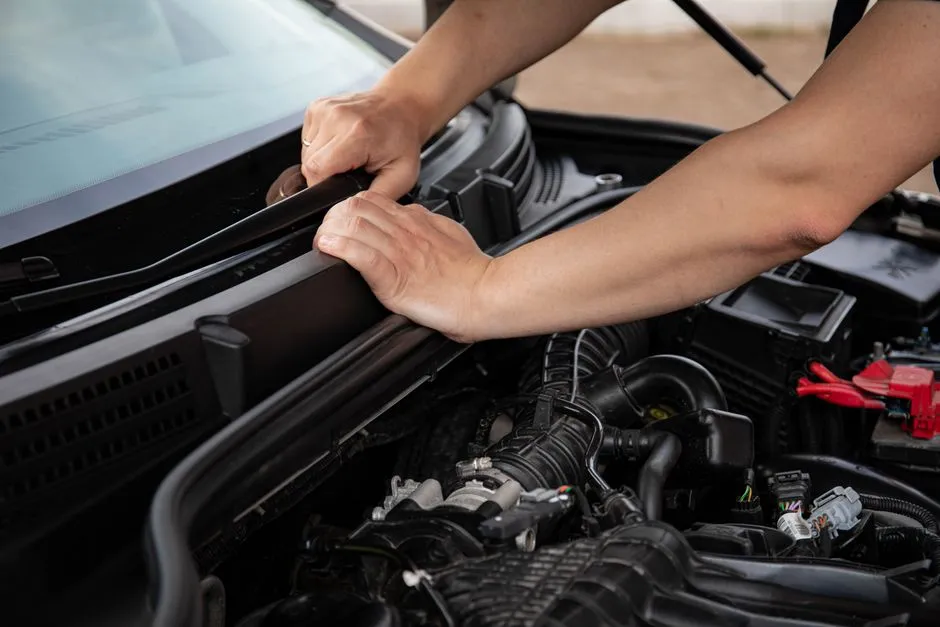
Drivers often swap out blades and completely forget to check the arm that holds them. That’s a meaningful oversight. If the wiper frame or arm is bent, the blade won’t press evenly against the windshield, which causes uneven wiping and leaves large patches of water or snow untouched. In some cases, a bent arm may also scratch the glass.
If the windshield arms become bent or rusted, the windshield wipers may not contact the windshield at the proper angle, or there may be no contact at all. The sun will also take a toll on these parts after years of use, causing fading, clear coat peeling, and rust. Replacing a wiper arm is far cheaper than replacing the windshield it damages. The average cost for a windshield wiper arm replacement is between $135 and $157 but can vary from car to car.
Underestimating How Deep Scratches Trigger Full Replacement
Deeper scratches that catch your fingernail typically require professional windshield repair or, in severe cases, full windshield replacement. This is the cost escalation that surprises most drivers. What started as a blade that should have been swapped out becomes a four-figure bill.
In 2025, the average windshield replacement cost can range anywhere from $250 to $600 for standard models and up to $1,200 or more for vehicles with advanced safety features. On newer vehicles with ADAS sensors, the price can climb further. If your vehicle comes equipped with rain-sensing wipers and advanced driver assistance systems like automatic braking and adaptive cruise control, be prepared to spend $1,000 or more for a replacement windshield. Those high costs include recalibrating the ADAS and related safety features like forward collision warning and the head-up display.
If the scratch is deep enough to catch your fingernail, you need to replace the windshield. That simple fingernail test is worth doing the moment you notice a mark. Catching it early sometimes allows a polish fix that costs almost nothing.
Neglecting the Wiper Motor When Something Feels Off
When a wiper behaves erratically or moves too slowly, most drivers assume it’s the blade. Sometimes, the problem is deeper in the system. Costs can rise significantly if the issue isn’t just the wiper blade. You’d need to pay more if you have to replace a faulty wiper motor, damaged linkage, or broken wiper arm.
The average cost for a windshield wiper motor replacement is between $470 and $530 but can vary from car to car. Allowing a struggling motor to continue operating can damage the linkage and eventually force the arm into uncontrolled contact with the glass. Most windshield wiper repair costs run from $39 to $483, with wiper blade replacements sitting at the low end and wiper motors and linkages landing much higher. Catching motor issues early keeps you at the low end of that range.
The Real Cost of a Simple Habit
The numbers tell a clear story. A fresh pair of blades costs between thirty and seventy-five dollars. A windshield replacement in 2025 costs anywhere from several hundred to well over a thousand. The whole chain of damage, from worn rubber to scratched glass to full replacement, is almost entirely avoidable with a few basic habits.
Check your blades every six months. Never run them on a dry or gritty surface. Scrape ice before flipping the switch in winter. These aren’t elaborate steps. They’re just the kind of maintenance that most cars never get because it feels too minor to worry about, right up until the moment it isn’t.
AI Disclaimer: This article was created with the assistance of AI tools and reviewed by a human editor.