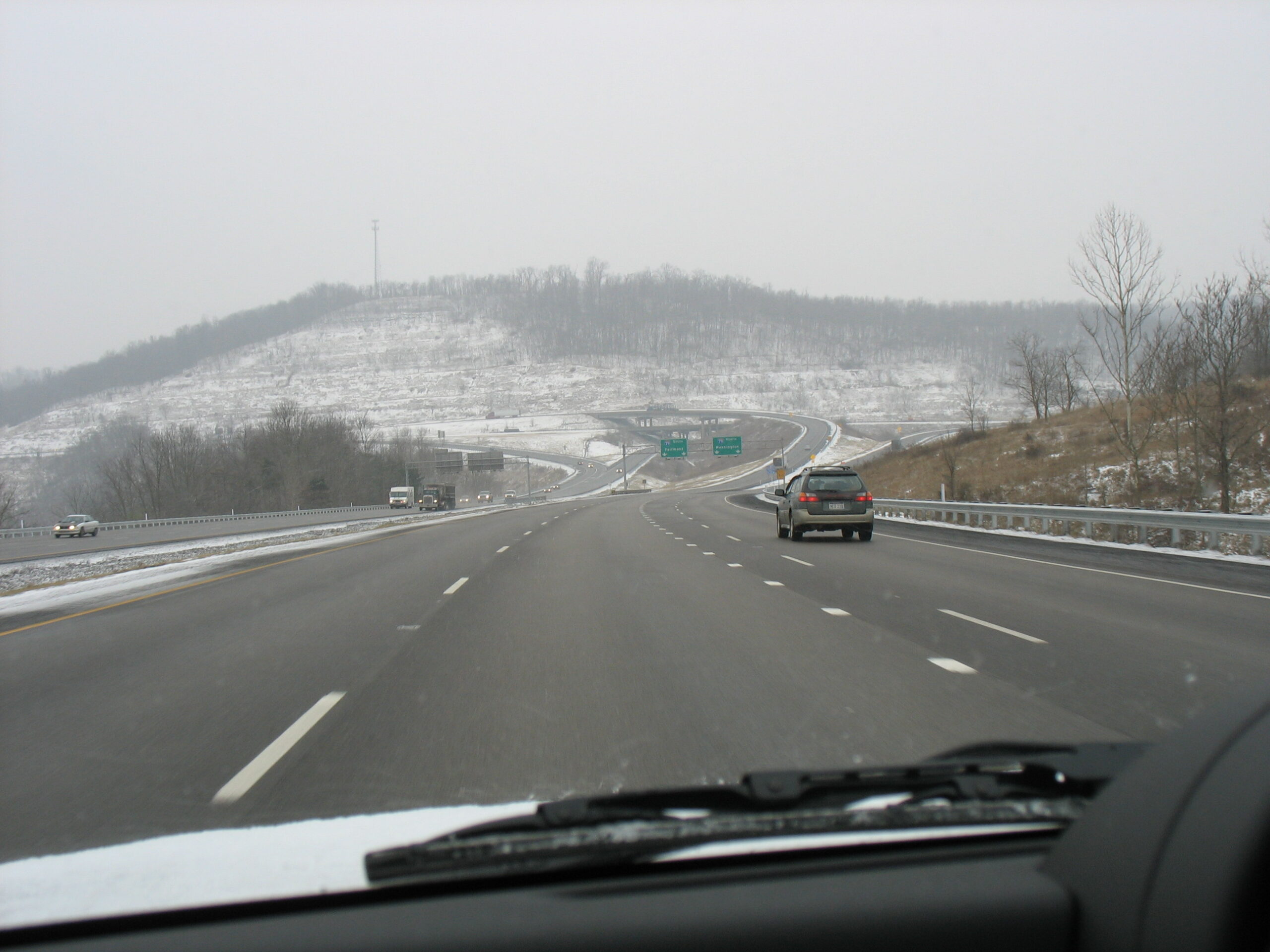

Most people have done it at least once. You wake up running late, walk out to find the car buried under frost, and reach for the quickest thing available: a kettle of hot water. It seems logical. Ice melts fast. Problem solved. Except it isn’t, and the consequences can be surprisingly expensive.
This one common habit, repeated every winter by millions of drivers, is one of the leading causes of cracked windshields that have nothing to do with road debris or accidents. Understanding why it happens, and what to do instead, is more useful than most people expect.
The Habit in Question: Pouring Hot Water on a Frozen Windshield
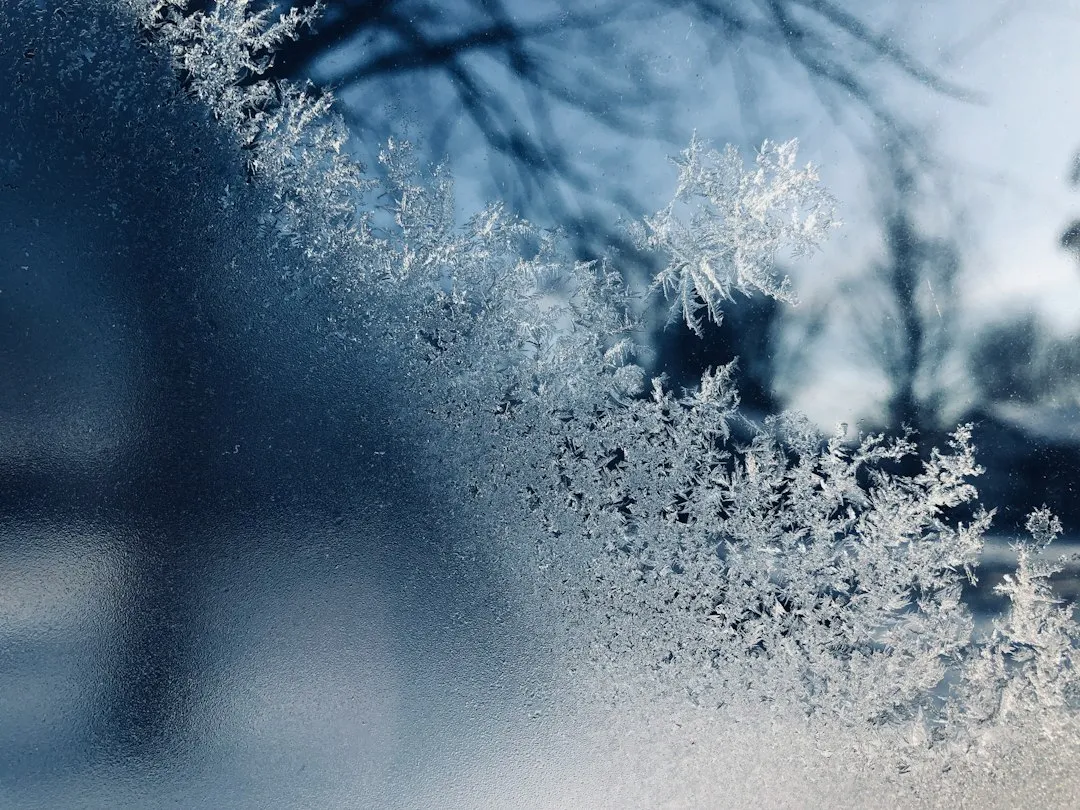
Under no circumstances should you pour hot water on a frozen windshield. It is extremely dangerous, and the sudden change in temperature will cause the glass to crack or shatter. Despite this, the habit remains stubbornly common, fueled by the false logic that melting ice quickly is always better than waiting.
Social media posts encouraging drivers to pour hot water on their windshields have spread widely, with one post accumulating over twelve thousand shares. The advice sounds practical in the moment. In reality, it routinely destroys the very glass it’s supposed to clear.
Why Glass Can’t Handle the Temperature Jump

Glass is a poor conductor of heat, and the uneven change in temperature causes the glass to expand and contract unevenly. That unevenness is the real problem. It’s not just about hot versus cold. It’s about different parts of the same pane reacting at different speeds.
Hot tap water hitting a frozen windshield creates uneven expansion where the wet areas heat up while surrounding glass stays cold. The section where hot water lands expands instantly while the surrounding cold glass stays contracted, creating internal stress that the glass cannot handle, and cracks form where the pressure is greatest.
The Physics Behind Thermal Shock
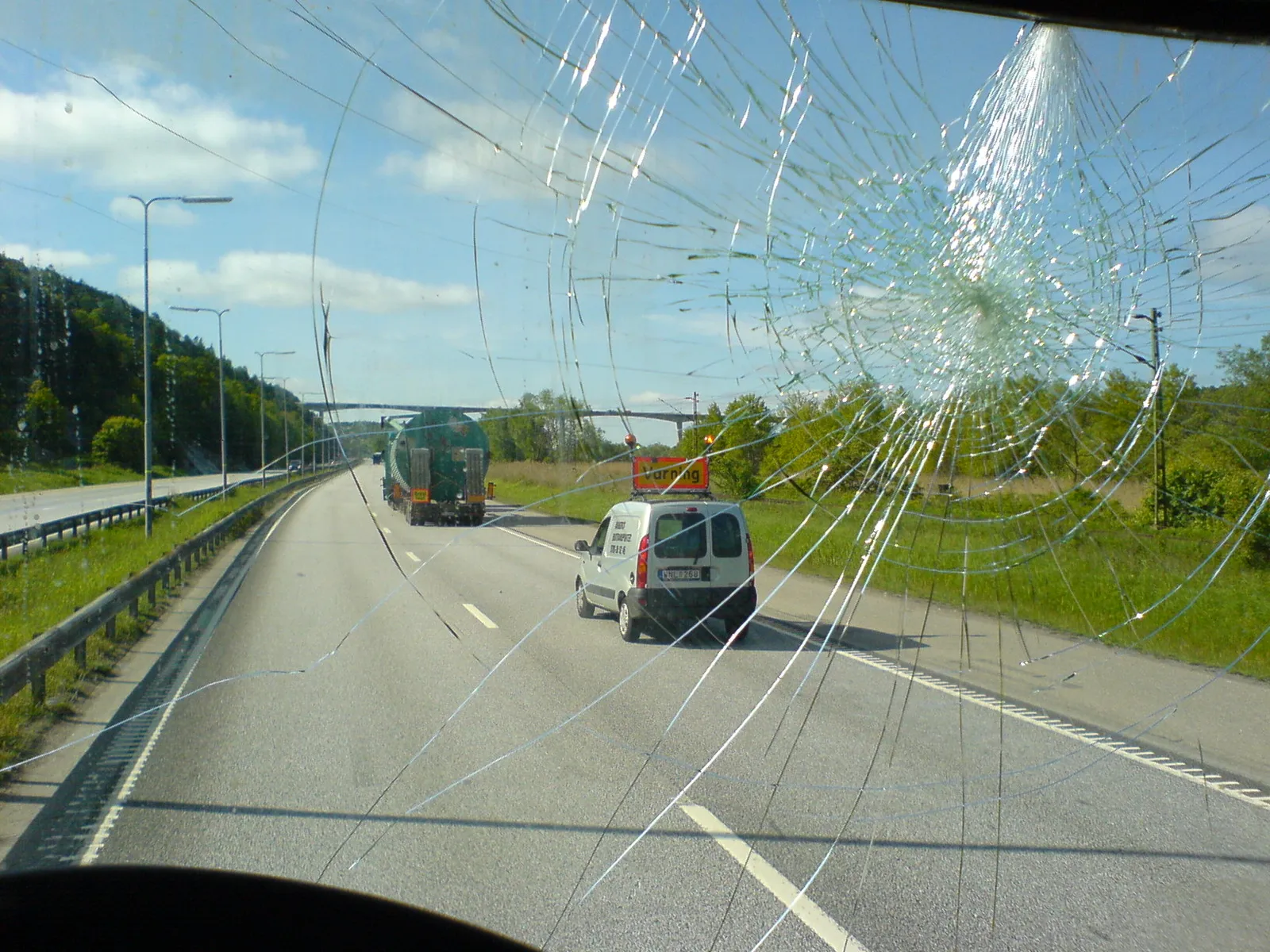
This phenomenon is known as thermal stress, where uneven expansion or contraction creates tension that the glass cannot handle. Modern windshields are made of laminated glass, a combination of two layers of glass with a plastic layer in between, which helps prevent immediate shattering. However, this construction doesn’t make the glass immune to temperature-induced damage and cracking.
A frozen windshield can be at minus twenty degrees Celsius or colder, while hot water sits at around seventy to eighty degrees Celsius. That temperature difference of ninety degrees or more is extreme, and the glass simply cannot handle the stress. It doesn’t matter how sturdy the windshield looks from the outside.
Cold Weather Already Puts the Glass Under Stress
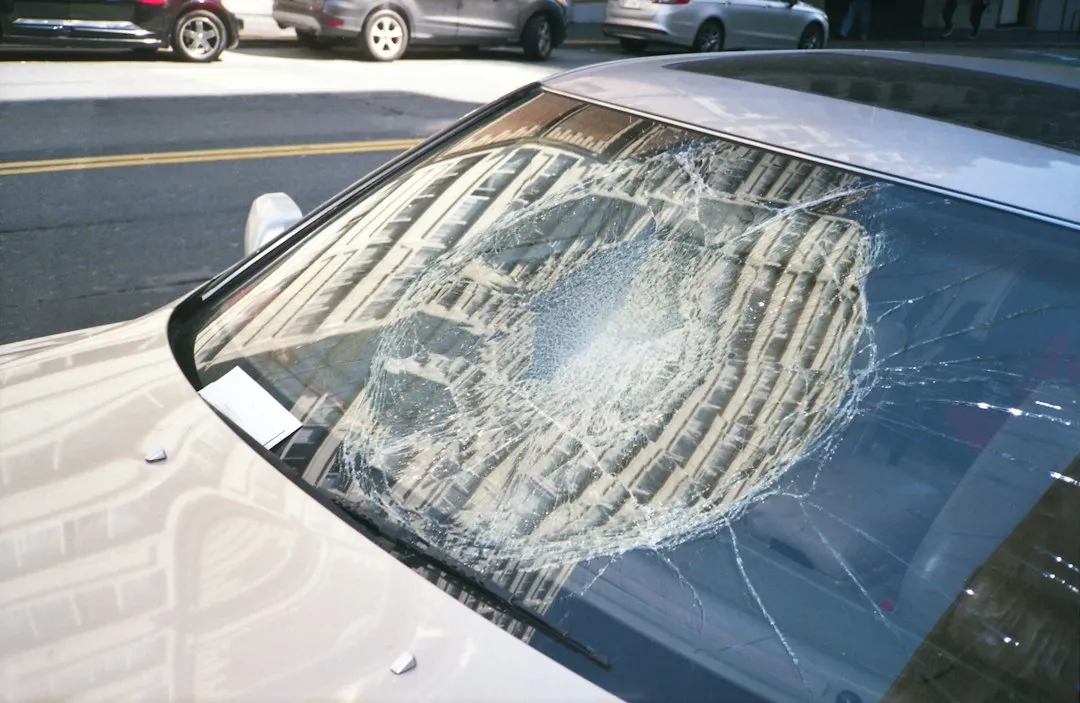
When one part of the windshield changes temperature faster than another, the two areas pull against each other. That tension is called thermal stress, and glass has a limit. Cross it and the glass relieves the stress the only way it can, by cracking.
According to a Motor Industry Research Association study, once temperatures outside reach 32 degrees Fahrenheit, a windshield crack is sixty percent more likely to spread. Once temperatures reach 14 degrees Fahrenheit, the damage is eighty percent more likely to spread. Pouring hot water onto glass that is already under that kind of cold-weather pressure dramatically compounds the risk.
Small Chips and Existing Cracks Make Everything Worse
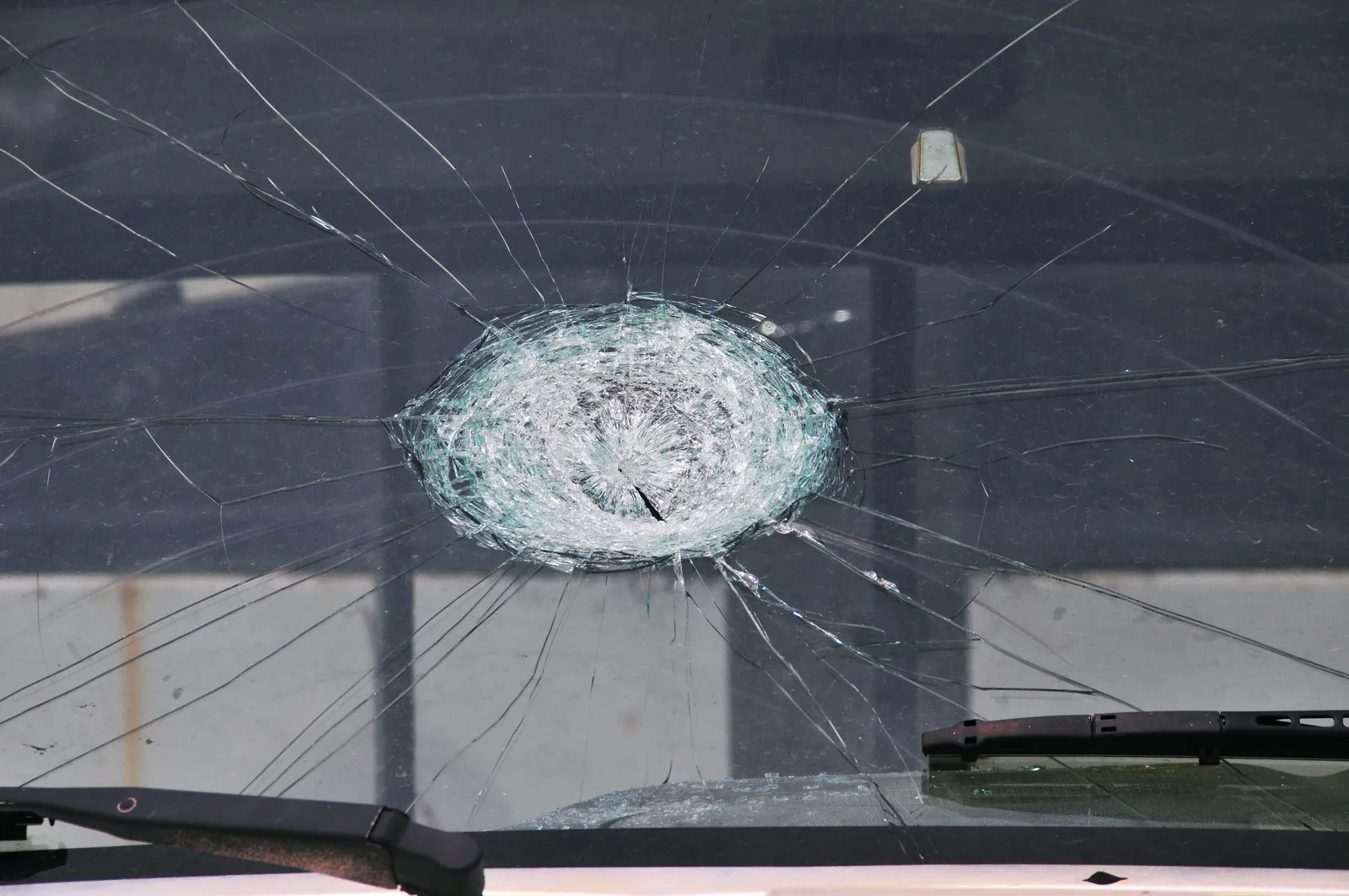
Windshields already have tiny vulnerabilities, whether that’s microscopic chips, scratches, or stress points. These weak spots make thermal shock more dangerous. A chip you’ve been meaning to get repaired since September can turn into a crack running across the entire windshield after one morning of hot-water treatment.
The cold can cause existing cracks to grow, sometimes even overnight. This is why you might notice a small chip on your windshield one day, only to find it has turned into a large crack the next morning after a cold night. Adding a blast of hot water on top of that process accelerates the damage significantly.
The Refreezing Problem Nobody Mentions
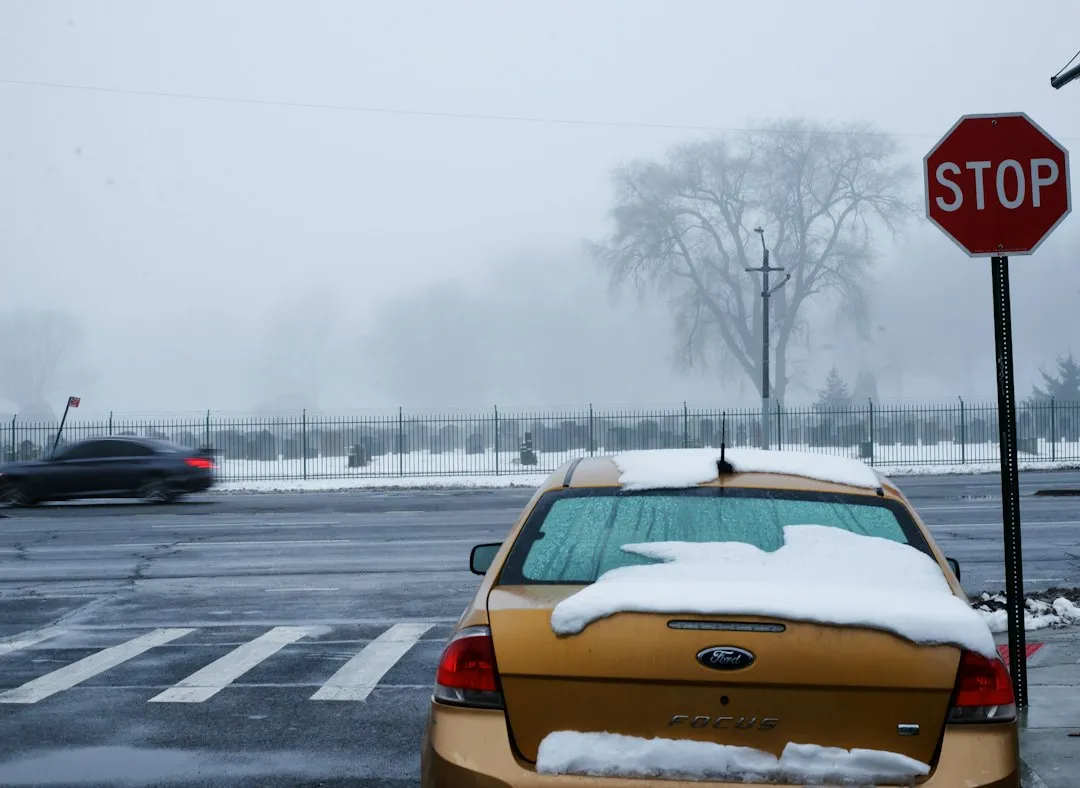
Even if the windshield survives without cracking, hot water can freeze quickly in subzero conditions, leaving you with an even bigger mess. This layer of instant ice could make visibility worse and create slippery conditions around your vehicle. So even in the best-case scenario, the habit often backfires.
The downside to using lukewarm water to de-ice a car is that, on particularly cold days, the water could quickly freeze, making the problem worse. By pouring tepid water on a frozen windshield, you run the risk of being left with a thick layer of ice that’s very difficult to remove, and could result in you scratching the glass with the scraper.
Blasting the Defroster on Maximum Is Also a Risk
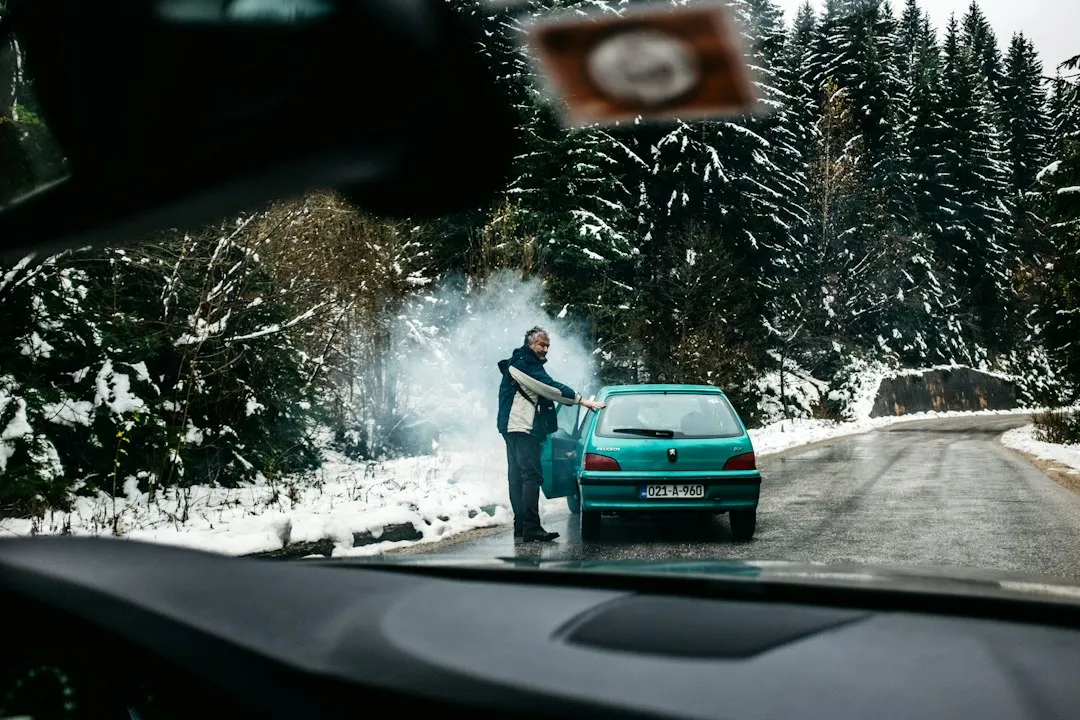
If a car is parked in freezing weather and the owner suddenly blasts the defrost on high heat, the temperature difference between the interior and exterior of the windshield can cause it to crack. This surprises many drivers who assume the car’s built-in heater is always safe to use at full power from a cold start.
Setting the defrost to medium heat rather than maximum is the smarter approach. The air will still be warm, which reduces temperature stress on the glass while still clearing frost effectively. Patience during the first few minutes costs nothing and can save hundreds in repair costs.
Running Frozen Wipers Is Another Common Mistake
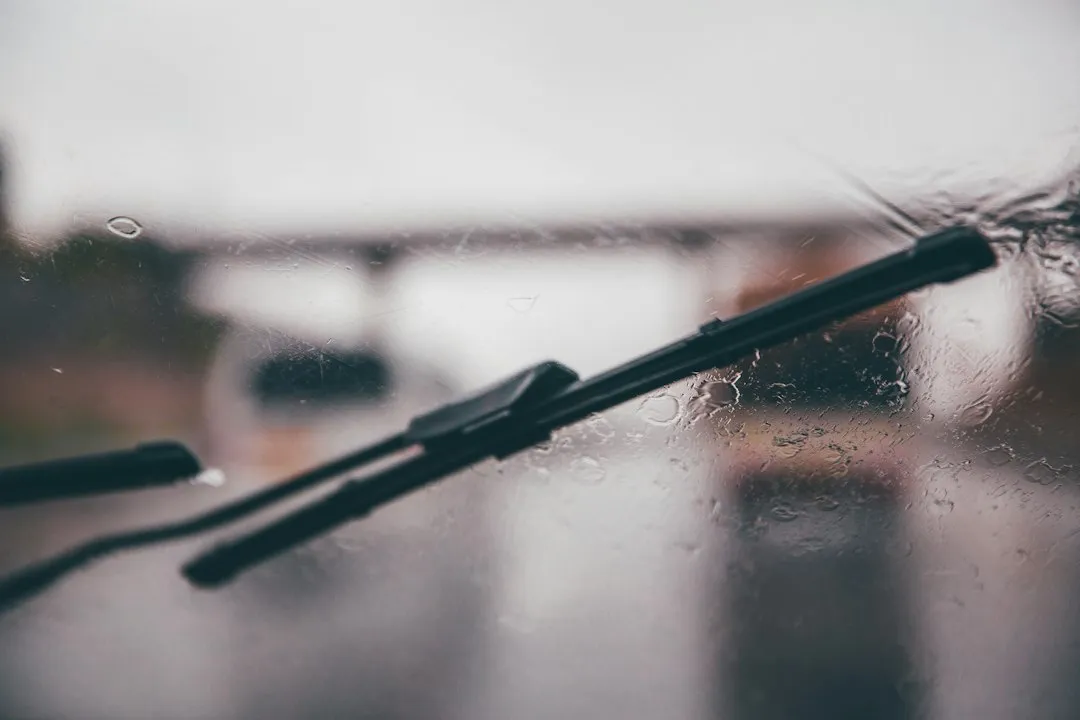
You should not use your wipers to clear snow buildup from your windshield. If you walk out to a blanket of snow on your windshield, your wipers are likely frozen to the glass, and turning them on could ruin the blades or damage the motor and linkages. Wipers simply aren’t designed to handle the resistance caused by ice or the weight of snow piles.
Engaging the wipers before the windshield is fully defrosted can damage both the rubber blades and the motor, shortening their lifespan and reducing performance during critical moments. Ice buildup wears down wiper edges and compromises visibility just when drivers rely on them most.
Hot Water Damages More Than Just the Glass
Not only does using hot water to de-ice a vehicle result in cracks on the windshield, but it can also damage paintwork when the boiling water melts off protective wax and leaves a white watermark stain. The collateral damage from this one habit extends well beyond the windshield itself.
It can be incredibly easy to burn yourself while pouring hot water on a windshield, either from the water itself or from the steam produced when the water hits the ice. What starts as a two-minute shortcut can end with a burn and a cracked windshield on the same morning.
What to Do Instead
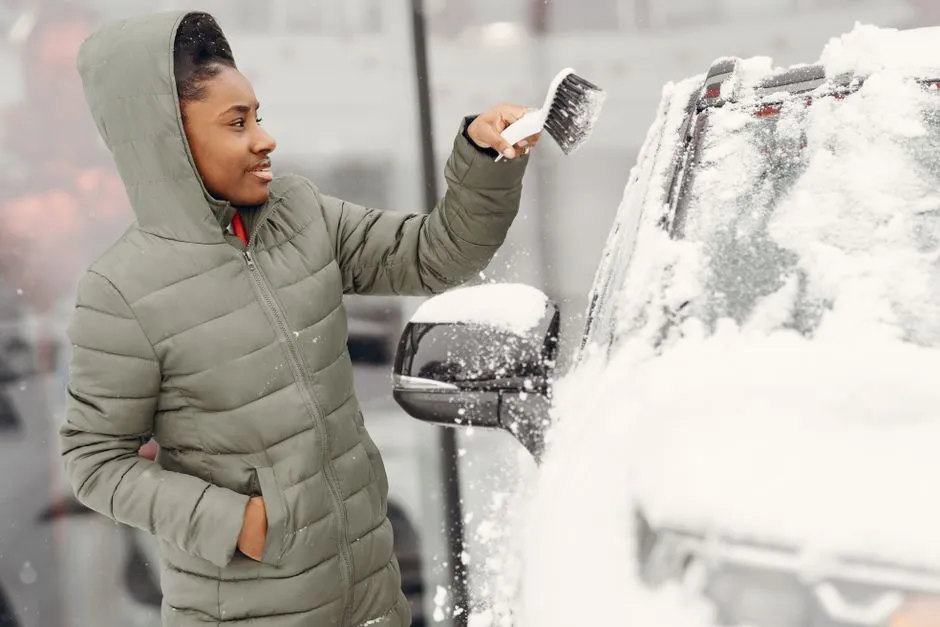
The vehicle’s climate control system is the most effective and completely safe primary defrost method, and most drivers underutilize it by not starting the process early enough. Starting the engine and activating the front defroster at maximum heat, with fresh air rather than recirculate, fan at full speed, and air directed to the windshield, produces measurable glass warming within three minutes and meaningful ice softening within five minutes.
Once the ice has softened, use a scraper to remove it. Avoid using your wipers to clear the ice, as this can damage the blades. A quality plastic ice scraper costs very little and lasts for years. An ice scraper is an essential winter tool, and using a proper scraper made of plastic or silicone helps avoid damaging both the glass and the scraper itself.
Protecting Your Windshield Before the Cold Arrives
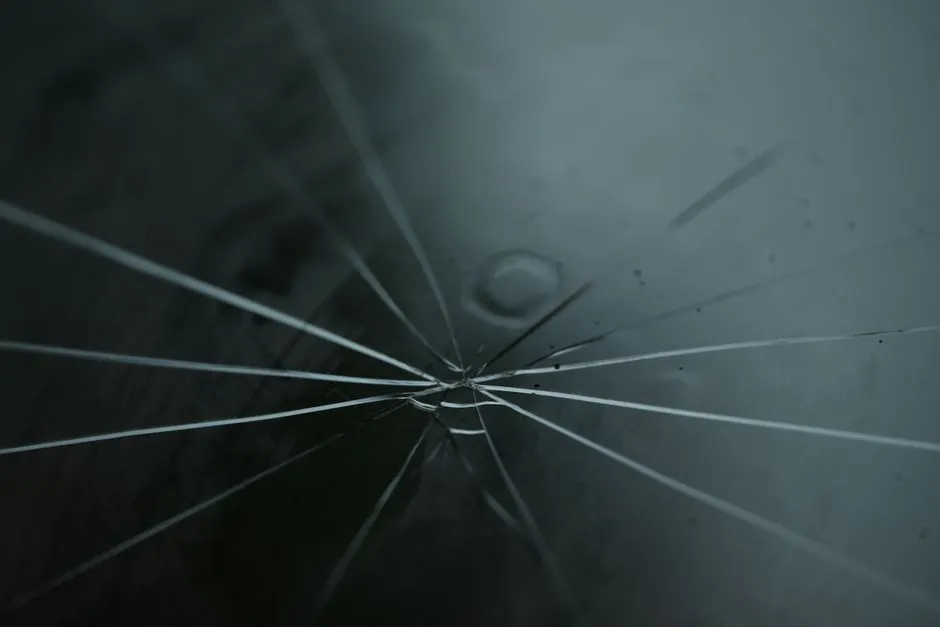
A crack in your windshield is not only unsightly, it could be a potential hazard. As temperatures in many areas drop to below freezing, you have to be careful that wintry weather doesn’t cause the crack to spread, causing further damage. Addressing even minor chips before winter arrives is one of the most practical things you can do for your vehicle.
Cold weather can crack a windshield, and it can turn a chip you have been ignoring into a crack that runs the width of the glass overnight. Getting a small chip repaired in autumn takes less than an hour and typically costs far less than a full windshield replacement, which can run into several hundred dollars or more depending on the vehicle.
Final Thoughts
Winter mornings have a way of making bad decisions feel reasonable. When you’re cold, late, and staring at a sheet of ice, grabbing the kettle feels efficient. It rarely is. The glass on your windshield is under constant physical stress in freezing weather, and one sudden temperature swing can turn a minor inconvenience into a costly repair.
The safer approach is also the simpler one: start the engine, set the defroster to a moderate temperature, and let the system do what it was designed to do. A few extra minutes is a reasonable trade for not cracking a windshield you’ll have to live with all winter.
AI Disclaimer: This article was created with the assistance of AI tools and reviewed by a human editor.