
Every time you reach for a small plastic clamshell of basil at the grocery store, you’re essentially paying a premium for something that was cut days ago, shipped across the country, and is already on its way out. It’s a quiet frustration most cooks share but rarely stop to fix.
The truth is that a well-planned windowsill setup can deliver the same variety you’d find across an entire herb aisle, and it can do it continuously, on your schedule, with almost no square footage. What follows is a practical guide to getting that system right, from choosing your herbs to understanding the real savings involved.
Why People Are Actually Doing This in 2025 and 2026
According to a 2025 Frontdoor survey of nearly 1,000 Americans, roughly seven in ten planned to grow a food garden, with urban and rural residents participating at surprisingly similar rates. That’s not a niche movement. More than a quarter of food gardeners are growing indoors, making window gardens one of the fastest-growing categories.
With more than half of food gardeners in 2025 explicitly aiming to lower their grocery bills, and a significant portion responding directly to rising food costs, a windowsill garden is one of the simplest ways to start without a yard. The motivation is clear and grounded in real household budgets. Among those who grew food in 2024, the estimated average grocery savings came to around $875, and two-thirds of 2025 gardeners said their primary goal was access to high-quality produce.
The Real Savings Behind a Few Pots of Herbs
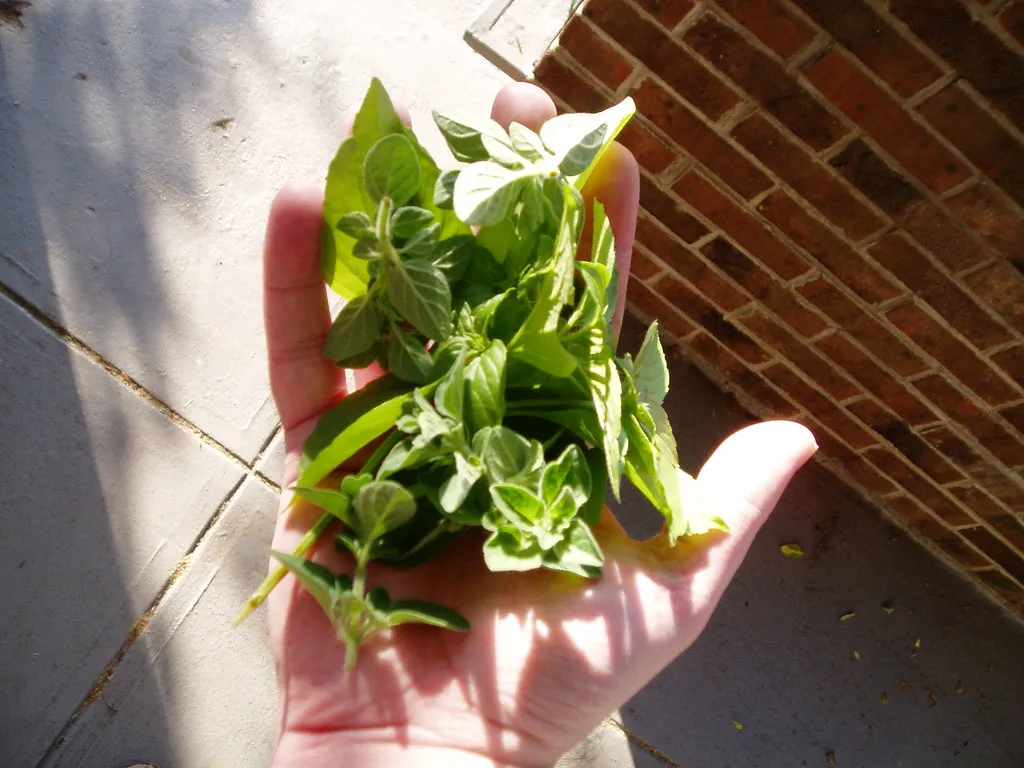
No other crop matches herbs for savings-to-space ratio. A small bunch of fresh basil at the grocery store typically costs $3 or more and wilts within days. That math compounds fast if you cook regularly. A small bunch of basil that once cost $1.50 now routinely hits $3.99 at most supermarkets, and for home cooks who use fresh herbs daily, that adds up to roughly $400 per year on something you could grow yourself for under $20.
Beyond the convenience factor, growing herbs at home can deliver real grocery savings of $100 to $600 yearly compared to buying fresh culinary herbs. Garden writer Nikki Jabbour calculated that each herb plant can produce around fifty times as much as one store-bought package. The ratio is hard to argue with once you see it in practice.
Choosing the Right Window: Orientation Matters More Than You Think
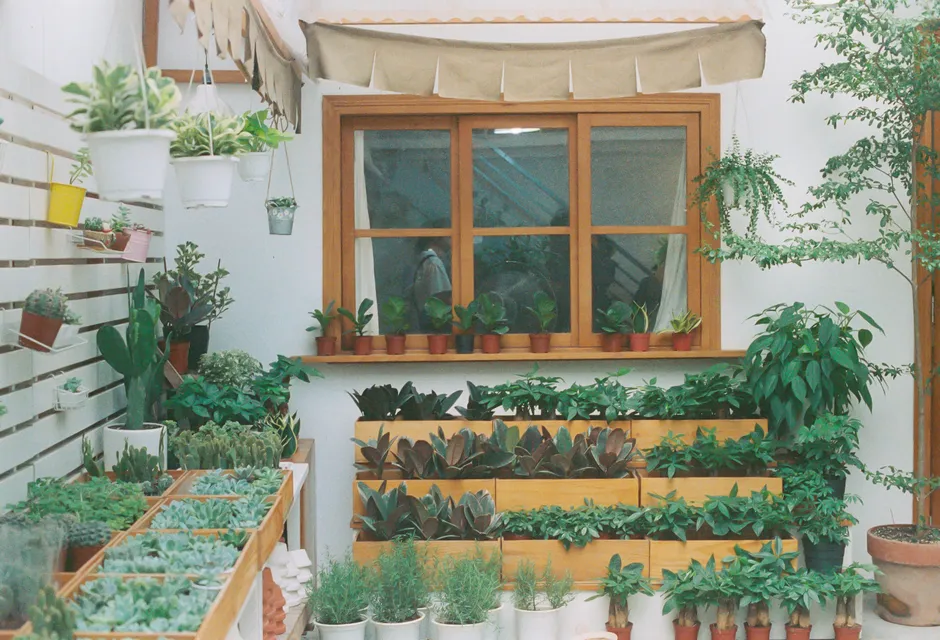
Most herbs require four to six hours of sun or fourteen hours of supplemental light daily, and a south or southwest exposure is best. That one detail eliminates a lot of guesswork. If your kitchen faces north, you’ll need to plan accordingly rather than assume any bright window will do.
Herbs that are not exposed to their preferred light conditions will become thin and spindly, produce smaller leaves, and have a reduced aroma. If you grow plants on windowsills, rotating pots often ensures each side gets enough light for uniform growth. Rotation takes about thirty seconds per week and makes a noticeable difference over time.
Basil: The Anchor of Any Serious Windowsill Setup
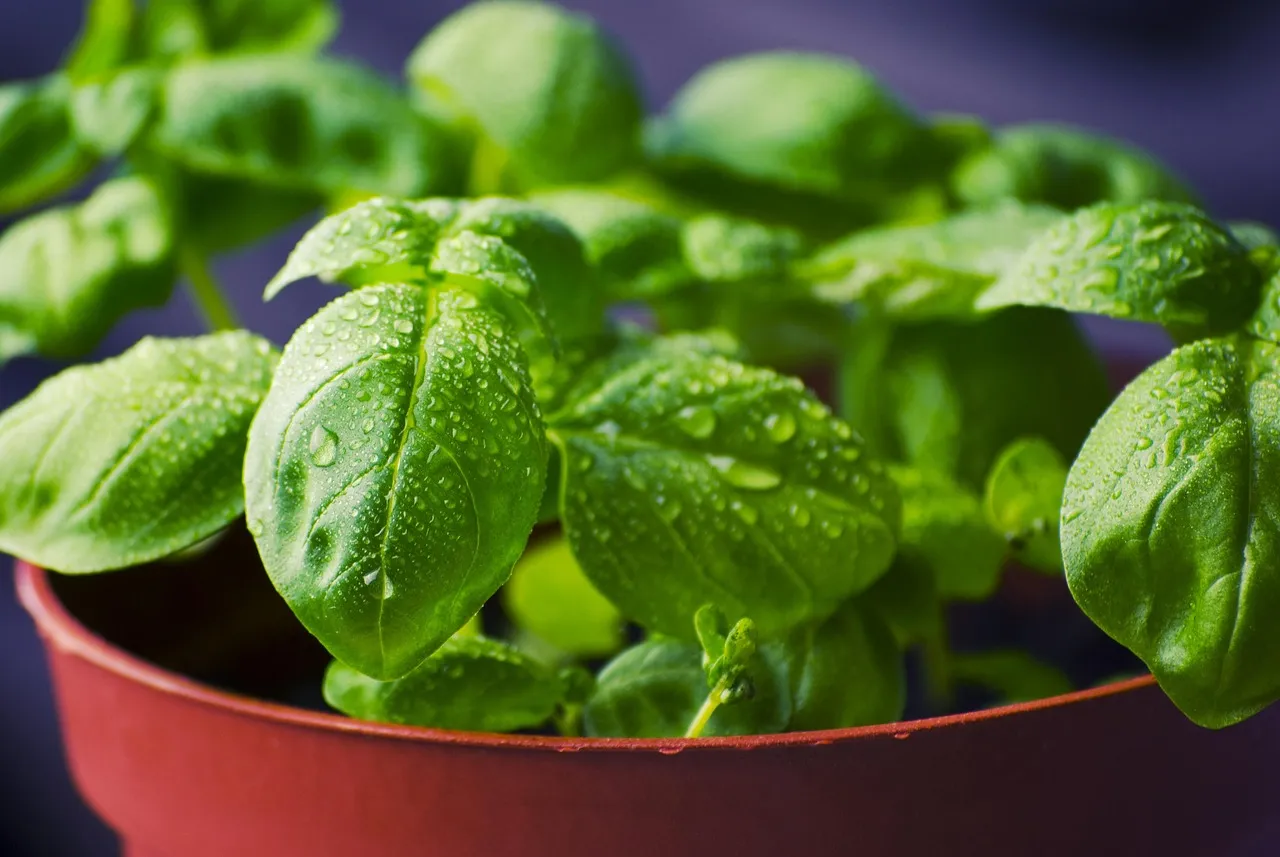
Indoors, basil grows year-round. If you love homemade pizza, pasta, and pesto, you need a basil plant on your windowsill. It’s probably the single most purchased fresh herb at grocery stores, which makes it the single best candidate for replacing a store habit. Basil is fast-growing, incredibly versatile, and the single most expensive fresh herb per gram at most stores. One healthy plant delivers enough for weekly pasta, salads, and pesto batches.
Basil is one of the most rewarding herbs to grow indoors. It grows quickly in warm temperatures, ideally between 70 and 80 degrees Fahrenheit, and thrives with twelve to sixteen hours of bright light each day. Keep the soil slightly moist and you’ll be rewarded with lush, fragrant leaves. Basil cannot survive temperatures lower than 50 degrees Fahrenheit and should not be kept on windowsills during cold winter months.
Mint: The Low-Maintenance Workhorse
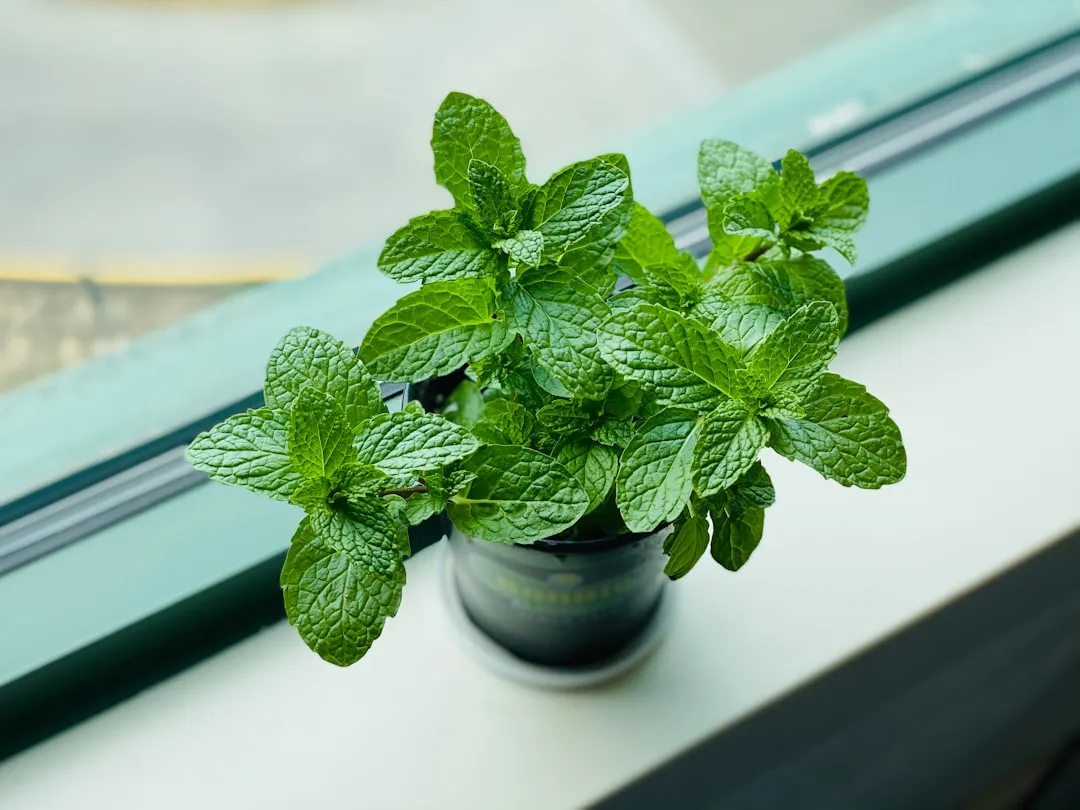
Mint is nearly impossible to kill. It spreads aggressively, so keep it containerized, but it produces prolifically and covers everything from cocktails to tea to desserts. For the windowsill setup, that spreading tendency is actually useful. One healthy pot kept in check provides more than most households can use in a week.
Mint can thrive in various light conditions, though it prefers bright, indirect light. It’s a perennial herb that can easily take over a garden if not contained, and it prefers moist, well-drained soil. The containment piece is worth taking seriously. Keep mint in its own pot and it stays cooperative. Mixed in with other herbs, it tends to crowd out its neighbors.
Chives, Parsley, and Thyme: The Reliable Supporting Cast
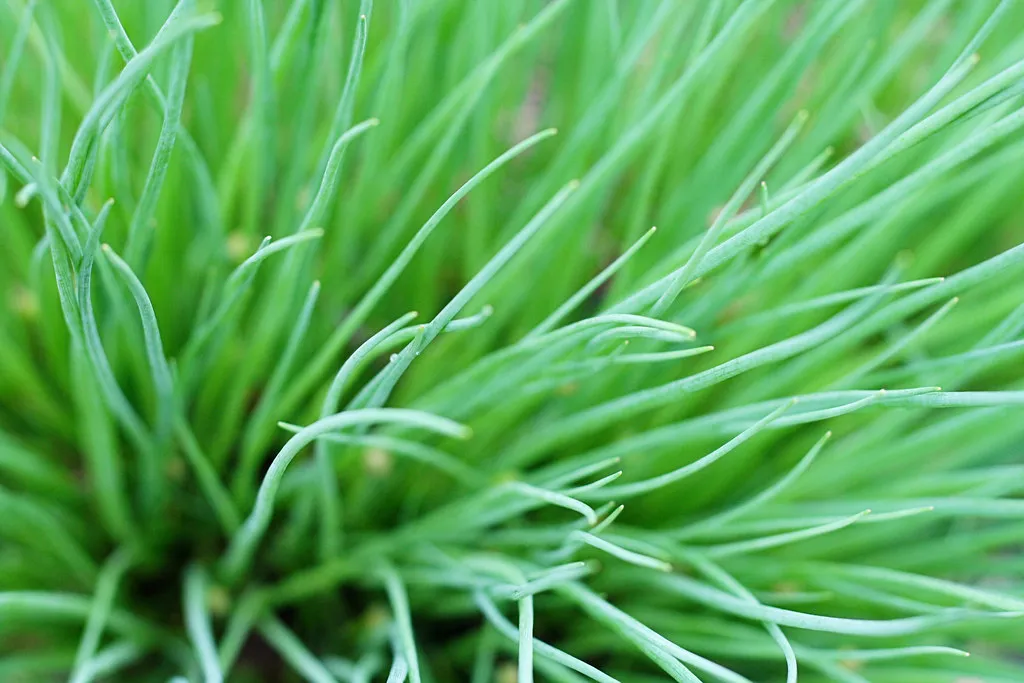
Chives are the most forgiving of all high-yield herbs. Cut them to the base and they regrow within days, essentially functioning as a perpetual harvest machine. In terms of light, chives don’t need as much as some other herbs and can be grown almost anywhere. However, as not all rays of light can penetrate a window, the brightest windowsill is still best.
Parsley is a slow starter but easy to maintain once established. It prefers cooler indoor conditions and benefits from twelve to fourteen hours of light daily. With shallow roots, parsley is ideal for growing in shallow containers. Thyme, meanwhile, is particularly well-suited to dry indoor conditions. Many herbs, such as thyme, chives, oregano, and rosemary, can be grown on the dry side.
Oregano, Rosemary, and Sage: Perennials That Pay You Back for Years
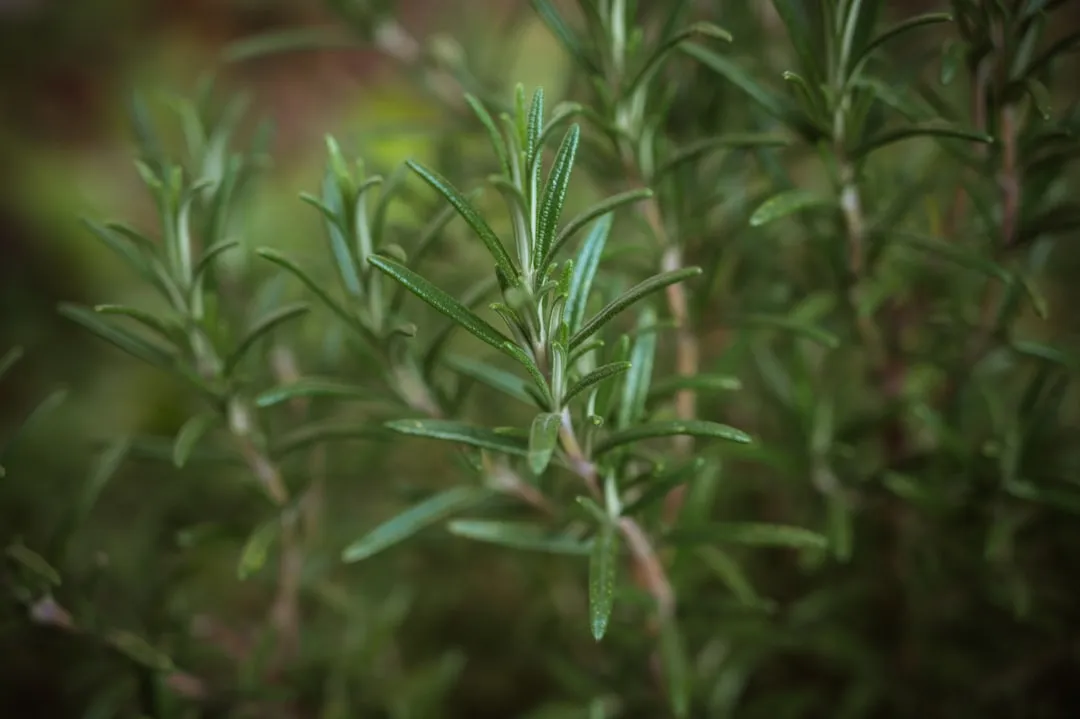
Perennial herbs like rosemary, thyme, chives, and oregano need planting only once and return every year, compounding your savings with zero additional investment. That’s the financial logic behind choosing at least a few perennials as the backbone of your setup. Perennial herbs like rosemary and oregano provide long-term value, offering harvests for years from a single initial investment, unlike annuals that need replanting.
Sage has low moisture needs, is fragrant and medicinal, and works well in soups and meat dishes. All three of these herbs, oregano, rosemary, and sage, share a preference for relatively dry soil and plenty of light, which makes them good companions on the same south-facing sill. They’re also the herbs you’ll find yourself buying most often at the store for roasting and seasoning.
When Natural Light Isn’t Enough: The Case for LED Grow Lights
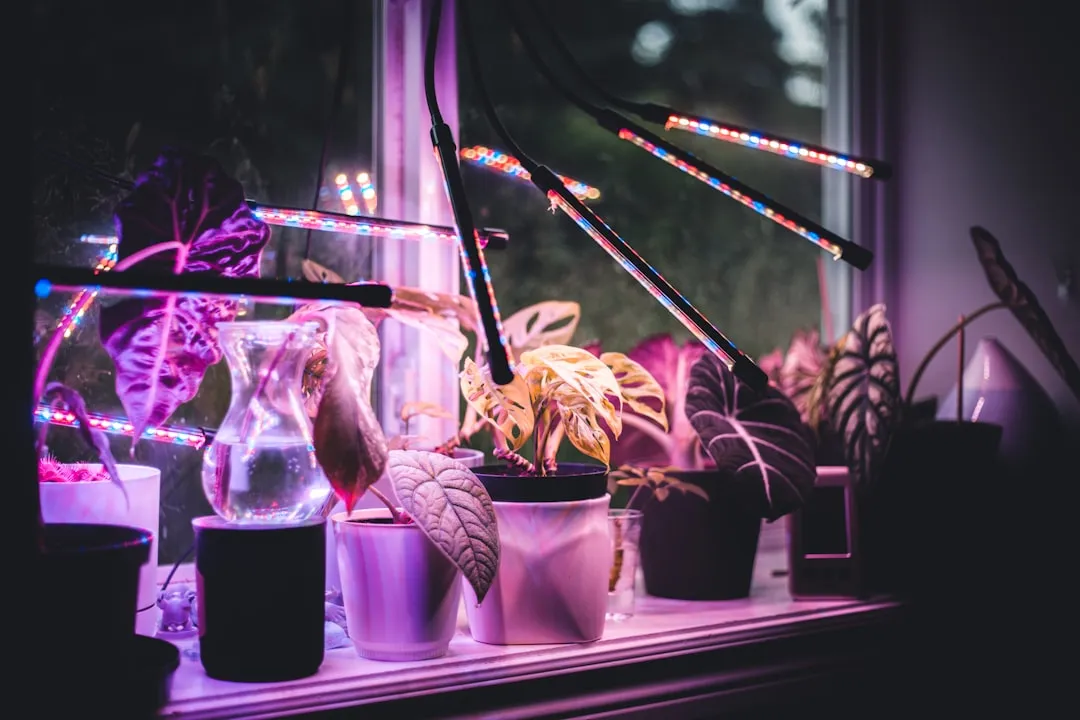
Light quantity and quality also impact herb flavor. Light stimulates the production of essential oils and flavonoids that give herbs their distinct flavor and aroma. Under too little light, flavor and aroma are often less intense. This is the part many beginners don’t expect: it’s not just about whether the plant survives, but whether it tastes like anything worth using.
Look for full-spectrum grow lights in high-output fixtures. Place lights within six to twelve inches of the leaves for higher light intensities, and plug the light into a timer set to be on for twelve to sixteen hours a day for ideal growth. Modern indoor herb growers gravitate toward LED technology for its efficiency and versatility. Unlike older fluorescent lamps, LEDs emit less heat and allow spectrum customization, meaning the quality of light can be fine-tuned according to plant requirements.
Soil, Drainage, and Containers: The Setup Details That Decide Everything
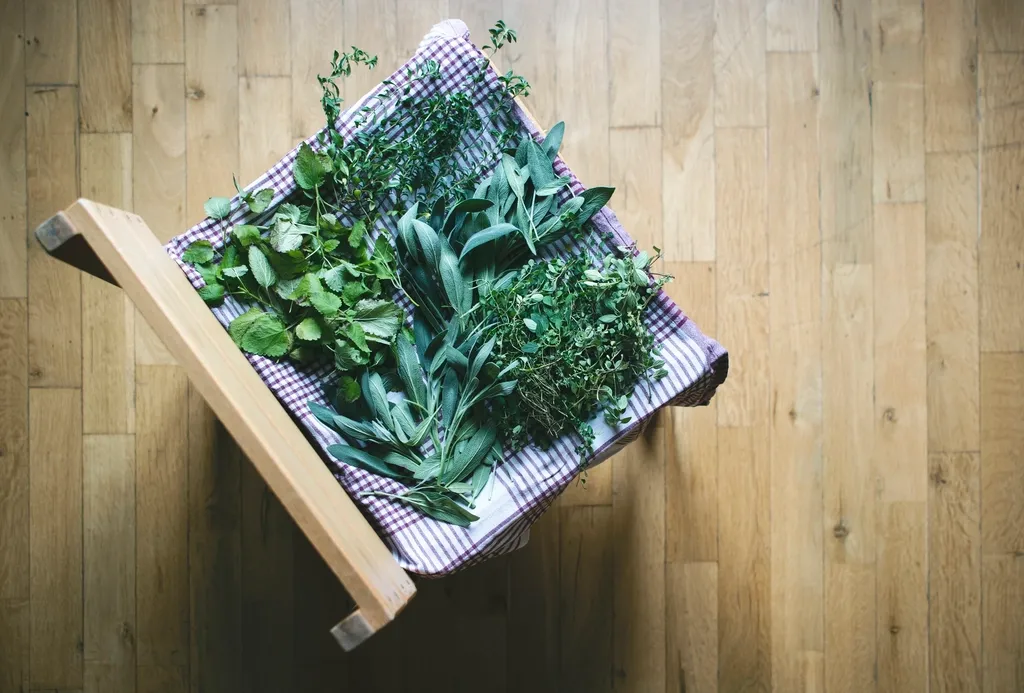
Herbs need pots with drainage holes to prevent root rot. Choose small to medium-sized containers, as most herbs don’t need deep soil. It sounds simple enough, but inadequate drainage is the most common reason a windowsill setup quietly fails. A small bag of potting soil will do. Don’t use soil from outside; it won’t have all the nutrients your plant will need to grow healthy indoors.
Herbs grow best when there is some humidity in the air, which also helps their resistance to pests. To ensure adequate humidity, fill a tray with pebbles and add water to just cover them, then place the potted herb on top. The plant will absorb moisture as it evaporates from the tray. It’s a low-tech solution that requires almost no maintenance and makes a real difference, especially in winter when indoor air tends to get very dry.
Cilantro and Dill: The Grocery Store Herbs You Waste the Most
Store-bought herbs come with a frustrating trade-off: pay premium prices for tiny packages that wilt fast, or settle for dried versions that taste like dusty memories of the real thing. Cilantro is arguably the worst offender in this regard. Most recipes call for a handful, and the rest of the bunch collapses within a couple of days. Cilantro requires moist, well-drained soil and can grow in partial shade.
Dill can be grown indoors or outdoors, and the flavor is milder and more delicate when the foliage is young and soft. Both cilantro and dill bolt quickly in heat, so keeping them away from warm southern exposures in summer is worth paying attention to. Cilantro prefers cooler conditions and shorter light periods around twelve hours. Succession planting every few weeks, simply sowing a few seeds into a fresh pot on a regular schedule, keeps you in steady supply.
The Takeaway: Less Aisle, More Windowsill
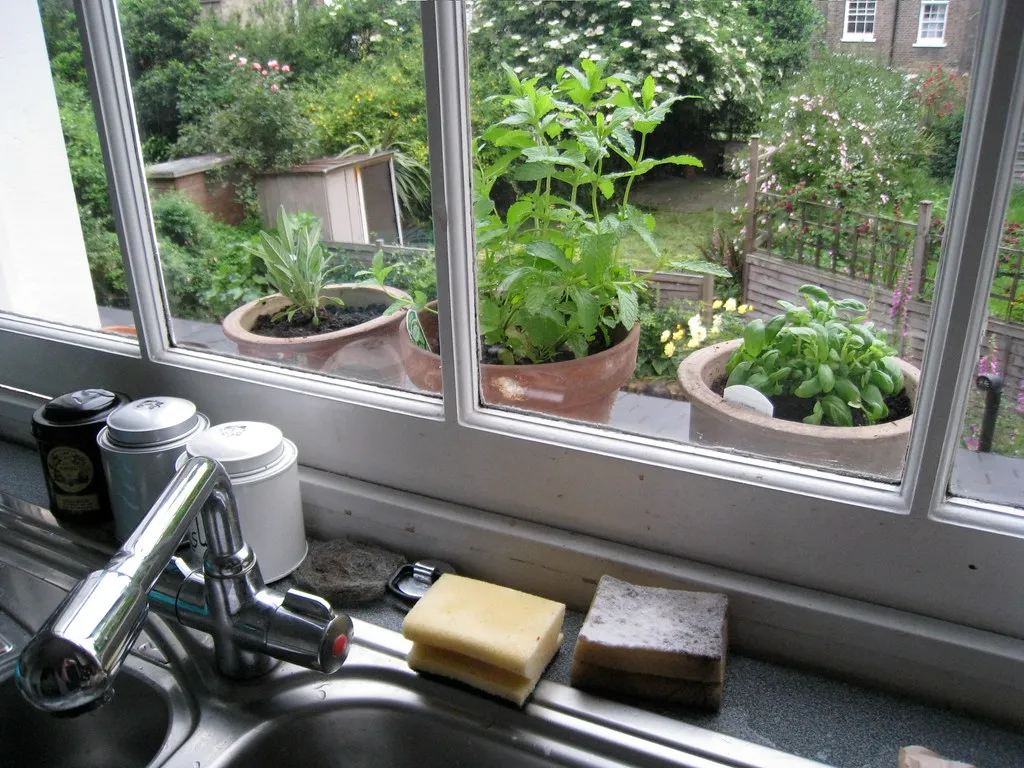
A single plant on your windowsill can supply fresh leaves for months, transforming everyday meals with flavors no jar can match. That’s the core of the argument, and it doesn’t require a particularly romantic view of home gardening to appreciate it. You spend less, waste less, and cook with better ingredients.
The setup doesn’t need to be elaborate. A south-facing window, a handful of well-draining pots, quality potting mix, and a simple LED grow light for darker months is genuinely enough to cover most of what a grocery store herb aisle offers. While there’s an initial investment in supplies, the long-term savings and benefits of growing herbs at home, such as freshness and flavor, often outweigh the upfront costs. The real trick is simply starting, and starting with the two or three herbs you actually cook with most.
AI Disclaimer: This article was created with the assistance of AI tools and reviewed by a human editor.