
Why Windows Lose So Much Heat in the First Place
An estimated 35 billion dollars of energy is lost annually through windows, with roughly 45 percent of the average American household energy bill spent on heating and cooling. Glass is simply a poor insulator. The biggest energy problem in many buildings isn’t the HVAC system at all, but the windows themselves. Untreated glass allows warmth to escape during winter, creating comfort problems and driving up utility bills.
The effectiveness of any window intervention is measured by its Solar Heat Gain Coefficient, or SHGC. The lower the SHGC, the less solar heat the film transmits. Clear single-pane glass has an SHGC around 0.80, which means it’s barely doing any thermal work at all. This is where window film comes in.
What Window Film Actually Is
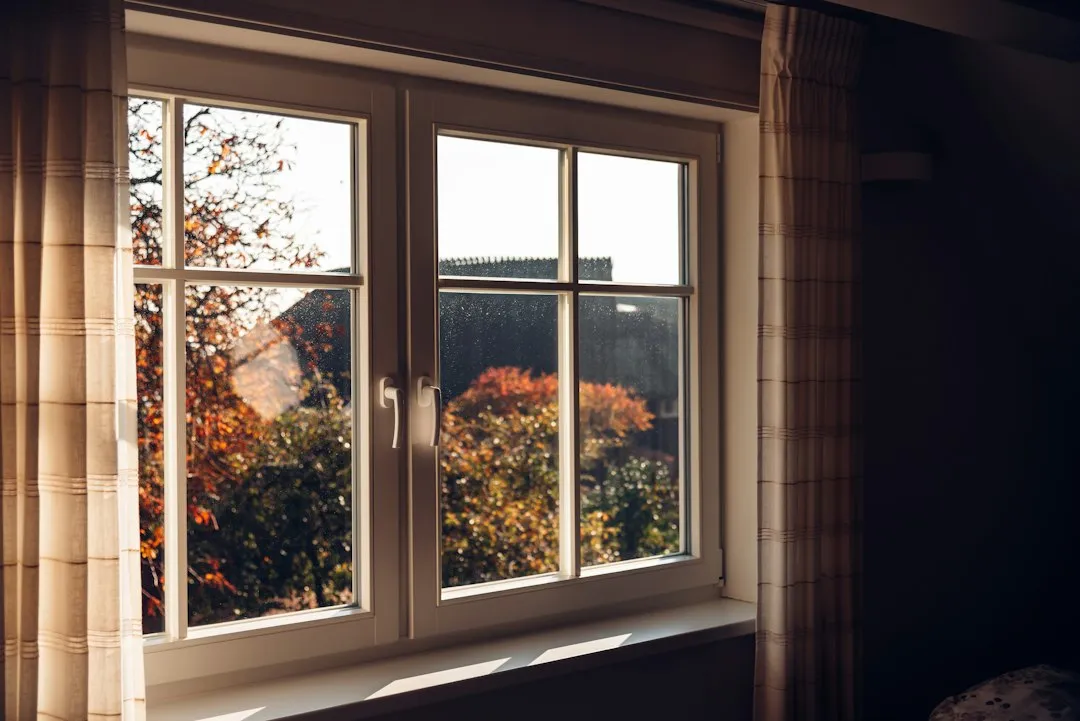
Window insulation film is a plastic film that can be applied to glass windows to reduce heat transfer. There are two main types in common use, designed to reduce heat flow via radiation and convection respectively.
Thermal window film operates on the principles of reflection, absorption, and emission of heat. These films are typically made from multiple layers of polyester and metalized coatings. The technology involves microscopically thin layers of metals such as aluminum, silver, or copper that are deposited onto the film’s surface. This metalized layer plays a pivotal role in regulating the transfer of heat.
The Science Behind Heat Retention
Low-E films, short for low-emissivity, work by reflecting radiant heat back into your room rather than letting it escape through the glass. These films contain special coatings that can help act as a thermal barrier. During cold months, Low-E window film can help retain the heat your system generates, potentially reducing the energy needed to keep spaces warm.
Low-emissivity films have microscopic metallic coatings that reflect radiant infrared energy. In winter, they reflect heat back into your home, reducing heat loss. In summer, they reflect solar heat away, helping to keep interiors cooler. This dual action helps regulate indoor temperatures year-round, easing the burden on heating and cooling systems.
The Air Gap Method: A DIY Double-Glazing Effect
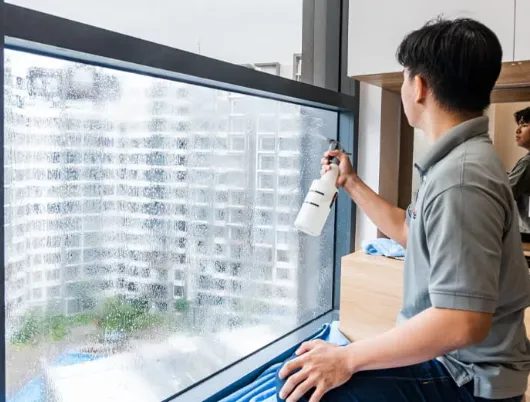
A film can be attached to the window frame to trap a pocket of air between the glass and the film, creating a double-glazed system with an insulating gap of still air. This is the simplest and cheapest approach available to renters and homeowners alike. It doesn’t require adhesive on the glass itself, and it can be removed at the end of the season.
Low-E insulating window film can retain up to 40 percent of radiant heat while remaining optically clear, whereas basic plastic shrink-wrap kits only stop air drafts and offer 10 to 15 percent heat reduction with no summer benefit. The difference in performance between these two approaches is significant, and worth knowing before you buy.
How Much Heat Can Film Actually Keep In?

Some low-E films can cut winter heat loss through glass by approximately 30 to 40 percent. That’s a meaningful number. On single-pane windows specifically, these films cut heat loss by roughly 50 percent.
Studies have shown that high-quality thermal insulation films can reduce heat gain through windows by up to 70 percent. However, the actual energy savings depend on various factors including the film’s quality, the type of glass, local climate conditions, and the size of the windows. Single-pane homes in colder climates tend to see the most dramatic improvements.
Real Energy Bill Savings: What to Expect
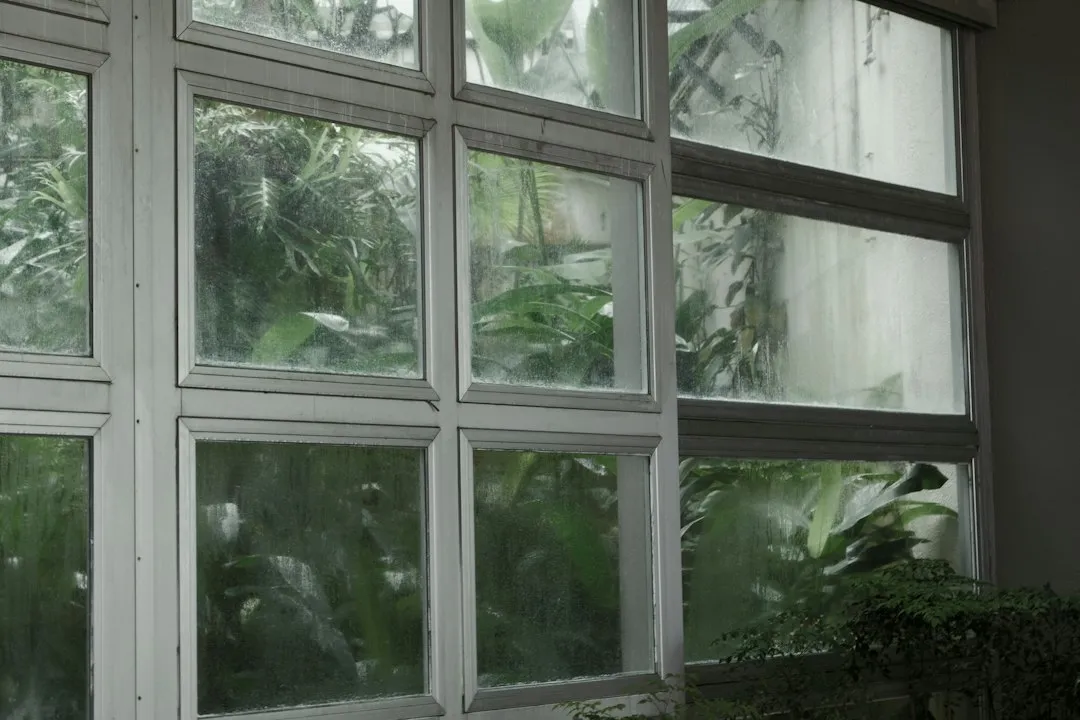
By reducing peak cooling loads and stabilizing indoor temperatures, window film can cut HVAC run time by 20 to 30 percent. That translates into monthly energy bill savings of 15 to 30 percent on average. Over a typical three-year payback period, these reductions offset installation costs, making premium films a cost-effective upgrade compared to equipment replacement.
Common energy savings from heat control films range from 15 to 30 percent, with payback periods of 2 to 5 years in hot climates like Florida, Georgia, and Texas. In cold-weather states, the winter heat-retention benefit drives the return on investment just as strongly.
Window Film vs. Other Budget Fixes
It’s worth putting window film alongside the other common DIY alternatives. Window films can deliver 30 to 40 percent energy savings, whereas blinds and curtains typically provide only 10 to 15 percent, and only when closed tightly.
Heavy thermal drapes reduce heat loss by 10 to 20 percent when closed tightly and block daylight entirely, while full window replacement achieves 35 to 50 percent heat loss reduction at significantly higher capital expense. Film sits in a practical middle ground: meaningful performance without a construction project.
Types of Film and Which One to Choose
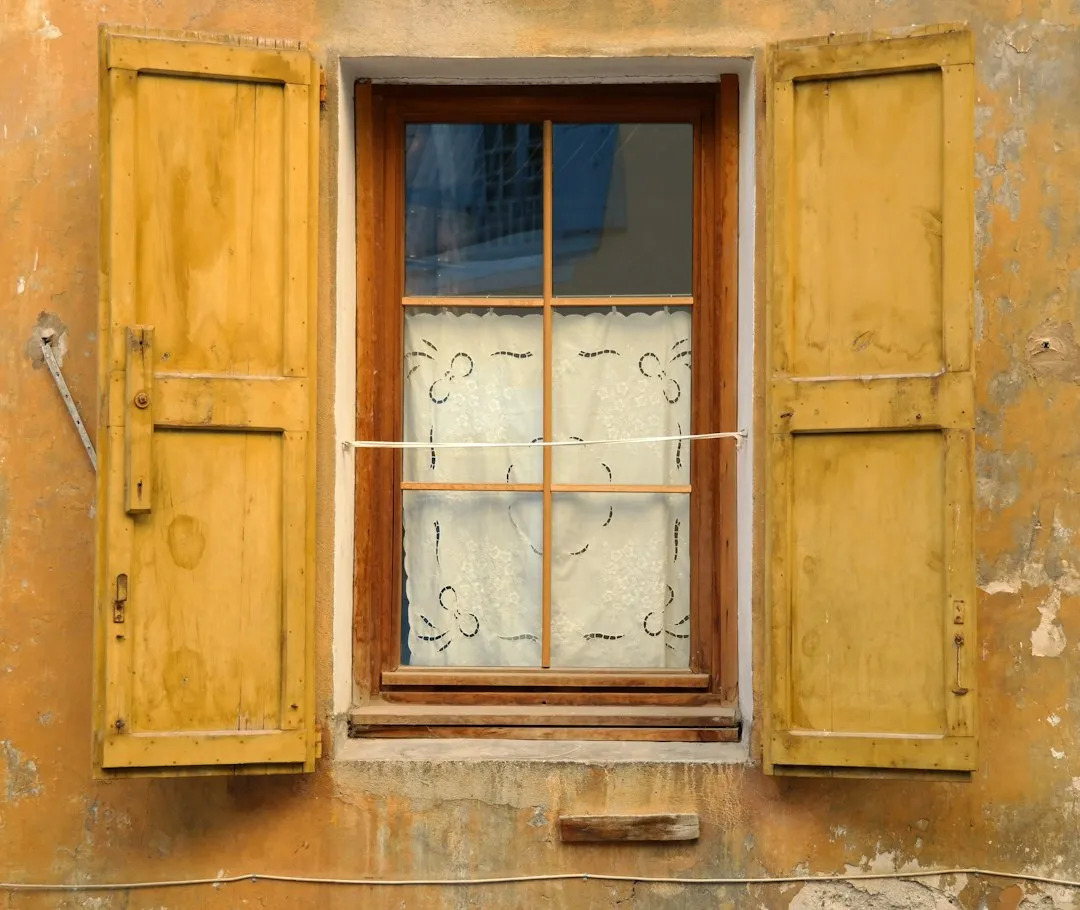
Window orientation matters when selecting film type. South and west-facing windows receive more direct sunlight and typically benefit most from solar control films. Single-pane windows allow more heat transfer than double-pane windows, so older buildings often see more dramatic improvements.
Advanced spectrally selective nano-composite films represent the current peak of window film performance. They reduce indoor temperature by up to 10.2 degrees Celsius while maintaining over 60 percent visible light transmission. They block more than 90 percent of near-infrared radiation and more than 95 percent of ultraviolet radiation. For most homeowners on a budget, a good quality Low-E film is more than sufficient.
What It Costs: DIY vs. Professional Installation
Most homeowners pay between 7 and 24 dollars per square foot for professional window film installation. DIY window film kits are significantly cheaper, typically 1 to 5 dollars per square foot. For a single standard bedroom window, that DIY cost can be remarkably modest.
Many homeowners install window film themselves using pre-cut kits, custom kits, or film rolls. Installing yourself can reduce costs by 60 to 80 percent. While DIY installation can save money upfront, professional installation ensures optimal results and longevity. Professional installers have the expertise to handle complex installations and can provide warranties for their work.
How to Apply It Correctly (and Avoid Common Mistakes)

The application process is straightforward but does reward patience. Clean the glass thoroughly before you start, since even small dust particles trapped beneath the film will create visible bubbles that are difficult to fix later. Use a flat squeegee to work out air pockets from the center outward, and trim edges carefully with a sharp blade.
When selecting a film, consider your window type, whether single, double, or triple glazing, the primary problem you want to address such as heat loss, heat gain, glare, or UV, and your budget. Rushing the prep work is the single most common reason DIY applications fail. A clean, slightly damp surface and a methodical squeegee pass makes the difference between a professional-looking result and a bubbly mess.
How Adoption Has Grown and Where the Market Stands
Energy saving window film market demand has increased significantly due to rising adoption of solar control technologies across commercial and residential buildings. More than 62 percent of commercial office complexes installed heat rejection films during retrofit activities in 2024, while nearly 41 percent of urban residential apartments adopted UV protection window films for thermal insulation benefits.
The construction sector contributed strongly to market penetration because smart building certifications increased by 27 percent globally between 2023 and 2025. Residential homeowners are catching up, driven largely by rising energy costs and a growing awareness that window replacement isn’t the only option available.
The Takeaway
Window film won’t replicate the performance of brand-new triple-glazed windows, but it closes much of the gap at a fraction of the cost and disruption. For older homes with single-pane glass, it’s one of the most efficient thermal upgrades available per dollar spent.
The smart move, especially heading into winter, is to start with your worst-performing windows and see how the heating bill responds. Window films offer a cost-effective method to reduce wasted energy, functioning as insulators by minimizing heat transfer through the window. Sometimes the simplest solutions are the ones we overlook the longest.
AI Disclaimer: This article was created with the assistance of AI tools and reviewed by a human editor.