
The Volume Myth That Almost Everyone Gets Wrong
Most white noise guides throw out a range of 50 to 70 decibels as the safe and effective target for sleep. That figure, however, was never really derived from sleep science. That range didn’t actually come from sleep research. It’s a hearing-safety threshold for workplace noise regulation and was relabeled as sleep advice.
Most guides say 50 to 70 decibels, but every sleep study that actually showed a benefit used 40 to 50. Running your machine louder than that doesn’t give you more protection from outside noise. It adds another layer of sound your sleeping brain has to process all night long.
A reasonable target is 30 to 40 decibels at ear level, roughly the volume of a quiet library or soft rainfall heard from indoors. The 2026 Penn Medicine study identified 50 dB as the threshold where REM sleep disruption becomes measurable, making that a ceiling rather than a target.
What the 2026 Penn Medicine Study Actually Found
A study from the University of Pennsylvania Perelman School of Medicine, published in the journal Sleep, found that pink noise reduced REM sleep and disrupted overall sleep recovery. This was a carefully controlled lab experiment, not a survey or self-report study.
The research team monitored 25 healthy adults between the ages of 21 and 41 in a controlled sleep laboratory. Participants were given eight-hour sleep opportunities over seven consecutive nights. None reported having sleep disorders or regularly using sound to help them sleep.
Pink noise at 50 decibels, which sounds similar to moderate rainfall, was associated with almost a 19-minute decrease in REM sleep. Participants said their sleep felt lighter, the overall quality was worse, and they reported waking up more frequently when exposed to aircraft or pink noise compared to no noise, unless they used earplugs.
Why Losing REM Sleep Is a Bigger Deal Than It Sounds
REM sleep isn’t just the phase where you dream. It’s the phase where your brain does some of its most important maintenance work. REM sleep is important for memory consolidation, emotional regulation and brain development, so the findings from the Penn Medicine study suggest that playing pink noise and other types of broadband noise during sleep could be harmful, especially for children whose brains are still developing and who spend much more time in REM sleep than adults.
Aircraft noise alone cut about 23 minutes of deep sleep per night. Combining noise with broadband masking actually increased wakefulness by 15 minutes compared to sleeping in quiet. Adding white noise on top of an already noisy environment, in other words, can make things measurably worse rather than better.
The Sleep Fragmentation That Starts Before You Notice It
The World Health Organization’s Night Noise Guidelines for Europe identify 40 dB as the approximate threshold above which environmental noise begins to cause measurable biological effects, including increased sleep fragmentation, elevated cortisol, and reduced time in deeper sleep stages. That’s a surprisingly modest level.
Research on white noise itself shows measurable damage to sleep architecture starting at 45 dB, the same rough zone where a fan on low or a soft rain track sits on most machines’ volume dials. Studies running white noise at 45, 55, 65, and 75 dB found a clear, linear increase in cyclic alternating pattern rate, a marker of unstable, fragmented non-REM sleep, starting right at 45 dB.
Once that fragmentation marker crossed 45 percent, subjects reported mild nocturnal discomfort on waking; above 60 percent, the complaints turned severe. Most people sleeping with a machine set to what feels like a comfortable background hum are well inside that range.
The Loudness Creep Problem Nobody Talks About

There’s a gradual trap built into the habit of using white noise: the longer you use it, the louder it tends to get. Environmental noise changes with seasons and neighbors, and the instinct is to simply turn the machine up a notch. The practical risk is volume creep, gradually increasing the level over weeks until it exceeds safe thresholds.
Noise is still noise, and if the noise is too loud, there are consequences. What started as a soft, 35-decibel backdrop six months ago may now be running closer to 55 or 60, well past the point where sleep science finds any benefit. The machine hasn’t changed. Your tolerance has.
A simple test: if you can’t easily ignore the white noise itself when you’re lying down, it’s too loud. That sounds obvious, but most people never actually check.
Where You Place the Machine Matters More Than You Think
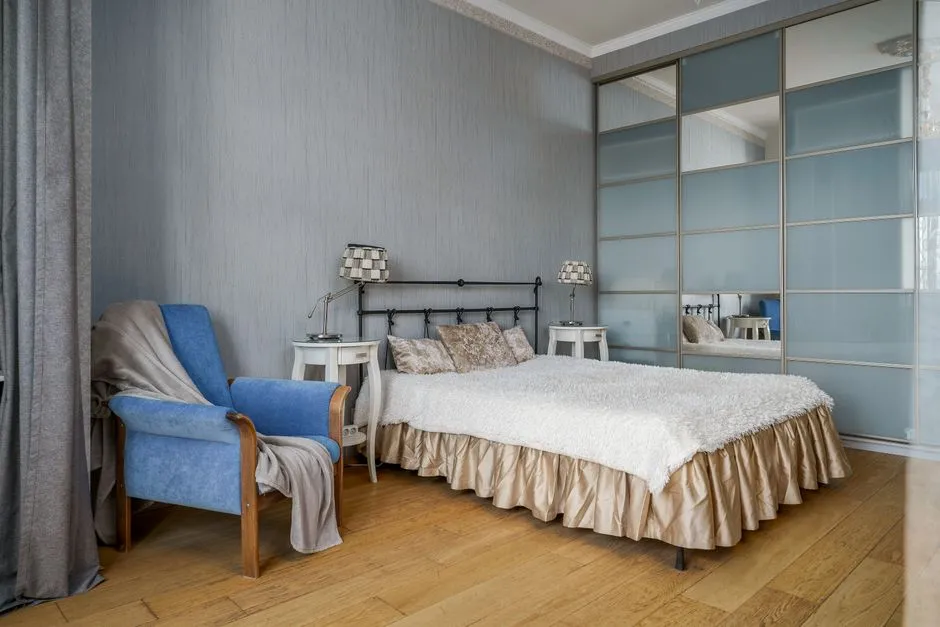
Most people put their white noise device on the nightstand, directly next to their head, because that’s where the outlet is or where it’s easiest to reach. This is a significant mistake. The device should be across the room from your bed and set at low volume. That gives you the benefit without sacrificing REM sleep.
White noise machines can exceed 91 dB on maximum volume, which exceeds National Institute for Occupational Safety and Health safety guidelines for a two-hour shift. A machine at full volume placed 30 centimeters from your ear is a fundamentally different situation than one placed across the room at a lower setting.
The Case for Earplugs Instead
One of the more striking findings from the Penn Medicine study was how well a very old-fashioned solution performed in comparison. Using pink noise apps to fall asleep may disrupt REM sleep, Penn Medicine researchers say. Using earplugs was effective against blocking out background sounds without harming REM sleep, their study found.
In the 2026 sleep lab trial, earplugs effectively blocked nearly all nighttime noise. However, they started to fail once the volume of environmental noise hit 65 decibels, showing why more disruptive noise needs a different strategy. For most residential environments, though, earplugs alone performed better than any broadband noise intervention.
This doesn’t mean white noise machines are useless. It means they shouldn’t be the default first move when the real problem is outside noise. Try earplugs first and keep the sound machine as a secondary tool at lower volume, placed farther away.
When White Noise Actually Does Help
The evidence isn’t uniformly negative. Used correctly, white noise can still serve a genuine purpose. Findings from a randomized controlled trial suggest that white noise can promote relaxation and shorten sleep onset latency, and could be used to improve overall sleep quality in community-dwelling older adults.
A 2025 meta-analysis of 12 randomized controlled trials found lower Pittsburgh Sleep Quality Index scores in adult and older-adult patient groups, including both ICU and non-ICU settings. The key context in most of these positive studies is that the environments were noisy to begin with, and the white noise was helping to mask unpredictable, sudden sounds rather than replacing silence.
When played for short durations at a low volume, white noise seems to be safe for most adults. The operative words are short and low. Running it all night at a level loud enough to hear clearly from across the room is a different practice entirely.
Children and Infants: A Greater Risk at Lower Volumes

Adults aren’t the only ones using white noise machines. They’ve become a standard fixture in nurseries and children’s bedrooms, and the stakes there are higher. The 2026 Basner study specifically warned about children: developing brains spend more time in REM sleep than adult brains. If broadband noise reduces REM, the impact on infants and toddlers could be larger than on adults.
The American Academy of Pediatrics recommends keeping infant sound machines below 50 dB. Given that the Penn Medicine study found measurable REM disruption at exactly 50 dB, that recommendation is essentially the ceiling, not a comfortable midpoint. For infants, placing the device across the room and using it only to help with settling, rather than running it all night, is the more cautious and well-supported approach.
The Dependency Loop Nobody Warned You About
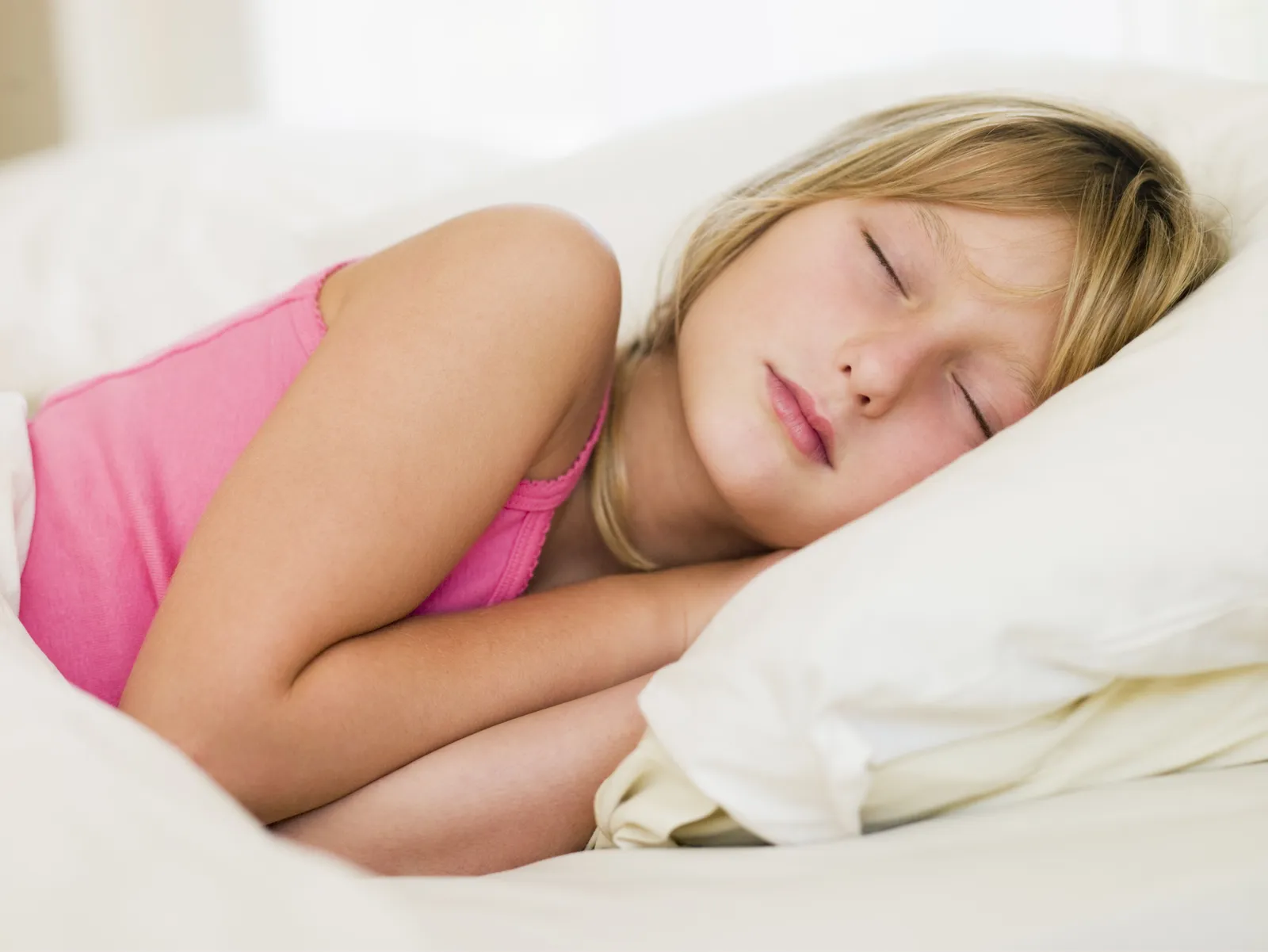
There’s a subtler problem that builds over time with white noise reliance, one that doesn’t show up in a single-night study. One hypothesis is that playing noise consistently before going to bed trains your brain to associate the sound with sleep. In this line of thinking, there is nothing inherently sleep-promoting about the noise; rather, you develop a Pavlovian response when hearing it, and it becomes a cue for your brain to relax.
That’s not necessarily harmful on its own. The problem is when the machine becomes a non-negotiable requirement. Traveling without your device, or dealing with a power outage, can suddenly make an otherwise manageable sleep environment feel impossible. You’ve replaced one dependency with another.
The healthiest relationship with white noise is probably an occasional one, used when noise is genuinely disruptive and kept at a volume you can almost ignore. That’s quite different from running it every night at a level that drowns out your partner’s breathing.
The Takeaway
The central mistake isn’t using white noise. It’s using too much of it, too loud, for too long, placed too close to your head. Volume matters enormously, and the benefits of sound masking need to be weighed against the potential costs of continuous auditory stimulation. That’s a sentence worth actually sitting with before you reach for the volume dial tonight.
White noise has a stronger evidence case than it did several years ago, but it is not a universal sleep treatment. The 2026 research makes clear that there’s a threshold past which your sleep aid quietly becomes another source of fragmentation. Keeping it soft, keeping it distant, and considering earplugs as a first option are the adjustments most people never make because nobody told them they needed to.
AI Disclaimer: This article was created with the assistance of AI tools and reviewed by a human editor.