
What Exactly Is Snow Mold?
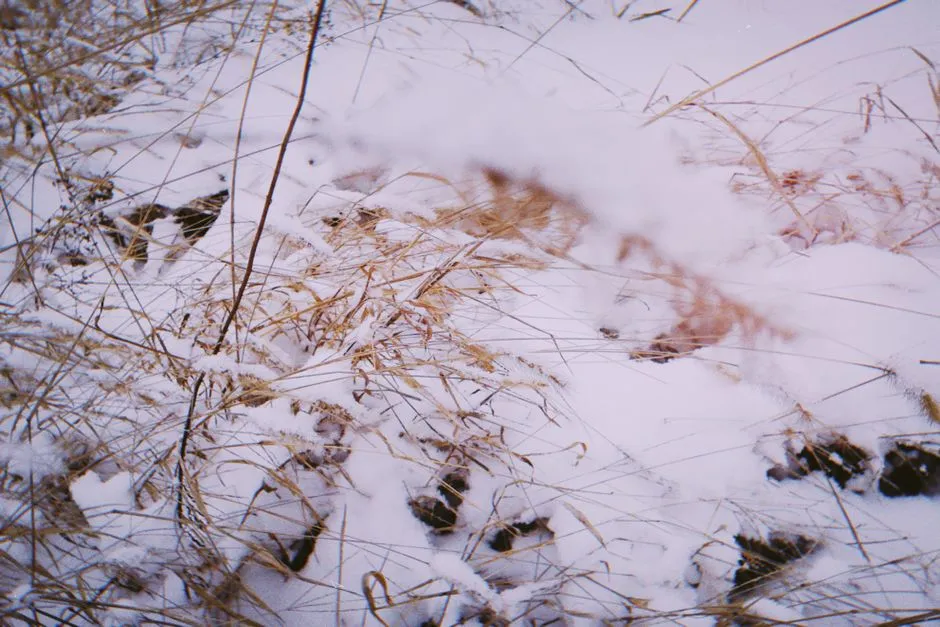
Snow mold is a type of fungus and a turf disease that damages or kills grass after snow melts, typically in late winter. It’s not a single organism but rather a group of cold-tolerant fungi that share very similar habits and preferences. Snow mold refers to a group of diseases that occur in cool to cold weather and are favored by snow cover, with the most common being gray snow mold (Typhula incarnata), speckled snow mold (Typhula ishikariensis), and pink snow mold (Microdochium nivale).
Snow molds are caused by cold-tolerant fungi that require snow cover or prolonged periods of cold, wet conditions. The white fuzzy variety that most homeowners notice is almost always the gray type, which despite its name can appear white to grayish-white depending on the light and moisture level at the time you spot it.
The Fungus Behind the Fuzz: Typhula incarnata
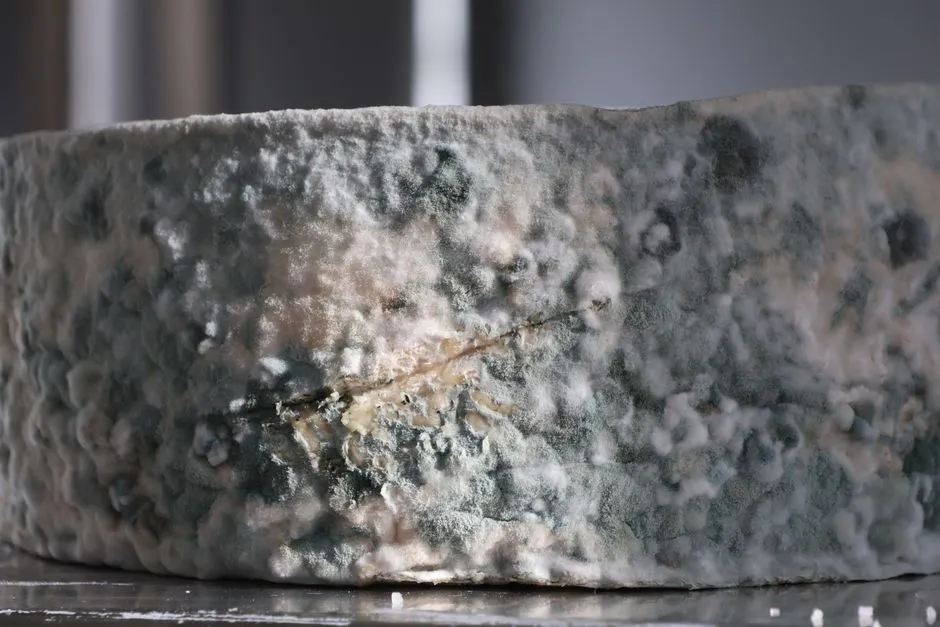
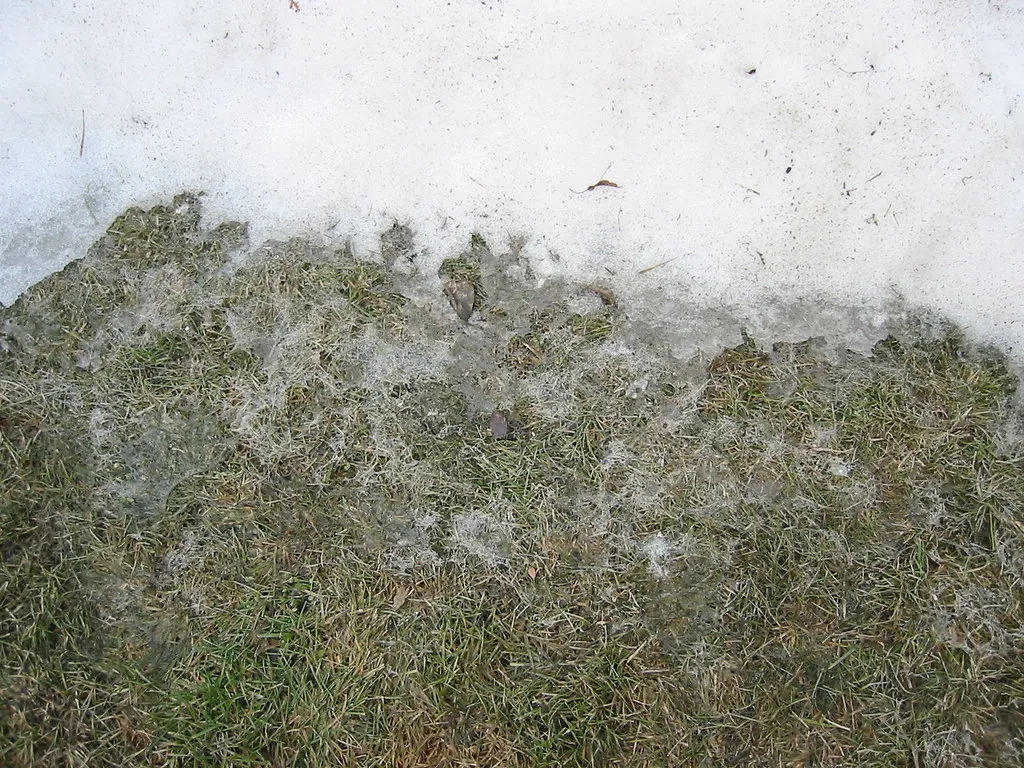
This disease is caused by the fungus Typhula incarnata and results in patches of blighted turf on lawns, golf courses, and athletic fields. It’s the dominant culprit in residential lawns across northern North America, Europe, and parts of Asia. Gray snow mold is caused by Typhula incarnata, and the disease gets its name from the characteristic gray “lint-like” mycelium that appears at snowmelt. It occurs where snow cover is present for 45 to 60 days and infects all turfgrasses.
Typhula incarnata and T. ishikariensis are fungi that grow and attack dormant plants at low temperatures under snow cover. T. incarnata is “Gray Snow Mold” and needs 60 or more days of snow cover, while T. ishikariensis is “Speckled Snow Mold” and needs less than 60 days of snow cover, and in some cases fog and light rain can promote disease development.
How the Fungus Survives Year-Round
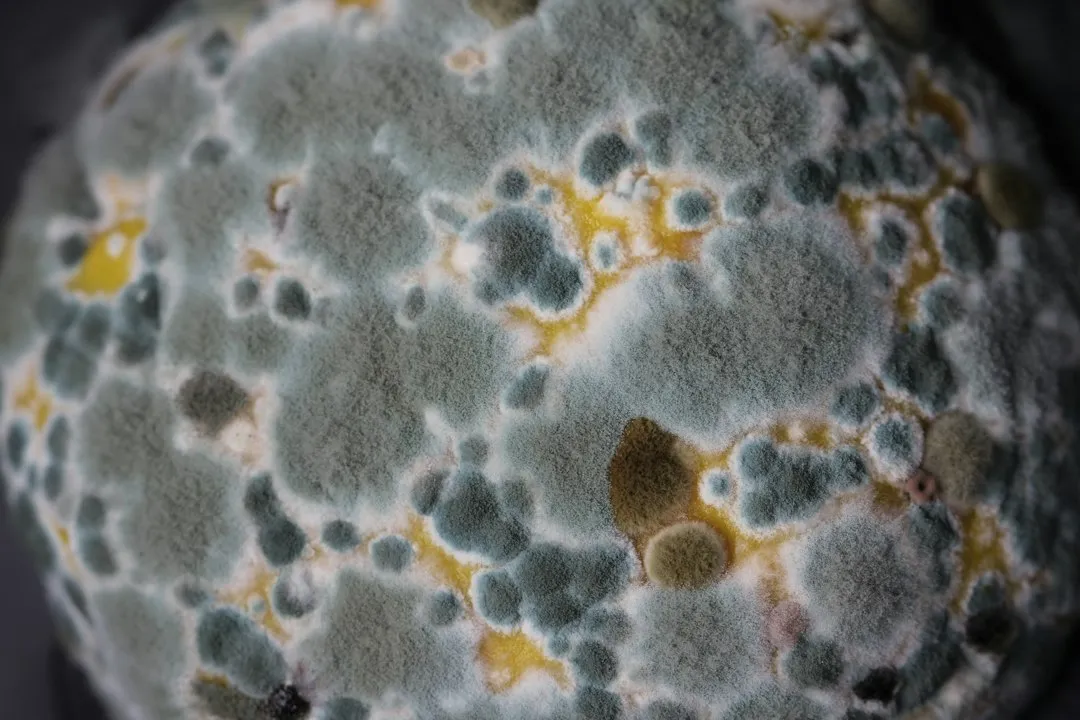
These fungi can survive the hot dry summer months as sclerotia, which are compact masses of hardened mycelium stored with food reserves, and in fall they germinate under cool, moist conditions. This survival strategy is remarkably efficient. The fungus essentially goes dormant through the warm months, waiting for conditions to return to its favor.
Snow molds are opportunistic pathogens, meaning they only become pathogenic when host immunity is low. During the winter, plants usually have little resistance to disease because their carbohydrate reserves are low, and this weakened immune response, along with little competition from other microorganisms, gives snow molds the perfect opportunity to infect their host.
Cold tolerance is one of the most important features of snow molds. T. incarnata and other species of gray snow molds survive the winter by producing extracellular antifreeze proteins. This is a genuinely remarkable biological adaptation, allowing the fungus to stay metabolically active at temperatures that would shut down virtually all competing microbes.
What It Looks Like on Your Lawn
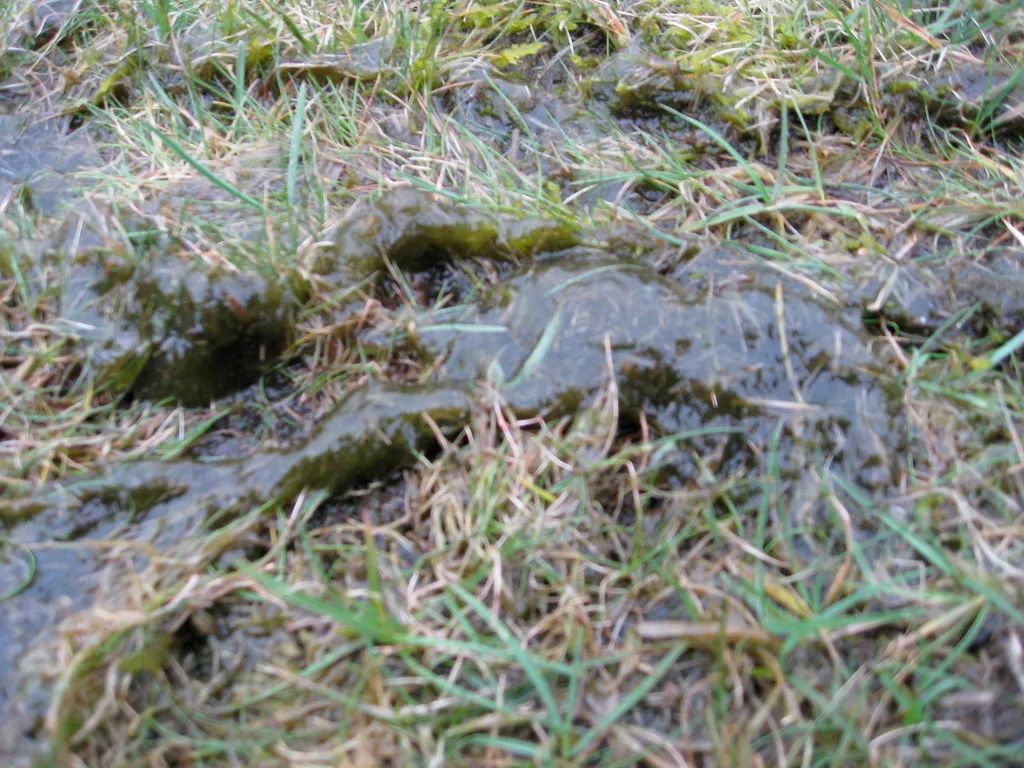
Snow mold looks like a fine, fuzzy, white or pink growth that bears some resemblance to cobwebs. It typically manifests in patchy areas of dead-looking grass, and these areas can be widespread across your lawn but rarely measure more than 12 inches across. The patches are usually circular and can appear scattered seemingly at random.
The most notable symptoms are white or tan crusted patches of dead and matted leaf blades, similar in appearance to papier mâché. Patches can range from a few inches to several feet in diameter, often coalescing to cover large areas of turf, and dense gray fungal mycelium can often be observed close to receding snowbanks.
The fungus thrives on decaying leaf tissue and grass blades that have been trapped under a layer of ice or snow without air circulation. As the fungus digests this organic material, it releases gases that contribute to the “mouldy” smell that permeates the yard during the spring melt.
Gray vs. Pink: Understanding the Two Main Types
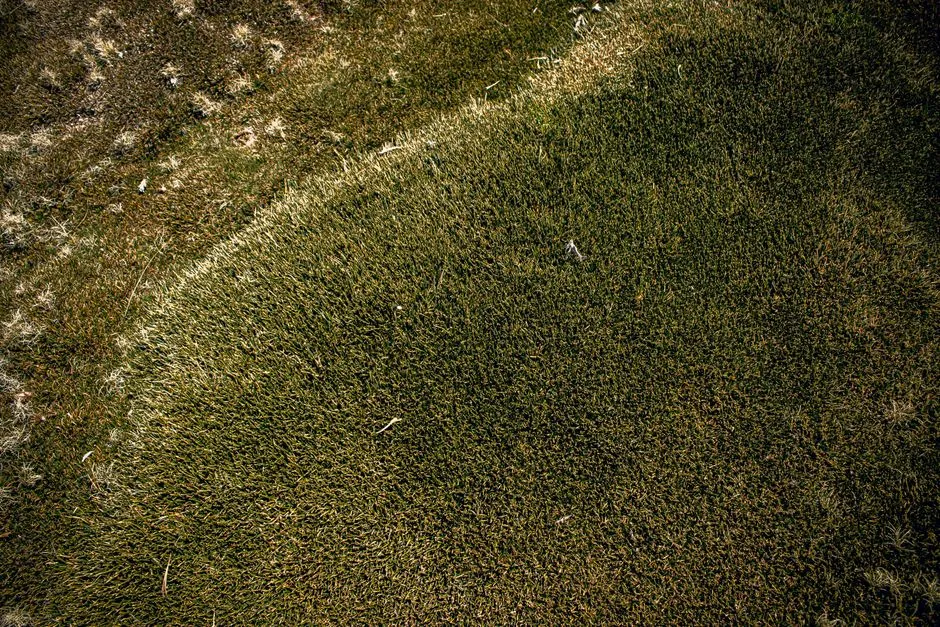
Gray snow mold (Typhula blight) is white to grayish-white in color and usually appears after the snow melts. It is less severe than pink snow mold and typically only affects the grass blades, not the roots, and unlike pink snow mold, gray snow mold requires snow cover to thrive.
Pink snow mold from Microdochium nivale crafts 4 to 10 inch spots with pink cores edged in white mycelium, and leaves pale out before roots and crowns fall, hitting hardest on tight-cut, late-fed turf. This distinction matters practically: gray mold is generally cosmetic, while pink mold can cause deeper, longer-lasting damage that affects the plant’s ability to recover.
Which Grasses Are Most at Risk
Snow mold is especially common if you live in an area with heavy snowfall and your lawn is a cool-season grass like Kentucky bluegrass, perennial ryegrass, or fine or tall fescue. These species grow through the cooler months and are therefore active, or only lightly dormant, when the conditions for snow mold development peak.
Gray snow mold affects all cool-season turfgrass species and is prevalent during years where a thick layer of snow cover lasts for long periods during mid to late winter. Lawns with thick thatch, poor drainage, or those situated in shaded spots where snow lingers longest tend to suffer more pronounced outbreaks.
The Conditions That Make It Worse
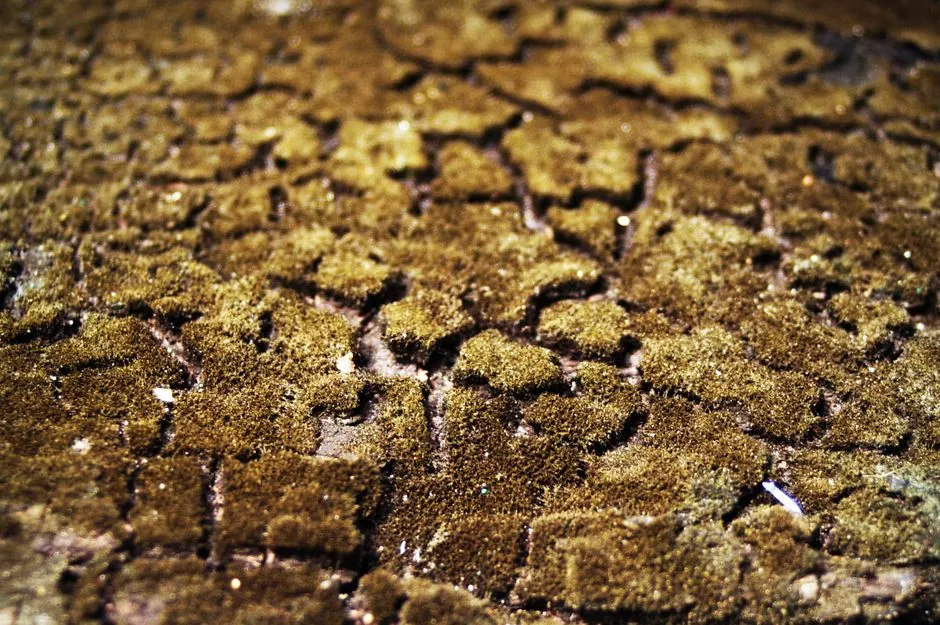
Though the mold lives in the soil year-round, it only becomes active when temperatures are between 32 and 45 degrees Fahrenheit and moisture levels are high. That narrow temperature window is exactly what you get during a slow, prolonged thaw, particularly in late winter and early spring.
Snow cover will predispose plants to attack by these fungi and the disease is worse the longer snow is on the ground. These fungi are most active under snow that has fallen on unfrozen ground. Disease is also worse on lawns with a heavy thatch layer. Thatch essentially acts as insulation and a moisture trap, creating the dark, damp microclimate the fungus loves.
High-nitrogen fertilizers applied in late fall encourage lush, fast-growing grass, which is more susceptible to disease. This is one of the more preventable contributing factors, and it’s worth keeping in mind when planning your fall fertilization schedule.
Will Your Lawn Actually Recover?
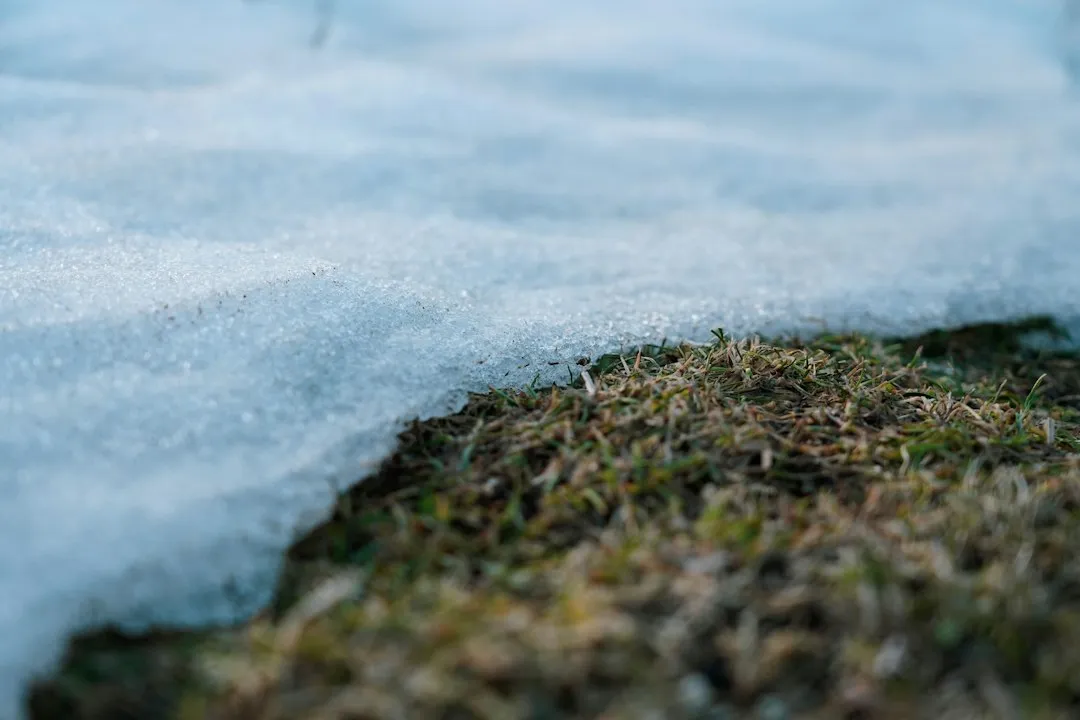
Generally only leaves, not crowns, are attacked, and plants grow back to a normal appearance. That’s the reassuring reality for most homeowners dealing with the white fuzzy variety. The grass looks terrible in early spring, but the root system is usually intact.
Gray snow mold affects leaf blades, which means the grass can regrow from the crown once the disease clears and temperatures rise. Snow mold dies naturally when the weather warms, but this process can take several weeks. Patience, combined with a little hands-on help, is usually all that’s needed.
How to Treat It in Spring
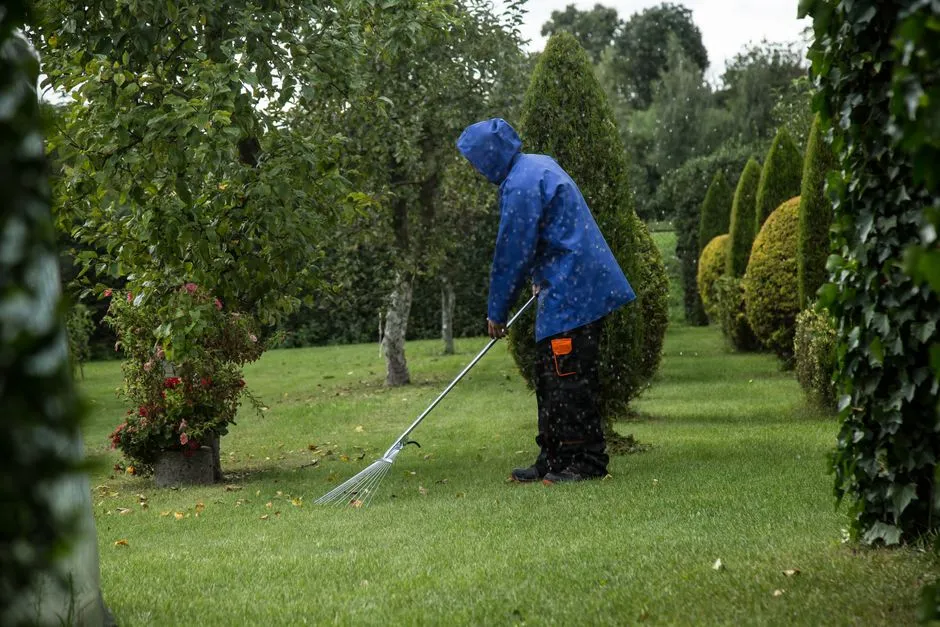
Snow mold typically does not require a fungicide treatment. If you gently rake the damaged area, the mold will often die off as the ground and grass dry out. This is the standard first step, and it works well in the majority of cases. The goal is simply to break up the matted grass and restore airflow.
Gently rake the matted grass on dry soil, allowing sunlight and air to dry out the lawn fungus. The mold usually dies within days of proper raking, but severely damaged lawns may need reseeding. Spring fungicide applications at this stage are generally not useful. Spring fungicide applications are ineffective because the mold dies naturally as the weather warms, so focus spring efforts on raking and reseeding, then apply preventive fungicide in late fall before snow covers the lawn.
How to Prevent It Before Next Winter
Proactive lawn care during the fall is the best defense against snow mold. A combination of cultural practices and strategic fungicide application can keep your lawn healthy and resilient, even after long winters. The single most impactful thing most homeowners can do is mow at the right height before the season ends.
Proper fertilization is key to promoting a healthy, resilient lawn, but applying the wrong type of fertilizer at the wrong time can increase the risk of snow mold. High-nitrogen fertilizers applied in late fall encourage lush, fast-growing grass, which is more susceptible to disease, so instead use a balanced or low-nitrogen fertilizer in late fall to promote root growth rather than leaf growth.
Fungicides should be applied preventively only where there is a history of gray snow mold, and one to three applications in cold wet late autumn through early spring can be enough on those sites. For most lawns with mild, occasional patches, mowing, leaf removal, and nitrogen discipline is the affordable plan.
The Takeaway
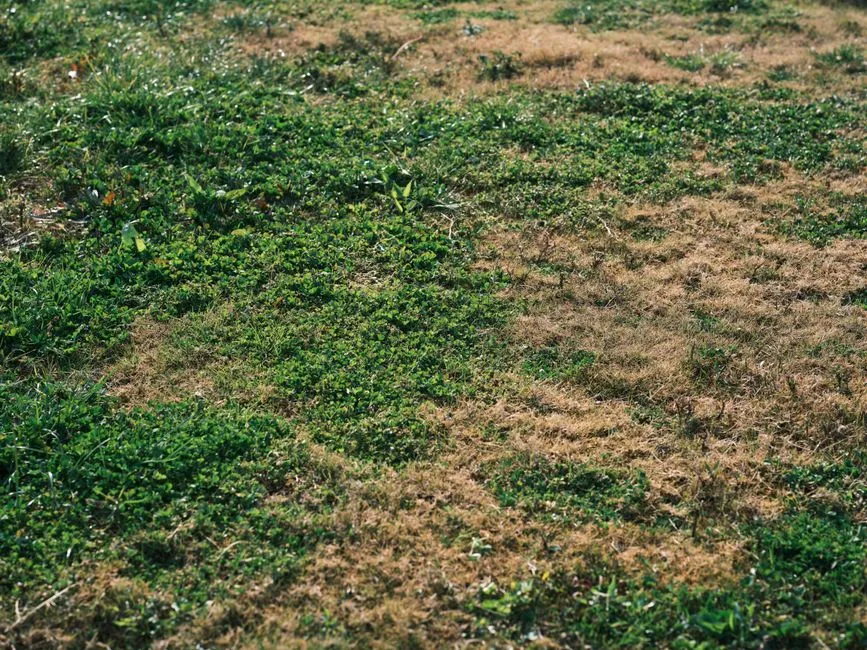
White fuzzy mold on a lawn after snowmelt is almost always gray snow mold caused by Typhula incarnata, a cold-adapted fungus with a long evolutionary head start on surviving harsh winters. It looks alarming, but it’s rarely as destructive as it appears. The grass underneath is usually alive, the roots are typically unharmed, and within a few weeks of warmer, drier weather, most lawns recover on their own with minimal intervention.
The real leverage is in the fall. Mowing correctly, avoiding late-season nitrogen applications, clearing debris, and managing thatch are the tools that make the biggest difference. Snow mold is one of those lawn problems that rewards preparation far more than it responds to remediation.
AI Disclaimer: This article was created with the assistance of AI tools and reviewed by a human editor.