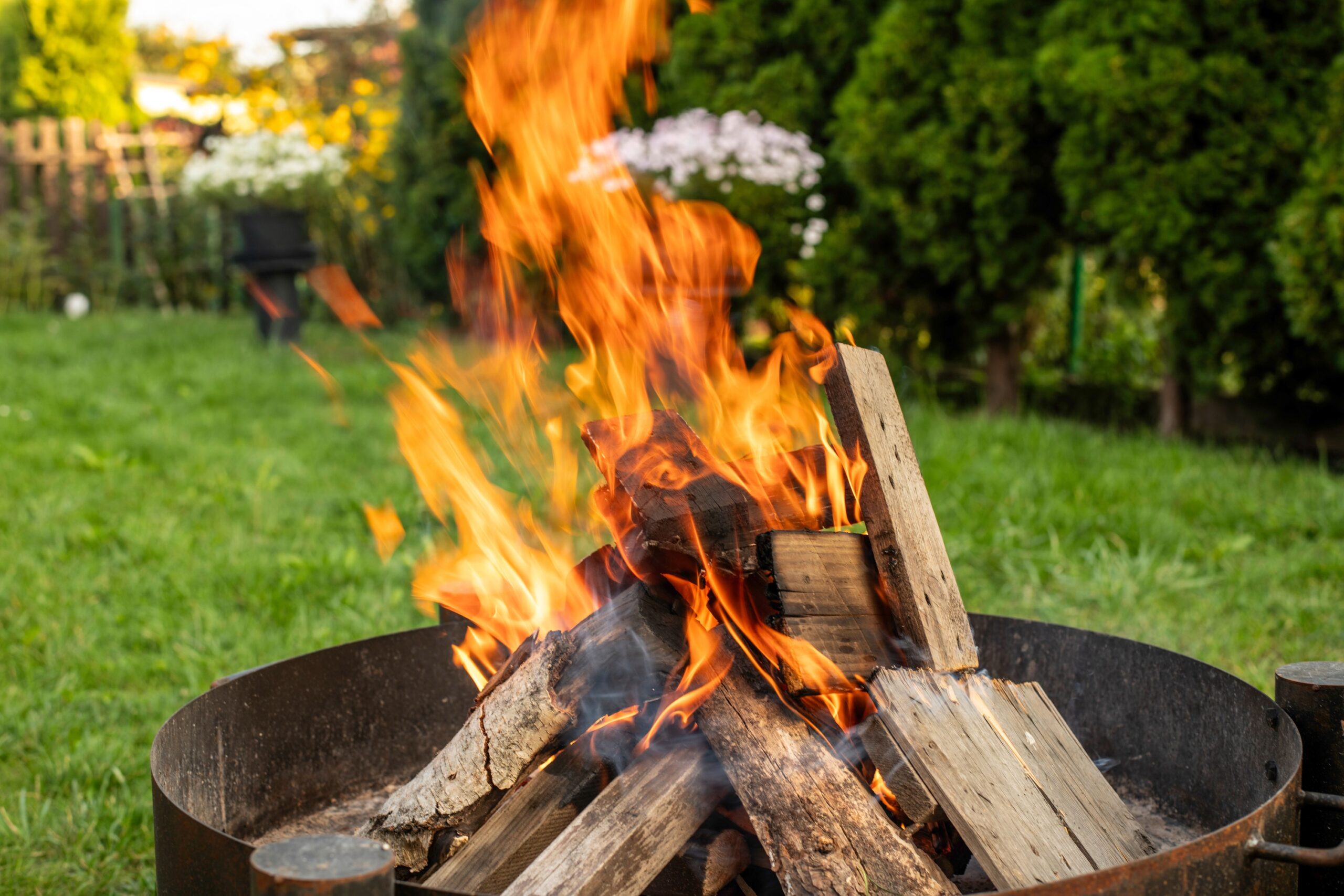

There’s something almost ceremonial about a backyard bonfire. You drag out a few logs, maybe some old scrap wood from the shed, light it up, and settle in for the evening. It feels harmless. Neighborly, even.
What most people don’t realize is that lighting that fire likely put them in violation of at least one local regulation, possibly several. The rules governing backyard fires are far more specific than most homeowners expect, and enforcement has noticeably tightened in recent years.
The Size Rule Nobody Reads
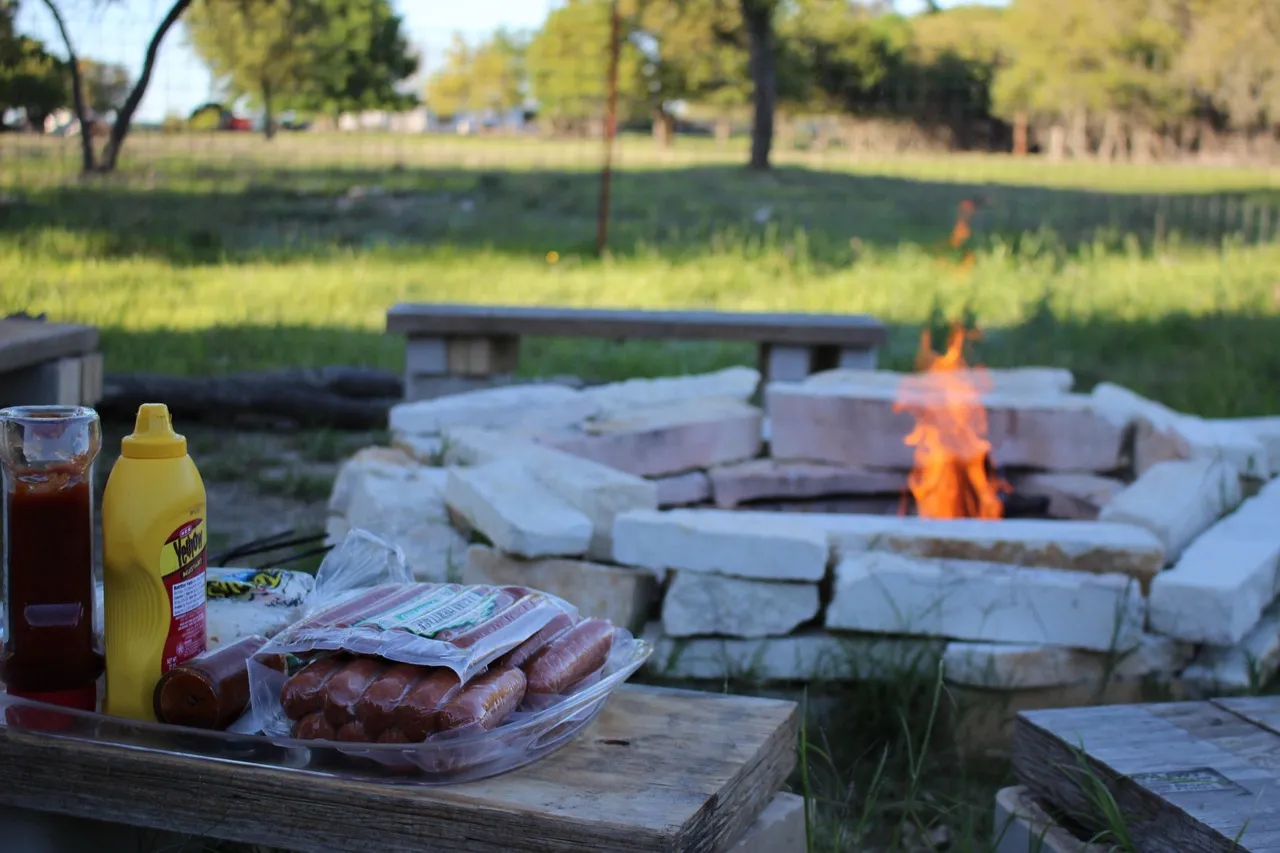
Most residential fire pits are legal without a permit if they qualify as a “recreational fire” under NFPA 1, meaning under three feet wide and under two feet tall. That’s not a rough guideline. It’s a codified standard that many jurisdictions have adopted directly.
Small recreational fires must be contained in fixed fire pits, with recreational pit dimensions not exceeding three feet in diameter and two feet in depth. If you’re stacking logs into an open pile on the grass and calling it a bonfire, you’re almost certainly outside those dimensions.
Most people don’t know the rules or regulations in their city or town when building a fire in their backyard or at a campsite. That gap between assumption and reality is exactly where violations happen.
The Distance Requirement That Catches Almost Everyone
The National Fire Protection Association provides guidelines on fire pit safety, recommending that a fire pit be positioned at least ten feet away from any structure or combustible material. Most people eyeball the distance and underestimate it significantly.
Most municipalities require wood-burning fire pits to be placed at least ten to twenty-five feet from any structure, fence, or combustible material. In higher-risk zones, that requirement can be even more demanding. Setback requirements in designated fire hazard severity zones can exceed fifty feet from structures or vegetation.
When placing a fire pit, it should be at least ten feet from property lines to minimize the risk of fire spreading to neighboring properties. Setting up close to a fence or the edge of your yard, as so many people do, can put you in direct violation of your local ordinance.
The Permit Requirement Most People Have Never Heard Of
You might need official permits for your fire pit, even if it seems like a simple backyard addition. This surprises most homeowners, who assume that anything on their own property is entirely their business.
Permits are often required to have a bonfire in certain areas, including on private land, and in some cases larger groups need to obtain special permits. Typically, the person obtaining the permit must be present during the hours of the bonfire and may have to present an approved bonfire permit upon request of a fire official or police officer.
If you get caught having an impromptu bonfire without a required permit, you could face penalties, including fines and possibly jail time. In Florida’s Walton County, for example, people who light a beach bonfire without a permit may face a fine of up to $500 and up to 60 days in jail. Beach bonfires may be the most publicized example, but the same permit logic applies to plenty of residential areas across the country.
The Regulation That Changes by County, City, and Even HOA

Fire pit regulations in the United States are not set at the federal level. Instead, they come from a patchwork of state fire codes, county ordinances, city bylaws, and homeowners association rules. What is perfectly legal in a rural Texas backyard might require a permit in suburban Denver or be banned outright on a Los Angeles apartment balcony.
Each state has requirements, and each local township, village, city, and county will likely have additional regulations. That means even doing careful research on state law isn’t enough on its own. You need to go one layer deeper and check municipal rules specifically.
Violating HOA rules can lead to fines that escalate with repeat offenses, and in extreme cases, the HOA can place a lien on your property. Many homeowners discover their HOA restrictions only after the first fire complaint from a neighbor.
The Burn Ban You May Not Know Is Active
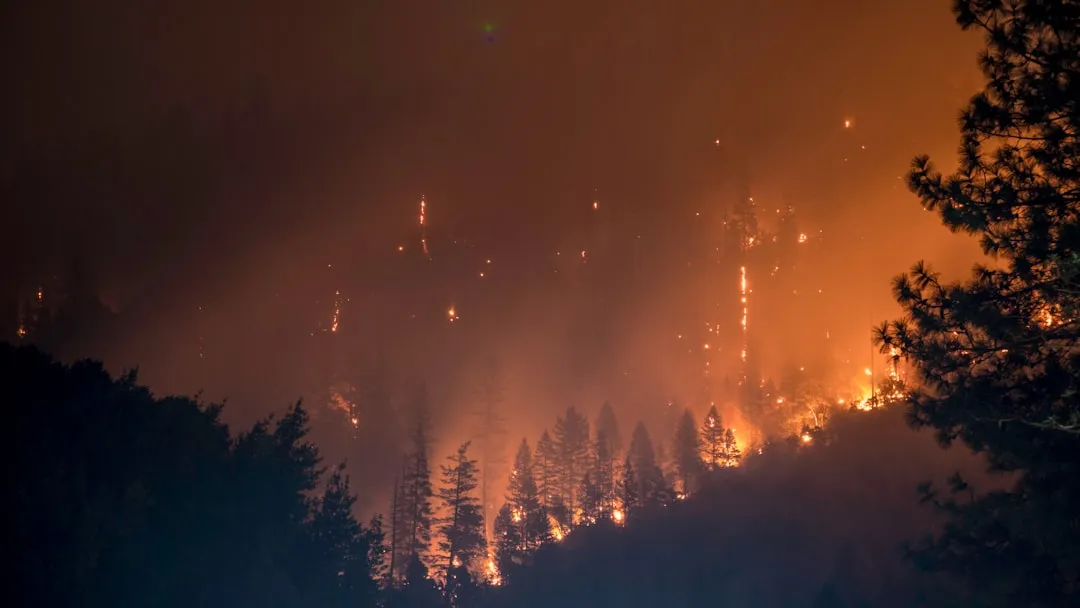
Regardless of where you live, any fire will be forbidden during dangerously dry weather. Burn bans can be issued with little notice, sometimes overnight, in response to shifting weather conditions. Many people don’t check before lighting up.
Burning is prohibited during burn bans, red flag days, or when current or predicted winds are ten miles per hour or higher. The wind threshold in particular tends to catch people off guard. A light evening breeze can technically push conditions into a prohibited zone.
Ignoring local burn bans during high fire-risk periods can result in fines or criminal charges. With increasingly alarming wildfire statistics, fire departments and code enforcement agencies are taking a zero-tolerance approach, and what used to be a warning is now an automatic fine, with repeat offenders facing criminal charges.
The Time-of-Day Rule That Exists in Several States
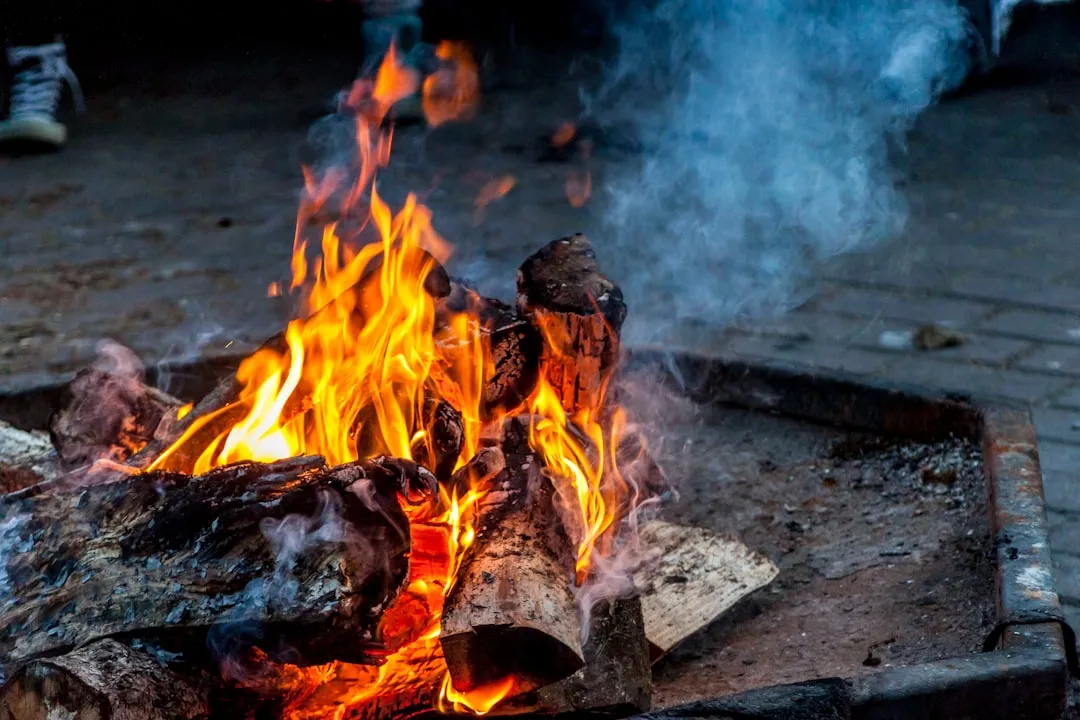
Most people assume that fire timing is just about being considerate to neighbors. In several jurisdictions, it’s actually law. Virginia enforces a “4 PM Burning Law,” which prohibits outdoor burning before 4:00 p.m. throughout fire season, to reduce ignition risks and capitalize on the cooler, more humid late afternoon conditions.
In Massachusetts, open burning is permitted between 10:00 a.m. and 4:00 p.m. from January 15 to May 1, with strict conditions attached. Timing a bonfire to coincide with a pleasant evening, as most people naturally would, can put you squarely outside the legal window.
There may be certain times of the year when open burning is allowed, meaning seasonal restrictions layer on top of daily time windows. Keeping track of both requires more awareness than most casual fire-builders apply.
The Wood You’re Probably Tossing In Without Thinking

Old fence boards, deck offcuts, leftover construction lumber. It all looks like “wood,” so people throw it on the fire. The problem is that much of it isn’t just wood. Treated wood used for decks, fences, or construction contains chemicals meant to fight rot, insects, and moisture damage, and pressure-treated types can contain arsenic, copper, or other chemical preservatives. Burning these releases toxic fumes that are extremely harmful to human health.
One common chemical in treated wood is chromated copper arsenate. Burning wood with this compound can release arsenic, a known carcinogen, and inhaling these fumes can cause serious health issues. The ashes left behind after burning treated lumber also remain toxic. If scattered or absorbed into soil, they can contaminate areas where children or pets play.
It is illegal to burn trash. Pressure treated or painted wood should never be burned. Burning pressure treated wood is dangerous and the smoke is toxic to inhale. Painted wood may give off toxic fumes as well, especially lead-based paints.
The Smoke Nuisance Law You’ve Likely Never Seen
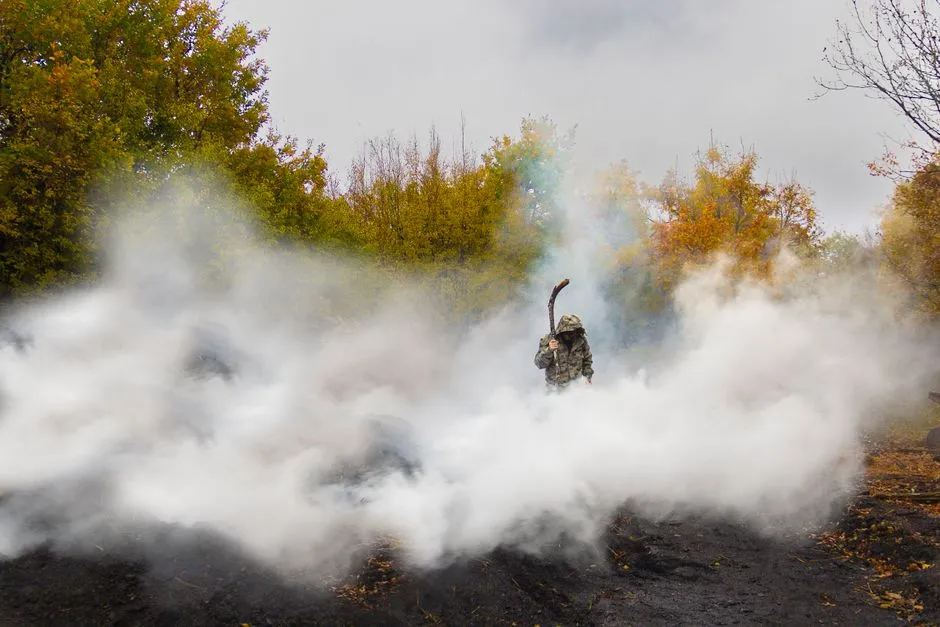
Smoke from burning wood is made up of a complex mixture of gases and fine particles. Outdoor recreational fires can become a considerable source of fine-particle air pollution, especially in some metro areas. Regulators have taken note of this for years, and local smoke nuisance laws have expanded quietly as a result.
Children and teenagers, older adults, and people with heart or lung disease, including asthma and COPD, can be particularly sensitive to the health effects of particle pollution in wood smoke. In denser neighborhoods, fire smoke doesn’t stay on your property.
Wood smoke contains fine particles that affect air quality, which is why densely populated municipalities often impose stricter limits on any wood combustion, including backyard fire pits. Some jurisdictions go further, requiring fire pits to meet emission standards that most standard wood fires simply cannot satisfy.
The Insurance Problem Hidden in the Fine Print
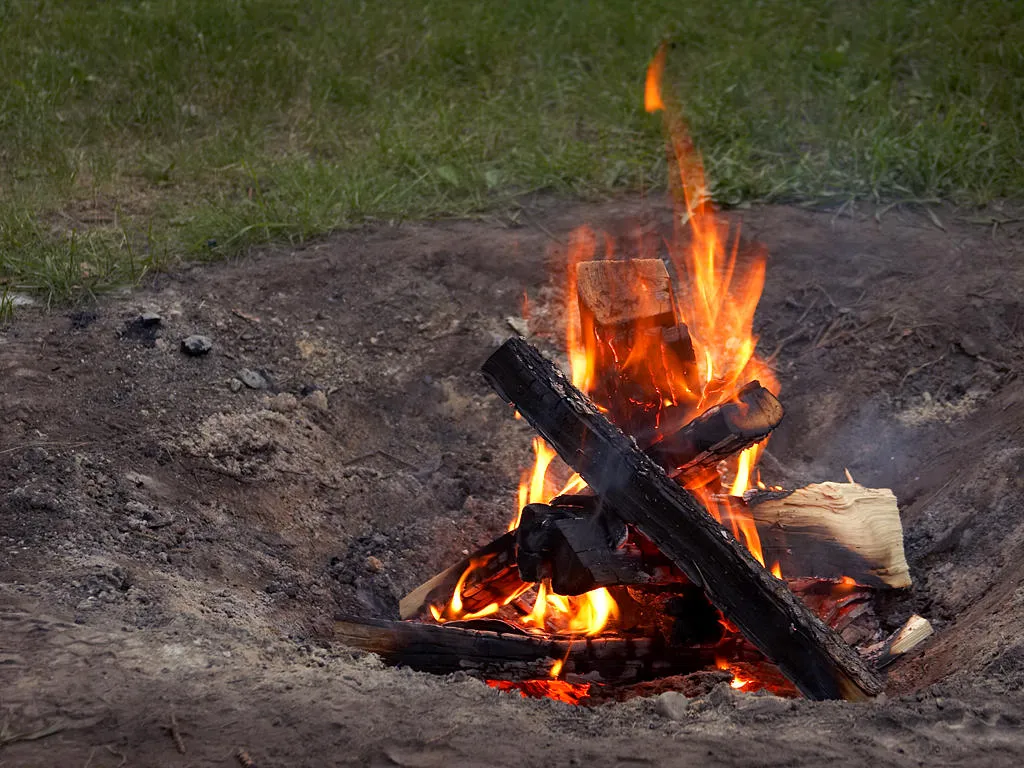
Most homeowners assume their standard policy covers any fire-related incident on their own property. That assumption can be expensive. Your insurance company could deny your claim if your fire pit violates local regulations. In areas prone to wildfire, your homeowner’s insurance may require you to disclose your fire pit.
Many policies now include specific clauses about fire pit compliance, and failing to follow local laws can void your coverage entirely. That means a fire that spreads to a fence, a shed, or a neighboring property could leave you financially exposed in ways most people never anticipate.
Not informing your insurance provider about your fire pit could result in policy cancellations or uncovered damages in case of fire-related incidents. A brief call to your insurer before the first bonfire of the season is genuinely worth the time.
The Scale of the Problem Behind All These Rules
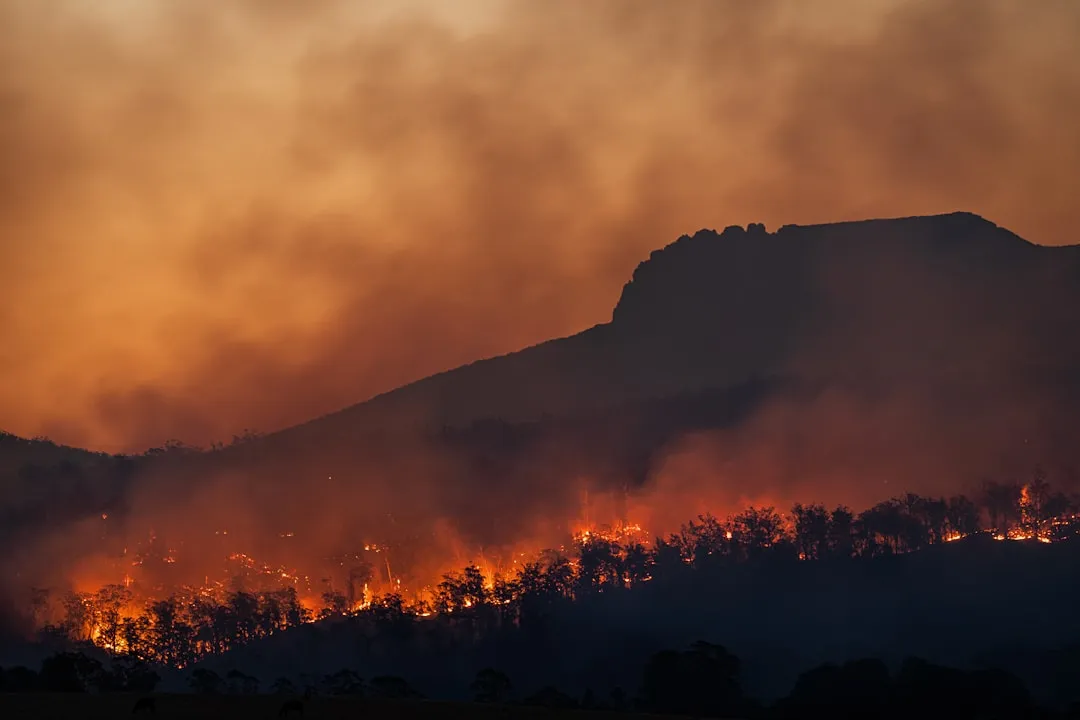
These regulations didn’t materialize out of bureaucratic excess. There’s a concrete reason they exist and why they’re being enforced more rigorously now than in previous decades. In 2024, there were a total of 61,685 wildfires in the U.S., an increase of 238% compared to 1983, when official wildfire recordkeeping began.
Humans cause as many as 85% of wildfires. Escaped recreational fires are a documented contributor to that figure, and local authorities are responding accordingly. In 2024 alone, wildfires caused $1.8 billion in damage nationwide.
The Virginia Department of Forestry attributes the majority of wildfires to escaped debris burning, and emphasizes public adherence to safe burning practices and local burn restrictions to prevent human-caused incidents. That pattern is not unique to Virginia. It reflects a broader national picture that has driven the rule-tightening across most states.
What to Actually Do Before Your Next Fire
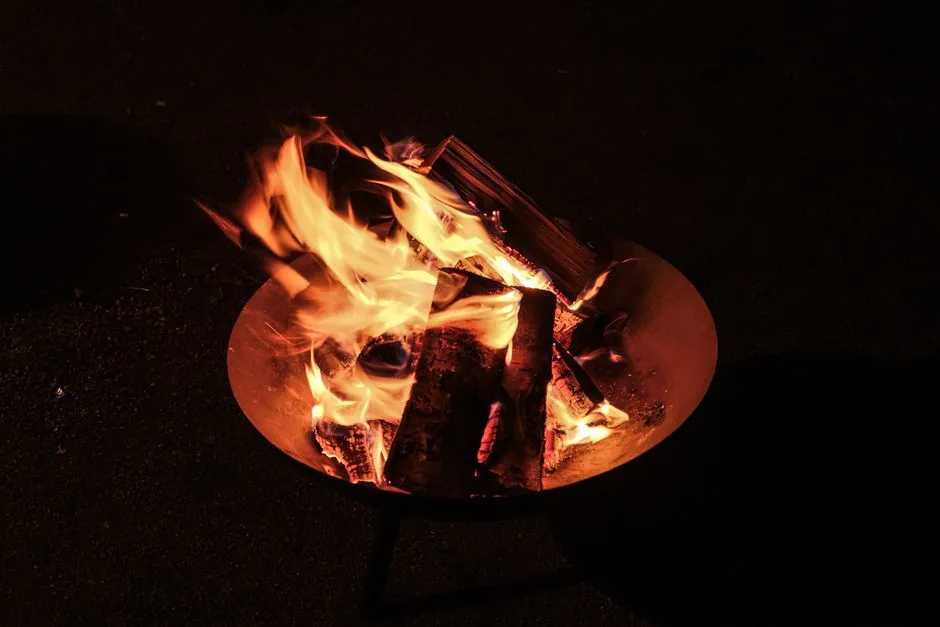
The fix is straightforward, even if the regulations are not. You should check with your local zoning office, fire department, or homeowners association to confirm whether fire pits are allowed and learn about specific regulations in your area. That one step covers most of the potential pitfalls in a single conversation.
Practice good fire pit etiquette by keeping noise levels low, controlling smoke, using approved fuels, and ensuring your fire does not disturb neighbors or violate local ordinances. Sticking to dry, untreated hardwood is the simplest way to stay both legal and safe on the fuel question.
Fire pit laws aren’t suggestions. They’re serious regulations designed to protect lives and property in an era of increasing wildfire risk. Treating them that way, before the first spark, is the kind of small effort that genuinely matters.
The Takeaway

The bonfire itself isn’t the problem. It’s the gap between how casually most people approach them and how seriously local authorities now regulate them. The rules around size, setback distance, permitted hours, approved materials, active burn bans, and insurance disclosure form a web that almost nobody reads in full before lighting a match.
None of this means backyard fires are going away. It means the era of “just light it and hope nobody calls” is quietly coming to a close. Knowing your local rules takes maybe twenty minutes. Getting caught without knowing them can cost far more than that.
AI Disclaimer: This article was created with the assistance of AI tools and reviewed by a human editor.