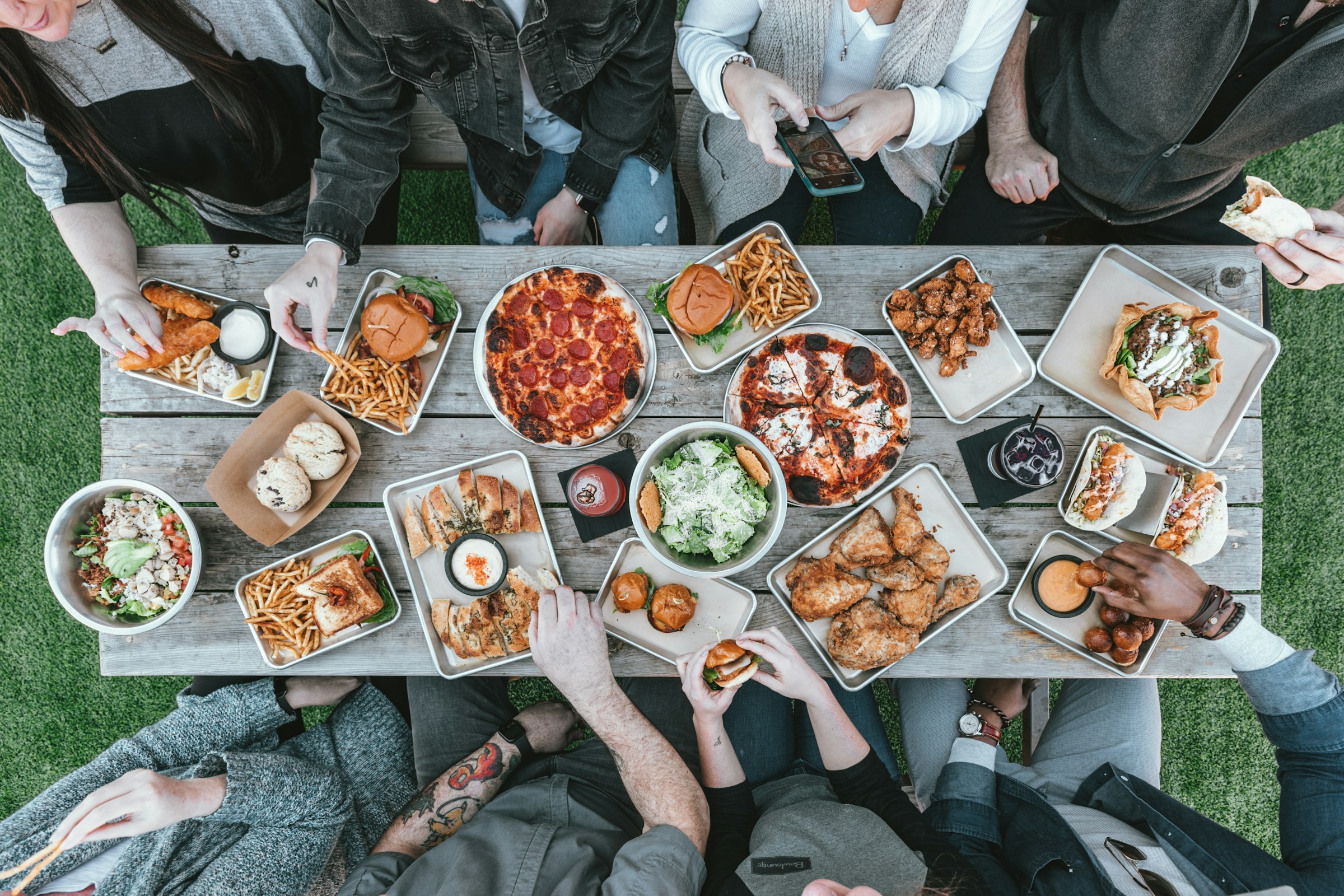

What Makes It a Ritual, Not Just a Routine
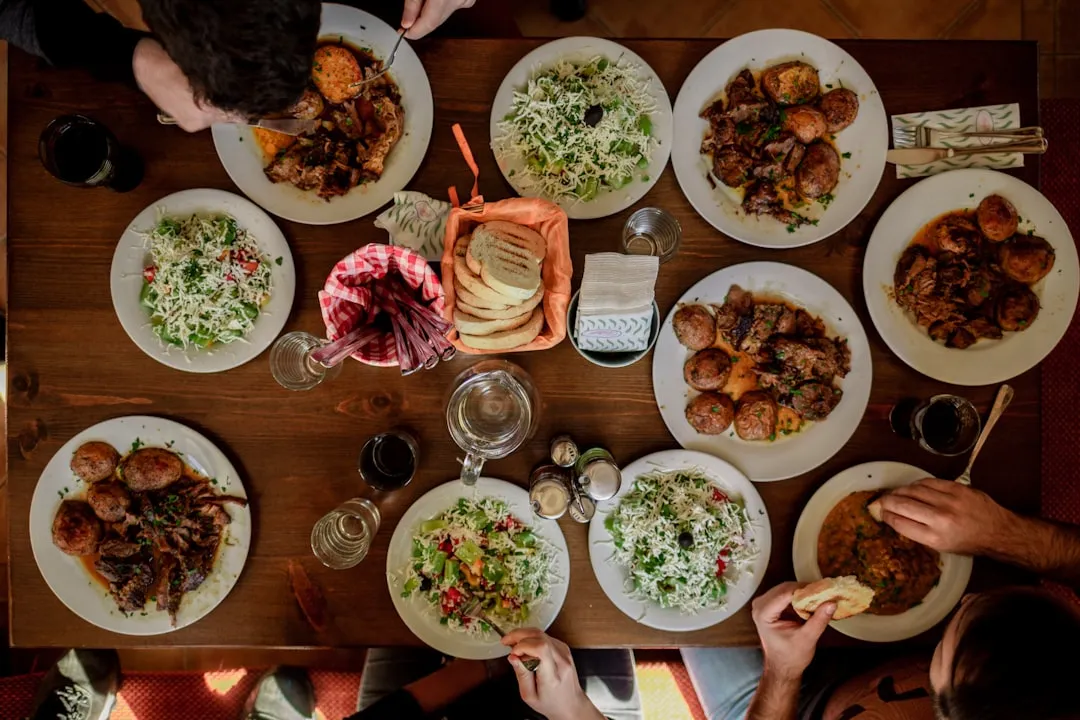
Rituals are different from routines. While routines are regular activities we do without much thought, rituals are more intentional and meaningful. That distinction matters more than it might seem. A hurried breakfast eaten in silence is a routine. A Sunday dinner where everyone gathers, puts phones away, and actually connects is something else entirely.
Family rituals are routines and traditions that honor what is very important to the family. They carry emotional weight. Rituals are valuable when family members perceive them as current and meaningful. That perceived meaning is precisely what separates a transformative weekly gathering from just another item on the calendar.
Decades of Research All Point the Same Way

More than 35 years of research and thousands of studies from around the globe document that family meals, no matter how you define “family,” are advantageous for both physical and mental health. That’s not a modest claim. That’s a robust, consistently replicated finding across cultures, income levels, and family structures.
A group of researchers reviewed 32 studies published since 1950. They concluded that family rituals “related to parenting competence, child adjustment, and marital satisfaction.” Across very different methodologies and populations, the signal stayed consistent.
Over three decades of research have shown that regular family meals offer a wide variety of physical, social-emotional, and academic benefits. While some of these benefits can be gained through other activities, eating together is the only single activity known to provide all of them at the same time.
The Mental Health Connection Is Hard to Ignore

Regular family meals are associated with lower rates of depression, anxiety, substance abuse, eating disorders, tobacco use, and early teenage pregnancy, as well as higher rates of resilience and self-esteem. These aren’t marginal effects. For adolescents especially, the protective influence is striking.
Research shows that family ritual meaning was positively related to social connectedness and negatively related to depression. Social connectedness was, in turn, negatively associated with anxiety and depression. The ritual itself builds a sense of belonging, and that belonging becomes a buffer against mental health struggles.
Children Build Identity Around These Moments

Rituals serve as a vehicle for transmitting values, beliefs, and cultural heritage across generations. This educational aspect of family rituals strengthens individual identity and self-worth, contributing to better mental health outcomes. Understanding one’s cultural and familial background provides a solid foundation for building identity and fostering a sense of self and community.
Consistent practices such as shared meals, celebrations, and everyday routines foster emotional stability, enhance interpersonal bonds, and instill a sense of security and identity, particularly in children. For kids still working out who they are, knowing where they belong is foundational.
Adolescents Respond in Measurable Ways
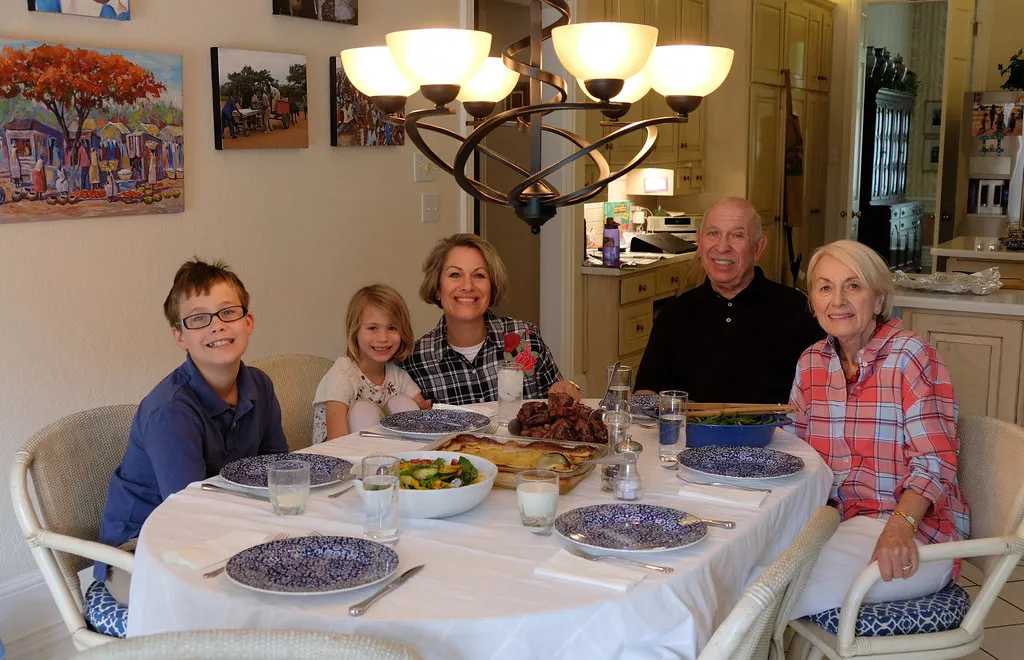
From an adolescent perspective, when they reported greater participation in family rituals, they also perceived their parents to be more supportive of them. That perception of parental support has cascading effects on academic performance, peer relationships, and long-term emotional health.
Research has found that family ritual communication serves as a supportive element, enhancing adolescent wellbeing through two mediators: family intimacy and resilience. Those two outcomes, closeness and the ability to bounce back, are exactly what parents most want to give their teenagers. A weekly dinner ritual quietly delivers both.
Resilience serves as a vital protective factor that enhances adolescent wellbeing. Studies have demonstrated the positive effects of resilience, finding that social support and family rituals like shared dinners provide stability and identity, thereby fostering resilience.
The Communication Effect
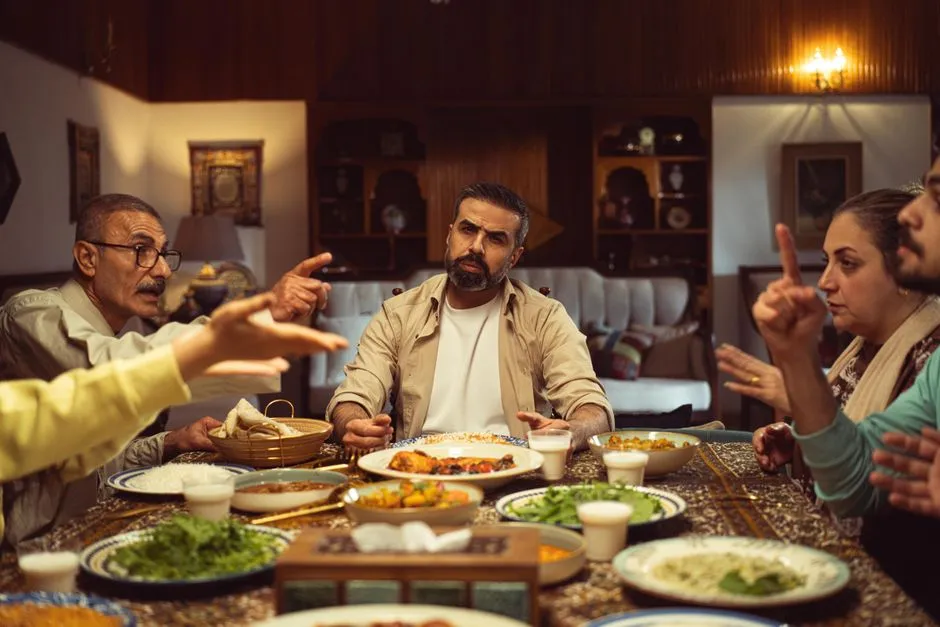
It has been shown time and again that family meals improve family functioning, including family connectedness, communication, expressiveness, and problem-solving. These are the same skills therapists spend months trying to rebuild in families that have grown distant. The dinner table offers a low-stakes, repeated opportunity to practice them naturally.
Data shows that more than half of those surveyed associate family meals with feelings of connectedness, including having conversations and more time spent together. That’s not a trivial overlap. Conversation is the mechanism through which connection happens, and the weekly meal is what creates the conditions for it.
Studies have found that regularly organizing family meals can provide an opportunity for family members to enhance communication and interaction, thus helping resolve conflicts and strengthen family ties.
It Works Across Family Structures

While the term “shared family meals” is commonly used, it is important to recognize that family structures come in many forms. The specifics of who participates can vary greatly, whether it’s two parents, a single parent, or another caregiver in the home. Regardless of family makeup, the benefits of shared family meals are consistent across different family configurations.
Family rituals were seen as very important in providing togetherness, strengthening family relationships, emotional exchange, and stability, as well as providing opportunities to create special times in single-parent families. The structure of the household doesn’t dilute the effect. What matters is the intention and the consistency.
Parents Benefit Too, Not Just Kids

With regard to parental outcomes, when parents reported higher levels of family ritual meaning, they also reported lower levels of parental burnout in a community sample and higher parental satisfaction and efficacy in families with children with epilepsy. The ritual isn’t one-directional. Parents receive something real from it as well.
The FMI Foundation study shows that family meals also help restore a sense of peace, with about one third of survey respondents saying family meals make them feel calm. Four in ten people believe family meals are relaxing and fun to eat, thereby enhancing quality of life. For parents navigating demanding work schedules and constant digital noise, that matters.
Rituals Serve as Anchors During Hard Times
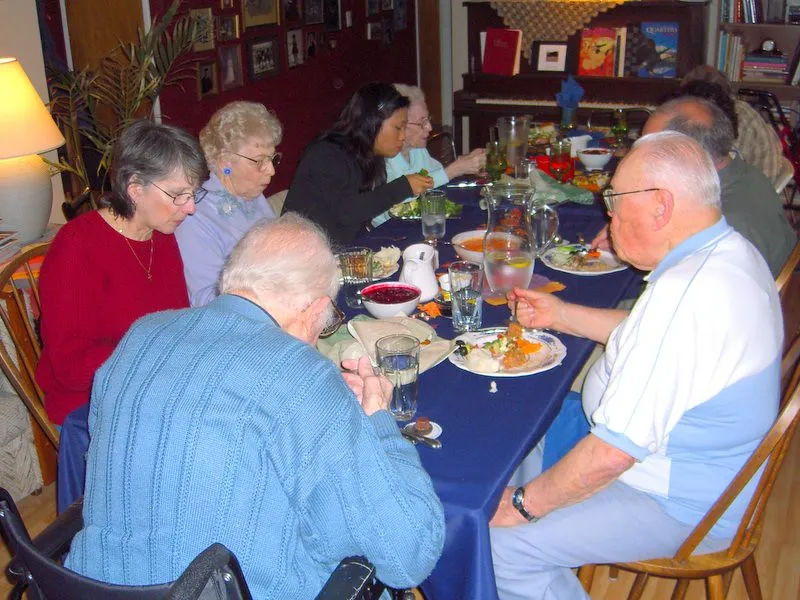
Family rituals are incredibly comforting during times of stress or change. They serve as anchors, providing continuity when everything else may be in flux. That’s especially true during transitions like divorce, job loss, illness, or a move to a new city.
During times of stress, rituals become a lifeline. Lighting a candle at dinner after a hard day, maintaining a bedtime story ritual during a family transition, or holding onto an annual holiday tradition after a loss provides a sense of continuity. These small acts reassure children that while life changes, connection remains.
Dinnertime rituals have been found to be protective in working-class families, buffering the effects of parental stress on children’s problems. The family table, in these moments, becomes less about food and more about emotional shelter.
Keeping the Ritual Alive as Families Change

Family rituals should evolve, staying relevant and meaningful for changing family dynamics. Engaging family members in brainstorming fosters new, inclusive, and enjoyable rituals. Regularly reassessing rituals to adapt or replace them ensures they meet current and future family needs. A ritual that no longer fits the family it serves loses its meaning, and with it, much of its power.
Rituals do not have to be elaborate or expensive. In fact, the simplest ones are often the most enduring. The key is presence, being fully engaged in the moment rather than distracted or rushed. That detail is easy to overlook, but it changes everything. A weekly dinner eaten together while staring at phones isn’t really a ritual at all.
The Takeaway

The evidence is unusually clear for something this ordinary. More than 35 years of research and thousands of studies from around the world document that family meals boost both physical and mental health. What the research keeps returning to isn’t complexity or cost. It’s consistency and presence.
Mental health experts say the magic of sit-down mealtime happens when families gather together to talk, laugh, share their day-to-day struggles, and support each other through life’s ups and downs. These moments of connection nurture a sense of belonging, leading to greater self-esteem and self-confidence.
A weekly shared meal won’t solve every family problem. Nothing will. Still, for a single practice that costs almost nothing, asks only for time and attention, and delivers measurable benefits across every age group, the case for protecting that hour at the table each week is about as strong as family science gets.
AI Disclaimer: This article was created with the assistance of AI tools and reviewed by a human editor.