
Most people chalk up a weak shower to a busy morning on the water main. You rinse, you move on, and you forget about it. That’s understandable, but it can also be expensive.
A drop in water pressure is one of those symptoms that’s easy to dismiss right up until it isn’t. In many cases, it’s your home’s plumbing system sending a quiet message that something deeper is failing. Here’s what that signal might actually mean.
Normal Pressure and Why It Matters
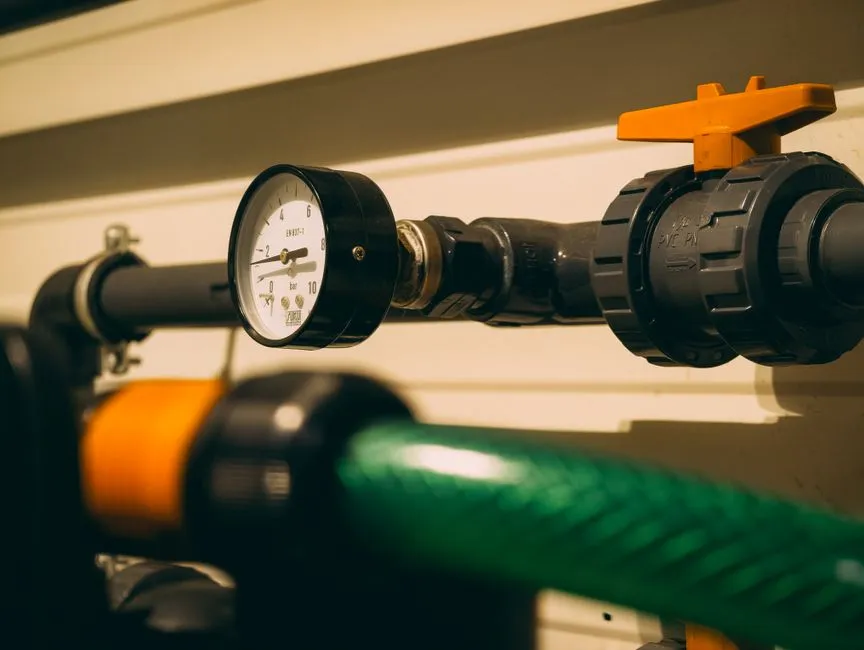
Normal residential water pressure should fall between 45 and 60 PSI, or pounds per square inch. That range isn’t arbitrary; it’s the sweet spot where appliances work efficiently and fixtures don’t wear prematurely. Anything below 40 PSI is considered low and will noticeably affect your daily water use, from weak showers to slow-filling washing machines.
The number itself is worth knowing. If you’ve never checked your home’s water pressure, an inexpensive gauge from a hardware store screws onto any hose bib and gives you an immediate reading. Knowing your baseline makes it far easier to catch a drop before it becomes a crisis.
Leaking Pipes: The Most Common Culprit
Leaks within the plumbing system are a common culprit behind low water pressure. Even small leaks can lead to significant pressure drops, as water escapes the system before reaching your fixtures. The tricky part is that most of these leaks are invisible to the homeowner. Because these leaks are often hidden behind walls or underground, they can go unnoticed until pressure drops significantly.
Common signs of leaks include damp spots on walls or ceilings, unexplained increases in water bills, and the sound of running water when no fixtures are in use. If two or three of those signs appear together, it warrants a proper inspection rather than a wait-and-see approach.
Mineral Buildup Narrowing Your Pipes
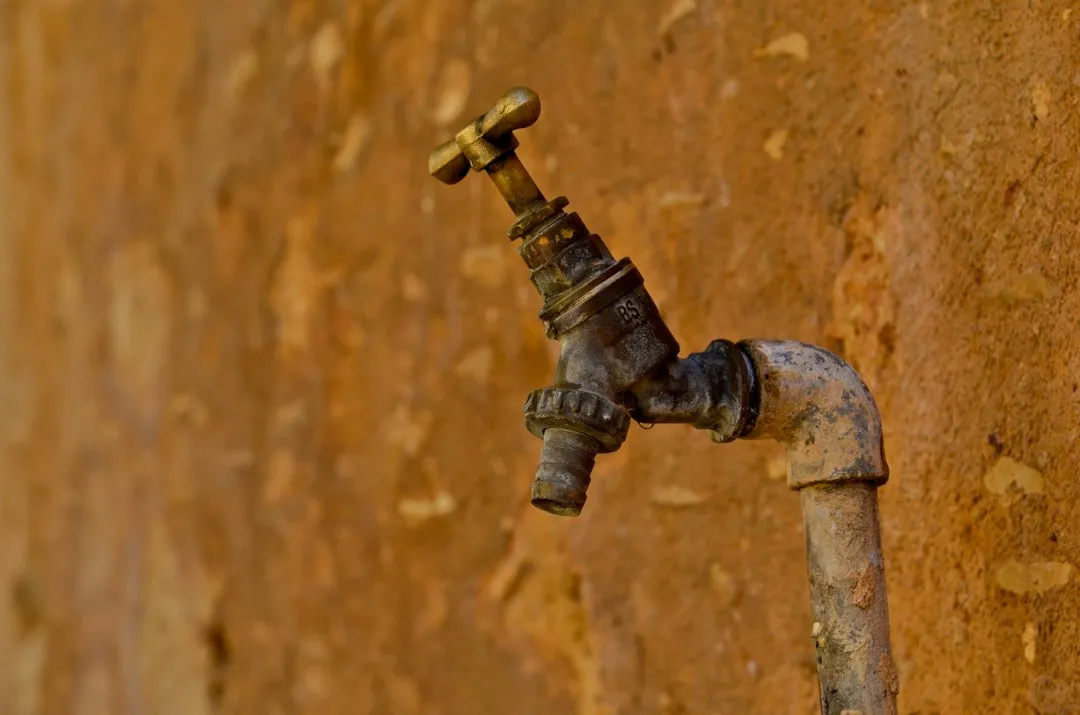
Hard water contains calcium and magnesium that leave mineral deposits inside your pipes over time. These deposits gradually narrow the passage where water flows. The buildup happens slowly, which is why many property owners don’t notice the pressure dropping until it becomes significantly worse.
During colder months, reduced water usage may allow sediment to settle. When usage increases again in the spring and summer, that buildup can restrict water flow and reduce pressure at your fixtures. It’s a seasonal pattern worth paying attention to, particularly in homes with older galvanized or iron pipes.
A Failing Pressure Regulator
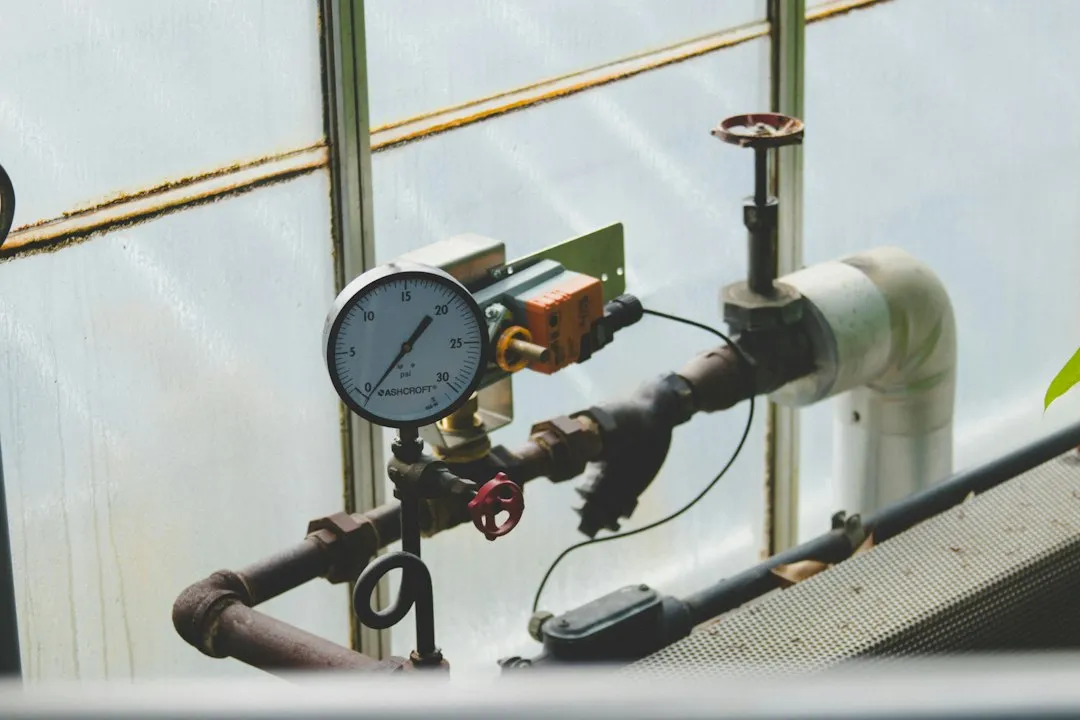
A pressure regulator controls the pressure of the water entering your home. If it’s not working properly, you may experience sudden low water pressure throughout the house. This is one of the more overlooked causes because the device sits quietly near the main water line and rarely draws any attention until it stops functioning correctly.
If your home is equipped with a pressure regulator, it could be contributing to the problem. These devices are designed to maintain consistent water pressure, but they can wear out or malfunction over time. A plumber can test a regulator relatively quickly and replace it if needed, often before it causes larger downstream damage.
Corroding Pipes Working Against You From the Inside
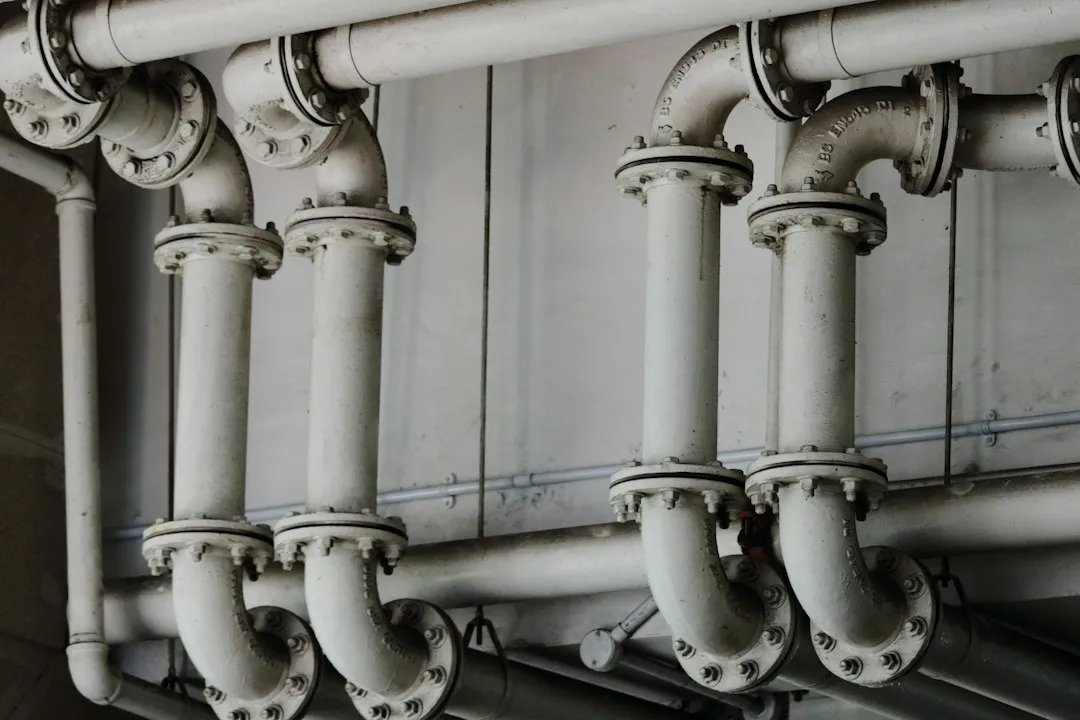
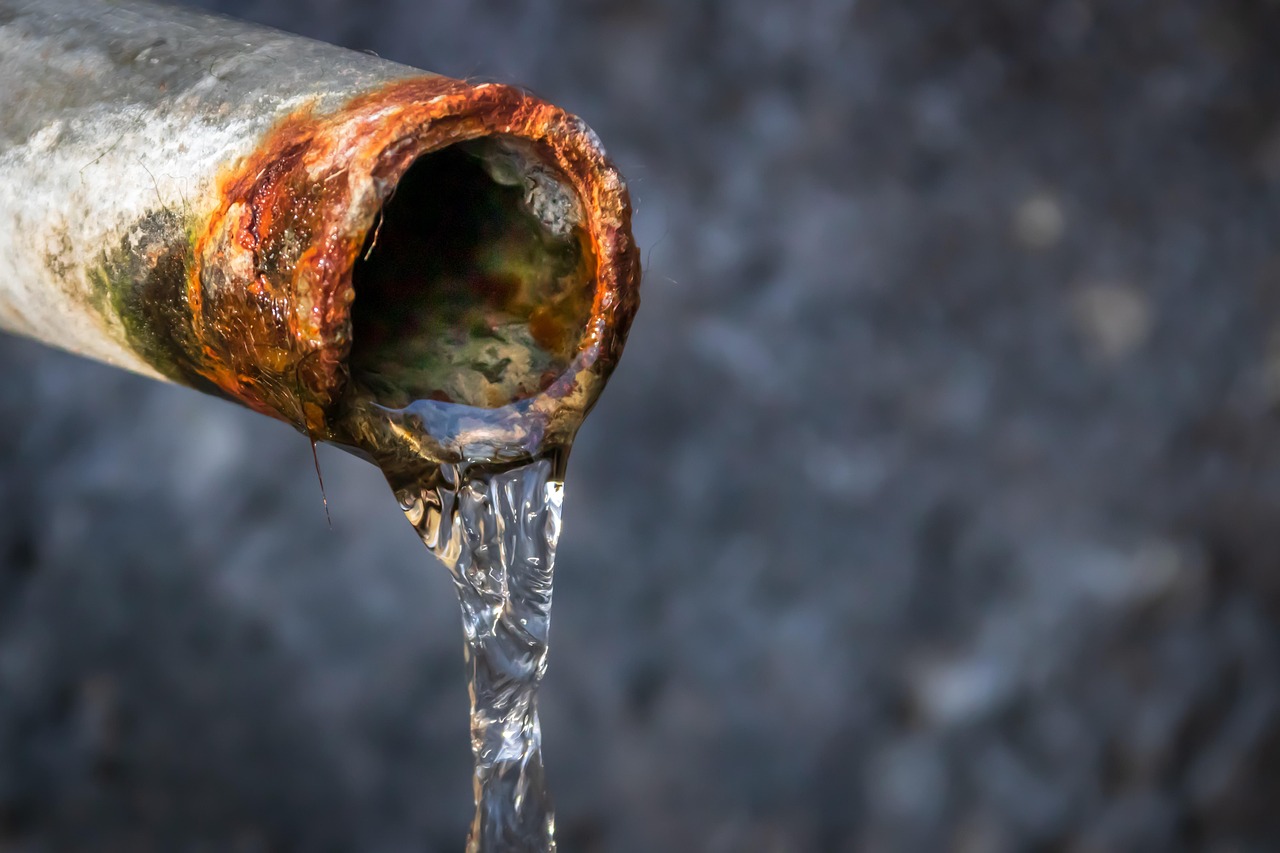
Corroded pipes are one of those slow-moving problems that rarely announce themselves until the damage is already done. Unlike a burst pipe that demands immediate attention, corrosion works quietly, eating through metal over months or years, weakening the structural integrity of your plumbing system before you ever notice a drop of discolored water or a suspicious drop in water pressure.
Low water pressure throughout the house, rather than at just one fixture, is a different kind of red flag. When pressure drops across multiple faucets and showers at once, the cause is often mineral buildup, internal corrosion narrowing the pipe diameter, or partial blockages that have developed over years. Spot-checking a single faucet aerator will not solve that problem. The issue is inside the pipes themselves, and it tends to get worse over time rather than better.
Underground Water Line Failures
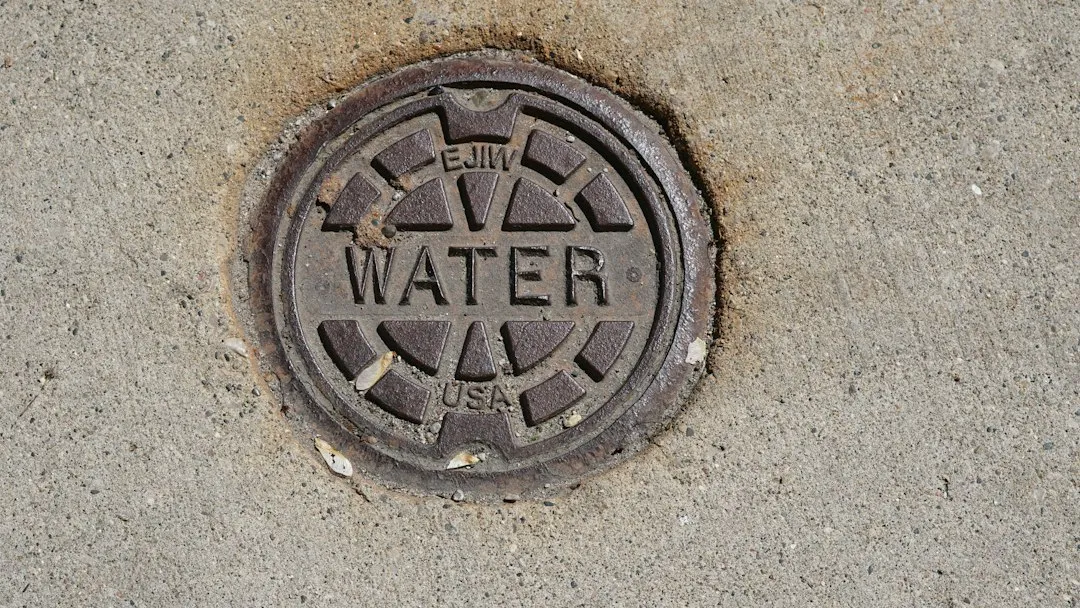
A sudden or slow drop in water pressure at faucets, showers, and sprinklers is a classic sign of a failing underground water line. When a pipe cracks or breaks, water escapes into the soil before it reaches your property’s fixtures. These breaks can be active for days or weeks before a homeowner notices anything at all.
One of the most direct signs of a failing underground water line is the appearance of soggy, constantly wet patches in your yard. This happens when a leak soaks the soil, causing water to eventually rise to the surface. Unlike puddles from rain, these wet spots stay damp or swampy even when it’s dry, which means a steady supply of water is coming from a broken pipe below. The constant moisture can lead to soil erosion, damage your property’s foundation, and create sinkholes under driveways or walkways.
A Partially Closed Shutoff Valve
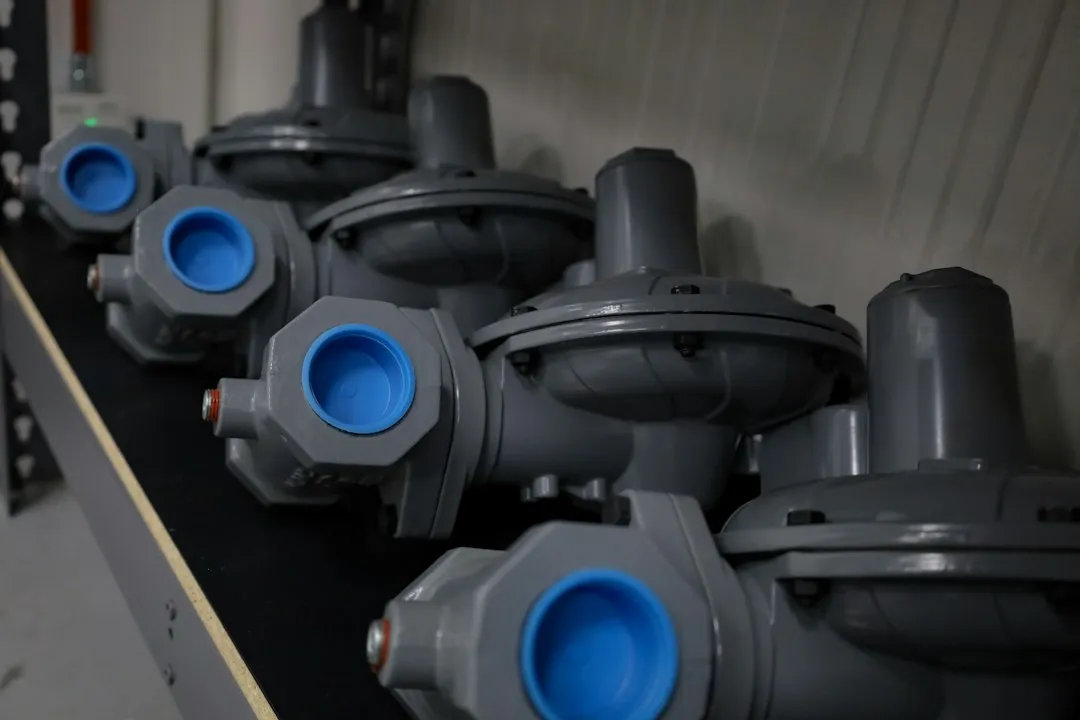
The main shutoff valve controls water entering the home. If partially closed, it can restrict flow. This may happen after plumbing work or service interruptions. It sounds almost embarrassingly simple, but it’s one of the first things a plumber will check, and rightfully so. Do not force old or corroded valves, which can cause damage.
If you’ve recently had any plumbing work done or had the water shut off for any reason, the valve is a logical starting point. A few seconds to confirm it’s fully open can rule out what might otherwise send you down a longer diagnostic path.
When the Problem Is Upstream: Municipal Supply Issues
Sometimes the plumbing inside your home is fine – the problem is upstream. City water supply can temporarily dip, and if neighbors are experiencing the same pressure drop, that’s a strong indicator. Checking for city alerts or maintenance notices online can confirm whether the issue is isolated to your home or systemic to your neighborhood.
While supply issues are typically temporary, they can stir up sediment that later clogs aerators and cartridges in your home, so it’s worth cleaning fixtures afterward if you notice debris. A temporary municipal issue that goes unaddressed inside your home can quietly create a secondary problem that lingers long after the main line is restored.
The Bigger Picture: America’s Aging Water Infrastructure
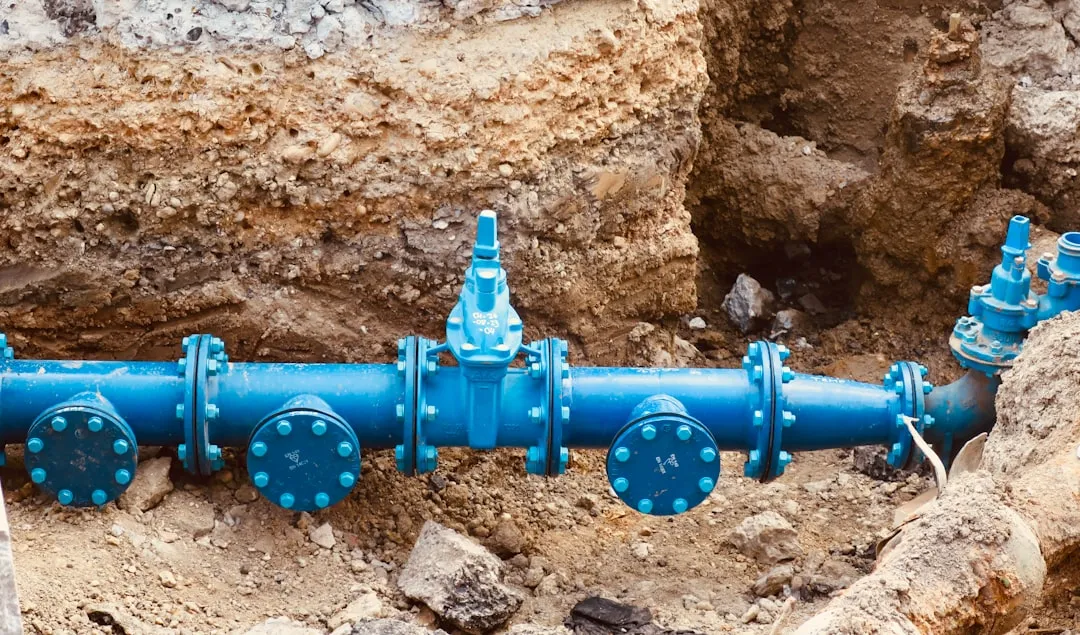
The pressure drop in your home doesn’t always stop at your property line. In the United States, due to aging infrastructure, nearly 20 percent of treated water is lost before it even reaches the customer. That’s 2 trillion gallons of treated water lost each year, costing utilities and customers $6.4 billion annually.
The 2026 State of the Water Industry report reveals a sector facing growing pressure across infrastructure, financing, and long-term water supply reliability. While overall sector health remains stable, the five-year outlook has declined to its lowest level in nearly a decade. Aging infrastructure remains the most pressing challenge, closely followed by the need for sustainable funding and long-term water supply reliability. The U.S. water utility sector faced an estimated $110 billion funding gap in 2024, which is nearly 60 percent of utilities’ overall spending. By 2030, this gap could increase to approximately $194 billion.
What Discolored Water Alongside Low Pressure Actually Means

Brown, yellow, or cloudy water, especially when first turning on the tap, can be a sign of rust or sediment inside aging pipes. This is a common indicator of water pipe damage and should be evaluated by a licensed plumber promptly. When discolored water appears at the same time pressure drops, it is rarely a coincidence.
An occasional loose fitting or worn washer is normal, but experiencing frequent leaks across different areas of your home points to a systemic issue. Pinhole pipe leaks happen when corrosion finally eats completely through the metal wall. If you find yourself frequently patching small sections of your lines, your plumbing network has become structurally weak. At this point, fixing a single spot simply shifts the pressure to the next weakest link, making it time to repipe.
The Takeaway
A pressure drop rarely stays just a pressure drop. It’s a symptom with a source, and in most cases, the longer it goes unexamined, the more options quietly close off. The cost of a plumber’s diagnostic visit is almost always a fraction of what a burst pipe, mold remediation, or foundation repair runs.
The system giving you that weak morning shower has been doing its job faithfully for years, often decades. When it starts asking for attention through reduced pressure, it’s worth listening. A sudden drop in water pressure is your home’s way of asking for a closer look. That’s a reasonable request, and one worth taking seriously before the answer becomes more complicated.
AI Disclaimer: This article was created with the assistance of AI tools and reviewed by a human editor.