
Most people who own a water filter feel a quiet sense of reassurance every time they fill a glass. The filter is there, the water looks clear, and everything seems fine. That assumption, though, can be misleading in ways that aren’t immediately visible.
The issue isn’t the filter itself. It’s the habit around it. Skipping or delaying replacements, choosing the wrong filter type, or simply forgetting the schedule entirely are far more common than most households would like to admit. The consequences tend to build slowly and silently, which is exactly what makes this problem so easy to miss.
The Silent Saturation Problem
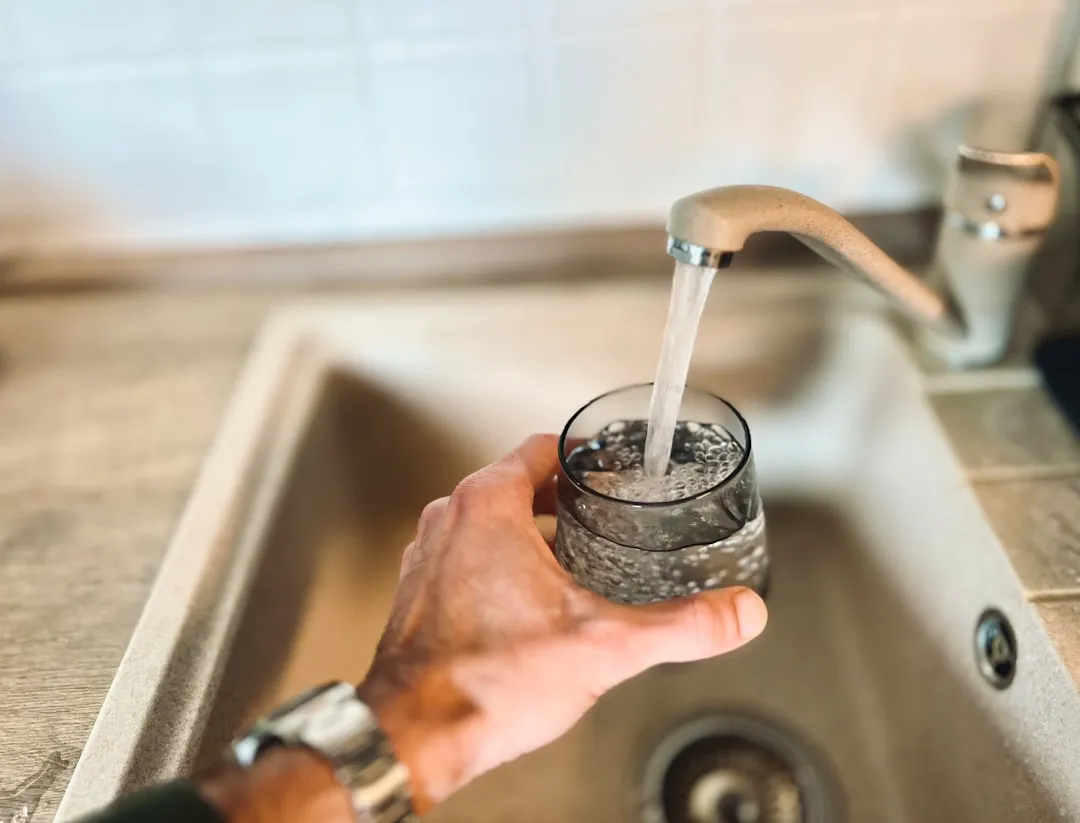
Over time, water filters accumulate the very substances they are designed to remove, whether it’s sediment, chlorine, or more dangerous elements. These materials build up within the filter’s media. At a certain point, the filter simply can’t hold any more. Once the filter reaches its capacity, it can no longer effectively trap new contaminants. Worse, some filters can release trapped pollutants back into your water, especially if the flow rate decreases or the water pressure changes.
Once a filter reaches its limit, it stops doing its job effectively. In fact, an expired cartridge can do more harm than good if left unchanged. This isn’t a scare story; it’s a straightforward mechanical reality that applies to every filter on the market.
Bacteria Finds a Home in Your Filter
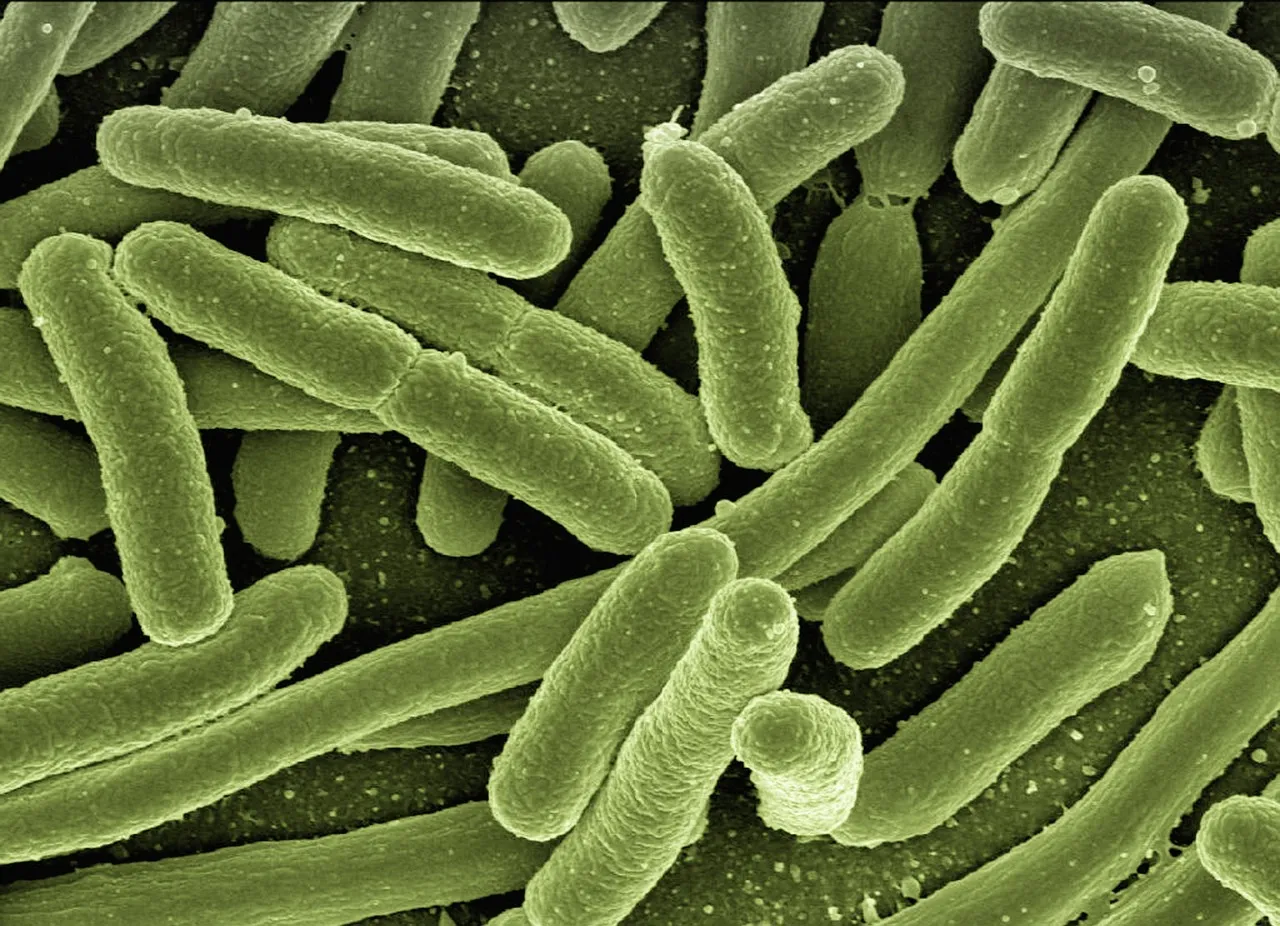
A clogged filter is essentially a damp, dark environment filled with trapped organic matter, the perfect nursery for Legionella, E. coli, and mold. As these contaminants accumulate, they form a biofilm on the filter surface, leading to secondary pollution where the purifier itself becomes the primary source of contamination.
The organic matter and pollutants act as a nutrient source for microorganisms, with organic compounds like carbon, nitrogen, and phosphorus providing food for bacteria, algae, and other microbes. As these contaminants build up on the filter surface, they create an ideal environment for the growth of harmful microorganisms that can enter your water supply. This is the part most people never consider: the filter stops being a shield and starts being a source.
The Journal of Environmental Health Warning
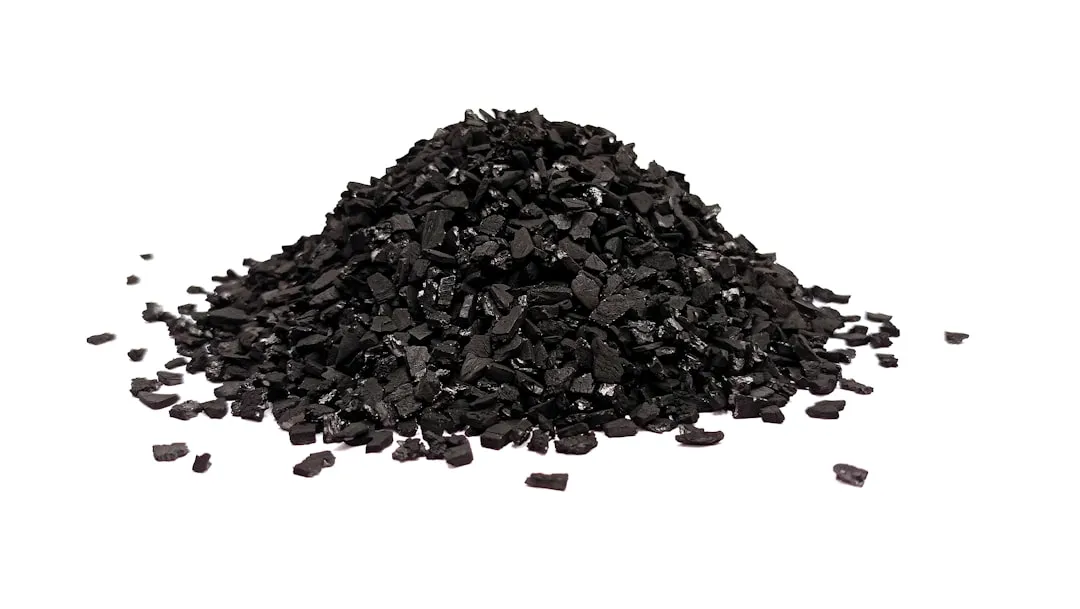
A study published in 2020 by the Journal of Environmental Health found that some activated carbon filters, when not replaced according to manufacturer guidelines, can actually become breeding grounds for bacteria, potentially reintroducing contaminants into filtered water. That finding applies to widely used household brands, not just industrial systems.
The U.S. Environmental Protection Agency emphasizes the importance of proper maintenance for all water treatment devices to ensure their effectiveness. They stress that neglecting replacement schedules can render the filtration system useless or, in the worst cases, counterproductive. The EPA’s position here is worth taking seriously, not as bureaucratic caution, but as a practical warning grounded in filtration science.
PFAS: The Contaminant That Slips Through First
PFAS, a class of thousands of synthetic chemicals, have been found in nearly half of drinking water supplies across the U.S. According to the EPA’s water monitoring data and state tests, PFAS have been detected in tap water serving an estimated 172 million people. Exposure to PFAS is linked to cancer, reproductive harm, immune system damage, and other health problems, even at low levels.
The current certification standards for PFAS filters, as of April 2024, do not yet indicate that a filter will remove PFAS down to the levels the EPA has now set for a drinking water standard. So even a relatively fresh, certified filter may not fully address PFAS. An old or expired one stands virtually no chance. Filters that remove PFAS, such as reverse osmosis and carbon, can also reduce many other drinking water contaminants of concern, but only when they are functioning at full capacity.
Your Replacement Schedule May Be Shorter Than You Think
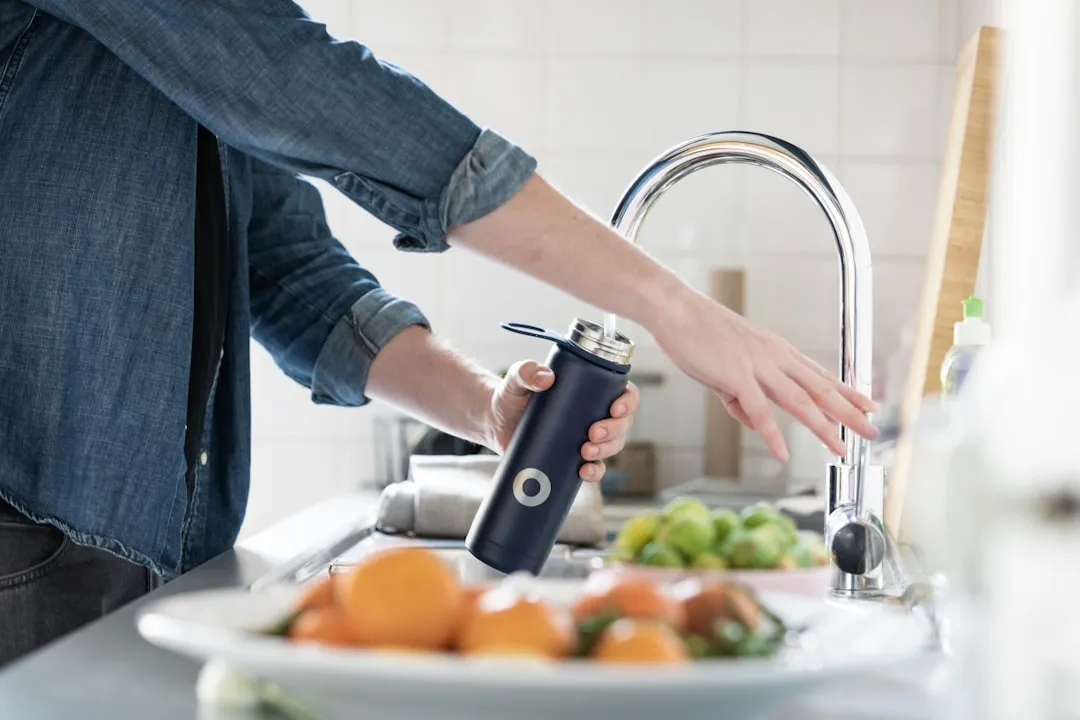
On average, you need to replace the filters in your filtration system once every two to twelve months. The range is wide because different systems age very differently. Pitcher filters are short-lived: you should replace them about every two months or every 40 gallons. Refrigerator filters are often forgotten entirely, but manufacturers generally recommend replacements every six months.
Carbon filters should be replaced every six to twelve months regardless of setting. Sediment filters need replacement every six to nine months in a home and every three to six months for high-demand commercial systems. Reverse osmosis systems require prefilters every six to eighteen months and membranes every two years. Mixing up these schedules, or applying one filter’s timeline to another type entirely, is one of the most common household mistakes.
Flow Rate Is Not a Reliable Warning Sign
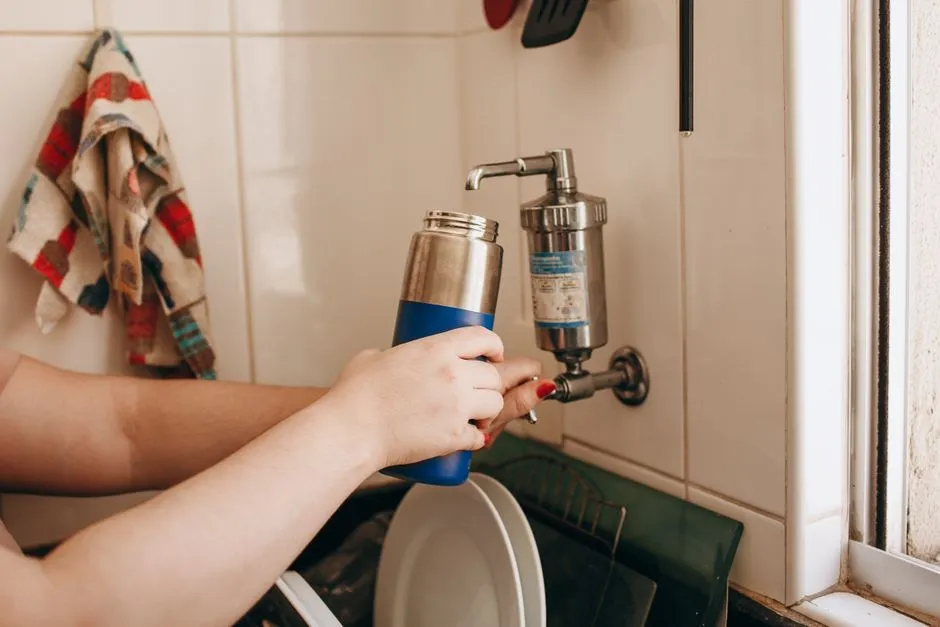
There’s no guarantee your filter will slow down when it’s ready for replacement. In fact, depending on the type of water filter, it may speed up. The bottom line is that you should not rely on filtration speed as an indicator of filter life, nor wait for your filter to slow down before replacing it.
This is a particularly stubborn misconception. Many people only swap filters when the water flow drops noticeably. The main reason a filter becomes problematic is that it eventually becomes so clogged with contaminants that the space for water to pass through becomes minimal, resulting in a significantly slower flow rate. By that point, however, the filter may have already been compromised for weeks. If you continue to use the filter for weeks or months beyond its anticipated lifespan, the filter media may degrade to the point that holes form, allowing trapped contaminants to re-enter your water.
Multi-Stage Systems Create a False Sense of Security
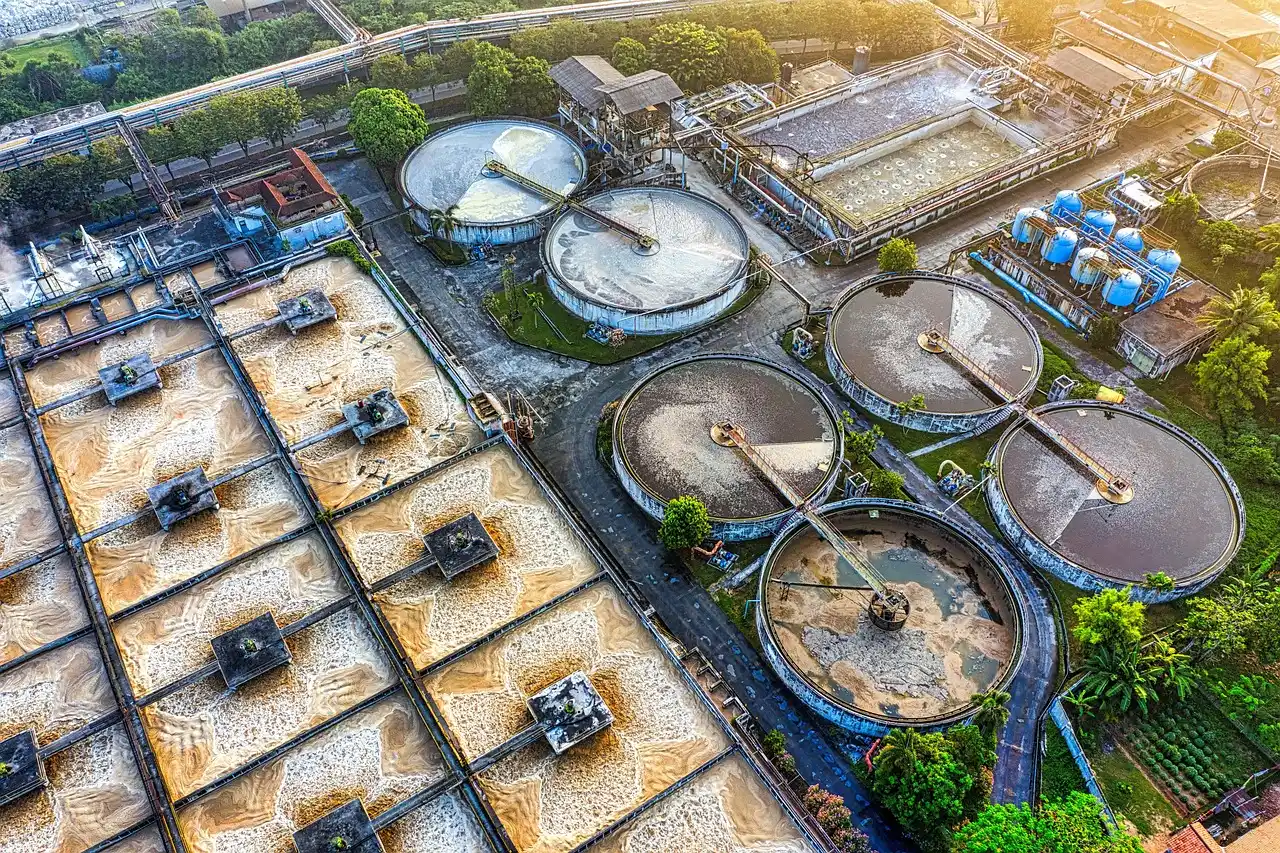
If the first-level filter becomes overloaded, it directly impacts the subsequent stages. When the primary filter clogs, sediment and rust can reach the sensitive activated carbon or RO membranes, drastically reducing their lifespan and increasing long-term maintenance costs. People who invest in more sophisticated, multi-stage systems often assume those systems are self-regulating. They’re not.
Skipping pre-filters is the fastest way to ruin an expensive membrane early. This can also be confusing if your system uses multiple stages of filtration, with each stage having a different replacement schedule. Treating a multi-stage system like a single-cartridge pitcher is where many careful, well-intentioned households quietly go wrong.
Refrigerator Filters: Out of Sight, Out of Mind

Ice and water dispensers hide the filter, so people forget these the longest. It’s a straightforward design problem: when you can’t see something, you don’t think about it. Some people don’t even realize that a fridge water filter ever needs to be changed. Manufacturers generally recommend replacements every six months, and filters often cost fifty dollars or more, which can add up quickly, especially for a system that primarily addresses chlorine rather than a broader range of contaminants.
Refrigerator water and ice dispensers are used dozens of times a week in many households, often without a second thought. The filter behind that dispenser is usually the last thing anyone tracks. Setting a simple calendar reminder every six months costs nothing and takes about thirty seconds to do.
Not All Filters Are Built for the Same Threats
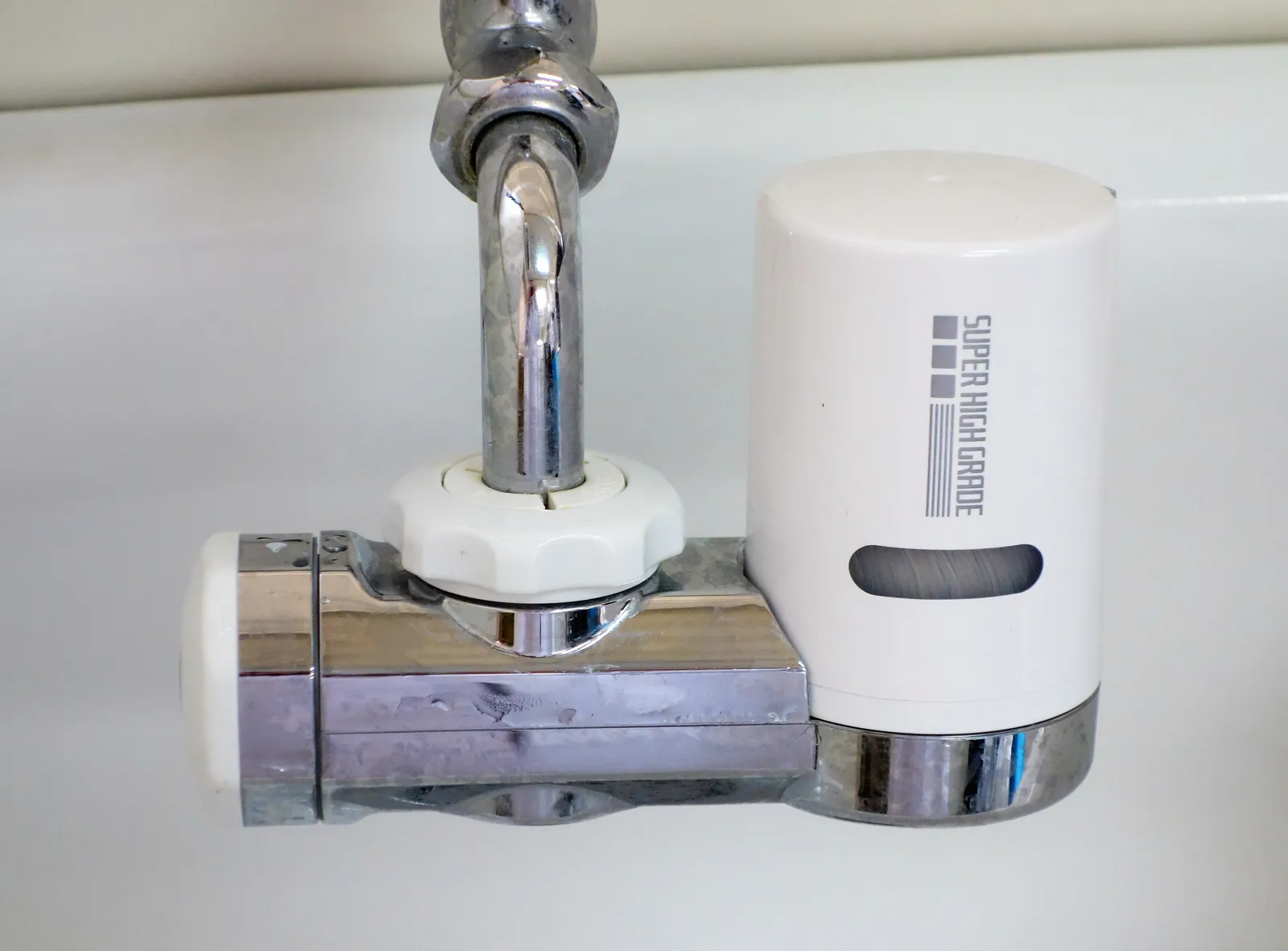
Some filters make water taste better, others remove harmful chemicals, and others remove certain germs. A filter pitched as a taste-improvement product may offer very little defense against lead or PFAS. Water filter pitchers can reduce certain contaminants, but their effectiveness varies widely depending on design and filtration media. Some pitchers can reduce PFAS levels, especially those using advanced activated carbon or membrane technology. However, not all pitcher filters are designed for this purpose, and reduction levels can vary significantly.
The EPA recommends choosing filters tested under NSF/ANSI standards to verify contaminant reduction claims. Without that certification, a filter’s marketing language may dramatically overstate what it actually removes. Buying the wrong filter type and then faithfully replacing it on schedule still leaves you exposed to the specific contaminants it was never designed to catch.
The Habit Gap Between Knowing and Doing
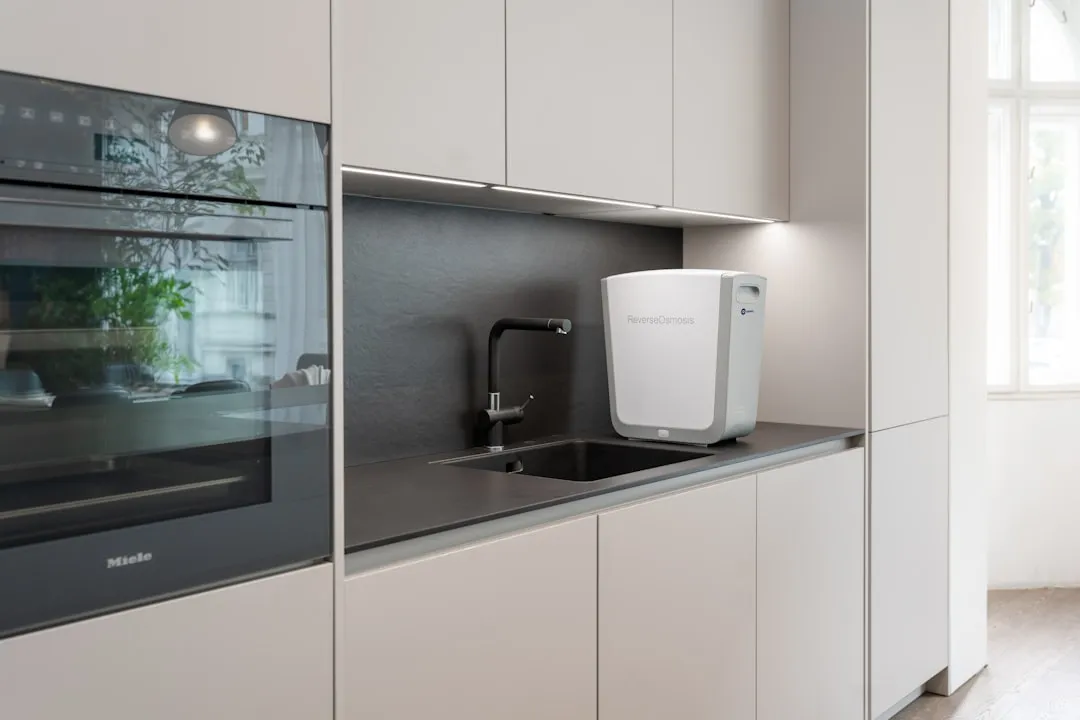
Many people buy a water purifier for peace of mind, yet skip the most critical step: timely replacement. Knowing the replacement schedule exists is not the same as following it. Life gets busy, the reminder light gets ignored, and months slip by. Many homeowners don’t immediately connect changes in taste or pressure to their water filter cartridge. Just like any other part of a household system, filters have a lifespan, and ignoring their replacement schedule can gradually affect both water quality and health.
When water purification filters aren’t changed out regularly, the quality of your water can be adversely affected. As bacteria accumulate over time, the efficiency of your water filtration is inevitably compromised. The problem with gradual degradation is that it rarely announces itself. The water still looks clear. The filter still hums. Nothing seems wrong until it is.
The Takeaway
A water filter is only as reliable as the habit surrounding it. The hardware is the easy part; the discipline of actually replacing it on time is where most households fall short. Contaminants don’t wait for you to notice the warning signs, and in many cases, by the time you do notice, the filter has already been failing for a while.
The fix is genuinely simple. Know your filter type, follow the manufacturer’s replacement schedule, and look for filters certified under NSF/ANSI standards for the specific contaminants in your water supply. Test your water and choose a filter that removes the harmful germs or chemicals you are concerned about. A filter that’s maintained properly is one of the more cost-effective tools available for protecting household drinking water. One that’s neglected is quietly doing the opposite of its job.
AI Disclaimer: This article was created with the assistance of AI tools and reviewed by a human editor.