
Most people, when they spot a wasp hovering near their flower beds, reach for the spray can without a second thought. The buzzing, the yellow-and-black markings, the association with a sting that ruins a summer afternoon – it all adds up to an automatic threat response. The trouble is, that reaction is overwhelmingly misdirected.
There are some 30,000 identified wasp species in the world, and a remarkable 98.5% of them are solitary, non-stinging varieties. That means the aggressive colony-forming wasp most people picture is genuinely the exception. The gardeners doing the most damage are not the ones tolerating wasps – they’re the ones eliminating insects that quietly keep their gardens alive.
The Sheer Scale of Wasp Diversity Most People Don’t Know About
There are over 100,000 described wasp species in the world, and social wasps – yellowjackets and hornets, the ones most people recognize – account for only around 1,200 of that total. That’s a tiny fraction of a wildly diverse order of insects, most of which never interact with humans in any meaningful way.
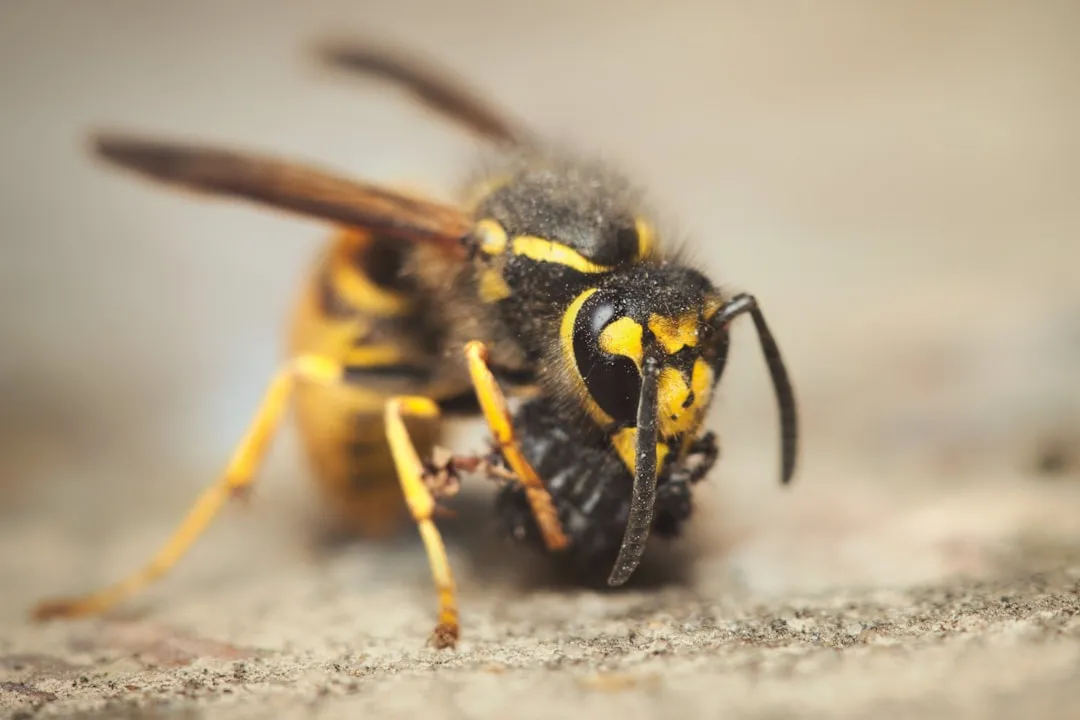
At the mere mention of a wasp, people tend to conjure images of the bright, angry, stinging creatures they know best. Yet those social species, including the yellowjacket, represent just 1.5% of all wasp varieties. Understanding that number alone should shift how a gardener looks at any wasp flying past.
Wasp species have a complex evolutionary history and are generally divided into two superfamilies, the Apoidea (which also includes bees) and Vespidae. The vast majority of garden wasps you see belong to solitary groups within these families – and almost none of them are interested in stinging you.
The Parasitic Wasp: Your Garden’s Invisible Pest Controller
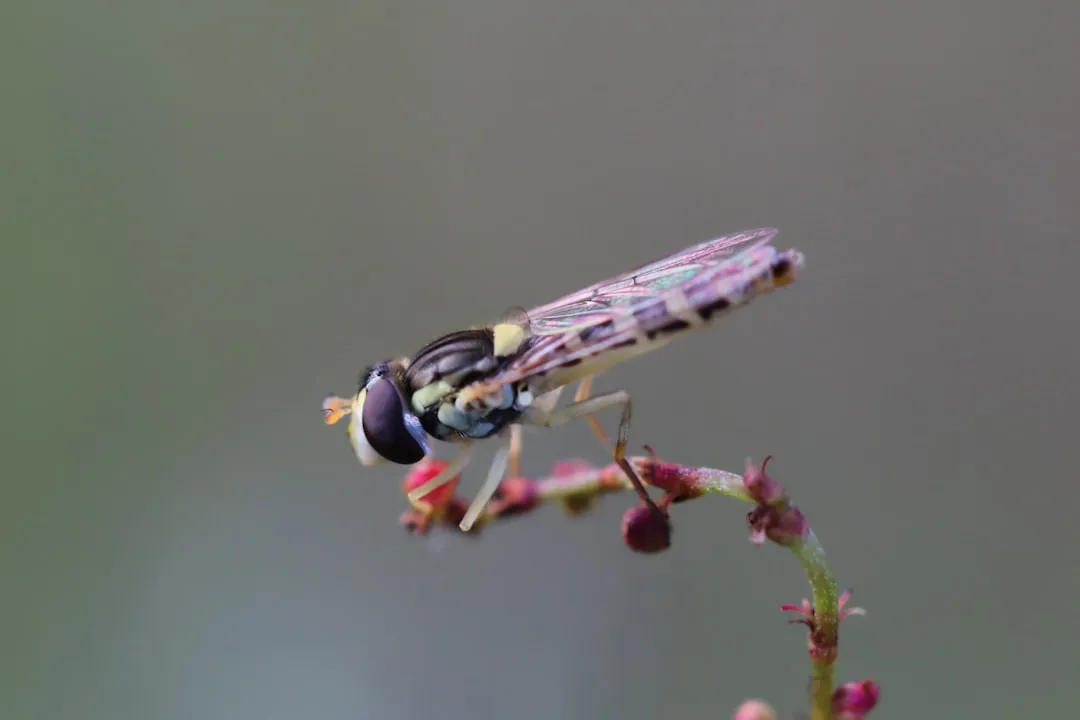
Several species of wasps are parasites of garden pests; the most common are ichneumon wasps, braconid wasps, and chalcid wasps. These are the wasps gardeners most reliably destroy without even realizing it, often because they look faintly threatening or simply unfamiliar.
The work of these parasitic wasps is usually more visible than the insects themselves – for example, a tomato hornworm covered in small white rice-like pupae on its back, or a mummified aphid with a tiny hole where a wasp emerged. Parasitic wasps pose no danger to humans; few species are able to sting and they do so only when mishandled.
Using parasitic wasps in gardens is often more effective than spraying plants with insecticides. In fact, when you spray your garden with broad-spectrum insecticides, you may find that the pest problem gets worse instead of better. That’s partly because you’ve removed the very insects keeping the pests in check.
Braconid Wasps and the Tomato Hornworm Connection
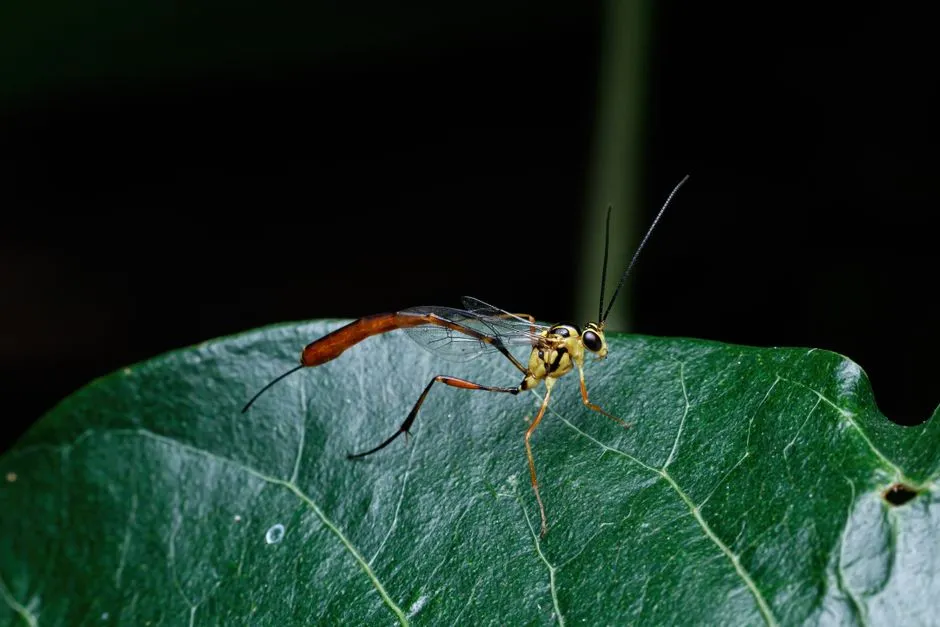
The ichneumon wasp parasitizes garden pests such as cutworms, corn earworm, white grubs, and various caterpillars. It is the largest type of parasitic wasp, and its slender body may measure from one-eighth to one-and-a-half inches long. Despite their size, they’re completely harmless to anyone tending a bed of tomatoes.
The trichogramma wasp is an effective parasite of many moth and butterfly larvae, including cabbage worms, tomato hornworms, corn earworms, cutworms, armyworms, webworms, cabbage loopers, and corn borers. That’s a remarkably wide range of the pests vegetable gardeners lose sleep over.
The trichogramma wasp is even available commercially for pest control purposes. Gardeners can buy them. The irony of purchasing the same insect they’ve been killing off their property is not lost on entomologists.
Trichogramma Wasps: So Small They’re Nearly Invisible
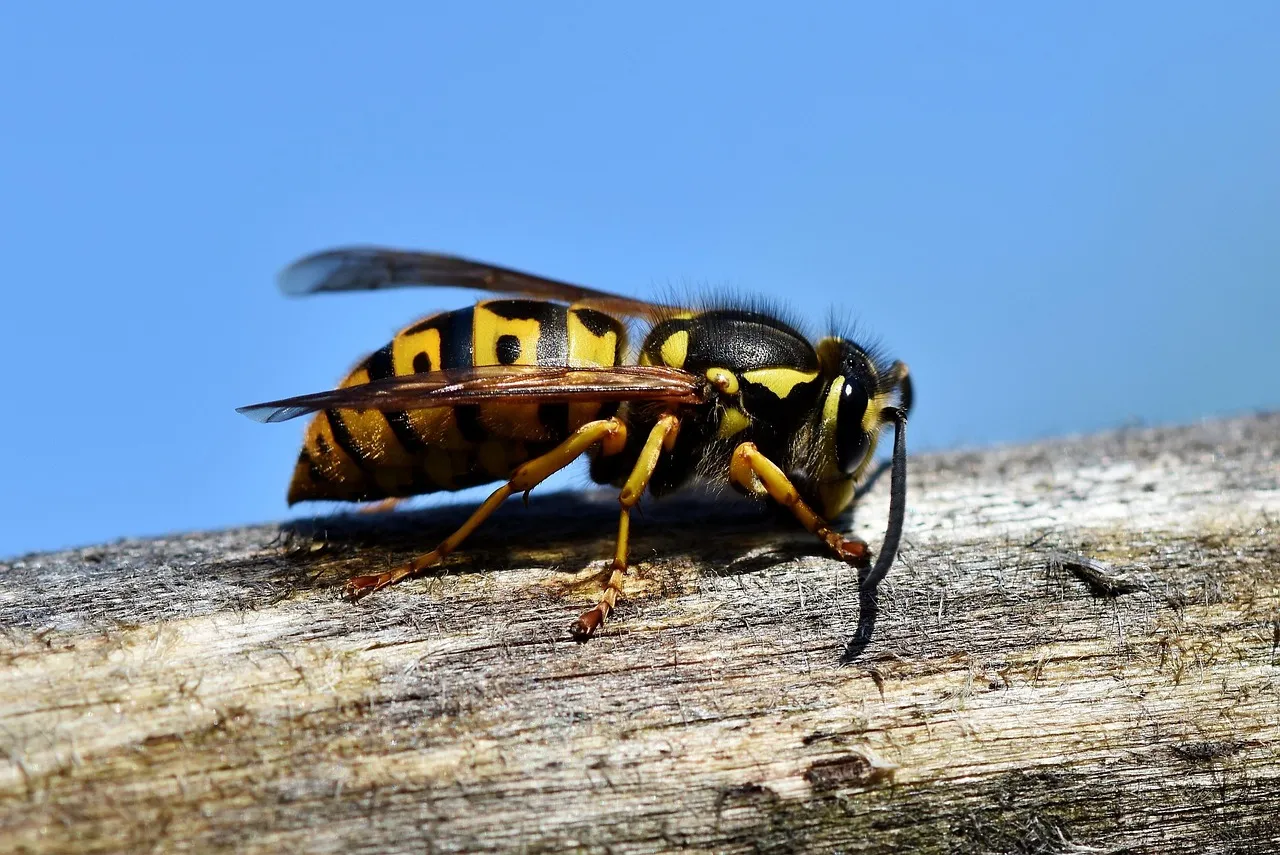
Trichogrammatids are among the smallest of the parasitic wasps. Most are less than 1mm in length and parasitize various kinds of insect eggs. One genus of this family parasitizes thrips eggs and is only 0.18 millimeters in length. Most gardeners would never notice one even if it landed on their hand.
Because they are so small, these wasps are difficult to observe in the garden, though several species have been used successfully as biological pest control. Their invisibility is precisely what makes them so easy to accidentally destroy – a single spray of a broad-spectrum insecticide wipes them out silently.
Parasitic wasps play an important role in the provision of biological control services and have significant advantages over other predatory insects in terms of their rapid population increases, which lead to strong numerical responses to pest numbers. In practical terms: they multiply fast when pests spike, making them a self-regulating system.
The Mud Dauber: Misidentified, Feared, and Killed Unnecessarily
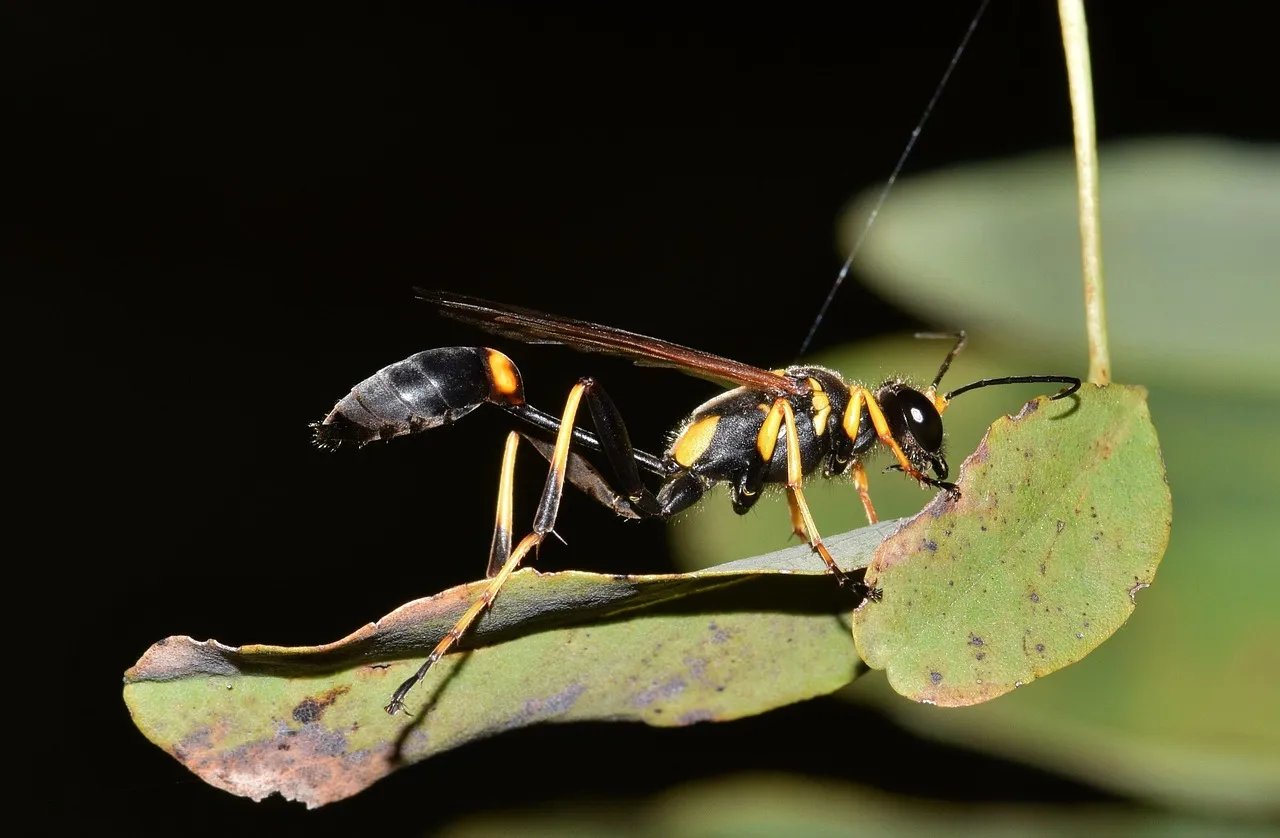
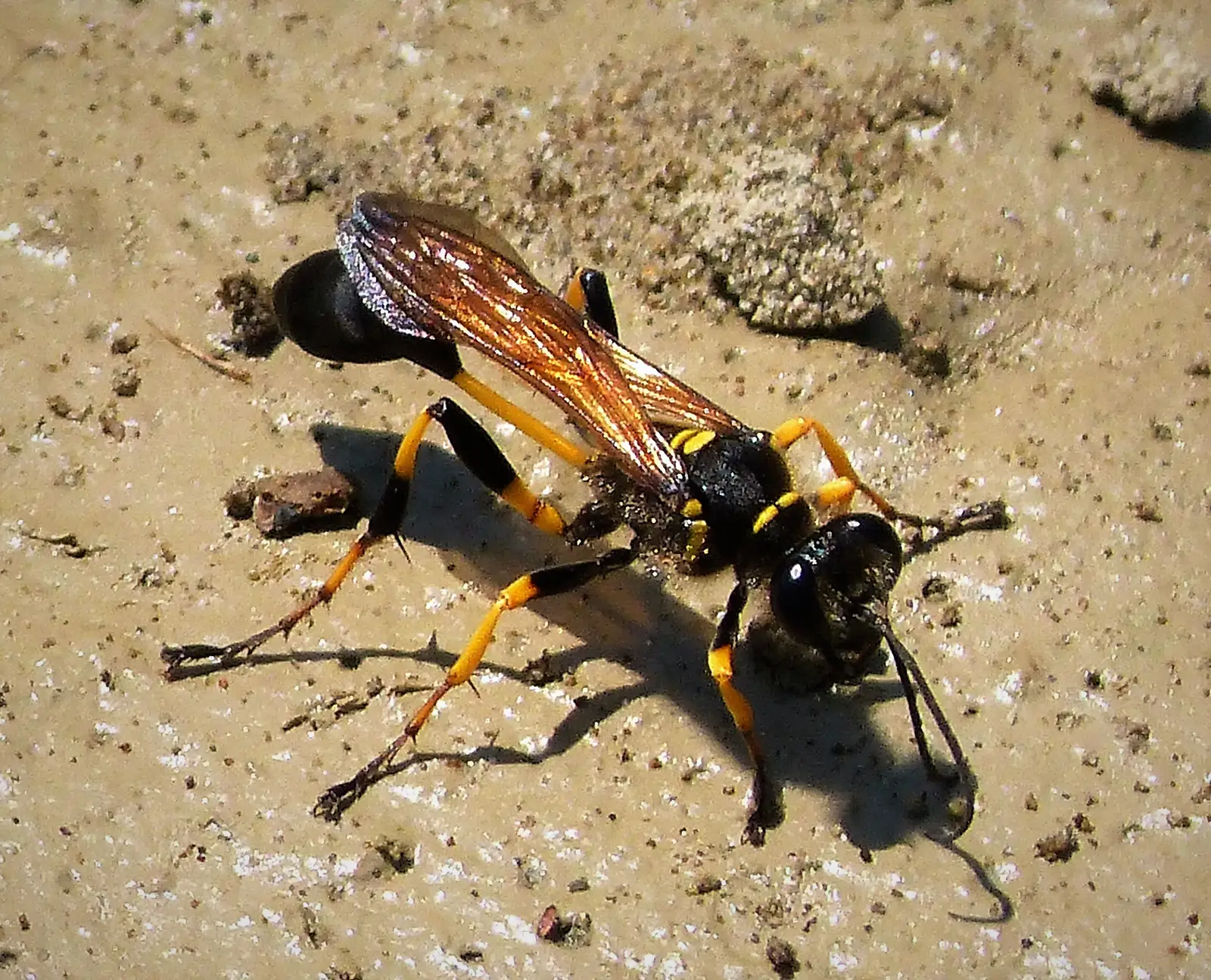
Mud daubers, which belong to the Sphecidae or Crabronidae families, love to build their clay and mud homes on eaves, porch roofs, and shutters. They are solitary and not aggressive. In general, they have long, thin bodies and come in a variety of shapes and colors. That appearance alone makes people nervous, but the reality is very different from how they look.
Solitary wasps such as the mud daubers do not defend their nest the way social wasps like hornets and yellowjackets do. Mud daubers are very unlikely to sting, even when thoroughly aroused. Iowa State University’s extension program notes that control of these insects is not even warranted in most cases.
Their nests aren’t exactly photogenic, but mud daubers provide a valuable service in feeding on spiders and keeping populations low. Especially in areas where black widow spiders are a problem, mud daubers assist in keeping their numbers in check. That’s a significant benefit that gets destroyed along with the nest every time a homeowner reaches for the pressure washer.
Social Wasps as Pest Controllers and Pollinators
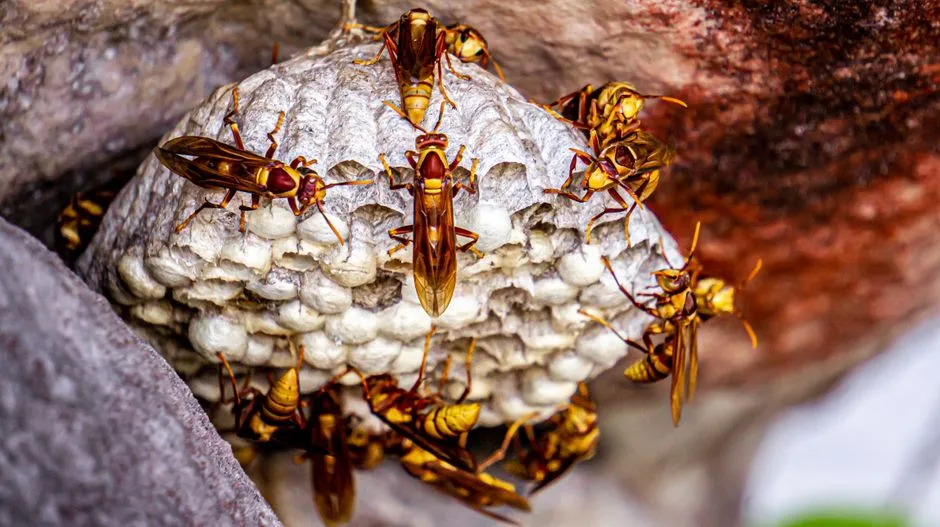
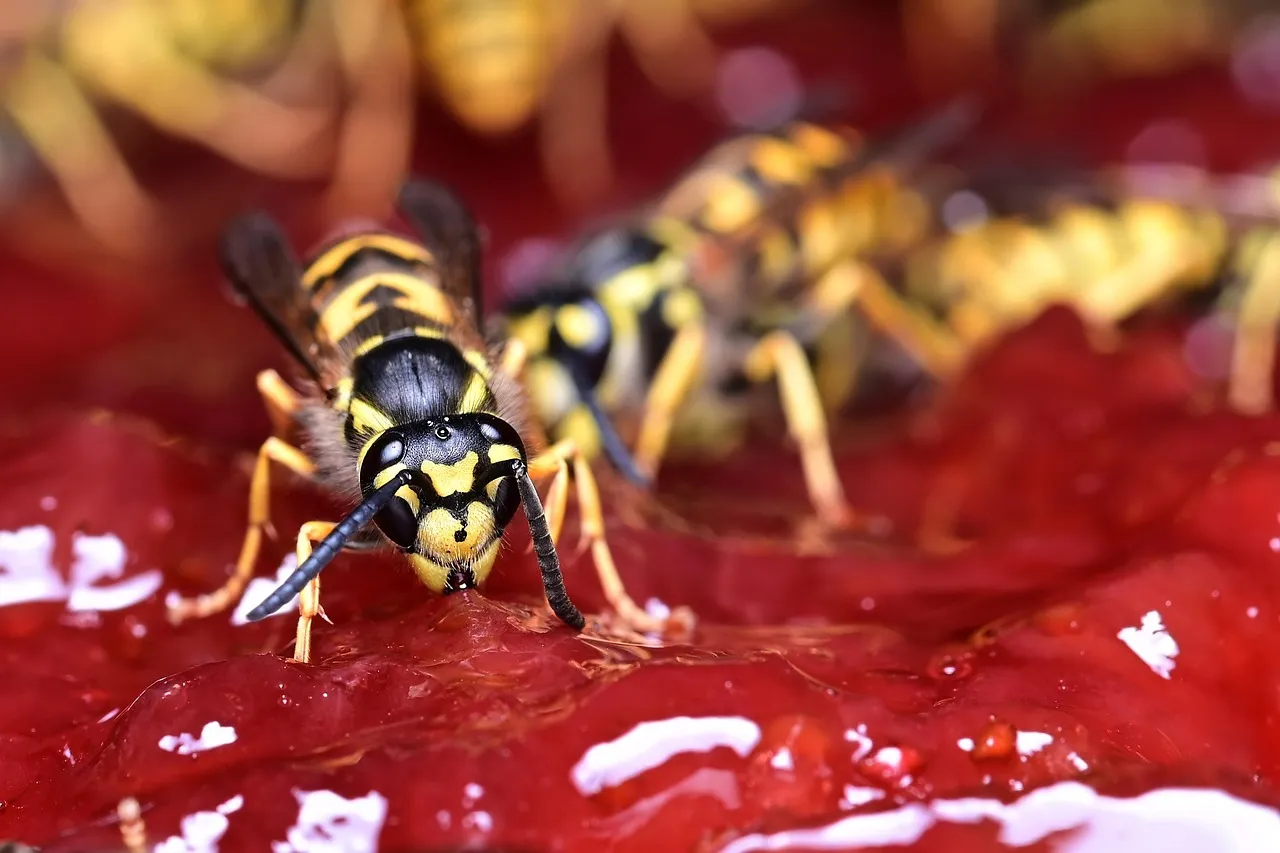
Social wasps and hornets feed their young on protein from a variety of sources, but mainly from insects including mosquitoes, flies, and caterpillars. They should be considered a friend to gardeners. This is the assessment of the UK’s National Bee Unit, an organization that monitors insect health professionally.
Wasps not only provide similar pollination services to bees, but they are also a natural form of pest control and are very efficient decomposers, making them extremely useful garden companions. The Royal Entomological Society has actively worked to update public understanding on this point.
Wasps have been one of the most poorly studied groups of pollinators, despite being the taxon of insects within which bees are evolutionarily nested. Wasps have the potential to provide multiple ecosystem services through pollination and managing insect pests. A 2024 study in Ecological Entomology found that wasps’ pollination ability is more comparable to other pollinator groups than historically assumed.
Paper Wasps: The Complex Case in Your Garden
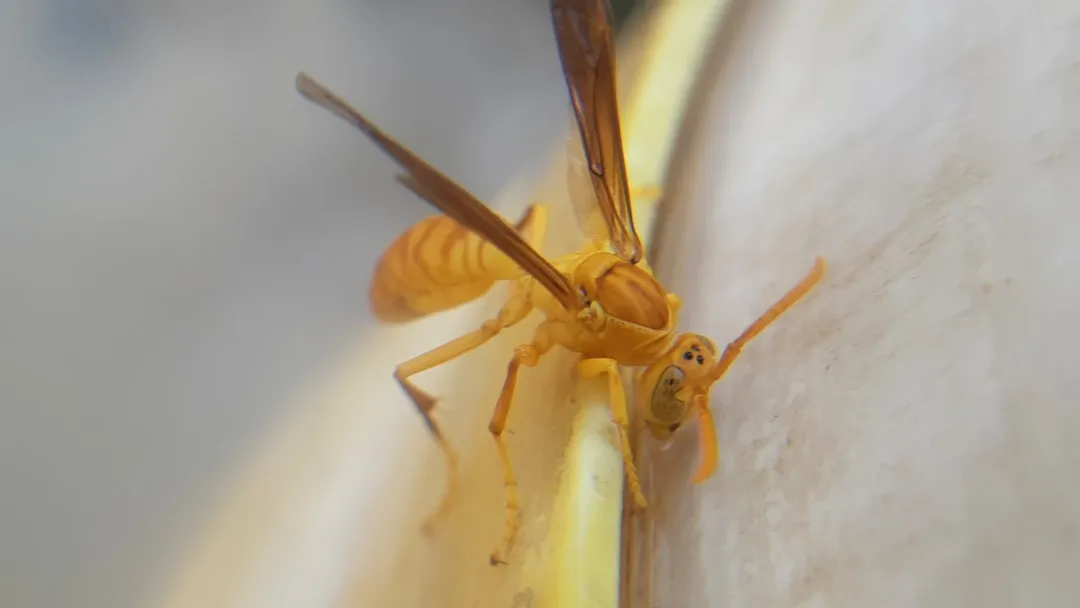
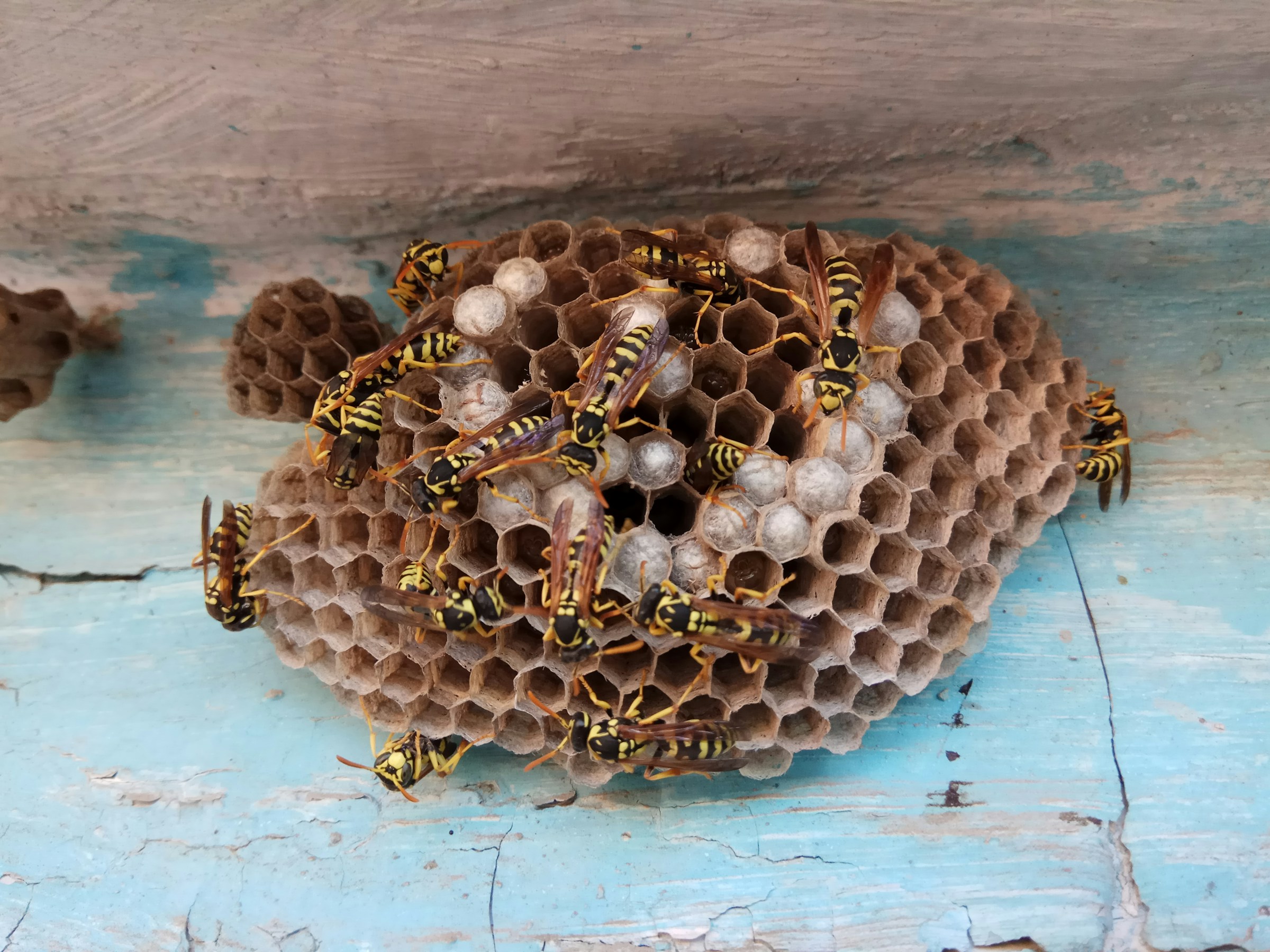
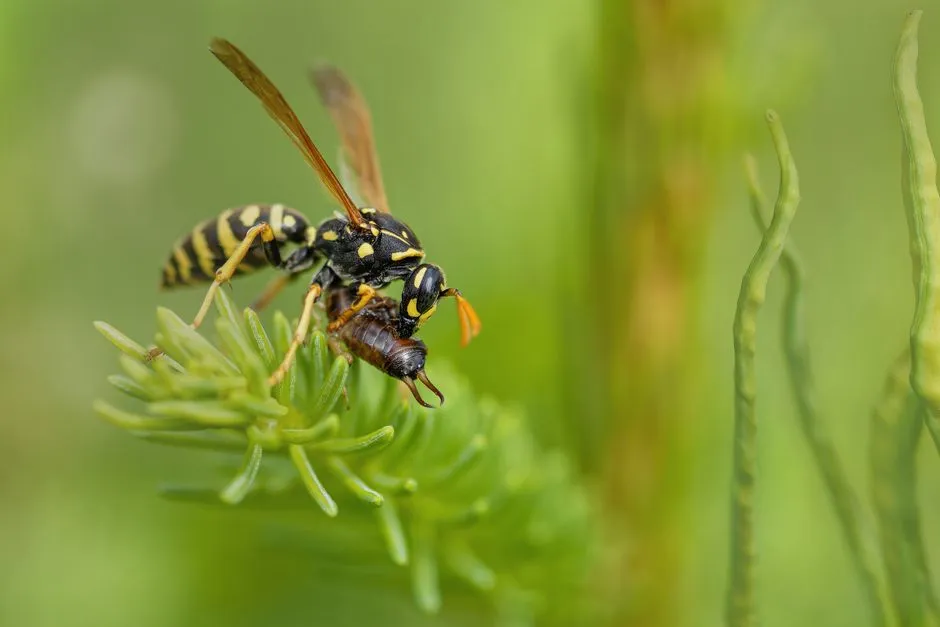
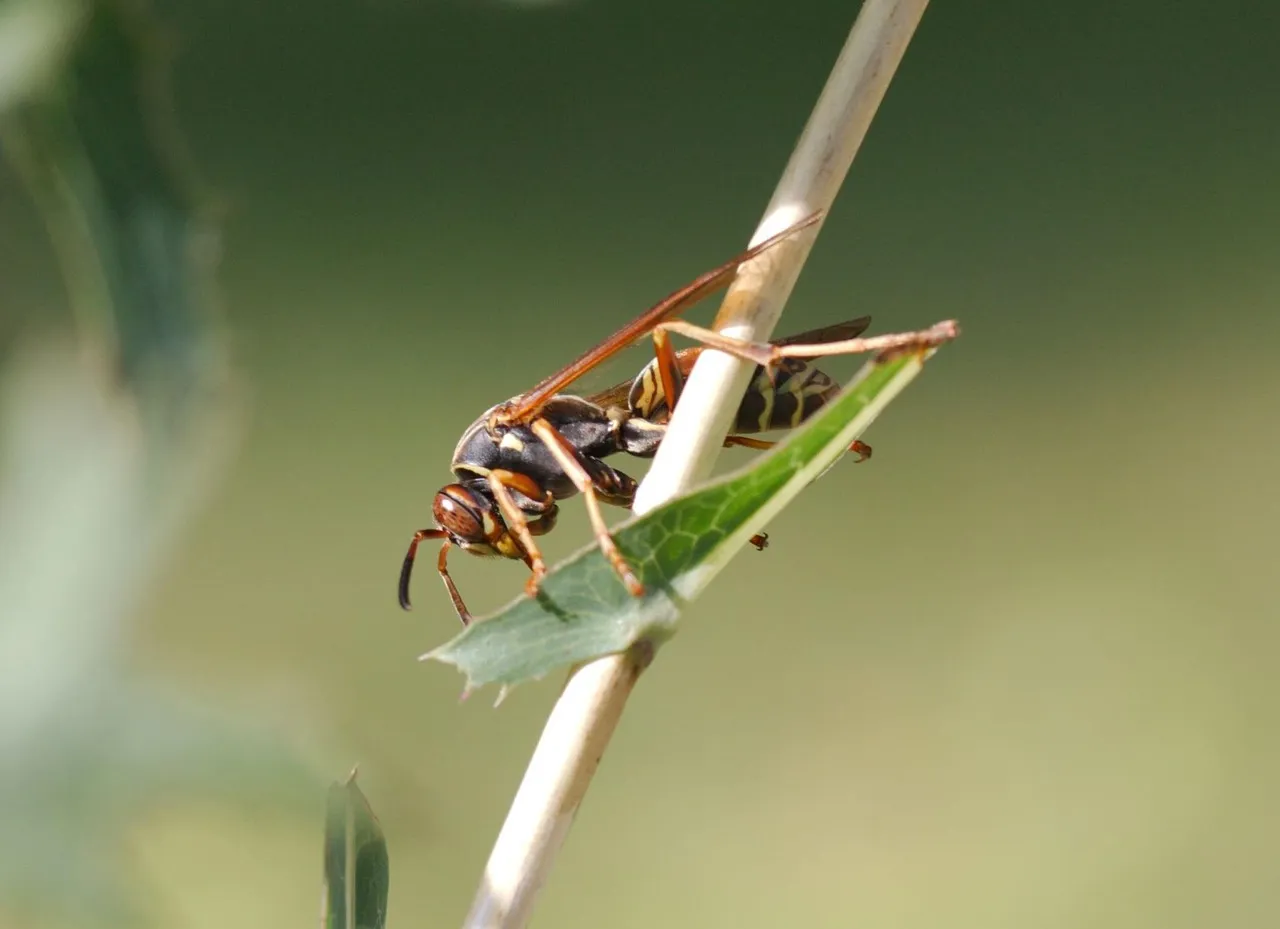
Paper wasps contribute to ecosystem balance by controlling populations of other insects. They prey on insect pests including caterpillars, flies, and spiders. This natural form of pest control helps maintain the health and stability of ecosystems. Native paper wasp species are generally regarded as useful by entomologists for precisely this reason.
Paper wasps generally avoid conflict with humans unless provoked or threatened. Most encounters that end in stings happen because a person inadvertently disturbed a nest – not because the wasp went looking for trouble.
There is one important nuance worth mentioning here. Research published in Scientific Reports showed that predation by Polistes dominula, an invasive paper wasp particularly abundant in urban settings, can turn urban pollinator gardens into ecological traps for monarch butterfly larvae. Polistes dominula was the predominant paper wasp seen foraging in central Kentucky pollinator gardens. The distinction between native and invasive paper wasp species genuinely matters, and it’s worth learning which species is actually present before taking action either way.
Why Insecticides Make Things Worse
Current approaches to the control of agriculturally significant arthropod pests depend overwhelmingly on the use of synthetic chemical insecticides, which has led to declines in biodiversity, development of pesticide resistance, and wider environmental pollution. That summary from a 2024 peer-reviewed study in ScienceDirect captures exactly what gardeners unwittingly accelerate when they spray broadly.
Wasps increase plant diversity and provide food for other wildlife, and reduce nuisance insect populations. They reduce the need for chemical pest controls, and even do important cleanup work. Removing them creates a vacuum that either pest insects or chemical sprays end up filling.
In terms of ecological pest control, wasps are workhorses: without wasps, many of the leaf and seed-eating insects would go unchecked. That’s not a metaphor – it’s a functional description of what happens in gardens where wasps have been systematically eliminated over several seasons.
How to Attract Beneficial Wasps Instead of Killing Them
Attract parasitic wasps to the garden by planting species of herbs and flowers that supply the nectar and pollen they need, including Queen Anne’s lace, dill, cilantro, and fennel. They also feed on the nectar of many flowering trees and shrubs. These plants are easy to grow and serve multiple purposes beyond wasp habitat.
Stem-nesting wasps create nests in the dry stems from the previous growing season. This is one of the reasons why gardeners should leave stems standing over winter rather than cutting them down in fall. That single habit change can meaningfully support beneficial wasp populations through the colder months.
Some of the flowers attractive to wasps as a source of nectar include Fleabane, Boneset, Rattlesnake Master, Golden Alexander, and New England Aster. Planting flowers that are attractive to wasps is more likely to create a resilient vegetable or flower garden as well as reduce susceptibility to stings. A garden that supports wasps tends to be a calmer, more balanced place overall.
The Science Catching Up With What Wasps Actually Do
Many species of parasitoid wasps are already mass-reared and released as a natural alternative to pesticides because they lay their eggs on or in other species, many of which are pests. Asexual reproduction makes it easy to produce large numbers of wasps, making them suitable for targeted biological control. Commercial agriculture has been quietly embracing this for years while backyard gardeners still reach for the spray.
New research is opening up further possibilities for improving biological pest control using parasitic wasps, with a 2025 study published in Royal Society Open Science identifying reproductive flexibility in one aphid-targeting species that could improve its use in sustainable farming systems.
Parasitic wasps are the most effective of the beneficial garden insects at killing aphids, and they play an important role in fighting other insects as well. The science pointing in this direction has been accumulating for decades. The gap between what researchers know and what most home gardeners practice, however, remains surprisingly wide in 2026.
The Takeaway
The wasp species most gardeners wrongly fear and kill isn’t one single insect – it’s nearly every solitary, parasitic, or mud-building species they encounter. Most people think of wasps as a painful pest, but in reality the majority of wasps don’t sting. That fact alone should give anyone pause before picking up an insecticide.
The instinct to eliminate anything that looks wasp-like is understandable, but it’s costing gardens their most efficient natural pest controllers. Learning to distinguish a mud dauber from a yellowjacket, or recognizing the white cocoons on a hornworm as braconid wasp activity, takes maybe an afternoon of reading and changes everything about how you manage a garden.
Tolerance, in this case, isn’t just idealism. It’s the most practical thing a gardener can do.
AI Disclaimer: This article was created with the assistance of AI tools and reviewed by a human editor.