
There’s something almost uncomfortable about looking at what people ate during World War II and realizing it makes practical sense today. The households that survived on strict ration books weren’t just making do – they had a system. That system, built out of necessity, turns out to be remarkably effective at trimming a modern grocery bill without requiring much sacrifice.
The average price of food in the United States rose by around three percent in the twelve months ending June 2026, according to the latest inflation data published by the U.S. Bureau of Labor Statistics. BLS data also shows a cumulative grocery inflation of nearly thirty-seven percent since 2015. For most households, that kind of creeping increase has made wartime-era frugality feel less like history and more like homework.
Why Wartime Rationing Still Has Something to Teach Us

Rationing kept wartime prices of scarce commodities at affordable levels while also limiting the amount each family could purchase. It was a system born from scarcity, but it turned out to be surprisingly efficient. Families were forced to think before they bought, plan before they cooked, and use what they had before reaching for something new.
In World War II, the introduction of rationing in American society saved food for the troops and improved food access among lower income Americans, with many poorer people able to access items like meat and sugar that they would have been unable to afford due to rising prices caused by increased demand and low supply. The principles behind that system – intentional purchasing, minimal waste, creative substitution – translate directly to the grocery aisles of 2026.
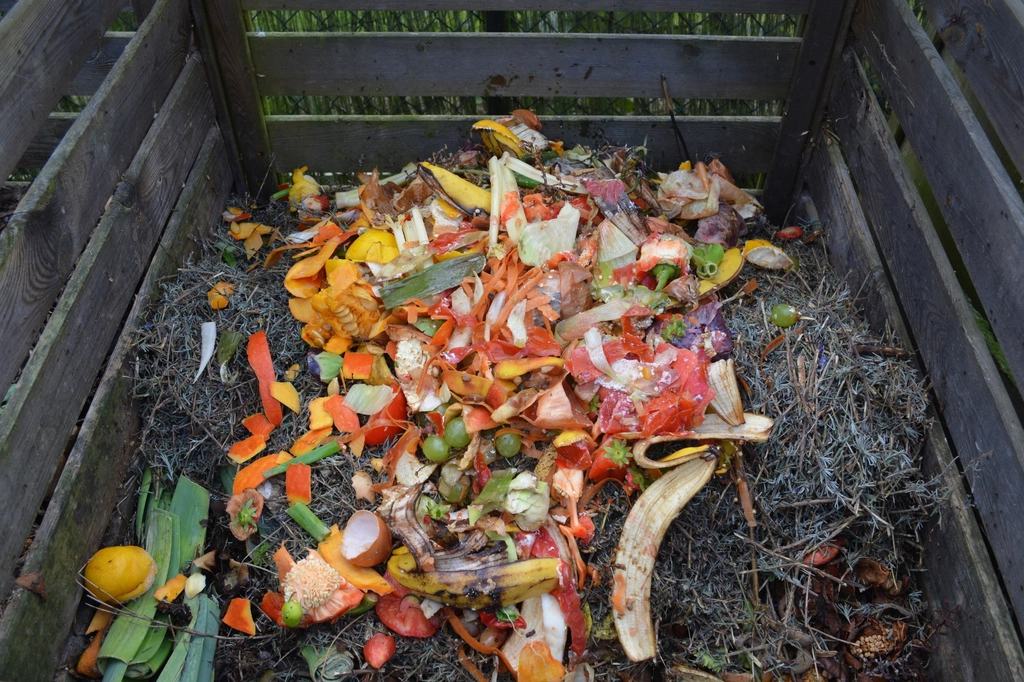
The True Cost of What You’re Already Throwing Away
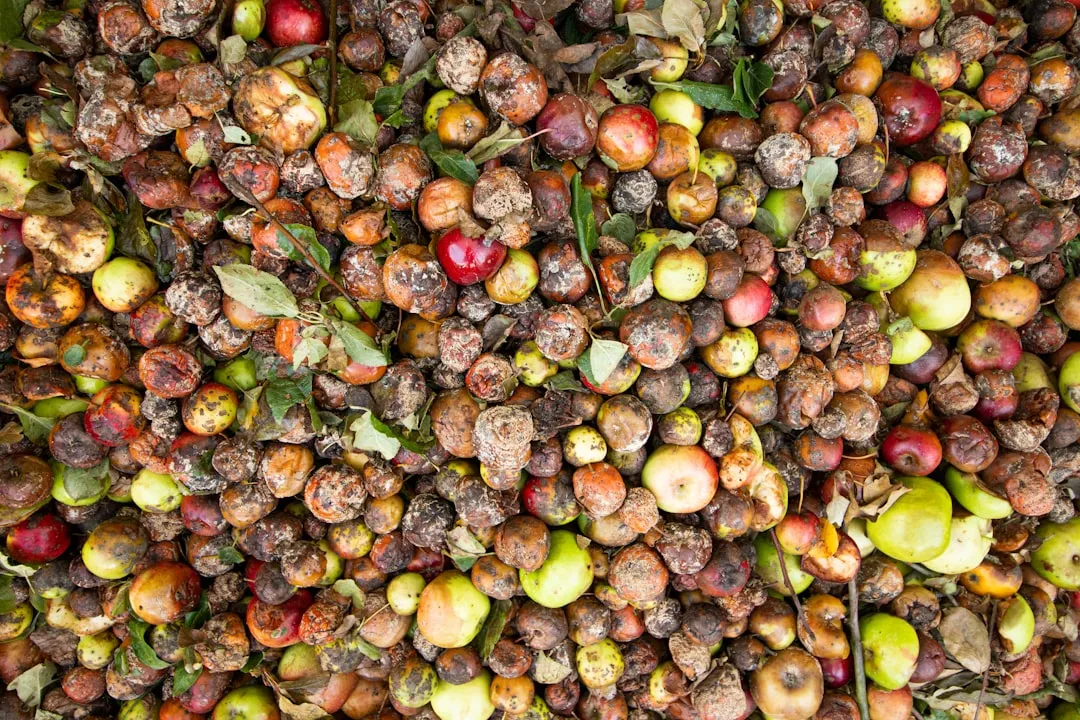
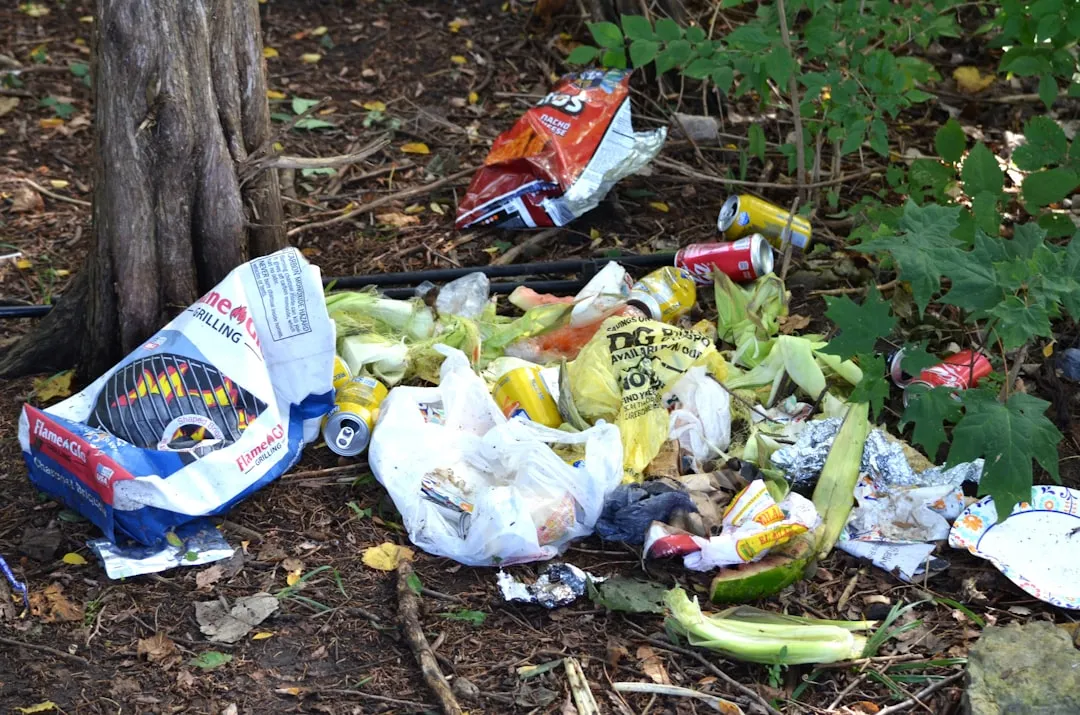
American consumers are losing about $728 each year to food waste, nearly double previous estimates from the U.S. Department of Agriculture. That figure comes from a 2025 EPA report and represents a significant personal financial drain that most households don’t consciously track.
A family of four loses nearly $3,000 in food waste annually, according to the EPA. For context, that’s roughly what many families spend on a full month of groceries. In 2024, household food waste did decline by about 950,000 tons, with the decline attributed to consumers better managing their food, likely because of the need to adapt to a sustained period of high food prices.
Meal Planning the Ration Book Way
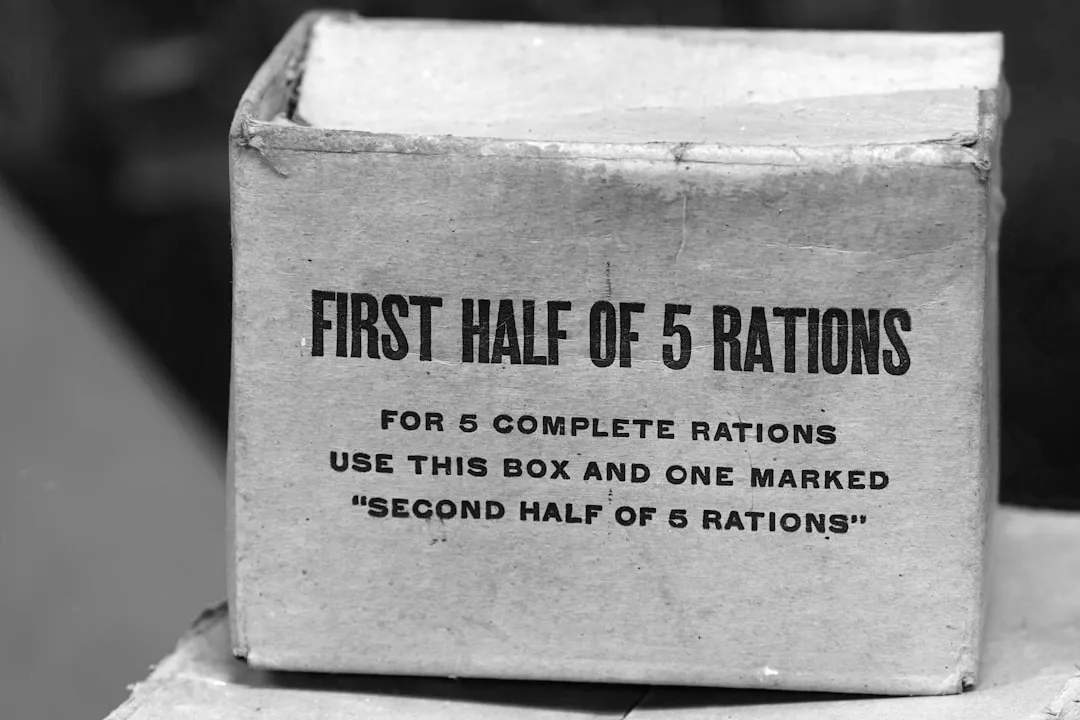
Magazines and newspapers during the war years published tips and recipes for “making do” that used fewer or no rationed ingredients, covering meal planning and how to entertain guests. The underlying habit was simple: decide what you’ll eat for the week before you go shopping, not after.
This means planning ahead for a week or whatever length of time works for your family, considering each item you use regularly and figuring out how much you’ll need in the days ahead, then planning meals and making sure you have all necessary ingredients on hand or on your shopping list. Shopping for a week or more at a time saves time and may also save money, since you face impulse purchase temptation less often.
Stretching Meat Without Buying Less of It

Wartime kitchen creativity carried over to one-pot meals that could stretch rationed proteins, pies made with bread or crackers instead of flour as a thickener, and using apples or carrots as sweeteners instead of sugar for their natural sweetness. The goal was never deprivation. It was yield – getting more servings from the same amount of food.
Saving drippings to use with vegetables was a common suggestion from wartime cooking guides. Turning meat drippings or crusty bits stuck to the pan into a gravy was standard practice, achieved by adding stock and thickening with a roux of equal parts flour and butter, or cornstarch. These techniques cost almost nothing and add flavor that packaged sauces rarely match.
The Leftover Rule That Changed Everything
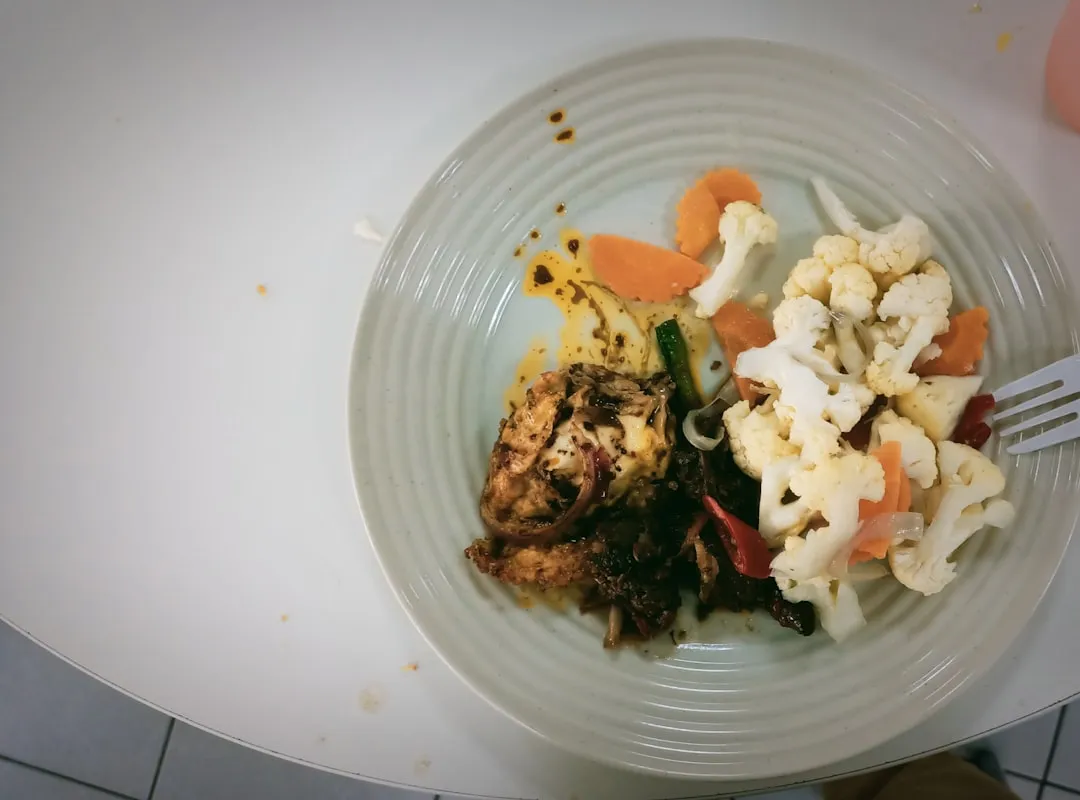
Some modern campaigns against food waste harken back to World War-era initiatives, such as one called “I Love Leftovers,” which mirrors the World War I-era campaign encouraging housewives to use their leftovers fully in order to save food. The shift in mindset is subtle but powerful: leftovers aren’t a consolation meal, they’re part of the plan.
Making homemade soup or a casserole each week, using up little bits of leftovers from the previous several days, is one practical application of this principle – and often produces genuinely delicious results. Anything cooked with enough effort should produce leftovers for the next day, since it can be difficult after a full day of work to spend an hour cooking and cleaning up if you only get one meal from it.
Cutting Sugar Without Feeling the Difference
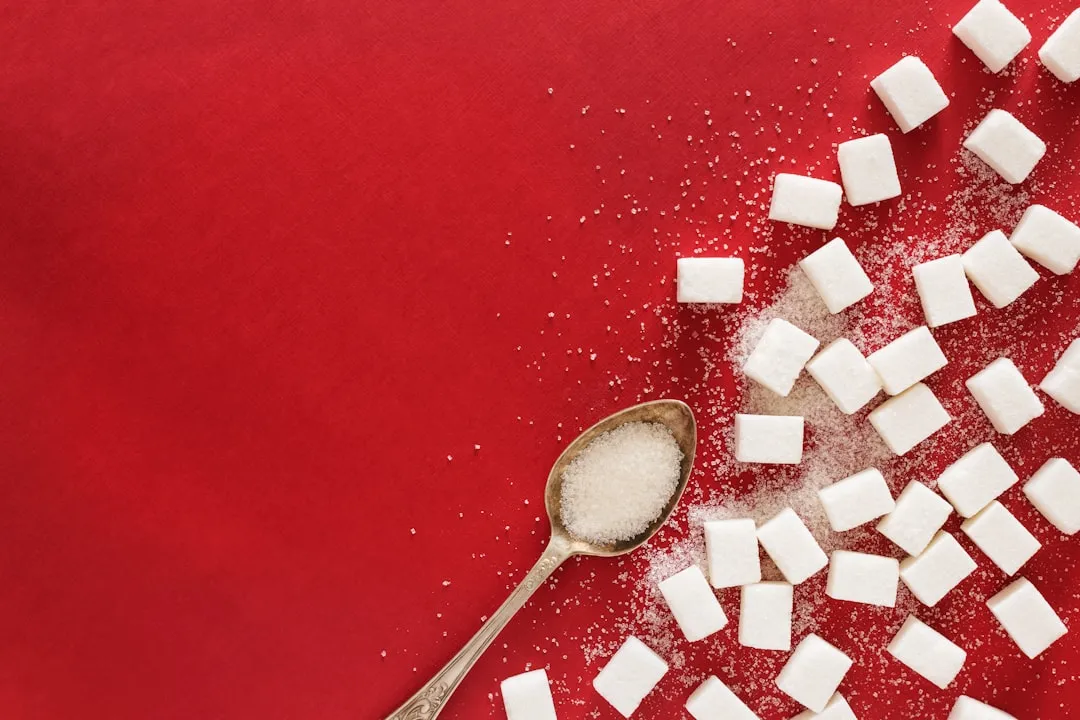
Sugar was one of the major items rationed during the war, with people allowed about half a pound of sugar per week in various forms. That constraint pushed home cooks to reach for alternatives, many of which are still cheaper today. Sweeteners such as honey, molasses, maple syrup, and corn syrup were not rationed, so those willing to substitute them had a larger variety of sweets available.
Reducing refined sugar in cooking also has a quiet financial upside. Consumers who buy beef may not feel relief when they look at their overall bill, as USDA predicts beef prices will increase considerably in 2026, potentially surging even higher. Redirecting budget from pricier protein and sweet processed goods toward cheaper pantry staples mirrors exactly what wartime cooks did under far harsher constraints.
Using Vegetable Scraps as a Pantry Resource
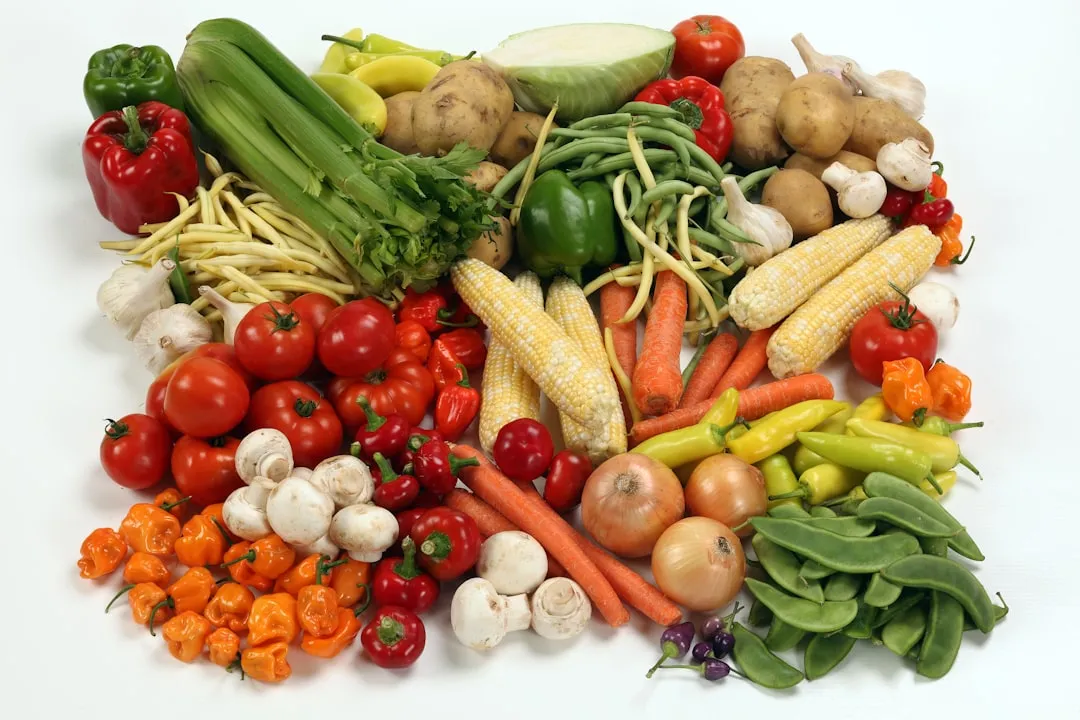
The wartime homefront mindset held that when you don’t have food to waste, every last nutrient counts – which is why households routinely reused their vegetable water in stocks, soups, and sauces. This practice costs nothing and effectively turns what most people now throw into the compost or trash into a usable ingredient.
A practical application is to collect washed fresh vegetable peelings, tops, and tails in a container stored in the freezer, then use the full container to make a useful vegetable stock. Produce accounts for tens of billions of dollars in food waste lost by U.S. households each year – which makes even small efforts to use it more completely genuinely worthwhile.
Meatless Days as a Weekly Budget Reset
Meatless Monday, a modern campaign, takes its inspiration from World War I’s meatless day campaigns and asks people to reduce meat consumption by not eating meat one day each week. It sounds minor. Over a full year, though, it adds up to roughly fifty meals built entirely around cheaper plant-based proteins.
USDA predicts beef prices will increase around nine percent on average in 2026, with the possibility of surging considerably higher. Wartime cooks relied heavily on items that were never rationed at all, including cabbage, turnips, fish, carrots, and potatoes – all of which remain among the most affordable foods on the shelf today.
Stocking Up Strategically vs. Hoarding
There is a very big difference between hoarding and stocking up: hoarding is gathering supplies to last for years in case of some unforeseen disaster, while stocking up means the items will be used within a year or less and are rotated constantly as the food is used. Wartime households understood this distinction and used it to stabilize their household budgets.
Our grandparents were no strangers to this kind of challenge, as world war compromised shipping lanes, food origin countries were devastated by war damage, food supplies were restricted, transportation was overburdened, and labor shortages due to so many men in the military all factored into the problem. Buying staples in bulk when they’re on sale – the modern version of a rational stock – is one of the cleanest cost-cutting moves available right now.
The Victory Garden Principle Applied to Modern Life

People during the war also planted Victory Gardens and raised chickens, rabbits, and even cows to add variety to their meals and extend their ration points, with the resulting produce and meats used fresh or canned for later use. Not everyone can keep livestock, but a container of herbs on a windowsill or a small home garden plot operates on the same core logic: grow what you use most.
Fresh herbs from even a modest home setup can replace the pre-packaged versions that carry a significant per-ounce price premium. The wartime impulse wasn’t about being self-sufficient in a romantic sense – it was about reducing dependence on expensive outside supply chains wherever possible. That reasoning holds just as well today.
What the Numbers Actually Show in 2026
Food prices rose by around three percent in 2025, much lower than the eleven-plus percent inflation seen in 2022 but slightly higher than the rate in 2024. The pace of increase has slowed, but the cumulative effect on household budgets has not reversed. Consumers reported experiencing food inflation of around five percent for 2025, well above official estimates, reflecting the cumulative impact of years of elevated prices on household budgets.
In 2024, roughly twenty-nine percent of the 240 million tons of food produced in the United States went unsold or uneaten, reaching a substantial total value. The average American consumer spent $762 on food they didn’t eat in 2024 – which means that for many households, fixing the waste problem alone could effectively cancel out two or three years of grocery inflation. That’s the wartime trick, stripped of all its historical packaging.
The Takeaway
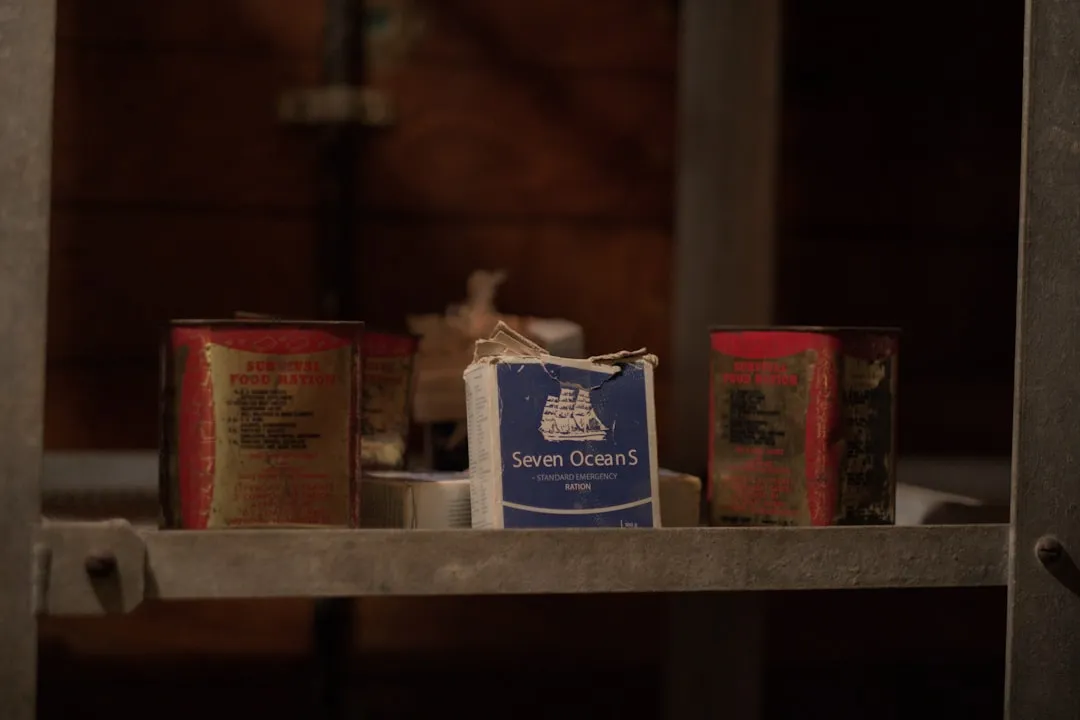
The people who managed on ration books weren’t necessarily more disciplined or more creative. They just didn’t have the option of being careless. The grocery environment in 2026 isn’t as extreme as wartime scarcity, but the financial pressure is real and documented. Applying even a handful of these habits – meal planning, using scraps, embracing leftovers, swapping expensive proteins occasionally – puts meaningful money back in your pocket without requiring a complete lifestyle overhaul.
What the wartime kitchen actually perfected was the art of attention. Paying attention to what you buy, what you cook, and what you almost threw away. That habit costs nothing, and right now, it’s probably worth more than any coupon app on your phone.
AI Disclaimer: This article was created with the assistance of AI tools and reviewed by a human editor.