

Where the Warm-Up Habit Came From
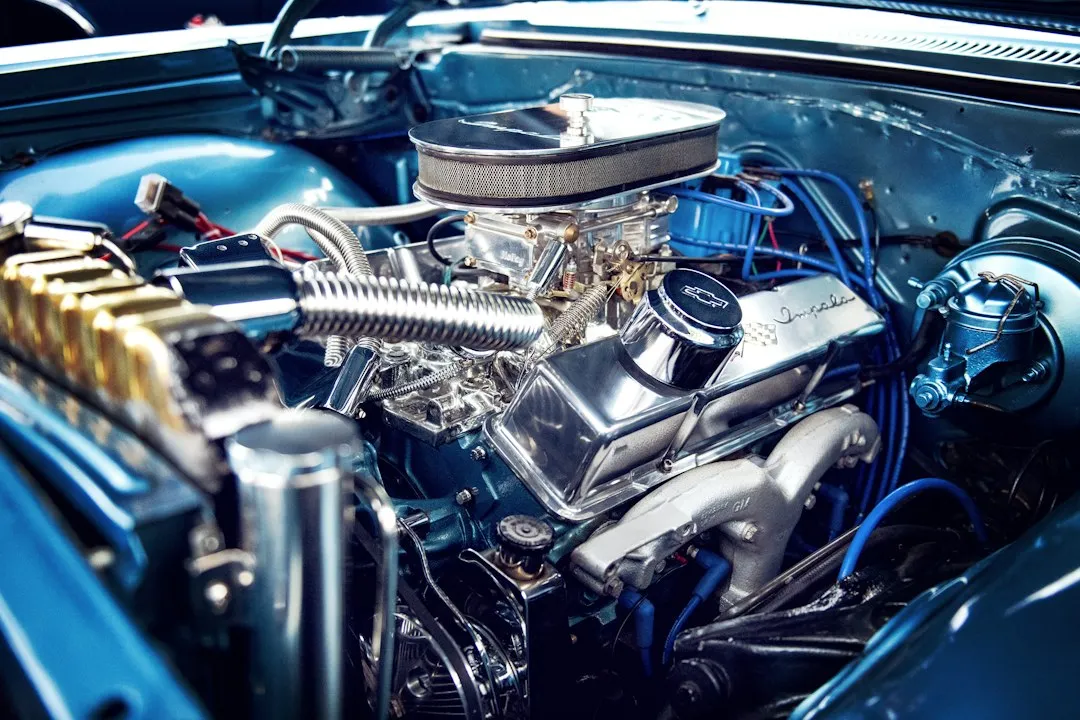
The habit has roots in a real mechanical need. Carbureted engines, which were common in vehicles built before the mid-1980s, genuinely struggled in cold temperatures. Carbureted engines genuinely needed to warm up first because they could not automatically adjust the fuel-to-air mixture the way modern systems do. Letting the engine idle gave the carburetor time to stabilize.
This is a carryover from the era of carburetors. Modern fuel-injected vehicles are designed to run efficiently almost immediately and are also increasingly equipped with automatic stop-start systems to mitigate some idling waste automatically. The engines in today’s cars, trucks, and SUVs are controlled by sophisticated computer systems that handle cold-start conditions on their own, in seconds, not minutes.
While engines of yesteryear may have benefited from a warm-up, modern engines do not need more than a few seconds of idling time before they can be driven safely. The habit persisted long after the technology changed, passed down from parents to kids like an automotive rule of thumb that nobody thought to question.
How Much Fuel a Sitting Engine Actually Burns
For each hour spent idling, a typical light duty truck burns approximately one gallon of diesel fuel, and a typical car wastes one fifth of a gallon of gasoline. That adds up faster than most people realize.
A driver who idles 10 minutes a day racks up about 61 hours a year. Multiply that by even a modest fuel cost, and the financial loss becomes genuinely significant over the lifetime of a vehicle. This is not a rounding error on your fuel budget.
During cold weather, fuel consumption can increase by 20% to 50% during the initial minutes of idling compared to a fully warmed engine, primarily because the engine runs richer and at a higher RPM to heat up the emissions control systems. So the very moment most drivers choose to idle the longest, the engine is burning the most fuel per minute.
The 10-Second Rule That Changes Everything
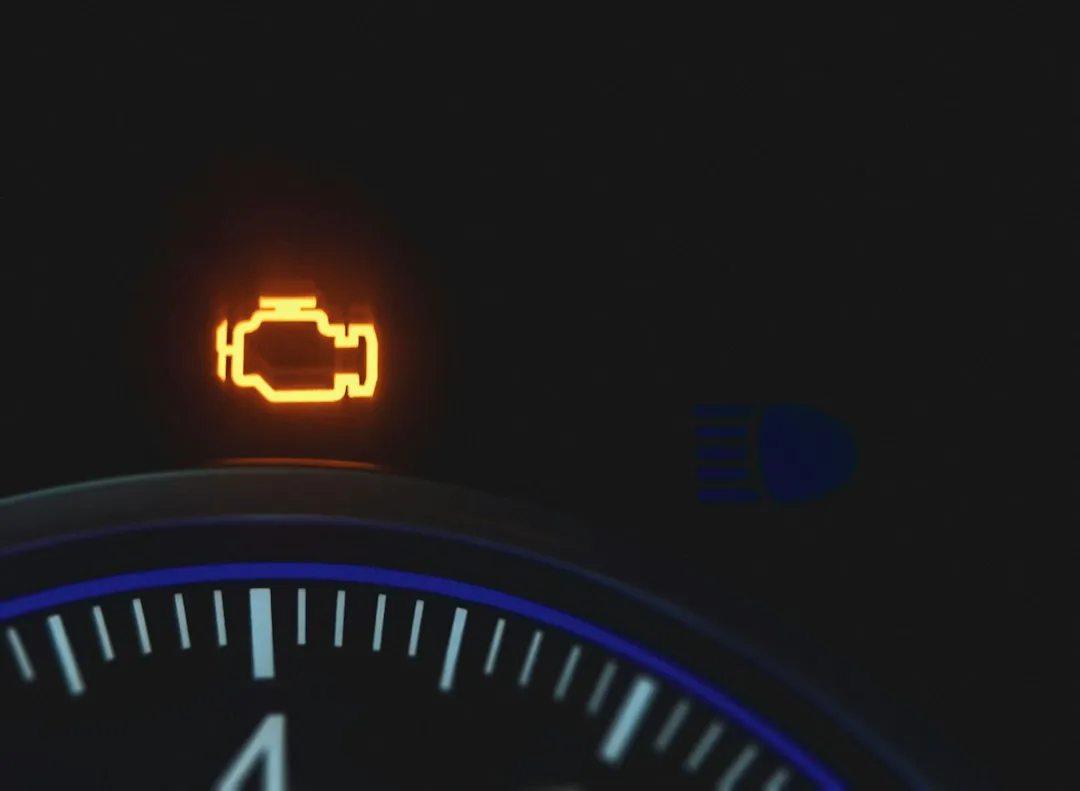
There is a simple benchmark that energy researchers have established, and most drivers have never heard of it. According to data gathered by the Department of Energy in 2022, idling your car for about 10 seconds actually wastes more fuel than stopping and restarting the engine. That threshold is lower than almost anyone expects.
It is generally better to turn off your engine if you anticipate waiting for 10 seconds or longer, as the fuel consumed during 10 seconds of idling is typically more than the small amount of fuel required to restart the engine. This rule of thumb, often called the “10-second rule,” is derived from extensive fuel consumption research data and technical analysis of the energy expenditure during an engine restart.
Contrary to popular belief, turning your vehicle off and on does not damage the engine, drain the battery, or waste gas. Batteries of today are designed to require less power per engine start. They are designed to have better power reserves and recharge faster. Starters are also stronger and more reliable. The old fear about wearing out a starter by restarting frequently no longer holds up technically.
Incomplete Combustion and What It Leaves Behind
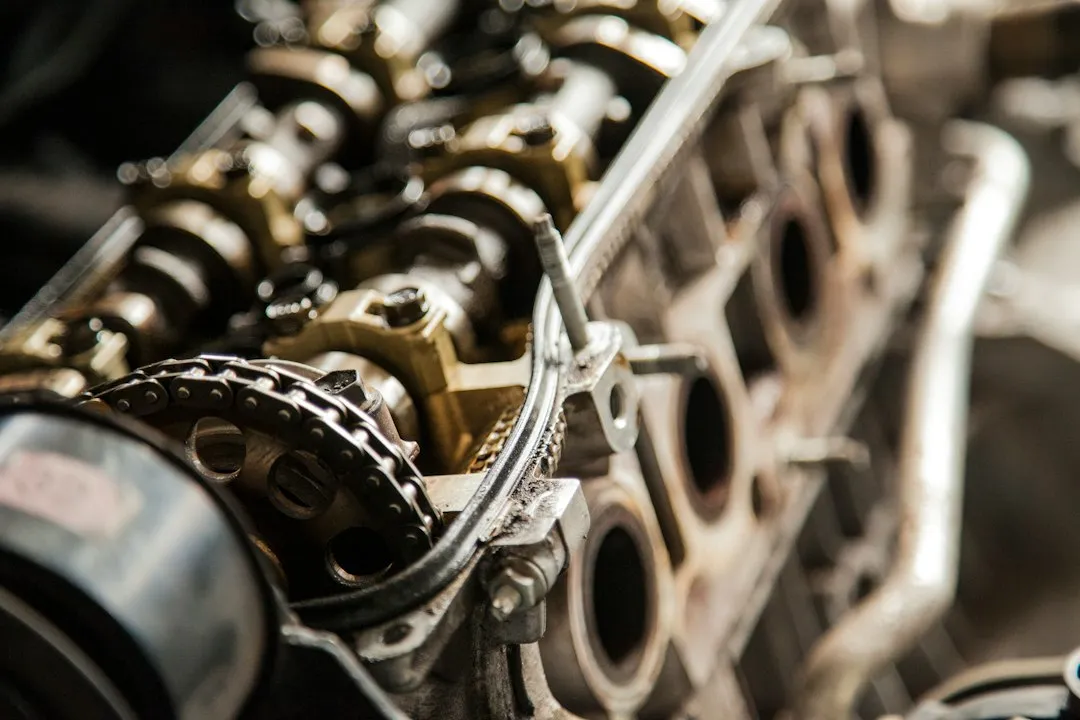
Because the engine isn’t working at its peak operating temperature when it’s idling, the fuel doesn’t undergo complete combustion. This leaves fuel residues that can contaminate engine oil and damage engine parts. For example, fuel residues tend to deposit on spark plugs.
As the amount of engine idling increases, the plugs’ average temperature drops, and they get dirty more quickly. This, in turn, can increase fuel consumption by four to five percent. It’s a vicious circle of wasted fuel and needless greenhouse gas emissions. A habit meant to protect the engine quietly accelerates the degradation of its components.
Contrary to popular belief, idling your car for extended periods causes more harm than good. Prolonged idling can lead to incomplete combustion, which results in carbon deposits in the engine. Those deposits build up over time and restrict the engine’s ability to operate within its design specifications.
Ghost Miles: The Wear Nobody Counts
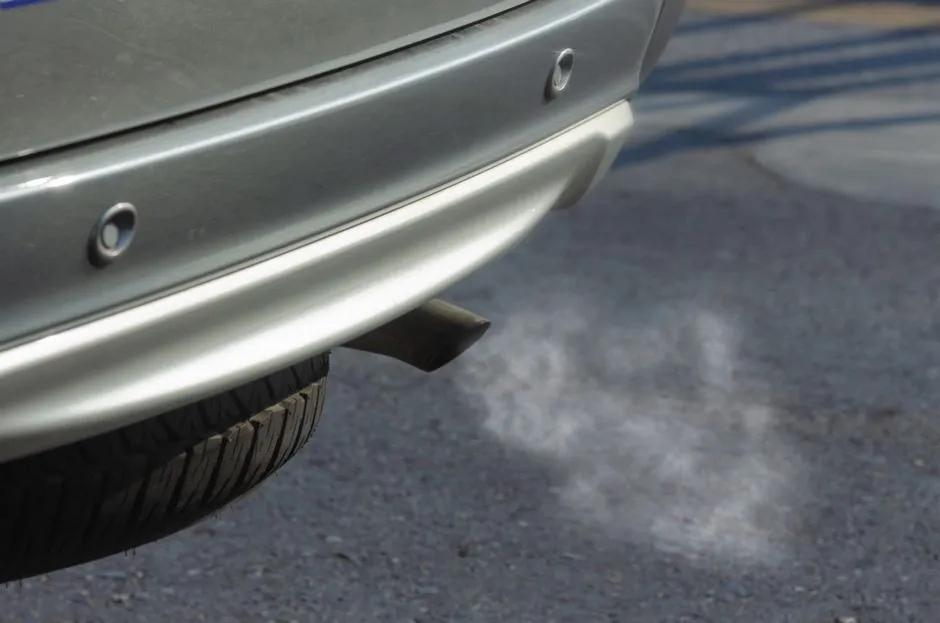
Running an engine at no or low speeds causes twice the wear on internal parts compared to driving at regular speeds. When an engine idles, it puts on what’s called “ghost miles,” meaning your engine is more worn than indicated by mileage. Your odometer stays at zero, but your engine components are aging regardless.
A general rule of thumb is that one hour of idle time equals 25 to 30 miles of driving. For anyone who idles their car daily before work, those ghost miles compound into real wear over months and years. The vehicle looks lightly used on paper while the engine tells a different story.
These “ghost miles” reduce the lifespan of critical engine components. According to Oak Ridge National Laboratory, excessive idling can create engine wear and carbon soot buildup in the engine and components. This can lead to shortened life of motor oil, spark plugs, and exhaust systems, plus decreased fuel economy and the need to adhere to a “severe duty” maintenance schedule.
What Happens to the Oil During a Long Idle
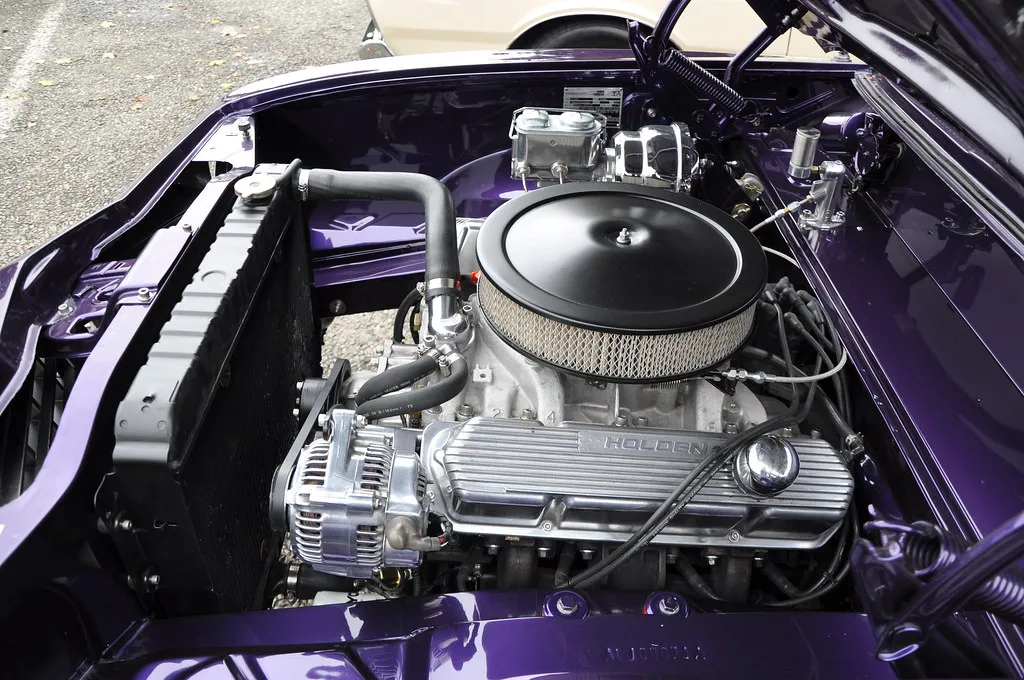
During prolonged idling, especially in cooler weather, the engine might not reach its optimal operating temperature. This can lead to condensation forming inside the engine. Furthermore, hot gases can sometimes leak past piston rings when the engine isn’t under load, a process known as blow-by. This can contaminate the oil and damage the protective oil film that coats engine components.
When that protective film is compromised, it leaves the metal surfaces more vulnerable to wear and corrosion, even when the engine is running. Oil that should be lubricating cleanly becomes a carrier of contaminants that do damage with every revolution of the crankshaft.
Over time, contaminated oil can form sludge, a thick gel-like substance that clogs oil passages and restricts flow. Sludge can cause engine overheating, reduced performance, and even complete engine failure if not addressed. This is among the most expensive long-term consequences of a habit most drivers never connect to engine problems.
The Exhaust System Takes a Hit Too
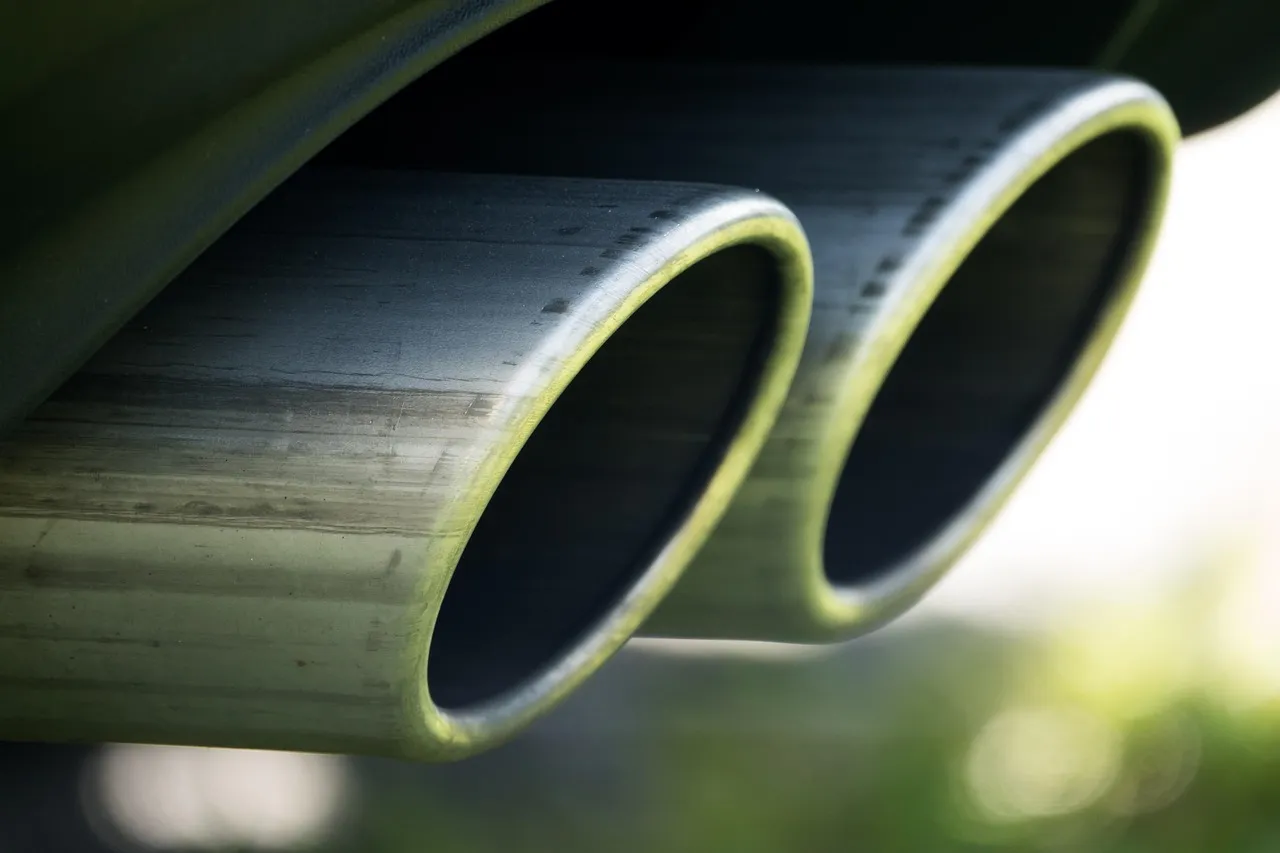
Excessive idling can also let water condense in the vehicle’s exhaust. This can lead to corrosion and reduce the life of the exhaust system. An exhaust system is not cheap to replace, and corrosion that builds gradually is easy to overlook until a major failure makes it impossible to ignore.
Excessive idling can lead to significant damage to a car’s exhaust system, primarily due to the promotion of moisture buildup. When a vehicle idles, especially in cold weather, the engine does not reach its optimal operating temperature. Without that heat, the moisture that forms in the exhaust has nowhere to go.
Condensation forms inside the engine and exhaust system when it cools down after running. If the car isn’t driven long enough to evaporate this moisture, it can lead to rust and corrosion. This is especially true for short trips followed by long idling periods. The combination of short drives and long warm-up idles is one of the worst patterns for exhaust longevity.
The Catalytic Converter Problem
The catalytic converter doesn’t function at its peak until it reaches the optimum operating temperature of 806 degrees Fahrenheit (430 degrees Celsius). Sitting still and idling is one of the slowest ways to get it there. A cold catalytic converter is an inefficient one, and the emissions that pass through it during that window are far dirtier than what comes out of a warmed system.
The vehicle’s engine warms twice as quickly when driven. That same principle applies to the catalytic converter. Driving, even gently, moves heat through the system far more effectively than sitting in the driveway ever will. The converter reaches its working temperature faster, and the emissions it processes become cleaner sooner.
The majority of the exhaust emissions occur during the cold start phase of the combustion engine when the catalytic converter has not yet reached the required operating temperature. Extended idling stretches that dirty cold-start phase unnecessarily, producing more pollution than a car driven off promptly would ever generate in the same window of time.
What Modern Research Says About Winter Idling

According to a 2024 study by the Oak Ridge National Laboratory, idling for more than 30 seconds offers no significant benefit to engine longevity in vehicles manufactured after 2010. That is a notably short threshold, especially given that many drivers idle for five to ten times that duration on cold mornings.
A study published in the journal Applied Energy by the University of Eastern Finland and Tampere University also found that overall fuel consumption was slightly lower, around 10 to 20 percent, when the vehicle was driven after being warmed up compared to after a cold start. However, the researchers emphasized that this modest difference does not justify long pre-drive idling sessions, particularly given the emission costs involved.
With today’s modern engines, you need no more than 30 seconds of idling on winter days before driving away. A modern engine needs about 30 seconds of idling to circulate oil, then warms faster under gentle acceleration than sitting still. Driving also warms the transmission, differential, and tires, which idling never touches. That last point is easy to forget: the whole vehicle, not just the engine, needs warming, and only driving accomplishes it fully.
The Right Way to Start a Cold Car in 2026
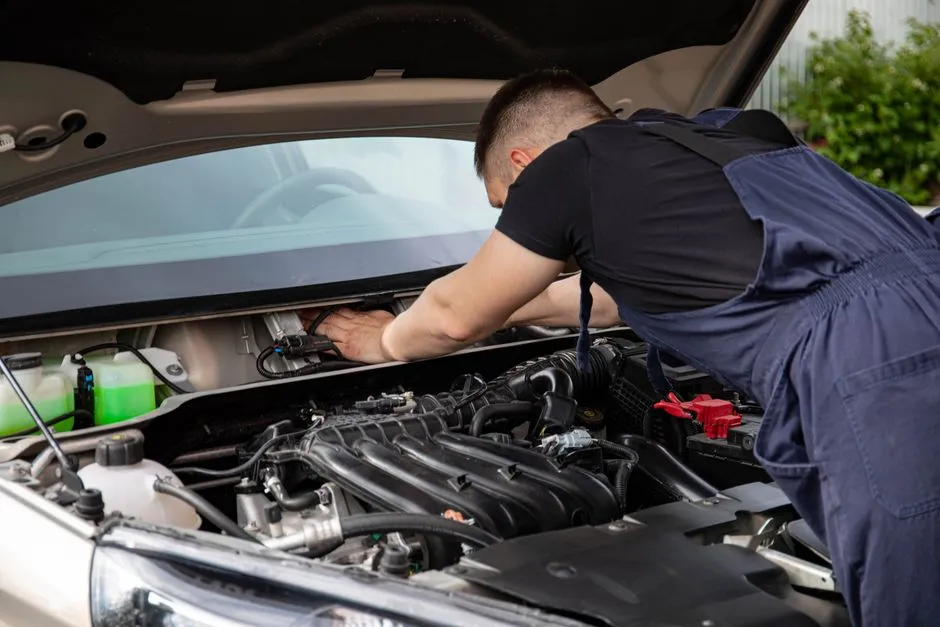
Tests show that you need no more than 30 seconds of idling to circulate the engine oil before you can drive away on cold days. Anything more just wastes money and produces needless greenhouse gas emissions. Thirty seconds. That is the honest modern answer to the old question of how long to warm up a car.
The best way to warm the engine is by easing into your drive and avoiding excessive engine revving. After just a few seconds, your vehicle is safe to drive. The key word is easing. Nobody is recommending drivers floor it out of the driveway on a January morning. Gentle acceleration in the first few miles does the job that a 10-minute idle never fully managed.
Idling is an ineffective way to warm up your engine, as your vehicle is made up of many moving parts. A better way to warm your vehicle’s transmission, tires, suspension, steering and wheel bearings is to simply drive off slowly. The warm-up habit, built on decades of automotive folklore, turns out to be solving the wrong problem in the wrong way. Thirty seconds, then drive gently. That’s what the data says, and at this point, there’s little reason to argue with it.
The Takeaway
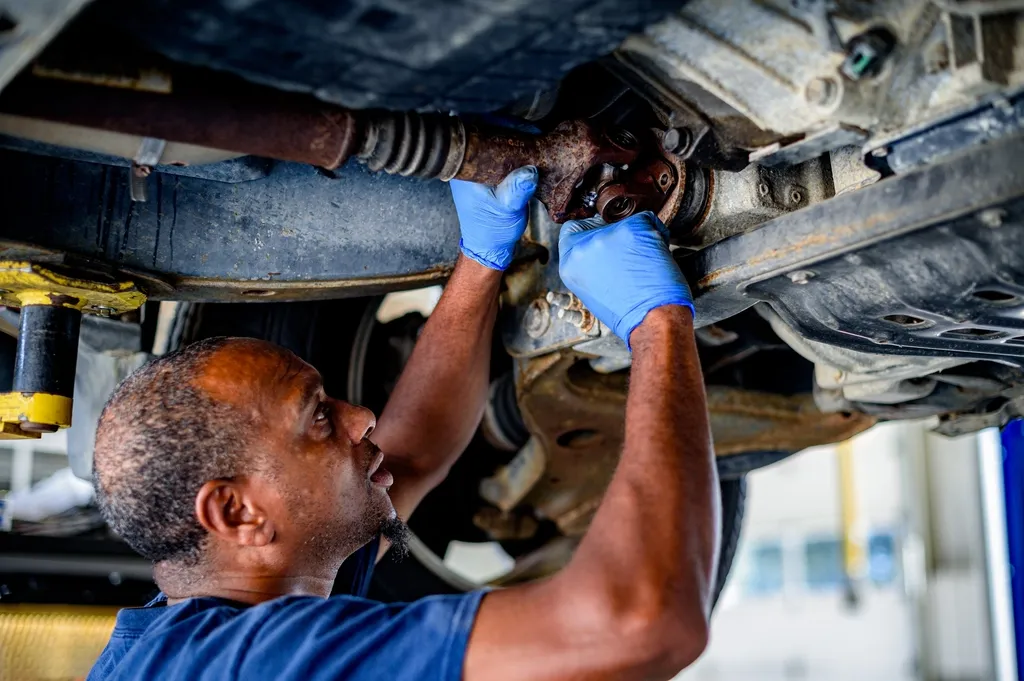
The long warm-up idle is one of those habits that feels protective while quietly working against you. It burns fuel you’re paying for, builds deposits on components you rely on, ages your oil faster, corrodes your exhaust, and barely warms the parts of your vehicle that actually need it. Modern engines were not designed for this routine.
Thirty seconds of idling to circulate the oil, followed by gentle driving, is all that engineering and research currently supports. The rest is habit dressed up as caution. Knowing the difference is the kind of small adjustment that saves real money and genuine wear over years of driving.
AI Disclaimer: This article was created with the assistance of AI tools and reviewed by a human editor.