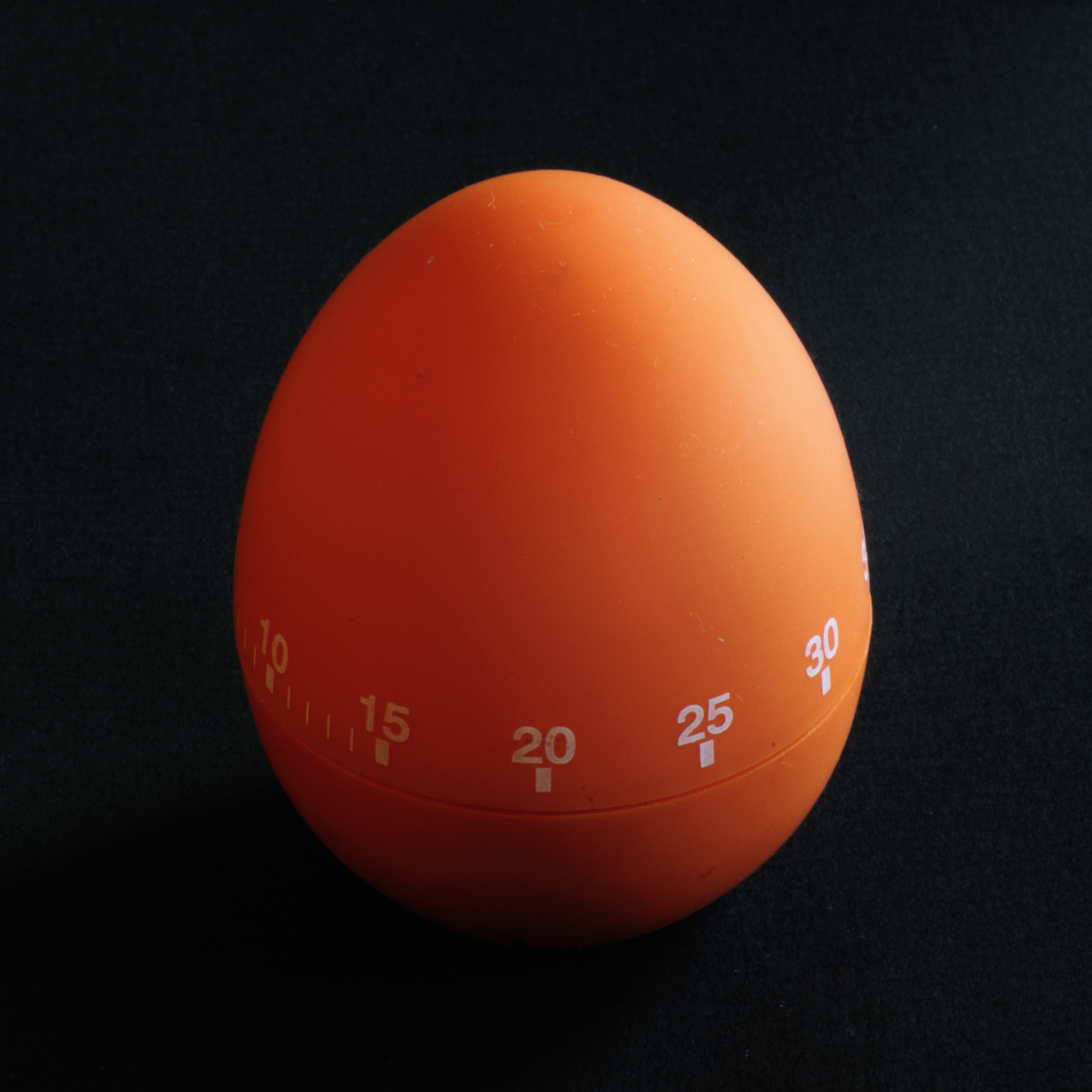

Most people don’t think twice about an egg timer. It sits in a kitchen drawer, does its job, and gets forgotten. Yet a quietly growing number of collectors have been pulling these humble objects out of estate sales, antique fairs, and online platforms, and paying real money for the right ones.
The range of styles is genuinely surprising. From hand-painted German porcelain figurines to Art Deco Bakelite designs, these small objects carry a lot of history in a very compact form. Here’s a closer look at the styles attracting the most serious attention right now.
The German Porcelain Figurine Timer
Few vintage egg timers generate as much enthusiasm as the hand-painted German porcelain figurine style. These pieces, produced in Germany around the 1900s to 1910s, feature beautifully handmade and hand-painted figurines designed to adorn the kitchen. The hourglass is typically incorporated into the figure itself, often held in the arms of a girl or woman in traditional folk dress.
Examples attributed to makers such as Katzhütte, marked “Germany,” have appeared on the high-end resale platform 1stDibs with asking prices around $120, with the Art Nouveau figurines dating to the 1900s to 1910s period. Condition matters enormously here. Minor fading is generally accepted by buyers, but chips or repairs to the porcelain can cut value considerably.
The Bakelite Art Deco Sand Timer
Bakelite egg timers from the 1920s and 1930s represent one of the most recognizable categories in this collecting niche. Cherry red Bakelite egg timers with glass rods in an Art Deco style have been listed on Etsy for around $65, which reflects their steady demand from both kitchenware collectors and dedicated Art Deco enthusiasts.
The appeal is largely visual. The glossy, almost lacquered look of Bakelite ages in a distinctive way that modern plastics simply don’t replicate. Pieces with the original glass sand intact and no cracks to the Bakelite casing hold the most value. Color matters too, with red and deep green variants commanding more attention than plain black.
Mauchline Ware Egg Timers
Mauchline ware is a category that specialist collectors know well but general buyers often overlook. Mauchline Ware egg timers, such as examples featuring place-specific transfer prints like “Danbury Palace Chelmsford,” appear among the bestselling antique egg timers on Etsy. These Scottish souvenir items, typically made from sycamore wood with photographic or transfer imagery, were produced primarily during the Victorian and Edwardian eras.
The value of Mauchline ware is closely tied to the specificity of the image. Timers featuring identifiable buildings, seaside resorts, or tourist destinations are more desirable than generic floral designs. Collectors who focus on a particular region or town often compete hard for the right piece, and prices rise accordingly.
The German Folk Art Wood Hourglass
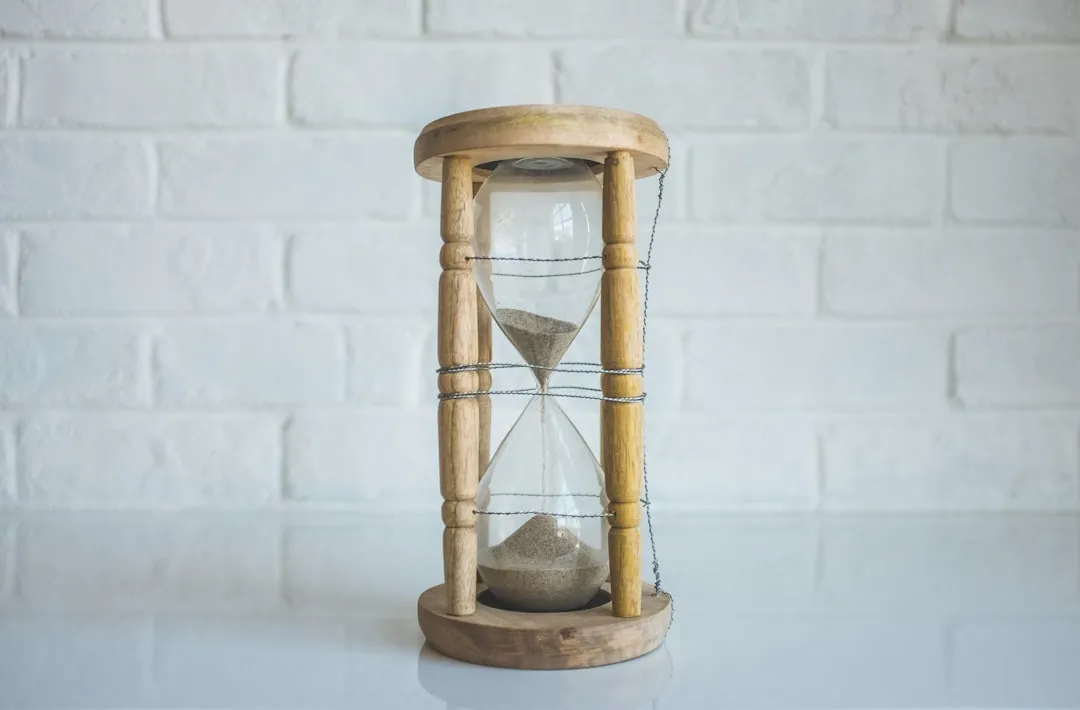
Simple wooden hourglass egg timers, especially those with folk art painted decoration, have a warm, unpretentious appeal that continues to attract buyers. Vintage 1940s wood hourglass sand egg timers with Dutch girl and sweeping broom folk art motifs have appeared in the antique egg timer category on eBay, reflecting consistent collector interest in handcrafted pieces from Central Europe.
These timers were often exported widely, and many examples that surface in American estate sales were originally brought over by European immigrants. The painted decoration, when intact and bright, is the key selling point. A well-preserved example with vivid original paint typically outperforms a plainer but otherwise identical piece.
Victorian Treen Sand Timers
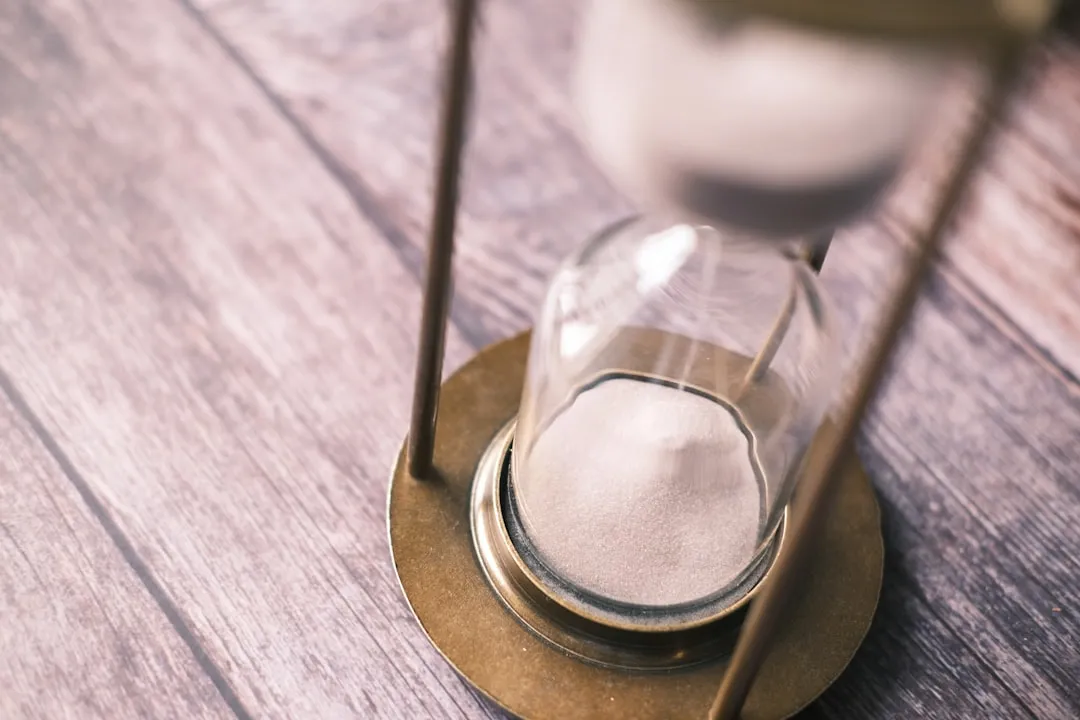
Antique 19th century treen pink sand hourglass timers in sizes around four inches have appeared in antique egg timer listings, and “treen” as a category commands real respect among antique collectors generally. Treen refers to small functional objects turned or carved from wood, and Victorian examples were made with considerable craftsmanship.
The colored sand inside these timers adds another dimension of appeal. Pink, red, or unusually colored sand in original condition is a genuine bonus, since many old examples have been emptied or re-filled over the years. English fruitwood spool and glass sand timers dating to the Victorian period around 1900 have been listed as antique collectibles on 1stDibs.
Early 20th Century Cast Iron Figurine Timers
Cast iron egg timer figurines occupy a different corner of the market, one that overlaps with cast iron collectibles more broadly. Antique cast iron hourglass egg timers featuring Amish farm girl figures in sizes around two and a half inches, as well as antique porcelain hourglass egg timers with Amish or folk costume figures, have been listed in the antique timer market on eBay. These are sturdy, tactile objects with a very different feel compared to their porcelain counterparts.
Cast iron pieces tend to survive better than porcelain, which makes the condition bar slightly lower for buyers. That said, pieces with strong original paint details, particularly on the figure’s face and clothing, are the ones attracting serious interest. Faded or repainted examples sell, but at noticeably lower prices.
Mid-Century Mechanical Timers from Italy and Germany
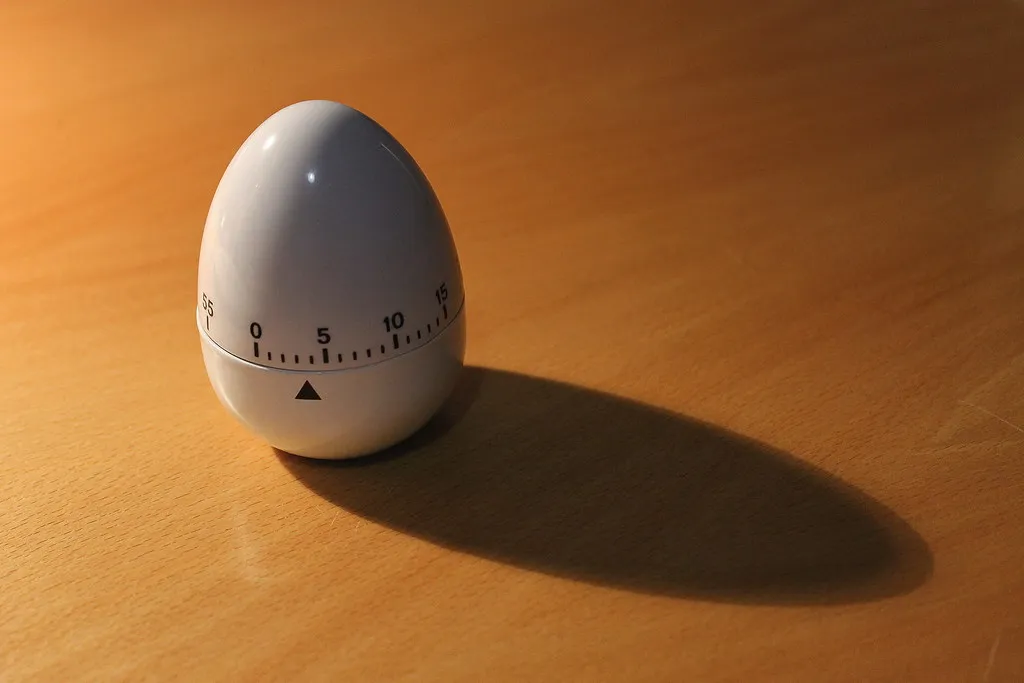
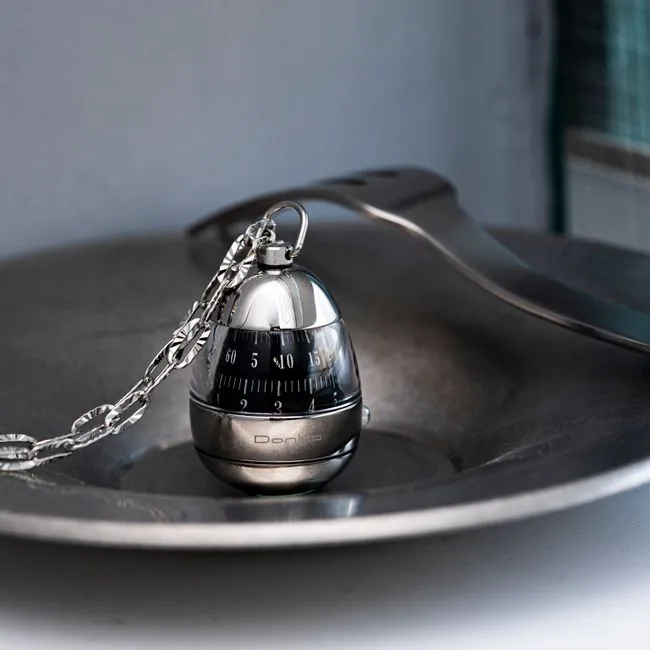
Not all collectible egg timers are sand-based. Mid-century mechanical egg timers made in Italy circa the 1960s, where a simple classic design allows the user to turn the top to set the time with an alarm when finished, have been offered on 1stDibs as vintage collectibles. These wind-up mechanical timers have a satisfying weight and an audible tick that feels genuinely different from anything produced today.
English brass and glass three-minute sand countdown timers dating to the mid-20th century around 1960, as well as vintage-style rotating hourglasses discovered at German estate sales crafted from silver-plate metal, have also appeared through high-end resale channels. The combination of quality materials and mid-century design language gives these pieces crossover appeal.
The Goebel Figurine Timer
Goebel Friar Tuck Monk egg timers, produced from around 1979 to 1988, have been listed for approximately $35, making them among the more accessible entry points for new collectors. Goebel is a well-known German ceramics manufacturer, and the Friar Tuck line has a dedicated following independent of egg timer collectors, which helps sustain demand from multiple directions.
Because Goebel pieces were produced in larger quantities, condition is everything. Chips, crazing, or fading on the monk’s glaze significantly reduce appeal. Mint examples with no damage are the ones that hold or increase in value, while worn pieces remain mostly flat.
Silver-Plate and Brass Hourglass Timers
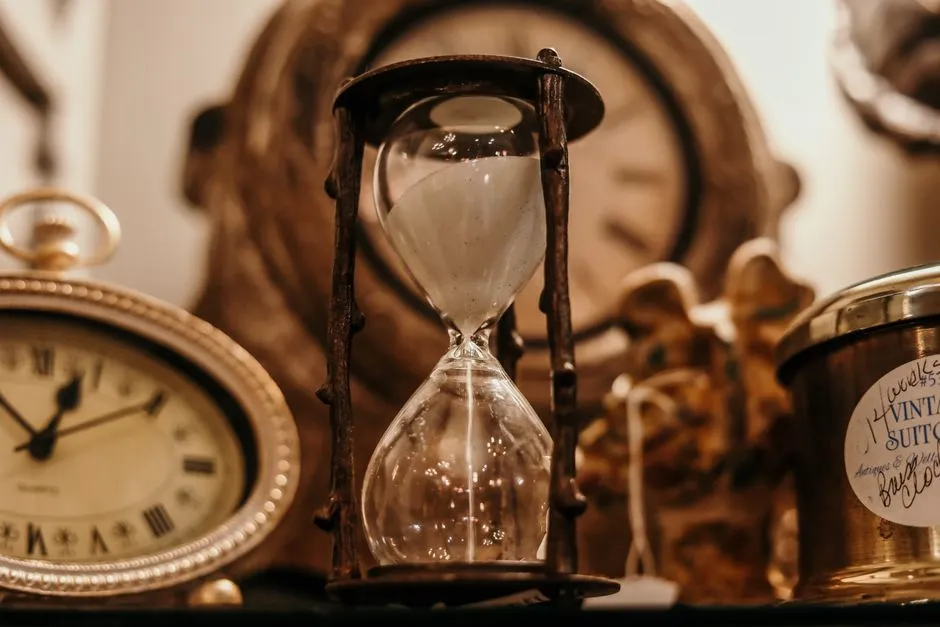
Vintage German silver-plate sand egg timer hourglasses from the 1970s, crafted from silver-plate metal with a bright, polished finish, have been offered through 1stDibs. These represent the decorative end of the spectrum, objects that were always as much about display as utility. Their appeal today bridges the gap between kitchenware collecting and decorative arts.
Brass examples tend to hold up better over time than silver-plate, since plating can wear unevenly. Lovely vintage hourglass sand timers in brass have been described as “a complement to many interiors” and noted as looking especially good on a desk or as part of a collection on a console table. That decorative versatility is part of what keeps demand steady.
The Price Range That’s Surprising People
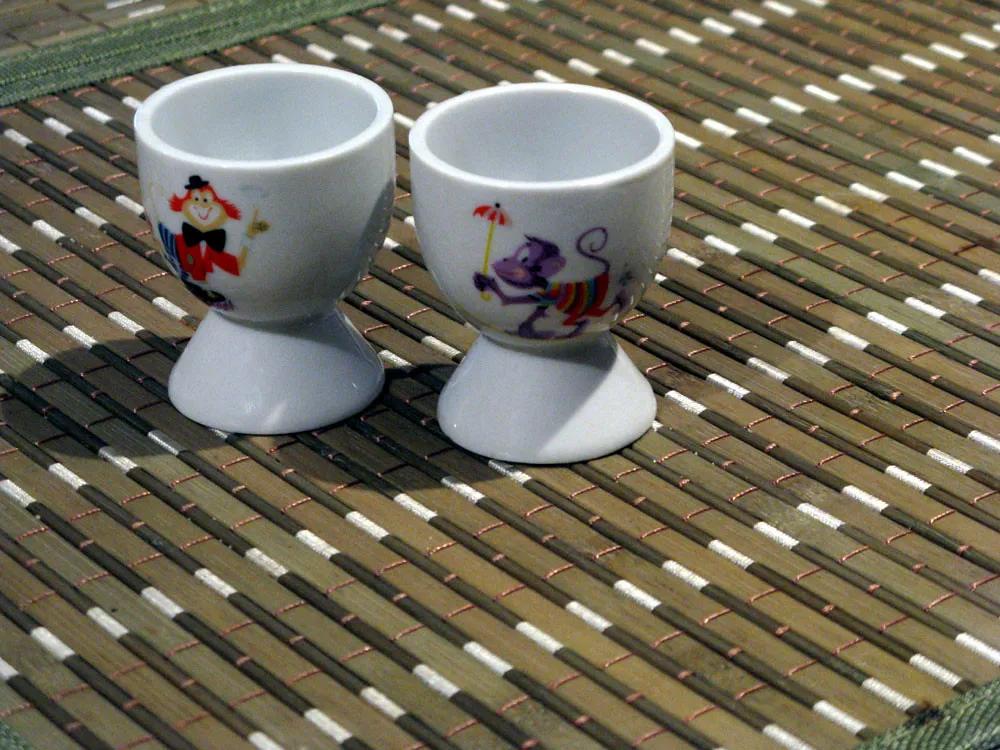
Research across more than 100 sold eBay listings and auction results shows that vintage egg cups and related kitchen collectibles range from $10 for common patterns up to $600 and beyond for rare silver sets and pieces. The same general pricing logic applies to egg timers, where the spread between the cheapest and most desirable examples is wider than most buyers expect.
The most collectible pieces in related kitchen categories are those made from solid silver, fine porcelain, or by known makers, with value depending on condition, maker, material, and pattern rarity. For egg timers specifically, rarity of form, quality of original decoration, and the presence of a known maker’s mark are the three factors that consistently push prices toward the higher end of the market.
What Makes a Vintage Egg Timer Worth Serious Money
Across every style in this category, a few principles hold consistently true. Vintage egg timers are collected both for kitchen nostalgia and for their appeal as miniature objects, with styles ranging from mid-century modern to whimsical figurines, each with its own story. That dual appeal, functional history combined with decorative charm, is what separates them from many other kitchen collectibles.
Antique egg timers appeal to collectors and home cooks alike, with unique kitchen treasures ranging from playful ceramic chefs to elegant French metal designs. The market is genuinely broad, meaning that a collector can build a focused, coherent collection around one style or period without quickly running out of options to pursue.
Where to Find and What to Watch For

Charming antique egg timers in vintage brass, hand-painted, and cast iron styles, from rustic to elegant, are actively available through platforms like Etsy. eBay remains a key secondary market for pieces at every price level, with auction format listings occasionally generating competitive bidding on rarer examples. Estate sales, both physical and online, continue to be one of the better sources for unrecognized pieces at fair prices.
The most important habit any buyer can develop is researching completed sales, not just asking prices. An asking price tells you what someone hopes to receive. A completed sale tells you what someone actually paid. That distinction, in a market this varied, can save a collector a significant amount of money over time.
A Quiet Market Worth Watching
Vintage egg timers have never been the loudest corner of the antiques world, and that’s part of their appeal. The collectors who pursue them tend to be patient, knowledgeable, and genuinely interested in the objects themselves rather than chasing speculative value. The prices being paid for the right pieces, particularly early German porcelain figurine timers and rare Victorian treen examples, reflect real enthusiasm from a community that knows exactly what it’s looking at.
For anyone approaching this category fresh, the advice is simple: handle as many pieces as possible, study the marks, and focus on condition. The surprises, both pleasant and expensive, usually arrive when you stop paying attention to those fundamentals.
AI Disclaimer: This article was created with the assistance of AI tools and reviewed by a human editor.