
Few household items have earned a reputation quite like white vinegar. It sits in kitchen cupboards across the country, positioned as a natural, safe, and universally effective cleaner. The appeal makes sense on the surface: it’s cheap, widely available, and feels less intimidating than a shelf of chemical-heavy products.
The reality, though, is messier. Cleaning professionals and materials experts have spent years watching vinegar cause damage that homeowners never anticipated. The myth isn’t that vinegar has no uses at all, it does. The myth is that it can do everything, safely, on every surface. Here’s what the evidence actually shows.
Vinegar Is an Acid, Not a Cleaner

The most fundamental misunderstanding about vinegar is what it actually is. Vinegar has no detergents to lift away dirt or dissolve oils, meaning it’s not actually a cleaner. Household vinegar is, in fact, a 5% dilution of acetic acid with a relatively strong pH of 3. That acidic quality gives it some useful properties, but it also creates real risks depending on what surface it touches.
Among the things you should never clean with vinegar are organic finishes, rubber seals, soft stone, and any surface with a protective coating. Acid is useful against mineral scale; it’s the wrong chemistry, or actively destructive, everywhere else.
The operating rule is straightforward: acid, meaning vinegar, works for mineral scale; bases like baking soda and dish soap work for grease. These are not interchangeable. Treating them as if they are is where most of the damage starts.
Vinegar Does Not Actually Disinfect
This is probably the most persistent and most dangerous piece of misinformation surrounding vinegar. People spray it on kitchen counters after handling raw chicken, assuming it kills pathogens the way a proper disinfectant would. It doesn’t work that way.
Vinegar is unpleasant for germs, but not nearly deadly enough to be a disinfectant. Undiluted vinegar has been shown to kill only around 90% of bacteria and 80% of viruses and mold, and that’s after a prolonged soak with undiluted vinegar. When diluted and mixed with other soaps, vinegar’s germ-killing properties become even weaker.
Vinegar is no match for the viruses and foodborne bacteria that can make you sick. Although it might kill some germs, your best bet is to use EPA-registered disinfectants for situations where actual disinfection matters. The 10% of surviving bacteria that vinegar misses may be precisely the ones capable of causing illness.
Granite Countertops and Vinegar Are a Damaging Combination
Granite kitchens look tough. The stone is genuinely durable in many respects, resistant to heat and general wear, which is part of why people assume it can handle an acidic spray without a problem. That assumption is wrong.
White vinegar has a pH of approximately 2.5, making it a strong acid that will strip granite sealer on contact and can etch certain granite types over time. The acid in vinegar wears away at the protective sealant that prevents spills from penetrating the stone and causing permanent stains. In addition, over time, vinegar can cause etching in the granite itself.
Vinegar damages granite, marble, quartzite, limestone, travertine, and soapstone. Marble and limestone are the most vulnerable, but no natural stone is safe from repeated vinegar exposure. Once that sealant is compromised, stains become far harder to prevent and far more expensive to fix.
Marble Is Especially Vulnerable
If granite is sensitive to vinegar, marble is in a different category entirely. The chemistry of marble makes it react to acidity in ways that are almost immediate and sometimes irreversible.
Vinegar damages marble by causing etching, dull spots, and surface deterioration. Marble is a calcium-based natural stone, and acidic substances like vinegar react chemically with the surface. Even brief exposure to vinegar may dull polished marble surfaces.
Repeated vinegar use on marble floors chemically dissolves the surface layer. Over time, the natural luster disappears. If damage occurs, professional restoration is often the only solution. That restoration is rarely inexpensive, which makes the original cleaning “hack” a costly experiment.
The Squeaky Clean Myth Has Ancient Roots
Ask most people why they believe vinegar leaves things squeaky clean and they’ll struggle to explain it. The idea has simply been absorbed from blogs, social media, and word of mouth. Its origins, though, are traceable to a time when cleaning looked completely different.
Back in earlier times, when people cleaned with real soap, the highly alkaline kind made from boiled fat and lye, it left a slippery, soapy residue that was tough to rinse off. Adding acid, meaning vinegar, to rinse water helped, so the positive association between vinegar and squeaky clean was born.
Unlike old-fashioned soaps, modern detergents don’t leave residues, so the need for an acid-rinse step has disappeared. Sadly, the vinegar myth has remained. It’s one of those historical quirks that outlived its usefulness by several decades.
Your Hardwood Floors Are at Risk

The combination of vinegar and water as a floor cleaner gets passed around constantly as a “safe” alternative to commercial products. Hardwood floors, though, are finished with sealants specifically designed to protect the wood. Vinegar interacts with those finishes in ways that accumulate over time.
When vinegar meets the polyurethane seal on a hardwood floor, the acid can slowly break down the chemical bonds in the sealant. That doesn’t mean your floor will be ruined after one cleaning, but over time, the damage adds up.
Vinegar is good at cleaning grime thanks to all that acidity, but that slowly breaks up the protective layer on the floor too. After a while, if you use vinegar for cleaning too often, you may start to strip the finish, dull the shine, and even create tiny scratches that make the floor appear older than its actual age. pH-neutral floor cleaners exist for a reason.
Washing Machine Rubber Seals Pay the Price
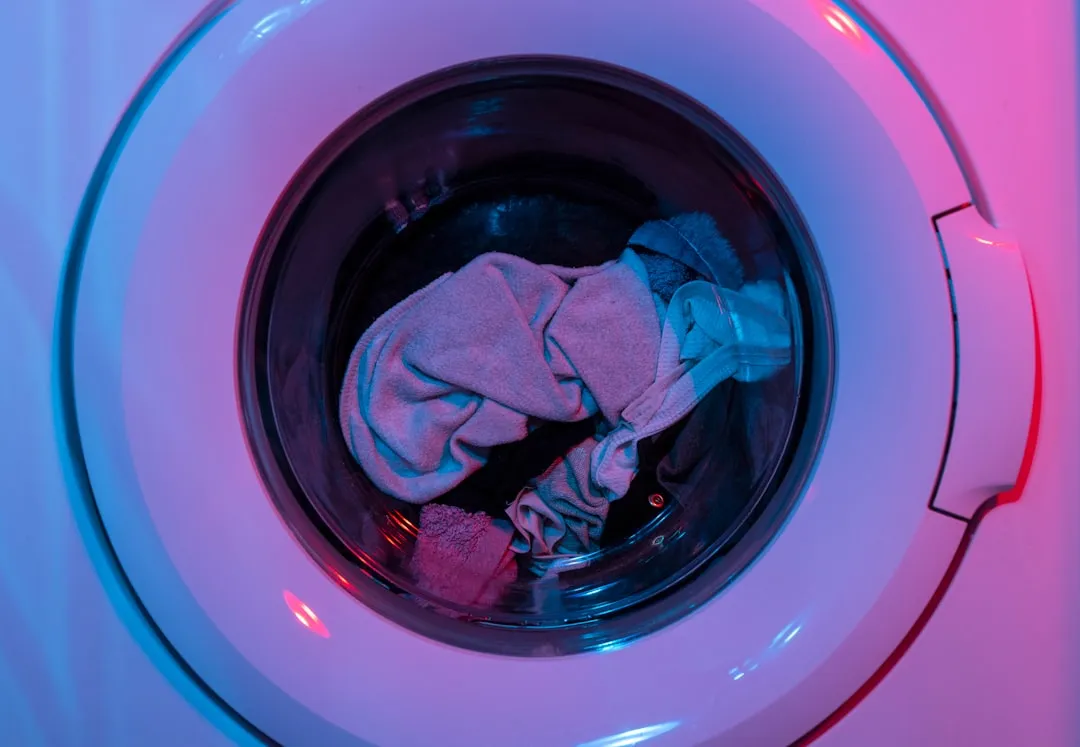
Running a vinegar cycle in the washing machine has become a standard cleaning tip shared across home improvement communities. The intention is reasonable: strip detergent buildup, eliminate odors, freshen the drum. The problem is what that same acid does to rubber.
Front-loading washing machines are particularly vulnerable because they rely on rubber door seals to prevent water leakage. Vinegar gradually breaks down these rubber components, causing them to crack, shrink, and eventually fail. Replacing a washing machine door seal typically costs between $150 and $300 in parts and labor, assuming the damage hasn’t spread to other components.
While vinegar can be used occasionally, frequent use can damage the rubber seals and hoses inside washing machines and cause leaks and malfunctions. If the goal is a fresh machine, most manufacturers publish their own recommended cleaning cycles that skip the acid entirely.
Vinegar and Baking Soda Together Cancel Each Other Out
Social media loves the image of a foaming, bubbling mixture of vinegar and baking soda being poured down a drain or onto a stain. It looks dramatic. It feels like something powerful is happening. The chemistry tells a more modest story.
When an acid meets a base, they neutralize each other. The fizzing is just carbon dioxide being released, a visual effect rather than a cleaning force. What you’re left with is largely water and sodium acetate, which has minimal cleaning power on its own.
The operating rule is that acid, vinegar, works for mineral scale, while a base like baking soda and dish soap work for grease. Using them together doesn’t double the effect. It cancels both effects, making each ingredient less useful than if it had been used alone for the right job.
Stainless Steel and Egg Spills Are Two More Traps
Two specific scenarios catch people out repeatedly: cleaning stainless steel appliances and handling raw egg spills. Both seem like natural candidates for a vinegar spray. Both are actually worse off for it.
When it comes to cleaning stainless steel knives, cookware, and household appliances, it’s best to skip vinegar and use a non-acidic cleaner. Over time, the acid can dull the finish and reduce the polished look that makes stainless steel appealing in the first place.
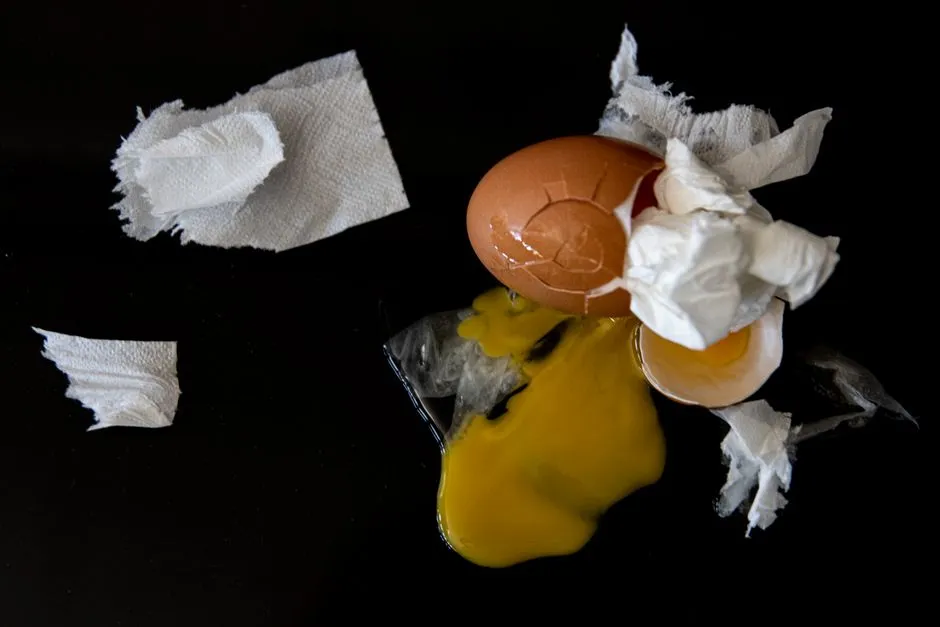
Egg spills are a different kind of problem. You shouldn’t automatically spray vinegar on all kitchen messes, especially raw eggs. It will make them coagulate and turn into a gummy mess that’s harder to clean. A plain damp cloth cleans egg spills far more effectively than acid, which essentially begins to cook the protein on contact.
Where Vinegar Actually Works Well
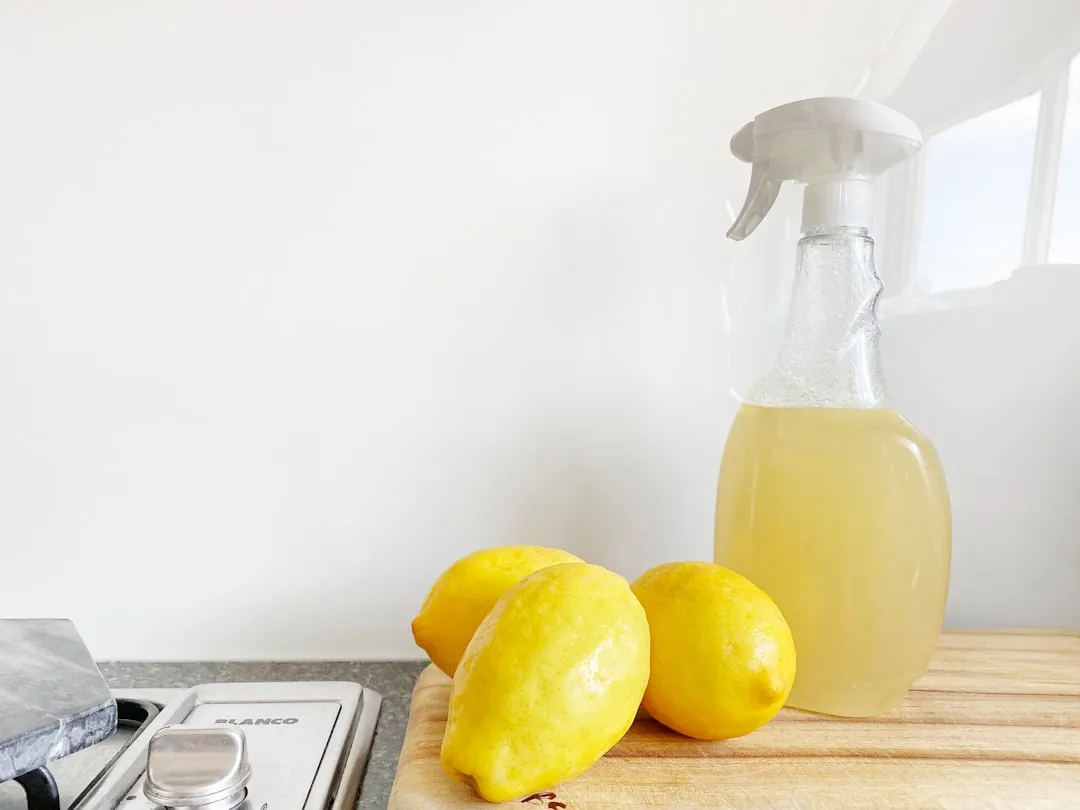
It’s worth being fair here. Vinegar does have genuine uses in home cleaning. The myth isn’t that it’s useless: the myth is that it’s universally safe and effective. Knowing where it actually performs well makes it far more useful as a tool.
Vinegar can be helpful in the bathroom under certain conditions. Its acidity dissolves the calcium and magnesium that make up hard water deposits and give soap scum its crusty shape. Glass shower screens, ceramic tiles, and kettle descaling are all tasks where vinegar performs reliably without damaging the surface involved.
The global vinegar market was valued at $10.8 billion in 2024, reflecting how broadly it’s used across food and household applications. Its place in the cleaning cupboard isn’t wrong, it just needs clearer limits. Used correctly, in the right places, vinegar earns its spot. Used carelessly, it quietly costs you more than a commercial cleaner ever would.
The Takeaway
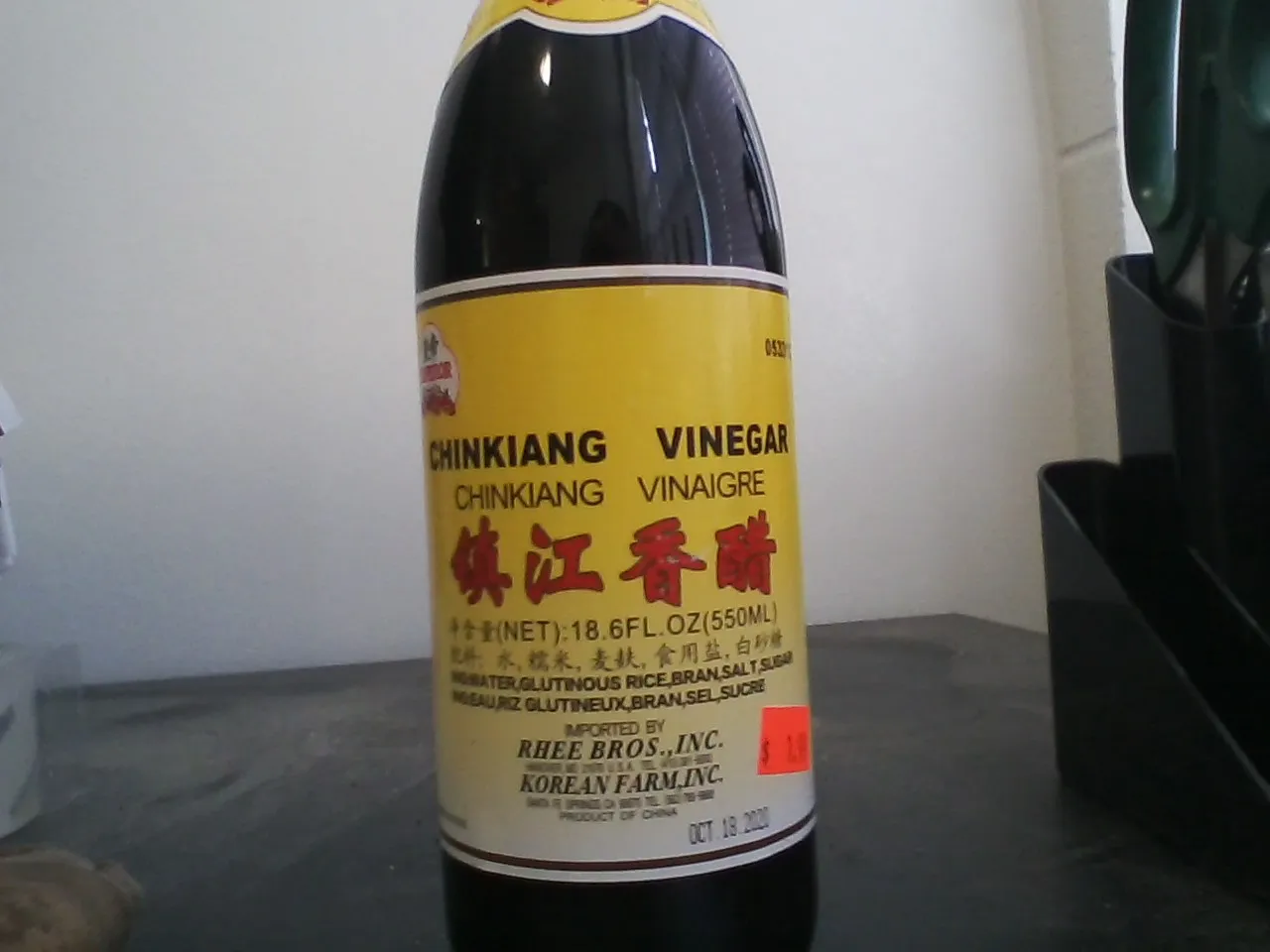
The vinegar myth persists because it contains a grain of truth. Vinegar is real, it is natural, and it does work in specific situations. The problem is the leap from “useful for some things” to “good for everything.” That leap is where countertops get etched, washing machines spring leaks, and hardwood floors lose their sheen.
Cleaning professionals aren’t asking people to abandon vinegar. They’re asking for a more honest understanding of what it is: a mild acid with a narrow range of appropriate uses, not a miracle product. Matching the right cleaner to the right surface is less exciting than a viral cleaning hack, but it’s what actually protects your home.
The most expensive cleaning mistakes rarely come from using too little. They come from trusting something uncritically because it’s been repeated often enough to feel true.
AI Disclaimer: This article was created with the assistance of AI tools and reviewed by a human editor.