


Something quiet has been shifting in backyards across North America. People who spent years dismissing vegetable gardens as too complicated, too messy, or just too much work are now building raised beds, dividing plots into squares, and growing corn alongside beans alongside squash. It’s not a passing seasonal obsession. The data, the market figures, and the sheer number of first-time growers all point to the same conclusion: structured, purposeful vegetable garden layouts are back, and they’re bringing centuries of agricultural wisdom with them.
The layout driving much of this revival isn’t a single new invention. It’s actually a collection of old ideas, from Indigenous companion planting to mid-century square-foot methods, being rediscovered by a generation that wants real food from real soil. What makes 2025 and 2026 different is the scale of interest, and the very practical reasons behind it.
Raised Beds Are No Longer a Niche Choice
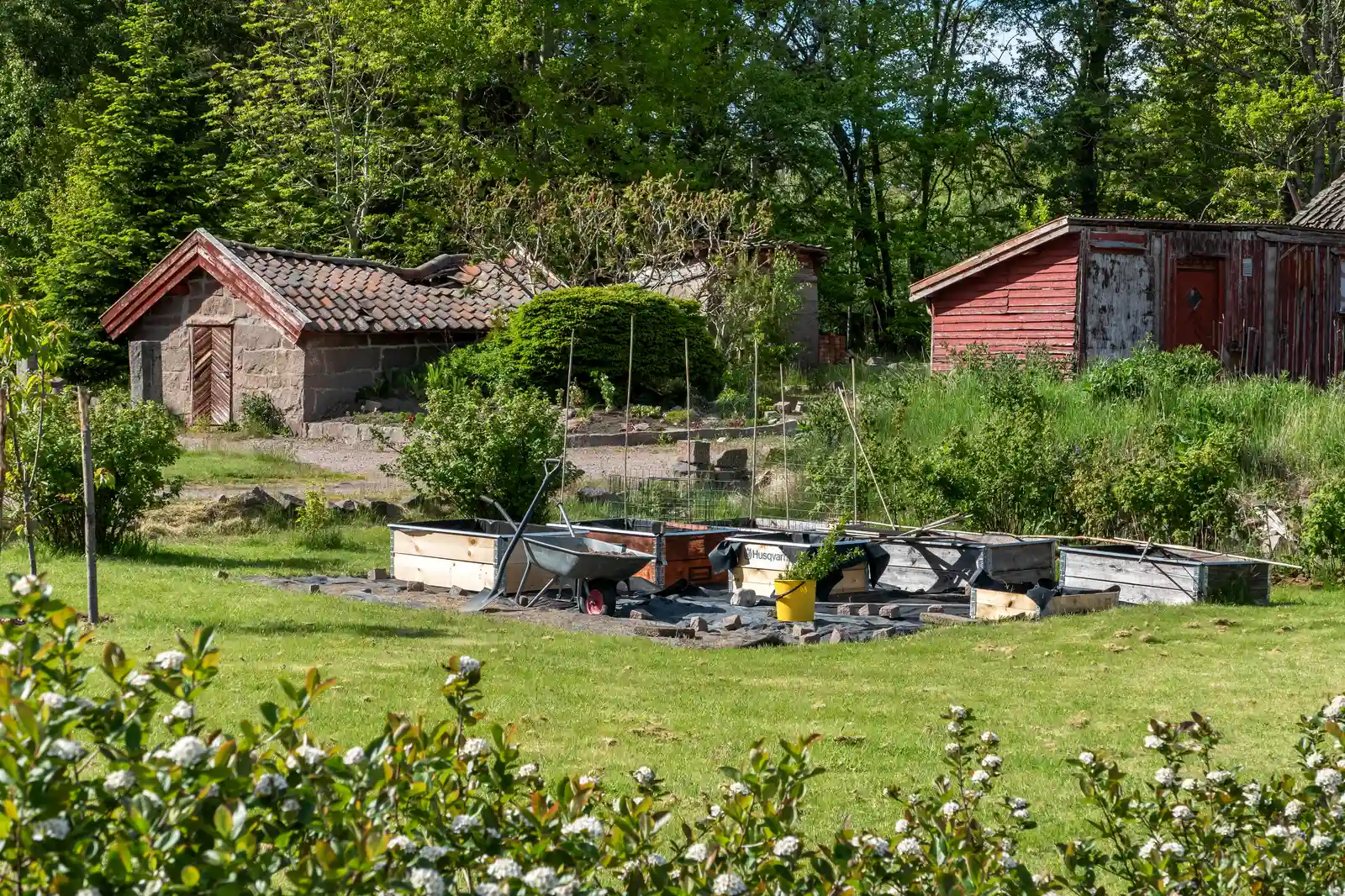
The global raised garden beds market was valued at USD 439.17 million in 2024 and is projected to reach approximately USD 631.57 million by 2034, growing at a compound annual growth rate of 3.7%. That’s not a niche hobby figure. That’s a market segment on a sustained upward curve, fueled by everyday people who want more control over what they grow and how.
In the United States, raised garden beds are seeing rising adoption, with roughly more than half of American home gardeners preferring them for easier weed control, water management, and improved yields. The reasons are practical, not aesthetic. Raised beds delineate space well, which helps reduce soil compaction, and they also warm more quickly in summer while draining better in clay-type soils.
Adoption of raised beds has grown by over thirty percent, driven by their ability to improve soil drainage, minimize weed growth, and extend the growing season. That kind of momentum doesn’t happen without real satisfaction driving it.
Square Foot Gardening Is Experiencing a Full Revival
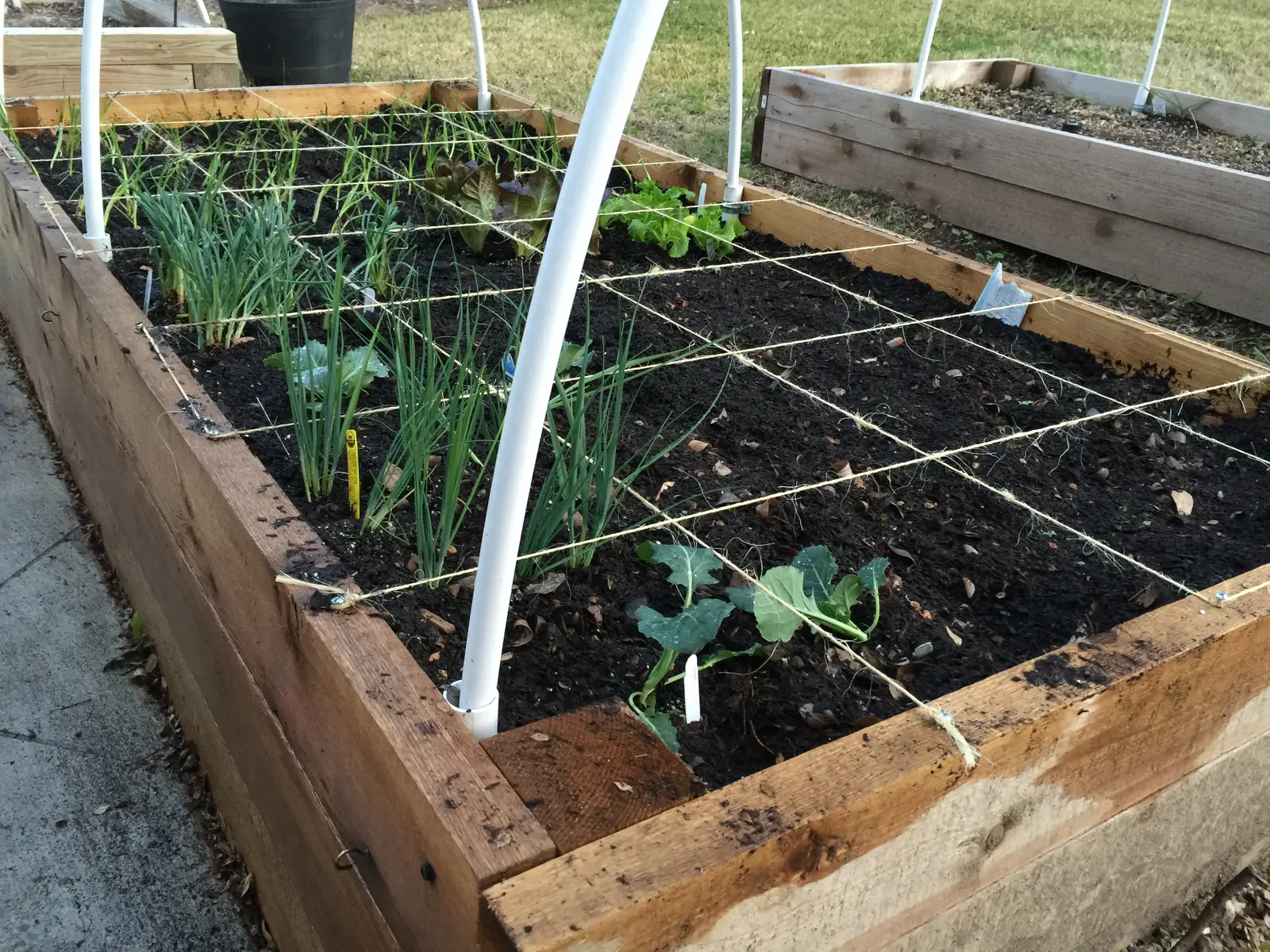
Those highly organized raised beds divided into perfect squares, each producing a variety of plants, are square-foot gardens. It is simply a raised bed divided into squares, a method of creating small, orderly, and highly productive kitchen gardens. The concept was popularized decades ago, but it has found a new audience in the 2020s among urban growers who can’t afford to waste a single square inch of soil.
Dividing the planting area into squares makes it more efficient than row planting, and it allows plants to be situated more closely together, benefitting from one another. Square foot gardens, when densely planted, need less weeding. Since most of the garden is dedicated to crops, there is little room for weeds to start coming up.
Space efficiency makes this layout ideal for small spaces or urban gardening. Since each square is isolated, you can focus on individual plants without worrying about their neighbors, and the layout is perfect for growing a variety of vegetables in a compact space.
The Three Sisters Method: Ancient Wisdom in a Modern Garden
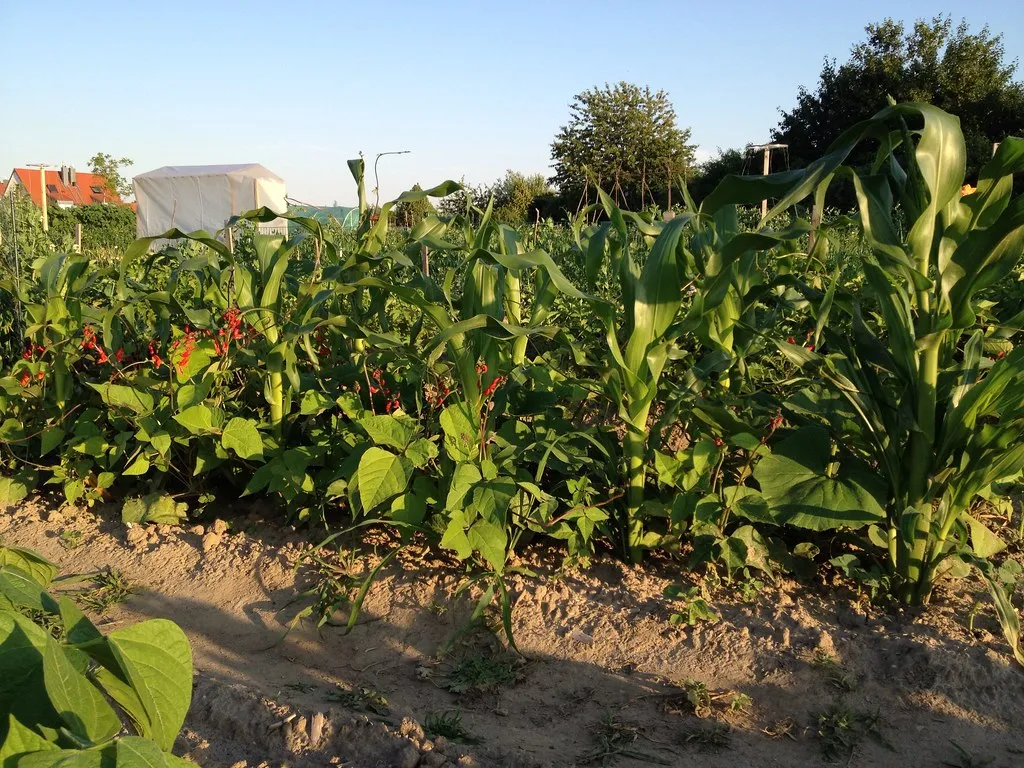
A Three Sisters garden is a Native American companion planting method that grows corn, pole beans, and squash together. The corn supports the beans, the beans fix nitrogen in the soil, and the squash acts as living mulch to suppress weeds. The method is companion planting at its best, with three plants growing symbiotically to deter weeds and pests, enrich the soil, and support each other.
The Three Sisters method has its origins in the farming systems of Indigenous peoples of North America, particularly the Haudenosaunee (Iroquois) and other Northeastern tribes. With its roots dating back over 1,000 years, this technique represents one of the earliest documented examples of companion planting.
In 2025, research found that the Three Sisters system can be modified to fit into modern mechanized agriculture. Plant spacing and placement can be adjusted to make the system better fit modern equipment constraints while keeping the benefits of intercropping. This allows the practice of intercropping to scale up to large farming operations. That’s a significant development: an ancient layout validated by contemporary agronomy.
Food Security Is Driving the Trend, Not Just Nostalgia
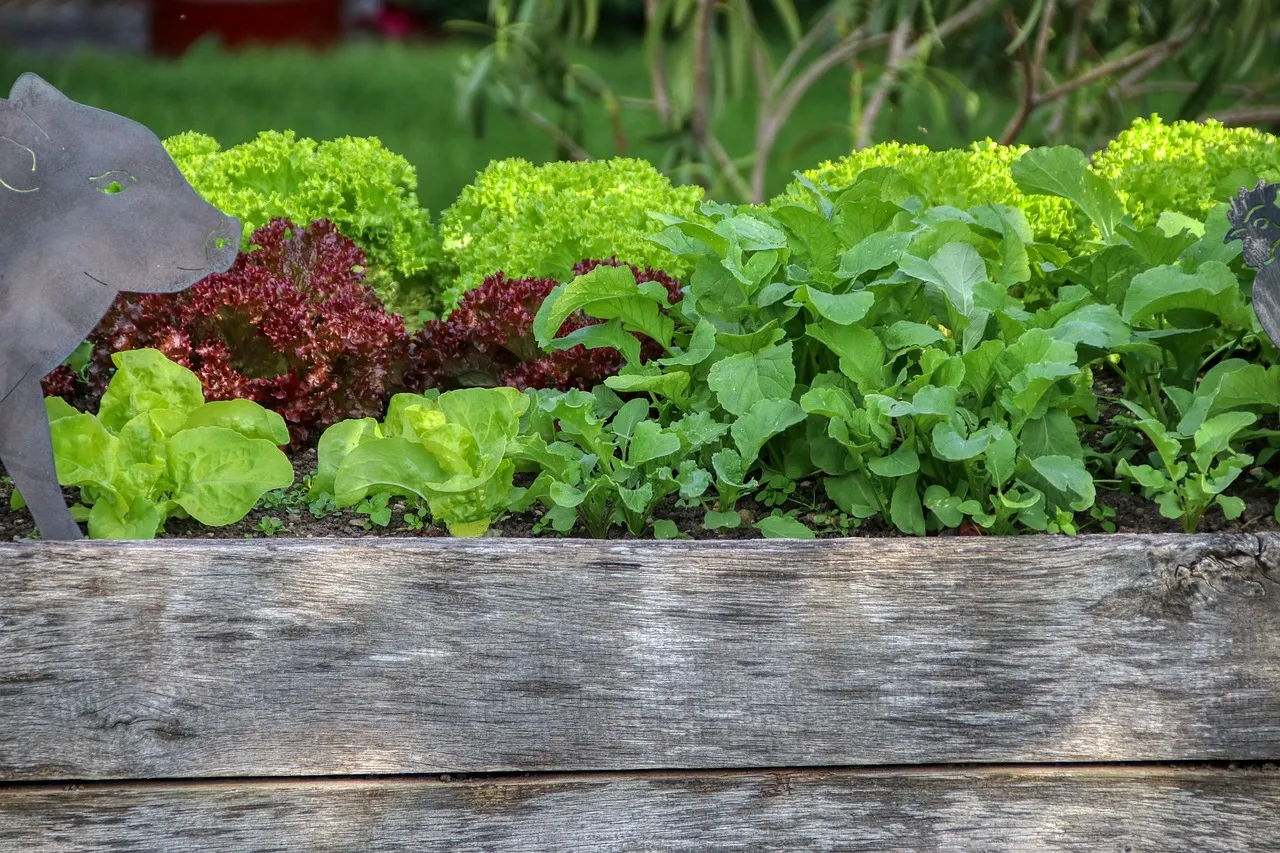
Roughly seven in ten Americans reported plans to grow a food garden in 2025, with rural Americans leading at seventy-eight percent, urban gardeners at seventy-two percent, and suburbanites at sixty-eight percent. The motivation here isn’t purely recreational. Among 2025 food gardeners, two in three cited access to higher-quality produce as their primary motivation, while more than half were explicitly trying to lower grocery bills.
With growing speculation over tariffs on Canada and Mexico and their impact on produce prices, more than a third of gardeners in 2025 are growing food specifically to counteract tariff-induced price increases. That’s a new and very concrete driver pushing people toward structured, productive garden layouts that actually deliver a harvest.
Those who grew food in 2024 estimated saving an average of $875 on groceries that year. For many households, that figure alone is reason enough to build a raised bed layout and take it seriously.
Younger Gardeners Are Reshaping the Audience
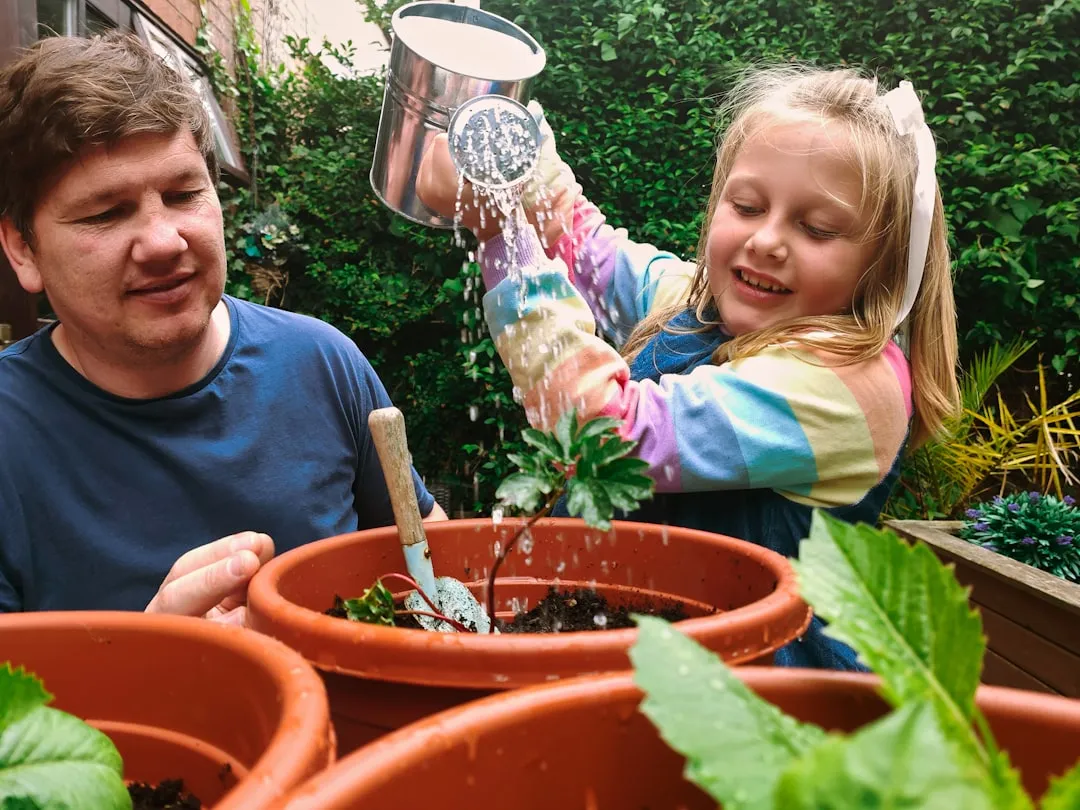
Gen Z and millennials spent more time and more money in the garden in 2025 than any other age group, reversing the traditional assumption that older adults are the core customer. This matters because younger growers tend to approach garden layouts differently. They research before they plant, they share plans online, and they favor systems that make logical sense.
Gen Z gardeners are converting lawns into natural landscapes at nearly four times the rate of those aged sixty-five and older. Many of those converted spaces are becoming structured vegetable plots using raised beds, square-foot grids, or companion planting systems. Studies have shown that roughly two thirds of those aged eighteen to thirty-four consider themselves garden lovers.
Urban and suburban homeowners are embracing micro-homesteading, creating self-sufficient mini-farms even on small lots. This includes compact vegetable gardens, small-scale composting systems, rainwater collection, and even backyard chickens where permitted.
The Classic Row Layout Still Has a Rightful Place
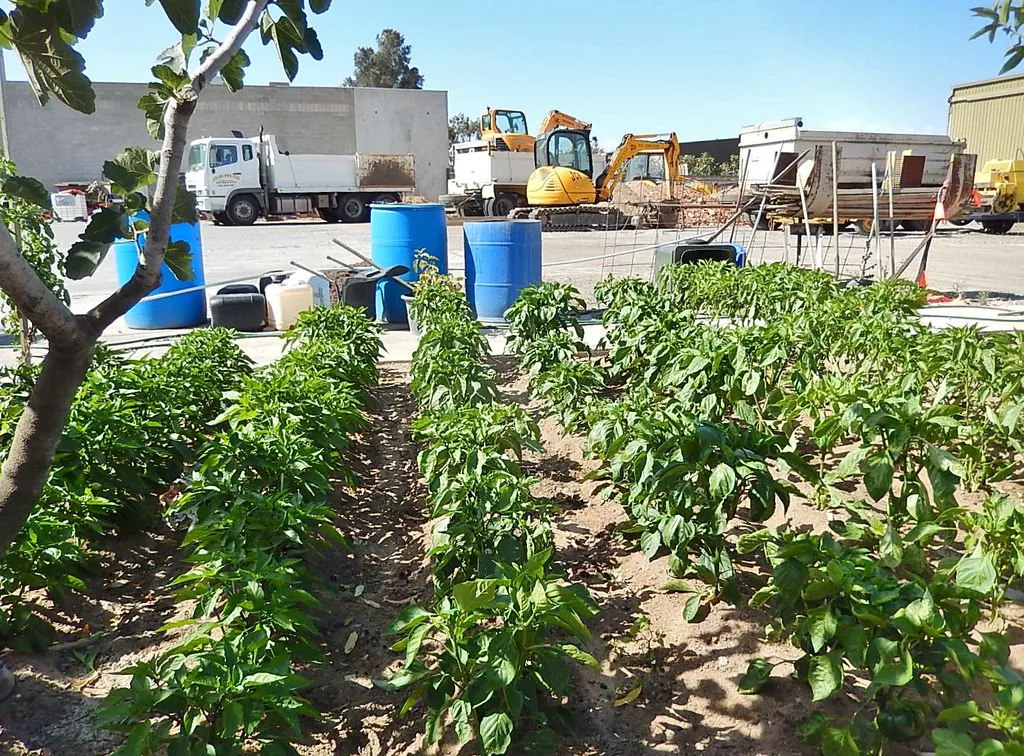
The classic row garden layout remains a popular and time-tested method for growing vegetables in 2025. It features a simple, organized arrangement of crops planted in long, straight rows divided by walkways. For gardeners with larger plots and heavier machinery, rows remain the most practical option. Not every garden revival needs to fit a small urban lot.
Row planting can be a great way to keep a garden organized and tidy, though it does require planning and upkeep. For large-scale urban production, row planting can still be one of the most effective options. The key insight is that no single layout dominates. Serious growers are increasingly choosing a layout based on their actual space, not trend-chasing.
Companion Planting Is Moving Beyond Folklore
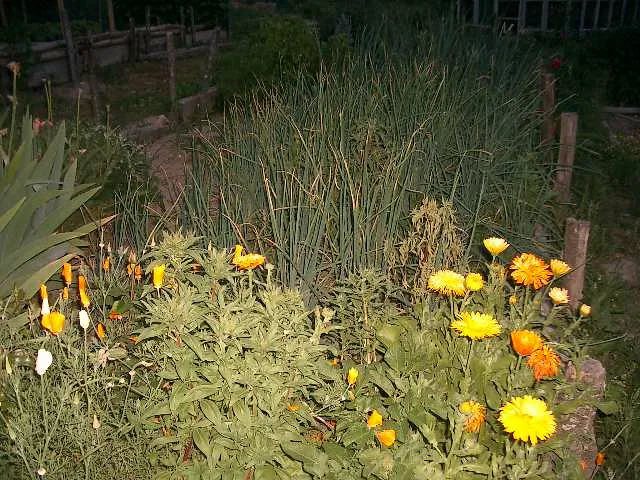
Companion planting strategically pairs vegetables for mutual benefit. This method aids in natural pest management, encourages robust growth, and intensifies vegetable flavors. What was once dismissed as gardening superstition is now being studied more rigorously and embraced by home growers who want to reduce chemical inputs without sacrificing yield.
You can incorporate flowers into your vegetable garden. The wider diversity of species you introduce, the more chance you have of breaking up monocultures and encouraging beneficial insects to come to the garden. That idea, planted rows giving way to biodiverse mixed beds, sits at the heart of what’s making these older layouts feel newly relevant.
These crops complement each other both visually and nutritionally in two key ways: in the soil through a mutualistic symbiotic relationship, and on the plate by providing a balanced diet. It’s a compelling argument for rethinking how we organize a growing space from the ground up.
Modular and Sustainable Materials Are Changing the Look
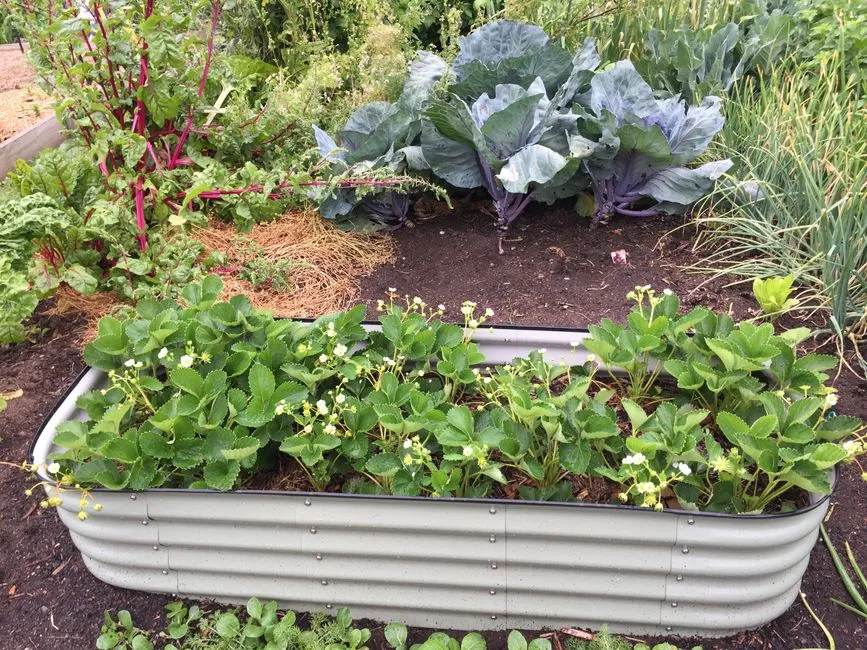
In February 2024, modular and portable raised garden beds gained significant popularity among urban gardeners for their space-saving features. The physical design of these layouts has evolved considerably. Gardeners are no longer limited to heavy timber frames. Metal, recycled composite, and snap-together systems have broadened who can actually set one up.
Sustainability is a major market theme, with roughly a third of new entrants offering recycled-material solutions. Wood remains the dominant material, while metal, particularly galvanized steel, is the fastest-growing format, representing about eighteen percent of global unit shipments in 2024.
Self-watering systems are now included in roughly one in five new products, helping reduce water consumption by around thirty-eight percent in arid regions. For gardeners dealing with drought conditions or water restrictions, that’s not a luxury feature. It’s a practical necessity built into the layout itself.
The Edible Landscape Approach Bridges Beauty and Function

Edible landscapes provide unique opportunities for beauty, pollinator resources, and boosting biodiversity in addition to growing fresh food. This is where the vegetable garden layout conversation gets more interesting. More growers are moving away from the idea that a productive garden has to look utilitarian. The layout itself becomes part of the design.
The farm-to-table movement continues to inspire gardeners to incorporate edible plants into their landscapes. Edible landscaping combines beauty and utility, offering both ornamental appeal and a bountiful harvest. Fruit trees at the corners, climbing beans on decorative trellises, marigolds mixed in with tomatoes. The structured vegetable layout and the ornamental garden are converging.
Gardeners are adapting to the challenges of a changing world by embracing new approaches: traditional methods are being updated, along with a fresh perspective on the role of gardens in daily life. The vegetable garden isn’t just a food source anymore. It’s a space people actually want to spend time in.
What the Numbers Actually Tell Us About Where This Is Heading
The global gardening market is valued at over $150 billion and growing at five percent annually, having evolved from a simple hobby into a lifestyle choice that significantly impacts home values and buyer preferences. Behind that headline figure is a more specific story about vegetable gardening in particular.
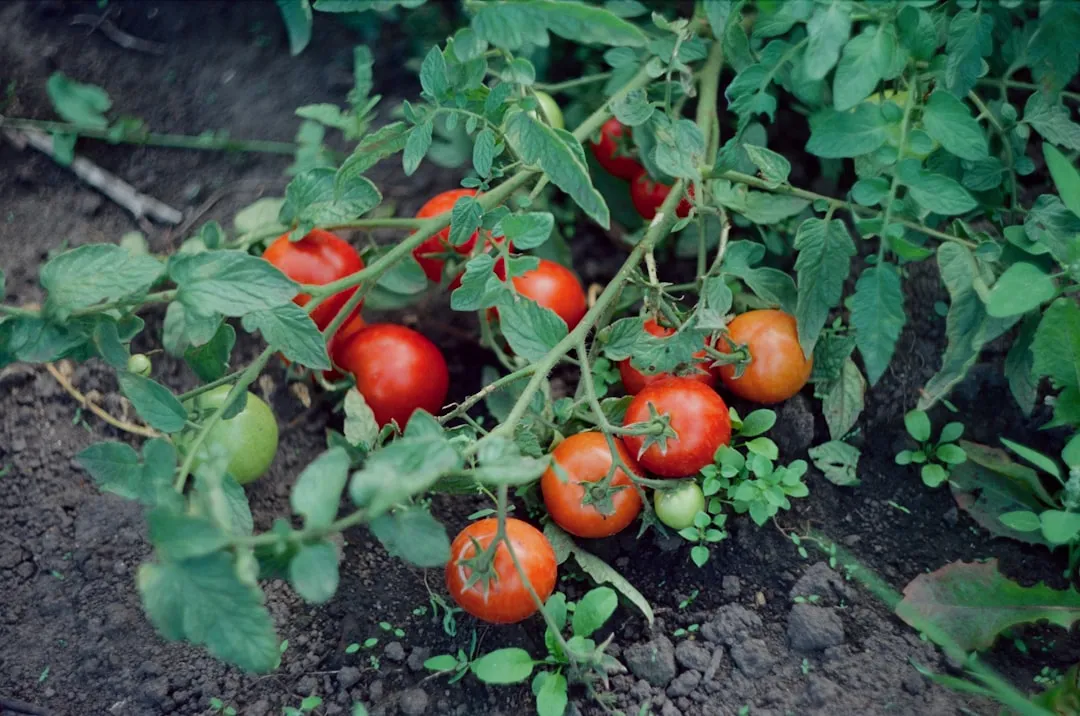
Tomatoes are the most popular homegrown vegetable and found in the vast majority of food gardens. A food garden of just one hundred to two hundred square feet can feed one person year-round. Those two facts together say something important: the barrier to a meaningful, productive vegetable garden layout is genuinely low when the space is designed well.
Three in five gardeners are planning to grow more this year than last. That appetite for expansion, combined with rising food costs and a growing interest in soil health and sustainability, suggests this revival isn’t peaking. It’s still building.
Growing Forward
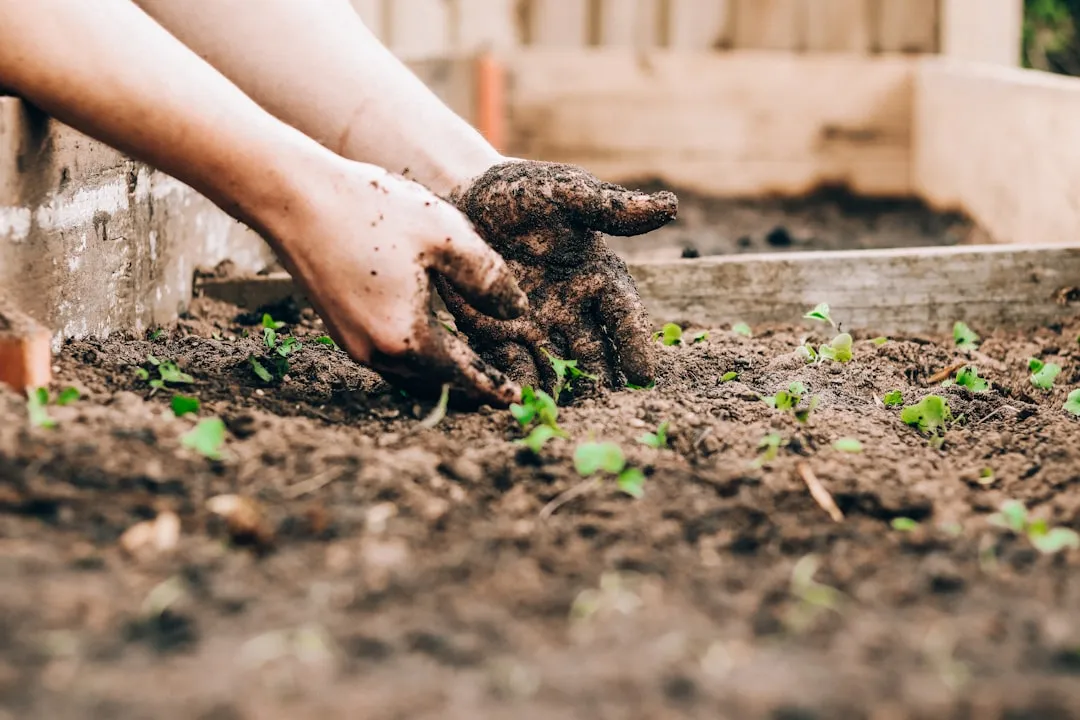
What’s happening with vegetable garden layouts right now is less about fashion and more about function. People are returning to methods that work, whether that’s an ancient Indigenous companion planting system that’s now being studied by agronomists, a grid-based raised bed layout born in the 1970s, or a simple row garden adapted to a modern backyard. The form varies. The underlying logic doesn’t.
Grocery costs, food quality concerns, and a genuine desire to be more connected to how food grows are all pointing people toward the same place: a thoughtfully designed patch of ground with good soil, decent light, and a layout that makes the work feel manageable. That’s a very old idea. It just happens to be having a very good moment.
AI Disclaimer: This article was created with the assistance of AI tools and reviewed by a human editor.