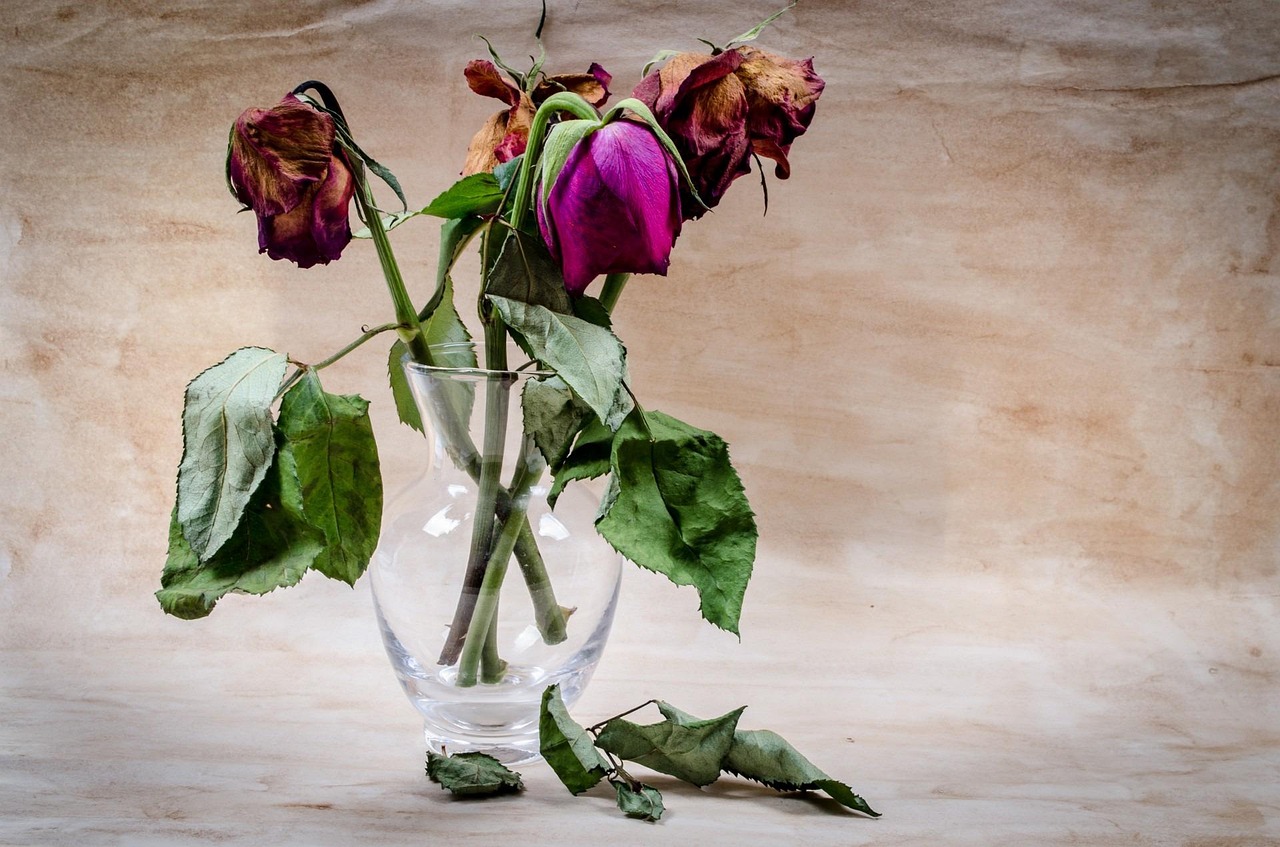

Most people fill a vase with tap water, drop in their flowers, and hope for the best. It’s an entirely natural impulse. What isn’t so obvious is that professional florists are doing something noticeably different to that water before a single stem goes in – and it’s the reason their arrangements look vibrant days longer than the ones sitting on your kitchen counter.
The additive in question is commercial floral preservative. It comes in small packets, powders, or liquid concentrates, and it is one of the most underused tools in everyday flower care. Understanding why it works, and how to use it properly, makes a real difference.
What Floral Preservative Actually Is
Commercial floral preservatives are widely regarded as the gold standard for flower care. Used by florists and event professionals alike, these solutions are specially formulated to meet all of a flower’s post-cut needs, combining hydration, nourishment, and bacterial control in one mix. That combination is the key detail most home buyers miss when they toss out the little packet that comes taped to a bouquet.
These preservatives typically contain three main components: sugar, acidifiers, and biocides. Sugar provides energy to the flower, mimicking the nutrients it would receive from its roots. Acidifiers lower the water’s pH, improving water uptake and preventing stem blockage. Biocides reduce bacterial and fungal growth, keeping the water clear and odor-free.
Why Flowers Struggle the Moment They’re Cut
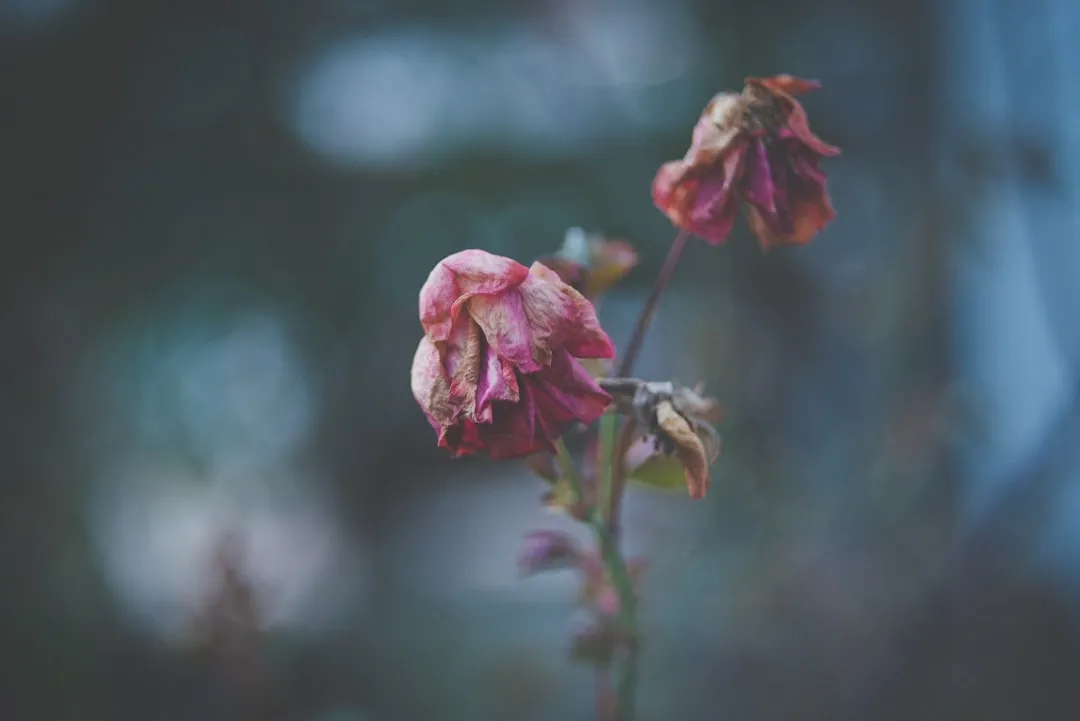
Once flowers are cut, their natural ability to create life-sustaining sugars starts to fade. This means the color, fragrance, and structural strength of the flower drops off fairly quickly. Think of it less like a slow decline and more like a clock starting the moment stems are separated from the plant.
One major issue is the growth and proliferation of harmful microorganisms at the basal stem end, leading to vascular plugging. Due to this blockage, water uptake and retention are significantly reduced. This is the core problem that plain tap water simply cannot address on its own.
The Role of Sugar in the Vase
External sugars can be provided to cut flowers by dissolving a known amount of sugar, along with a biocide, into the vase solution. The optimum concentration of sugar varies significantly depending on the flowers being treated, but most flowers benefit from a continuous supply of around two percent sugar in the vase solution.
Some flowers, such as zinnias and coral bells, actually sustain damage when treated with sugar concentrations higher than one percent. Others, such as chrysanthemums and China asters, do well without any sugar in the keeping solution at all. This is worth knowing before you assume one formula suits every bouquet.
How the Acidifier Changes Everything
The cell sap of flowers is acidic, around a pH of 3.5, so to help a flower take in and transport water more easily, an acidifier is used to make the vase water more acidic. Tap water, which tends to be neutral or mildly alkaline, works against this process without any correction.
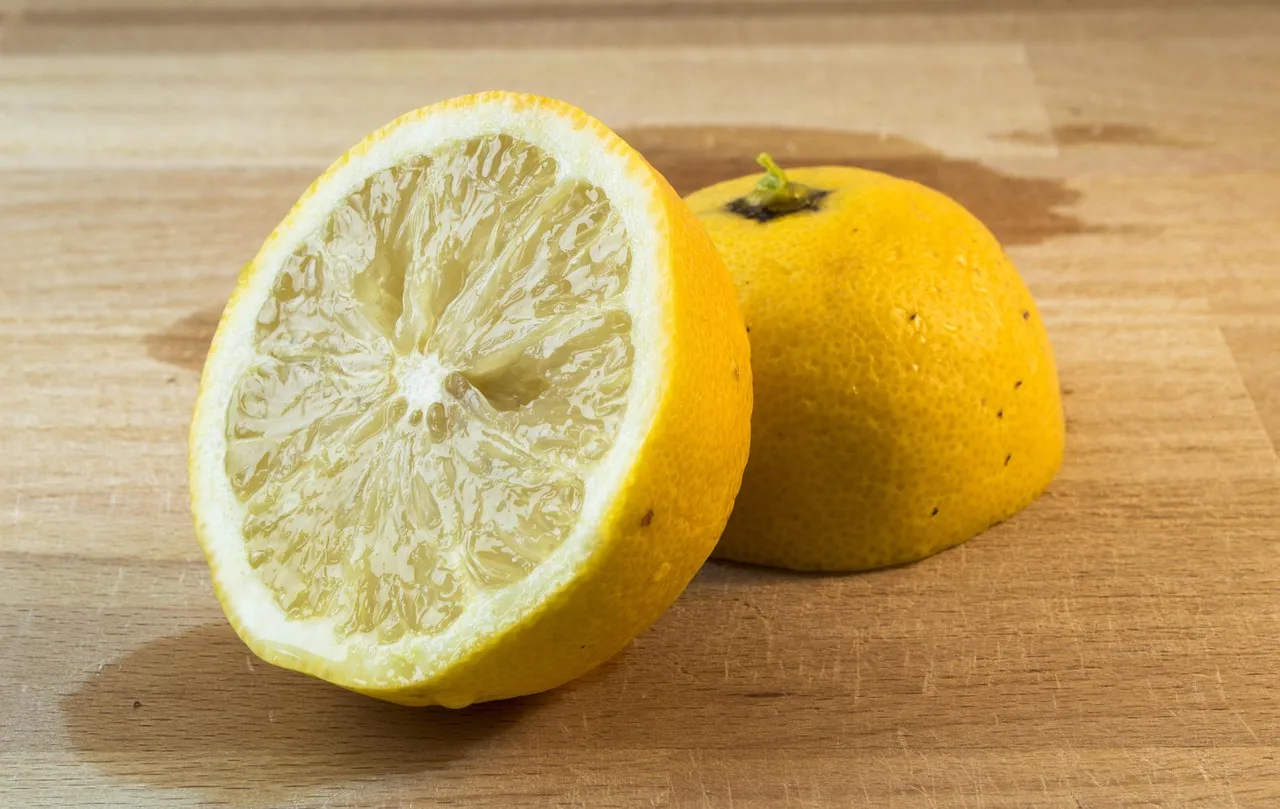
The target pH for optimal water uptake in a floral preservative solution is ideally between 3.0 and 4.5. One of the most common acidifiers used is citric acid, the same compound found in lemons and limes. It is not exotic chemistry – it is a familiar, low-hazard ingredient doing precise work.
Why Bacteria Are the Biggest Threat
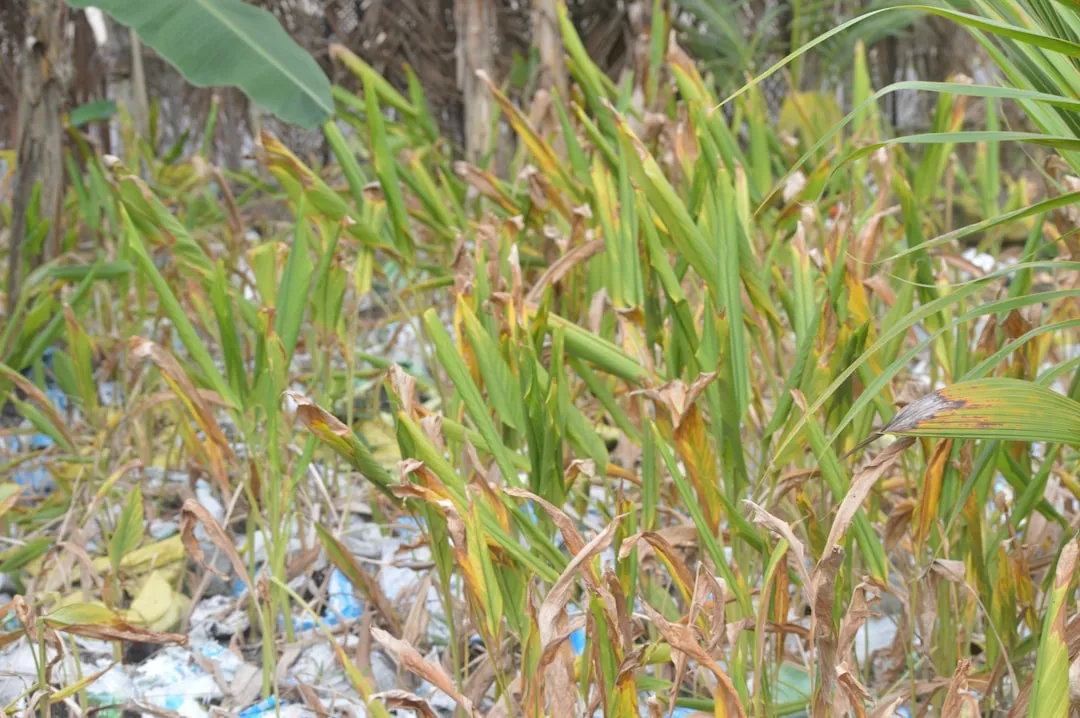
Microorganisms can rapidly colonize the cut ends of flower stems, leading to the blockage of xylem vessels, the disruption of water uptake, and early wilting. Bacterial growth is the primary reason for xylem vessel blockage, which reduces the hydraulic conductivity of water, produces ethylene endogenously and toxic secondary metabolites, and fosters cell wall degradation.
One of the biggest dangers for cut flowers is bacteria or fungi attacking the open wound at the bottom of their stem. This leads to the stem being blocked up and unable to take in water and sugar from the vase. For this reason, floral preservatives include an antibacterial agent or biocide to kill off any microbes. This is usually chlorine or bromide, though the quantities are not high enough to make the water dangerous to people, pets, or the flower itself.
What the Research Actually Shows
John M. Dole and a research team from North Carolina State University undertook a multiyear study designed to identify patterns of postharvest responses to commercial hydrator and holding floral preservatives among 121 cultivars from 47 genera. The team pretreated stems with either a commercial hydrating solution or deionized water, then placed them in either a commercial holding solution or deionized water. The results of the comprehensive eight-year study premiered in HortTechnology.
The researchers concluded that for the majority of cultivars in the study, either all treatments produced a similar vase life or treatment with a holding preservative produced the longest vase life. They cautioned, however, that a universal recommendation for use of a holding preservative cannot be made as it reduced the vase life of 14 cultivars. So preservatives work for most flowers, but not unconditionally for all of them.
How Much of a Difference Does It Make?
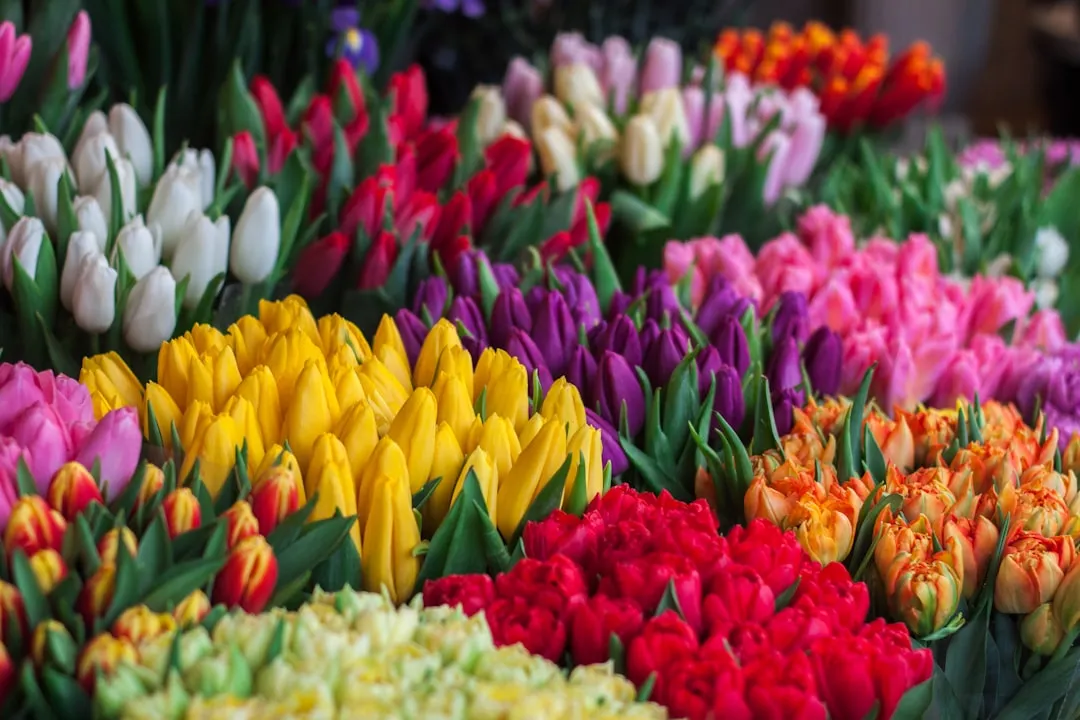
A high-quality flower preservative for cut flowers typically extends vase life by between fifty and one hundred percent by combining biocides, acidifiers, and energy sources like sucrose. That is, in practical terms, the difference between flowers lasting five days and flowers lasting nine or ten.
Research on carnations showed that while treatment with all tested essential oils prolonged the longevity of cut flowers, thyme and marjoram oils were most effective. The vase life of thyme-treated and marjoram-treated carnations almost doubled, reaching 18.5 days and 18.25 days respectively, compared to untreated flowers. That particular study focused on natural alternatives, but it illustrates just how dramatically the right additive can shift the outcome.
Professional-Grade Products vs. Consumer Packets
Professional hydrators consist of a germicide, a wetting agent, and an acidifier to help stems take up water quickly. Holding solutions, which are low-sugar preservatives, are designed for use by the grower or wholesaler until the flowers are sold. Most home buyers only encounter the consumer-facing version, which is a simpler, all-in-one formula.
The two most widely known professional holding solutions are Chrysal Professional 2 Processing Solution and Floralife Professional. Consumer products like Chrysal Clear are designed for the final stage, meaning the vase in your home. Each stage of the flower’s journey ideally has its own targeted formula, though most home users only need concern themselves with the last one.
The Emerging Science of Natural Preservatives
Cut flower industries are increasingly seeking low-cost, eco-friendly, and safer alternatives to synthetic preservatives. In this context, natural preservatives including plant extracts and essential oils offer a promising and sustainable alternative in the vase. This is not fringe thinking – it is an active area of peer-reviewed research.
Research on Alstroemeria cut flowers found that melatonin at 100 and 200 micromoles and putrescine at 1.5 millimoles significantly extended the flower vase life from 12 to 13 days in the control group to 20 to 21 days. These findings, published on PubMed Central, suggest that the next generation of flower preservatives may draw more heavily on plant-based chemistry.
How to Actually Use It at Home

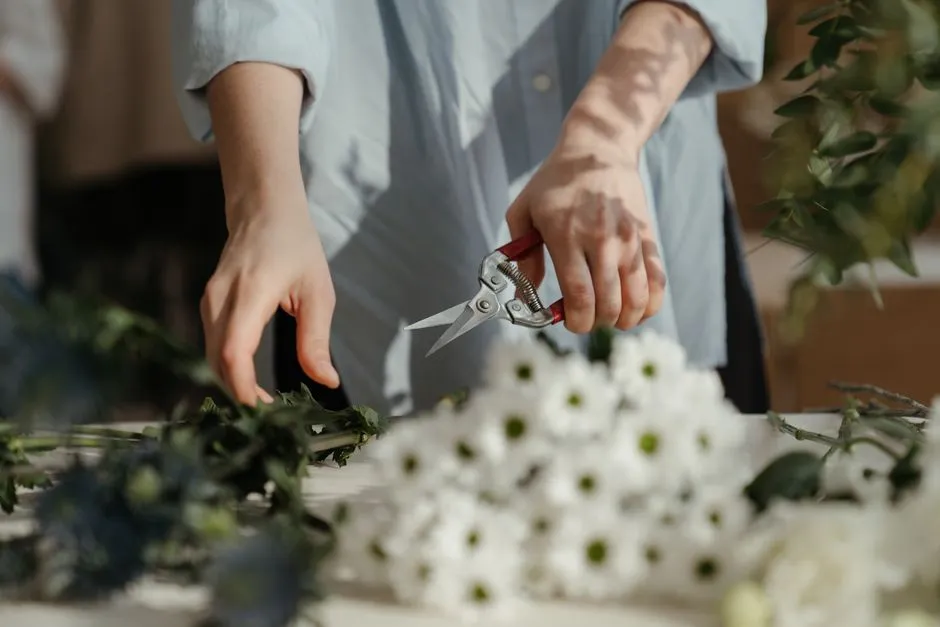
Florists trim stems on a diagonal to increase surface area for water uptake and prevent the stem end from sitting flat on the vase bottom. Any foliage below the waterline can rot and breed bacteria, so florists strip these away. They use only sanitized containers filled with fresh water, and always dissolve floral food into the vase solution. Skipping any one of these steps quietly undermines the others.
For the best effect, mix your floral preservative in warm water at around 100 degrees Fahrenheit. Without interfering minerals or additives, water allows florists or home users to precisely control what goes into the vase – ideal for mixing with floral preservatives, sugar, vinegar, or other additives. The full routine takes about two minutes and extends the life of your flowers by days.
The Takeaway
The little packet tucked into a grocery store bouquet is not filler or marketing – it is a concentrated summary of decades of postharvest science. Florists use it as a matter of routine because it addresses the three things that kill cut flowers fastest: nutrient loss, poor water uptake, and bacterial growth.
Skipping it is a surprisingly common habit, and one that is easy to break. The next time you bring flowers home, dissolve the preservative packet into warm water before the stems go in, trim at an angle, and strip the lower leaves. That small shift, informed by real research and professional practice, is often all that separates a vase that lasts a week from one that lasts two.
AI Disclaimer: This article was created with the assistance of AI tools and reviewed by a human editor.