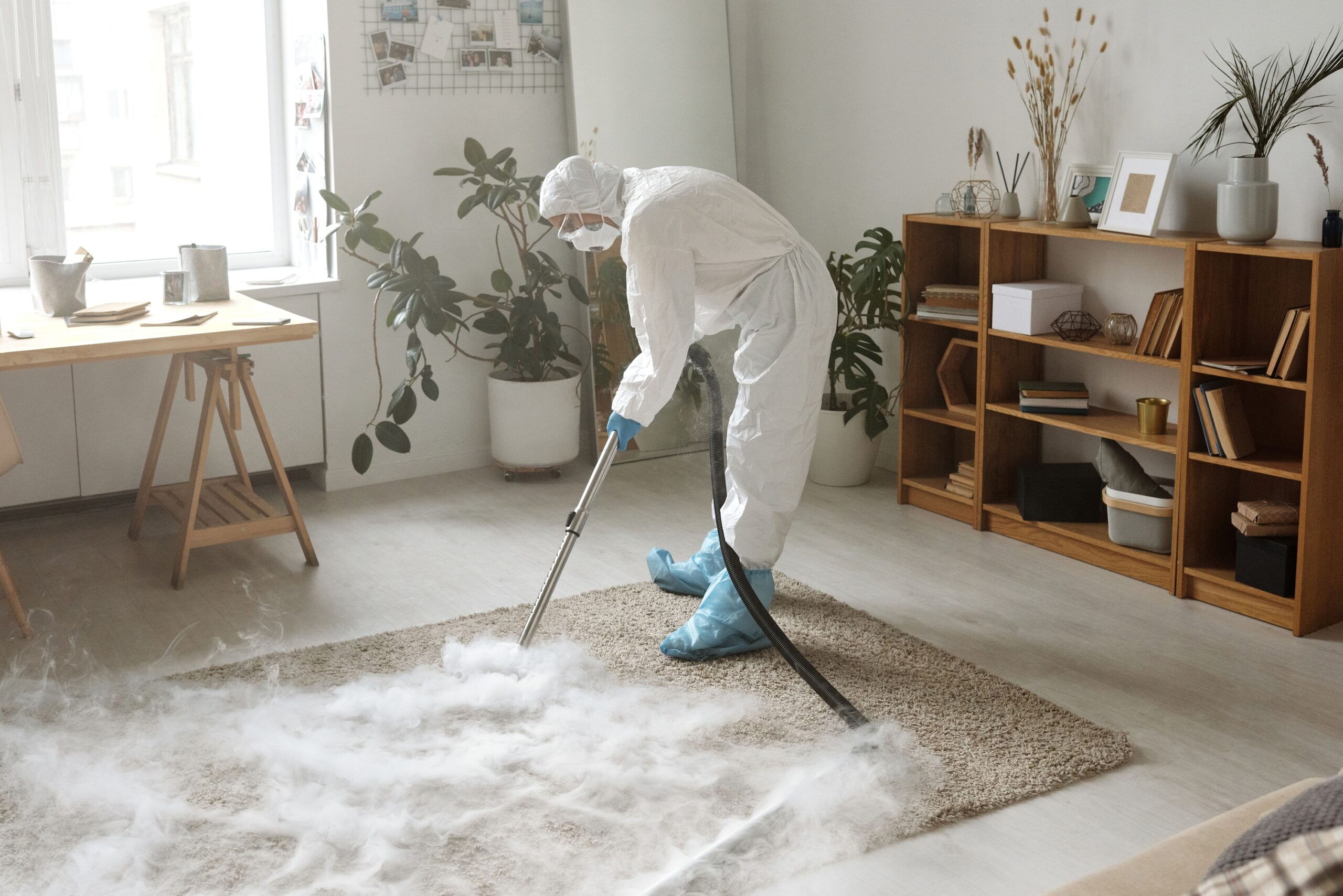

Most people vacuum with the best of intentions. You pull the machine out, push it back and forth across the floor, and assume the dust is gone. The room looks cleaner. The air feels fresher. Except that, according to a growing body of research, a surprising amount of that dust never got removed. It got launched.
The problem isn’t vacuuming itself. It’s how most people do it, and what their machines are quietly doing behind the scenes. Several specific habits, from moving too fast to ignoring the bag, are actively working against you every time you clean.
Moving Too Quickly Across the Floor
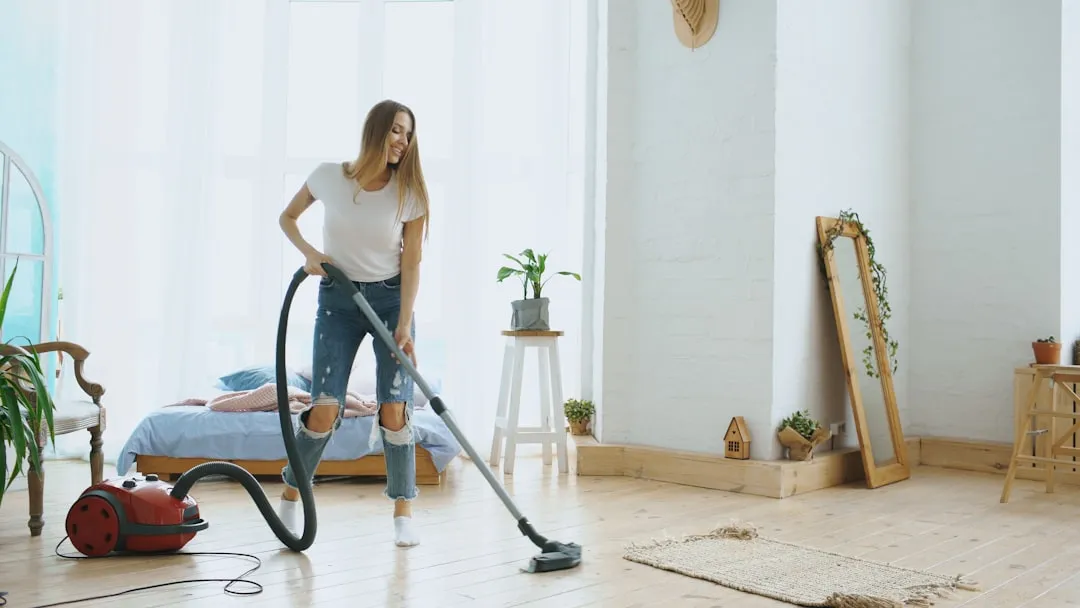
Speed is probably the most widespread vacuuming mistake people make, and it causes real problems. Vacuuming too fast doesn’t give the machine enough time to lift dirt from carpet fibers. When you push the head across quickly, the suction barely has a chance to engage with the surface before you’re already gone.
Rushing through vacuuming is the most common mistake people make, especially on carpets, because the machine doesn’t get a chance to pull up the dirt. Instead of being captured, loosened particles get stirred up into the air around the vacuum head and eventually settle right back onto surrounding surfaces.
The American Lung Association advises vacuuming slowly, moving forward and backward, then vacuuming the carpet again at a right angle for better coverage. That crosshatch approach takes more time but captures considerably more of what’s actually there.
Using a Vacuum Without a Sealed HEPA Filter
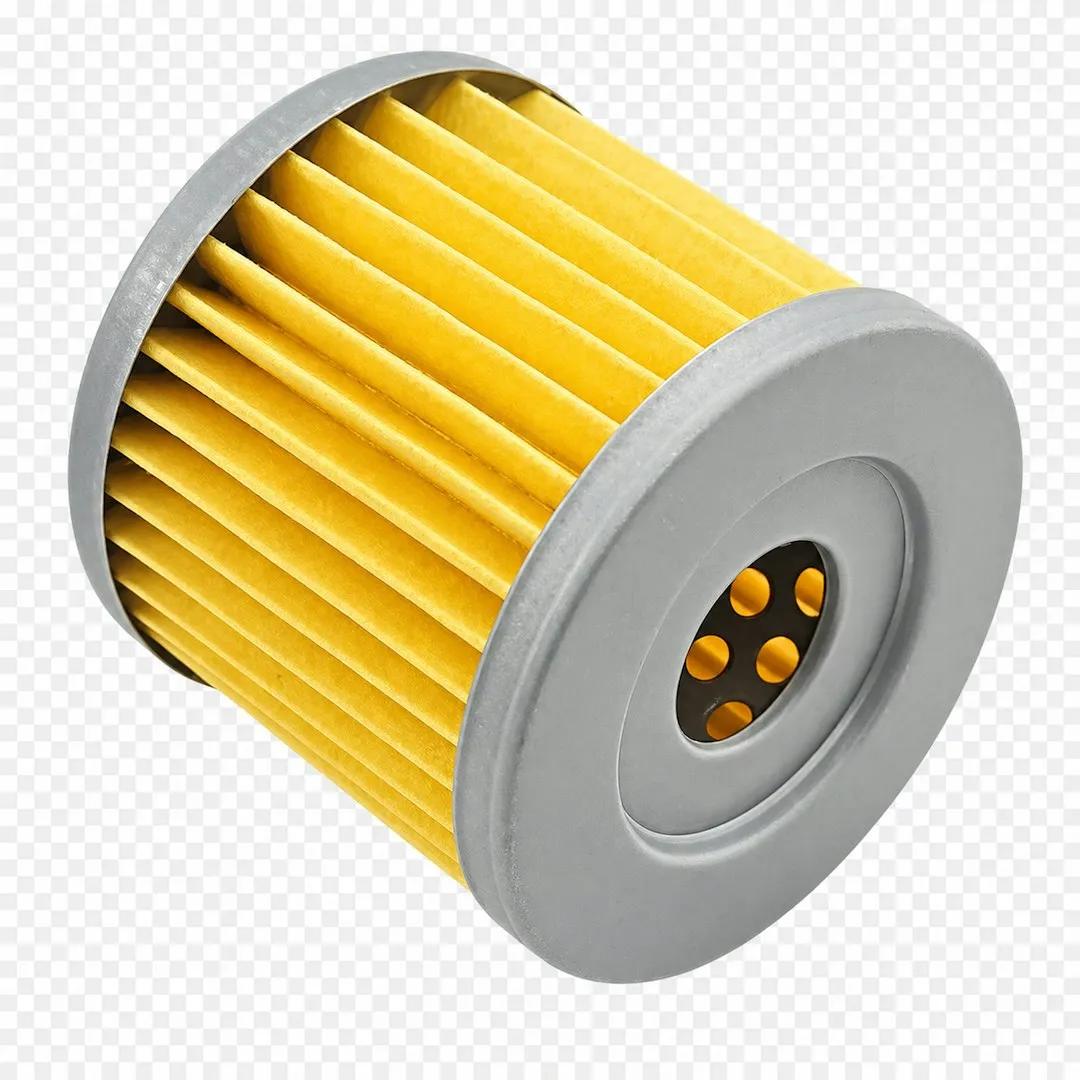
Vacuum cleaners can release large concentrations of particles both through their exhaust air and from resuspension of settled dust, and there is evidence this may contribute to allergic responses and infection transmission indoors. This is where filter quality becomes critical.
If your vacuum doesn’t have a HEPA filter on the exhaust, dust is basically picked up from the floor and blown into the air you breathe. The issue isn’t just filtration efficiency. It’s whether the filter housing is genuinely sealed around the edges.
A HEPA-rated filter in a vacuum that is not properly sealed to prevent particles from escaping could do more harm than good by spreading contaminants through the house. The EPA explains that HEPA filters, when meeting standard specifications, can remove at least 99.97% of dust, pollen, mold, bacteria, and other airborne particles at 0.3 microns. That rating only applies when the system is actually sealed.
Ignoring the Dust Bag or Bin Until It’s Full
Some particles escape through leaks, worn filters, overfilled bags, or low-quality exhaust filtration. An overfilled bag creates internal pressure that pushes fine particles back through the filtration system and out through the exhaust. Most people wait far too long before changing or emptying them.
Vacuum cleaner dust bags can trap and hold live bacteria for up to two months. That means a bag that hasn’t been changed recently isn’t just less efficient. It’s potentially recirculating microbial material every time the machine runs.
The bag acts as a reservoir for microorganisms that can grow, reproduce, and become bio-aerosolized if they penetrate the cleaner’s filtration system, potentially spreading into the breathing zone. Emptying or replacing the bag regularly is a simple fix with meaningful results.
Vacuuming Before Dusting Surfaces
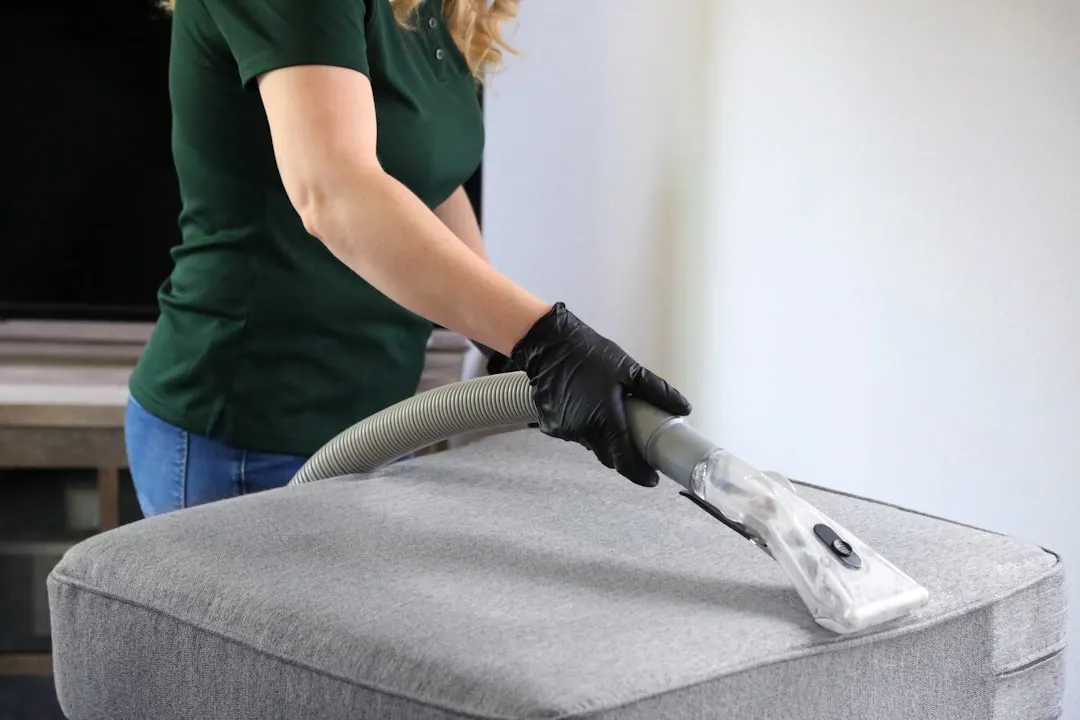
Most cleaning routines go in the wrong order. People vacuum the floor and then wipe surfaces, which sends fresh dust particles drifting downward onto the floor that was just cleaned. The cleaner pass is essentially undone within minutes.
Dusting first, then vacuuming is the correct sequence: dusting moves particles from surfaces into the air and onto floors, so vacuuming afterward helps capture the particles that settle. Reversing the order traps you in a loop where neither task fully works.
Dust settles on floors, carpets, rugs, upholstery, and soft surfaces, and when a vacuum agitates those materials, some dust becomes airborne before it can be captured, including pollen, dust mite particles, pet dander, soil, and fibers. If that material has just drifted down from a freshly dusted shelf, you’re starting with more than you can reasonably collect.
The Motor Itself Generates Ultrafine Particles
Here’s one that surprises most people. The act of running a vacuum cleaner can actually create new airborne particles, separate from anything it picks up off the floor. Many vacuums not only redistribute ultrafine particles that have settled onto surfaces, but generate substantial levels of additional ultrafine particles on their own as a result of using motors with carbon brushes.
Past studies have shown that vacuum motors generate ultrafine particles containing copper and carbon, and carbon ultrafine particles can be toxic and irritate allergies. These are particles you weren’t exposed to before you switched the machine on.
Ultrafine particle emission rates from vacuums measured in published research ranged across an enormous spectrum, spanning several orders of magnitude between tested units. The variation between machines of different designs and ages was striking, which means the model you own matters as much as how you use it.
Vacuuming Disturbs Virus-Laden Dust on Hard Floors and Carpets
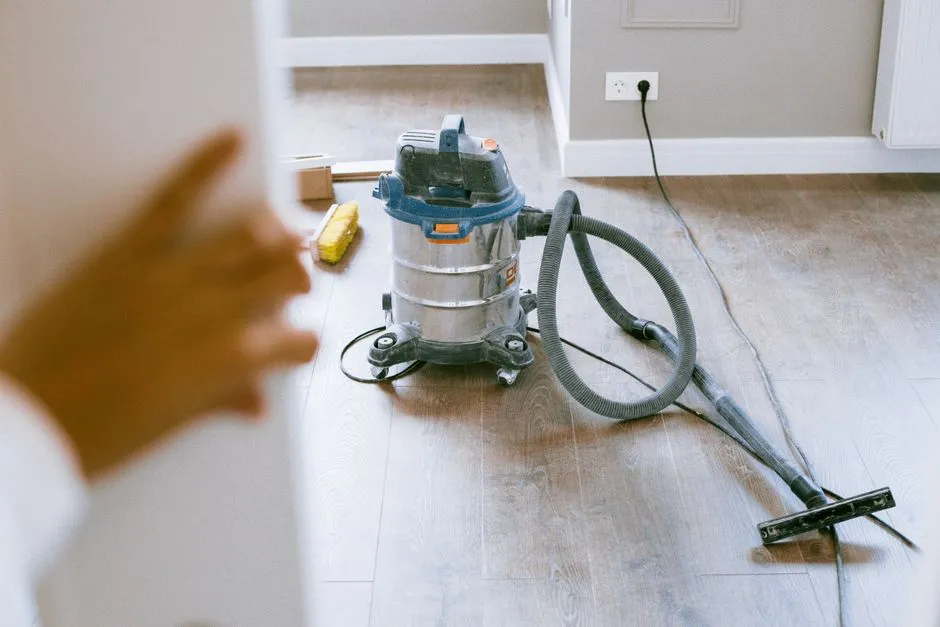
Research from late 2024 brought an uncomfortable finding to light. Scientists at the University of Arizona found that vacuuming doesn’t just move regular dust. It can scatter virus-carrying particles significantly across a room. When flooring was seeded with virus-laden dust and then vacuumed, statistically significant differences were found in dispersal across both carpet and wood surfaces.
A quantitative microbial risk assessment using Norovirus and a single fomite touch scenario indicated that infection risks were one to five orders of magnitude greater for dust exposure following vacuuming. Those are not marginal differences.
Researchers who extracted genetic material from vacuumed building dust found that every single one of the 27 samples they tested contained at least one virus, and roughly four out of five contained at least one strain of rhinovirus. The dust in vacuumed buildings isn’t sterile. Not even close.
Emptying a Bagless Bin Releases a Dust Cloud

Bagless vacuums became popular because they’re convenient and you can see when they need emptying. The problem comes at the moment you actually empty them. Bagless vacuums commonly release dust clouds when emptied. Everything the machine collected, including fine particles and biological material, gets redistributed into the air of whatever room you’re standing in.
The obvious fix is to empty bagless bins outdoors, or at minimum over a trash bag in a well-ventilated space. Doing it quickly over an indoor bin is exactly the kind of habit that undoes a full cleaning session. The dust lands on nearby surfaces and eventually migrates back to the floor.
Vacuum cleaners can also be a problematic source of bacteria emissions, and the dust retained inside bags and bins can harbor live bacteria for extended periods. Emptying responsibly isn’t just about tidiness. It’s about not reintroducing what you already cleaned up.
Vacuuming Damp or Moldy Materials
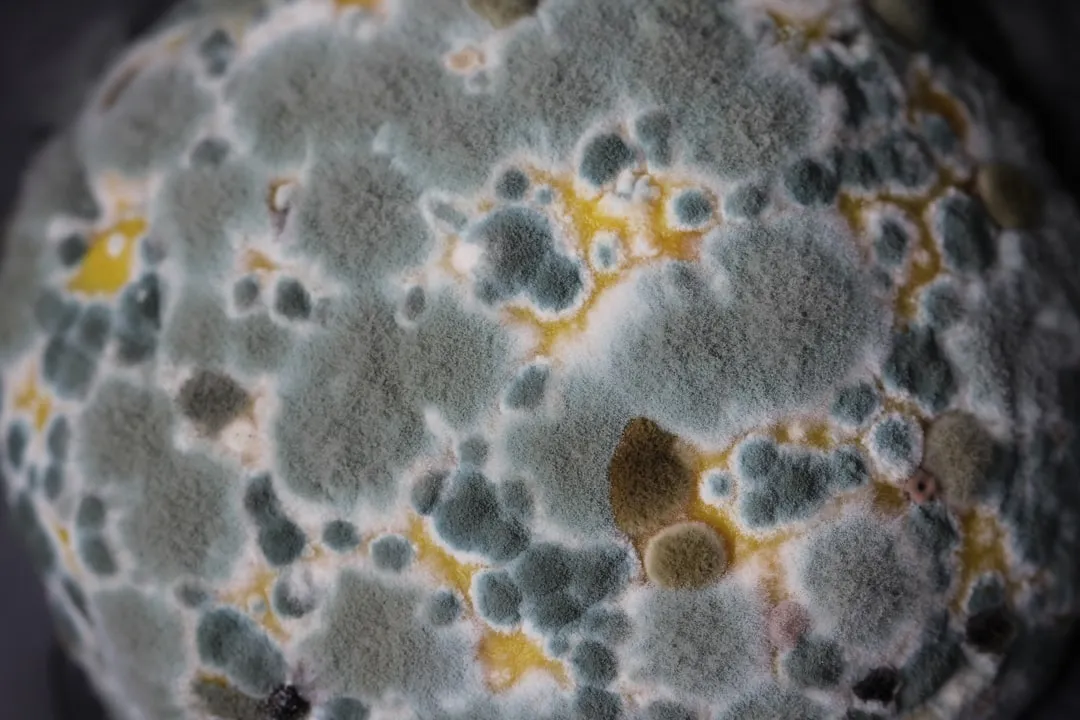
This one tends to happen accidentally. A slightly damp rug, a basement carpet that absorbed humidity, or a corner with visible mold growth. People vacuum these areas thinking they’re cleaning them. They’re not. Vacuuming damp or moldy materials with a standard household vacuum can disturb and spread mold spores.
Fine particulate matter can affect breathing comfort and health, especially for people with asthma, allergies, chronic respiratory conditions, or high sensitivity to dust. Mold spores aerosolized by a vacuum head travel through the exhaust and through any gap in the filtration system, landing on surfaces throughout the room.
The correct approach is to address the moisture source first, allow the area to fully dry, and follow proper mold remediation steps before bringing any vacuum near it. A damp environment and a vacuum motor are a combination worth avoiding.
Not Ventilating During or After Vacuuming
Vacuuming may temporarily increase both coarse particles and fine particulate matter depending on the flooring, dust load, vacuum design, filtration, and cleaning speed. That temporary spike in airborne particles needs somewhere to go. Without ventilation, it simply circulates and resettles.
Opening windows or using exhaust fans to ensure proper air circulation during and after vacuuming is a straightforward and effective measure. Even a few minutes of fresh air circulation after cleaning can dramatically reduce how much fine dust remains suspended in the room.
People with respiratory sensitivities face the greatest risk during this window. The EPA recommends that people with asthma or allergies leave the area being vacuumed to avoid breathing dust stirred up during cleaning. Opening a window and stepping out for fifteen minutes after finishing is one of the simplest protective steps available.
Neglecting Filter and Maintenance Schedules
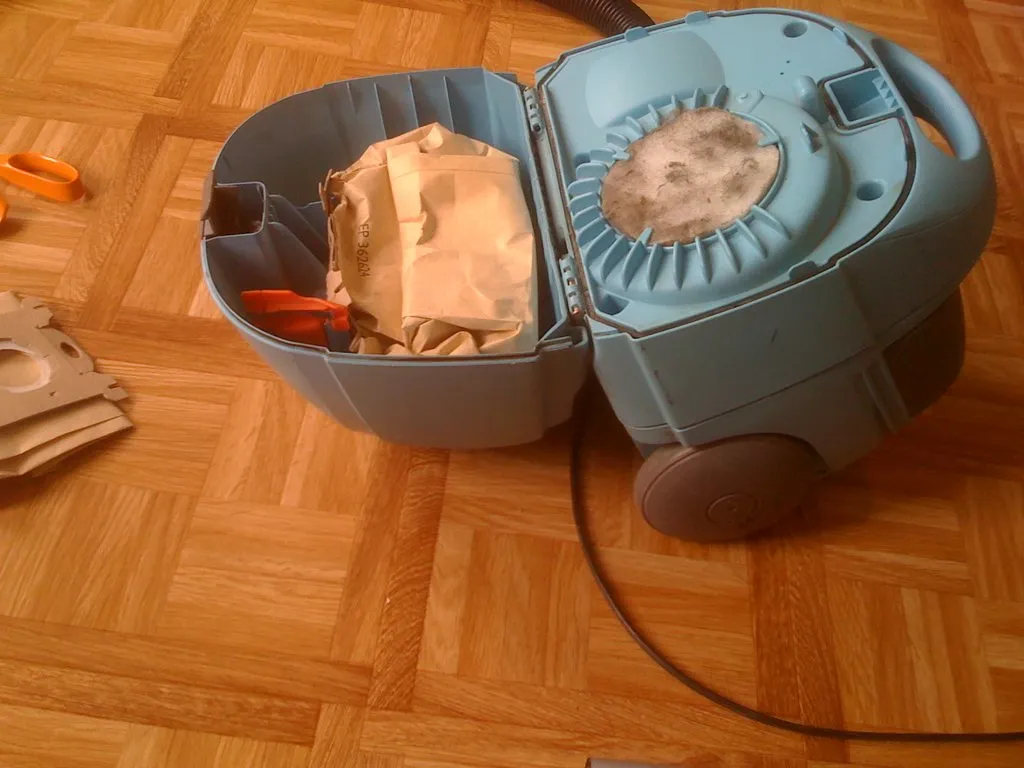
Following the manufacturer’s instructions for cleaning or replacing filters is essential for maintaining optimal performance, because over time filters become clogged with dirt and debris, reducing their efficiency. A clogged filter doesn’t just capture less. It increases internal pressure, which forces more particles out through gaps in the housing.
Research on vacuuming, filtration, particulate matter, and asthma points to the same practical message: vacuum design, maintenance, and technique all affect how much dust becomes airborne during cleaning. It’s rarely just one factor working in isolation.
Studies testing cordless vacuum cleaner models under different conditions found that filter cartridge sealing, motor design, and dust load can all affect particulate matter emissions. Keeping up with filter replacements, checking seals, and following the maintenance schedule your vacuum came with are not optional extras. They’re the difference between cleaning and redistributing.
The Takeaway
Vacuuming is still worth doing. Vacuuming is a form of source control because it removes settled dust before it becomes airborne again, and the goal is not to stop vacuuming but to vacuum in a way that captures more dust and allergens than it redistributes. That framing matters.
The habits covered here aren’t obscure edge cases. Moving too fast, skipping filter maintenance, emptying bins indoors, and vacuuming without adequate ventilation are things most households do routinely. Each one chips away at how effective the whole process is.
The good news is that none of these fixes are expensive or complicated. Slow down, maintain the filter, dust before you vacuum, open a window, and empty the bin somewhere sensible. Those small adjustments turn a routine that was partially scattering dust into one that actually removes it.
AI Disclaimer: This article was created with the assistance of AI tools and reviewed by a human editor.