
Why Summer Is Peak Season for This Scam
Utility scams happen any time of year, but they typically spike during extreme cold or heat events, when people are far more likely to fear losing their air conditioning or heating. A threat to cut your power during a heat wave carries real weight, especially for households with elderly members or young children. That psychological pressure is the entire engine of this scheme.
The “pay in 45 minutes or we cut your power” threat is a scam that spikes specifically during heat waves. Scammers time their outreach precisely because the fear of losing climate control on the hottest day of the year is enough to make almost anyone act before thinking.
The Scale of the Problem Is Bigger Than Most People Realize
FTC data show that consumers reported losing more than $12.5 billion to fraud in 2024, which represents a 25% increase over the prior year. The numbers climbed further in 2025. The FTC received more than one million reports about imposter scams that year, with reported losses increasing by nearly 20% to $3.5 billion.
Reported fraud losses remain just a fraction of actual losses, since not every consumer who lost money to scams reported it to the FTC or to one of the FTC’s numerous data sources. For utility scams specifically, the Better Business Bureau reported that the median loss to customers who fell victim to utility scams in 2024 was $435. That figure adds up fast across millions of households.
How the Phone Call Version Works

Utility company impostors typically contact customers with a phone call, text, or knock on the door, claiming to be a representative from the local water, electric, or gas company. In the most common scenario, they claim your payment is overdue and the utility will shut off within the hour if you don’t pay immediately.
Many of these messages pressure their intended victims to make quick decisions by referencing bogus “work orders” or “past-due balances,” then direct customers to fake websites or phone numbers. The speed of the demand is deliberate. The less time you have to verify, the more likely you are to comply without questioning anything.
The Door-to-Door Version Is Especially Dangerous

Scammers may wear uniforms, carry fake badges, or even drive vehicles with convincing logos. Their goal is simple: gain your trust and access to your home. Once inside, they may steal valuables, gather personal information, or scope out your property for a future break-in.
These criminals often work in pairs so that one can keep you distracted while the other looks for valuables. For example, they may ask to see your bill and then talk to you about ways to lower it. While one person walks you through your paperwork, the other is upstairs. In one version of the scam documented by FirstEnergy Corp. of Ohio, two criminals posed as tree trimmers working for the utility. One walked the property with the homeowner examining trees, while the other looted the home.
Fake Websites and Search Engine Traps
Scammers have created websites that appear to be a legitimate utility provider’s and surface in Google searches as bait. When a customer clicks onto the site, scammers pose as employees and claim payment is past due, frightening the target into turning over personal information or making payment.
State attorneys general have publicly urged residents to be cautious when contacting their utility providers, warning that utility-related scams are on the rise. Scammers use different tactics to obtain personal information, and posing as a utility provider can allow them access to a lot of it very quickly. Simply searching for your utility company’s phone number and clicking the first result could be enough to land you in trouble.
The Payment Methods That Always Signal a Scam
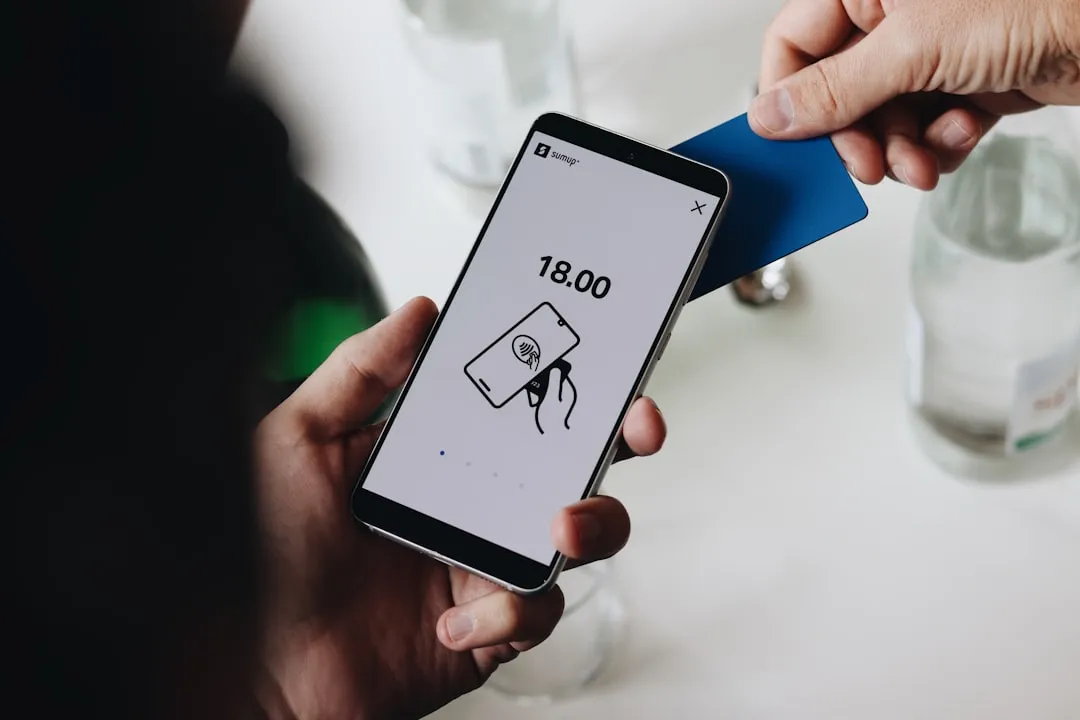
Scammers will often demand payment via Bitcoin, Zelle, or Green Dot, none of which are acceptable payment methods for most legitimate utility companies. Prepaid gift cards are another dead giveaway. The top red flag of a utility imposter scam is a request for payment in prepaid debit, gift cards, money transfer, payment apps, or cryptocurrency.
In 2024, consumers reported losing more money to scams where they paid with bank transfers or cryptocurrency than all other payment methods combined, according to FTC data. Real utility companies have established, verifiable billing systems. If someone is insisting on a payment method that can’t be reversed or traced, that’s not a billing department calling.
Who Gets Targeted Most Often

Older adults and non-English-speaking customers may be the biggest targets of these scams, but millennials and Gen X customers have also been victims, according to Utilities United Against Scams. No demographic is completely immune. The combination of urgency and authority is effective across age groups.
While older adults often lose higher dollar amounts per scam, younger, college-educated, and more affluent consumers are also being targeted and victimized. Scammers adjust their pitch based on context. The version aimed at a retired homeowner might differ from the one aimed at someone who just bought a house, but the pressure tactics remain essentially the same.
The Meter Replacement Trick That Costs Homeowners Hundreds
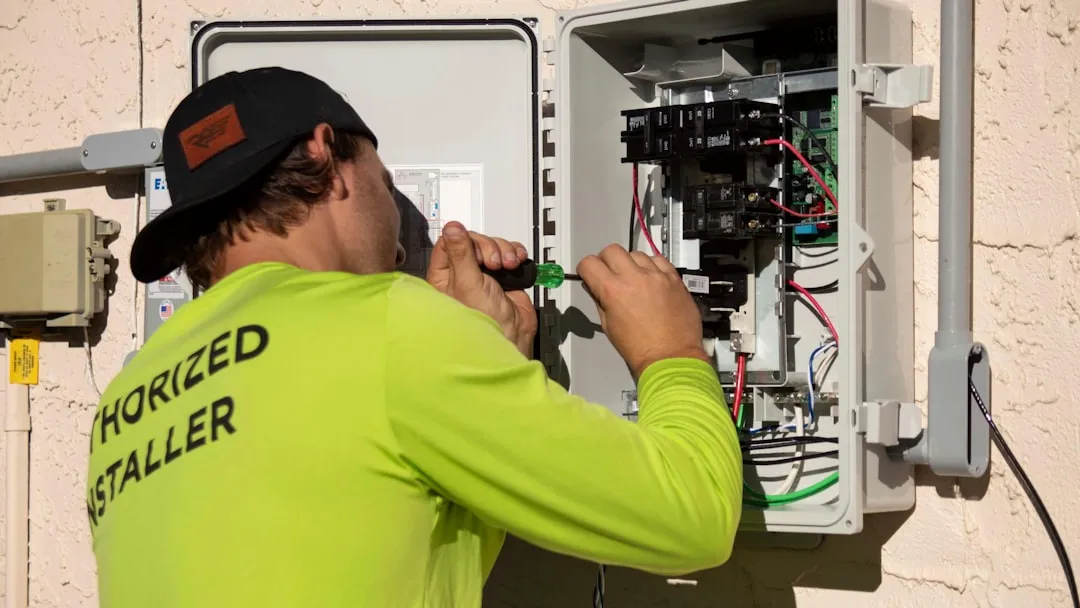
A “representative” may appear at your door in a plausible work uniform claiming that the electric meter is not working properly and must be immediately replaced, at the homeowner’s expense. This is a complete fiction. Utility meters are owned and maintained by the utility company, not the homeowner.
Contractors offering “free electrical inspections” after storms, then claiming your entire panel needs immediate replacement for thousands of dollars, represent one of the most insidious versions of this type of scam. The fear of a house fire or sudden power loss is enough to push many homeowners into agreeing before getting a second opinion. Always get that second opinion.
How to Verify Whether Someone Is Legitimate
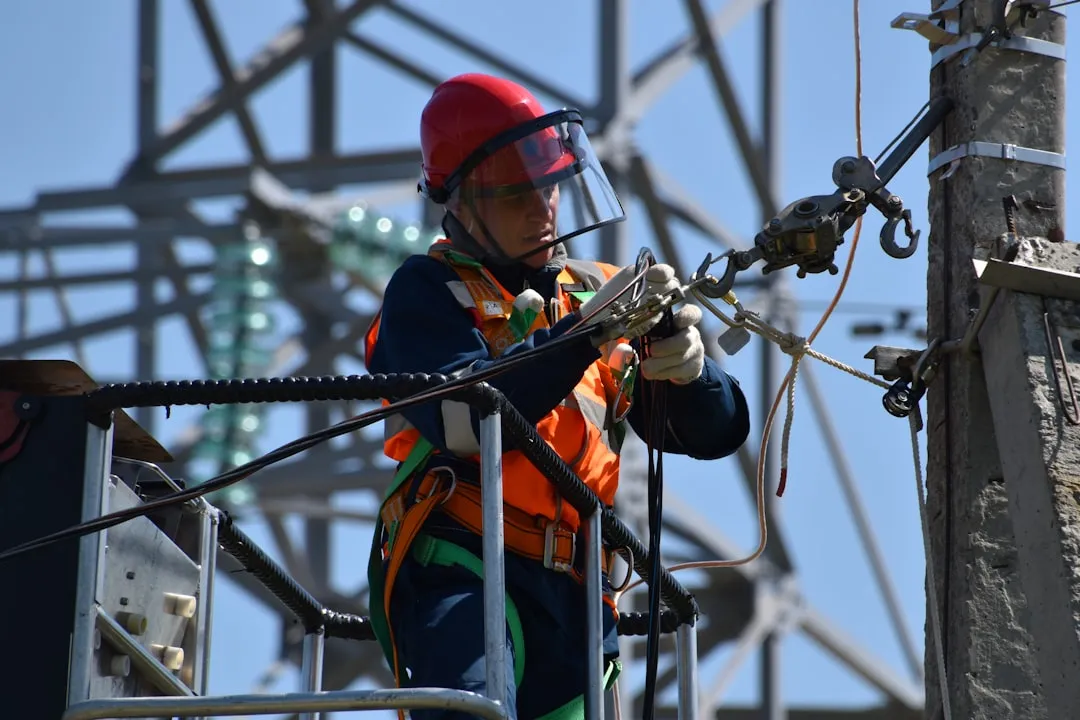
Your real utility company will not send someone to your home without alerting you beforehand. Genuine utility workers carry identification and will show it without hesitation. Always verify their credentials before letting anyone into your home.
Real field workers carry company identification, will show it without being asked twice, and have no reason to examine your paperwork. If you have any doubt, close the door and call the utility’s published number to ask whether anyone was dispatched to your address. A legitimate employee will wait. That last point is worth remembering: the pause you create to verify doesn’t cost a real worker anything.
What to Do If You Think You’ve Been Targeted

If you suspect a scam, contact your local utility company, the Federal Trade Commission, or the Better Business Bureau to log the incident. If the scammer visited your home or used threatening language, notify your local police department as well.
Familiarize yourself with your utility company’s payment methods and procedures in advance. Most utilities will never request payment via prepaid gift cards or cryptocurrency. Knowing that ahead of time removes the one tool scammers rely on most: your uncertainty in the moment. If you’ve already sent money, contact your bank immediately and report to the FTC at ReportFraud.ftc.gov.
The Bigger Picture Worth Keeping in Mind
Reported fraud losses have risen every year for six consecutive years and are now nearly 430% higher than in 2020. The utility scam is one thread in a much larger pattern. Utility scams are on the rise, targeting unsuspecting homeowners and businesses with alarming speed, as scammers get smarter and use increasingly deceptive tactics to impersonate utility companies.
For years, scammers have posed as utility workers and attempted to steal financial information or obtain immediate payment from customers by threatening service interruptions. The script hasn’t changed much because it keeps working. Awareness is genuinely the most practical defense here, not because it eliminates risk, but because it buys you the few seconds of pause that a scammer cannot afford to give you.
Stay Calm, Stay Skeptical

AI Disclaimer: This article was created with the assistance of AI tools and reviewed by a human editor.