
Every month, households across the country send money to their utility providers and never give the transaction a second thought. That bill gets paid, the lights stay on, and life moves forward. What most people don’t realize is that, in many cases, some of that money should be coming back.
From overcharging scandals and uncollected deposits to climate-related bill credits sitting dormant in closed accounts, the scale of unclaimed utility money is genuinely striking. Understanding where it comes from and how to get it back takes a little effort, but the payoff can be real.
Closed Accounts Are Holding Billions in Credit
In the UK alone, almost two million households are owed a share of roughly £240 million sitting in closed energy accounts. Energy regulator Ofgem and trade association Energy UK have both urged consumers to reclaim these forgotten funds. Consumers who have moved home in the last five years may have money left in their accounts, but that money cannot be refunded because their contact details haven’t been updated.
More than ninety percent of closed account balances are returned automatically, yet data still shows that nearly 1.9 million closed accounts remain in credit. The gap between what’s owed and what’s collected is a recurring, systemic problem – not a rare glitch.
NV Energy Overcharged More Than 100,000 Customers for Decades
More than 108,000 NV Energy customers who were overcharged by the utility over roughly two decades are set to receive reimbursements, after state energy regulators unanimously voted to accept a nearly $63 million settlement offer. The case is one of the largest utility overcharging settlements in recent US history.
NV Energy had misclassified many multi-family residences and charged them the higher single-family rate, going as far back as 2002. The Public Utilities Commission of Nevada found that the misclassifications resulted from a combination of inadequate training, lack of quality control, and professional ineptitude. Under the draft order, all $63 million or more in refunds must be issued by late September 2026.
Deposits Collected and Never Returned
Utility deposits ranging from $100 to $500 are typically required when customers open new electric, gas, or water accounts, and many utility companies quietly fail to return them after customers establish a solid payment history. Millions of dollars in utility deposits go unclaimed each year because customers simply don’t know their rights or when refunds are due.
Most states require utilities to refund deposits when customers meet certain conditions, and after twelve to twenty-four months of on-time payments, that money should come back with interest in many states. The most common reason people don’t get their deposits back is simply not asking. That’s a quietly staggering fact worth sitting with.
Energy Service Companies Were Holding Refunds Indefinitely

Energy Service Companies, commonly known as ESCOs, were permitted under existing law to retain unclaimed customer deposits or refunds rather than remitting those funds to the Abandoned Property Fund. Before new legislation was passed, there was little incentive for ESCOs that no longer operated in New York to continue reaching out to customers to return unclaimed funds.
In May 2025, Governor Hochul signed legislation to allow ESCO customers to more easily claim owed funds and prevent ESCOs from holding onto such money indefinitely. Under the new law, ESCOs are required to attempt to contact the customer about their unclaimed funds, and if those efforts fail, they must relinquish the funds to the State Comptroller. New Yorkers can then find unclaimed funds owed to them through the Office of Unclaimed Funds on the New York State Comptroller’s website.
New York Recovered Nearly $13 Million in Utility Refunds in 2024 Alone

New York’s Department of Public Service fielded more than 42,000 consumer complaint calls, handled approximately 20,000 consumer inquiries and complaints, and returned nearly $13 million in utility consumer refunds in 2024, an increase of 75 percent from 2023. That jump in a single year signals both how many errors go undetected and how much change is possible when regulators get serious.
The Public Service Commission levied $23.5 million in financial penalties against five utilities for failing to meet 2023 customer service standards, and also secured $115 million cumulatively from utility shareholders in enforcement proceedings against utilities that violated public service law or regulations. These numbers make clear that overcharging and non-compliance aren’t isolated incidents.
California Is Distributing Over a Billion Dollars Back to Residents
Millions of California households are receiving automatic bill credits through the California Climate Credit, with the average Californian holding natural gas service seeing a credit of about $40. This year, California is providing a total of $1.4 billion in residential credits, split between $894 million for electric customers and $520 million for natural gas customers.
Since 2014, the state’s Cap-and-Invest program has delivered $16 billion in bill refunds back to residential investor-owned utility customers. The program works by requiring companies that emit large amounts of greenhouse gases to purchase emission allowances, with that revenue returned directly to residents as utility bill credits. Thanks to legislation signed recently, those refunds are anticipated to increase significantly, with up to $60 billion going to the electric Climate Credit through 2045.
Pennsylvania Water Customers Are Owed Money from a Chemical Settlement
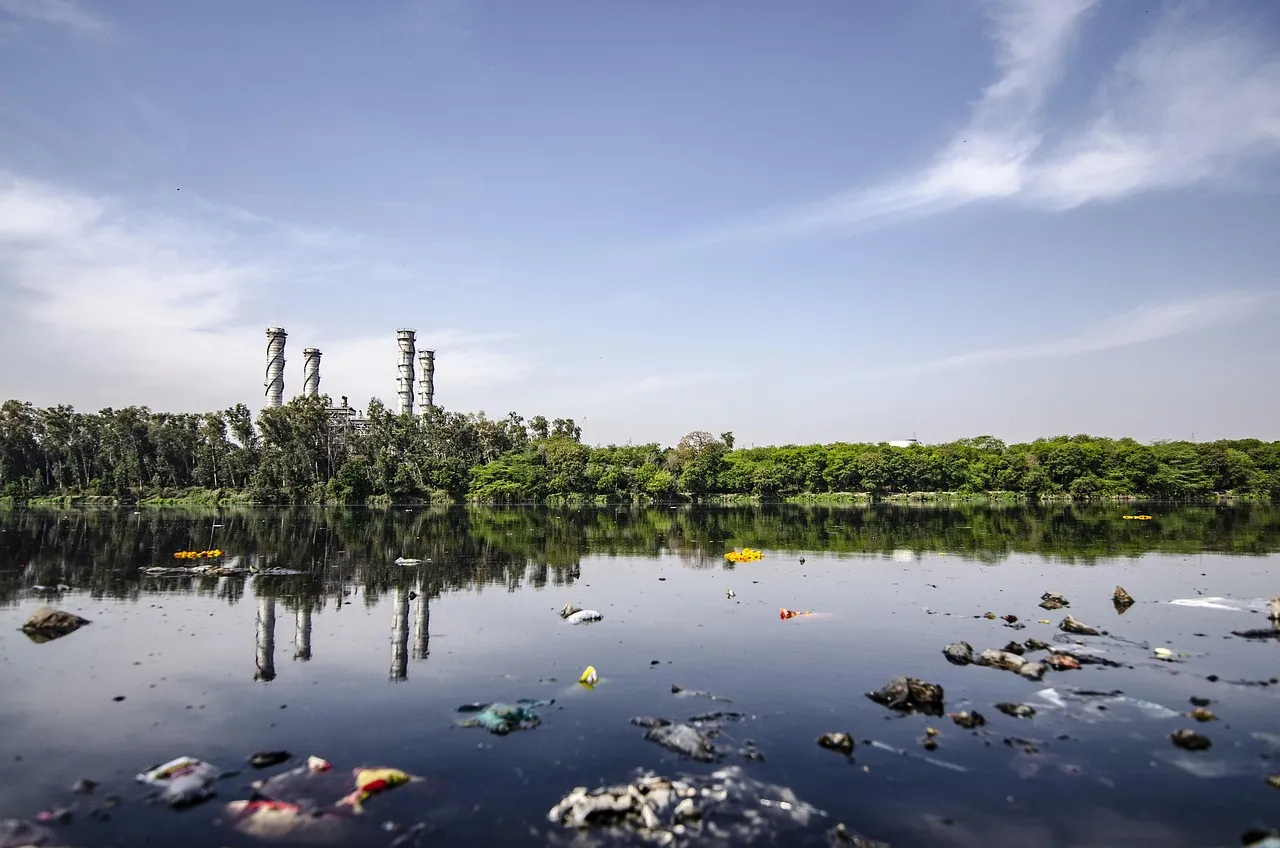
The Pennsylvania Public Utility Commission permitted a proposal from Pennsylvania-American Water Company that will return more than $18 million to approximately 690,000 water customers. The refund stems from proceeds the company received from legal settlements with manufacturers of PFAS compounds, commonly referred to as “forever chemicals,” and will be distributed as one-time bill credits of about $26 per customer.
This is a case where customers stand to benefit from a legal settlement they had no direct role in pursuing. The credits are applied automatically, but awareness matters because customers who don’t know about the credit may not notice it or follow up if it’s delayed. Staying informed about your utility provider’s regulatory proceedings is not just for policy wonks.
The Problem with “Hidden” Rebate Programs
Most homeowners view their utility company as a monopoly that only takes money away and assume the monthly bill is a fixed cost that cannot be negotiated down. In reality, utility providers frequently offer specific bill credits to customers who help them balance the electric grid. These credits are often buried in the fine print of online account settings, and millions of dollars in rebates go unclaimed every year because customers simply don’t click the right buttons. The utility company will rarely advertise these perks on the front page of your bill.
Customers must actively look for these programs in the “programs” or “billing” sections of their utility’s website. Demand-response programs, budget billing reconciliations, and weatherization rebates are among the most commonly overlooked. They don’t expire loudly; they simply disappear.
Billing Errors Are Far More Common Than Most People Assume
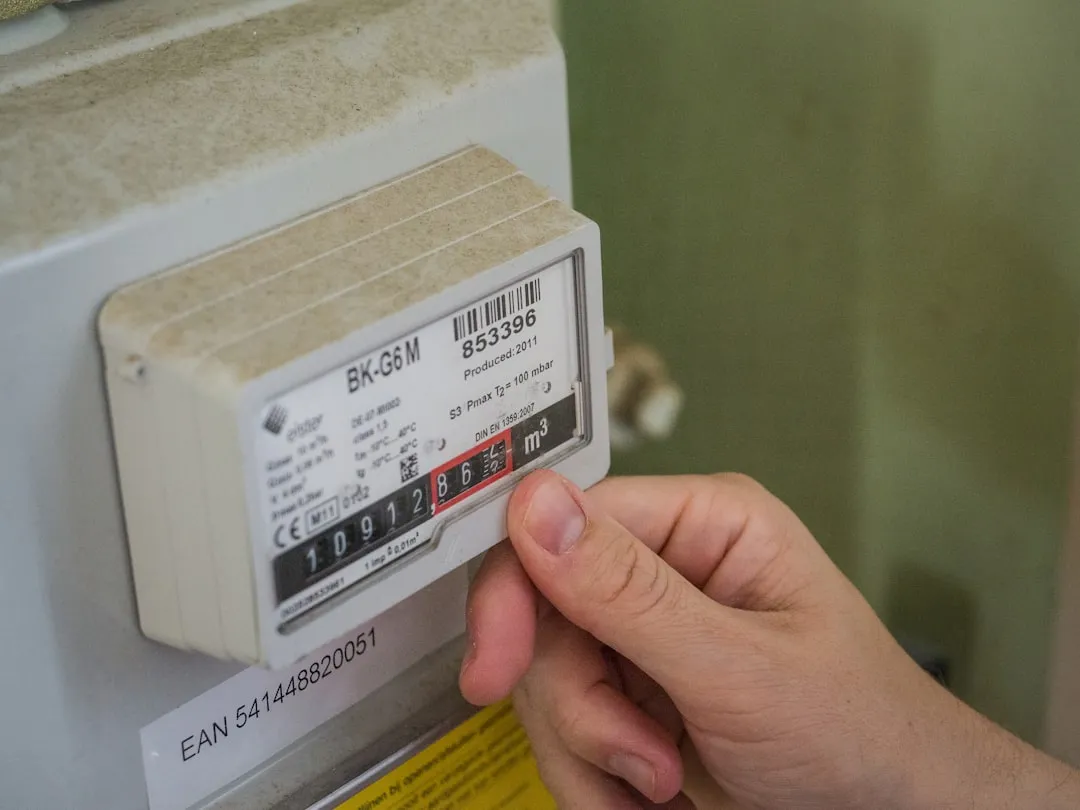
Most customers unknowingly overpay utility expenses due to billing errors, incorrect tariff classifications, taxes, supplier discrepancies, and inefficient rate structures. The biggest mistake customers make is assuming their utility company is billing them correctly by default. Most jurisdictions allow refunds to be claimed for several years of overbilling through what is known as a “look-back” period.
In the NV Energy case, PUC staff concluded that overbilling contributed to, or in some cases caused, nonpayment and related service disconnections. That’s an important detail. What looks like a customer failing to pay a bill can sometimes trace back to an inflated charge the customer never questioned. Nevada’s 2025 legislation now requires utilities to fully refund customers, with interest, for any overcharges.
Unclaimed Utility Property Eventually Goes to the State
Under New Jersey state statute, all funds received in unclaimed property deposits from electric and gas utilities are deposited into the Unclaimed Utility Deposits Trust Fund, and each year, 75 percent of those deposits are directed to a statewide non-profit energy assistance organization. The New Jersey Department of the Treasury’s Unclaimed Property Administration announced a record $3.6 million directed to help low and moderate income households struggling to pay utility bills, an increase from the prior year’s $3.2 million contribution.
Any NV Energy refunds that ultimately go unclaimed will be rerouted to the state. The pattern is consistent across jurisdictions: unclaimed utility refunds rarely vanish into the utility’s revenue. They get redirected, often to public funds or assistance programs. The money moves on. It’s the original customer who doesn’t.
How to Find Out If You’re Owed Money
The starting point is simpler than most people expect. Check your utility provider’s online account portal for any listed credits, pending refunds, or program enrollments you may have missed. If you’ve moved in the last several years, contact your former utility provider directly and ask about any remaining credit balance on closed accounts.
People are encouraged to check letters and emails for final bills and contact their supplier or log into old accounts if they think they’re owed money. For broader unclaimed funds searches, most US states maintain a public database through their comptroller or treasury office. New Yorkers, for example, can find unclaimed funds owed to them through the Office of Unclaimed Funds on the New York State Comptroller’s website. Most other states have equivalent portals.
The Takeaway
The money being left on the table here is real, documented, and spread across millions of households. It’s not a conspiracy, just a system that works better for providers when customers don’t ask questions. Billing errors accumulate quietly, deposits sit unclaimed, and rebate programs go unused because utilities are under no obligation to chase you down about them.
The cases documented here, from Nevada’s $63 million settlement to California’s $1.4 billion in annual credits to the UK’s £240 million sitting in closed accounts, point to the same underlying reality. Most jurisdictions allow customers to claim refunds for several years of overbilling, and if you haven’t checked your bills in the last two years, you are likely leaving money on the table. That’s worth an hour of your time.
AI Disclaimer: This article was created with the assistance of AI tools and reviewed by a human editor.