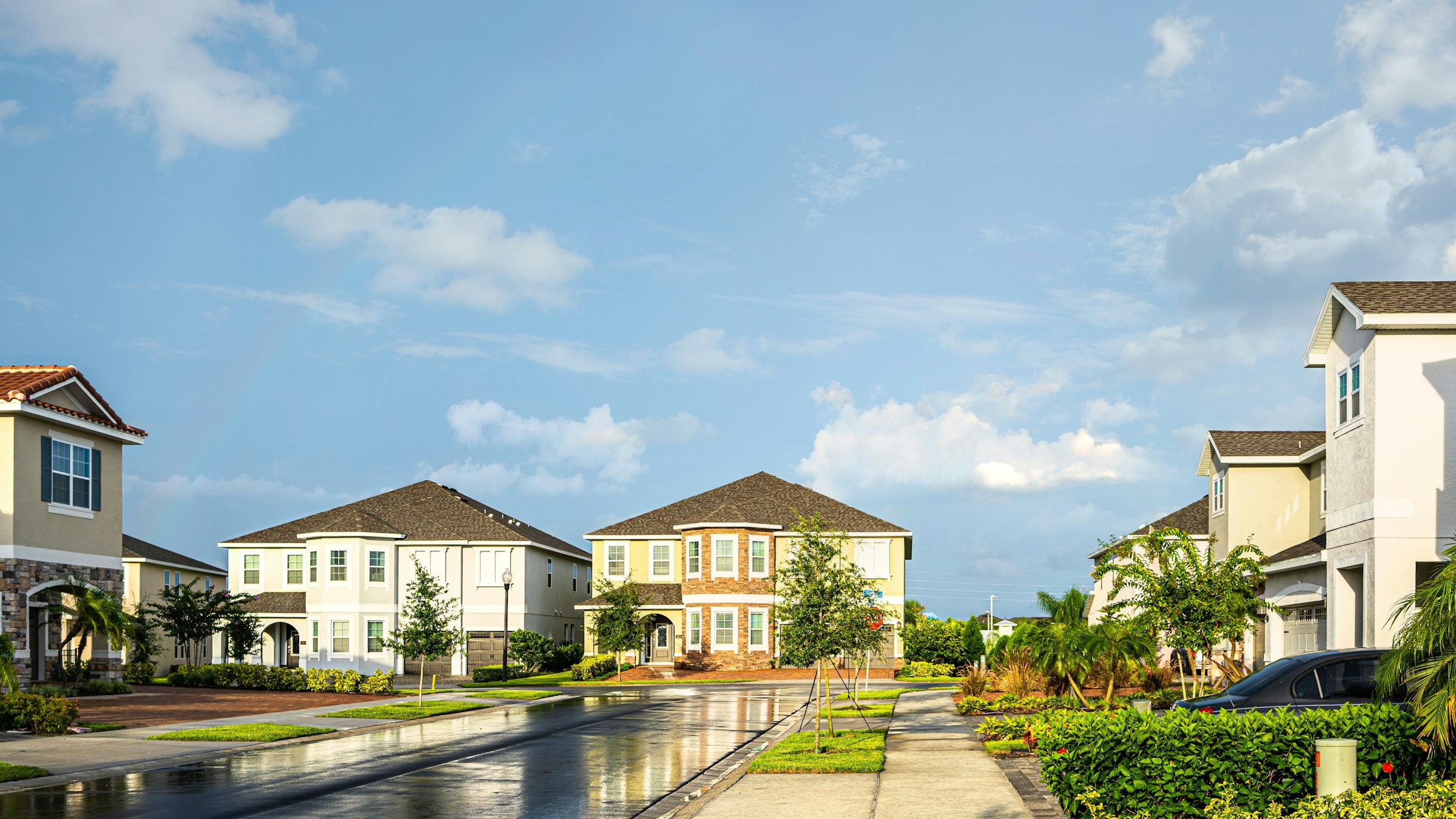

Understand Why the First Gesture Matters More Than You Think

Among people who have recently moved, newcomers are least likely to find a sense of community connection, and movers report roughly a third more barriers to connection than established residents, according to the US Chamber of Connection’s Six Points of Connection research from 2026. That’s not a small gap. It means arriving somewhere new puts a person at a structural disadvantage before they’ve even unpacked.
A randomized controlled trial spanning Australia, the UK, and the United States found that simple acts of kindness toward neighbors, including lending a hand or just saying hello, can measurably reduce loneliness and improve overall wellbeing. The implication is straightforward: the first gesture you make toward a new neighbor carries more weight than it might seem.
Show Up Early, But Keep It Brief
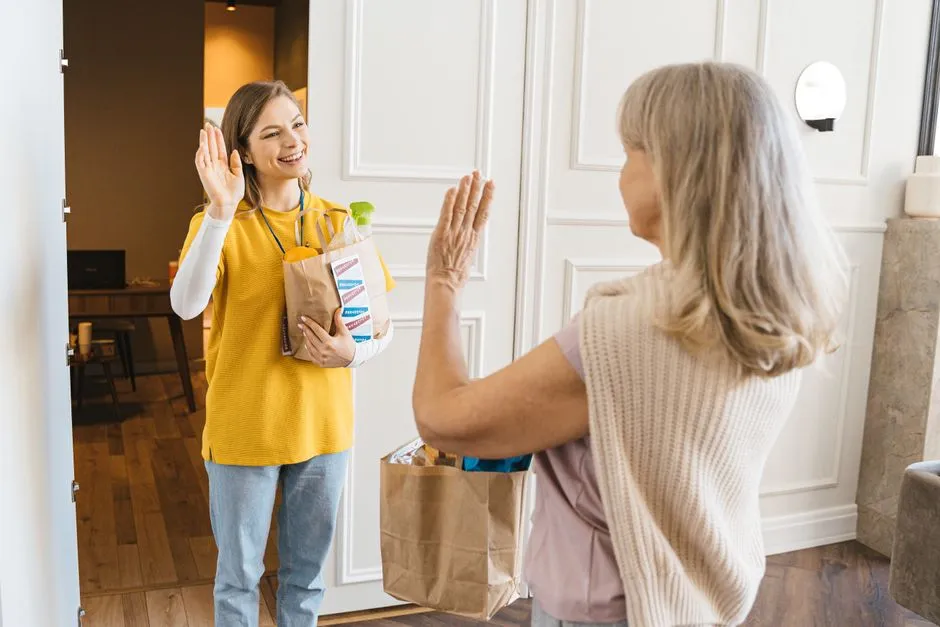
Timing is everything. Knocking on a new neighbor’s door within the first few days signals warmth, while waiting weeks can create an awkward distance that’s hard to close later. That said, keeping the visit short respects the fact that they’re probably still surrounded by half-opened boxes.
Research found that knowing as few as six neighbors was enough to significantly improve outcomes for participants in terms of wellbeing and belonging. You don’t need to be best friends. A face, a name, and a friendly exchange is often enough to make someone feel less alone in a new place.
Bring Something Useful, Not Just Symbolic

A welcome gift doesn’t have to be elaborate. What it should be is practical. New arrivals typically don’t have much stocked in the kitchen, and a simple gesture like a home-cooked meal, a bag of groceries, or even a list of trusted local shops can be far more valuable than a decorative plant or a generic card.
From sharing food to swapping local knowledge, small everyday acts have genuine power in building a sense of belonging between people. The specifics matter less than the intention behind them. Useful gestures communicate that you actually thought about what this person might need right now.
Learn the Name First, the Story Later
There’s a social instinct to ask a lot of questions when meeting someone new – where they came from, what they do for work, why they moved. Resist that instinct at first. A new neighbor isn’t obligated to share their life story in the driveway on a Tuesday evening, and over-questioning can feel more like an interview than a welcome.
Start with names, a light conversation, and maybe a shared observation about the street. Neighbors influence our feelings of being valued and accepted within our surroundings, which are central markers of belonging – and that feeling begins with being seen as a person, not a curiosity.
Respect Privacy as an Act of Courtesy, Not Coldness

According to survey data, roughly two thirds of Americans say that being a good neighbor means not getting too involved in a neighbor’s personal affairs, while only about a third say good neighborliness means offering help even when it isn’t explicitly requested. That tension between helpfulness and restraint is real, and navigating it well is a genuine skill.
Welcoming someone doesn’t require knowing their schedule, monitoring their comings and goings, or asking about their relationship status. Good fences, as the old saying goes, make good neighbors – and so does knowing when to step back.
Introduce the Street, Not Just Yourself
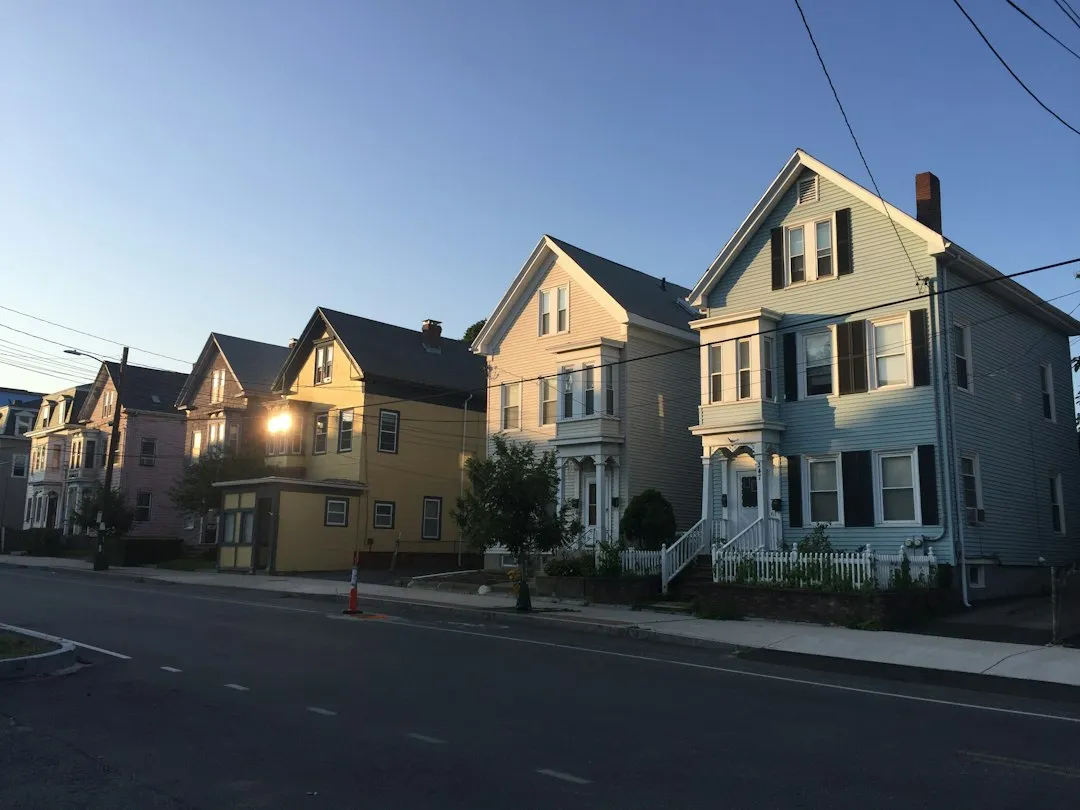
One of the most useful things you can do for a new neighbor is orient them. Tell them which neighbors are friendly, where to park without causing friction, which nights are noisier than others, and when the recycling actually goes out. This kind of practical social mapping is invisible to outsiders but invaluable for settling in quickly.
Regular interactions and check-ins can help create a community that provides a genuine sense of support, and research on community initiatives shows that residents who gain access to neighbor-to-neighbor networks report increased social support and a stronger sense of both community and personal capability. Being the person who connects a newcomer to that network is a meaningful contribution.
Be Mindful of Cultural Differences Without Being Patronizing

Neighborhoods are increasingly diverse, and what counts as a warm welcome varies across cultures. In some traditions, bringing food to a new home is expected and deeply appreciated. In others, an unannounced knock at the door feels intrusive. Neither approach is wrong; they’re simply different.
Research using global data from the World Values Survey shows that trust in neighbors relates to residents’ wellbeing both in the Global North and South, and that the link between neighborhood trust and wellbeing holds across a wide variety of cultural and geographic settings. What differs is the pathway to that trust. Pay attention to cues rather than assumptions.
Don’t Vanish After the First Week

The welcome effect fades faster than most people realize. A single friendly visit in week one, followed by months of indifference, doesn’t build community – it can actually deepen the sense of isolation once the novelty wears off. Consistency, even in small doses, is what makes connection stick.
Research has found that neighborhood cohesion negatively correlates with depression, anxiety, and stress among residents, while social isolation shows a positive correlation with all three. That’s not just a finding about elderly populations. It applies broadly. Ongoing contact, even a brief wave or a short conversation at the mailbox, adds up over time in ways that matter.
Young Adults Are the Least Likely to Make the Effort – and That’s a Problem

Over the past thirteen years, the share of 18 to 29-year-olds who talk with their neighbors weekly has dropped by twenty-six percentage points, falling to just about one in four. That’s a significant generational shift, and it reflects broader patterns of digital-first socializing that often substitute online interaction for face-to-face contact.
Abandoning neighborly interactions may also contribute to broader social fragmentation, as online communities allow users to curate what they read, see, and hear – in ways that real neighborhoods simply don’t. The street has a way of presenting you with people you’d never have chosen, and that’s precisely what makes it valuable.
Know That Your Effort Protects More Than Just Them

Research from Rutgers University found that people who reported low quantities of neighbor relationships rated themselves worse over time across multiple dimensions of psychological wellbeing, including purpose in life, personal growth, autonomy, and positive relations with others. The neighbor relationship turns out to be more complex, and more important, than most people give it credit for.
Strong neighborhood ties are linked to a reduced sense of neighborhood violence through greater collective social control, and in lower-income areas, closer relationships with neighbors can also help buffer the mental health impact of stressful environments. Welcoming a new neighbor isn’t just good manners. It’s a small act that strengthens the fabric of where you both live.
A Quiet Takeaway
In 2025, most Americans interacted with their neighbors sparingly, with more than four in ten talking to them no more than a few times a month, and nearly one in five reporting no contact at all. Against that backdrop, a simple, genuine welcome to someone new carries more weight than ever before.
The unspoken rules aren’t complicated. Show up early. Keep it brief. Be consistent. Respect privacy. The mechanics are simple. What’s harder is remembering to actually do it, especially in an era when retreating indoors is easier than it’s ever been. As Americans retreat indoors, the invisible glue of neighborhoods continues to erode – and every new arrival is a small opportunity to push back against that trend, one doorstep conversation at a time.
AI Disclaimer: This article was created with the assistance of AI tools and reviewed by a human editor.