

1. Clean Up After Yourself. Every Single Time.
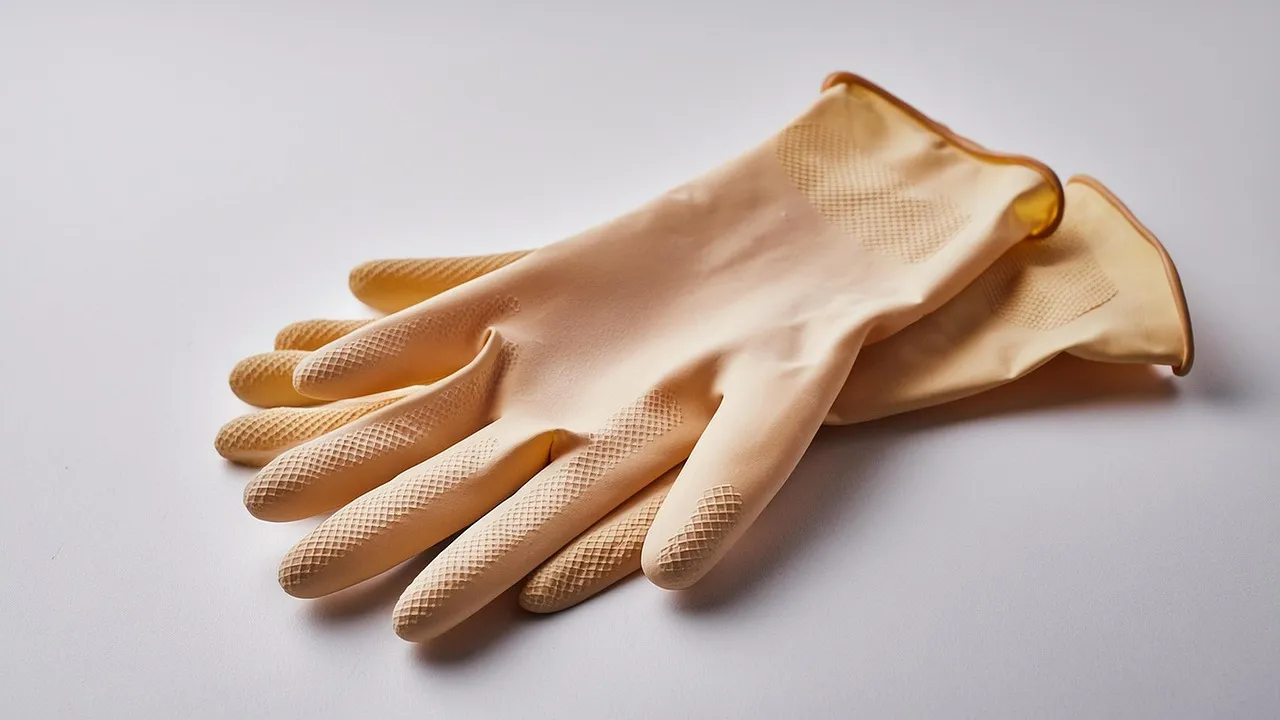
This is the baseline, and yet it remains the most consistently violated rule in shared kitchens everywhere. Not leaving dishes in the sink is, period, one of the strongest complaints in any workplace. It sounds simple, but the psychological trap is real: people assume someone else will handle it, or that their single mug doesn’t matter in the grand scheme of things. It does.
According to a Staples survey, nearly all workers reported feeling more productive in a clean workspace, and the vast majority said they produce higher quality work in cleaner environments. A sink full of dirty dishes isn’t just unpleasant to look at. It signals that the space is nobody’s responsibility, and that signal spreads quickly through office culture. Once one person stops cleaning up, it becomes much easier for the next person to justify doing the same.
2. The Fridge Is a Shared Resource, Not Your Personal Pantry

Never assume “communal” applies to everything in the fridge. Labeling your items with a permanent marker prevents the accidental “borrowing” of milk or lunches, which is a major source of workplace friction. The fridge belongs to everyone, which means no single person gets to monopolize two full shelves with their meal-prepped containers from Sunday.
Research has found that one of the dirtiest places in the entire office is the office fridge. Data places the average fridge cleaning frequency at around once every two to three months, but a shocking fraction of workplaces only clean their fridge out once or twice a year, giving harmful bacteria plenty of time to take hold. That’s not a minor hygiene concern. It’s a real health risk for everyone who stores food there.
3. Don’t Touch What Isn’t Yours

A 2024 survey from Furniture At Work on 1,000 workers found that roughly one in eight people had something stolen from them at work, and among those who admitted to stealing, about 17 percent said they had taken food from the communal refrigerator. That’s not a rare edge case. It’s a recognizable pattern in offices of all sizes.
Almost one in five admitted workplace thieves said they had taken food from the communal fridge, and a further one in ten admitted to stealing someone else’s mug. Labeling food with your name and the date can help avoid accidental confusion. Still, labels won’t stop someone determined to help themselves. The rule here is simply: if it isn’t yours, leave it alone.
4. Respect the Microwave – and Everyone’s Nose

In a poll of 2,000 workers commissioned by global hygiene company Essity, nearly half believed their workplace was a “breeding ground for bacteria,” and microwaves ranked as the single top office hygiene complaint, followed by filthy fridges, overflowing bins, dirty sinks, and moldy food. The microwave takes abuse that no appliance deserves. Splatter gets baked on, smells accumulate, and nobody wants to be the person who cleans it up.
Pungent foods like fish or heavy curries can linger for hours and affect the professional atmosphere for everyone nearby. If you must reheat these items, use a vented lid and ensure the kitchen door remains closed to contain the aroma. As even mainstream etiquette coverage notes, it’s “still taboo to microwave fish” in a shared space, and that taboo exists for very practical reasons. Wipe down the microwave after every use. It takes ten seconds.
5. Know the Contamination Hotspots
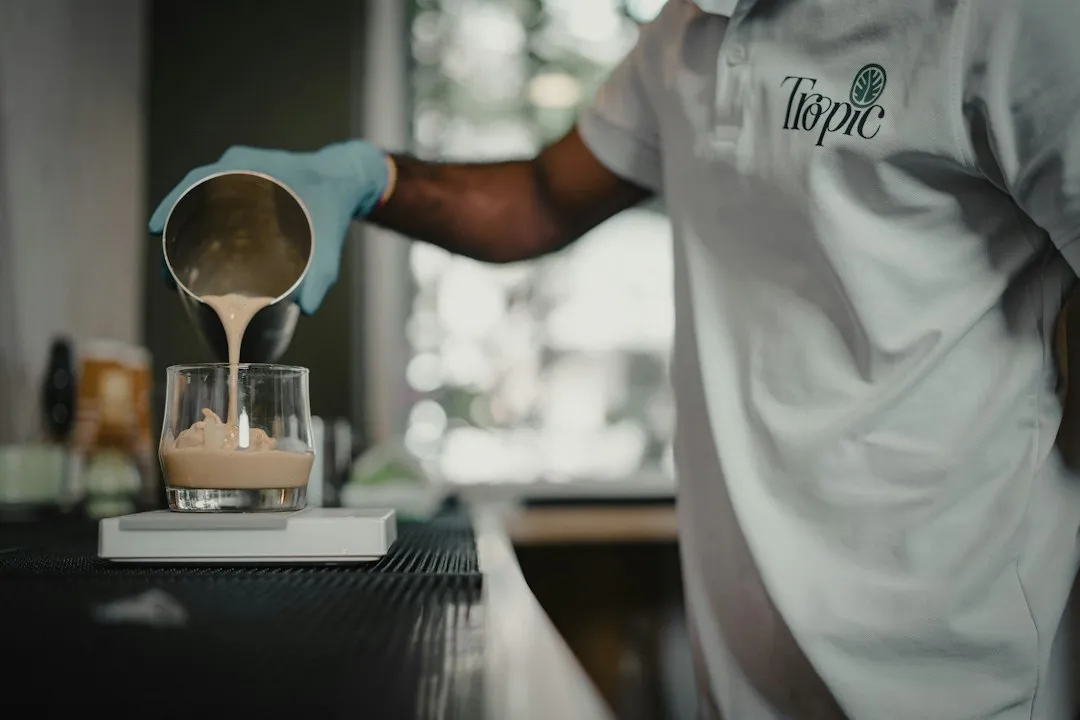
A Kimberly-Clark Professional study collected nearly 5,000 individual swabs from office buildings and revealed that the five most contaminated areas in the office included break room sink faucet handles, microwave door handles, computer keyboards, and refrigerator door handles. The kitchen is supposed to be a clean zone. In practice, it’s often one of the germiest places in the building.
Roughly 48 million people in the United States experience foodborne illness each year, and in a busy workplace, the communal breakroom is often identified as a primary environment for spreading avoidable germs. Stocking the kitchen with antibacterial wipes, a good multi-surface spray, paper towels, and hand sanitiser makes it far easier for everyone to keep things clean as they go. Accessibility matters. If the cleaning supplies aren’t visible and easy to grab, most people won’t bother looking for them.
6. Throw Out Your Old Food on Time

Few things signal a neglected kitchen quite like a container of forgotten leftovers quietly going moldy at the back of the fridge. Even when people start out with the best of intentions, things can rack up, and animosity builds. Mysterious fridge smells and that one person who never cleans up their spills can slowly erode team morale.
A good rule of thumb that many offices have adopted is a weekly fridge clear-out, usually on a Friday afternoon. Everything unlabeled or older than a week gets tossed. Cleaning the shared kitchen, especially the fridge and microwave, should be a shared responsibility, and an office rota can help ensure that cleaning isn’t always left to the same person. Nobody wants to be the unofficial kitchen custodian by default.
7. Don’t Hog the Space During Peak Hours
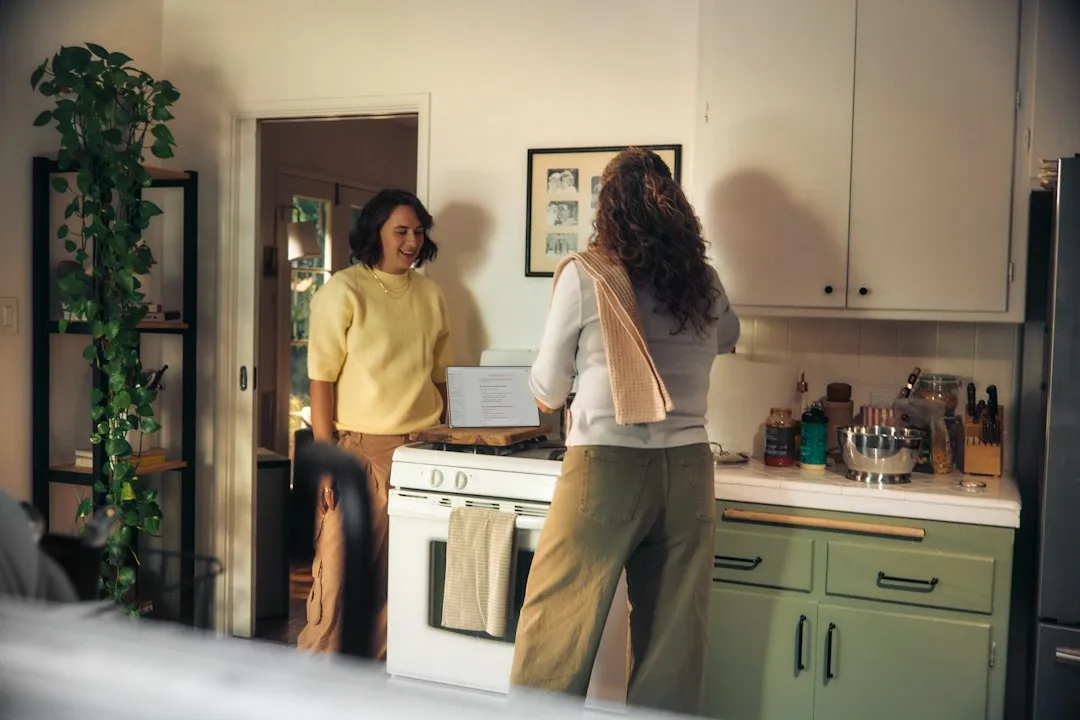
Lunchtime in a shared kitchen is a coordination challenge. Twenty people, one microwave, one kettle, and a fridge door that barely closes. The unspoken rule here is simple: be efficient and be aware of the line forming behind you. Don’t use the kitchen as a casual hangout spot when others are waiting to heat their food and get back to their desks.
With more people having returned to the office, navigating shared spaces like kitchens requires a level of consideration that remote work didn’t demand. That return to in-person work has brought shared kitchen friction back into focus for many organizations. Being mindful of how long you occupy a shared appliance or counter space isn’t just polite. It’s a form of basic professional respect.
8. Label Your Food Properly

Labeling isn’t just about preventing theft. It’s about preventing honest mistakes, too. When twenty different people store similar containers in the same fridge, confusion is inevitable without clear identification. Some incidents that look like theft are actually miscommunications, such as accidentally grabbing someone else’s yogurt instead of your own. Labeling food with your name and the date can help avoid such mishaps.
A label with your name and a date takes about five seconds to add. It communicates ownership clearly, helps with fridge management, and removes the ambiguity that leads to low-grade conflict. Data from workplace cleanliness surveys shows that nearly a third of employees feel compelled to bring their own kitchenware to work to avoid using possibly unclean shared items. Clear labeling builds trust in a shared space, even in small ways.
9. Handle Conflicts Directly and Calmly

Passive-aggressive sticky notes are practically a shared kitchen tradition at this point. They rarely solve anything. Lingering food smells, messy fridges, and passive-aggressive sticky notes that never seem to resolve the underlying issue are among the most commonly cited frustrations in shared office spaces. The note might feel satisfying to write, but it usually makes the atmosphere worse rather than better.
Without clear guidelines, the shared office kitchen quickly becomes a point of contention. If you see an offense take place, ask with sensitivity. Based on the person’s answer, you’ll know how to respond further. Most kitchen conflicts are solvable with a direct, non-accusatory conversation. The ones that aren’t usually require a manager or a formal policy. Sticky notes are a poor substitute for either.
Cleanliness Reflects on Everyone

In a study by global hygiene company Tork, an Essity brand, the vast majority of surveyed office employees emphasized the importance of cleanliness in their work environment. Research from HLW International LLP also found that employees working in clean and well-maintained offices are noticeably more productive and report higher job satisfaction. The shared kitchen is a direct reflection of office culture. How it looks says something real about how a team treats shared responsibility.
Satisfaction with the cleanliness of common areas such as kitchens and fridges hovers at only around 37 to 39 percent among workers, indicating widespread discontent that affects employee wellbeing and productivity. That’s a low number for something so fixable. A clean kitchen boosts morale and workplace hygiene, but every employee must take responsibility for shared spaces. The condition of the kitchen isn’t a cleaning company’s problem alone. It belongs to everyone who uses it.
The Takeaway

The shared kitchen is a small space with an outsized effect on how people feel about their workplace. Just under six in ten workers reported being generally irritated by the state of their surroundings at work, and the kitchen is almost always part of that frustration. The rules that govern it aren’t complicated, they’re just easy to ignore when nobody is watching.
What makes the difference in most offices isn’t a printed policy or a new cleaning rota. It’s whether people genuinely treat the kitchen as a shared space rather than someone else’s problem. The unspoken rules are only unspoken because they shouldn’t need to be said. Keep things clean. Respect what belongs to others. Be quick, be considerate, and leave the space better than you found it. That’s really all there is to it.
AI Disclaimer: This article was created with the assistance of AI tools and reviewed by a human editor.