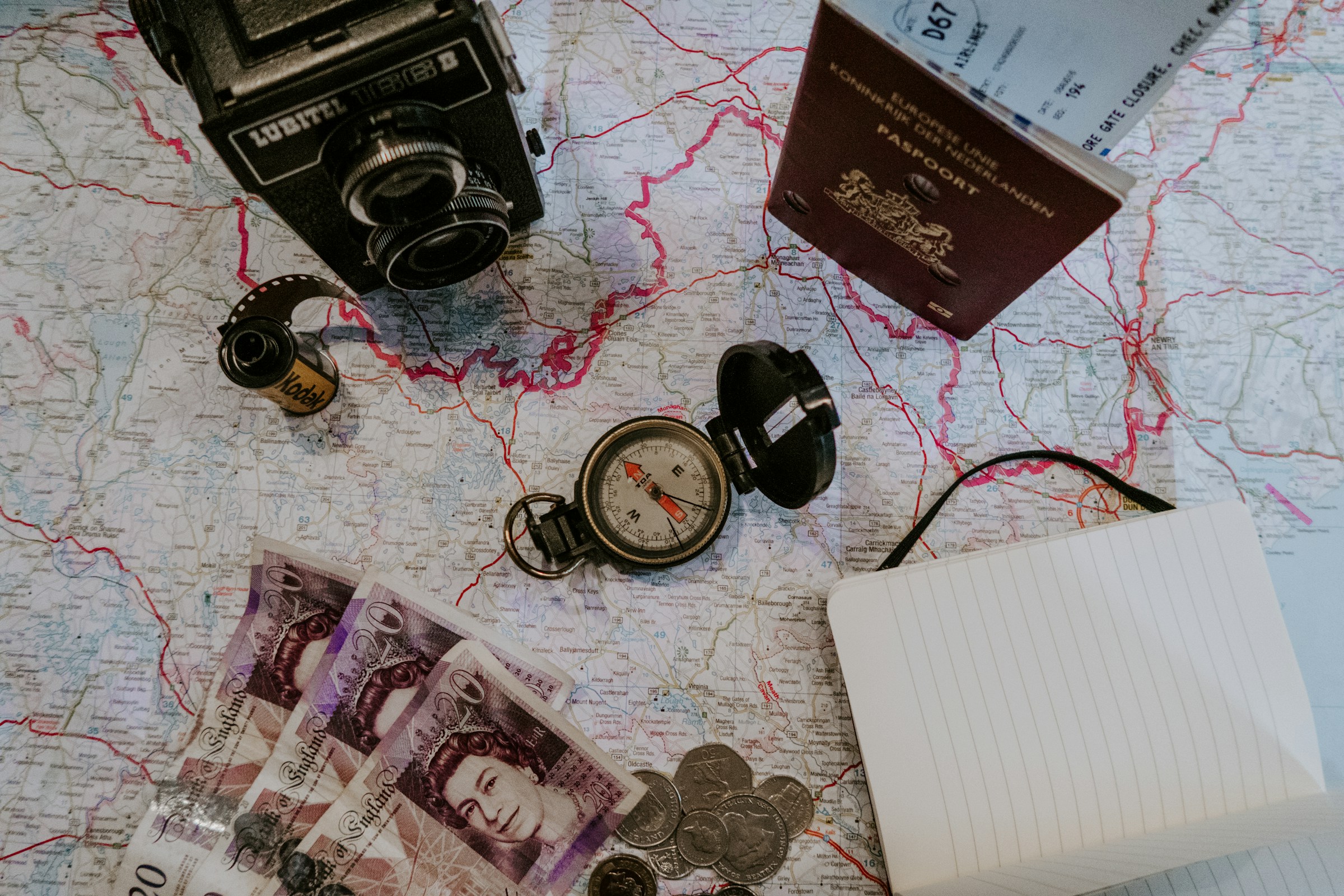

1. Have the Money Talk Before You Even Book Anything

The single most effective thing any group can do is talk about money before a single dollar changes hands. Before embarking on a group vacation, it’s crucial to ensure everyone is on the same page, and discussing details like destination, accommodation preferences, itinerary, and budget with the entire group helps streamline the planning process. This isn’t awkward if you frame it right. Think of it less as a financial negotiation and more as a way to make sure nobody ends up quietly miserable about overspending.
Only one in four travelers surveyed by Experian say their friend group sets a budget upfront, which explains a lot about why group trips sometimes end on a sour note. Setting clear expectations early, like agreeing on a nightly accommodation budget or a rough daily spending limit, prevents most disagreements before they even form.
2. Acknowledge That Not Everyone Has the Same Budget

Your friends have different financial realities. While someone might not mind having a fancy dinner every night, another person might not have much money to indulge in that. This is one of the more quietly uncomfortable truths of group travel, and ignoring it doesn’t make it go away. It just creates resentment instead.
Equal splitting works well for groups with similar spending habits and participation levels, while proportional splitting accommodates different budgets by dividing costs based on income, room size, or level of participation. Neither method is automatically right. The right one depends entirely on the group, and that’s worth a five-minute conversation before departure.
3. The Person Who Books Should Not Automatically Carry the Financial Risk

Couples question paying the same as singles, parents debate whether young kids count fully, and friends arriving late wonder why they should cover nights they will not use. These money conversations often delay bookings or stop them altogether, especially when one person has to front thousands of dollars and chase everyone down for payment. This is one of the most common and least-discussed sources of group trip friction.
The person who books the rental or buys the flights in bulk is essentially extending an interest-free loan to the rest of the group. Requiring non-refundable deposits from each member within 48 hours of confirmation is a practical safeguard. Anyone who cancels later stays responsible for their full share unless they secure their own replacement. Setting this expectation early makes the whole situation far less fraught.
4. Cancellations Are a Bigger Deal Than People Admit

Group cancellations create immediate financial pressure on remaining travelers. When someone drops out, the group faces a reallocation decision: absorb the cost by splitting their share, or find a replacement. This can turn into a genuinely uncomfortable situation if there was no plan in place before booking. The closer to departure, the worse the pressure.
Clear money conversations before booking prevent the conflicts that often lead to last-minute cancellations. It sounds circular, but it’s true. Groups that talk about worst-case scenarios in advance tend to handle them better when they actually happen. A quick agreement on cancellation terms costs nothing upfront and saves a lot of stress later.
5. Mismatched Spending Styles Can Genuinely Break Friendships

This one carries real stakes. Among members of Generation Z and millennials who travel with friends, over half report having a money-related disagreement with friends while traveling, and one in five have ended a friendship over a money issue. Those are not small numbers. A disagreement about who owes what for a group dinner isn’t just about the money; it’s about fairness, respect, and feeling seen.
Across all generations, unexpected costs during trips and splitting costs fairly when friends have different spending priorities are the two biggest financial stress points when planning group travel. Knowing this in advance can help a group approach these moments with a little more grace rather than defaulting to blame or passive frustration.
6. Track Everything in Real Time, Not at the End

One person covers the rental deposit, another handles groceries, a third pays restaurant tabs, and by day three, nobody remembers who paid what. The confusion creates awkward conversations that outlast the vacation itself. Memory is unreliable, and it tends to skew in the direction of what people want to remember. Real-time tracking removes the guesswork entirely.
Studies on personal finance stress that people systematically underestimate shared costs when they’re not tracked, which makes a shared expense log less of a nice-to-have and more of a basic necessity for group travel. According to a 2024 GoCardless survey, more than 40 percent of people say they’ve experienced tension in friendships because of unpaid or unclear debts. Logging expenses as they happen, not in a frantic recap on the last night, changes the entire dynamic.
7. Use an App, Not a Group Chat or Your Memory

Splitwise has been highlighted as one of the most effective tools for managing shared expenses on group trips in 2026, offering customizable splits, multi-currency support, and real-time transparency. It’s not the only option, but it’s the one most groups already have some familiarity with. Splitwise works best for detailed tracking and larger groups, while Tricount excels for quick weekend trips with four to eight people who want simplicity over granular records.
Young travelers aged 18 to 34 make up roughly 68 percent of bill-splitting app users, with weekly usage reported across the category. The adoption is growing, but the key is choosing a tool before the trip begins rather than scrambling to implement one mid-vacation. Choose an app that fits your group’s communication style, set it up before anyone packs a bag, and you’ll spend less time doing math and more time enjoying each other’s company.
8. Room Quality Deserves Its Own Conversation

Paying equally for unequal rooms is one of the less talked-about sources of quiet resentment. You may think paying the same for a king-size bed and the upper bunk is fair, but you need to know before you go if the rest of the group agrees. In many cases, it isn’t fair, and saying so out loud is much easier before check-in than after three nights of bad sleep.
Share-based models, where adults count as one full share and children as half, resolve fairness disputes before booking. A similar logic applies to room quality. The person in the primary suite should probably pay a larger share of the accommodation cost than the person on the pullout couch. It’s not a controversial idea; it just rarely gets said out loud.
9. Separate the Shared Costs from the Personal Ones

Travel expenses typically fall into two categories: per-person costs and travel package costs. Per-person expenses are individually assigned to each traveler and include personal airfare, separate meal purchases, individual event tickets, and personal travel protection plans. Keeping these clearly separate from the start prevents a lot of retroactive confusion about what counts as shared and what doesn’t.
There are several ways to fairly divide expenses among travelers, and there is no single right way. It depends on the group’s preferences and the type of expenses incurred. Some groups prefer a clean split-everything approach. Others carve out personal spending entirely and only pool the communal costs. Neither is wrong, but choosing a system in advance keeps things from getting murky.
Rising Travel Costs Make All of This More Important Now

More than half of travelers expected to pay more for travel expenses in 2025 than they did in 2024, according to a Squaremouth survey. That upward pressure on costs hasn’t eased significantly into 2026, and it puts real strain on groups with mixed budgets. When the total bill is higher, the stakes around fair splitting get higher too.
Split-payment functionality at checkout removes collection friction and helps groups book around 42 percent faster. That’s not just a convenience stat. It suggests that when the financial mechanics are easier, people actually commit to trips rather than stalling out in the planning phase. The smoother the money conversation, the more likely the trip actually happens.
The Takeaway

Group vacations bring out the best in people and, occasionally, the worst. The financial side of shared travel isn’t inherently a problem. It only becomes one when people treat it as too awkward to discuss until it’s already causing damage. Group travel brings people together, but poor money management can create lasting tension, and when expenses pile up without clear tracking, small misunderstandings turn into real friction.
The unspoken rules are really just the spoken ones that nobody bothered to say out loud. Set a budget before you leave. Agree on a splitting method that feels fair to everyone. Track costs as you go. And if something feels off, say something while you’re all still at the table, not in a text thread two weeks later when the goodwill from the trip has already faded.
AI Disclaimer: This article was created with the assistance of AI tools and reviewed by a human editor.