

Sharing a home in your thirties looks nothing like it did at 22. The stakes are different, the schedules are more complicated, and the tolerance for passive aggression has dropped to approximately zero. What used to be settled with a whiteboard chore chart and some college-roommate goodwill now requires a different kind of adult fluency – one that most people have to learn the hard way.
The numbers make clear this isn’t a niche experience. From 2016 to 2020, the percentage of adults in their 30s living with roommates held steady at around 17%, but by 2025, that number had climbed to 22%, reflecting a clear shift in how this age group approaches housing. The reasons aren’t mysterious. Rents in major cities have surged dramatically, with some downtown one-bedroom markets seeing increases of roughly a quarter over just five years. When you’re sharing a home by financial necessity or by genuine preference, chore dynamics become one of the most loaded conversations in the entire arrangement.
Nobody Agrees on What “Clean” Actually Means

This is the foundational problem, and it almost never gets named directly. According to one widely cited study, around three quarters of conflicts between roommates relate to household chores, and the root cause is almost always that everyone has their own definition of “clean” and their own tolerance for mess, with resentment building quietly when no objective system exists. A countertop that one person finds acceptable might read as chaos to the other.
Almost all roommates surveyed say they prefer to keep common spaces clean and organized at all times, yet fewer than two in five say they actually want a formal cleaning schedule or roommate agreement to make that happen. That gap between what people want and what they’re willing to structure is where most chore frustration lives. After 30, clarity becomes more important, not less.
Having the Chore Conversation Early Is Not Optional
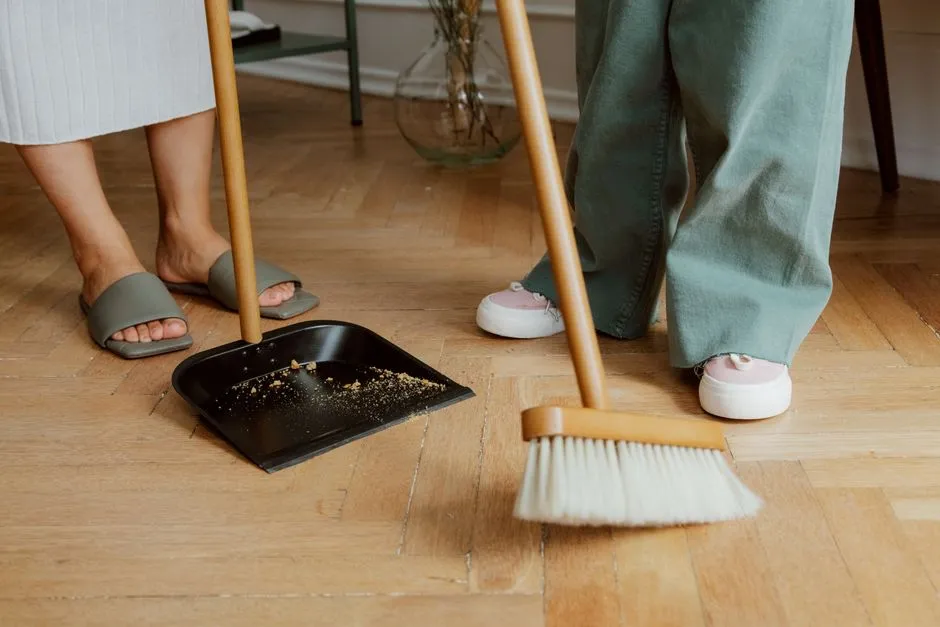
Most people delay it. They assume good intentions will fill the gap, or that things will naturally sort themselves out. Erring on the side of overcommunication might feel awkward at first, but holding a real meeting with housemates to discuss everything that needs to get done makes the entire cohabitation run smoother. The earlier this happens, the less emotional weight it carries.
You and your roommate probably have different ideas about what is considered clean, and this can become a major area of conflict, which is why making a chore schedule that establishes who does what and how often matters. When you’re over 30, everyone has a real job, real obligations, and real opinions. Deferring the conversation only means having it later, when resentment has already started to set in.
A Schedule Is More Respectful Than a Reminder

There’s a specific kind of irritation that comes from being the person who always has to ask. Having to ask is itself a form of mental load, and the goal in any shared household should be for each member to take ownership of their responsibilities autonomously, not to follow instructions. A posted or shared schedule removes the dynamic of one person managing the other.
Any workable chore list should cover both personal and communal tasks, with everyone taking on some combination of daily, weekly, and deep-cleaning responsibilities. That balance matters more as schedules get busier. When each person knows what falls to them without being prompted, the arrangement starts to feel genuinely fair.
Effort Is Not the Same as Efficiency

Past 30, people have figured out their own systems. One roommate might mop every two weeks and consider it thorough. Another might do a light daily sweep and feel the same way. Neither is wrong, but neither is necessarily compatible with the other. Dividing tasks according to who is most likely to do them well, so that everyone ends up with more tasks they can handle competently, makes the whole arrangement function better.
This means having an honest conversation about strengths and genuine preferences, not just assigning tasks alphabetically or rotating blindly. Some people are genuinely better at some chores, and accommodating that isn’t weakness – it’s just good sense. While people hold different beliefs about how a home should run, there are universal ways to keep tension low, including genuinely thanking whoever is working hard and doing your own part when it’s your turn.
The Mental Load Is Real and Often Invisible

The mental load of housework often falls on one household member, and this is just as true in non-romantic roommate situations as it is in couples. Noticing that the paper towels are running out, that the hallway needs to be vacuumed, or that it’s been three weeks since anyone cleaned the microwave – that noticing is work, even when it’s invisible. Listing ALL household tasks, including the visible ones like cleaning and cooking but also the invisible ones like scheduling maintenance, checking supplies, and tracking what’s running low, is often a genuine eye-opener.
Adults in shared housing past 30 often have sharper professional lives that make this invisible domestic management feel especially draining. One person quietly tracking the household’s needs while the other simply executes requested tasks is an imbalance, even if the task list looks equal on paper. Naming this honestly, without accusation, is one of the more sophisticated moves a roommate pair can make.
Some Tasks Are Worth More Than Others
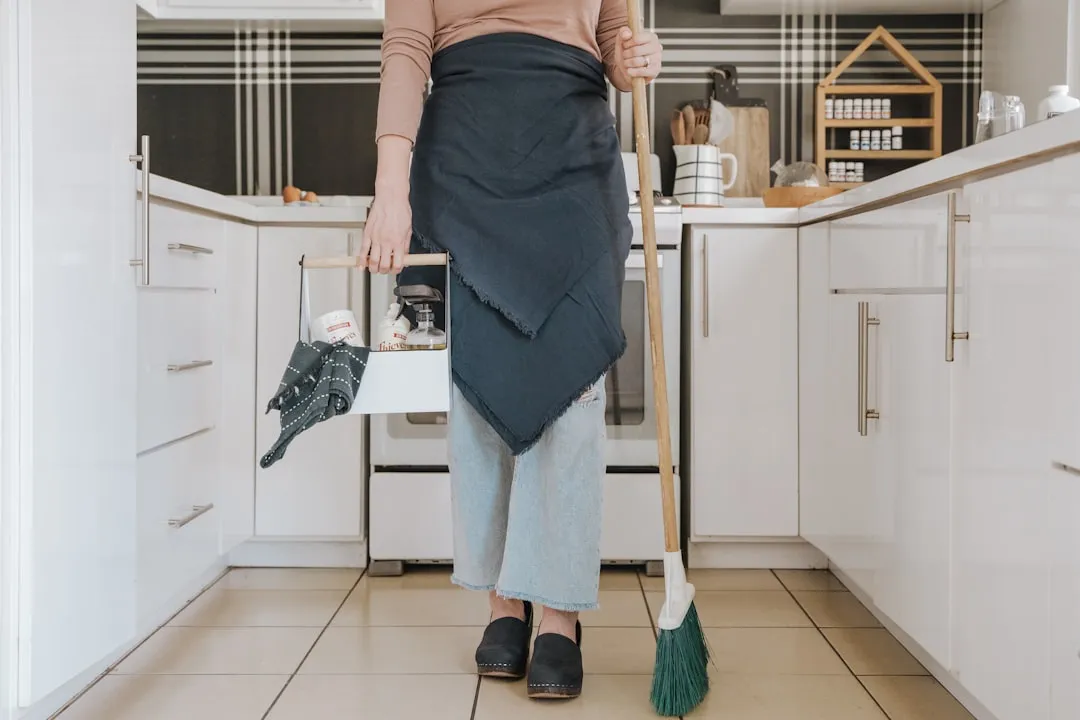
Not all chores are created equal. Dishes and vacuuming tend to be daily tasks, while deep-cleaning the bathroom and kitchen are weekly, and things like grocery shopping fall somewhere in between. Treating all of these as equivalent contributions isn’t fair, and it often goes unexamined. Some tasks genuinely weigh more than others – cleaning a bathroom deserves more credit than watering plants – and a natural sense of balance only emerges when the household’s own perceived value of each task is factored in.
A practical way to address this is to assign a rough weight or time estimate to each task before deciding who takes what. This isn’t being precious – it’s being honest. Most people intuitively know which jobs they’ve been avoiding, and giving those jobs a realistic acknowledgment goes a long way toward keeping resentment out of the picture.
Guests Are a Chore Issue, Not Just a Noise Issue

This one catches people off guard. When someone brings a guest over, that means shared bathroom use, shared kitchen mess, and often shared cleanup. The large majority of roommates surveyed agree that it is the sole responsibility of whoever invites guests over to clean up before and after them, without expecting the other roommate to pitch in. That’s a clear social norm that most people hold, yet it rarely gets stated out loud before someone feels used.
When it comes to a roommate’s significant other spending significant time in the shared space, more people expect that person to contribute to expenses like groceries and utilities than those who do not. The same logic applies to chores. More than occasional presence in a shared home changes the math, and that conversation is worth having directly and without drama.
Technology Can Take the Edge Off the Conversation

Tracking chores digitally sounds clinical, but it genuinely reduces friction. Digital chore tracking takes the heat out of most roommate conflicts, and newer AI-driven apps are changing how busy professionals schedule cleaning tasks. When the record exists outside anyone’s memory, nobody has to defend their perception of who has been contributing. The data just sits there, neutral and useful.
Roughly half of roommates prefer using an expense and task-tracking app to tally shared costs and responsibilities equally, while about a third remain neutral and a smaller group prefers to informally assume things will balance out. In practice, the informal approach works fine in the short term. Over months, it tends to erode goodwill quietly. For adults with real schedules and real preferences, a shared app or written system simply removes ambiguity.
Flexibility Matters More Than Fairness in the Strictest Sense

Work schedules shift. One person might go through a demanding month at their job and genuinely be unable to keep up with their usual share. The arrangement that works best long-term usually has some give built into it. When life changes – a work schedule shifts, a stressful period arrives – reviewing the household’s balance monthly and adjusting together keeps things functional. The key word is together.
The roommates who navigate this well past 30 tend to treat the chore split as a living agreement, not a fixed contract. A willingness to absorb a little extra when someone is stretched thin, with the reasonable expectation that the favor will be returned, keeps the whole thing from feeling like a ledger. That said, flexibility only works when both people are actually pulling their weight most of the time. Chronic imbalance dressed up as flexibility is just avoidance.
Resentment Builds Quietly, So Check In Before It Explodes

Conflicts become inevitable when people are adjusting to living with an often-unfamiliar companion, and common sources of friction like disputes over cleaning duties can escalate into a hostile environment if not addressed early. The pattern in shared housing is usually the same: small grievances accumulate, nobody says anything, and then something minor becomes the flashpoint for something much larger. By the time a roommate past 30 is truly angry about chores, they’re usually not just angry about chores.
The gold standard in shared housing is explicit agreements – direct, verbal or written commitments like a chore chart on the fridge, a conversation about quiet hours, or a shared note about specific responsibilities. Regular, low-stakes check-ins, maybe once a month, keep these agreements from going stale. A brief, casual conversation while cooking dinner is far easier to manage than a tense formal meeting called because things have been simmering for weeks.
The Takeaway

Splitting chores past 30 is less about equal labor and more about mutual respect dressed in practical clothing. With more than one in five adults in their 30s now living with roommates, the logistics of shared domestic life are becoming a mainstream challenge, not a transitional one you’re supposed to have outgrown. The unspoken rules are mostly just the spoken ones nobody got around to saying.
What makes the difference at this stage of life isn’t a perfect chore chart or an elaborate points system. It’s the willingness to treat the conversation as ongoing rather than finished. Adults who live well together tend to be adults who stay curious about how the arrangement is working, rather than assuming it’s fine until it very clearly isn’t.
AI Disclaimer: This article was created with the assistance of AI tools and reviewed by a human editor.