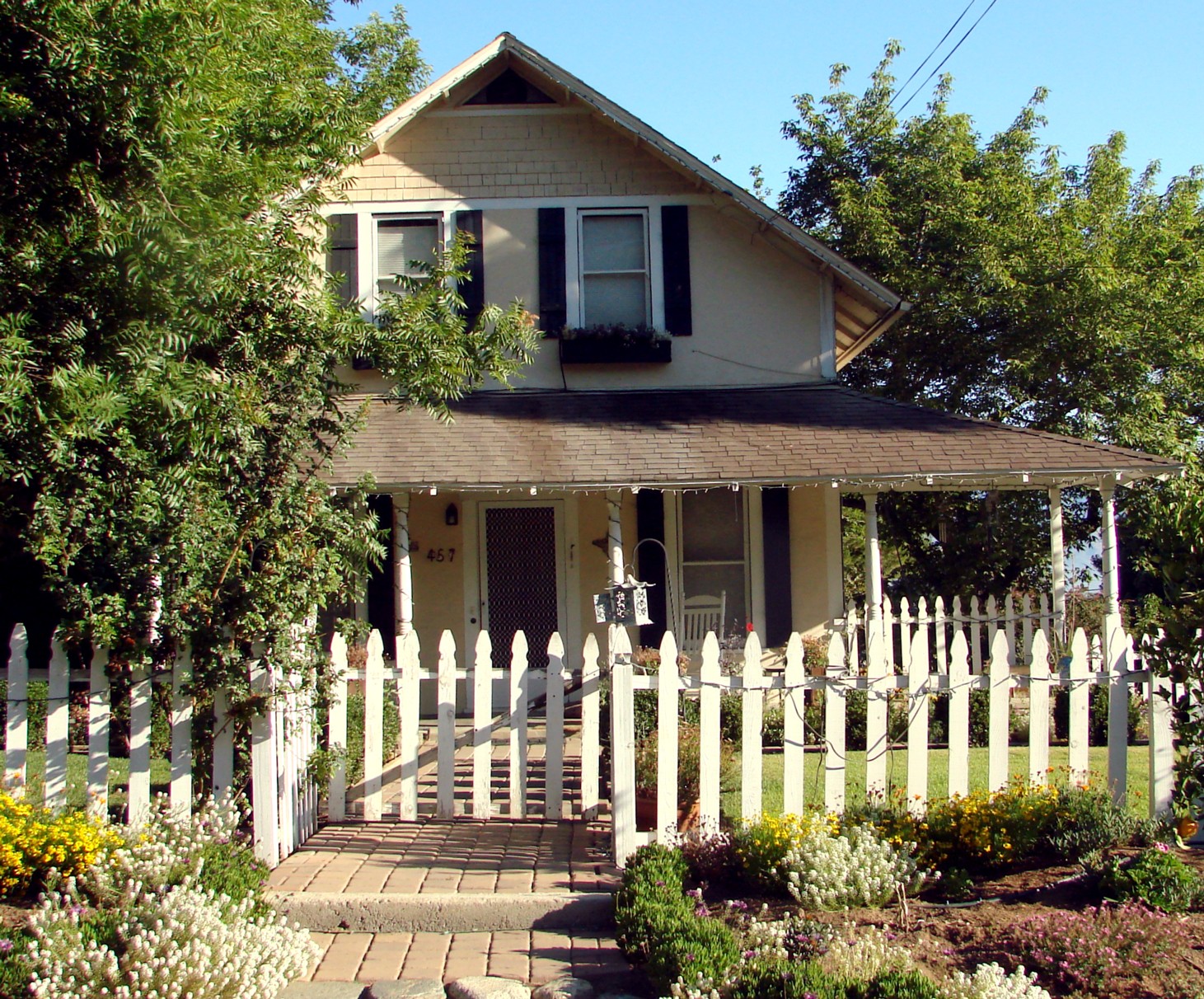

Know Exactly Where the Line Is Before Anything Else

The most common reason a new fence sparks a neighborhood dispute is a disagreement over property lines. Even a few inches on the wrong side can lead to a heated argument, and these disagreements often stem from unclear or outdated property surveys, or from fences built on assumptions rather than verified facts.
You can request a copy of the land survey or subdivision plat for your property from your county clerk’s office, as these documents contain detailed legal information about your property boundaries. Plat maps and GIS maps are also available, and there may be additional boundary details in the property deed or your title insurance.
If those options come up short, hiring a land surveyor to create a new survey is always a reliable path forward. A few hundred dollars spent on a professional survey now is considerably cheaper than relocating a fence after the fact.
A Fence on the Line Belongs to Both of You
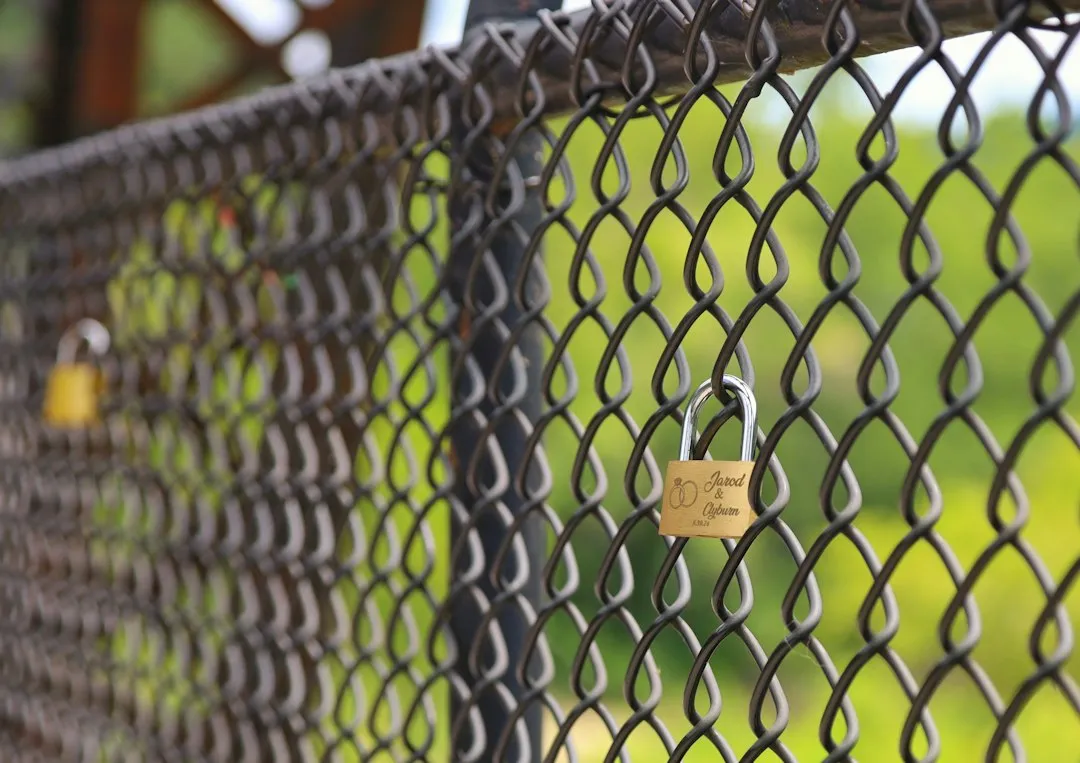
Typically, both neighbors jointly own a fence built directly on the property line. This means both property owners have equal rights to the fence, and they’re equally responsible for the cost of fence maintenance and upkeep.
Both owners share responsibility for maintaining the fence, and neither may remove it without the other’s permission. They must also agree to split the cost of repairing fences or common boundary walls.
In most states, a fence built directly on the property line is considered jointly owned by both property owners. Both benefit from it, both are responsible for maintaining it, and this is the default legal presumption in the majority of U.S. jurisdictions. That’s worth keeping in mind before you decide to repaint the whole thing on a Saturday afternoon without a word to your neighbor.
The Good Neighbor Fence Laws You Should Know About
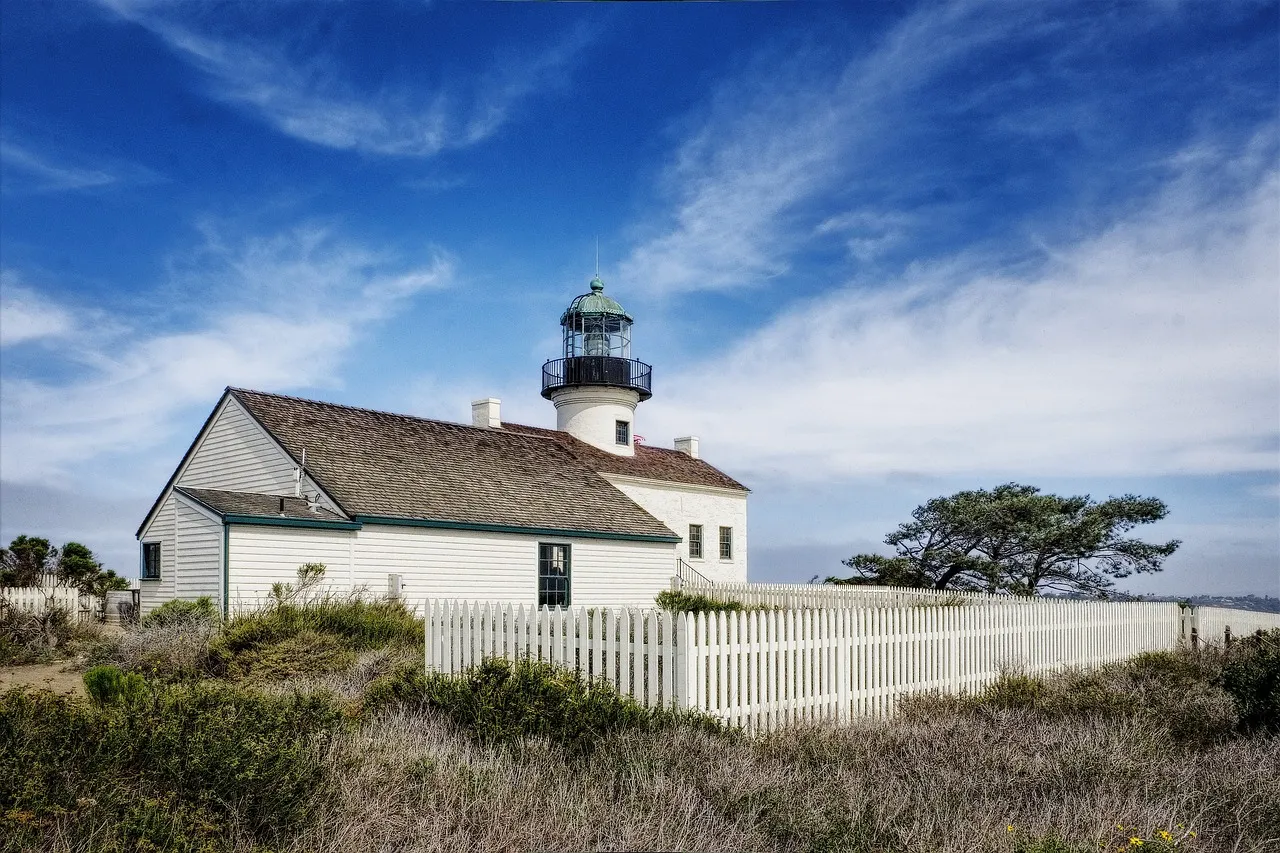
In California, property line fences are legally regarded as shared structures, placing equal responsibility on neighbors for their maintenance and upkeep under California Civil Code Section 841. This regulation, commonly referred to as the “Good Neighbor Fence” law, establishes the presumption of shared financial responsibility unless one neighbor can demonstrate they derive no benefit from the fence.
The Good Neighbor Fence Act requires you to give your neighbor at least 30 days’ written notice before you start any construction or replacement work on a shared boundary. This notice cannot be a casual text message or a verbal mention over the driveway.
Outside California, you don’t legally have to split costs in most states. Offering to split costs for a shared boundary fence, though, builds goodwill and may get your neighbor genuinely on board with the project. The social capital of a cooperative conversation is harder to measure than a dollar amount, but it matters just as much in the long run.
Talk to Your Neighbor Before You Call a Contractor

The most important rule is to always consult with your neighbor before beginning work or repairs. That includes attaching anything to the fence, such as lattice or signs.
Open communication with your neighbor helps resolve fence disputes early, and you should document any agreements about maintenance responsibilities or cost-sharing in writing. A quick conversation at the right moment can prevent months of strained silence.
A 2025 Pew Research Center survey found that only about a quarter of U.S. adults say they know all or most of their neighbors, while the majority know only some. So when a fence crew arrives or a shed appears near the boundary, people are not always reading the moment through years of friendly history. They’re reading it through surprise, which rarely produces a calm reaction.
Height Restrictions Are Real and Vary Widely

Property laws governing fences are primarily local. States may provide broad guidance, but counties and municipalities often set specific rules covering boundary determination, height limits, setback from property lines, permitted materials, and required permits. Zoning codes may limit fence height in front yards, while rear-yard fences could have different standards.
California fence law limits fences in front yards to three and a half feet and backyard fences to six feet. Many other states follow similar general guidelines, though exact numbers differ from one municipality to the next.
Local fence ordinances typically regulate how one uses or puts up a fence around their property. Before you commit to a height that gives you the privacy you want, it’s worth a quick call to your local zoning office to confirm what’s actually permitted in your specific area.
HOA Rules Add Another Layer to the Whole Picture

The Foundation for Community Association Research reported 369,000 U.S. community associations in 2024, covering 28.8 million housing units and 77.1 million residents, with 2025 estimates rising to 370,000 to 374,000 associations. That’s a substantial portion of the American housing landscape governed by rules that go well beyond basic zoning.
Millions of Americans live in places where a fence, wall, deck, or shed may have to satisfy property law, local code, subdivision plats, architectural rules, and the neighbor’s patience. A homeowner can place a fence correctly on the survey and still violate HOA height or style limits, or follow HOA design rules and still build over the legal boundary.
HOAs can impose fence restrictions on residents living within certain subdivisions, and the main focus for these associations is keeping the aesthetics of the community consistent. HOAs can issue fines, require removal, and if the dispute goes to court and you lose, require you to pay their legal fees under state law. Always review HOA documents before a single post goes in the ground.
The Danger of Letting Encroachments Go Unchallenged

When it comes to property boundaries, fence placement can play a significant role in maintaining good relations with your neighbors and protecting your property rights. Improperly placed fences can lead to disputes and even legal complications, especially when it comes to adverse possession.
The doctrine of adverse possession opens the door for an encroaching neighbor to make a claim of ownership of a neighbor’s property under certain circumstances. If a neighbor occupies all or part of the property for a minimum time period ranging from 5 years to 60 years, depending on the state, they can potentially claim adverse possession.
Do not let an encroachment sit for years, because adverse possession and prescriptive easements can cost you the land. If you decide to sell your property in the future, an improperly placed fence can create complications, and potential buyers may have concerns about the true boundaries of the property. Catching these issues early is always the smarter move.
Spite Fences: When a Fence Becomes a Statement
If your neighbor constructs a spite fence, making the neighborhood look terrible and calling attention to the property, filing a lawsuit is among your options. Spite fences are a recognized legal category, not just a neighborhood grievance.
A spite fence, over 10 feet high and intended to annoy, is prohibited and considered a violation of California fence law. Several states in the United States have laws that prohibit planting a row of trees parallel to a property line that exceed six to ten feet in height and block a neighbor’s view or sunlight.
Courts have even ruled that a row of trees can be considered a “fence” under these statutes. The spirit of spite fence laws is fairly consistent across states: using your own property as a weapon to deliberately harm a neighbor’s enjoyment of theirs is something the legal system takes seriously, even if the fence itself is technically on your side of the line.
Put Your Agreements in Writing, Every Time

If adjustments are needed, draft a written agreement detailing maintenance, cost sharing, and future modifications. Have both parties sign it and keep copies with property records. Handshake deals about a fence work fine until one of you moves, and the new neighbor has no idea what was agreed.
Determining who owns the fence between properties starts with reviewing your property deed, survey, and title insurance to confirm boundary lines and existing structures. Your local zoning laws outline setback requirements, height restrictions, and shared fence responsibilities.
Disagreements can often be solved through mediation rather than going through a whole lawsuit. Some states offer a provision for a “fence viewer” to examine the fence and recommend whether it needs repair or whether the amount requested for repair is reasonable. A written agreement, filed alongside your property records, removes a lot of the guesswork if a dispute surfaces later.
When Things Escalate: Your Practical Legal Options
Fact-checking and negotiation are often important steps before considering suing a neighbor over property-line disagreements. Most attorneys who handle property disputes will say the same thing: court should be a last resort, not a first response.
Consider mediation before legal action. A neutral mediator can help allocate costs and responsibilities fairly. If one party refuses to cooperate, the other party can have the repair work done, then write a demand letter requesting payment from the neighbor.
It is worth talking to a local real estate attorney or legal aid office when an encroachment is significant, when adverse possession may be in play, when a neighbor refuses to cooperate, or when you receive a demand letter or lawsuit. Because these doctrines and dollar thresholds vary so much from state to state, professional advice tailored to your jurisdiction is the safest path to protecting your property.
The Takeaway
A backyard fence line is rarely just a physical boundary. It’s where two different ideas about property, privacy, and neighborliness meet in a narrow strip of real estate. Most of the problems that arise along that line, from encroachments to cost disputes to spite fences, have less to do with the law and more to do with people skipping the conversation they should have had at the start.
The rules, both the written ones in local ordinances and the unspoken ones built on basic courtesy, point in the same direction. Talk first, document everything, and verify the line before you build anything. The neighbor you have today will likely be the one standing next to you at a mediation table tomorrow if you don’t.
A little transparency at the start costs nothing. A fence dispute that ends in court can cost a great deal more than the fence itself was ever worth.
AI Disclaimer: This article was created with the assistance of AI tools and reviewed by a human editor.